Dragon Valley, Drangiana Travel Guide
Explore the mythical Dragon Valley in Bamyan, Afghanistan: a geological wonder steeped in legend, offering stunning landscapes and cultural heritage.
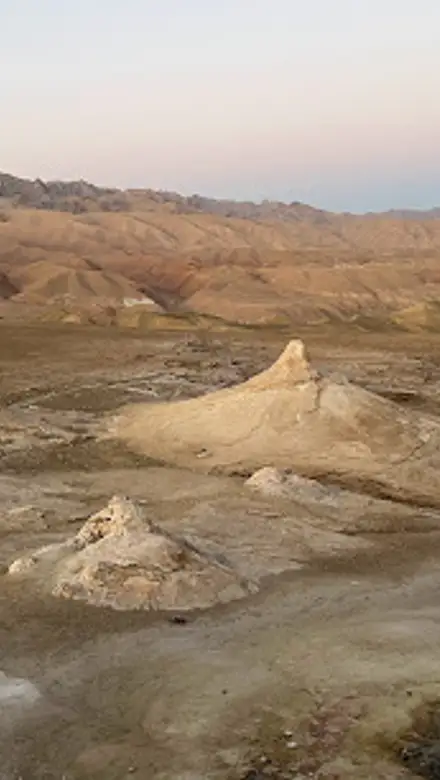
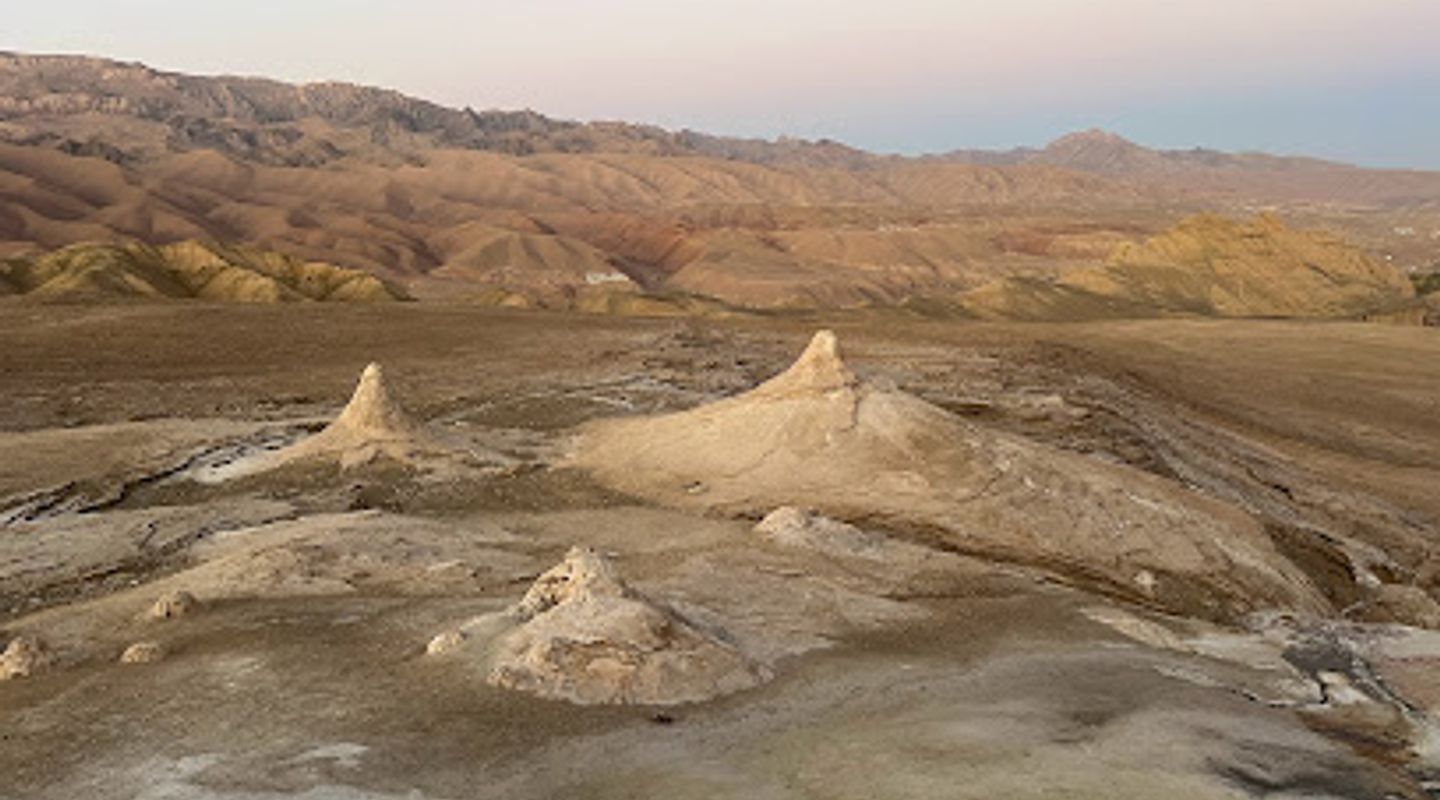
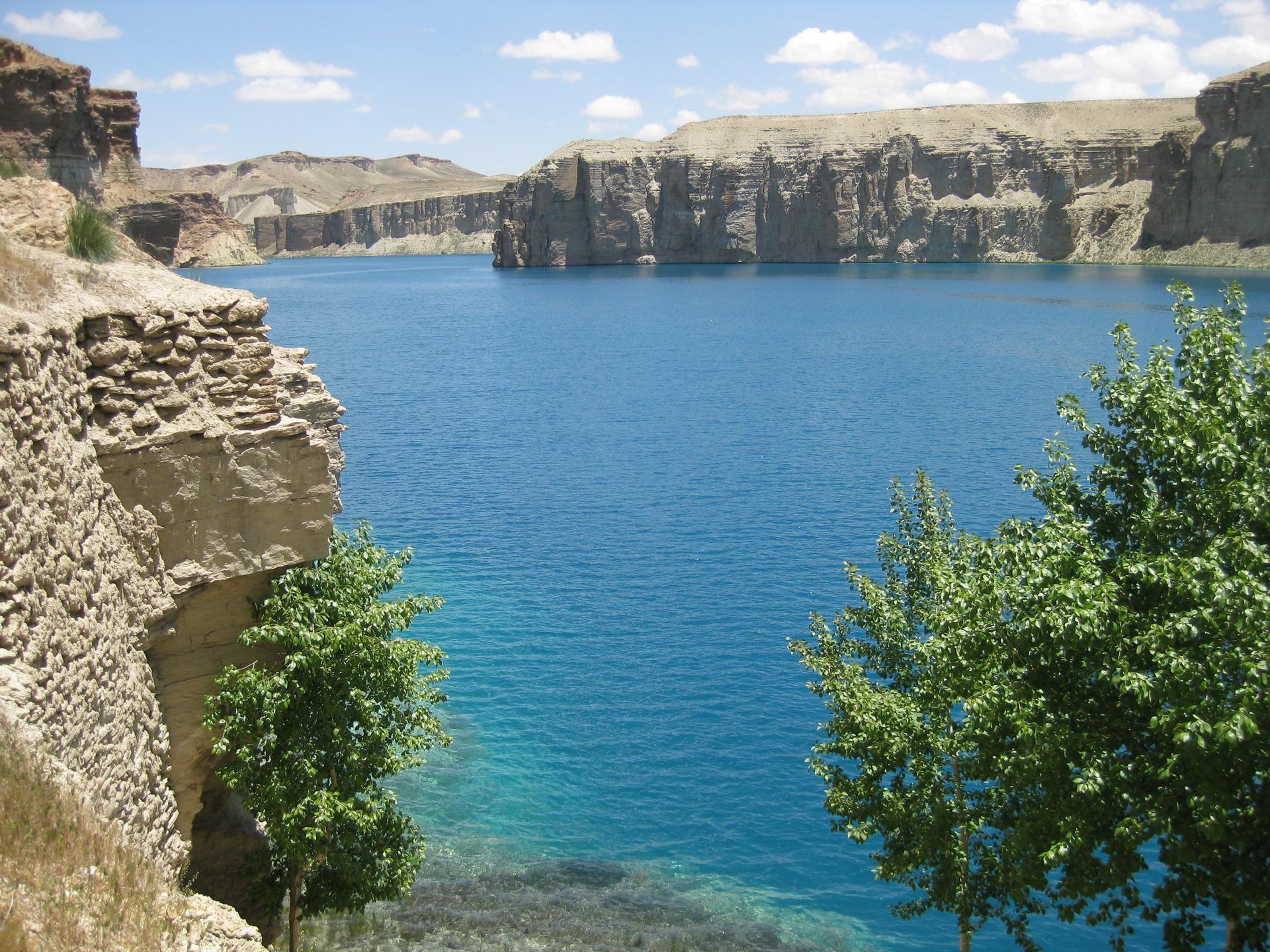
Dragon Valley (Dara-e Ajdahar) is located 7 kilometers west of Bamyan city, Afghanistan. According to local legend, the valley was formed when Hazrat Ali slew a dragon, its body transforming into the valley's rocky ridge. Mineral-rich springs, ancient rock paintings, and the predominantly Hazara village add to the valley's mystique and historical significance [3, 4, 6].
A brief summary to Dragon Valley
- RQM2+G5M, Bamyan, AF

Know before you go
Hi, I'm Eve. Here are a few practical things to know before exploring Dragon Valley.
- Engage with the local Hazara community to learn more about the legends and history of the valley [3, 7].
- Visit the mineral springs and observe the unique geological formations within the valley [3].
- Consider hiring a local guide in Bamyan for a more in-depth exploration of the valley and its surroundings [7].
Do you manage this location?
Take control to get all the benefits, like improved information, better appearance, and stronger visibility across AI-powered discovery. Learn more about listing your business on Evendo
Activate your presenceOther nearby places you may find interesting
The closest places of the same kind, if this one is not quite what you had in mind.

Explore Dragon Valley on the Map
A handpicked selection of must-see spots near Dragon Valley, mapped for you.
Getting There
-
Walking
From the village of Dara-e Ajdahar, the valley is easily accessible on foot. Follow the well-trodden paths leading into the valley, keeping the rocky ridge in sight. The walk from the village center to the base of the ridge takes approximately 15-20 minutes. Be mindful of the terrain, which can be uneven in places.
-
Public Transport
Shared taxis (usually small vans or cars) regularly operate from Bamyan Bazaar to Dara-e Ajdahar village [7]. A seat in a shared taxi costs around 30 Afghanis [7]. From the village, follow the walking directions to reach the valley floor [7].
-
Taxi
Private taxis can be hired from Bamyan Bazaar for a return trip to Dragon Valley, including waiting time [7]. Expect to pay around 500 Afghanis for the round trip [7]. The taxi will drop you off at Dara-e Ajdahar village, from where you can walk to the valley floor [7].
Discover more about Dragon Valley













Your all‑in‑one travel companion app
Explore expert travel guides, compare and book tours, experiences, hotels, and more—all from the palm of your hand. Download now for seamless trip planning wherever your wanderlust takes you.


Explore More of Drangiana
Looking beyond Dragon Valley? Discover Drangiana for broader travel guides, local hot-spots, and regional highlights.
Explore Drangiana
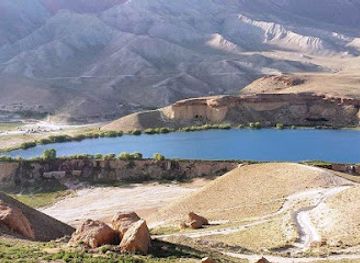
Discover Afghanistan's first national park, a breathtaking landscape of turquoise lakes and dramatic canyons in the heart of the Hindu Kush.

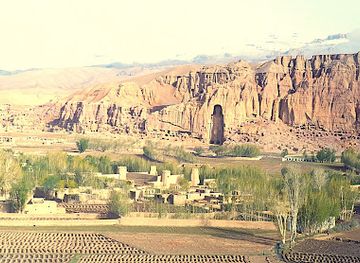
Explore the remains of the monumental Bamiyan Buddhas, a UNESCO World Heritage Site and a poignant reminder of Afghanistan's Silk Road history.