
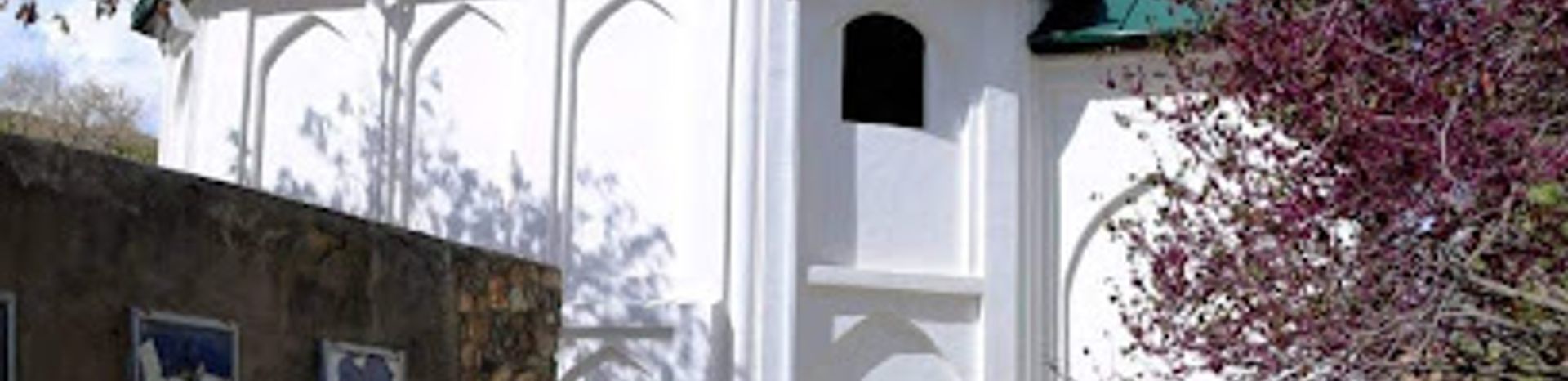
Tomb of Mahmud of Ghaznavi: A Glimpse into Ghaznavid Glory
Explore the Tomb of Mahmud of Ghaznavi in Ghazni, Afghanistan, and discover the grandeur of the Ghaznavid Empire and its cultural legacy.
The Tomb of Mahmud of Ghaznavi, located in Ghazni, Afghanistan, is a historical landmark that serves as a reminder of the powerful Ghaznavid Empire that flourished in the 10th and 11th centuries [5, 7]. The tomb reflects the architectural styles of the Ghaznavid era and stands as a symbol of Afghanistan's rich heritage [5].
A brief summary to Tomb of Mahmud of Ghaznavi
- HFJ3+MG, Ghazni, Rawdza, AF
Local tips
- Dress modestly to respect local customs and traditions when visiting the tomb [7].
- Hire a local guide to gain deeper insights into the history and significance of the tomb [7].
- Combine your visit with a tour of other nearby historical sites in Ghazni, such as the Ghazni Citadel and Minarets [7, 11].

Getting There
-
Walking
From the center of Rawdza, the tomb is generally accessible by foot, following local roads and paths [7]. Orientation is aided by the distinct skyline of the mausoleum [7]. Surfaces may be uneven [7].
-
Taxi/Ride-Share
Taxis are available in Ghazni [7, 10]. A short ride from the city center to the Rawdza area, where the tomb is located, typically costs around 50-100 Afghanis [7]. Negotiate the fare beforehand [7]. Ride-sharing apps may have limited availability [7].
Discover more about Tomb of Mahmud of Ghaznavi
Iconic landmarks you can’t miss

Minaret of Masud III
2.1 km
Explore the historical Minaret of Masud III in Ghazni, a testament to the Ghaznavid Empire's rich cultural legacy.
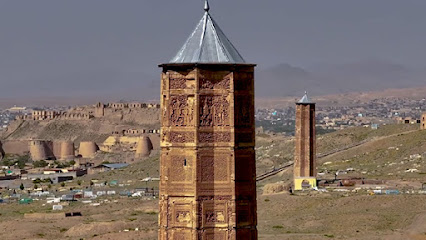
Tapa Sardār
2.6 km
Explore the ruins of Tapa Sardar, an ancient Buddhist monastery near Ghazni, revealing Afghanistan's rich pre-Islamic history and art.
Paktika Ahmadi Tr Co
54.8 km
Discover the essential currency exchange service in Sharan, Afghanistan, ensuring hassle-free financial transactions during your travels.
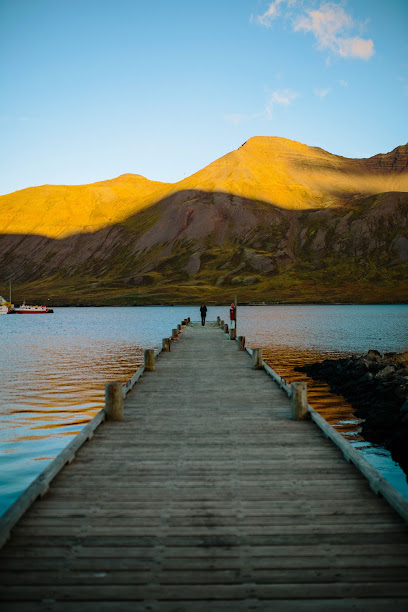
د علیشنګ لرغونی دېوال Alishang's Historical Wall
56.2 km
Discover Alishang's Historical Wall in Afghanistan: A journey through time, offering panoramic views and a glimpse into the region's rich cultural heritage and resilient spirit.

Imnakhail Jamie Masjid paktika sharnaپکتيکا مرکز ښرنه امنيې خيلو جامع مسجد
57.0 km
Explore the serene Imnakhail Jamie Masjid in Sharan, Afghanistan, a stunning example of Islamic architecture and a tranquil space for reflection.
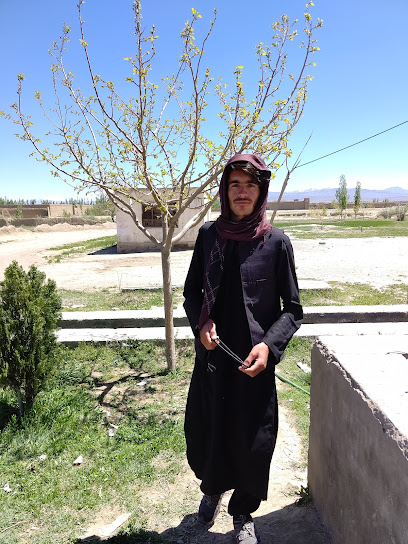
Logar River
57.4 km
Experience the tranquil beauty of the Logar River, a hidden gem in Afghanistan, perfect for nature lovers and adventure seekers.
Kōtal-e Tīrah
66.3 km
Discover the breathtaking beauty of Kōtal-e Tīrah, a stunning mountain pass in Afghanistan offering adventure, culture, and unforgettable views.
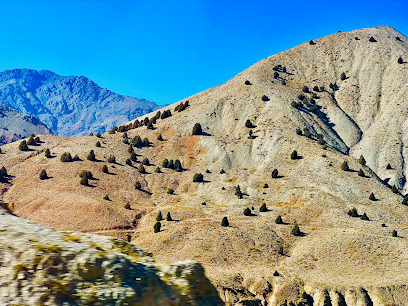
لوګر ولایت - پل علم
70.2 km
Discover the breathtaking beauty and rich culture of Logar Valley, an untouched gem on the Kabul-Logar Highway in Afghanistan.
Logar Volayat Mosque
70.2 km
Discover the spiritual heart of Logar Province at the Volayat Mosque in Pol-e Alam, a stunning display of Islamic architecture and Afghan cultural heritage.
Logar Continental - لوګر کانټينينټل
70.4 km
Discover the heart of Afghanistan's music scene at Logar Continental, a vibrant concert hall in Pol-e Alam, offering diverse performances and cultural experiences.
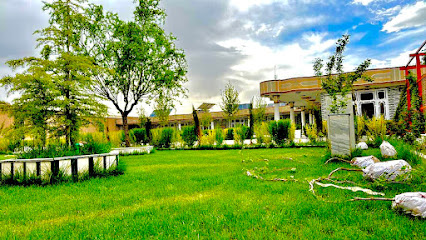
Ko’ he khadarshan
71.5 km
Discover the stunning beauty and rich cultural heritage of Ko’ he khadarshan in Gardez, Afghanistan, a blend of nature, history, and local traditions.
Afghan Fixer - Maiwand Naweed
79.7 km
Immerse yourself in the captivating landscapes and rich culture of Afghanistan with Afghan Fixer - Maiwand Naweed, your trusted local tour operator.
Afghan businnes
79.7 km
Experience the heart of Afghan culture at Afghan Business, where music, tradition, and warm hospitality create unforgettable memories for every visitor.
Khost-Gardez Pass
85.8 km
Journey through the historic Khost-Gardez Pass in Afghanistan, where rugged landscapes meet centuries of strategic significance and cultural exchange.
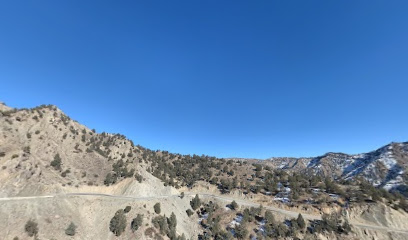
Afghanistan Wardak jaghatu
87.9 km
Explore the Jaghatu School Center in Wardak, Afghanistan, and witness the transformative power of education in a vibrant community setting.
Unmissable attractions to see

Khatmol-Morsaleen
4.2 km
Discover Khatmol-Morsaleen Mosque in Ghazni: A serene sanctuary blending Islamic architecture with Afghan cultural traditions and resilient spirit.
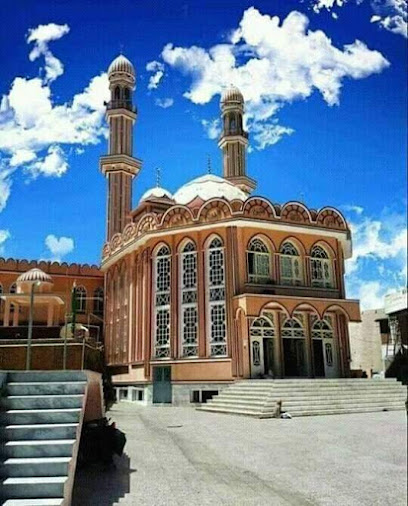
Hazrat Usman Hajveri Shrine
4.4 km
Discover the spiritual essence of Ghazni at the Hazrat Usman Hajveri Shrine, a serene sanctuary steeped in Islamic history and cultural significance.
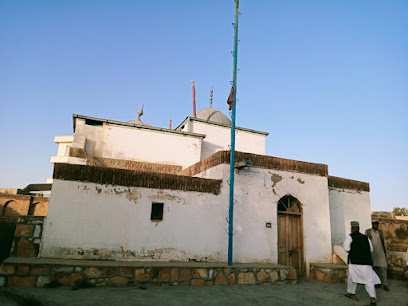
Kōh-e Bād Āsyā
22.1 km
Discover Kōh-e Bād Āsyā in Jaghatu, Afghanistan: a majestic mountain peak offering breathtaking views, cultural immersion, and a tranquil escape [2].
د بند غاړه
58.9 km
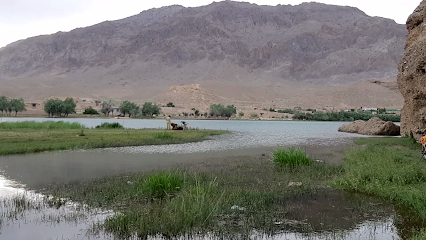
Discover د بند غاړه: A peaceful tourist spot in Jawari, Afghanistan, offering tranquility and natural beauty.
Gaw Kush
67.0 km
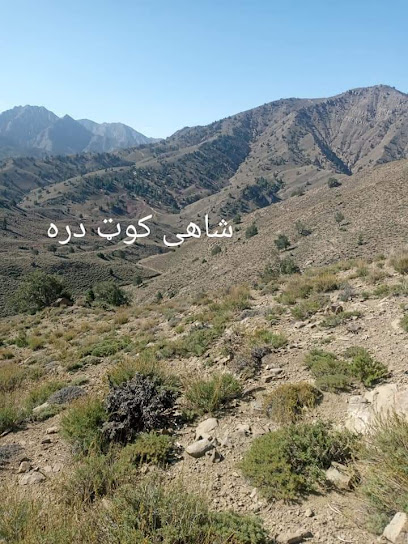
Discover Gaw Kush in Afghanistan: A challenging climb with rewarding panoramic views in a remote, stunning landscape of the Hindu Kush.
Chashmah abi garm (shormagh)
69.7 km
Discover the serene beauty of Chashmah Abi Garm in Maylor, Afghanistan: a natural hot spring offering tranquility, cultural immersion, and a rejuvenating escape amidst stunning mountain landscapes.
Takur Ghar
75.4 km
Explore Takur Ghar, Afghanistan: Witness history and breathtaking views from this iconic mountain peak in the heart of the Arma Mountains.
Waghjan Mosque دواغجان جومات
85.8 km
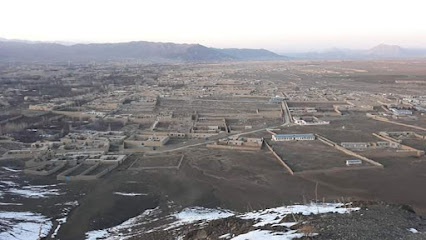
Discover the spiritual heart of Dewalak at Waghjan Mosque, showcasing Afghan culture, community, and local traditions in a serene sanctuary.
Essential places to dine

Sherazaiرستورانت شيرازي
4.6 km
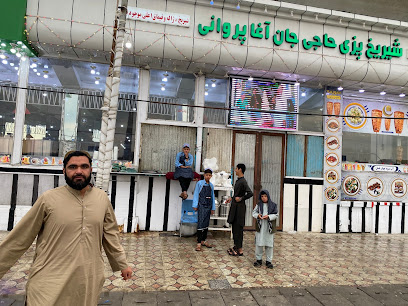
Experience authentic Afghan cuisine at Sherazai Restaurant in Ghazni – a culinary gem offering traditional flavors and warm hospitality.
Uranus Hotel
4.8 km
Experience authentic Afghan hospitality at Uranus Hotel in Ghazni – where comfort meets tradition.
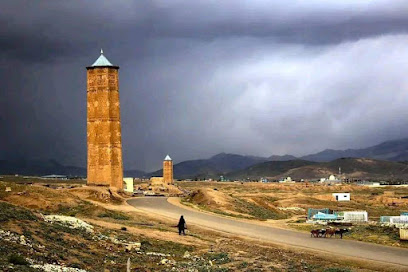
Abdul - Saboor Rasoli
5.1 km
Discover authentic Afghan flavors at Abdul - Saboor Rasoli in Ghazni, where every dish tells a story of tradition and hospitality.
Ghazni Chief Fastfood- غزنی چیف
5.5 km
Experience the best of fast food with local flavors at Ghazni Chief Fastfood - your go-to dining destination in Ghazni.
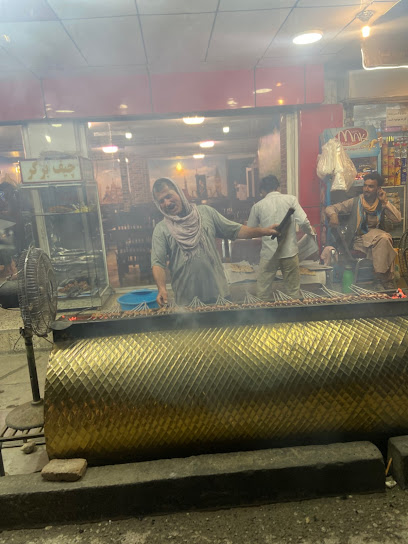
Sola Restaurant
26.5 km
Discover authentic Afghan flavors at Sola Restaurant - perfect for families seeking delightful dining experiences along the Kabul-Ghazni Highway.
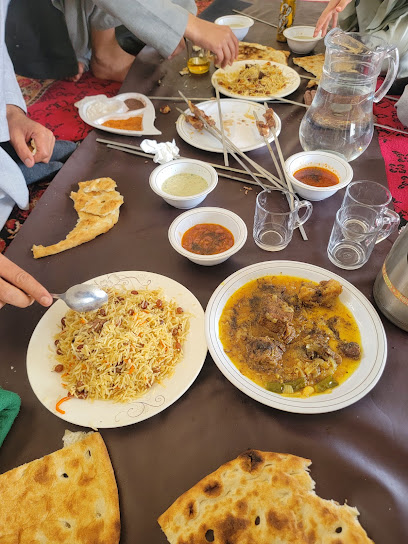
Shangla View Hotel and Restaurant
46.1 km
Discover authentic Afghan cuisine with breathtaking views at Shangla View Hotel and Restaurant in Qargha.
Khurasan hotel & Restaurant
55.4 km
Discover the flavors of Afghanistan at Khurasan Hotel & Restaurant in Sharan - where every meal tells a story.
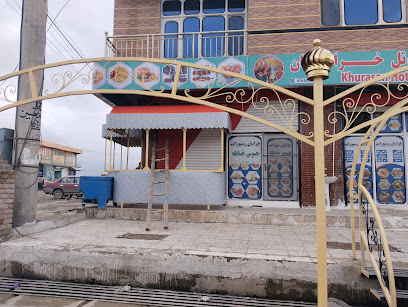
Danna Florez
79.3 km
Experience authentic Belgian cuisine at Danna Florez in Afghanistan, where delightful dishes meet warm hospitality.
be quiet
79.4 km
Discover authentic Afghan cuisine at Be Quiet Restaurant in Ghawcqol - where tranquility meets culinary delight.
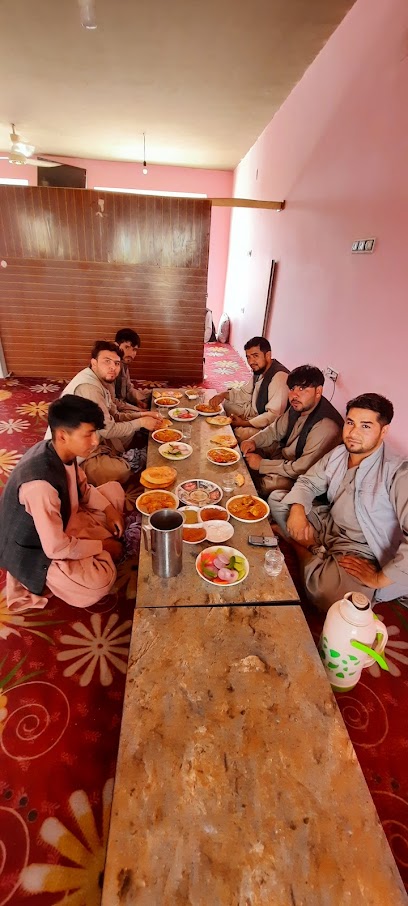
Abdullah merzayi
79.4 km
Experience authentic Afghani cuisine at Abdullah Merzayi in Ghawcqol - a true taste of Afghanistan's rich culinary heritage.
Abdullah agha
79.4 km
Discover the rich flavors of authentic Afghani cuisine at Abdullah Agha in Ghawcqol—an unforgettable dining experience awaits you.
Saqib sahil
79.4 km
Experience authentic Afghan cuisine at Saqib Sahil in Ghawcqol—where every dish tells a story of tradition and flavor.
Maidan Wardak Restaurant
98.4 km
Experience authentic Afghan cuisine at Maidan Wardak Restaurant in Maidan Shahr - where tradition meets flavor.
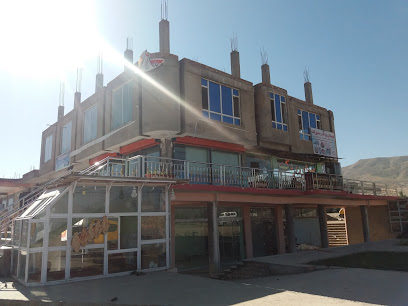
خوش نصیب هوټل او رستورانټ kohsnasib restauratn
98.5 km
Discover Kohsnasib Restaurant in Maidan Shahr for an unforgettable taste of authentic Asian cuisine amidst local charm.
Markets, malls and hidden boutiques

Nayab General Store
4.1 km
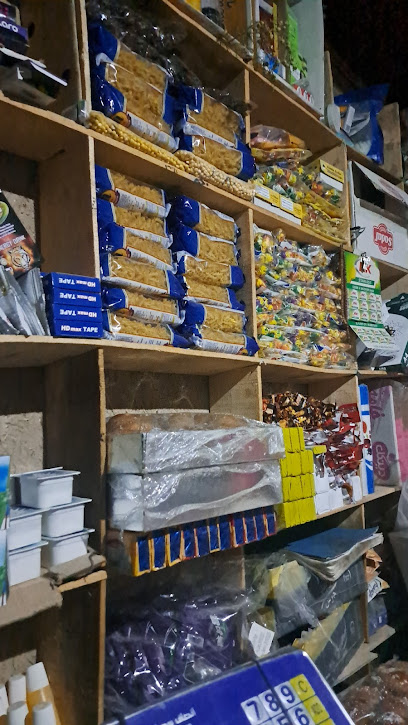
Explore Nayab General Store in Ghazni, Afghanistan, for an authentic taste of local culture and unique grocery finds.
Afghan tolo medicine distribution. Werrik, Willsons, Focus &rulz
4.2 km
Experience the rich tradition of Afghan Tolo medicine, where ancient healing meets modern pharmacy in Ghazni.
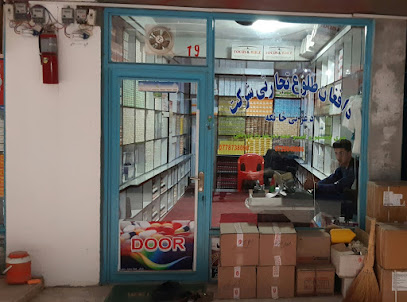
Masoom Mashal Medical Tools
4.2 km
Explore Ghazni with peace of mind, knowing Masoom Mashal Medical Tools is here for all your pharmacy needs.
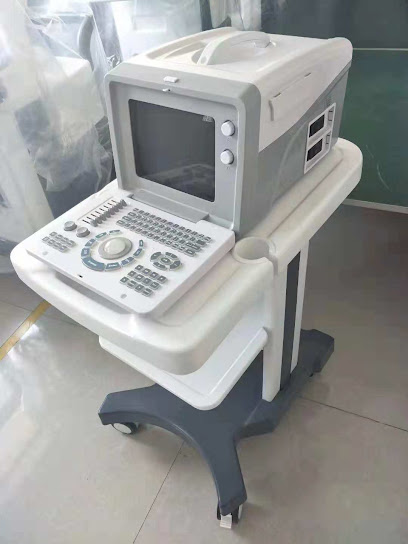
Noorzadagan commercial market
4.3 km
Experience the vibrant culture and unique shopping at Noorzadagan Commercial Market in Ghazni, Afghanistan.
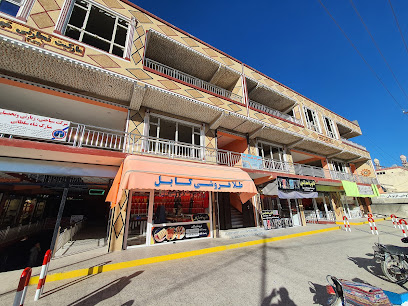
چای عزیزی Azizi Tea
4.3 km
Experience the rich flavors and warm hospitality at Azizi Tea, a charming tea store in Ghazni, Afghanistan.
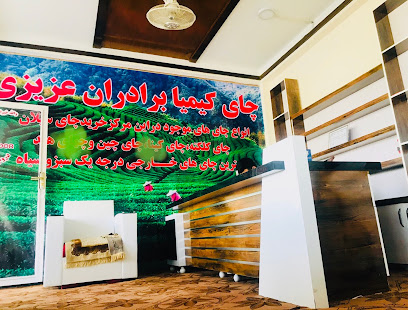
Basir Ehsan store
4.6 km
Discover local flavors and authentic Afghan products at Basir Ehsan Store, the heart of Ghazni's grocery shopping experience.
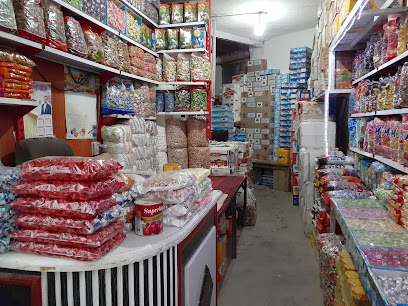
Ghazni سروري ترپال وفراشوت فروشي
4.7 km
Discover Ghazni's vibrant clothing culture at سروري ترپال وفراشوت فروشي, where tradition meets style in every exquisite piece.
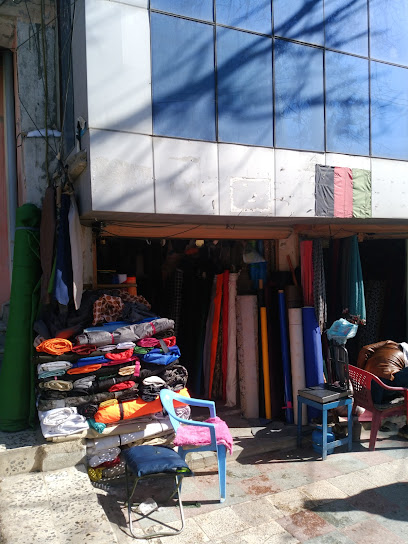
Azizi Super Store
4.8 km
Explore Azizi Super Store in Ghazni for a remarkable selection of exquisite watches that blend luxury and tradition in every timepiece.
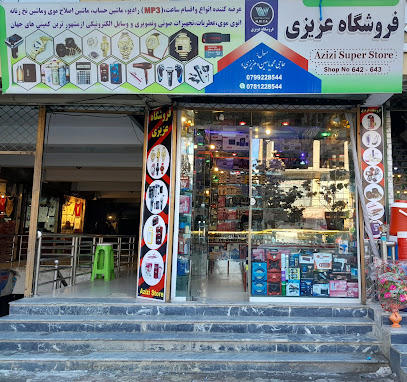
Amazon seller in Ghazni Afghanistan
4.8 km
Explore Ghazni's vibrant fashion accessories store for unique handcrafted treasures that showcase Afghanistan's rich cultural heritage.
Asia Electronic Big store
4.9 km
Explore the vibrant Asia Electronic Big Store in Ghazni, Afghanistan, your go-to destination for the latest electronics and unbeatable prices.
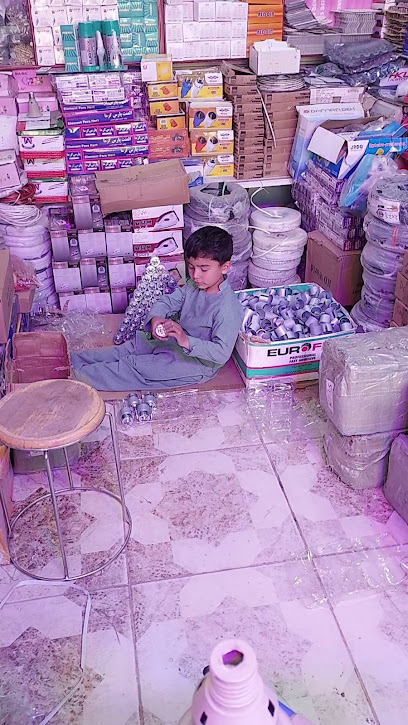
RKhan Computer & Technology Store
5.1 km
Discover cutting-edge technology and essential computer accessories at RKhan Computer & Technology Store in Ghazni, Afghanistan.
Ziaulhaq store
25.8 km
Experience authentic Afghan culture at Ziaulhaq Store in Bahrami Shahid, where unique local products and warm hospitality await you.
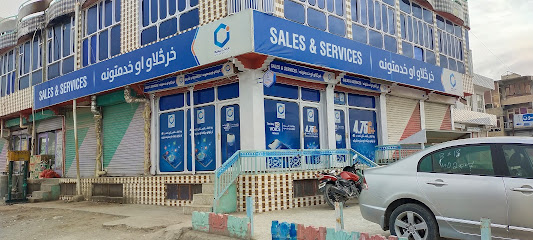
AWCC direct shop of Paktika center Sharan
54.8 km
Explore the AWCC Direct Shop in Sharan for authentic Afghan crafts and souvenirs that capture the essence of local culture.
Mati ullah store
69.2 km
Explore Mati Ullah Store in Padkhvab-e Shaneh for authentic Afghan crafts and a taste of local culture.
Bakhshak
69.7 km
Explore Bakhshak, Day Mirdad's top electronics store, offering a wide range of gadgets and exceptional service amidst vibrant local culture.
Essential bars & hidden hideouts

Rk khahعبدالرحمن رخت وله
54.3 km
Experience the authentic flavors of Afghanistan at Rk khah in Sharan, a must-visit breakfast restaurant for every traveler.
Jalal Abad Al-Hitmat Hotel
55.0 km
Experience authentic Afghan flavors and warm hospitality at Jalal Abad Al-Hitmat Hotel, a culinary gem in Sharan, Afghanistan.
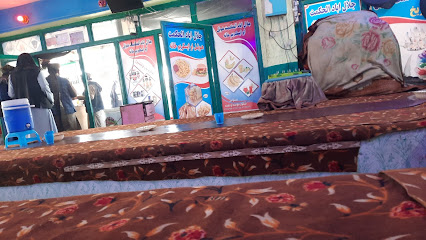
Rid
57.5 km
Discover the charm of Rid Bar in Zurmat, Afghanistan, where local culture meets cozy relaxation in an inviting atmosphere.
Mola mosa
58.3 km
Experience authentic Afghan hospitality at Mola Mosa, Haybat's charming bar, perfect for unwinding and connecting with locals.
The lonely goat
62.8 km
Discover the unique ambiance of The Lonely Goat bar in Baraki Barak, where local culture meets refreshing drinks in a cozy setting.
Zamzam plaza
69.6 km
Experience the rich flavors of Afghan cuisine at Zamzam Plaza, a welcoming restaurant in Gardez, perfect for food lovers and cultural explorers.
Sadaqat Restaurant - صداقت رستورانت
70.0 km
Experience the essence of Afghan cuisine at Sadaqat Restaurant in Pol-e Alam, where every meal is a celebration of tradition and flavor.
Ajmal Jafary
70.2 km
Discover the authentic taste of Afghanistan at Ajmal Jafary, where local flavors and warm hospitality come together.
Alfalah Restaurant
70.4 km
Experience the flavors of Afghanistan at Alfalah Restaurant, a gem in Pol-e Alam serving authentic dishes in a warm, inviting atmosphere.
اندخوی ترکمن دریا رستورانت نمبر 3
72.0 km
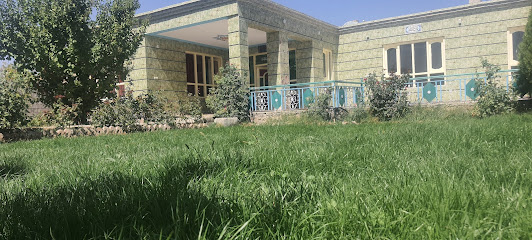
Experience authentic Afghan flavors at اندخوی ترکمن دریا رستورانت نمبر 3 in Gardez, a local favorite for delicious traditional dishes.
Kuro
75.6 km
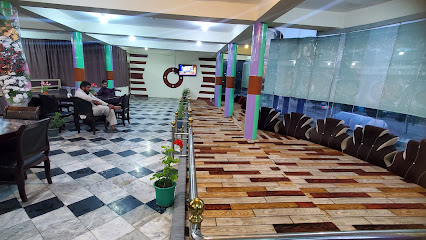
Discover the essence of Korea in Sultani with authentic dishes and warm hospitality at Kuro, a must-visit dining destination.


