Tapa Sardār, Baghlan Travel Guide
Explore the ruins of Tapa Sardar, an ancient Buddhist monastery near Ghazni, revealing Afghanistan's rich pre-Islamic history and art.
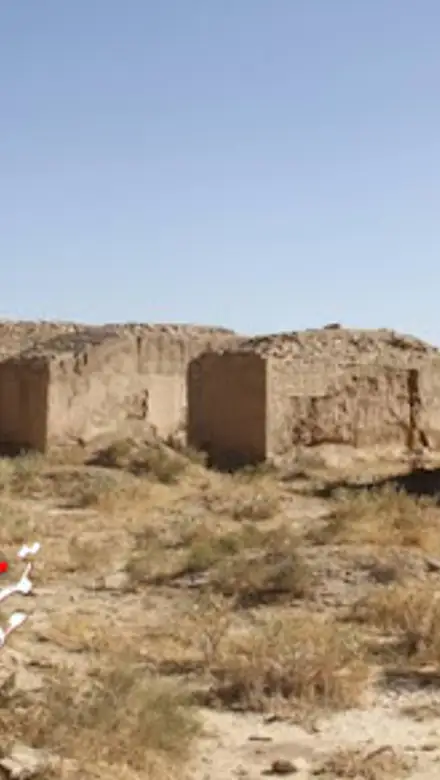
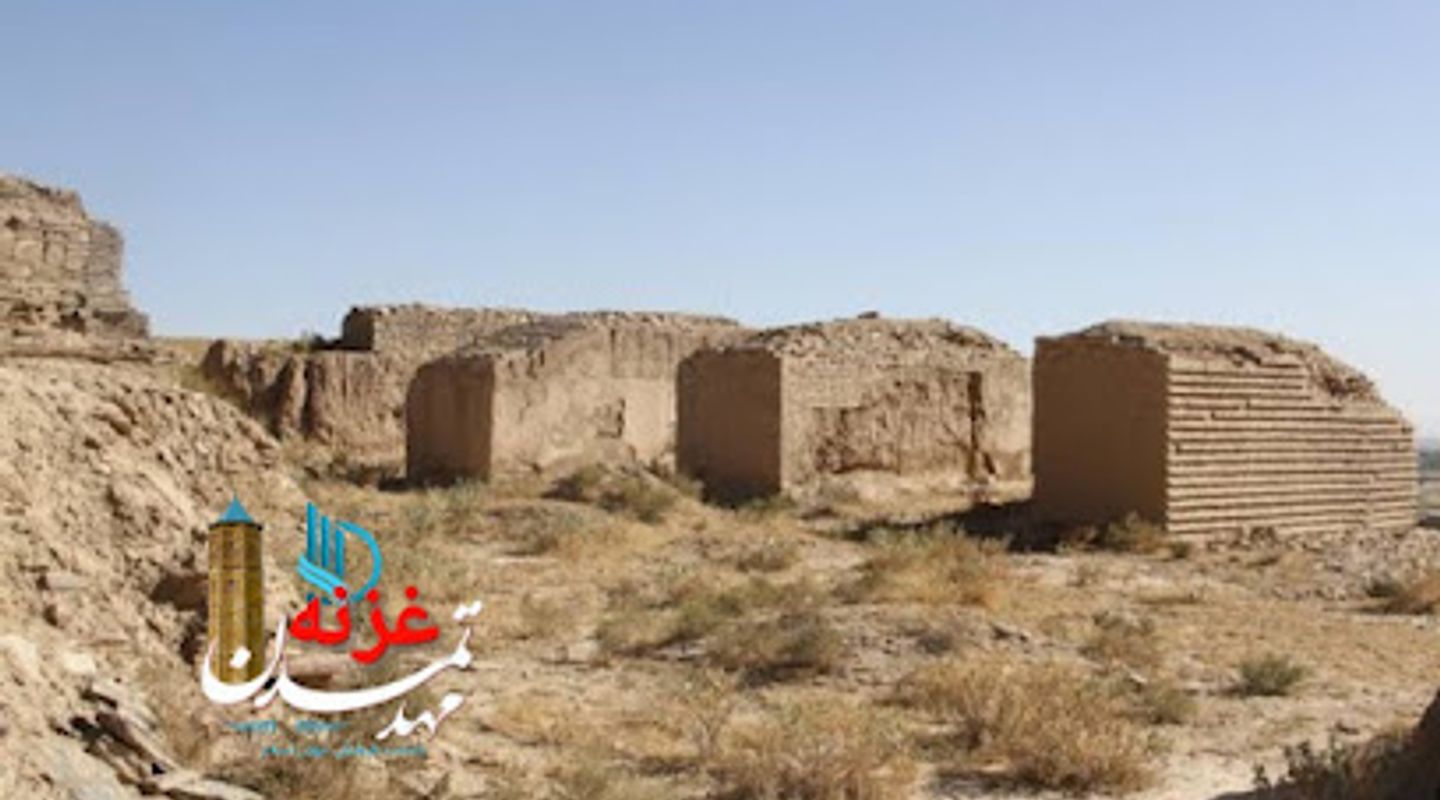
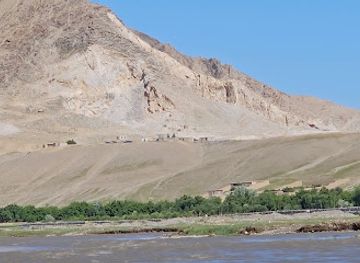
Tapa Sardar, near Ghazni, Afghanistan, is an ancient Buddhist monastery offering a glimpse into the region's pre-Islamic heritage. The site, perched atop a hill overlooking the Dasht-i Manara plain, reveals artistic phases from Hellenistic to Sinicized-Indian influences, dating back to the Kushan era [5, 3].
A brief summary to Tapa Sardār
- HF54+CM6, AF

Know before you go
Hi, I'm Eve. Here are a few practical things to know before exploring Tapa Sardār.
- Be aware that security conditions in the area may be unsafe, potentially limiting access to the site [1, 4].
- Combine your visit with other historical sites in Ghazni, such as the Ghazni Minarets and the Citadel [8].
- Learn about the Italian Archaeological Mission's work at the site to appreciate the efforts to preserve Afghanistan's pre-Islamic past [3, 4].
Do you manage this location?
Take control to get all the benefits, like improved information, better appearance, and stronger visibility across AI-powered discovery. Learn more about listing your business on Evendo
Activate your presenceOther nearby places you may find interesting
The closest places of the same kind, if this one is not quite what you had in mind.
Explore Tapa Sardār on the Map
A handpicked selection of must-see spots near Tapa Sardār, mapped for you.
Getting There
-
Driving
From Ghazni city center, Tapa Sardar is approximately 4 kilometers southeast. Take the road heading southeast from the city. The site is located on a hill overlooking the Dasht-i Manara plain. Consider hiring a local driver for ease of access. Due to the current environment, confirm road safety and accessibility before traveling. There are no known tolls or parking fees.
Discover more about Tapa Sardār













Your all‑in‑one travel companion app
Explore expert travel guides, compare and book tours, experiences, hotels, and more—all from the palm of your hand. Download now for seamless trip planning wherever your wanderlust takes you.


Explore More of Baghlan
Looking beyond Tapa Sardār? Discover Baghlan for broader travel guides, local hot-spots, and regional highlights.
Explore Baghlan