Grand Bay National Wildlife Refuge: A Coastal Tapestry
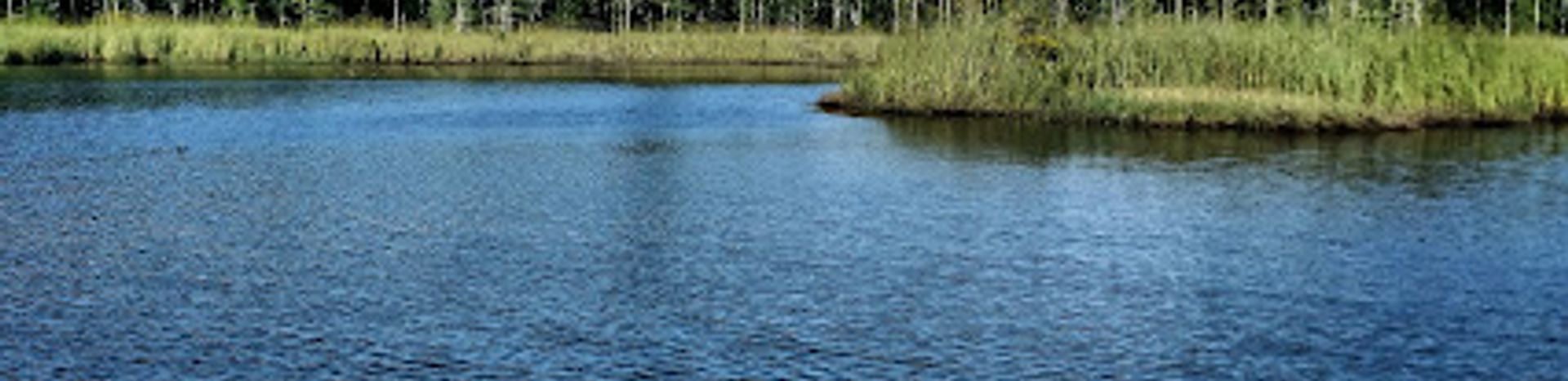
Discover diverse habitats, unique wildlife, and coastal beauty at Grand Bay National Wildlife Refuge, a Gulf Coast treasure for nature lovers and birdwatchers.
Established in 1992, Grand Bay National Wildlife Refuge protects a significant expanse of undisturbed wet pine savanna along the Gulf Coast [3, 8]. This diverse refuge is home to various habitats and offers opportunities for birdwatching, hiking, and exploring the unique coastal environment [2, 6].
A brief summary to Grand Bay National Wildlife Refuge
- 6005 Bayou Heron Rd, Grand Bay, Alabama, 36541, US
- +1228-475-0765
- Visit website
- Tuesday 9 am-3 pm
- Wednesday 9 am-3 pm
- Thursday 9 am-3 pm
- Friday 9 am-3 pm
- Saturday 9 am-3 pm
Local tips
- Bring insect repellent, especially during warmer months, as biting insects can be intense [7].
- Wear appropriate footwear, such as boots or outdoor shoes, as the trails can be wet, especially in the pine savanna areas [12].
- Visit during spring or fall migration for the best birdwatching opportunities [6].
- Check the opening hours of the Grand Bay Coastal Resources Center before your visit [4, 7].

Getting There
-
Driving
From I-10, take Exit 75 (Franklin Creek Road) south [2, 5, 9]. Continue south to US Highway 90 and cross it onto Pecan Road [2, 5, 9]. Cross the railroad tracks and continue down Bayou Heron Road for approximately 1 mile [2, 5, 9]. The Visitor Center will be on the right [2, 5, 9]. Parking is free [15].
Discover more about Grand Bay National Wildlife Refuge
Iconic landmarks you can’t miss

Dauphin Island Indian Shell Mound Park
32.5 km
Explore ancient Native American history and observe diverse birdlife amidst the natural beauty of Dauphin Island's Shell Mound Park.
All Things Africatown
33.3 km
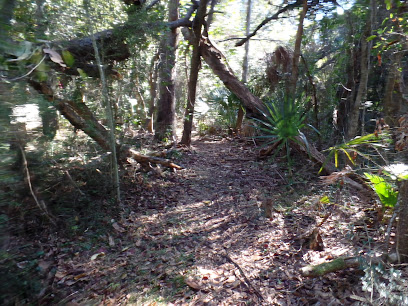
Explore Africatown's sacred spaces with All Things Africatown. Discover the history and resilience of the Clotilda descendants. Book your tour today!

Stanky Field
35.9 km
Experience college baseball at its finest at Stanky Field, home of the South Alabama Jaguars, named for legendary coach Eddie Stanky.

Middle Bay Lighthouse
36.1 km
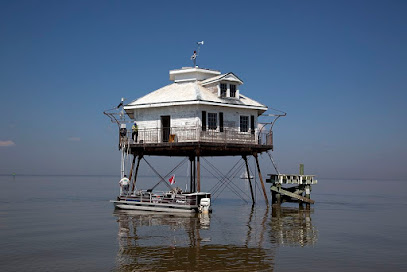
Explore the Middle Bay Lighthouse, a historical gem in Mobile Bay, showcasing Alabama's rich maritime heritage and stunning waterfront views.
Spring Hill Graveyard
39.2 km
Discover Mobile's history at Spring Hill Graveyard, a serene and historic cemetery established in 1844, offering a peaceful glimpse into the past.
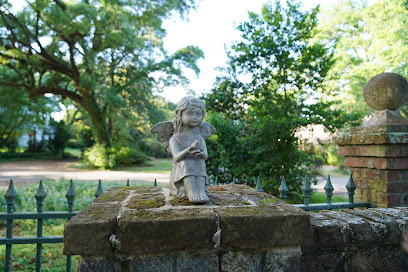
Forrest Wilson Monument
40.6 km
Discover Mobile's artistic heart at the Forrest Wilson Monument, a serene landmark celebrating the city's rich cultural heritage and creative spirit.
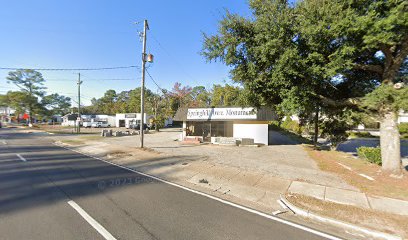
Maysville Historic District (Mobile, Alabama)
40.6 km
Discover the rich history and charming architecture of the Maysville Historic District, a hidden gem in Mobile, Alabama.
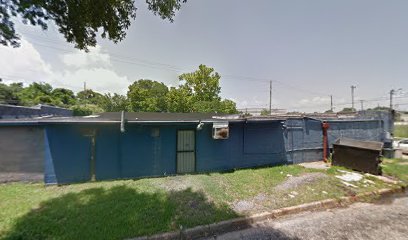
Battery Thomas
40.8 km
Explore Battery Thomas at Fort Morgan: A historic coastal defense site offering insights into late 19th-century military strategies and Mobile Bay's past.
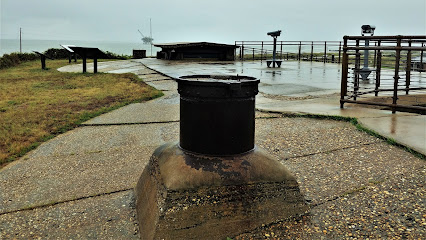
Semmes Heritage Park
40.9 km
Discover Semmes's history at Heritage Park: Explore preserved landmarks, experience historical events, and step back in time.
George Fearn House
40.9 km
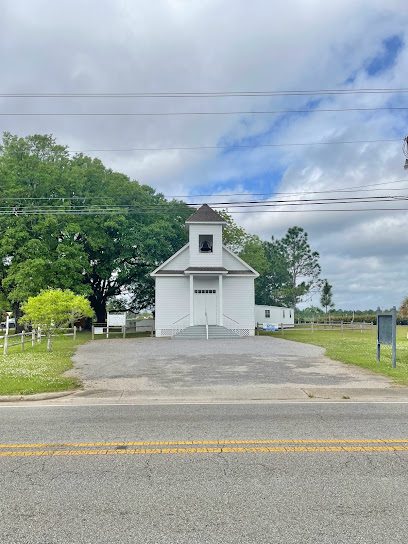
Experience Mobile's architectural history at the George Fearn House, a stunning example of Spanish Colonial Revival design from 1904.
Battery Duportail
41.0 km
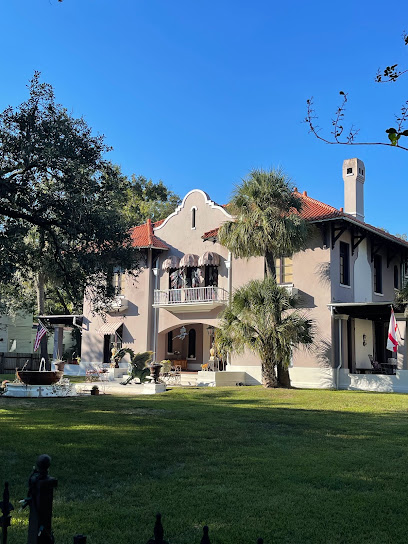
Explore Battery Duportail at Fort Morgan: A historic coastal defense site offering a glimpse into military engineering and the strategic importance of Mobile Bay.
Midtown Mobile
41.2 km
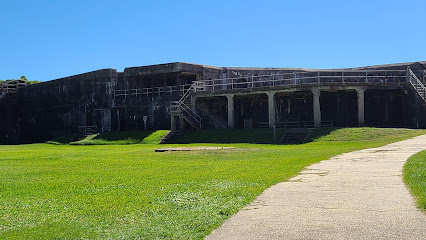
Explore Midtown Mobile: A historic district with stunning architecture, vibrant culture, and Southern charm in the heart of Mobile, Alabama.

Georgia Cottage U.S. National Register of Historic Places
41.2 km
Explore Georgia Cottage, a historic landmark in Mobile, Alabama, showcasing exquisite architecture and rich cultural heritage.
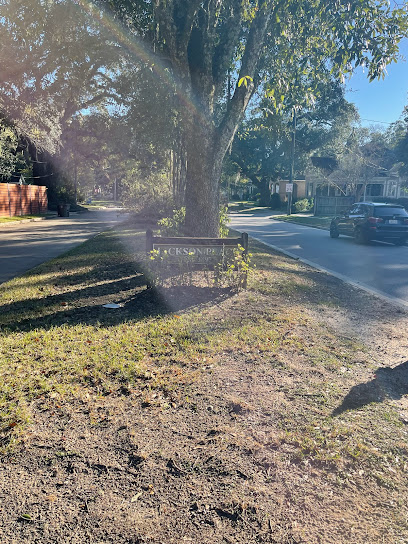
Jackson Place
41.2 km
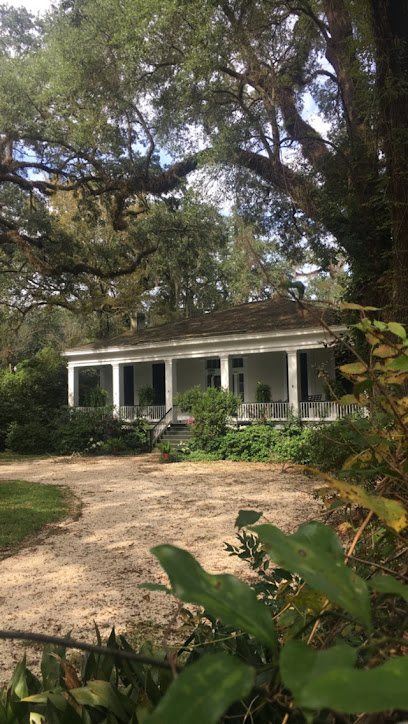
Discover the historical charm of Jackson Place in Mobile, Alabama, a serene landmark that showcases the region's rich heritage.
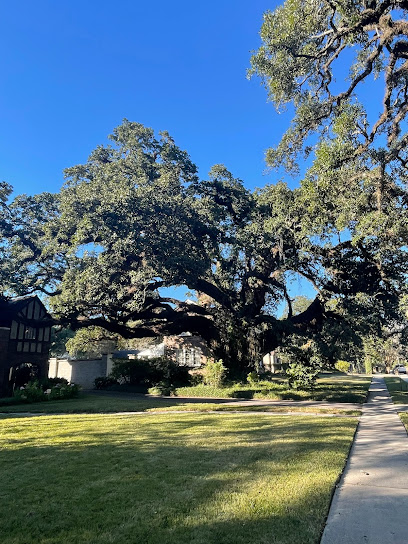
Pharr Oak Tree
41.3 km
Explore the historic Pharr Oak Tree in Mobile, Alabama, a stunning symbol of nature's beauty and resilience, perfect for photography and peaceful reflection.
Unmissable attractions to see

Gulf Coast Gator Ranch & Tours
5.1 km
Discover the wild allure of alligators at Gulf Coast Gator Ranch & Tours in Moss Point, Mississippi – an exciting adventure and educational experience awaits!
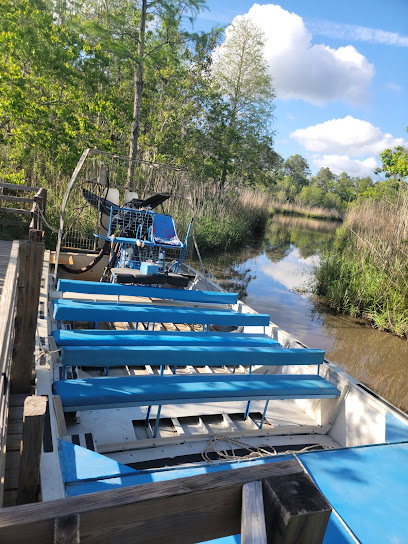
Pascagoula River Audubon Center
14.8 km
Explore the breathtaking ecosystems at Pascagoula River Audubon Center, a nature preserve and tourist attraction that showcases Mississippi's rich wildlife.
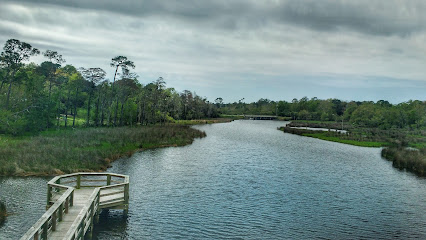
Pascagoula Beach Park
16.4 km
Explore the natural beauty of Pascagoula Beach Park, a serene escape with stunning Gulf views, lush greenery, and endless recreational opportunities.
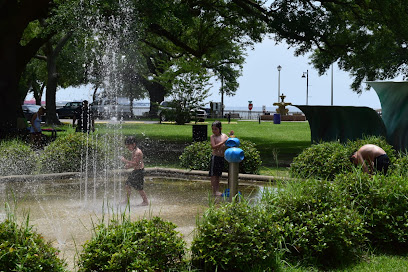
La Pointe - Krebs Museum
17.0 km
Experience the rich history and cultural heritage of Pascagoula at La Pointe - Krebs Museum, a treasure trove of exhibits and local artifacts.
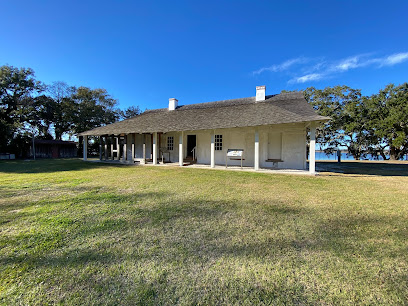
Round Island Lighthouse
17.1 km
Explore the Round Island Lighthouse in Pascagoula, MS – a historical landmark offering stunning views and rich maritime heritage.
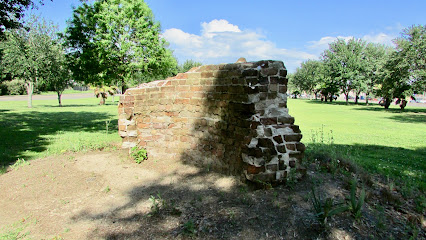
End Of The Line Alabama
21.5 km
Discover tranquility at Dauphin Island's End Of The Line Alabama, a coastal park offering unspoiled beaches, diverse birdlife, and serene sunsets on the Gulf Coast's western tip.
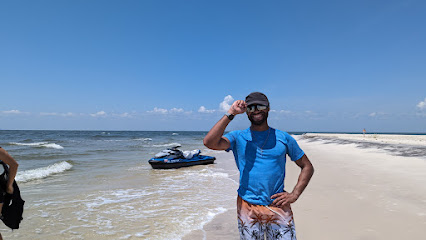
Bellingrath Gardens & Home
23.6 km
Explore the enchanting Bellingrath Gardens & Home, a stunning blend of natural beauty and rich history in Theodore, Alabama.
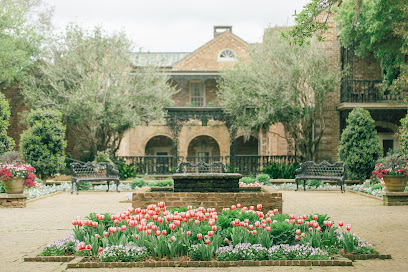
Shepard State Park
24.3 km
Explore the lush landscapes and recreational adventures at Shepard State Park, a perfect getaway for family fun and nature exploration in Gautier, Mississippi.
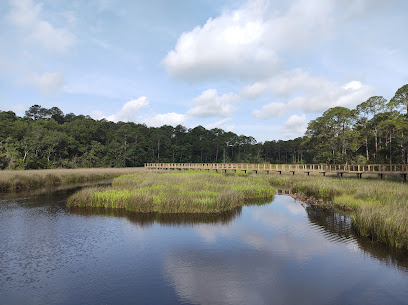
ECO-TOURS OF SOUTH MISSISSIPPI
25.4 km
Explore the breathtaking natural landscapes and diverse wildlife of South Mississippi with Eco-Tours, offering unforgettable guided adventures in pristine environments.
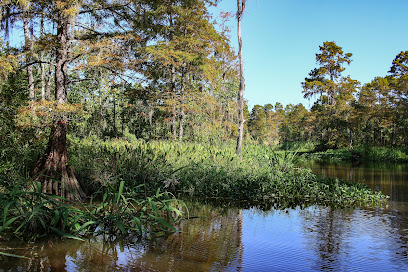
Mississippi Sandhill Crane National Wildlife Refuge Admin Building And Visitor Contact Station
26.0 km
Explore the serene Mississippi Sandhill Crane National Wildlife Refuge, a haven for wildlife and nature enthusiasts in Gautier, Mississippi.
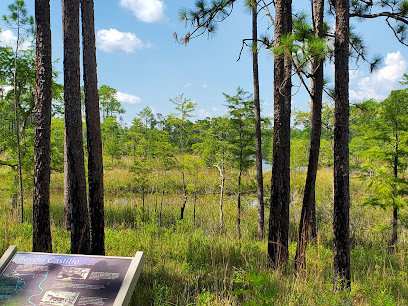
Bayfront Park - A Mobile County Park
26.9 km
Discover coastal serenity at Bayfront Park in Coden, Alabama: a haven for birdwatchers, families, and nature enthusiasts with stunning bay views.
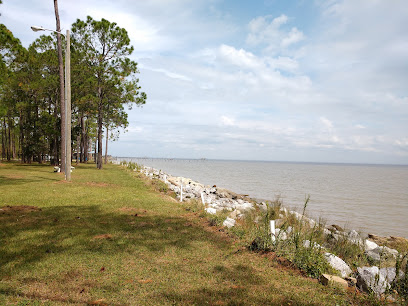
Mississippi Sound
28.5 km
Discover the serene waters and vibrant wildlife of Mississippi Sound, a perfect escape for outdoor adventures and nature lovers in Alabama.
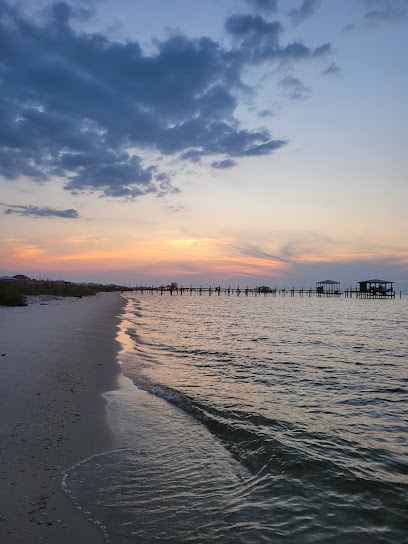
G I Museum Inc
30.5 km
Explore the G I Museum Inc in Ocean Springs, MS, where military history comes to life through engaging exhibits and rich storytelling.
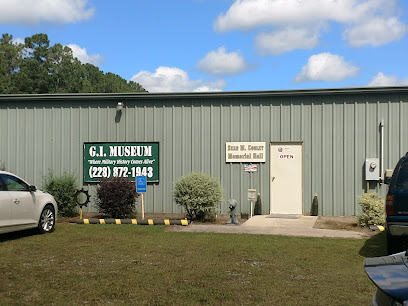
Free Art of Dauphin Island
31.4 km
Experience the colorful and creative expressions of the Free Art of Dauphin Island, an outdoor gallery celebrating the island's culture and natural beauty.
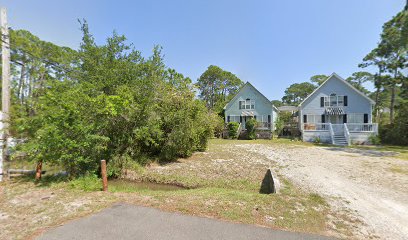
Alabama Deep Sea Fishing Rodeo Site
31.8 km
Experience the thrill of the world's largest fishing tournament at the Alabama Deep Sea Fishing Rodeo Site on Dauphin Island, a Gulf Coast tradition since 1929, attracting anglers and spectators alike.
Essential places to dine

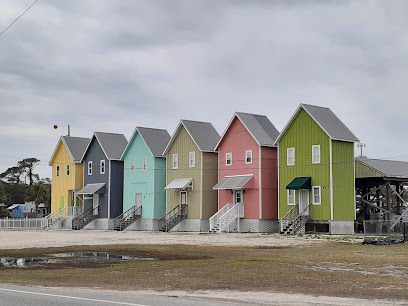
Huck's Cove on the Bayou
21.9 km
Experience Southern hospitality at Huck's Cove on the Bayou – where delicious grilled dishes meet breathtaking waterfront views.
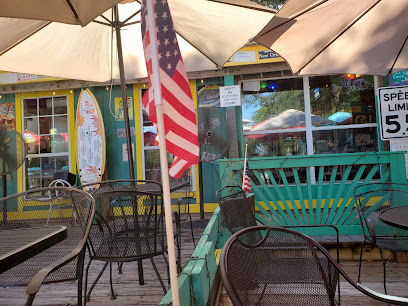
Reel Deal BBQ & Seafood
31.0 km
Experience mouthwatering barbecue and fresh seafood at Reel Deal BBQ & Seafood on Dauphin Island – a true taste of Southern hospitality.
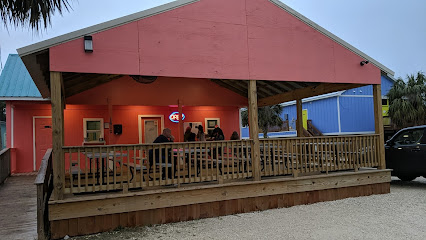
Pirate's Pizza and Wings
31.0 km
Discover the best pizza and wings on Dauphin Island at Pirate's Pizza - where flavor meets fun in every bite!
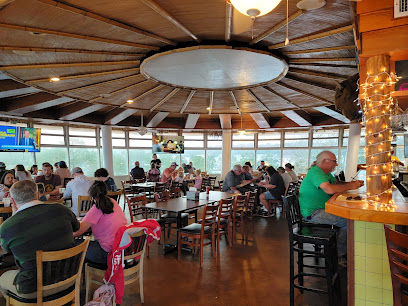
Islanders Restaurant & Bar
31.3 km
Experience the flavors of Dauphin Island at Islanders Restaurant & Bar - where fresh seafood meets coastal charm in an inviting atmosphere.
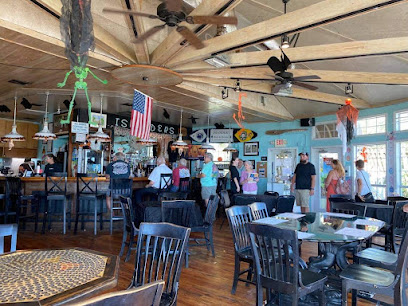
Capt'n Snapper's
31.4 km
Savor fresh seafood delights at Capt'n Snapper's on Dauphin Island - where every meal is a taste of coastal paradise.
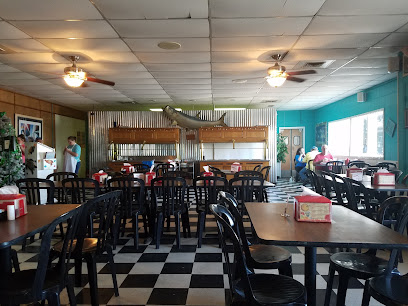
Dockside Seafood Restaurant
31.7 km
Experience fresh coastal cuisine at Dockside Seafood Restaurant on Dauphin Island – where great food meets stunning waterfront views.
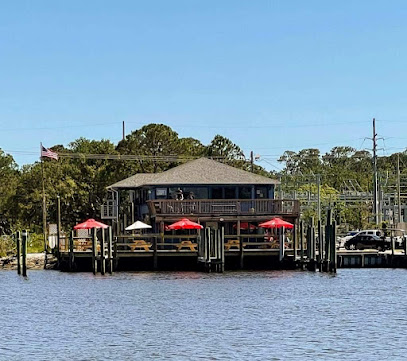
Subway
31.9 km
Discover fresh flavors at Subway on Dauphin Island – your go-to spot for delicious sandwiches and quick bites in paradise.
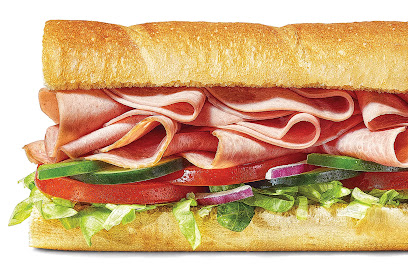
Foxy's Waffle Bar and Sugar Den
32.2 km
Experience the ultimate waffle indulgence at Foxy's Waffle Bar and Sugar Den on Dauphin Island – where creativity meets flavor.
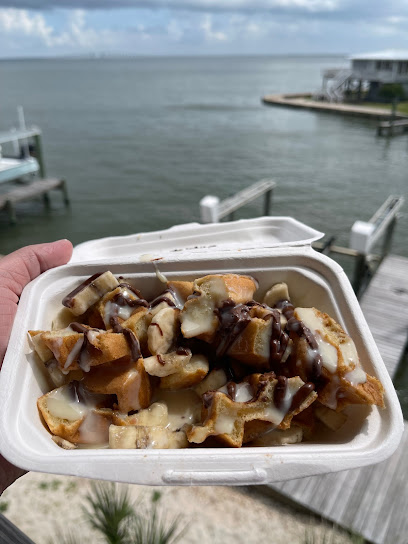
Miguel's Beach'n Baja
32.2 km
Experience authentic Mexican cuisine at Miguel's Beach'n Baja on Dauphin Island - where flavors meet coastal charm.
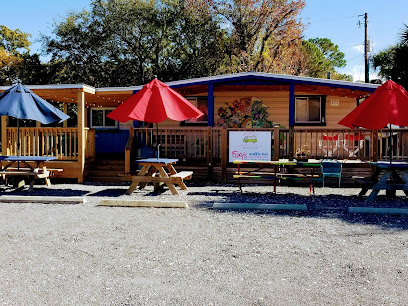
Dinner’s Ready
32.2 km
Experience delightful takeout at Dinner's Ready on Dauphin Island - where local flavors meet coastal charm.
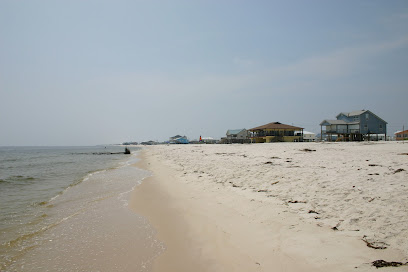
Pirate's Bar And Grill
32.2 km
Discover delightful seafood and vibrant atmosphere at Pirate's Bar and Grill on scenic Dauphin Island - a true taste of coastal Alabama.
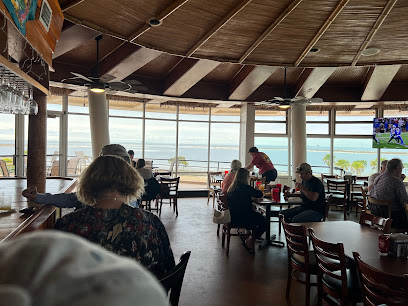
Meat Boss Cottage Hill
33.0 km
Discover mouthwatering barbecue delights at Meat Boss Cottage Hill in Mobile - a true taste of Southern culinary tradition.
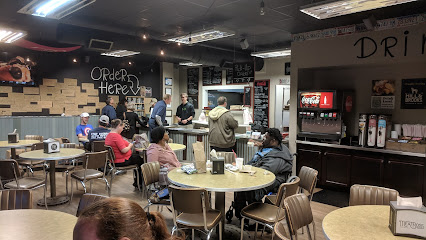
Big Time Diner
33.8 km
Experience comfort food at Big Time Diner in Mobile; where American classics meet Spanish flavors in a cozy setting.
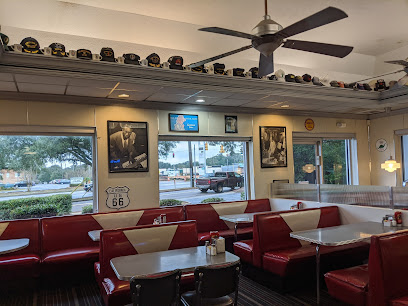
Pour Baby
34.3 km
Experience culinary excellence at Pour Baby in Mobile with exquisite dishes and an extensive wine selection in an inviting atmosphere.
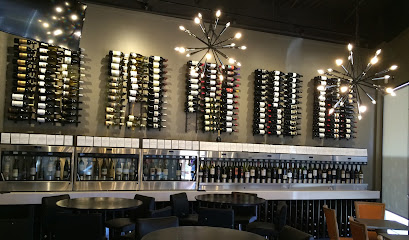
BGH Cafe LLC
34.7 km
Experience delicious coastal cuisine at BGH Cafe LLC on Dauphin Island – where fresh ingredients meet warm hospitality.
Markets, malls and hidden boutiques

Grace Goods
24.2 km
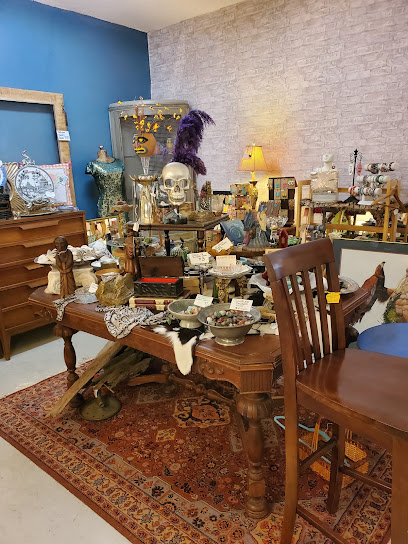
Explore Grace Goods in Mobile, Alabama for unique gifts, vintage antiques, and charming home goods that embody Southern hospitality.
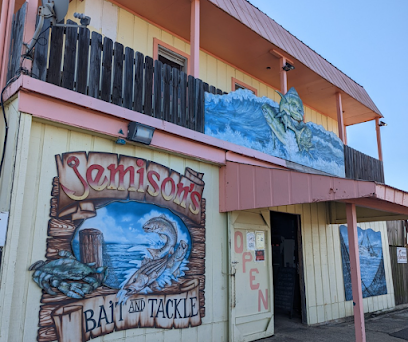
Jemison's Bait & Tackle
26.5 km
Discover the best bait shop in Coden, Alabama, with a friendly atmosphere and everything you need for an unforgettable fishing adventure.
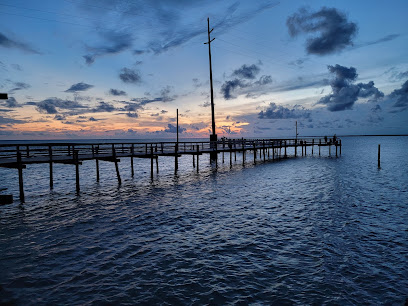
Cedar Point Pier - A Mobile County Park
26.8 km
Discover Cedar Point Pier, a beautiful fishing pier in Mobile County, Alabama, perfect for fishing, relaxation, and enjoying nature's beauty.
Trinkets And Treasures Unique Gift Shop
27.3 km
Explore Trinkets And Treasures Unique Gift Shop in Mobile, Alabama, for exceptional gifts and local artisan products that capture the essence of the region.

Oak Ridge Deli & Gift Shop
28.5 km
Discover unique gifts and local delicacies at Oak Ridge Deli & Gift Shop in Mobile, Alabama—a treasure trove of charm and creativity.
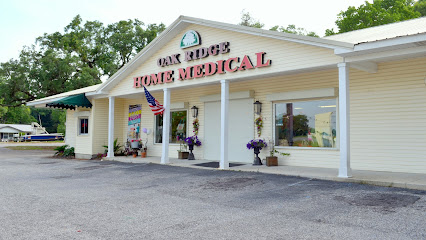
Marcie N Me
28.6 km
Explore Marcie N Me in Mobile, AL for unique gifts, handcrafted treasures, and delightful souvenirs that capture the essence of your travels.

Zeal Boutique
28.7 km
Explore the unique fashion offerings at Zeal Boutique in Mobile, where style meets quality in a delightful shopping experience.

4 Queen's Boutique
28.9 km
Explore 4 Queen's Boutique in Mobile, Alabama for trendy women's fashion and unique accessories to elevate your style.

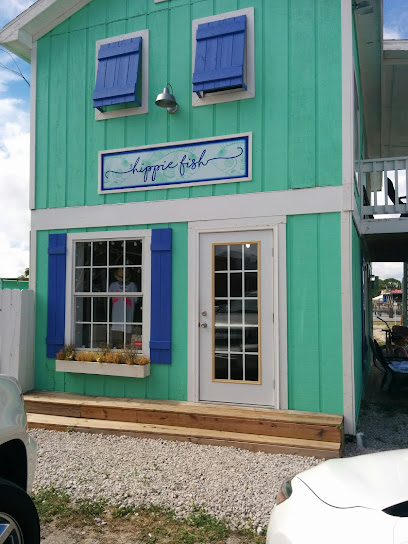
The Hippie Fish
30.7 km
Discover unique beachwear and local crafts at The Hippie Fish, a charming boutique on Dauphin Island that reflects the island's laid-back spirit.
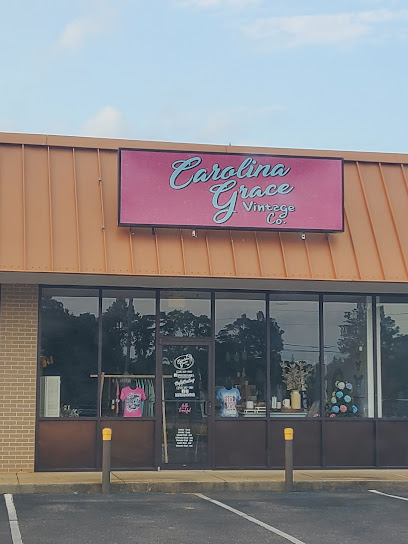
Carolina Grace Vintage Co.
30.8 km
Explore Carolina Grace Vintage Co. in Mobile, Alabama, for unique vintage decor, handcrafted items, and local artistry in a charming gift shop setting.
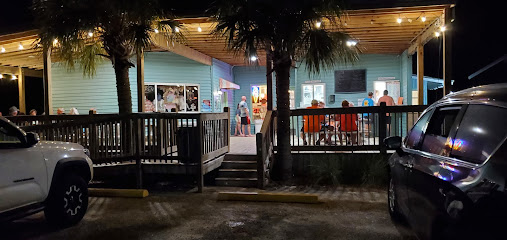
Island Rainbow LLC
31.0 km
Experience the best pizza and ice cream on Dauphin Island at Island Rainbow LLC, where deliciousness meets seaside charm.
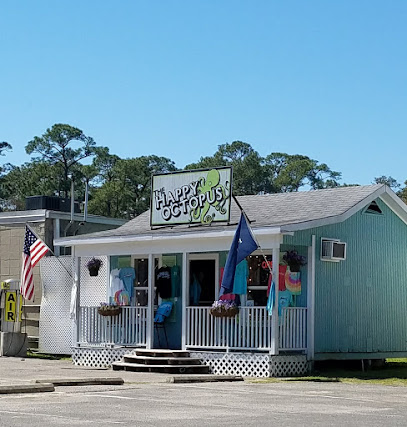
The Happy Octopus
31.0 km
Explore The Happy Octopus boutique for unique gifts and local crafts that embody the coastal charm of Dauphin Island, Alabama.
Sand Box
31.1 km
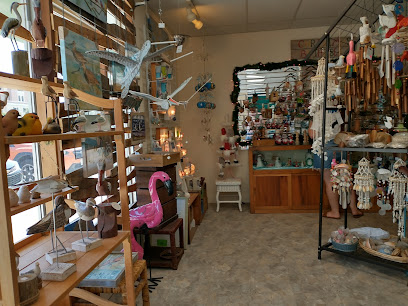
Explore Sand Box, a charming gift shop on Dauphin Island offering unique jewelry, souvenirs, and local crafts that capture the spirit of the coast.
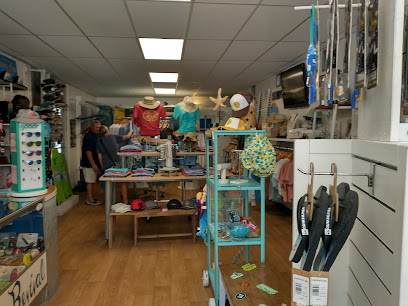
Blu Revival Surf Shop
31.1 km
Explore the coastal charm and surf culture at Blu Revival Surf Shop in Dauphin Island, Alabama, your go-to destination for surf gear and beach accessories.
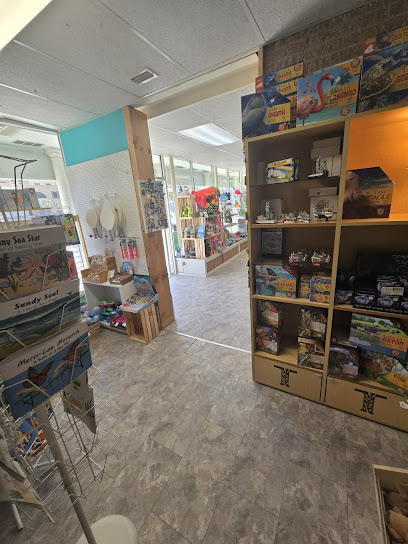
Gift Shop
31.1 km
Explore Dauphin Island's Gift Shop for unique souvenirs and local crafts that capture the island's charm and beauty.
Essential bars & hidden hideouts

Paradise Lounge Cafe
11.2 km
Experience the lively ambiance and refreshing drinks at Paradise Lounge Cafe, the perfect bar for relaxation and socializing in Moss Point, Mississippi.

RodNokers & Hannah's Kitchen
12.6 km
Discover the vibrant spirit of Bayou La Batre at RodNokers & Hannah's Kitchen, where local flavors and lively atmosphere await.
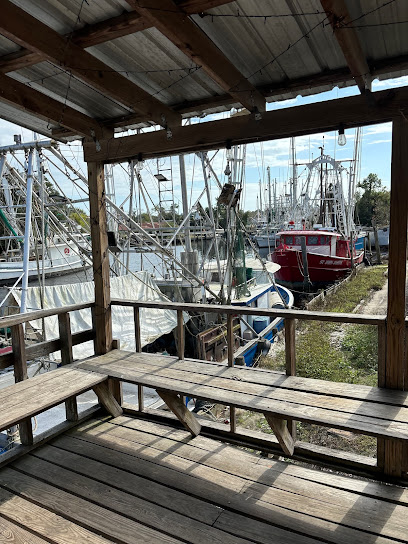
Celtic Irish Pub
14.1 km
Discover the authentic taste of Ireland at Celtic Irish Pub in Pascagoula, offering great food, drinks, and live entertainment in a welcoming atmosphere.
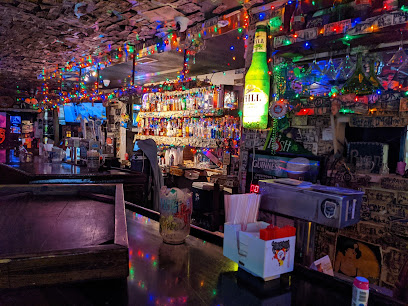
Marsh Landing
14.9 km
Experience the taste of Mississippi at Marsh Landing, where delicious food meets stunning views in a vibrant bar and grill atmosphere.
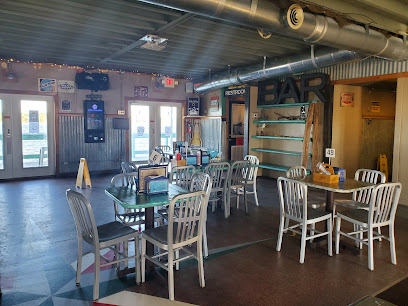
Little River Marina & RV Park and Old Black Water Restaurant
18.4 km
Explore the great outdoors at Little River Marina & RV Park, where adventure meets delicious dining at Old Black Water Restaurant.
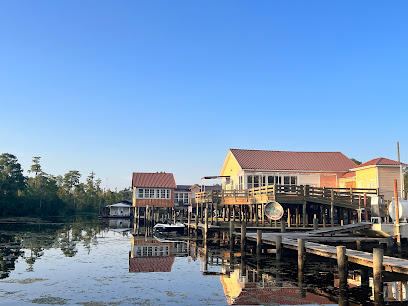
Sugar Shack
26.7 km
Experience the taste of Southern cuisine at Sugar Shack, a charming restaurant on Dauphin Island known for its fresh seafood and warm hospitality.
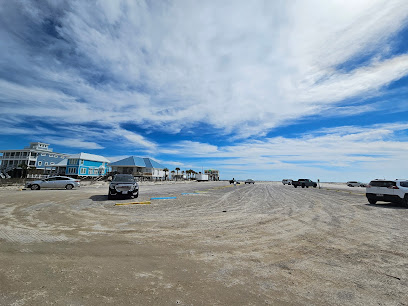
West End Public Beach
26.8 km
Discover the serene beauty of West End Public Beach on Dauphin Island, where soft sands and clear waters create a perfect coastal getaway.
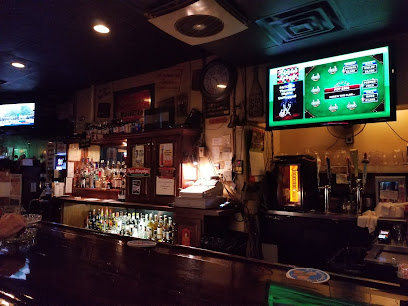
Patches Lounge
31.1 km
Experience Mobile's nightlife at Patches Lounge, a cozy bar offering delicious cocktails, live music, and a welcoming atmosphere for all.
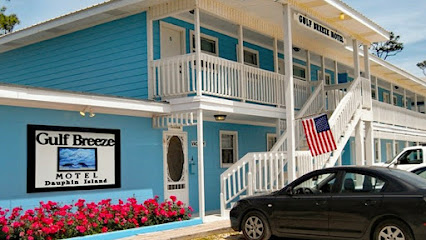
Gulf Breeze Motel
31.2 km
Discover coastal tranquility at Gulf Breeze Motel, your perfect retreat on Dauphin Island, Alabama, surrounded by stunning beaches and local attractions.
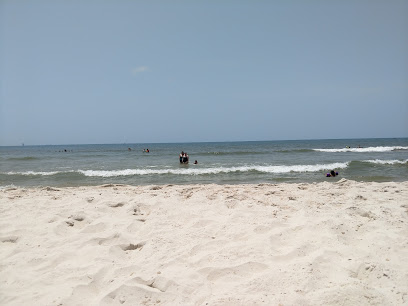
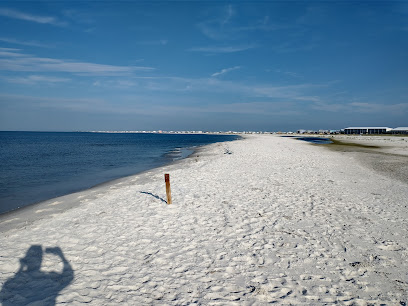
Public Beach
31.3 km
Discover the tranquil beauty of Dauphin Island's Public Beach, where sun, sand, and serenity meet along Alabama's stunning Gulf Coast.
Pelican Pub
31.7 km
Experience the charm of Pelican Pub on Dauphin Island, where great food, drinks, and friendly faces come together for an unforgettable coastal experience.
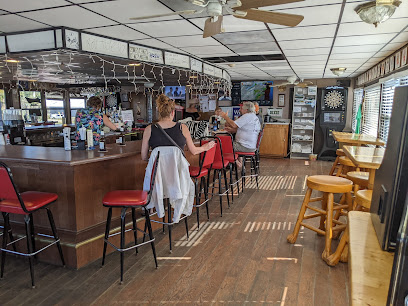
Skinners Seafood
32.0 km
Experience the freshest seafood at Skinner's Seafood on Dauphin Island, where quality meets the Gulf Coast's culinary traditions.
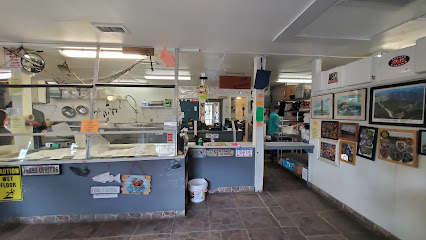
Dority's
32.1 km
Experience the lively atmosphere and live music at Dority's, a top bar and grill on beautiful Dauphin Island, perfect for tourists looking to unwind.
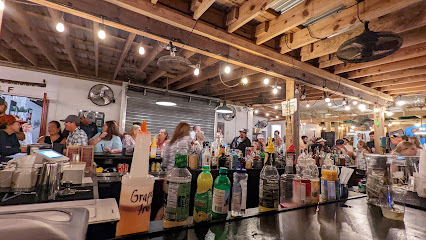
Island Time Nutrition
32.1 km
Discover a health-focused culinary experience at Island Time Nutrition on beautiful Dauphin Island, where delicious meets nutritious.

The Salty Dog Beach House
33.4 km
Experience the serene beauty of Dauphin Island at The Salty Dog Beach House, your perfect coastal vacation rental for relaxation and adventure.