

Alabama Coastal Birding Trail, Alabama Travel Guide
Explore the Alabama Coastal Birding Trail: A haven for bird watchers and nature lovers along the stunning Gulf Coast, offering diverse habitats and rich biodiversity.
The Alabama Coastal Birding Trail is a paradise for nature enthusiasts and bird watchers alike. Situated along the coastline of Alabama, this trail stretches over six distinct loops, each offering unique opportunities to observe a wide variety of bird species. The scenic beauty, coupled with the chance to see rare and migratory birds, makes this destination a must-visit for tourists looking to explore the natural wonders of the Gulf Coast. The trail is well-marked and easy to navigate, providing visitors with access to diverse habitats including wetlands, woodlands, and coastal dunes. Each loop offers a different experience, from the Mobile Delta to the Fort Morgan Peninsula, ensuring that there is something for everyone. Whether you are an experienced birder or a casual observer, the Alabama Coastal Birding Trail promises an unforgettable experience. In addition to bird watching, the trail also offers opportunities for other outdoor activities such as hiking, photography, and picnicking. The surrounding areas are rich in history and culture, with several historical sites and charming small towns to explore. With its natural beauty and abundance of wildlife, the Alabama Coastal Birding Trail is a perfect destination for a serene getaway.

Know before you go
Hi, I'm Eve. Here are a few practical things to know before exploring Alabama Coastal Birding Trail.
- Bring binoculars and a field guide to help identify the various bird species.
- Visit during the spring or fall migration seasons for the best bird-watching opportunities.
- Wear comfortable walking shoes and be prepared for varying terrain.
- Pack water and snacks, as some loops may not have nearby amenities.
- Check the weather forecast and dress accordingly, as the coastal climate can be unpredictable.
- Respect the wildlife and natural habitats; stay on marked trails and avoid disturbing the birds.
Explore Alabama Coastal Birding Trail: Things to Do, Places to Eat, Hotels & More
Handpicked recommendations for top attractions, local dining, accommodations, and more

Best attractions in Alabama Coastal Birding Trail
Top-rated picks
Best Attractions

Gulf Shores Public Beach
Experience sugar-white sands and turquoise waters at Gulf Shores Public Beach, a perfect blend of relaxation and lively beach culture on Alabama's Gulf Coast.

Audubon Bird Sanctuary
Explore diverse habitats and witness incredible bird migrations at this 164-acre sanctuary on Dauphin Island, a globally recognized birding hotspot.

Dauphin St
Experience the vibrant history, entertainment, and culture of Mobile, Alabama, on lively Dauphin Street in the heart of downtown.

Fort Morgan State Historic Site
Explore a historic military fort on the Alabama Gulf Coast with a rich history, museum, and scenic views of Mobile Bay and the Gulf of Mexico.

Best landmarks in Alabama Coastal Birding Trail
Top-rated picks
Best Landmarks

Gulf State Park
Discover Alabama's Gulf Coast gem: pristine beaches, diverse trails, and endless outdoor adventures at Gulf State Park.

Gulf State Park Pavillion
Enjoy uncrowded beaches & modern amenities at Gulf State Park Pavilion. Perfect for families, surf fishing, & relaxing by the Gulf of Mexico [2].

Hugh S. Branyon Backcountry Trail - Rosemary Dunes Trailhead
Explore the natural beauty of Alabama's Gulf Coast on this award-winning, multi-use trail system perfect for hiking, biking, and wildlife viewing.

Little River Canyon National Preserve
Discover Alabama's hidden gem: Little River Canyon National Preserve, offering breathtaking canyon views, thrilling outdoor adventures, and a rich natural history in the heart of the Appalachians.

Best restaurants in Alabama Coastal Birding Trail
Top-rated picks
Best Restaurants

The Hangout Gulf Shores
Savor fresh seafood while enjoying live music and beachfront views at The Hangout Gulf Shores – where fun meets flavor!

Sunliner Diner
Discover Sunliner Diner in Gulf Shores – A nostalgic spot serving delicious breakfast classics and irresistible ice cream treats.

The Gulf - Orange Beach
Experience fresh seafood with stunning ocean views at The Gulf in Orange Beach – a culinary gem on Alabama's coast.

Original Oyster House Boardwalk
Experience fresh seafood and breathtaking views at Gulf Shores' Original Oyster House Boardwalk - where coastal dining meets vibrant atmosphere.

Best bars in Alabama Coastal Birding Trail
Top-rated picks
Best Bars

The Hangout Gulf Shores
Discover the flavors of the Gulf at The Hangout, an iconic seafood restaurant blending family fun with live music and breathtaking beach views.

Bahama Bob's Beach Side Cafe
Experience the flavors of the tropics at Bahama Bob's Beach Side Cafe, where delicious seafood meets stunning Gulf views in Gulf Shores.

Sea N Suds
Experience the best seafood dining in Gulf Shores at Sea N Suds with stunning ocean views and a relaxed atmosphere.

Pink Pony Pub
Experience the vibrant coastal dining at Pink Pony Pub, where fresh seafood meets stunning beach views in Gulf Shores, Alabama.


Best shops in Alabama Coastal Birding Trail
Top-rated picks
Best Shops

Eastern Shore Centre
Explore Eastern Shore Centre, the ultimate shopping mall in Spanish Fort, AL, offering retail therapy, dining delights, and family-friendly entertainment.

Souvenir City
Explore the vibrant Souvenir City in Gulf Shores, where unique gifts and coastal charm come together for an unforgettable shopping experience.

Souvenir City of Orange Beach
Discover a treasure trove of unique souvenirs, local crafts, and personalized keepsakes at the Souvenir City of Orange Beach.

Island Outfitters
Discover the ultimate beach essentials at Island Outfitters, your go-to shop for stylish beachwear, unique souvenirs, and coastal accessories in Gulf Shores.

Explore Alabama Coastal Birding Trail on the Map
A handpicked selection of must-see spots in Alabama Coastal Birding Trail, mapped for you.
Alabama Coastal Birding Trail Essentials
-
The Alabama Coastal Birding Trail is accessible via several major airports. The closest major airport is Mobile Regional Airport (MOB), about an hour's drive from most points on the trail. Pensacola International Airport (PNS) in Florida is another good option, roughly 1.5 hours away. If you're driving, the trail is easily reachable via Interstate 10. Several entry and exit points along the trail make it convenient to start your birding adventure from various locations.
-
Getting around the Alabama Coastal Birding Trail primarily requires a vehicle, as the trail spans a large area with multiple birding sites. Car rentals are available at nearby airports and cities. While public transportation is limited, taxis and ride-sharing services like Uber and Lyft can be used for shorter distances. Biking is an option for some parts of the trail, but be prepared for longer distances between sites.
-
The official currency is the US Dollar (USD). Credit and debit cards are widely accepted, but carrying some cash is advisable for smaller establishments and entry fees at certain birding sites. ATMs are available in nearby towns and cities like Mobile and Gulf Shores. Mobile payment options like Apple Pay and Google Wallet are also increasingly accepted.
-
The Alabama Coastal Birding Trail is generally safe, but standard precautions are advised. Avoid isolated areas after dark and always secure your vehicle and belongings. While crime rates are relatively low, stay vigilant in urban areas like Mobile, which have higher crime rates compared to rural areas. Be cautious of wildlife, including alligators and snakes, particularly in swampy areas.
-
In case of an emergency, dial 911 for police, fire, or medical assistance. Hospitals and urgent care facilities are available in Mobile and other nearby cities. It's a good idea to have travel insurance that covers medical emergencies. For minor injuries, first aid kits can be found at visitor centers along the trail. Inform someone of your location when venturing into remote areas.
-
Fashion: Do wear comfortable, weather-appropriate clothing and sturdy walking shoes. Don't wear flashy or revealing attire. Religion: Do be respectful of local churches and religious sites. Public Transport: Do use ride-sharing apps for convenience. Don't rely solely on public transport as it's limited. Greetings: Do greet people with a friendly 'hello' or 'good morning.' Don't ignore locals. Eating & Drinking: Do try local seafood and Southern cuisine. Don't litter; dispose of waste properly.
-
To experience the Alabama Coastal Birding Trail like a local, visit during the fall or spring migration seasons for the best bird-watching opportunities. Engage with local birding groups and participate in organized tours to gain insider knowledge. Don't miss out on local seafood restaurants and farmers' markets for fresh, local produce. Always check the weather forecast and tide schedules before planning your daily activities.
When is the best time to visit Alabama Coastal Birding Trail?
Useful Local Phrases for Alabama Coastal Birding Trail
You don't need to speak the language perfectly. Even learning a few simple words can make conversations warmer—and locals usually appreciate the effort.
— Eve

Here are the phrases I use most often in Alabama Coastal Birding Trail. Try a few—you'll be surprised how far they go! 😊
❤️
-
- HelloHey y'all
[Hey y'all] - GoodbyeSee ya later
[See ya later] - YesYep
[Yep] - NoNah
[Nah] - Please/You're welcomePlease/You're welcome
[Please/You're welcome] - Thank youThank ya
[Thank ya] - Excuse me/SorryPardon me
[Pardon me] - How are you?How y'all doin'?
[How y'all doin'?] - Fine. And you?Fine. And you?
[Fine. And you?] - Do you speak English?Ya speak English?
[Ya speak English?] - I don't understandI ain't gettin' ya
[I ain't gettin' ya]
- HelloHey y'all
-
- I'd like to see the menu, pleaseCan I see the menu, please
[Can I see the menu, please] - I don't eat meatI don't eat meat
[I don't eat meat] - Cheers!Cheers!
[Cheers!] - I would like to pay, pleaseI need to pay, please
[I need to pay, please]
- I'd like to see the menu, pleaseCan I see the menu, please
-
- Help!Help!
[Help!] - Go away!Git!
[Git!] - Call the Police!Call the Po-lice!
[Call the Po-lice!] - Call a doctor!Call a doc!
[Call a doc!] - I'm lostI'm lost
[I'm lost] - I'm illI'm sick
[I'm sick]
- Help!Help!
-
- I'd like to buy...I wanna buy...
[I wanna buy...] - I'm just lookingI'm just lookin'
[I'm just lookin'] - How much is it?How much does it cost?
[How much does it cost?] - That's too expensiveThat's too pricey
[That's too pricey] - Can you lower the price?Can ya lower the price?
[Can ya lower the price?]
- I'd like to buy...I wanna buy...
-
- What time is it?What time is it?
[What time is it?] - It's one o'clockIt's one o'clock
[It's one o'clock] - Half past (10)Half past (10)
[Half past (10)] - MorningMorning
[Morning] - AfternoonAfternoon
[Afternoon] - EveningEvening
[Evening] - YesterdayYesterday
[Yesterday] - TodayToday
[Today] - TomorrowTomorrow
[Tomorrow] - 1One
[One] - 2Two
[Two] - 3Three
[Three] - 4Four
[Four] - 5Five
[Five] - 6Six
[Six] - 7Seven
[Seven] - 8Eight
[Eight] - 9Nine
[Nine] - 10Ten
[Ten]
- What time is it?What time is it?
-
- Where's a/the...?Where's a/the...?
[Where's a/the...?] - What's the address?What's the address?
[What's the address?] - Can you show me (on the map)?Can you show me (on the map)?
[Can you show me (on the map)?] - When's the next (bus)?When's the next (bus)?
[When's the next (bus)?] - A ticket (to ....)A ticket (to ....)
[A ticket (to ....)]
- Where's a/the...?Where's a/the...?
History of Alabama Coastal Birding Trail
-
The Alabama Coastal Birding Trail is a network of birding sites along the Gulf Coast of Alabama, offering a unique blend of natural beauty and historical significance. Spanning over two counties, Baldwin and Mobile, the trail is celebrated for its diverse bird species and rich cultural heritage.
-
Long before European settlers arrived, the area now known as the Alabama Coastal Birding Trail was inhabited by Native American tribes such as the Creek and Choctaw. These tribes lived in harmony with nature, using the coastal resources for fishing, hunting, and gathering. Their rich cultural traditions and respect for the environment have left an indelible mark on the landscape.
-
In the 16th and 17th centuries, Spanish and French explorers began to map the Gulf Coast, including present-day Alabama. The French established Mobile in 1702, making it one of the oldest European settlements in the United States. These early explorers documented the abundant wildlife, including numerous bird species, which were new and fascinating to European naturalists.
-
During the Civil War, the Gulf Coast, including areas around the Alabama Coastal Birding Trail, was of strategic importance. Fort Morgan and Fort Gaines, located near the trail, played crucial roles in the Battle of Mobile Bay in 1864. The battle was a pivotal Union victory and marked a significant moment in American history. Today, these forts are preserved historical sites that offer a glimpse into the past.
-
Established in 1980, the Bon Secour National Wildlife Refuge is one of the key sites along the Alabama Coastal Birding Trail. It was created to protect the area's diverse ecosystems and wildlife, including endangered species such as the Alabama beach mouse and loggerhead sea turtles. The refuge's name, 'Bon Secour,' means 'safe harbor' in French, reflecting its role in conservation.
-
In recent decades, various conservation organizations and local communities have collaborated to preserve the Alabama Coastal Birding Trail's natural beauty and biodiversity. Initiatives include habitat restoration projects, bird monitoring programs, and environmental education. These efforts ensure that the trail remains a haven for both birds and bird watchers for generations to come.
Cities in Alabama Coastal Birding Trail
Browse our curated selection of top destinations, scenic points, and must-visit spots in the area.



Neighbouring destination travel guides
Browse our curated selection of top destinations, scenic points, and must-visit spots in the area.


Your all‑in‑one travel companion app
Explore expert travel guides, compare and book tours, experiences, hotels, and more—all from the palm of your hand. Download now for seamless trip planning wherever your wanderlust takes you.


Explore More of Gulf Coast

Looking beyond Alabama Coastal Birding Trail? Discover Gulf Coast for broader travel guides, local hot-spots, and regional highlights.
Explore Gulf CoastExplore More of Alabama

Looking beyond Alabama Coastal Birding Trail? Discover Alabama for broader travel guides, local hot-spots, and regional highlights.
Explore AlabamaAlabama Coastal Birding Trail in Photos
Browse through our photo collection highlighting the charm and character of the destination.





Discover the Wonders of Alabama Coastal Birding Trail
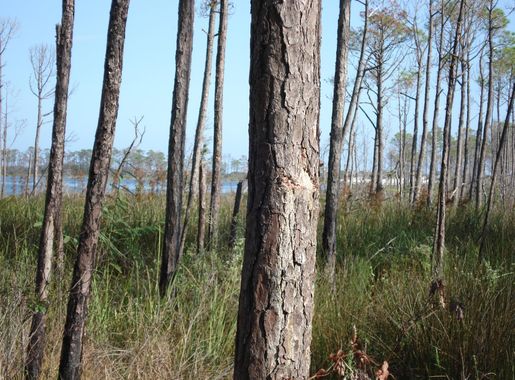
The Alabama Coastal Birding Trail is a paradise for nature enthusiasts and bird watchers alike. Situated along the coastline of Alabama, this trail stretches over six distinct loops, each offering unique opportunities to observe a wide variety of bird species. The scenic beauty, coupled with the chance to see rare and migratory birds, makes this destination a must-visit for tourists looking to explore the natural wonders of the Gulf Coast. The trail is well-marked and easy to navigate, providing visitors with access to diverse habitats including wetlands, woodlands, and coastal dunes. Each loop offers a different experience, from the Mobile Delta to the Fort Morgan Peninsula, ensuring that there is something for everyone. Whether you are an experienced birder or a casual observer, the Alabama Coastal Birding Trail promises an unforgettable experience. In addition to bird watching, the trail also offers opportunities for other outdoor activities such as hiking, photography, and picnicking. The surrounding areas are rich in history and culture, with several historical sites and charming small towns to explore. With its natural beauty and abundance of wildlife, the Alabama Coastal Birding Trail is a perfect destination for a serene getaway.