Bon Secour National Wildlife Refuge: A Coastal Haven
Explore Alabama's Bon Secour National Wildlife Refuge: a coastal sanctuary for migratory birds, endangered species, and nature enthusiasts.
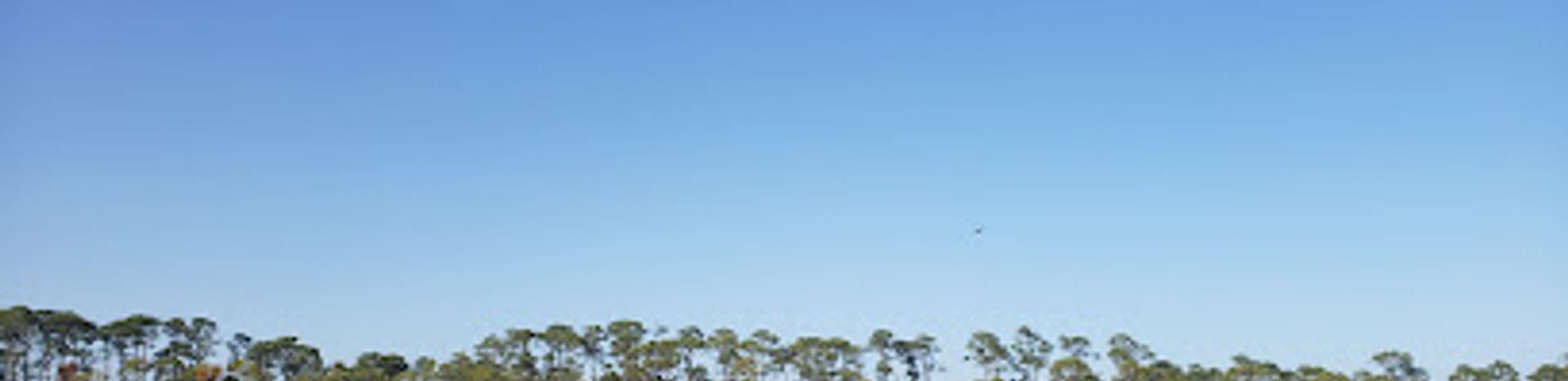
Discover Alabama's coastal beauty at Bon Secour National Wildlife Refuge, a 7,000-acre sanctuary protecting diverse habitats and migratory birds. Explore pristine beaches, scenic trails, and abundant wildlife in this natural oasis on the Fort Morgan Peninsula [3, 7, 11].
A brief summary to Bon Secour National Wildlife Refuge
- 12295 AL-180, Gulf Shores, Alabama, 36542, US
- +1251-540-7720
- Visit website
Local tips
- Visit during spring or fall for the best birdwatching opportunities as migratory birds pass through the refuge [2, 5, 6, 7, 10].
- Stop by the visitor center for maps, brochures, and information about the refuge's flora and fauna [7, 12, 15].
- Bring binoculars and a camera to capture the diverse wildlife and scenic landscapes [2, 6, 15].
- A valid Alabama saltwater fishing license is required for fishing in Little Lagoon or on the beach [6, 7, 12].
- Check the refuge's Facebook page for updates on trail closures and access improvements [13].

Getting There
-
Driving
From Gulf Shores, head west on AL-180 for approximately 13 miles. The refuge entrance and visitor contact station will be on your left. Parking is free. Be aware that parking may be limited, especially during peak seasons [13, 15].
-
Walking
If you are staying in nearby accommodations along Fort Morgan Road, walking or biking to the refuge is a good option. Follow AL-180 West until you reach the refuge entrance. Be mindful of traffic as you walk or bike along the road.
Discover more about Bon Secour National Wildlife Refuge
Iconic landmarks you can’t miss

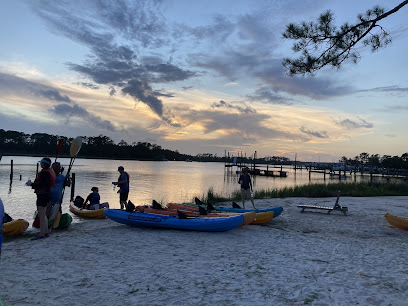
WildNative Tours
10.0 km
Discover the stunning landscapes and wildlife of Gulf Shores with WildNative Tours, your gateway to unforgettable outdoor adventures.
Seacrest
10.6 km
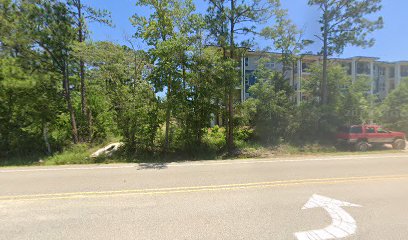
Gulf-front condos in Gulf Shores offering a revitalizing beach retreat with panoramic views, plentiful amenities, and a prime shoreline location.

Gulf Shores Alabama
12.3 km
Discover sugar-white beaches, emerald waters, and family-friendly fun in Gulf Shores, Alabama – a captivating coastal escape on the Gulf Coast.
Swift-Coles Historic Home
12.4 km
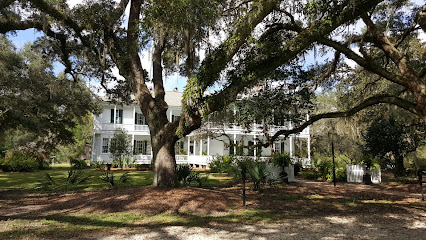
Explore the historic Swift-Coles Home in Bon Secour, Alabama – a captivating journey through time with stunning architecture and lush gardens.
Souvenir City
13.0 km
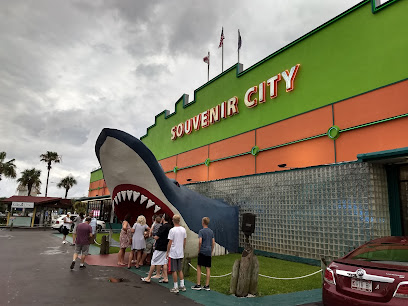
A Gulf Shores tradition since 1956, Souvenir City offers a wide array of souvenirs, beachwear, and unique gifts, all under the iconic shark's mouth.
Pottery Central World Headquarters
14.1 km
Discover handcrafted pottery and artistic expression at Pottery Central World Headquarters, a Gulf Shores gem since 1982.
Brett/Robinson Vacation Rentals
14.3 km
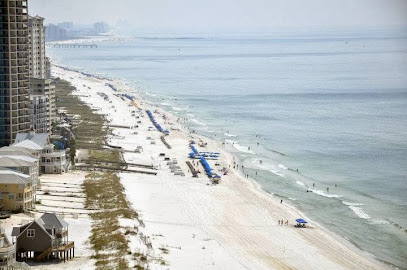
Discover the perfect escape at Brett/Robinson Vacation Rentals in Gulf Shores, Alabama, where stunning beaches and comfort await you.
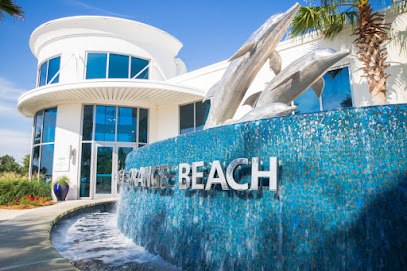
Gulf Shores Welcome Center
14.5 km
Your first stop for planning the perfect Gulf Shores vacation: information, brochures, and friendly advice for an unforgettable coastal experience.
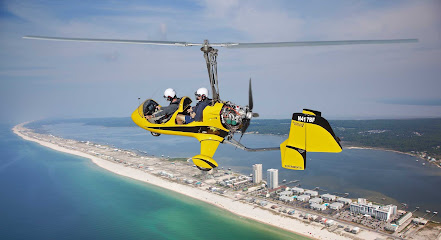
BeachFlight Aviation
14.7 km
Experience Gulf Shores from a new perspective with BeachFlight Aviation, offering unforgettable gyroplane flights over Alabama's stunning coastline.
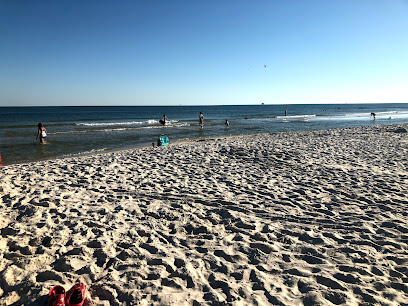
Grass Island
14.7 km
Escape to Grass Island in Gulf Shores: An uninhabited coastal paradise offering pristine beaches, lush landscapes, and abundant wildlife for a serene and unforgettable nature retreat.
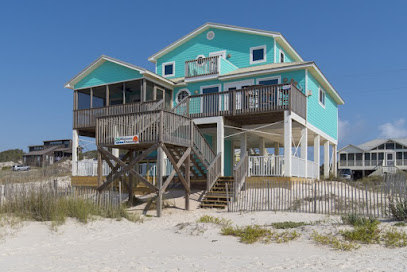
Harris Vacations
15.3 km
Experience the joy of a perfect beach vacation with Harris Vacations, offering exceptional home rentals in Gulf Shores, Alabama.
Battery Experimental
17.0 km
Explore a unique military test site in Gulf Shores, AL, where a coastal gun battery faced live fire from battleships in the early 20th century.
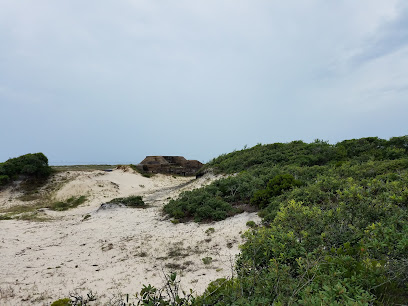
Gulf State Park Pavillion
17.5 km
Enjoy uncrowded beaches & modern amenities at Gulf State Park Pavilion. Perfect for families, surf fishing, & relaxing by the Gulf of Mexico [2].
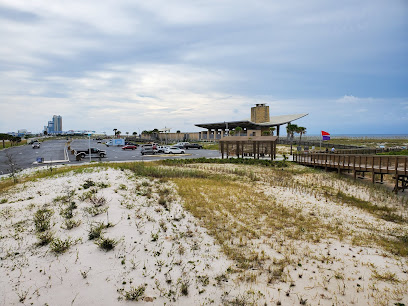
Gulf State Park Nature Center
17.7 km
Explore the Gulf State Park Nature Center in Orange Beach, Alabama—a haven for nature lovers with stunning trails, wildlife, and educational exhibits.
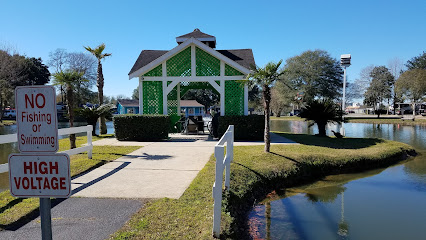
Hugh S. Branyon Backcountry Trail - Rosemary Dunes Trailhead
18.4 km
Discover the serene beauty of Hugh S. Branyon Backcountry Trail, an idyllic hiking destination in Orange Beach, Alabama, perfect for nature enthusiasts and adventure seekers.
Unmissable attractions to see

Observation Tower
0.4 km
Experience breathtaking panoramic views of the Gulf Coast from the Gulf Shores Observation Tower. A must-see for nature lovers and photographers!

Centennial Trail
0.5 km
Explore diverse ecosystems on this scenic trail in Gulf Shores' Bon Secour National Wildlife Refuge, a haven for birdwatchers and nature lovers.
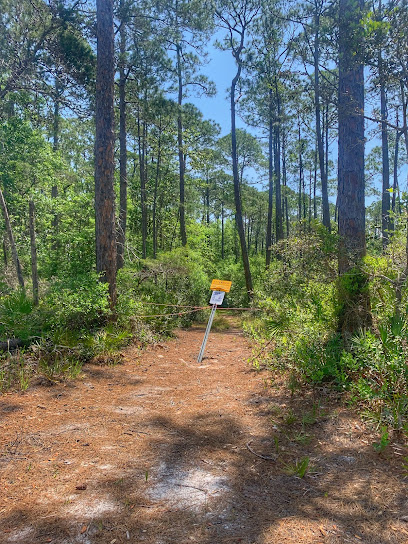
Gator Lake Trail
0.7 km
Hike through diverse habitats, witness unique wildlife, and discover the beauty of Alabama's coastal dunes on the Gator Lake Trail.
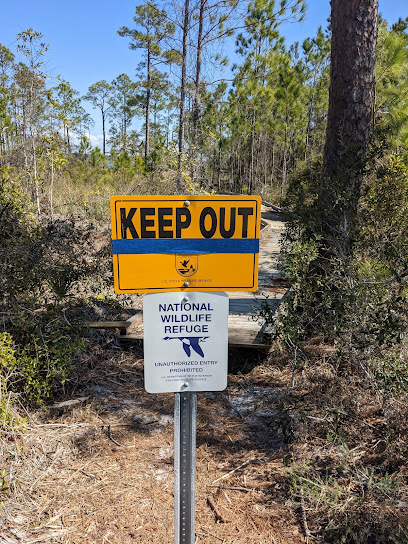
Pine Beach Trail
0.9 km
Discover unspoiled beaches, diverse ecosystems, and abundant wildlife on this scenic Gulf Shores trail within Bon Secour National Wildlife Refuge.

Bon Secour National Wildlife Refuge Visitor Center
1.7 km
Discover Alabama's pristine coast: hike, birdwatch, and explore diverse habitats at Bon Secour National Wildlife Refuge.
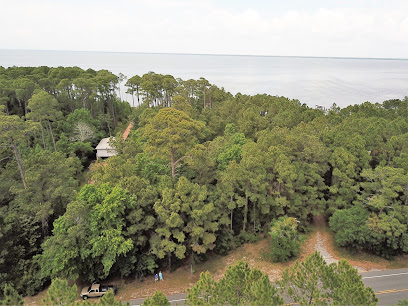
Jeff Friend Trail
3.7 km
Explore the natural beauty of Alabama's Gulf Coast on this accessible trail through diverse ecosystems in Bon Secour National Wildlife Refuge.
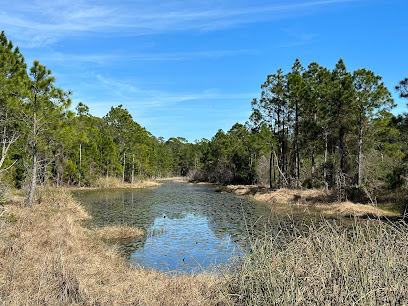
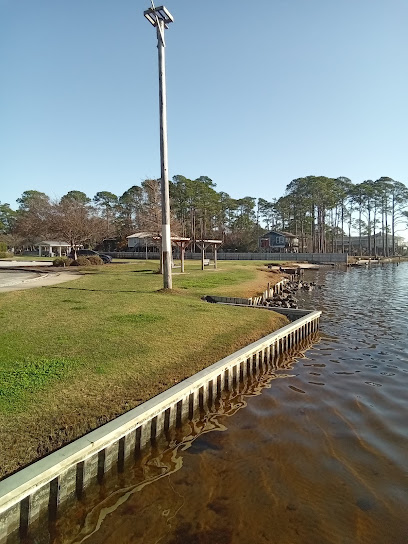
Mo's Landing Park
10.6 km
Discover a peaceful waterfront escape at Mo's Landing Park in Gulf Shores, offering boat ramps, picnic areas, and scenic views of Little Lagoon.
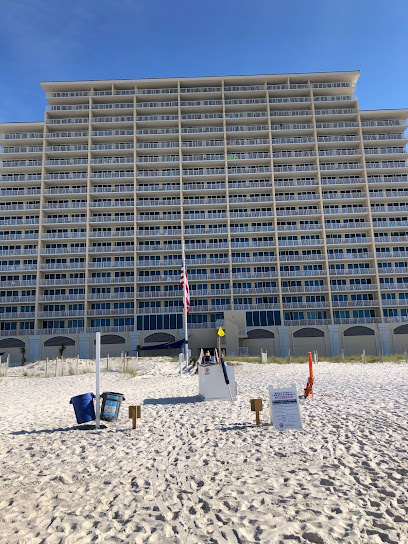
Gulf Shore
11.9 km
Discover Alabama's Gulf Coast: Pristine beaches, family fun, and Southern charm await in Gulf Shores. Your perfect getaway starts here!
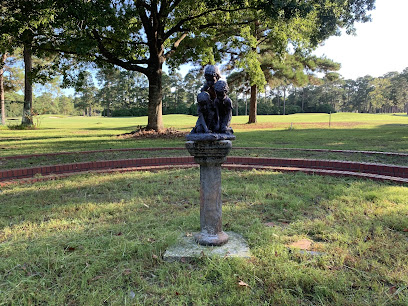
Wedgewood Marble Kids
12.5 km
Experience family-friendly fun and tranquility at Wedgewood Marble Kids Garden in Gulf Shores, Alabama, a perfect escape into nature for all ages.
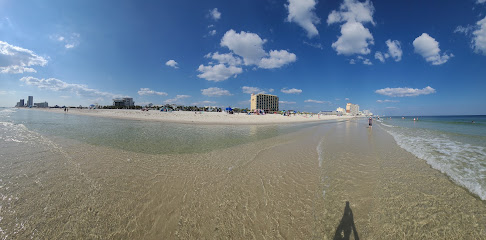
Gulf Shores Public Beach
12.9 km
Discover the pristine beauty of Gulf Shores Public Beach, where sun-kissed sands and azure waters await every traveler in Alabama's coastal paradise.
Kids Park
12.9 km
A vibrant, community-built playground in Gulf Shores offering diverse play structures, shaded areas, and green spaces for a fun family experience.
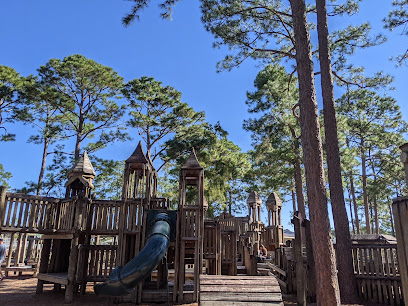
Johnnie Sims Park Pavilion
13.0 km
A versatile outdoor venue in Gulf Shores, perfect for family gatherings, parties, and recreational activities in a scenic park setting.
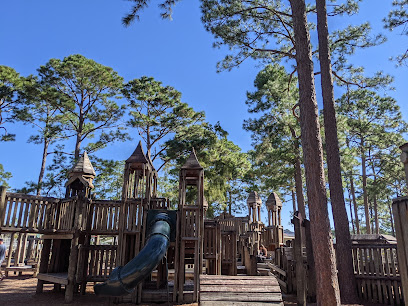
Wade Ward Nature Park
13.1 km
Experience the natural beauty and tranquility of Wade Ward Nature Park, a premier park in Gulf Shores, Alabama, perfect for outdoor enthusiasts and families.
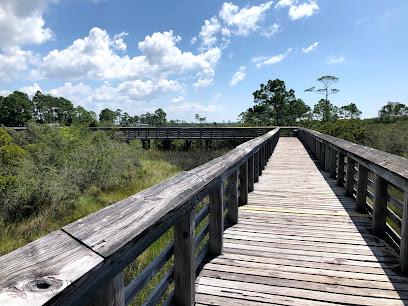
Gulf Shores Museum
13.3 km
Discover Gulf Shores' past at this charming museum, featuring exhibits on local history, fishing heritage, and hurricane resilience.
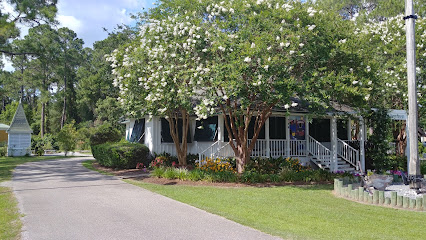
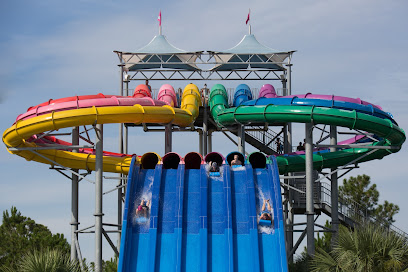
Waterville USA/Escape House
13.3 km
Gulf Shores' ultimate family fun destination: Waterville USA, where water thrills meet amusement park excitement!
Essential places to dine

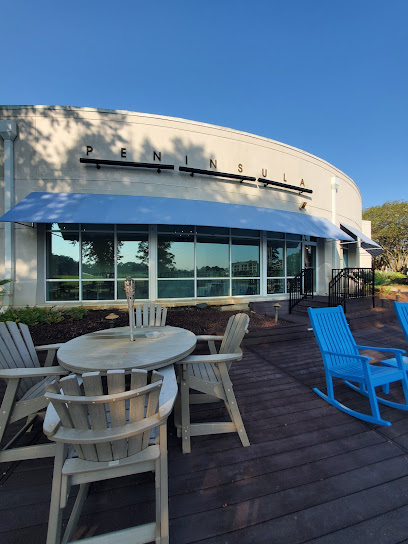
Peninsula Restaurant & Grill
5.1 km
Discover Peninsula Restaurant & Grill: A culinary haven in Gulf Shores serving up fresh flavors and unforgettable dining experiences.
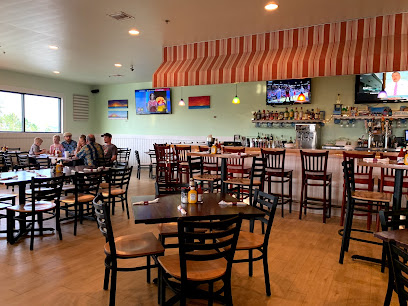
The Beach House Kitchen and Cocktails
10.4 km
Experience exquisite American cuisine and fresh seafood at The Beach House Kitchen and Cocktails in Gulf Shores – your ultimate coastal dining destination.
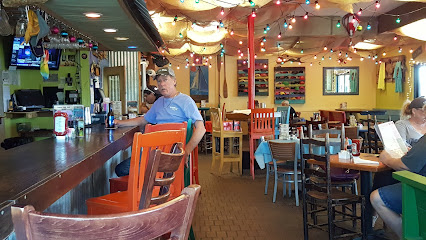
Sassy Bass Amazin' Grill
10.5 km
Discover the flavors of coastal Alabama at Sassy Bass Amazin' Grill in Gulf Shores—where fresh seafood meets Southern charm.
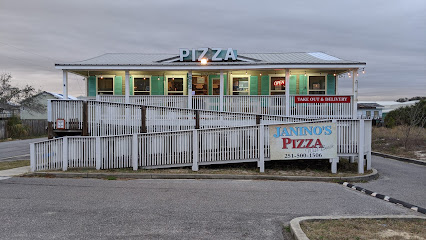
Janino's Pizza
11.1 km
Experience delightful flavors at Janino's Pizza in Gulf Shores - where every slice tells a story of taste and tradition.
The Oyster House
11.9 km
Experience fresh and delicious seafood at The Oyster House in Gulf Shores - where coastal flavors meet southern hospitality.
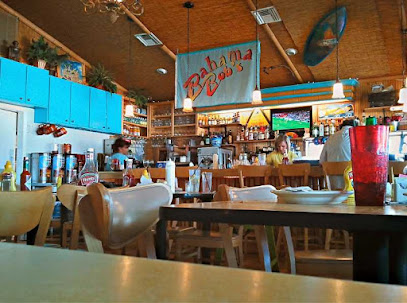
Bahama Bob's Beach Side Cafe
12.1 km
Discover fresh seafood and breathtaking views at Bahama Bob's Beach Side Cafe in Gulf Shores – your perfect beachside dining destination.
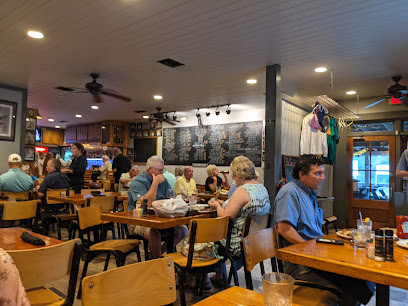
The Tin Top Restaurant & Oyster Bar
12.2 km
Experience fresh oysters and Southern hospitality at The Tin Top Restaurant & Oyster Bar in Bon Secour - A seafood lover's paradise.
Lauria's by the Beach
12.4 km
Discover coastal dining at Lauria's by the Beach - enjoy breakfast delights & cocktails with stunning views in Gulf Shores, Alabama.
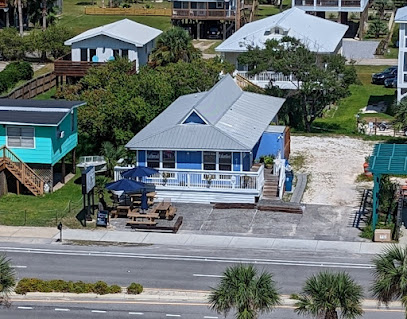
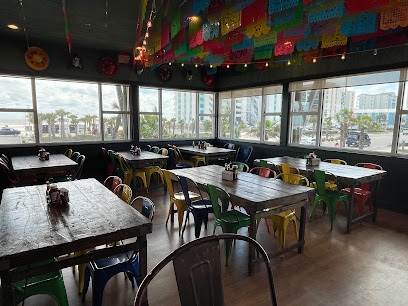
Burro Azul
12.6 km
Discover Burro Azul in Gulf Shores for an unforgettable Mexican dining experience with family-friendly vibes and vibrant flavors.
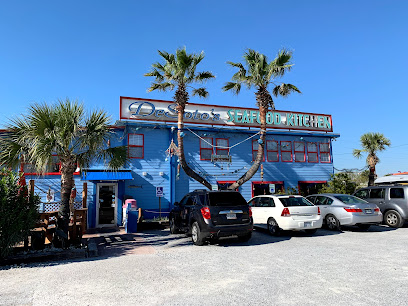
De Soto's Seafood Kitchen
12.8 km
Discover De Soto's Seafood Kitchen in Gulf Shores: Fresh seafood delights paired with warm Southern hospitality in a charming coastal setting.
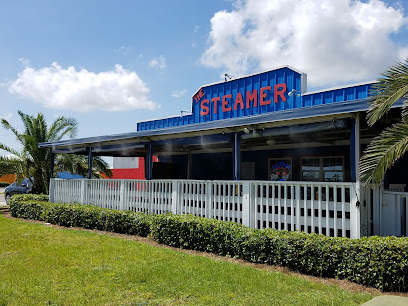
The Steamer Baked Oyster Bar
12.9 km
Experience the best of Gulf Shores at The Steamer Baked Oyster Bar - where fresh seafood meets Southern hospitality in a vibrant coastal setting.
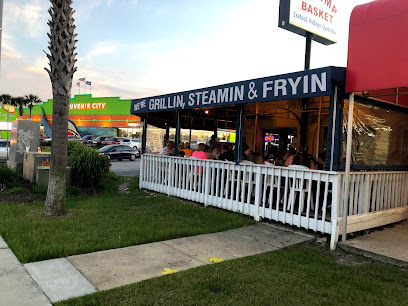
Shrimp Basket
13.0 km
Discover delicious seafood delights at Shrimp Basket in Gulf Shores - where freshness meets flavor in every bite!
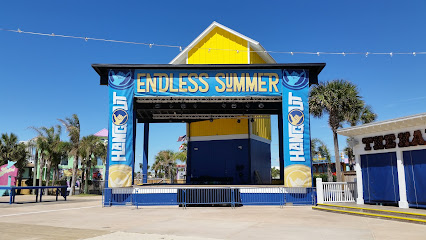
The Hangout Gulf Shores
13.0 km
Savor fresh seafood while enjoying live music and beachfront views at The Hangout Gulf Shores – where fun meets flavor!
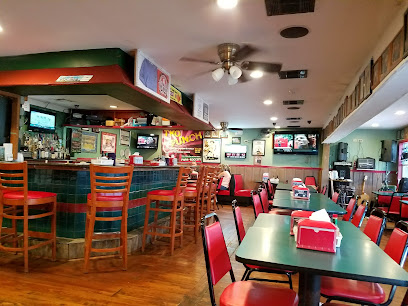
Papa Rocco's
13.0 km
Discover Papa Rocco's in Gulf Shores – where delicious pizza meets vibrant bar vibes in a casual coastal setting.
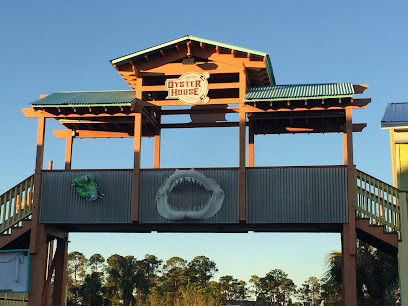
Original Oyster House Boardwalk
13.0 km
Experience fresh seafood and breathtaking views at Gulf Shores' Original Oyster House Boardwalk - where coastal dining meets vibrant atmosphere.
Markets, malls and hidden boutiques

Village Mercantile
5.1 km
Explore Village Mercantile in Gulf Shores for unique souvenirs, local crafts, and delightful finds that capture the spirit of your beach getaway.
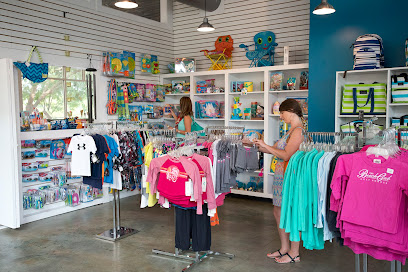
Island Outfitters
12.3 km
Discover the ultimate beach essentials at Island Outfitters, your go-to shop for stylish beachwear, unique souvenirs, and coastal accessories in Gulf Shores.
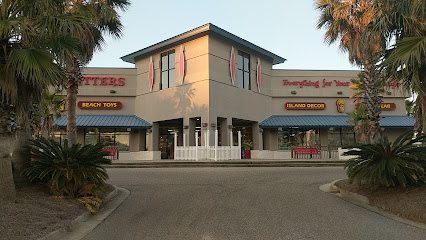
Alvin's Island - Gulf Shores #19
12.9 km
Discover the vibrant shopping experience at Alvin's Island, your go-to souvenir store for beach clothing, swimwear, and unique gifts in Gulf Shores.
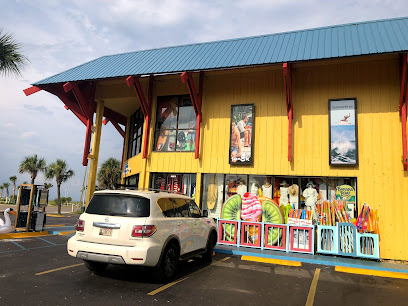
Gulf Shores Souvenirs & Gifts
12.9 km
Explore Gulf Shores Souvenirs & Gifts for unique treasures and local mementos that capture the essence of your coastal adventure in Alabama.
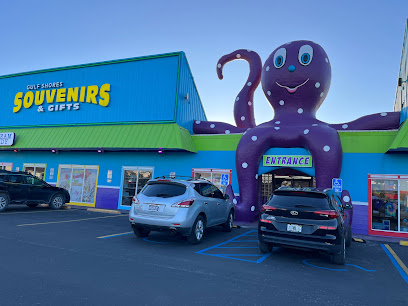
Purple Octopus
12.9 km
Explore the vibrant collection of unique T-shirts and coastal souvenirs at Purple Octopus, your must-visit store in Gulf Shores.
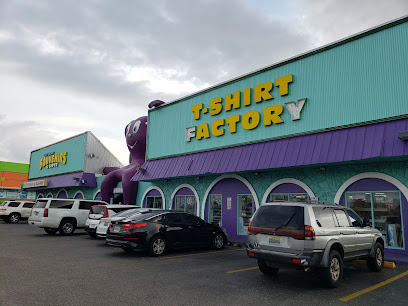
Gulf Shores Beach Trading Company
12.9 km
Explore Gulf Shores Beach Trading Company for affordable beachwear and unique souvenirs that celebrate your visit to Alabama's beautiful coastline.
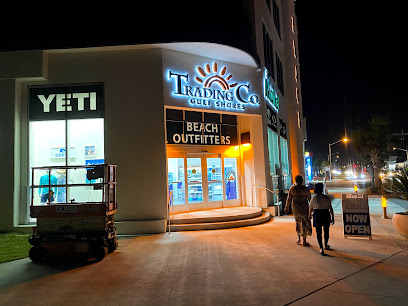
T Shirt Factory Inc
12.9 km
Discover unique T-shirts and coastal apparel at T Shirt Factory Inc, the perfect stop for souvenirs in Gulf Shores, Alabama.
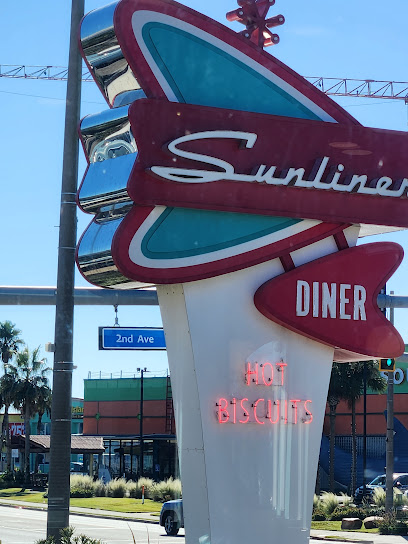
Gulf Shores Jerky Store
13.0 km
Discover delicious jerky and unique southern flavors at Gulf Shores Jerky Store, a must-visit destination for meat lovers in Alabama.
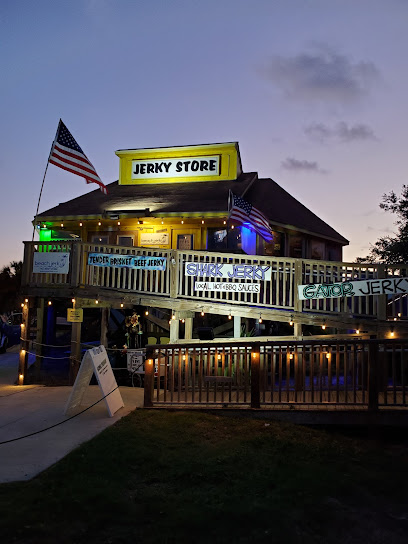
Surf Style 206: Surf, Swimwear, Sporting Goods in Gulf Shores
13.0 km
Discover the ultimate beach shopping experience at Surf Style 206 in Gulf Shores, featuring swimwear, sporting goods, and unique souvenirs for every beachgoer.
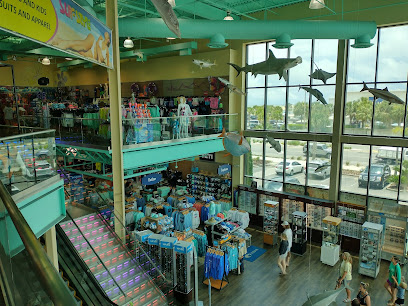
One-Stop-Fun-Shop
13.0 km
Discover unique gifts and local treasures at One-Stop-Fun-Shop in Gulf Shores, Alabama - your perfect souvenir destination!
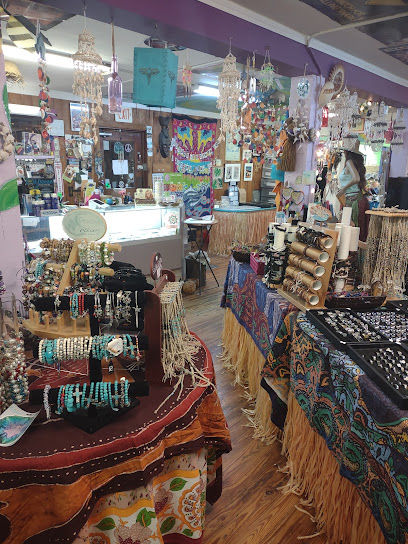
Island Girl Jewelry & Souvenirs
13.0 km
Explore the charm of Gulf Shores with unique jewelry, clothing, and souvenirs at Island Girl Jewelry & Souvenirs.
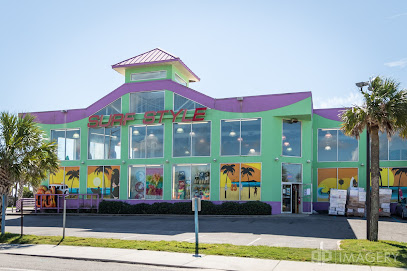
Surf Style 207: Surf, Swimwear, Sporting Goods in Gulf Shores
13.0 km
Discover Surf Style 207 in Gulf Shores for the finest beach clothing, surf gear, and sporting goods to elevate your coastal adventure.
Tiki Island Boutique
13.0 km
Explore Tiki Island Boutique in Gulf Shores for unique gifts, stylish clothing, and adorable baby outfits that capture the coastal charm of Alabama.
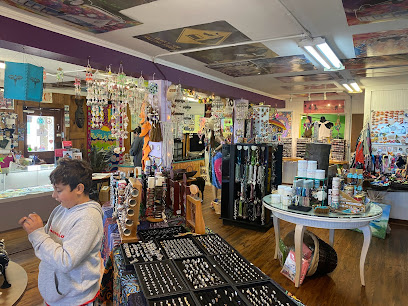
Geez Louise Boutique
13.1 km
Explore the charm of Geez Louise Boutique for unique gifts, trendy clothing, and exquisite jewelry in Gulf Shores, Alabama.
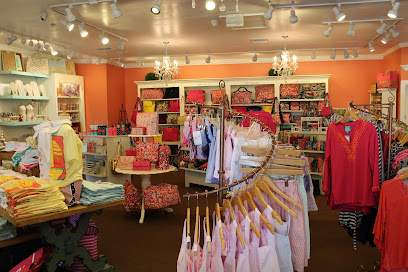
Beach Bazaar
13.1 km
Discover unique beachwear and clothing styles at Beach Bazaar in Gulf Shores, where coastal fashion meets affordability.
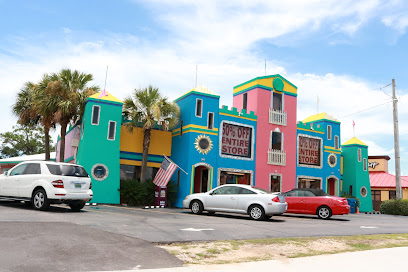
Essential bars & hidden hideouts

Sassy Bass Island Grill
6.3 km
Experience the best of Gulf Coast cuisine at Sassy Bass Island Grill, where fresh seafood meets island vibes in Gulf Shores, Alabama.
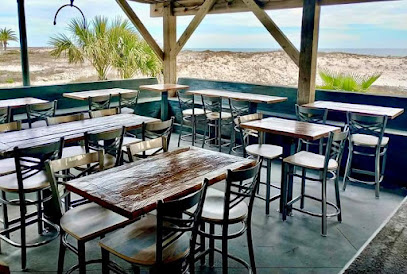
The deck
11.9 km
Experience the charm of Gulf Shores at The Deck, where refreshing drinks and stunning coastal views create the perfect getaway.
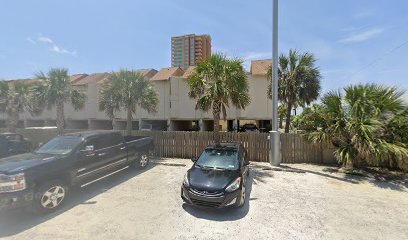
Ice House Taproom
13.0 km
Experience the vibrant flavors of American cuisine at Ice House Taproom in Gulf Shores, a must-visit for food and beer lovers.
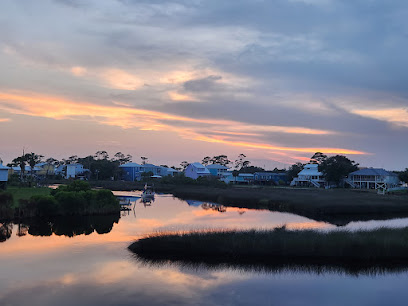
High Tide Daiquiris & Mimosas LLC
13.1 km
Experience the vibrant flavors of Gulf Shores at High Tide Daiquiris & Mimosas, where every cocktail is a celebration of coastal living.
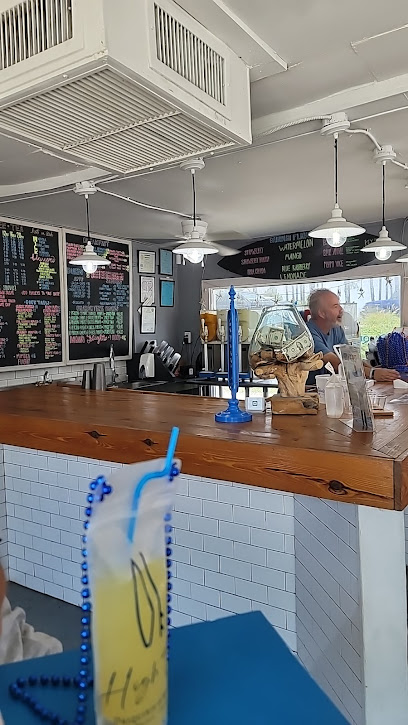
Mudbugs Dive Bar
13.1 km
Discover Mudbugs Dive Bar in Gulf Shores, Alabama – a vibrant pub offering karaoke, sports, and arcade fun for an unforgettable night out.
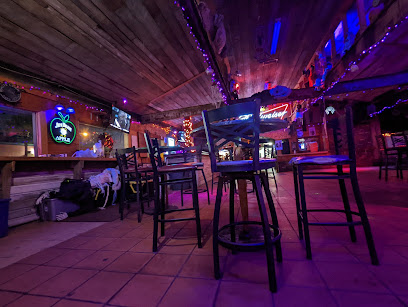
Hooters
13.4 km
Experience the thrill of sports and flavor at Hooters in Gulf Shores, your go-to destination for American cuisine and lively atmosphere.
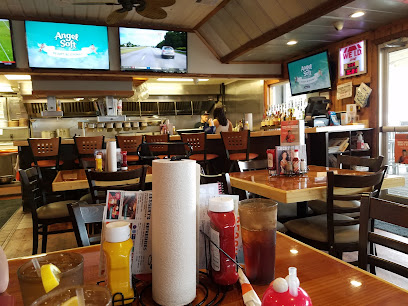
The Galway Irish Public House
14.1 km
Discover the heart of Ireland in Gulf Shores at The Galway Irish Public House, a cozy pub with delicious food, drinks, and live entertainment.
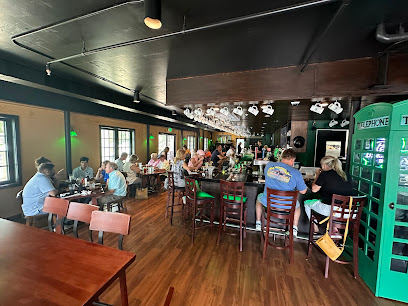
Big Beach Brewing
14.2 km
Explore the craft of local brewing at Big Beach Brewing in Gulf Shores, where every sip tells a story of passion, quality, and community spirit.
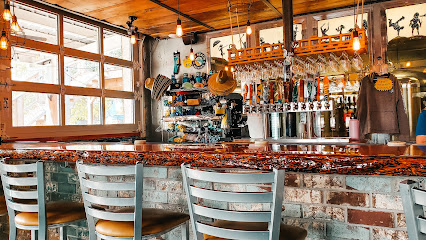
Hibas Gulf Shores Karaoke & Arcade Bar
15.4 km
Experience the vibrant nightlife at Hibas Gulf Shores Karaoke & Arcade Bar, featuring karaoke, arcade games, and a lively bar atmosphere.
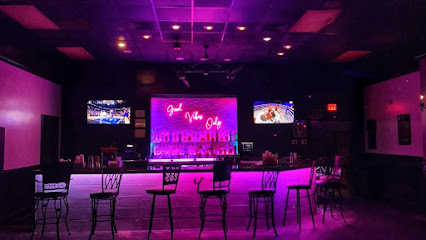
Roasted Oak
15.5 km
Discover Roasted Oak, a delightful bar and coffee shop in Gulf Shores, offering exquisite drinks and stunning views in Gulf State Park.
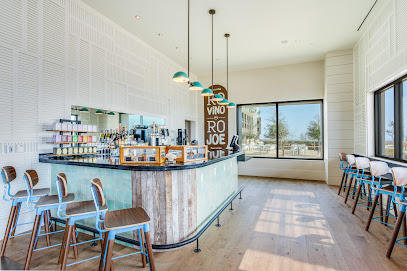
Bar 45
16.1 km
Discover the lively atmosphere of Bar 45 in Gulf Shores, where delicious food, sports, and entertainment come together for an unforgettable experience.
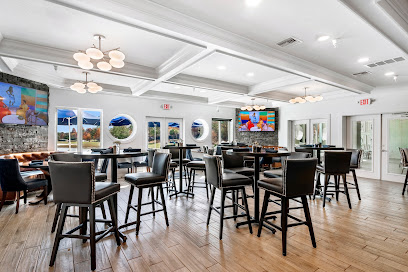
Tacky Jacks Fort Morgan
16.4 km
Explore Tacky Jacks Fort Morgan for an unforgettable seafood dining experience with stunning Gulf views and a lively atmosphere.
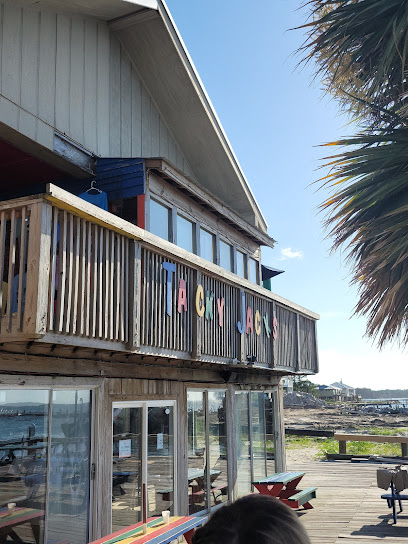
The Tavern of Bon Secour
16.8 km
Experience vibrant nightlife at The Tavern of Bon Secour, a lively lounge and bar in Foley, Alabama, perfect for dancing, drinks, and pool games.
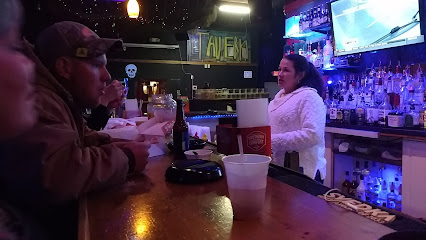
BierShackTaproom
17.7 km
Discover the vibrant atmosphere and mouthwatering dishes at BierShack Taproom in Foley, Alabama - your go-to pub for craft beers and fun!
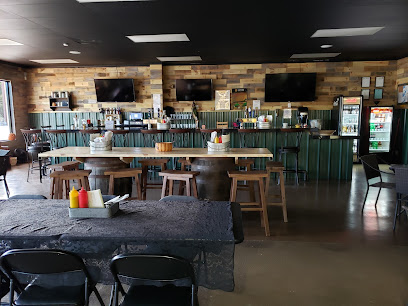
50/50 lounge
18.0 km
Experience the vibrant atmosphere and affordable drinks at Foley's 50/50 Lounge, where locals and tourists meet to unwind and socialize.