Africatown Historic District, Central Alabama Travel Guide
Discover Africatown: Explore the legacy of the Clotilda survivors and experience a community's enduring spirit and cultural preservation in Mobile, Alabama.
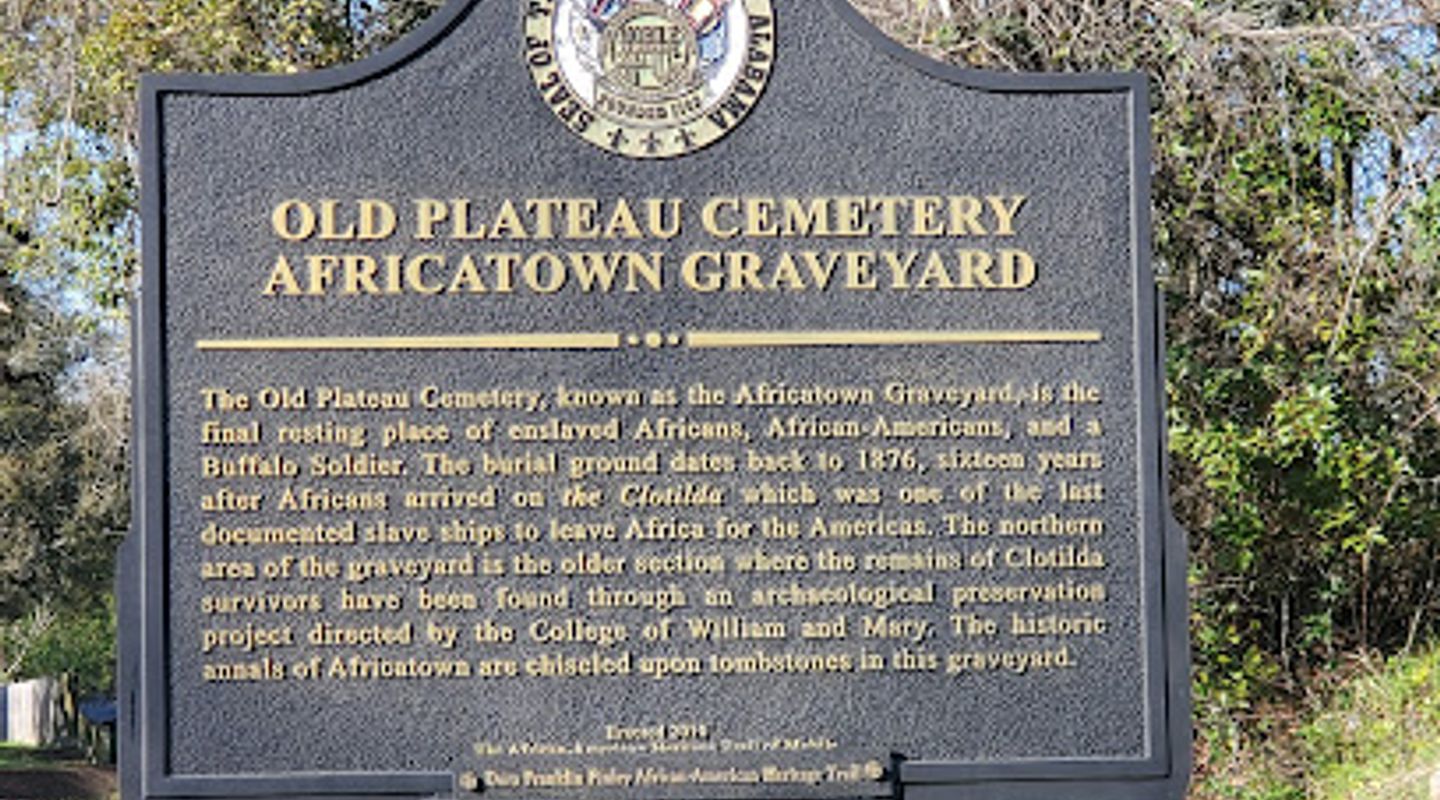
Explore Africatown, Alabama, a community founded by the descendants of the Clotilda, the last known ship to illegally transport enslaved people to the U.S. [2, 5]. Discover their legacy of resilience, self-determination, and cultural preservation in this historic district just north of downtown Mobile [2, 5].
A brief summary to Africatown Historic District
- Plateau, Mobile, Plateau, Alabama, 36610, US

Know before you go
Hi, I'm Eve. Here are a few practical things to know before exploring Africatown Historic District.
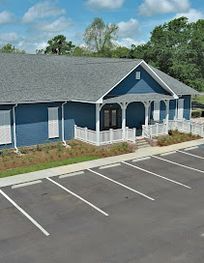
- Visit the Africatown Heritage House to view 'Clotilda: The Exhibition' and learn about the history of Africatown and the stories of the Clotilda descendants [2, 13].
- Purchase tickets for the Africatown Heritage House in advance, as capacity is limited [2, 15].
- Take a guided tour of Africatown to gain a deeper understanding of its history, landmarks, and cultural significance [2].
- Attend a community event or festival to experience the vibrant culture of Africatown. Check local listings for upcoming events [2].
- Be mindful and respectful when visiting Africatown, remembering that it is a residential area with a rich and sensitive history [2, 3].
Do you manage this location?
Take control to get all the benefits, like improved information, better appearance, and stronger visibility across AI-powered discovery. Learn more about listing your business on Evendo
Activate your presenceOther nearby places you may find interesting
The closest places of the same kind, if this one is not quite what you had in mind.


Explore Africatown Historic District on the Map
A handpicked selection of must-see spots near Africatown Historic District, mapped for you.
Getting There
-
Public Transport
From downtown Mobile, take the Mobile Transit bus Route 6 or Route 12 towards Plateau [9]. Check the Mobile Transit website for schedules and routes, as they may vary [9]. From the nearest bus stop in the Plateau area, it's approximately a 1-mile walk or a short rideshare to reach the Africatown Historic District [9]. Single fare for public transport is approximately $1.25 [9].
-
Taxi/Ride-Share
Taxi and ride-sharing services like Uber and Lyft are readily available in Mobile [2]. A ride from downtown Mobile to Africatown will typically cost between $10 and $25, depending on demand and traffic conditions [2, 9]. Specify 'Africatown Historic District' or a specific address within the district (e.g., Africatown Heritage House, 2465 Winbush Street) as your destination [2, 3].
-
Driving
From Interstate 65 South: Use the right 2 lanes to take exit 9 for I-165 S toward Prichard/Downtown Mobile [3]. Continue onto I-165 S [3]. Take exit 2 toward I-10 E/US-90 E/Bay Bridge Rd [3]. Turn left onto Paper Mill Rd [3]. Turn left onto McKinley St [3]. Turn right onto Winbush (or Wimbush) St [2, 3]. The Africatown Heritage House will be on the immediate right [2, 3]. Parking is available near the Africatown Heritage House and other key sites within the district and is free [2].
Discover more about Africatown Historic District
More to explore near Africatown Historic District













Your all‑in‑one travel companion app
Explore expert travel guides, compare and book tours, experiences, hotels, and more—all from the palm of your hand. Download now for seamless trip planning wherever your wanderlust takes you.


Explore More of Central Alabama
Looking beyond Africatown Historic District? Discover Central Alabama for broader travel guides, local hot-spots, and regional highlights.
Explore Central Alabama