

Free Central Alabama Travel Guide & Mobile App
Explore Central Alabama with free travel guides. Discover regional history, expert tips, proposed trips, and audio guides on web or mobile app.


Explore Central Alabama for Birmingham’s industrial heritage, Montgomery’s civil rights history, Selma’s landmarks, river landscapes and Southern food.
Read more about Central Alabama
When is the best time to visit Central Alabama?
Best: April, September–October · 24–29°C| Month | High (°C) | Rainfall (mm) |
|---|---|---|
| January | 12 | 122 |
| February | 15 | 123 |
| March | 19 | 145 |
| April (best) | 24 | 114 |
| May | 27 | 125 |
| June | 31 | 114 |
| July | 33 | 147 |
| August | 32 | 125 |
| September (best) | 29 | 107 |
| October (best) | 24 | 88 |
| November | 17 | 112 |
| December | 14 | 125 |
Getting to and around Central Alabama
How to get there
Transportation
Top city travel guides in Central Alabama
The cities of Central Alabama, and the easiest places to base yourself.
-

-

-

-

-

-


Swipe for more cities
Destinations in Central Alabama
Resorts, valleys and scenic spots worth a trip of their own.
-
-

-

-

-

-


Swipe for more destinations
Best attractions in Central Alabama
Central Alabama’s attractions are anchored by two substantial urban cultural centres and a network of historic communities. Birmingham combines the Birmingham Civil Rights Institute, the adjoining historic area around 16th Street Baptist Church and Kelly Ingram Park, the Birmingham Museum of Art, the Barber Vintage Motorsports Museum and Sloss Furnaces National Historic Landmark. South of the city, Oak Mountain State Park offers hiking, cycling, boating and other outdoor recreation in a wooded landscape. Montgomery’s museums and historic sites examine state politics, the bus boycott, the Freedom Rides, racial violence and the civil rights movement, while the Alabama State Capitol and riverfront add civic and architectural interest. Selma offers a concentrated encounter with voting-rights history through the Edmund Pettus Bridge, Selma Interpretive Center and associated historic places. Beyond these principal centres, visitors can find courthouse squares, historic churches, antebellum architecture, cemeteries, small museums and river-country scenery. The region’s attraction landscape is strongest when industrial, political and African American history are considered alongside parks, trails and contemporary arts rather than isolated into separate themes.
-
State park
Gulf State Park
Discover Alabama's Gulf Coast at Gulf State Park: beaches, trails, nature, and endless outdoor adventures await!
-
Zoo
Birmingham Zoo
Discover wildlife from around the world at the Birmingham Zoo, Alabama's premier zoological destination. Open Wednesday - Sunday!
-
Museum
Barber Vintage Motorsports Museum
Discover the world's largest motorcycle collection at Barber Vintage Motorsports Museum, a living tribute to the history of motorsports in Leeds, Alabama.
-
Museum
Vulcan Park and Museum
Discover Birmingham's iconic Vulcan statue, explore interactive history exhibits, and enjoy panoramic city views at this symbol of the Magic City.

Best landmarks in Central Alabama
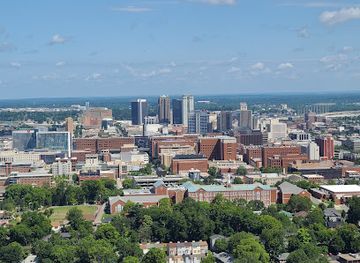
The Edmund Pettus Bridge in Selma is Central Alabama’s most internationally recognisable civil rights landmark. Its crossing by voting-rights marchers in 1965, followed by violent attacks, helped focus national attention on the campaign for federal voting protections. In Birmingham, the red-brick façade of 16th Street Baptist Church, Kelly Ingram Park and the preserved industrial structures of Sloss Furnaces express two different but connected parts of the city’s history: civil rights and heavy industry. Montgomery’s Alabama State Capitol occupies the hill where the Confederate government was organised in 1861 and remains a major civic monument, while the city’s historic churches, museums and riverfront reflect later political and social transformations. The First White House of the Confederacy provides a surviving domestic setting associated with the Confederacy’s early government, though it should be understood within the broader history of slavery and secession. The National Memorial for Peace and Justice adds a contemporary landmark of national significance, using architecture and sculpture to commemorate victims of racial terror and examine its legacy. Together these places make Central Alabama’s landmark landscape unusually historical, political and morally challenging.
-
Museum
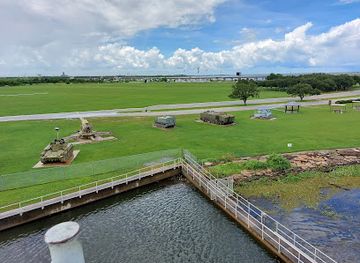
USS ALABAMA Battleship Memorial Park
Explore the decks of the USS Alabama, submarine USS Drum, and historic aircraft at this Mobile Bay memorial to American military service.
-
Museum of space history
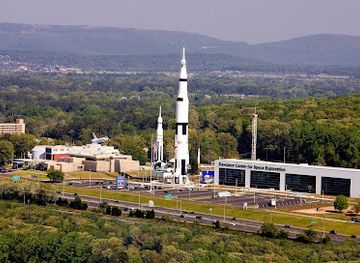
U.S. Space & Rocket Center
Explore America's space program in Rocket City USA, with rockets, artifacts, and immersive experiences for all ages.
-
State park
Monte Sano State Park
Discover breathtaking views, historic charm, and outdoor adventures at Monte Sano State Park, Huntsville's mountain retreat.
-
State park
Cathedral Caverns State Park
Discover a world of underground wonders at Cathedral Caverns State Park, home to the colossal 'Goliath' stalagmite and stunning geological formations.
Explore Central Alabama on the map
Plan your trip on one map. See where the top cities, national parks and sights are, and book hotels and experiences in a few clicks.
Best hotels in Central Alabama
Best restaurants in Central Alabama
Central Alabama’s food culture joins African American culinary traditions, rural Southern cooking and an increasingly varied urban restaurant scene. Birmingham is particularly strong for barbecue, soul food, modern Southern cooking, international restaurants and independent cafés, while Montgomery and Selma offer long-established neighbourhood restaurants, diners and places serving fried catfish, chicken, greens, cornbread, biscuits and other Southern staples. Pork barbecue is a major regional presence, but sauces and preparation styles vary between restaurants, so the local scene is not defined by one uniform formula. Farmers’ markets and food shops provide opportunities to find seasonal produce, baked goods and locally made specialities. In rural areas, traditional meat-and-three restaurants and family-run cafés remain important, while the cities offer more contemporary interpretations of Southern ingredients. Sweet tea is common, and craft beer and other locally produced drinks appear on many urban menus. Tipping is customary in table-service restaurants, and sales tax is normally added separately to displayed prices.
-
Restaurant
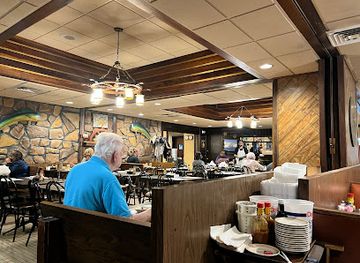
Niki's West
Experience authentic Southern seafood at Niki's West in Birmingham—where every meal is a celebration of flavor and tradition.
-
Hamburger
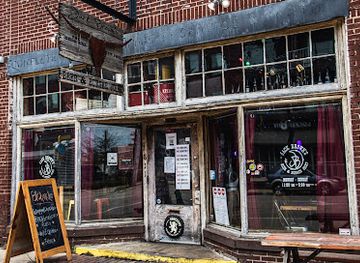
Jack Brown's Beer & Burger Joint Birmingham
Experience Birmingham's culinary scene at Jack Brown's Beer & Burger Joint—home to gourmet burgers and an extensive craft beer selection.
-
Southern
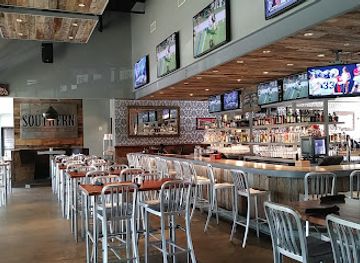
The Southern Kitchen And Bar
Indulge in authentic Southern cuisine at The Southern Kitchen And Bar in Birmingham—where tradition meets taste in every bite.
-
Thai
Surin West
Experience the fusion of authentic Thai flavors and creative sushi rolls at Surin West in Birmingham's vibrant Five Points South.

Best bars in Central Alabama
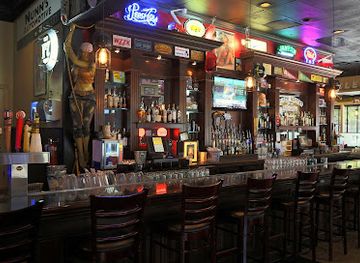
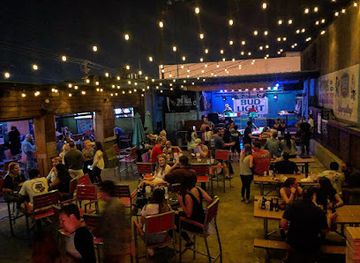
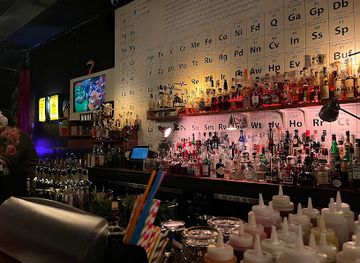
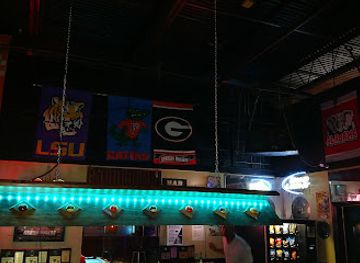
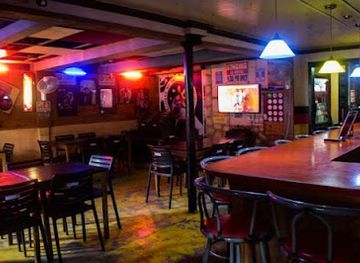
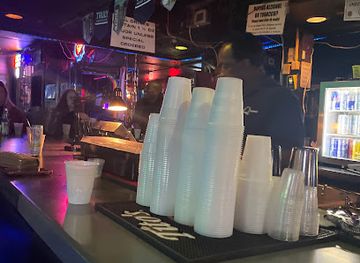
Evening life in Central Alabama is concentrated in Birmingham and Montgomery, with a quieter, more limited pattern in Selma and smaller communities. Birmingham’s downtown and nearby neighbourhoods offer traditional pubs, breweries, cocktail bars, live-music rooms and restaurants that stay open into the evening, while its arts calendar can include theatre, concerts and gallery events. Montgomery combines bars and restaurants around central districts with performances and cultural programming, rather than a single large nightlife zone. Selma’s evening choices are more likely to centre on restaurants, local bars and community events than on nightclubs. Rural Central Alabama is oriented towards socialising in pubs, casual restaurants and private gatherings, and venues can be widely spaced. Check current arrangements before travelling, as opening patterns and entertainment programmes change. Alcohol is not necessary to experience the region’s evening culture, and visitors should arrange a sober driver or other transport when travelling beyond urban centres.
-
Grill
Black Market Bar+Grill (Avondale)
Discover the culinary charm of Birmingham at Black Market Bar+Grill, where delicious flavors and a vibrant atmosphere await you.
-
Live music bar
Tin Roof
Experience Birmingham's vibrant nightlife at Tin Roof, where live music meets delicious Southern cuisine in a lively bar setting.
-
Cocktail bar
The Collins Bar
Discover The Collins Bar in Birmingham: A premier cocktail bar and gastropub serving creative drinks and mouth-watering dishes in a vibrant setting.
-
Sports bar
The Upper Deck
Experience the best of Birmingham nightlife at The Upper Deck, a sports bar with great food, drinks, and entertainment options for everyone.
Best nightclubs in Central Alabama
Evening life in Central Alabama is concentrated in Birmingham and Montgomery, with a quieter, more limited pattern in Selma and smaller communities. Birmingham’s downtown and nearby neighbourhoods offer traditional pubs, breweries, cocktail bars, live-music rooms and restaurants that stay open into the evening, while its arts calendar can include theatre, concerts and gallery events. Montgomery combines bars and restaurants around central districts with performances and cultural programming, rather than a single large nightlife zone. Selma’s evening choices are more likely to centre on restaurants, local bars and community events than on nightclubs. Rural Central Alabama is oriented towards socialising in pubs, casual restaurants and private gatherings, and venues can be widely spaced. Check current arrangements before travelling, as opening patterns and entertainment programmes change. Alcohol is not necessary to experience the region’s evening culture, and visitors should arrange a sober driver or other transport when travelling beyond urban centres.
-
Lounge
V lounge The Vault Bar and Lounge
Discover vibrant nightlife at V Lounge The Vault Bar and Lounge in Birmingham, where relaxation meets socialization in a stylish setting.
-
Gay night club
The Quest Club
Dive into Birmingham's vibrant nightlife at The Quest Club, a premier gay night club with exciting events, great drinks, and a welcoming atmosphere.
-
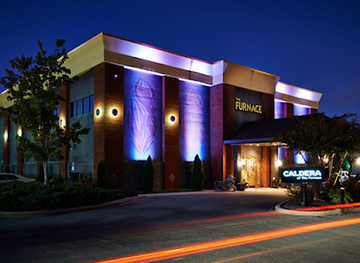
Adult entertainment club
The Furnace
Discover Birmingham's vibrant nightlife at The Furnace, featuring electrifying performances and a lively bar atmosphere.
-
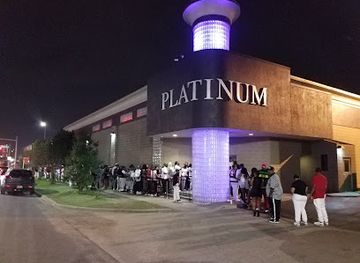
Night club
Platinum of Birmingham
Discover the ultimate nightlife experience at Platinum of Birmingham, where music, dance, and vibrant energy come together for an unforgettable evening.
Best shops in Central Alabama
Shopping in Central Alabama ranges from urban independent retail to market-town browsing and locally produced food. Birmingham’s central and neighbourhood districts contain boutiques, bookshops, galleries, design stores, vintage outlets and food businesses, with larger retail concentrations in the metropolitan suburbs. Montgomery offers independent shops, galleries, antiques and practical high-street retail around its historic and central districts, while Selma is better suited to browsing local businesses, antiques and heritage-related shops than to extensive mainstream shopping. Farmers’ markets and seasonal markets are useful places to look for Alabama produce, preserves, baked goods, honey and handmade goods, although schedules vary. Regional souvenirs often focus on civil rights history, local art, books, barbecue and Southern food products rather than a single craft tradition. Visitors should distinguish products made in Alabama from generic merchandise labelled with the state, and should check market dates before making a rural detour. Sales tax is added to most displayed prices at the point of purchase.
-
Shopping mall
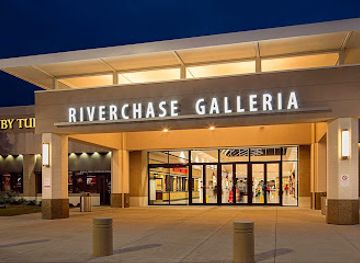
Riverchase Galleria
Explore Riverchase Galleria in Hoover, AL - a vibrant shopping mall with diverse stores, dining options, and entertainment for all ages.
-
Shopping mall
The Summit Birmingham
Discover The Summit Birmingham, a premier shopping mall where style meets entertainment in the heart of Alabama.
-
Outlet mall
The Shops of Grand River
Discover unbeatable deals and a delightful shopping experience at The Shops of Grand River in Leeds, Alabama – the ultimate outlet mall destination.
-
Souvenir store
Souvenir City
Explore Souvenir City in Gulf Shores for unique gifts and memorable keepsakes that capture the spirit of your beach vacation.

Get your free copy of our complete guide to Central Alabama, delivered straight to you.
Everything on this page, from attractions and restaurants to essentials and local phrases, in one PDF you can read offline, print or share.
Already have an account? Sign in
Your Central Alabama guide is ready.
We'll send it to · Not you? Sign out

Getting your guide ready…
We are putting together a fresh copy of the Central Alabama guide. This can take up to a minute.
This can take a few moments. If your browser asks, choose Allow so the download can start. You'll find the guide in your Downloads folder.
Nothing happened? Download it again
Sorry, the guide is taking longer than usual. Please try again in a minute, or get it by email instead.
Central Alabama essentials
Currency and Payment
Safety
Emergency Situations
Do's and Don'ts
Local Tips
From Eve
Local phrases worth knowing
You don't need to get them perfect. A few words go a long way, and locals appreciate the effort.
Basics
| English | Local | Say it |
|---|---|---|
| Hello | Howdy | [Ha-dee] |
| Goodbye | See you later | [See ya lay-ter] |
| Yes | Yep | [Yep] |
| No | Nah | [Nah] |
| Please/You're welcome | No problem | [No prob-lem] |
| Thank you | Thanks | [Thanks] |
| Excuse me/Sorry | Sorry 'bout that | [Sorry 'bout that] |
| How are you? | How ya doin'? | [How ya doin'?] |
| Fine. And you? | I'm good. And you? | [I'm good. An' you?] |
| Do you speak English? | Do ya speak English? | [Do ya speak English?] |
| I don't understand | I don't get it | [I don't get it] |
Eating & Drinking
| English | Local | Say it |
|---|---|---|
| I'd like to see the menu, please | Can I see the menu, please? | [Can I see the menu, please?] |
| I don't eat meat | I don't eat no meat | [I don't eat no meat] |
| Cheers! | Cheers! | [Cheers!] |
| I would like to pay, please | Can I pay, please? | [Can I pay, please?] |
Emergencies
| English | Local | Say it |
|---|---|---|
| Help! | Help! | [Help!] |
| Go away! | Leave me alone! | [Leave me alone!] |
| Call the Police! | Call the cops! | [Call the cops!] |
| Call a doctor! | Get a doctor! | [Get a doctor!] |
| I'm lost | I'm lost | [I'm lost] |
| I'm ill | I'm sick | [I'm sick] |
Shopping
| English | Local | Say it |
|---|---|---|
| I'd like to buy... | I wanna buy... | [I wanna buy...] |
| I'm just looking | Just browsin' | [Just browsin'] |
| How much is it? | What's the price? | [What's the price?] |
| That's too expensive | That's too pricey | [That's too pricey] |
| Can you lower the price? | Can ya bring down the price? | [Can ya bring down the price?] |
Time & Numbers
| English | Local | Say it |
|---|---|---|
| What time is it? | What time it be? | [What time it be?] |
| It's one o'clock | It's one o'clock | [It's one o'clock] |
| Half past (10) | Half past ten | [Half past ten] |
| Morning | Mornin' | [Mornin'] |
| Afternoon | Afternoon | [Afternoon] |
| Evening | Evenin' | [Evenin'] |
| Yesterday | Yesterday | [Yesterday] |
| Today | Today | [Today] |
| Tomorrow | Tomorrow | [Tomorrow] |
| 1 | One | [One] |
| 2 | Two | [Two] |
| 3 | Three | [Three] |
| 4 | Four | [Four] |
| 5 | Five | [Five] |
| 6 | Six | [Six] |
| 7 | Seven | [Seven] |
| 8 | Eight | [Eight] |
| 9 | Nine | [Nine] |
| 10 | Ten | [Ten] |
Transport & Directions
| English | Local | Say it |
|---|---|---|
| Where's a/the...? | Where's the...? | [Where's the...?] |
| What's the address? | What's the address? | [What's the address?] |
| Can you show me (on the map)? | Can ya show me on the map? | [Can ya show me on the map?] |
| When's the next (bus)? | When's the next bus? | [When's the next bus?] |
| A ticket (to ....) | A ticket to... | [A ticket to...] |
History of Central Alabama
Indigenous Alabama and Early European Settlement
Long before Alabama became a state, the central part of the region was inhabited and travelled by Indigenous peoples including the Muscogee and other communities of the Southeast. River corridors, especially the Alabama River, supported movement, trade and settlement. European and American expansion brought treaties, warfare, dispossession and the forced removal of Indigenous peoples in the nineteenth century. The name Alabama is associated with the Alabama people, while surviving archaeological and cultural evidence provides an essential context for understanding the landscape before the development of modern towns.
Cotton, Enslavement and the Black Belt
During the nineteenth century, fertile prairie soils south and west of Montgomery supported an expanding cotton economy based on the labour of enslaved African Americans. Montgomery became a major political and commercial centre, connected to river transport and later railways. Enslavement shaped land ownership, wealth, settlement and social power throughout central Alabama. Its legacy remained visible after emancipation through sharecropping, racial violence, segregation and unequal access to land, education and political representation.
Montgomery and the Civil War Era
Montgomery served briefly as the first capital of the Confederate States of America in 1861, and Jefferson Davis was inaugurated there as Confederate president. The Alabama State Capitol and the First White House of the Confederacy preserve this period, although the wider history also includes the central role of slavery and the political crisis that led to secession. The city’s later interpretation of the Civil War has evolved, with museums and historic sites increasingly presenting the conflict within the broader history of emancipation, Reconstruction and racial power.
Birmingham’s Industrial Rise
Founded in the late nineteenth century at a location where coal, iron ore and limestone could be brought together, Birmingham developed rapidly as an industrial and railway centre. Furnaces, mines and manufacturing attracted workers from across the American South and from overseas, producing a diverse urban population. Sloss Furnaces preserves the demanding industrial environment that helped establish the city, while the surrounding metropolitan area retains traces of mining, rail and steel production. Birmingham’s economic history also includes labour conflict, racial segregation and later transition towards healthcare, education, finance and culture.
Reconstruction, Segregation and Black Community Life
After the Civil War, formerly enslaved people built churches, schools, businesses and civic organisations across central Alabama despite violent opposition and formal restrictions. Montgomery and Birmingham became important centres of Black community life, while rural counties faced entrenched economic and political inequality. Jim Crow laws segregated public life, and discriminatory voting practices excluded many African Americans from the political system. Historic churches, neighbourhoods, colleges, cemeteries and surviving business districts testify to the institutions that sustained communities through this period.
The Civil Rights Movement
Central Alabama was a major arena of the modern civil rights movement. In Birmingham, the 1963 campaign against segregation, the violence at 16th Street Baptist Church and the national response helped accelerate federal civil rights legislation. Montgomery was central to the 1955–56 bus boycott led by local activists including Rosa Parks, while Selma’s 1965 voting-rights campaign and the march across the Edmund Pettus Bridge helped secure the Voting Rights Act. Museums, churches, memorials and preserved streets across the region interpret these struggles and their continuing relevance.
Modern Renewal and Historical Reckoning
Since the late twentieth century, Central Alabama has experienced economic diversification, urban redevelopment and renewed investment in cultural institutions. Birmingham has expanded its medical, educational and creative sectors, while Montgomery has developed museums and memorials that confront histories previously minimised in public interpretation. The Legacy Museum and the National Memorial for Peace and Justice connect slavery, racial terror, mass incarceration and present-day inequality. Across the region, historic preservation now increasingly sits alongside efforts to represent African American experiences and the complexity of Alabama’s past.
Central Alabama in Photos
Browse through our photo collection highlighting the charm and character of the destination.
Neighbouring regions of Central Alabama
The closest regions to Central Alabama, if you have time for more than one.
-

-

-

-

-


Swipe for more regions
Explore more

Explore more of Alabama
Discover Alabama: A Southern state rich in history, culture, and natural beauty, offering unforgettable experiences from vibrant cities to serene beaches and majestic mountains.
Explore Alabama