Brownville-Summerville Historic District: A Step Back in Time
Explore Phenix City, Alabama's Brownville-Summerville Historic District: a captivating journey through architectural styles and historical narratives.
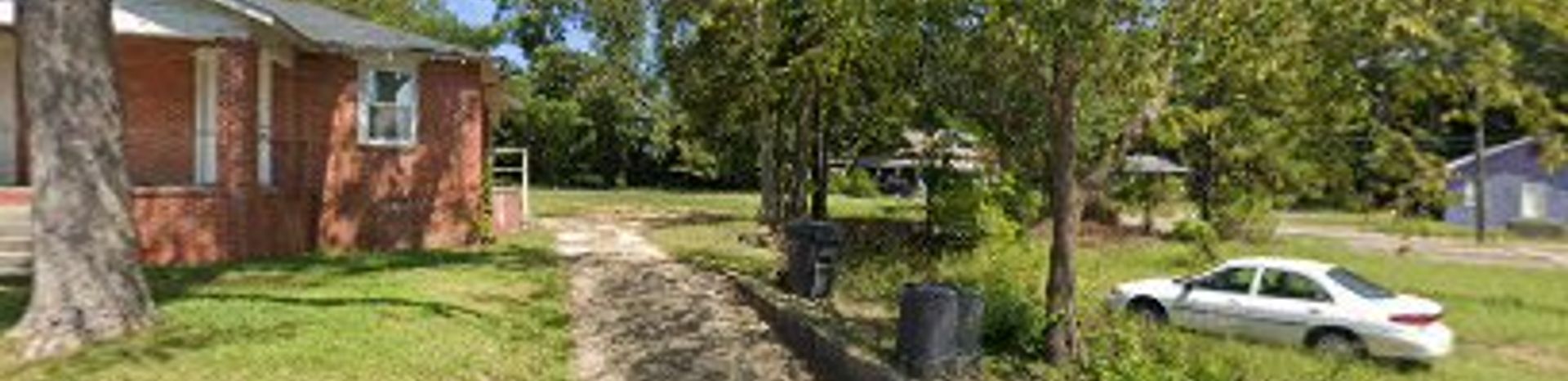
The Brownville-Summerville Historic District in Phenix City, Alabama, is an 87-acre area listed on the National Register of Historic Places [6, 9]. It showcases residential and commercial architecture from the late 19th and early 20th centuries, reflecting the city's development during that era [6].
A brief summary to Brownville-Summerville Historic District
- Phenix City, Alabama, 36867, US
Local tips
- Wear comfortable shoes, as the best way to experience the district is on foot [6, 7].
- Bring a camera to capture the unique architectural details of the historic buildings [6, 7].
- Check local event listings, as the district occasionally hosts historical tours or community events [6].

Getting There
-
Walking
From the Phenix City - Russell County Public Library, head west on 14th Street toward 6th Avenue [6]. Turn left onto 6th Avenue and walk for approximately three blocks; the historic district will be on your left [6]. This walk is roughly 0.3 miles and should take about 5-10 minutes. There are no costs associated with walking [6].
-
Taxi/Ride-Share
Taxis and ride-sharing services like Uber and Lyft are available in Phenix City [6, 10, 13]. A short ride from a central location like the Phenix City - Russell County Public Library to the Brownville-Summerville Historic District will likely cost between $6 and $10, depending on demand and distance [6, 12].
Discover more about Brownville-Summerville Historic District
Iconic landmarks you can’t miss

Brownville-Summerville Historic District
0.0 km
Discover the enchanting Brownville-Summerville Historic District in Phenix City, Alabama, where history, architecture, and charm converge.
Whitewater Alabama
1.0 km
Experience thrilling whitewater rafting adventures with guided tours on the Chattahoochee River, the world's longest urban course, in Phenix City, Alabama.
Historic Columbus Foundation
1.5 km
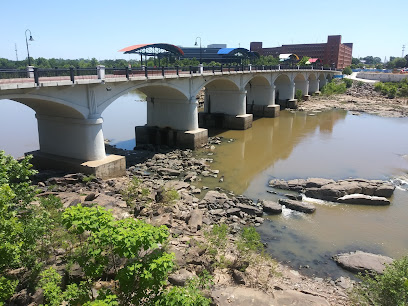
Explore Columbus, Georgia's vibrant past through exhibits, events, and educational programs at the Historic Columbus Foundation.
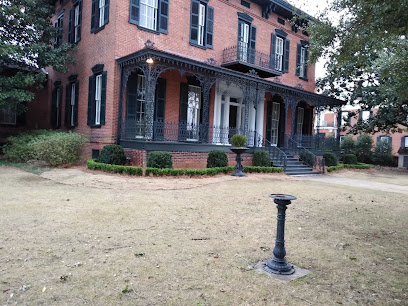
Girard Historic District
2.6 km
Discover Phenix City's Girard Historic District: Architecture, history, and Southern charm await in this well-preserved glimpse into the past.
Historic Westville
11.7 km
Experience 1850s Georgia: Explore historic buildings, witness traditional crafts, and immerse yourself in a living history museum.
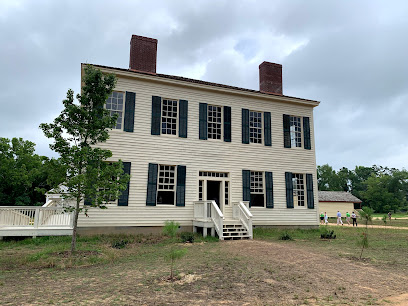
Fort Mitchell Historic Site
14.9 km
Dive into Alabama's rich military history at Fort Mitchell Historic Site, a captivating landmark showcasing the past through engaging exhibits and preserved structures.
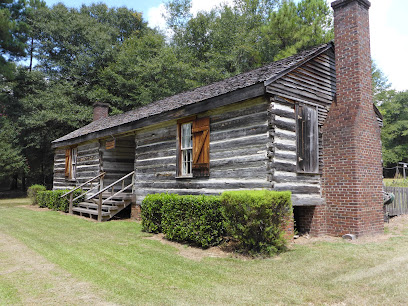
USA Town Center
37.7 km
Shop, dine, and explore at USA Town Center in Opelika, Alabama – your convenient destination for retail and leisure.
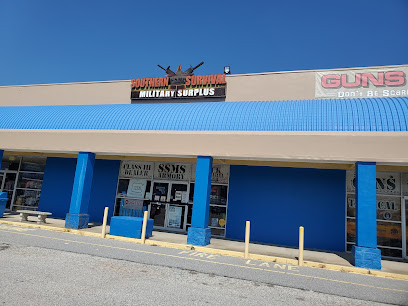
Angel's Antiques & Flea Mall
37.8 km
Discover vintage treasures and unique finds at Angel's Antiques & Flea Mall, one of the largest antique destinations in the Southeast!
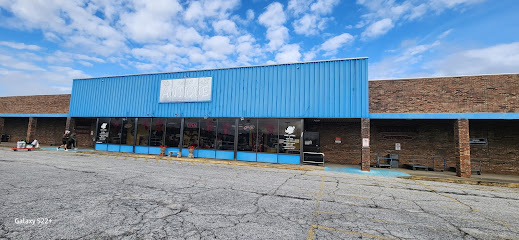
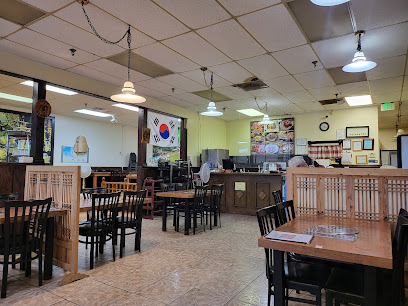
Gohyang Garden Korean Restaurant
37.8 km
Experience authentic Korean flavors at Gohyang Garden in Opelika, AL, from BBQ to traditional stews in a welcoming atmosphere.
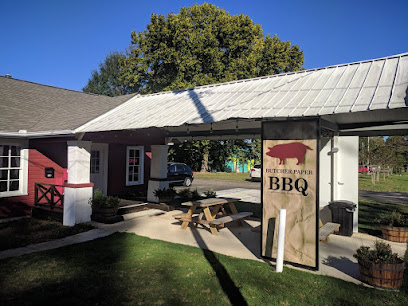
Butcher Paper BBQ
39.0 km
Opelika's go-to spot for authentic wood-smoked BBQ, featuring brisket, pulled pork, ribs, and homemade sides in a casual and inviting atmosphere.
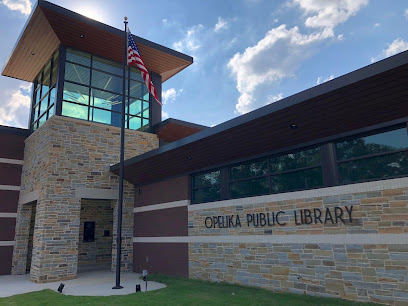
Opelika Public Library
39.1 km
Discover a world of knowledge and community at the Opelika Public Library. Explore books, events, and resources for all ages!
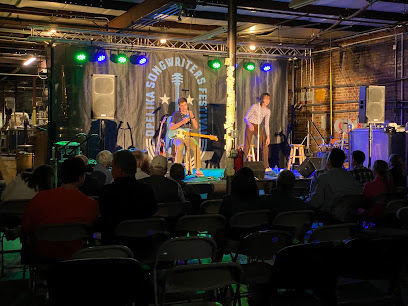
Opelika Songwriters Festival
39.4 km
Experience intimate performances by world-class songwriters in the heart of historic Opelika, Alabama. A unique music festival in a charming small-town setting.
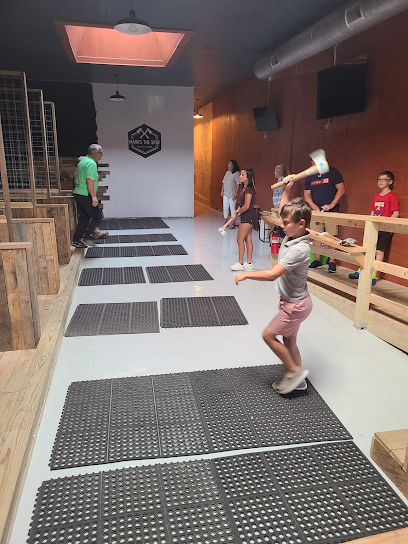
Axe Marks the Spot
39.6 km
Experience the thrill of axe throwing in downtown Opelika – perfect for groups, events, and unforgettable fun!
J. W. Darden House
39.6 km
Visit the historic home of Dr. John Wesley Darden in Opelika, a symbol of African American perseverance and community leadership in healthcare and civil engagement.
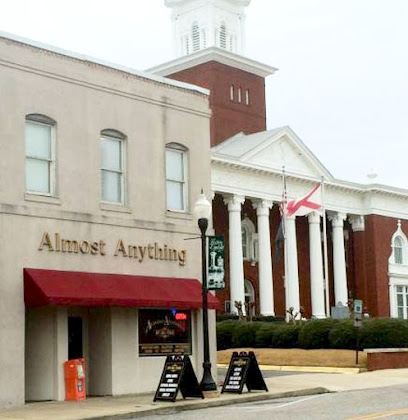
Almost Anything
39.6 km
Opelika's nostalgic emporium for vintage video games, comics, records, and antiques – a treasure trove of collectibles and memories since 1992.
Unmissable attractions to see

Coca-Cola Space Science Center
2.4 km
Explore space and science at Georgia's premier space science center, featuring NASA artifacts, planetarium shows, and interactive exhibits.
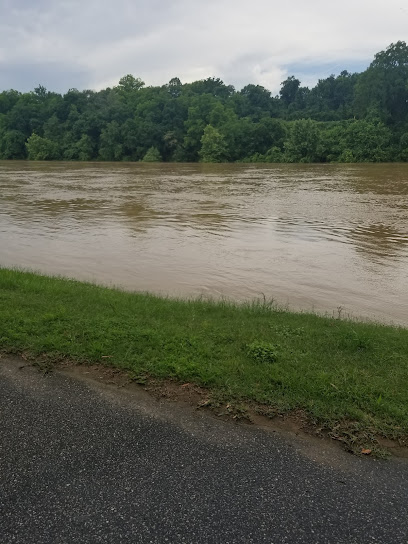
The Columbus Museum
3.2 km
Explore American art and regional history at the Columbus Museum, a cultural gem in the Chattahoochee Valley. Always free, always engaging!
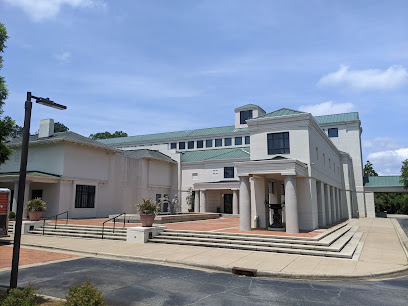
Lakebottom Park
3.7 km
Discover Lakebottom Park in Columbus, GA: a historic park with sports, trails, playgrounds, and community events in a vibrant Midtown setting.
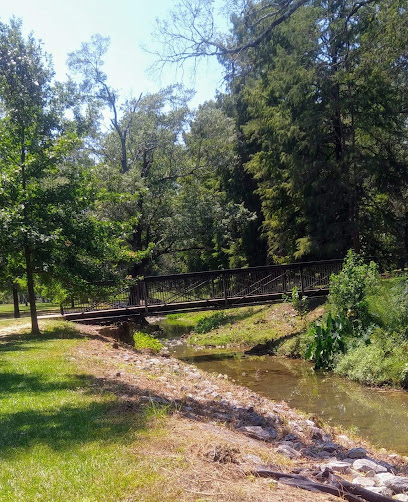
North End Chattahoochee RiverWalk
4.1 km
Discover scenic beauty & rich history along the Chattahoochee RiverWalk in Columbus, GA – perfect for outdoor recreation, relaxation, and community events.
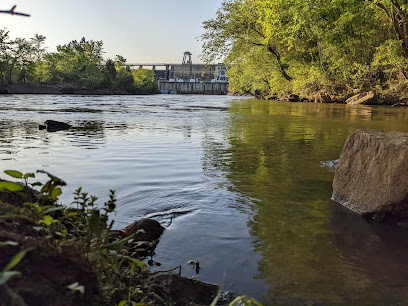
National Civil War Naval Museum
4.3 km
Discover the untold stories of the Civil War at sea, featuring original ships, immersive exhibits, and rare artifacts.
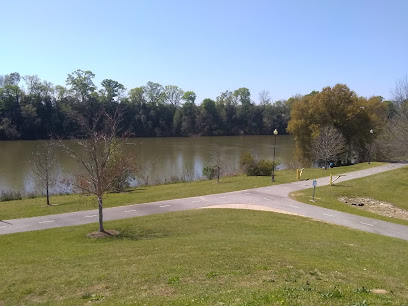
Rigdon Park
7.5 km
Discover a vibrant community park in Columbus, GA, offering sports, recreation, and a peaceful escape along the Chattahoochee Riverwalk.
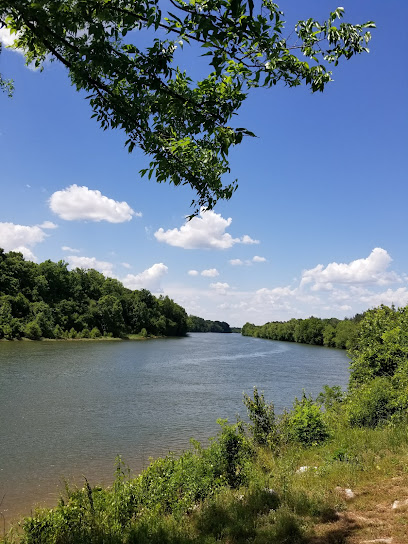
The National Infantry Museum
11.1 km
Experience over 240 years of American Infantry history through immersive exhibits and artifacts at this world-class museum in Columbus, Georgia.
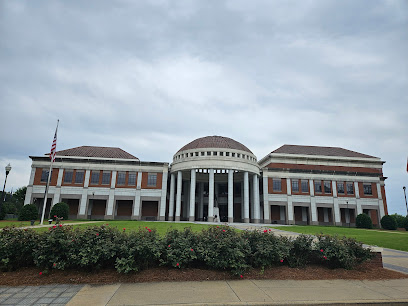
Flat Rock Park
13.4 km
Explore nature's playground in Columbus, GA! Flat Rock Park offers trails, water fun, and outdoor activities for all ages.
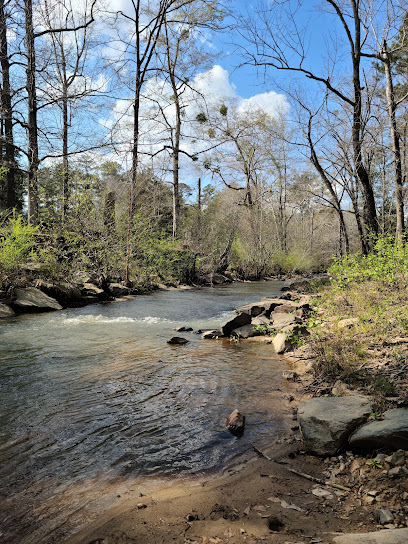
Chattahoochee Indian Heritage Center
14.9 km
Explore Creek Indian heritage at this Fort Mitchell center, with exhibits, trails & a sacred fire sculpture.
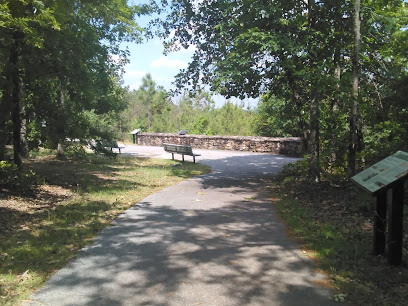
Fort Mitchell Visitors Center
14.9 km
Explore 19th-century frontier life and Creek Nation history at this immersive Alabama historic site and museum.
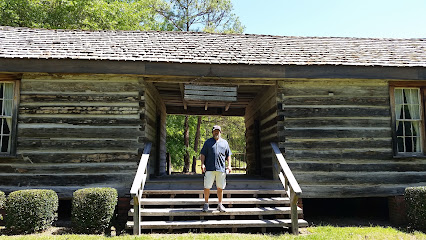
Museum of Wonder Drive Thru
22.7 km
Discover the Museum of Wonder Drive Thru in Seale, Alabama—a unique blend of art and curiosity awaits in this captivating drive-thru experience.
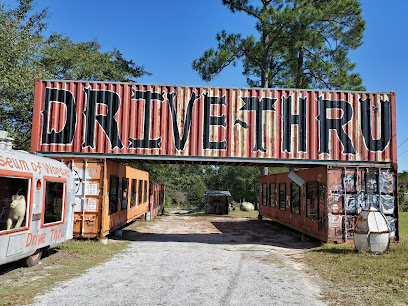
Spring Villa Park
31.1 km
Discover history and nature at Spring Villa Park in Opelika, AL: camping, trails, historic house, and outdoor activities await!
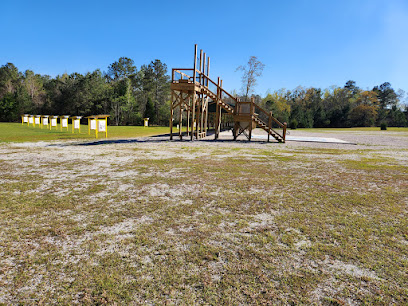
Aquarium Stones
33.8 km
Discover the mesmerizing world of aquatic life at Aquarium Stones in Opelika, Alabama – an enchanting experience for all ages.
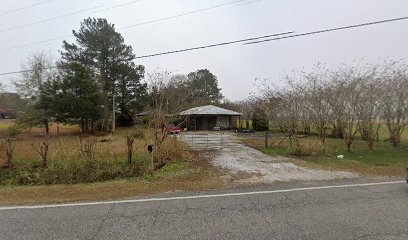
Museum of East Alabama
39.8 km
Explore the Museum of East Alabama: A captivating journey through local history, culture, and art in Opelika, Alabama.
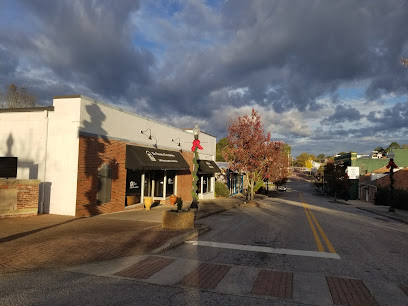
John Emerald Distilling Company
39.8 km
Experience the taste of Alabama's first legal distillery since Prohibition. Tours, tastings, and handcrafted spirits await in historic downtown Opelika.
Essential places to dine

Chattahoochee River
4.1 km
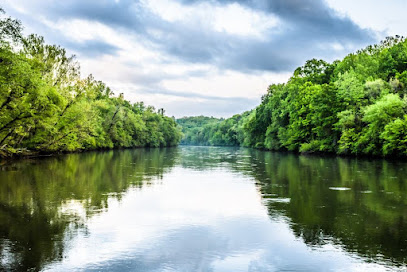
Discover the natural beauty and recreational paradise of the Chattahoochee River - your gateway to adventure in Georgia!
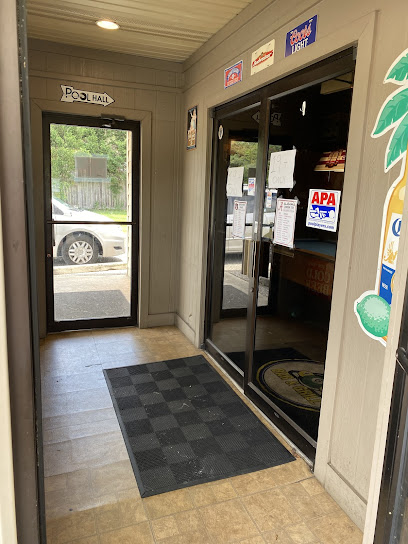
169 Bar & Grill
33.8 km
Experience the vibrant energy of 169 Bar & Grill in Opelika – where delicious American cuisine meets live entertainment in a lively atmosphere.
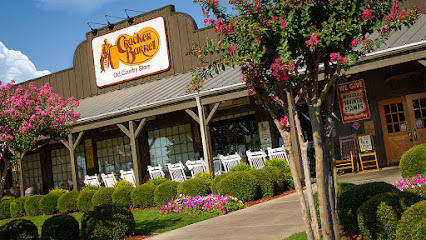
Cracker Barrel Old Country Store
37.5 km
Experience Southern comfort at Cracker Barrel Old Country Store in Opelika - where hearty meals meet nostalgic charm.
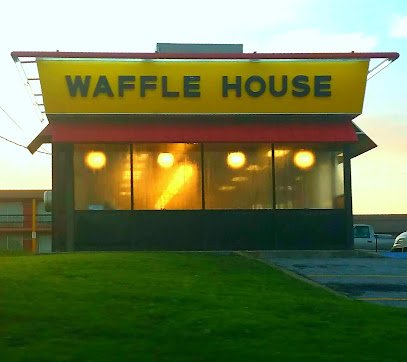
Waffle House
37.6 km
Experience Southern comfort food at Waffle House in Opelika - where breakfast is served all day in a welcoming diner atmosphere.
Western Sizzlin
37.6 km
Experience mouthwatering steaks and a welcoming atmosphere at Western Sizzlin in Opelika - perfect for meat lovers seeking great value.
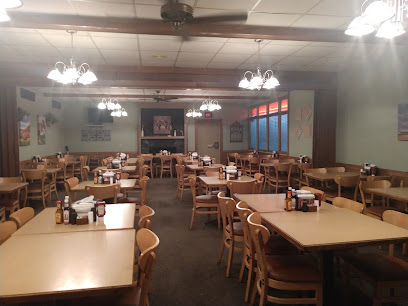
Los Amigos Mexican Restaurant
37.7 km
Experience authentic Mexican cuisine in Opelika at Los Amigos Mexican Restaurant - where flavor meets tradition.
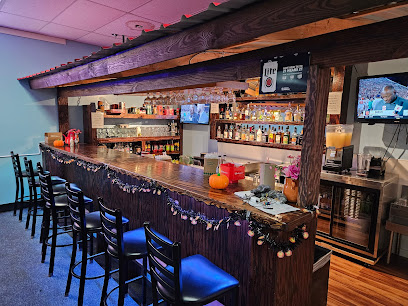
Eleanor's
38.3 km
Discover Eleanor's in Opelika, Alabama - where southern hospitality meets culinary excellence with locally sourced flavors.
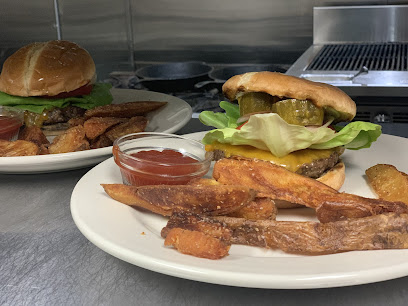
Red Wolf Ramen
38.6 km
Experience authentic Japanese ramen at Red Wolf Ramen in Opelika – where flavor meets tradition!
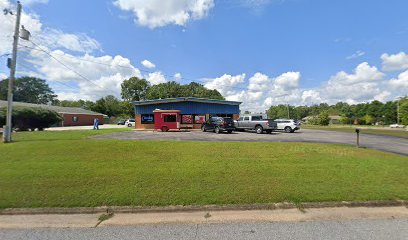
El Rodeo
39.0 km
Experience authentic Mexican cuisine at El Rodeo in Opelika—where every meal is a fiesta!
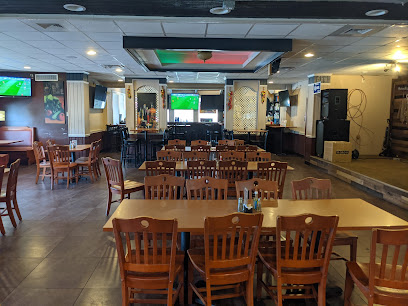
Chuck's Bar-B-Que
39.3 km
Discover authentic Southern barbecue at Chuck's Bar-B-Que in Opelika - where every meal is a celebration of flavor and hospitality.
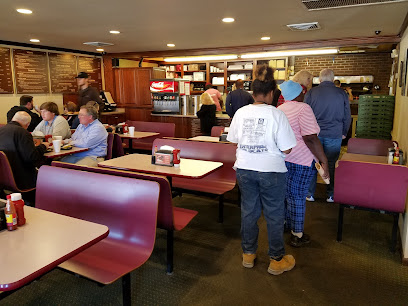
The Sloppy Burger - Take out and Delivery Only
39.6 km
Discover mouth-watering burgers at The Sloppy Burger in Opelika—your go-to for take-out and delivery delights!
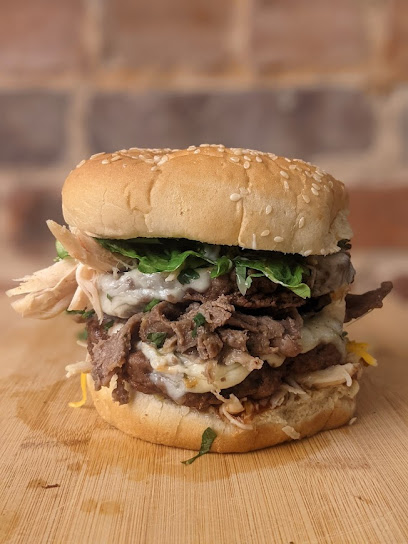
The Breezeway
39.6 km
Experience delightful American cuisine at The Breezeway in Opelika - where comfort meets flavor in a cozy setting.
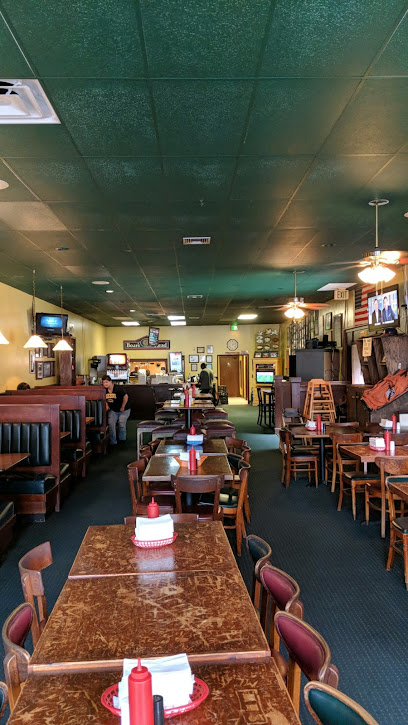
Café One Twenty Three
39.7 km
Discover the exquisite flavors of fine dining at Café One Twenty Three in Opelika, where every meal is a culinary masterpiece.
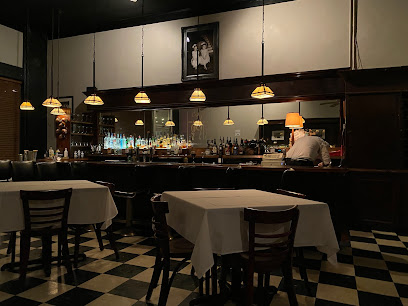
Wing Town
39.7 km
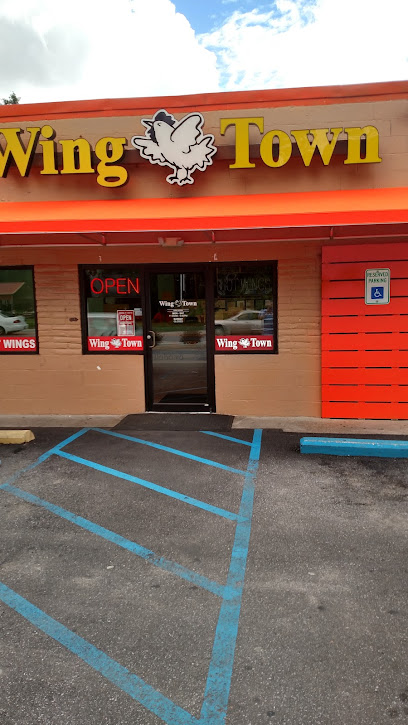
Discover Wing Town in Opelika: Affordable chicken wings with bold flavors in a casual dining atmosphere perfect for any occasion.
Dough Pizzeria
39.8 km
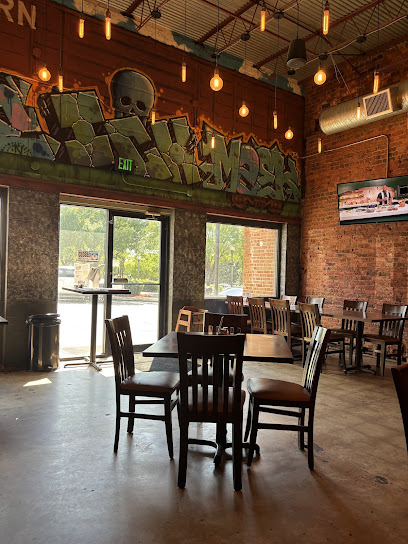
Experience artisanal pizzas crafted with local ingredients at Dough Pizzeria in Opelika - where every slice tells a story.
Markets, malls and hidden boutiques

Whitewater Express
1.8 km
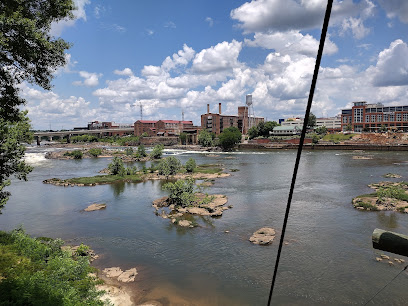
Discover the ultimate outdoor experience at Whitewater Express, where adventure meets nature on the beautiful Chattahoochee River.
Fountain City Coffee
1.9 km
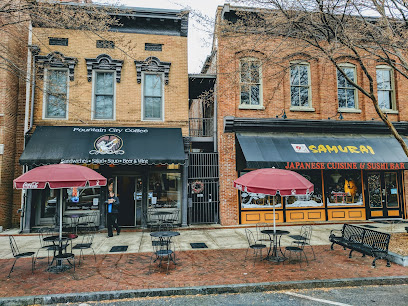
Experience the delightful atmosphere and exceptional brews at Fountain City Coffee, a must-visit café in Columbus, GA.
Starship Enterprises Of Columbus
4.2 km
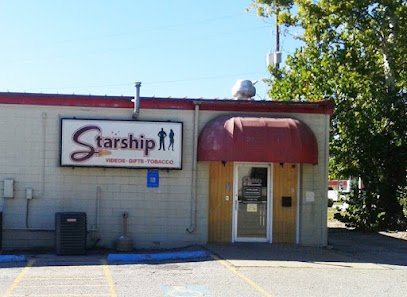
Explore the vibrant world of Starship Enterprises in Columbus, Georgia – your destination for adult entertainment, lingerie, and tobacco.
Link's Novelties & Gifts
4.8 km
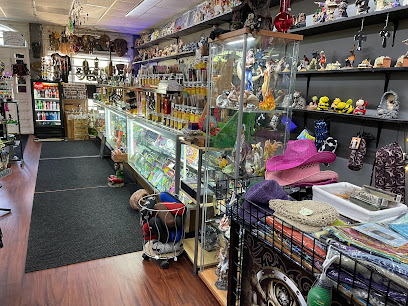
Explore Link's Novelties & Gifts in Columbus, GA for unique souvenirs, eclectic novelties, and metaphysical supplies – a treasure trove for every visitor.
Edible Arrangements
6.5 km
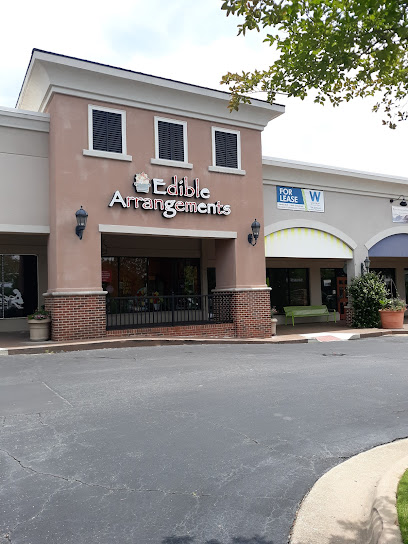
Explore Edible Arrangements in Columbus, GA for exquisite fruit gifts, chocolate treats, and beautiful floral arrangements, perfect for any occasion.
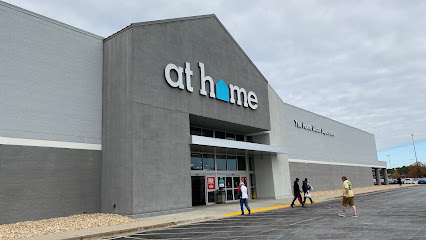
At Home
6.6 km
Discover a vast selection of stylish home goods, furniture, and decor at At Home in Columbus, GA, perfect for every taste and budget.
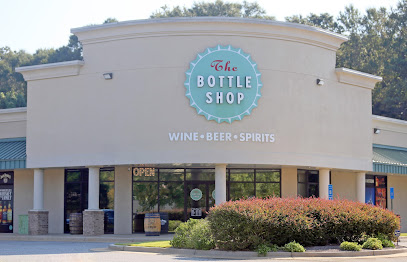
The Bottle Shop
7.1 km
Discover a world of fine wines, craft beers, and unique spirits at The Bottle Shop in Columbus, Georgia, a must-visit for beverage enthusiasts.
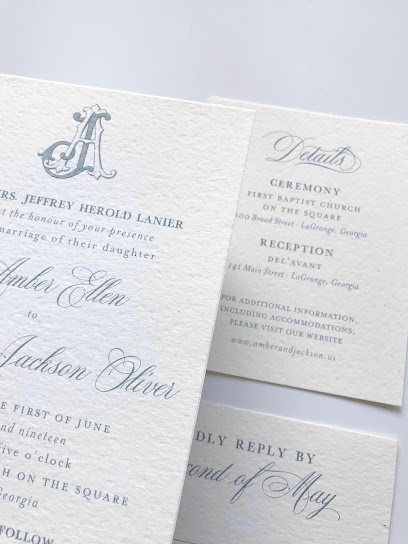
By Invitation
8.1 km
Explore By Invitation in Columbus, GA, for custom invitations, unique gifts, and personalized services that celebrate creativity and craftsmanship.
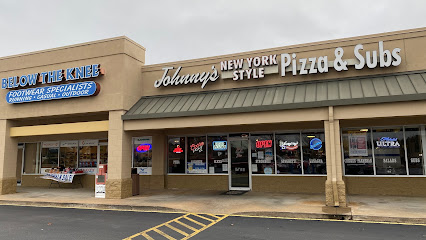
Below The Knee
8.7 km
Discover the ultimate in comfort and style at Below The Knee, Columbus' top shoe store for all your footwear needs.
Exotic Pleasures
9.5 km
Explore Exotic Pleasures in Columbus, GA, your ultimate destination for unique gifts and souvenirs that capture the essence of local artistry.
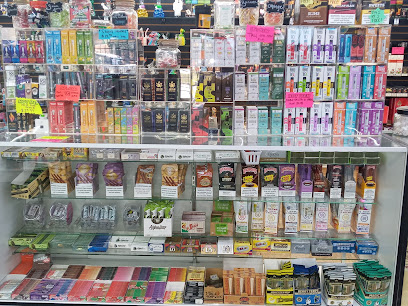
The Cool Place - Columbus
11.0 km
Discover The Cool Place in Columbus, a gaming store offering a vast selection of board games and a community space for all gamers.
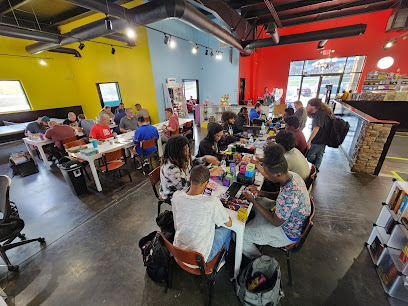
Crazy Cowgirl Shop
23.3 km
Explore Crazy Cowgirl Shop in Cataula, GA for unique Western gifts, local crafts, and an authentic Southern shopping experience.
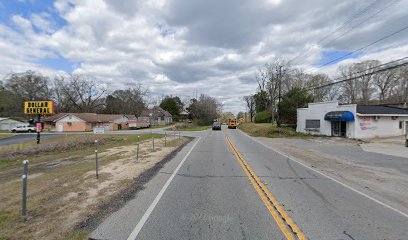
The Unique Boutique LLC
37.7 km
Experience the charm of personalized shopping at The Unique Boutique LLC, Opelika's premier destination for monogrammed clothing and unique gifts.
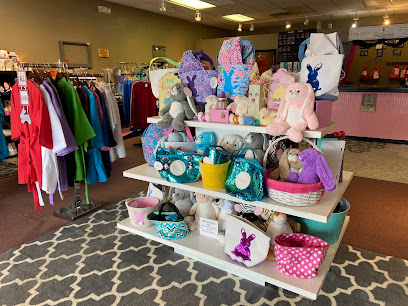
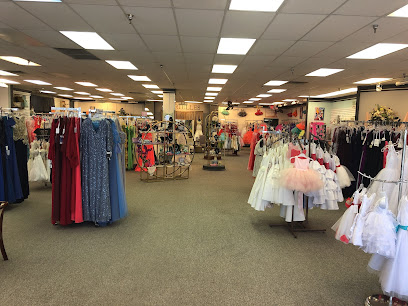
Gabrielle's Formals & Events
37.7 km
Discover elegance and style at Gabrielle's Formals & Events – Opelika's premier bridal shop for exquisite gowns, tuxedos, and unforgettable celebrations.
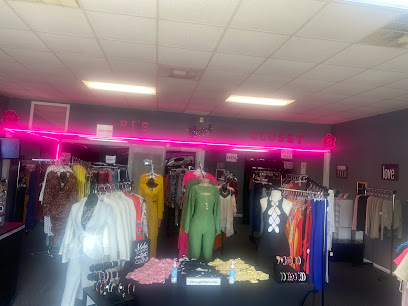
Cari’s Closet
38.4 km
Explore unique styles and vibrant fashion at Cari's Closet, Opelika's premier clothing store for trendy apparel and accessories.
Essential bars & hidden hideouts

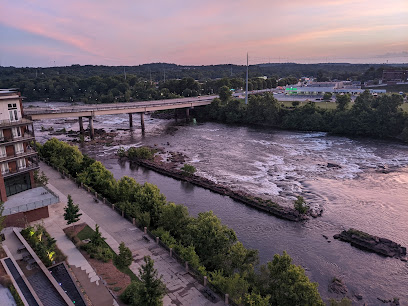
Eighteen85 Rooftop Bar + Kitchen
1.2 km
Discover the ultimate rooftop experience at Eighteen85 Bar + Kitchen, where exquisite cuisine meets breathtaking views in Columbus, GA.
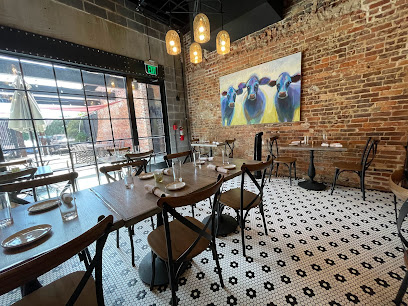
Stock Market Dueling Kitchens
1.6 km
Experience the culinary fusion of seafood and steak at Stock Market Dueling Kitchens, a vibrant bar and restaurant in Columbus, GA.
UP at Smoke rooftop bar
1.8 km
Discover the vibrant nightlife of Columbus, GA at UP at Smoke Rooftop Bar, where breathtaking views meet exceptional craft cocktails.
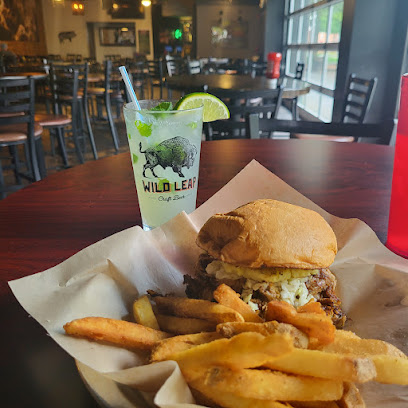
The Cannon Brewpub
1.8 km
Experience the vibrant craft beer scene and delicious cuisine at The Cannon Brewpub in Columbus, Georgia – a must-visit for food and beer lovers.
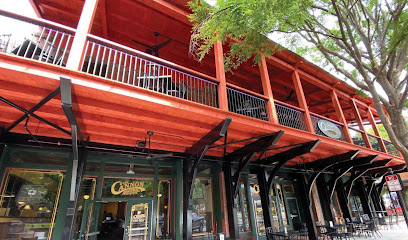
The Hooch
1.8 km
Experience the vibrant nightlife at The Hooch, a top bar in Columbus, Georgia, where great music meets a welcoming atmosphere.
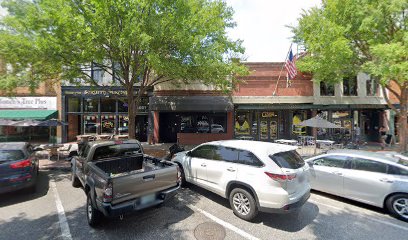
Scruffy Murphy's Irish Pub
1.8 km
Discover the essence of Ireland at Scruffy Murphy's, a lively pub offering authentic cuisine and a welcoming atmosphere in Columbus, GA.
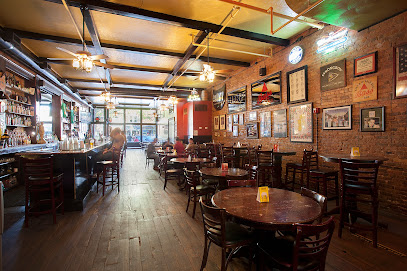
The Mix Market
1.8 km
Experience the vibrant atmosphere and unique flavors at The Mix Market, a must-visit bar and restaurant in Columbus, Georgia.
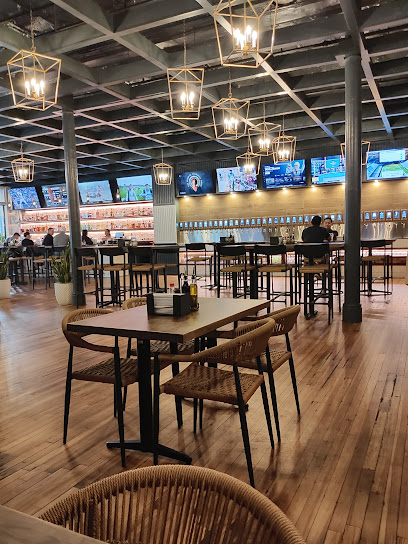
Cru Lounge - Columbus
1.9 km
Discover the vibrant nightlife at Cru Lounge in Columbus, GA, where exceptional cocktails and a lively atmosphere await you.
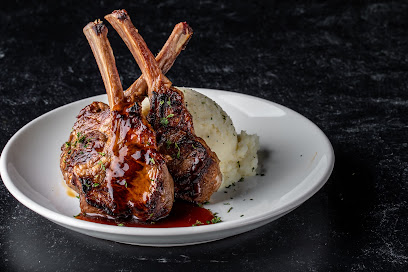
THE HONEYCOMB SPORTS BAR & GRILL
3.5 km
Experience the best of Southern cuisine and vibrant entertainment at The Honeycomb Sports Bar & Grill in Phenix City.
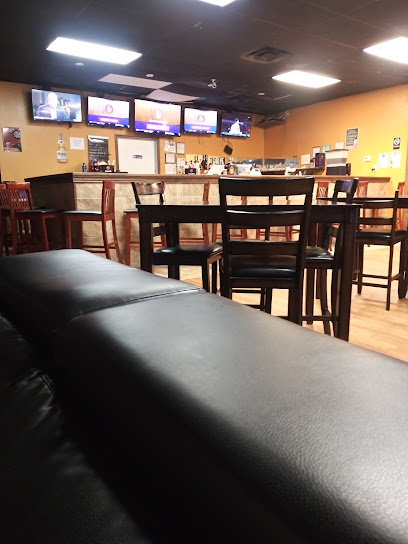
Mill House Kitchen + Bar
3.9 km
Discover the lively Mill House Kitchen + Bar in Columbus, GA, where delightful drinks and a welcoming atmosphere await you.
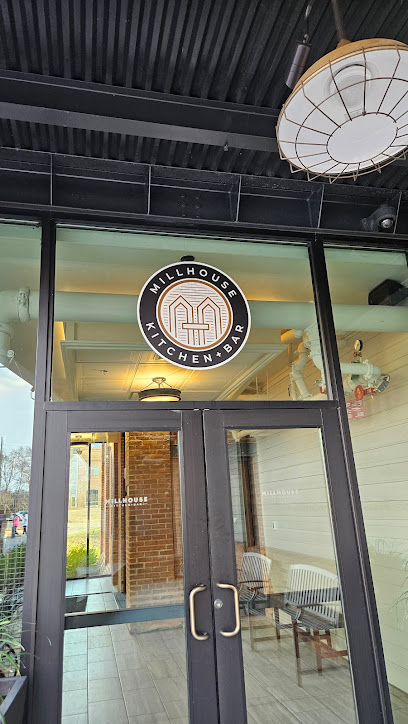
Happy Hour Bar and Grill
5.1 km
Discover the best of American cuisine at Happy Hour Bar and Grill in Phenix City, where great food and drinks meet a vibrant atmosphere.
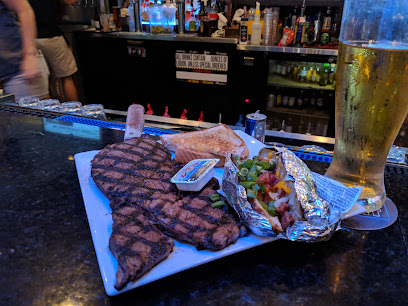
After 5 Sports Bar Grill
6.0 km
Experience the vibrant atmosphere and delicious grilled favorites at After 5 Sports Bar Grill in Columbus, GA, your go-to spot for sports and food.
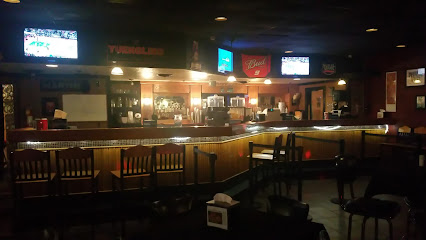
The Suite Bar & Grill
6.2 km
Discover the lively atmosphere of The Suite Bar & Grill in Columbus, GA, where delicious food meets vibrant entertainment for an unforgettable night out.
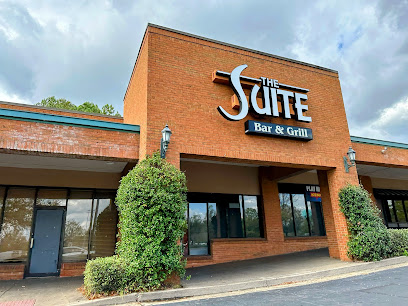
Kramers Sports Bar
6.3 km
Experience the heart of Southern cuisine at Kramers Sports Bar, where great food and sports come together in Phenix City, Alabama.
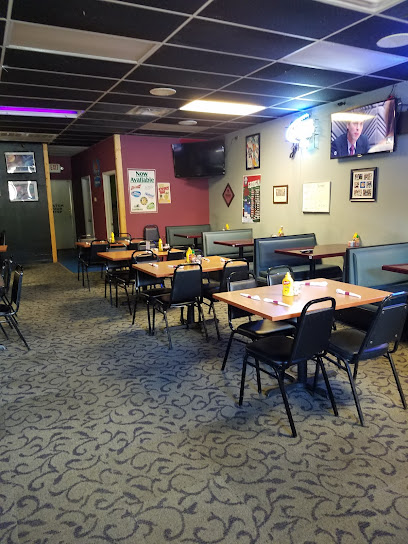
The Outskirts Sports Bar & Grill
6.6 km
Experience the best of American cuisine and sports at The Outskirts Sports Bar & Grill in Columbus, Georgia—a local favorite for food and fun.