

HIGHLAND HISTORIC DISTRICT, Central Alabama Travel Guide
Explore Birmingham's Highland Historic District: a blend of architectural styles, lush parks, and a vibrant community in the heart of the Magic City.
The Highland Historic District in Birmingham, Alabama, is a testament to the city's late 19th and early 20th-century prosperity. Featuring a mix of architectural styles from Queen Anne to Craftsman, it reflects the tastes and preferences of different eras [5].
A brief summary to HIGHLAND HISTORIC DISTRICT
- Birmingham, Alabama, 35213, US

Know before you go
Hi, I'm Eve. Here are a few practical things to know before exploring HIGHLAND HISTORIC DISTRICT.
- Explore the district on foot to fully appreciate the architectural details and charming streetscapes [5].
- Visit Rhodes, Rushton, and Caldwell Parks for a relaxing break and a glimpse of the neighborhood's green spaces [5].
- Check the Virginia Samford Theatre's schedule for upcoming performances [5].
Do you manage this location?
Take control to get all the benefits, like improved information, better appearance, and stronger visibility across AI-powered discovery. Learn more about listing your business on Evendo
Activate your presenceOther nearby places you may find interesting
The closest places of the same kind, if this one is not quite what you had in mind.


Explore HIGHLAND HISTORIC DISTRICT on the Map
A handpicked selection of must-see spots near HIGHLAND HISTORIC DISTRICT, mapped for you.
Getting There
-
Public Transport
From downtown Birmingham, the MAX Transit Route 12 (Highland) provides direct access to the Highland Avenue corridor [5]. Several stops along Highland Avenue provide convenient access to various points within the district [5]. A single ride fare is $1.25 [5].
-
Taxi/Ride-Share
A taxi or ride-share from downtown Birmingham to the Highland Historic District typically costs between $8 and $15, depending on traffic and the specific destination within the district [5, 18].
-
Driving
From I-65, take the University Boulevard exit and head east. Turn left onto 20th Street South, then right onto Highland Avenue [5]. Limited street parking is available, and parking garages in the area typically charge $5-10 per hour [5, 16, 19].
Discover more about HIGHLAND HISTORIC DISTRICT
More to explore near HIGHLAND HISTORIC DISTRICT













Your all‑in‑one travel companion app
Explore expert travel guides, compare and book tours, experiences, hotels, and more—all from the palm of your hand. Download now for seamless trip planning wherever your wanderlust takes you.


Explore More of Central Alabama
Looking beyond HIGHLAND HISTORIC DISTRICT? Discover Central Alabama for broader travel guides, local hot-spots, and regional highlights.
Explore Central Alabama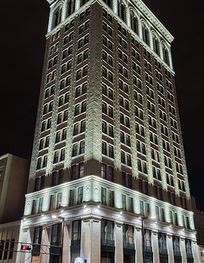
Discover Birmingham's 'Heaviest Corner on Earth,' where architectural marvels from the early 1900s stand as a testament to the city's industrial boom and enduring spirit.

Discover Birmingham's oldest home, a 19th-century commissary offering a glimpse into early settlers and the region's industrial heritage.
