From Eve
Know before you go
Hi, I'm Eve. Here are a few practical things to know before exploring Lowndes Interpretive Center.
Local know-how to help you travel smarter and make the most of every moment.

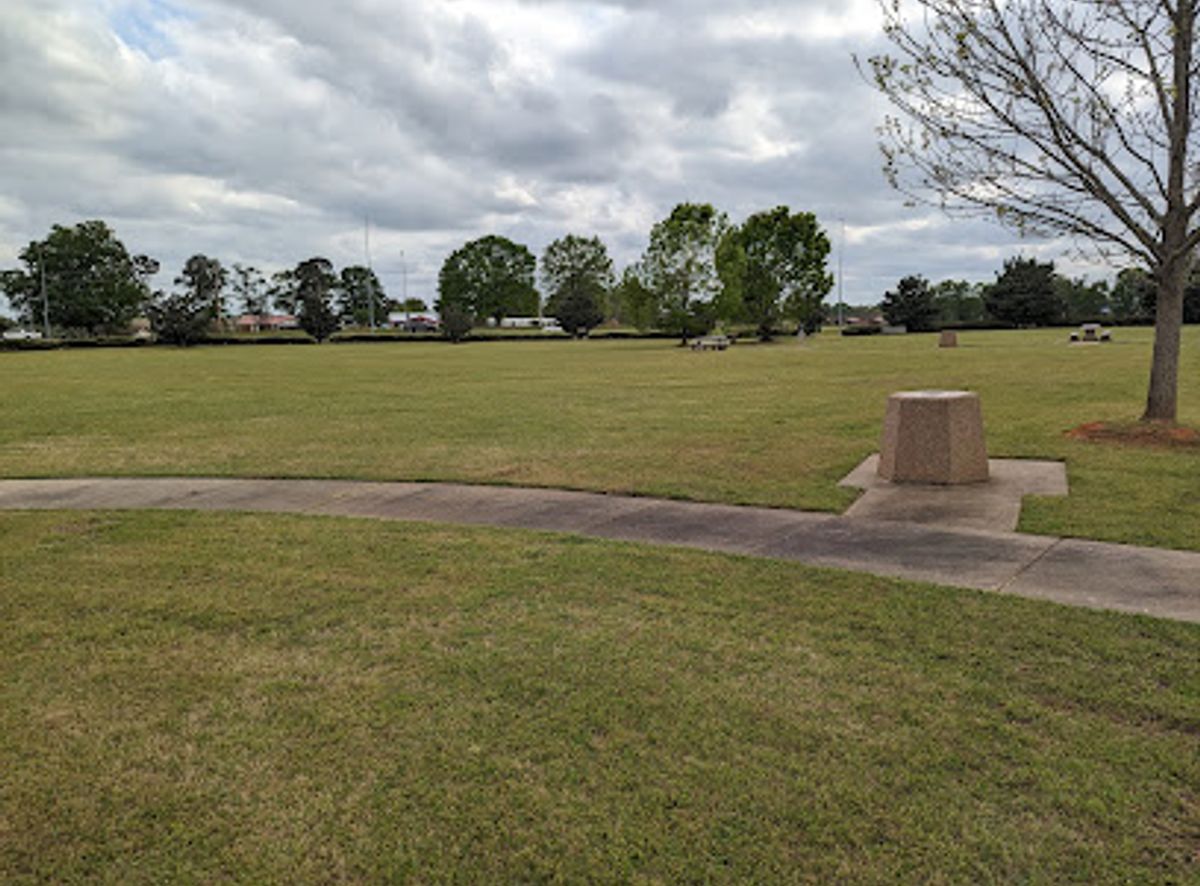
Explore the pivotal role of Lowndes County in the Civil Rights Movement at this National Park Service interpretive center.
The Lowndes Interpretive Center, part of the Selma to Montgomery National Historic Trail, commemorates the pivotal role Lowndes County, Alabama, played in the Civil Rights Movement [2]. Exhibits detail the struggles and triumphs of the Voting Rights March, the Tent City established for displaced Black families, and the sacrifices of activists like Jonathan Daniels and Viola Liuzzo [2, 3, 4].
Opening times, essentials, and a few local tips gathered into one calmer, easier-to-scan planning section.
Hi, I'm Eve. Here are a few practical things to know before exploring Lowndes Interpretive Center.
Local know-how to help you travel smarter and make the most of every moment.
Driving
The Lowndes Interpretive Center is located on US Highway 80, approximately 25 miles west of Montgomery and about 50 miles east of Selma [2]. From Montgomery, take US-80 W. The center is well-signed and easily accessible directly from the highway [2]. Limited parking is available on-site [2]. There are no tolls on this route [2].
Use Lowndes Interpretive Center as your starting point for nearby food, family ideas, nightlife, and more local discoveries.

Explore expert travel guides, compare and book tours, experiences, hotels, and more—all from the palm of your hand. Download now for seamless trip planning wherever your wanderlust takes you.

Discover the Chattahoochee River in Alabama: A Perfect Blend of Adventure, Nature, and History.
Tell me more about Chattahoochee River