

Chattahoochee River, Alabama Travel Guide
Discover the Chattahoochee River in Alabama: A Perfect Blend of Adventure, Nature, and History.
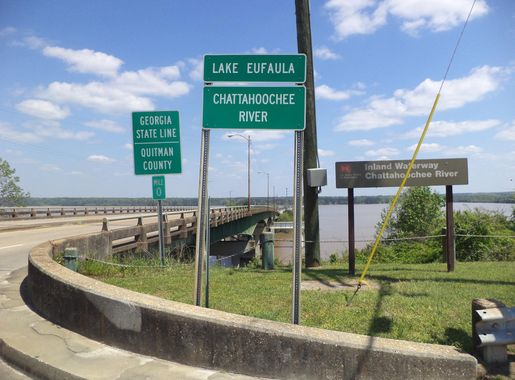
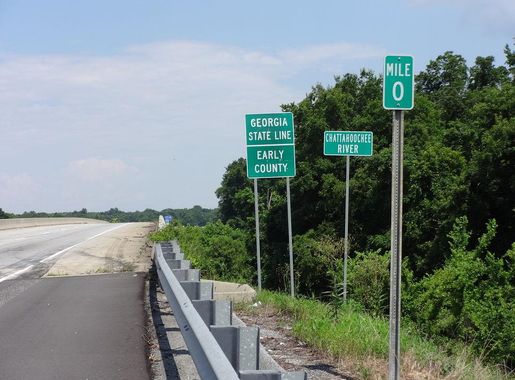
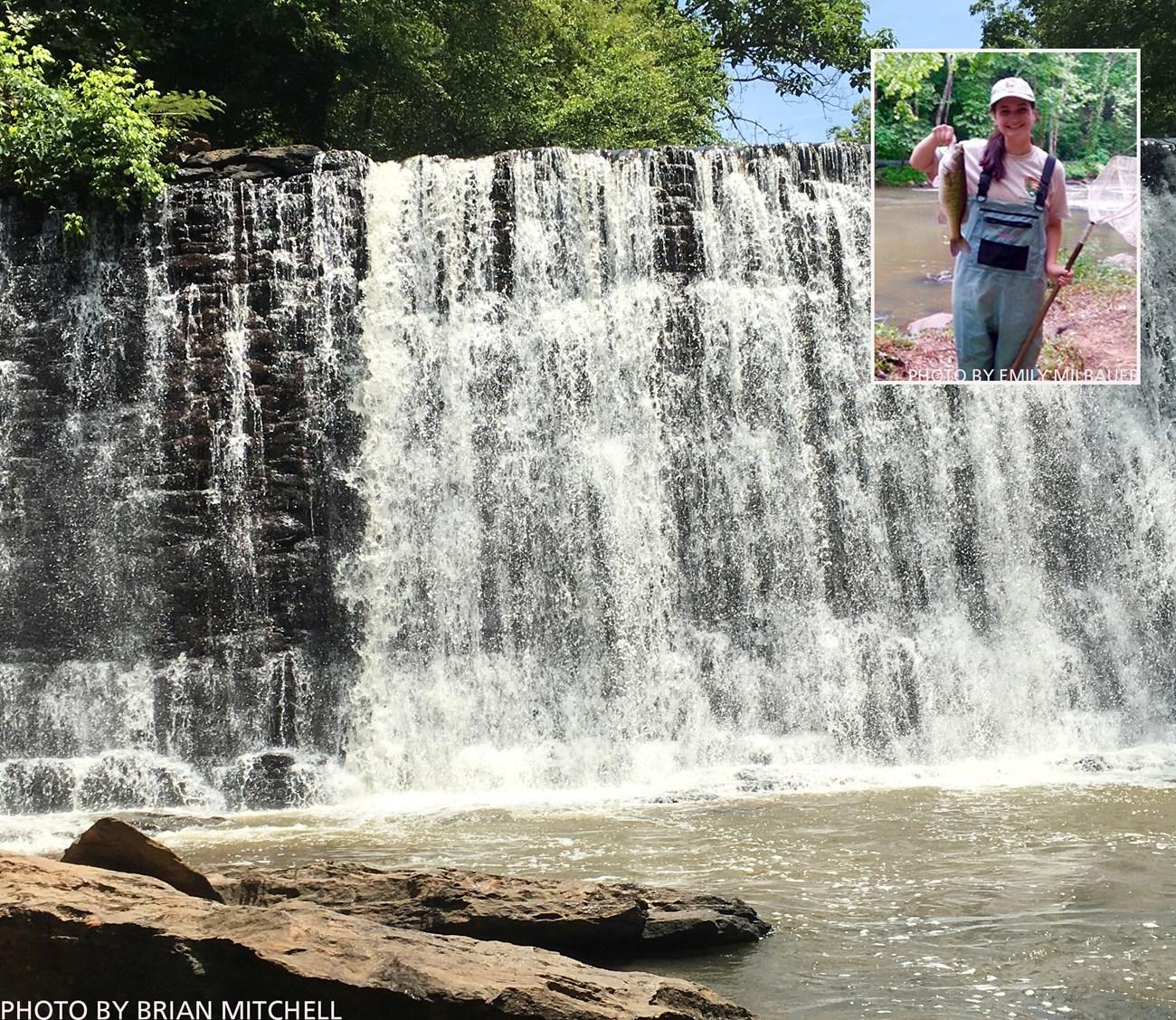
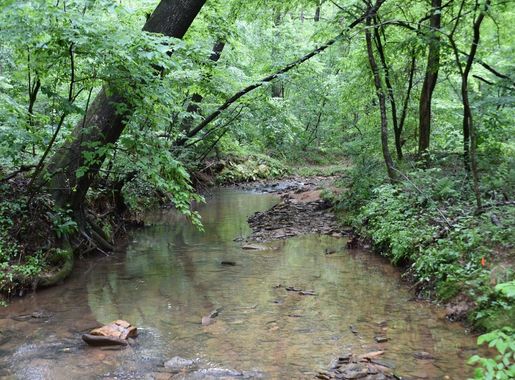
The Chattahoochee River in Alabama offers a unique blend of tranquility and adventure, making it a perfect destination for nature lovers and thrill-seekers alike. Stretching over 430 miles, the river provides breathtaking scenery, serene water trails, and diverse wildlife, ensuring a memorable experience for all visitors. Outdoor enthusiasts can enjoy a variety of activities, including kayaking, canoeing, and white-water rafting. The river's rapids cater to both beginners and seasoned adventurers, while fishing enthusiasts will find the waters teeming with bass, catfish, and trout. For those who prefer a leisurely pace, there are plenty of spots for picnicking and birdwatching. The riverbanks are lined with charming parks and trails, perfect for hiking and cycling. Don’t miss the Chattahoochee Riverwalk in Columbus, which offers a scenic, paved path along the river, complete with historical markers and beautiful views. The area is also rich in history, with several Civil War sites and museums nearby, providing a fascinating glimpse into the past.

Know before you go
Hi, I'm Eve. Here are a few practical things to know before exploring Chattahoochee River.
- Bring water shoes for better traction on the river's rocky areas.
- Visit during the spring or fall for the best weather and fewer crowds.
- Check local regulations for fishing permits if you plan to fish.
- Pack a picnic and enjoy one of the many riverside parks.
- Consider booking a guided rafting tour for a safe and informative experience.
Explore Chattahoochee River: Things to Do, Places to Eat, Hotels & More
Handpicked recommendations for top attractions, local dining, accommodations, and more

Best attractions in Chattahoochee River
Top-rated picks
Best Attractions

Georgia Aquarium
Explore the wonders of the aquatic world at the Georgia Aquarium, home to thousands of animals, interactive exhibits, and a commitment to conservation, in the heart of downtown Atlanta.
Martin Luther King, Jr. National Historical Park
Walk in the footsteps of a civil rights icon at the Martin Luther King, Jr. National Historical Park in Atlanta, Georgia.

Piedmont Park
Explore Atlanta's iconic Piedmont Park: a vibrant green space offering recreation, events, and a rich history in the heart of the city.

Anna Ruby Falls Recreation Area
Discover the majestic twin waterfalls of Anna Ruby Falls, a scenic haven in the Chattahoochee-Oconee National Forest near Helen, Georgia, offering accessible trails and breathtaking natural beauty year-round.

Best landmarks in Chattahoochee River
Top-rated picks
Best Landmarks

Edmund Pettus Bridge
Walk in the footsteps of history on the Edmund Pettus Bridge, a pivotal landmark of the Civil Rights Movement in Selma, Alabama.

Chattahoochee River National Recreation Area
Explore Atlanta's backyard: Hike, fish, and discover history along the scenic Chattahoochee River National Recreation Area.

Dexter Parsonage Museum
Step back in time and walk in the footsteps of Martin Luther King Jr. at his former home in Montgomery, a landmark of the Civil Rights Movement.

Freedom Rides Museum
Experience the powerful story of the Freedom Riders at the Montgomery Greyhound Bus Station, a pivotal landmark in the Civil Rights Movement.


Best bars in Chattahoochee River
Top-rated picks
Best Bars

Ray's on the River
Experience unparalleled fine dining at Ray's on the River, where exquisite American cuisine meets breathtaking riverside views in Sandy Springs.

Canoe
Experience exquisite American cuisine amidst breathtaking views of the Chattahoochee River at Canoe, one of Atlanta's premier dining destinations.

Twin Peaks
Discover the excitement of Twin Peaks in Columbus, Georgia, where delicious American cuisine meets a thrilling sports viewing experience.

The Cannon Brewpub
Experience the vibrant craft beer scene and delicious cuisine at The Cannon Brewpub in Columbus, Georgia – a must-visit for food and beer lovers.

Best nightclubs in Chattahoochee River
Top-rated picks
Best Nightclubs

Stagger Lee's Lounge
Experience the vibrant nightlife of Tuscumbia at Stagger Lee's Lounge, where fun, music, and great company come together.

The End Zone Bar Grill & Lounge
Discover fun and flavor at The End Zone Bar Grill & Lounge in Auburn, AL - your go-to destination for food, drinks, and socializing.

Ok Corral
Discover the heart of Huntsville's nightlife at Ok Corral, a vibrant dance club with electrifying music and an unforgettable atmosphere.

Cowboys
Discover the lively atmosphere of Cowboys, Dothan's ultimate night club for unforgettable nights filled with music, dancing, and affordable drinks.

Best shops in Chattahoochee River
Top-rated picks
Best Shops

The National Infantry Museum
Explore the rich heritage of the U.S. Army Infantry at the National Infantry Museum, a captivating destination for history enthusiasts and families in Columbus, Georgia.

Tiger Town Outdoor Shopping Center
Experience the best shopping and dining at Tiger Town Outdoor Shopping Center – your ultimate retail destination in Opelika, Alabama.

The District at Howell Mill
Explore The District at Howell Mill, Atlanta's vibrant shopping mall with diverse stores, delicious dining, and a lively atmosphere for every visitor.

Whitewater Express
Discover the ultimate outdoor experience at Whitewater Express, where adventure meets nature on the beautiful Chattahoochee River.

Explore Chattahoochee River on the Map
A handpicked selection of must-see spots in Chattahoochee River, mapped for you.
Chattahoochee River Essentials
-
The Chattahoochee River runs along the border of Alabama and Georgia. The nearest major airport is Hartsfield-Jackson Atlanta International Airport (ATL) in Atlanta, Georgia, which is about 100 miles from the Chattahoochee River area in Alabama. Alternatively, Birmingham-Shuttlesworth International Airport (BHM) is about 150 miles away. From either airport, you can rent a car or take a shuttle service to reach the river. Interstate highways I-85 and I-185 provide direct routes to the region.
-
The best way to explore the Chattahoochee River area is by car. Rental cars are available at both Atlanta and Birmingham airports. Public transportation options are limited, but local taxi services and rideshare apps like Uber and Lyft are available in nearby cities such as Phenix City and Columbus. Biking and hiking are also popular ways to explore the river's trails and parks.
-
The official currency is the US Dollar (USD). Credit cards are widely accepted in most establishments, including hotels, restaurants, and shops. However, it's a good idea to carry some cash, especially if you plan to visit smaller towns or rural areas. ATMs are readily available in nearby cities and towns.
-
The Chattahoochee River area is generally safe for tourists, but it is always wise to take standard precautions. Avoid walking alone at night in unfamiliar areas and keep your belongings secure. Stay informed about weather conditions, as the region can experience sudden changes that may impact outdoor activities. There are no specific high-crime areas targeting tourists, but always remain vigilant.
-
In case of emergency, dial 911 for immediate assistance. Local police stations and medical facilities are available in nearby cities such as Phenix City, AL, and Columbus, GA. It is advisable to have travel insurance that covers medical emergencies. Pharmacies are available in nearby towns for minor health issues and over-the-counter medications.
-
Fashion: Do wear comfortable and weather-appropriate clothing, especially if you plan to engage in outdoor activities. Avoid wearing overly revealing clothing in public spaces. Religion: Do respect local customs and traditions. Public Transport: Do be courteous and respectful to drivers and fellow passengers. Don't expect extensive public transportation options. Greetings: Do greet people with a smile or a simple 'hello.' A handshake is also common. Eating & Drinking: Do try local Southern cuisine and be open to trying new dishes. Don't forget to tip your servers, as tipping is customary in the United States.
-
To experience the Chattahoochee River like a local, consider visiting during the off-peak seasons to enjoy a quieter and more serene environment. Engage with local residents who can provide insights and recommendations for hidden gems along the river. Don't miss out on water activities such as kayaking, canoeing, and fishing. Visit local parks and nature reserves for hiking and picnicking. Exploring the river's history by visiting nearby historic sites and museums can also enrich your experience.
When is the best time to visit Chattahoochee River?
Useful Local Phrases for Chattahoochee River
You don't need to speak the language perfectly. Even learning a few simple words can make conversations warmer—and locals usually appreciate the effort.
— Eve

Here are the phrases I use most often in Chattahoochee River. Try a few—you'll be surprised how far they go! 😊
❤️
-
- HelloHowdy
[haʊ-di] - GoodbyeSee ya later
[siː jə ˈleɪ.tər] - YesYup
[jʌp] - NoNah
[nɑː] - Please/You're welcomePlease and thank ya
[pliːz ænd θæŋk jə] - Thank youMuch obliged
[mʌtʃ əˈblaɪdʒd] - Excuse me/SorryPardon me
[ˈpɑːrdn miː] - How are you?How y'all doin'?
[haʊ jɔːl ˈduɪn] - Fine. And you?Fine as frog's hair. You?
[faɪn æz frɔɡz hɛr juː] - Do you speak English?Ya speak English?
[jə spiːk ˈɪŋɡlɪʃ] - I don't understandI ain't catchin' on
[aɪ ənt ˈkætʃɪn ɒn]
- HelloHowdy
-
- I'd like to see the menu, pleaseI reckon I'll take a gander at the menu, if ya please
[aɪ ˈrɛkən aɪl teɪk ə ˈɡændər æt ðə ˈmɛnjuː ɪf jə pliːz] - I don't eat meatI ain't a meat eater
[aɪ ənt ə mit ˈiːtər] - Cheers!Cheers!
[ʧɪrz] - I would like to pay, pleaseI reckon I'll settle up now, if ya please
[aɪ ˈrɛkən aɪl ˈsɛtəl ʌp naʊ ɪf jə pliːz]
- I'd like to see the menu, pleaseI reckon I'll take a gander at the menu, if ya please
-
- Help!Help!
[hɛlp] - Go away!Git!
[ɡɪt] - Call the Police!Call the Sheriff!
[kɔl ðə ˈʃɛrɪf] - Call a doctor!Call the doc!
[kɔl ðə dɑk] - I'm lostI'm discombobulated
[aɪm dɪs.kəmˈbɑbjəˌleɪtɪd] - I'm illI'm feelin' poorly
[aɪm ˈfiːlɪn ˈpʊrli]
- Help!Help!
-
- I'd like to buy...I reckon I'll buy...
[aɪ ˈrɛkən aɪl baɪ] - I'm just lookingI'm just browsin'
[aɪm ˈdʒʌst ˈbraʊzɪn] - How much is it?How much fer it?
[haʊ mʌʧ fɔr ɪt] - That's too expensiveThat's highfalutin'
[ðæts ˌhaɪ.fəˈluː.tɪn] - Can you lower the price?Can ya knock a bit off?
[kæn jə nɑk ə bɪt ɔf]
- I'd like to buy...I reckon I'll buy...
-
- What time is it?What's the hour?
[wɑts ðə ˈaʊər] - It's one o'clockIt's one
[ɪts wʌn] - Half past (10)Ten-thirty
[tɛn-ˈθɜːrti] - MorningMornin'
[ˈmɔrnɪn] - AfternoonAfternoon
[ˌæftərˈnun] - EveningEvenin'
[ˈiːvnɪn] - YesterdayYest'day
[ˈjɛstˌdeɪ] - TodayToday
[təˈdeɪ] - TomorrowTomorra
[təˈmɒrə] - 1One
[wʌn] - 2Two
[tuː] - 3Three
[θriː] - 4Four
[fɔr] - 5Five
[faɪv] - 6Six
[sɪks] - 7Seven
[ˈsɛvən] - 8Eight
[eɪt] - 9Nine
[naɪn] - 10Ten
[tɛn]
- What time is it?What's the hour?
-
- Where's a/the...?Where's the...?
[wɛərz ðə] - What's the address?What's the location?
[wɑts ðə loʊˈkeɪʃən] - Can you show me (on the map)?Can ya point it out (on the map)?
[kæn jə pɔɪnt ɪt aʊt ɒn ðə mæp] - When's the next (bus)?When's the next (bus) comin'?
[wɛnz ðə nɛkst ˈbʌs ˈkʌmɪn] - A ticket (to ....)A ticket (to ....)
[ə ˈtɪkɪt tu]
- Where's a/the...?Where's the...?
History of Chattahoochee River
-
Before European settlers arrived, the Chattahoochee River was the lifeblood for several Native American tribes, particularly the Creek (Muscogee) people. It served as a vital resource for fishing, agriculture, and transportation. The river's name itself is derived from the Creek words 'Chatta' meaning stone and 'hoochee' meaning marked, referring to the colorful rocks along its banks.
-
The first Europeans to explore the Chattahoochee River were Spanish conquistadors in the 16th century. By the early 18th century, British and French traders had also made their way to the river. European settlements began to form, leading to increased conflict with the Native American inhabitants. The Treaty of Fort Jackson in 1814 and subsequent treaties led to the forced relocation of many Creek people.
-
During the American Civil War, the Chattahoochee River served as a significant strategic asset. It was a natural barrier and a supply route for the Confederate Army. The Battle of West Point, a crucial skirmish near the river, took place on April 16, 1865. The Union forces aimed to destroy the railway bridge over the river to disrupt Confederate supply lines.
-
In the late 19th and early 20th centuries, the Chattahoochee River became a hub of industrial growth. Numerous mills and factories were established along its banks, capitalizing on the river's power and transportation capabilities. Cities like Columbus, Alabama, and West Point, Georgia, saw significant population and economic growth due to the industries that flourished along the river.
-
In recent decades, the Chattahoochee River has become the focus of numerous environmental conservation efforts. Organizations like the Chattahoochee Riverkeeper have worked tirelessly to protect and preserve the river's ecosystem. These efforts have led to cleaner water, the return of various wildlife species, and increased recreational opportunities for residents and visitors alike.
Cities in Chattahoochee River
Browse our curated selection of top destinations, scenic points, and must-visit spots in the area.


Neighbouring destination travel guides
Browse our curated selection of top destinations, scenic points, and must-visit spots in the area.



Your all‑in‑one travel companion app
Explore expert travel guides, compare and book tours, experiences, hotels, and more—all from the palm of your hand. Download now for seamless trip planning wherever your wanderlust takes you.


Explore More of Chattahoochee Valley
Looking beyond Chattahoochee River? Discover Chattahoochee Valley for broader travel guides, local hot-spots, and regional highlights.
Explore Chattahoochee ValleyExplore More of Alabama

Looking beyond Chattahoochee River? Discover Alabama for broader travel guides, local hot-spots, and regional highlights.
Explore AlabamaChattahoochee River in Photos
Browse through our photo collection highlighting the charm and character of the destination.
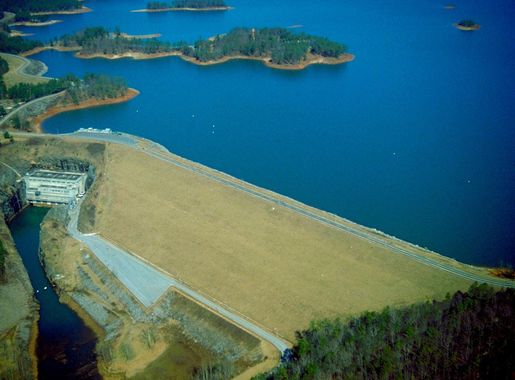




Serenity and Adventure Along the Chattahoochee River
The Chattahoochee River in Alabama offers a unique blend of tranquility and adventure, making it a perfect destination for nature lovers and thrill-seekers alike. Stretching over 430 miles, the river provides breathtaking scenery, serene water trails, and diverse wildlife, ensuring a memorable experience for all visitors. Outdoor enthusiasts can enjoy a variety of activities, including kayaking, canoeing, and white-water rafting. The river's rapids cater to both beginners and seasoned adventurers, while fishing enthusiasts will find the waters teeming with bass, catfish, and trout. For those who prefer a leisurely pace, there are plenty of spots for picnicking and birdwatching. The riverbanks are lined with charming parks and trails, perfect for hiking and cycling. Don’t miss the Chattahoochee Riverwalk in Columbus, which offers a scenic, paved path along the river, complete with historical markers and beautiful views. The area is also rich in history, with several Civil War sites and museums nearby, providing a fascinating glimpse into the past.