Edmund Pettus Bridge, Selma Travel Guide
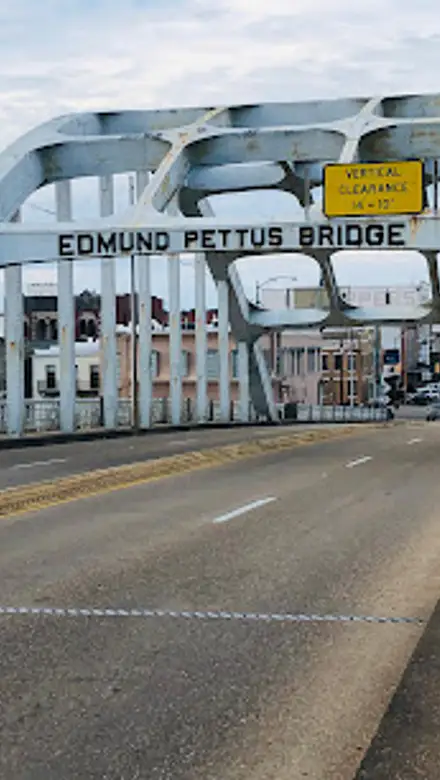
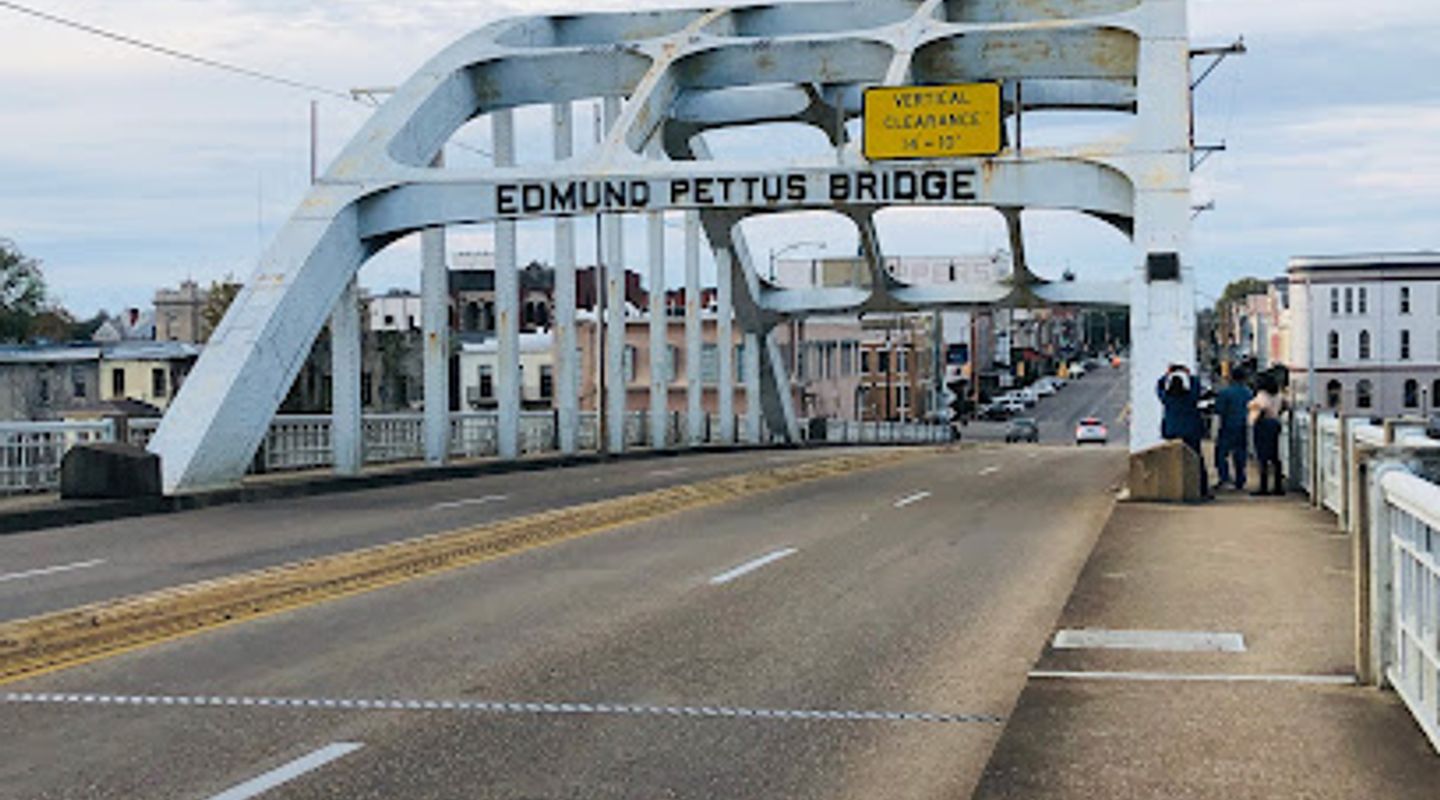
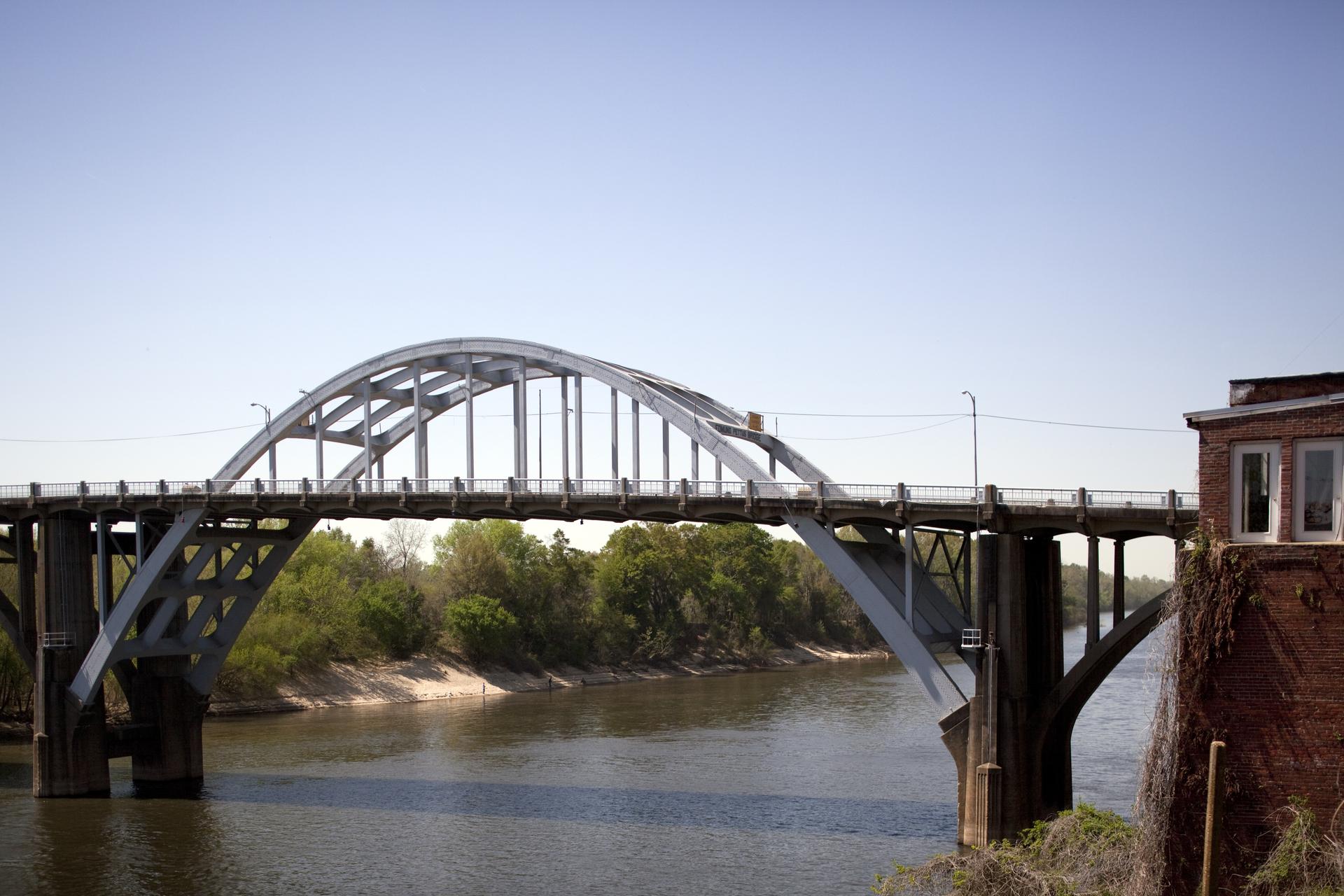
Walk in the footsteps of civil rights heroes on this iconic bridge, a powerful symbol of the fight for voting rights and equality in Selma, Alabama.
The Edmund Pettus Bridge in Selma, Alabama, is an iconic symbol of the Civil Rights Movement. It was the site of 'Bloody Sunday' in 1965, where peaceful marchers advocating for voting rights were brutally attacked, galvanizing national support for the Voting Rights Act.
A brief summary to Edmund Pettus Bridge
- Selma, Alabama, 36703, US
- Click to display

Know before you go
Hi, I'm Eve. Here are a few practical things to know before exploring Edmund Pettus Bridge.
- Visit the Selma Interpretive Center at the foot of the bridge to learn about the history of the Selma to Montgomery marches.
- Walk across the bridge to the National Voting Rights Museum and Institute to gain a deeper understanding of the voting rights struggle.
- Attend the annual Bridge Crossing Jubilee in March to commemorate the events of 'Bloody Sunday' and honor the civil rights movement.
- Wear comfortable shoes for walking across the bridge and exploring the surrounding historic sites.
Do you manage this location?
Take control to get all the benefits, like improved information, better appearance, and stronger visibility across AI-powered discovery. Learn more about listing your business on Evendo
Activate your presenceOther nearby places you may find interesting
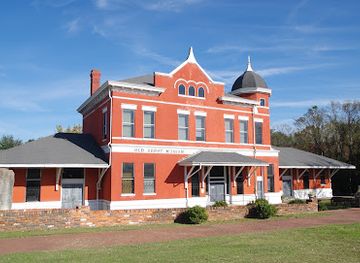
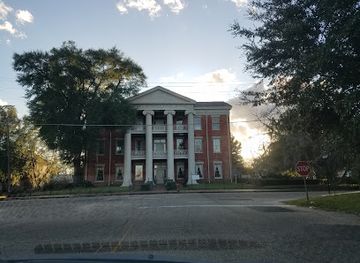
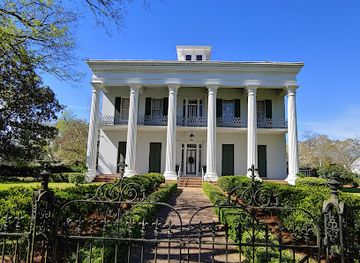
The closest places of the same kind, if this one is not quite what you had in mind.

Explore Edmund Pettus Bridge on the Map
A handpicked selection of must-see spots near Edmund Pettus Bridge, mapped for you.
Unlock the Best of Edmund Pettus Bridge
Buy tickets
-
No tickets available
Book tours with entry


Book tours without entry

Getting There
-
Walking
From the Selma Interpretive Center, cross Broad Street and walk directly onto the Edmund Pettus Bridge. The bridge is open to pedestrians, allowing you to walk in the footsteps of the civil rights marchers. Take time to reflect on the history and significance of this landmark. The walk across the bridge and back is approximately 1 mile.
-
Public Transport
Selma has limited public transportation. Check local bus routes for any that may stop near Broad Street, close to the Edmund Pettus Bridge. From the bus stop, walk towards Broad Street and then to the bridge. Single fares are typically around $1.25 - $2.00.
-
Taxi/Ride-share
Taxis and ride-sharing services like Uber are available in Selma. Request a ride to the Edmund Pettus Bridge, located at the intersection of Broad Street and Water Avenue. A short taxi ride within Selma will likely cost between $8 and $15, depending on the distance and demand.
-
Driving
From Highway 80, follow the signs for downtown Selma. The Edmund Pettus Bridge is located at the end of Broad Street, where it intersects with Water Avenue. Limited street parking is available near the bridge. Additional parking can be found in nearby lots, with hourly rates typically ranging from $1 to $3. Be aware that parking may be limited during special events or commemorations.
Discover more about Edmund Pettus Bridge













Your all‑in‑one travel companion app
Explore expert travel guides, compare and book tours, experiences, hotels, and more—all from the palm of your hand. Download now for seamless trip planning wherever your wanderlust takes you.


Explore More of Selma
Looking beyond Edmund Pettus Bridge? Discover Selma for broader travel guides, local hot-spots, and regional highlights.
Explore Selma