Tolstoy Park: The Hermit's Haven
Discover the unique round house of Henry Stuart in Fairhope, Alabama, a testament to simple living inspired by Tolstoy's philosophy.
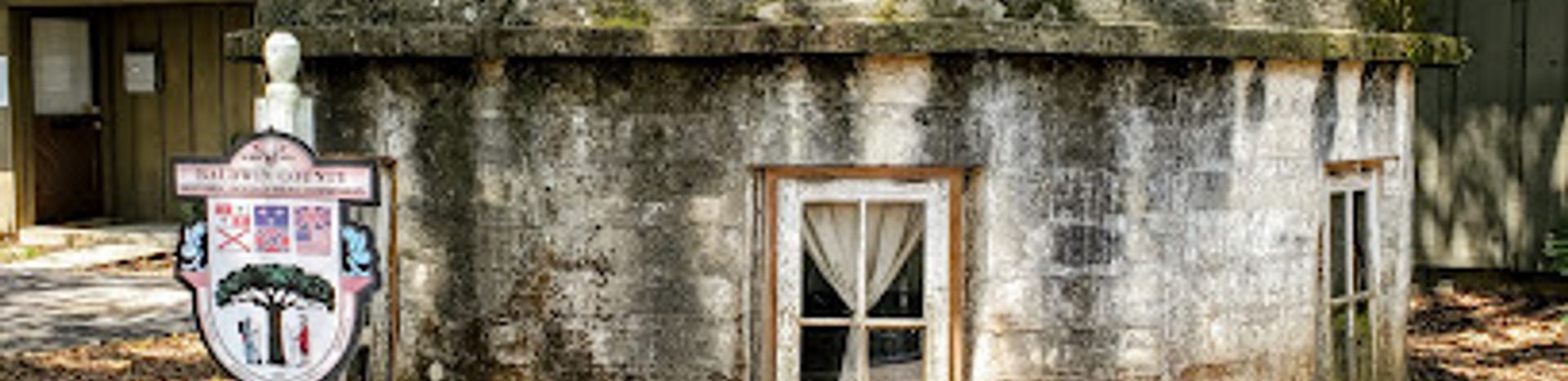
Tolstoy Park, also known as the Henry Stuart House, is a unique historical landmark in Fairhope, Alabama. This small, round, domed house was built in the 1920s by Henry Stuart, an Englishman seeking a simple life inspired by the writings of Leo Tolstoy. Today, the structure, which is listed on the National Register of Historic Places, offers a glimpse into Stuart's life and philosophical ideals.
A brief summary to Tolstoy Park, The Henry Stuart House
- 22787 US-98, Fairhope, Alabama, 36532, US
Local tips
- Take a moment to appreciate the simple design and construction of the house, built by Henry Stuart himself using local materials.
- Read Sonny Brewer's 'The Poet of Tolstoy Park' for a fictionalized account of Henry Stuart's life and his impact on the Fairhope community.
- Combine your visit with a trip to nearby attractions in Fairhope, such as the Fairhope Museum of History or the Fairhope Municipal Pier.

Getting There
-
Driving
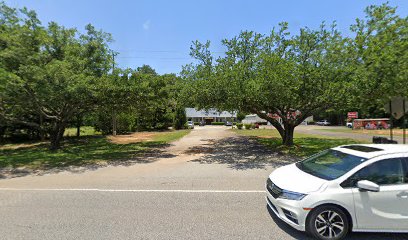
Tolstoy Park is located at 22787 US-98 in Fairhope. From downtown Fairhope, head north on US-98. The park is located on the left within the Montrose Office Park. Parking is available in the office park's lot and is free. Be mindful of traffic on US-98 when entering and exiting the parking area.
-
Walking
From the intersection of Parker Road and US-98, walk approximately 500 feet north on US-98. Tolstoy Park is located on the left within the Montrose Office Park. Use caution when walking along US-98 due to traffic. There are sidewalks available for pedestrian use. There is no cost associated with walking.
Discover more about Tolstoy Park, The Henry Stuart House
Iconic landmarks you can’t miss

Shanghai Cottage
0.4 km
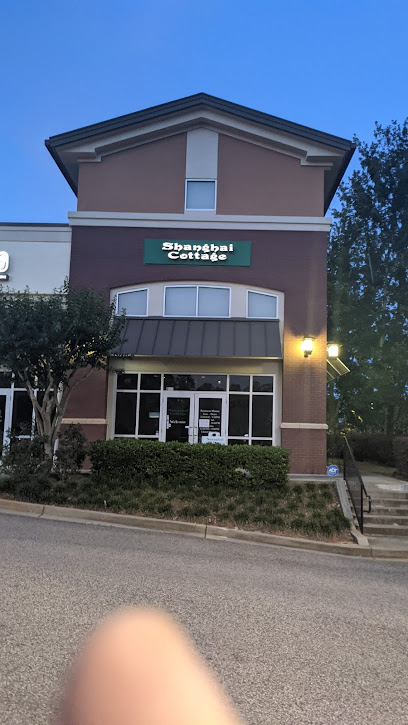
Enjoy a diverse menu of Chinese, Japanese, and Asian cuisine at this Fairhope favorite. Fresh sushi, flavorful entrees, and friendly service await!
Sunset Pointe at Fly Creek Marina
1.7 km
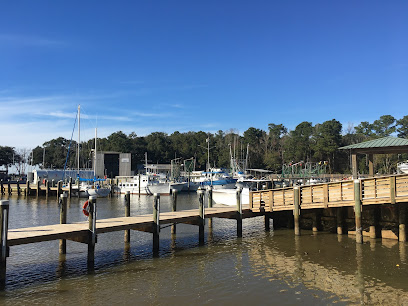
Waterfront dining in Fairhope at its finest! Enjoy fresh Gulf seafood, handcrafted cocktails, and breathtaking sunset views over Mobile Bay at Fly Creek Marina.
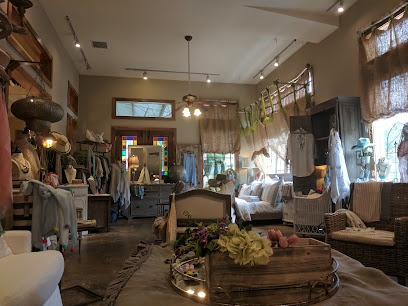
Green Gates Market
1.9 km
Discover unique home decor and gifts at Green Gates Market in Fairhope, where vintage charm meets modern elegance. Open daily 9 AM to 5 PM!
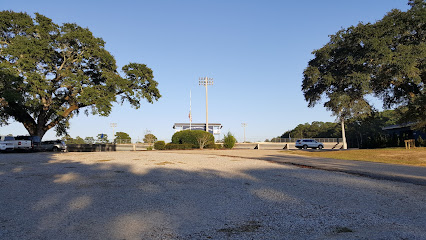
Fairhope City Parks & Rec
2.1 km
Explore Fairhope's outdoors: parks, sports, waterfront views, and community events managed by Fairhope City Parks & Rec.
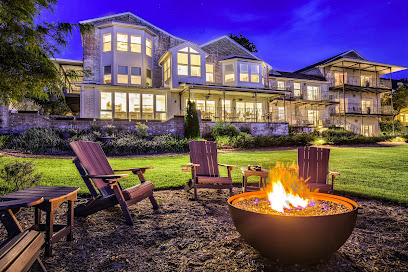
Jubilee Suites Boutique Hotel
2.4 km
Experience Southern charm and breathtaking bay views at Jubilee Suites, a luxurious boutique hotel in Fairhope, Alabama.
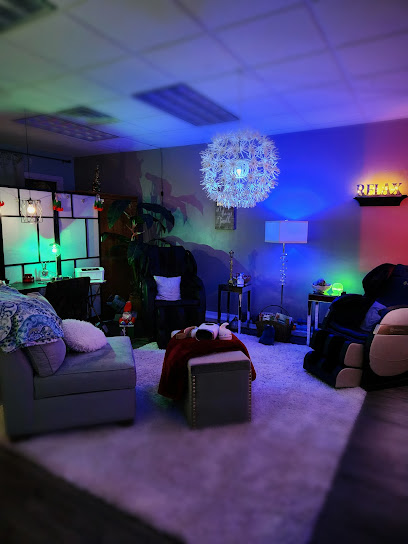
Mind 2 Body Massage and Day Spa
3.2 km
Experience tranquility and therapeutic care at Daphne's Mind 2 Body Massage and Day Spa, your haven for personalized wellness and rejuvenation.
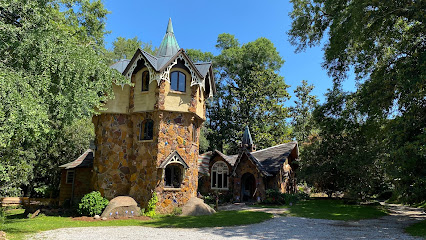
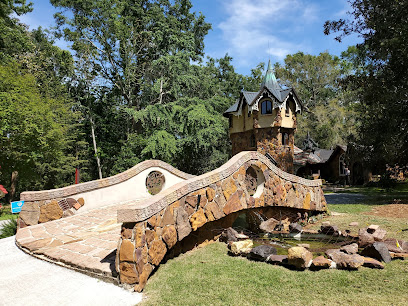
Storybook Castle
3.3 km
Discover a fairytale escape at Fairhope's Storybook Castle, a whimsical landmark born from creativity and repurposed treasures in a charming Alabama town.
Dean Mosher Studio
3.4 km
Explore captivating coastal art at Dean Mosher Studio in Fairhope, Alabama. Discover paintings reflecting local beauty and rich history.
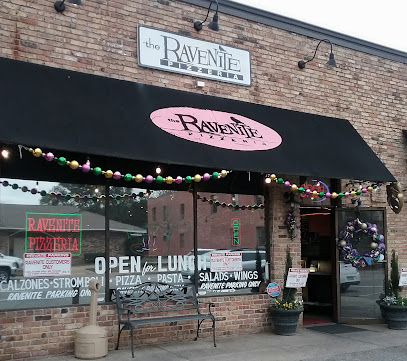
The Ravenite Pizzeria
3.5 km
Fairhope's favorite pizzeria, serving up New York-style pizza with homemade sauces and a lively atmosphere. Open 7 days a week!
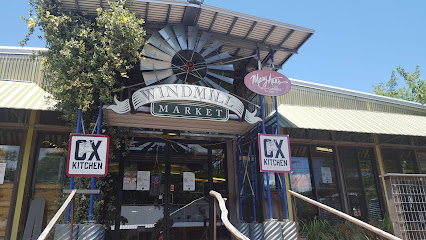
The Mill
3.6 km
Experience diverse local cuisines, lively events, and a vibrant atmosphere at The Mill, Fairhope's premier food hall and event venue.
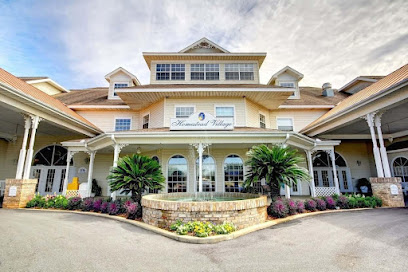
Homestead Village Of Fairhope
3.6 km
A vibrant senior living community in Fairhope, AL, offering independent and assisted living with personalized care and convenient amenities.
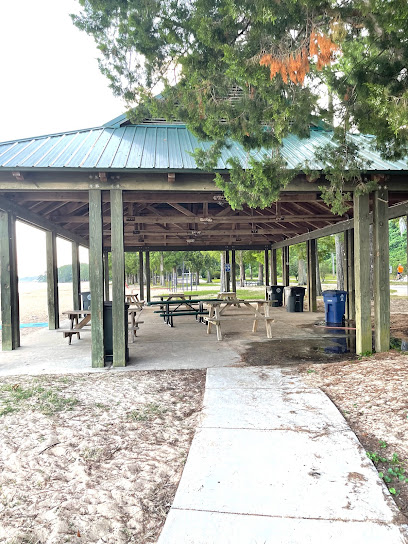
Fairhope Beach Pavilion
3.8 km
Enjoy coastal charm at Fairhope Beach Pavilion: scenic views, community events, and family fun on Mobile Bay's picturesque shore.
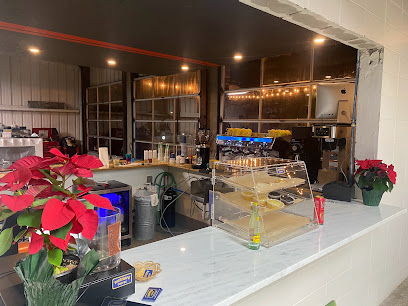
Fairhope coffee
3.8 km
Experience the charm of Fairhope at this beloved coffee shop, a community hub serving expertly crafted beverages and delicious treats.
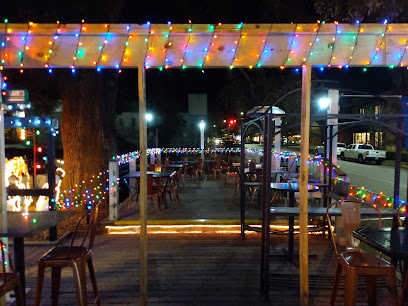
My Place
3.8 km
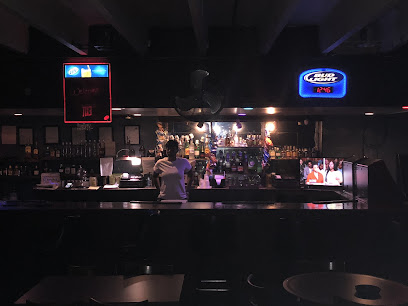
A casual bar in the heart of Fairhope, offering a relaxed atmosphere and a great selection of drinks for locals and tourists.
Fairhope Chocolate
3.8 km
Indulge in handcrafted chocolates, gelato, and pastries at Fairhope Chocolate, a charming boutique in the heart of downtown Fairhope.
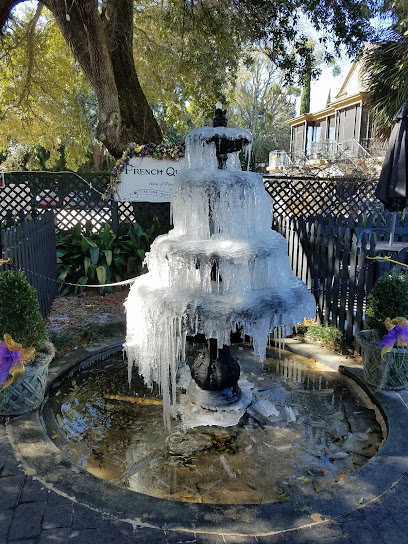
Unmissable attractions to see

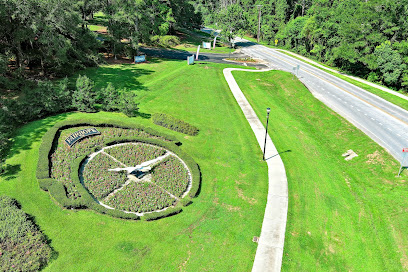
Floral Clock
1.3 km
A vibrant landmark in Fairhope, Alabama, the Floral Clock offers a beautiful display of seasonal flowers and a unique photo opportunity.
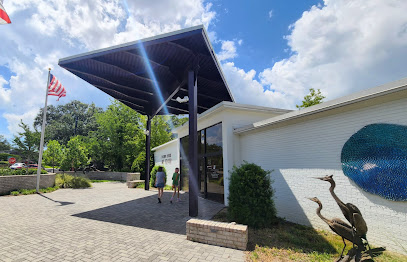
Eastern Shore Art Center
3.3 km
Discover diverse art exhibits, classes, and community events at the Eastern Shore Art Center in Fairhope, Alabama. Free admission!
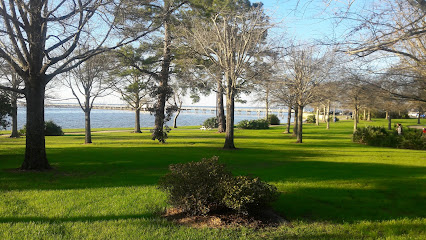
North Beach Park
3.5 km
Discover a scenic coastal escape at North Beach Park in Fairhope, AL, with sandy beaches, walking trails, and a charming duck pond.
Fairhope Museum of History
3.7 km
Explore Fairhope's fascinating past at the Fairhope Museum of History: Utopian roots, local heritage, and captivating exhibits await!
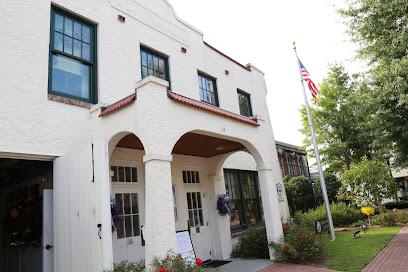
Museum Plaza
3.8 km
Discover Fairhope's vibrant art and unique history at Museum Plaza, a cultural hub in the heart of downtown Fairhope, Alabama.
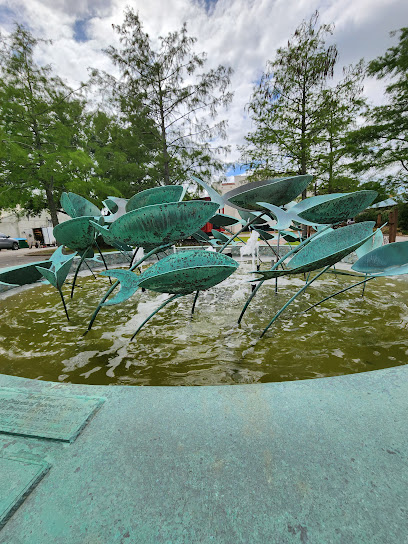
Fairhope pier
3.8 km
Experience the beauty of Mobile Bay at Fairhope Pier: stroll, fish, and enjoy stunning views from this historic landmark in Fairhope, Alabama.
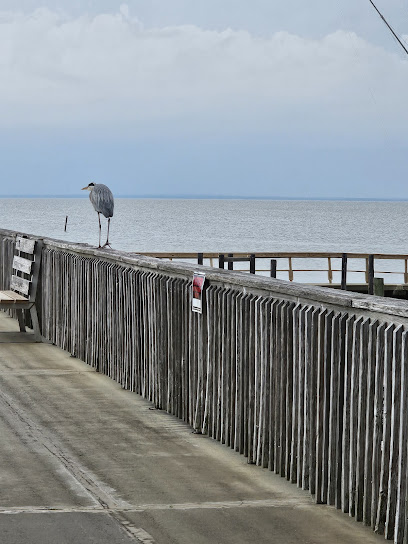
Bell Building
3.9 km
Discover Fairhope's progressive educational history at the historic Bell Building, home to the Marietta Johnson Museum.
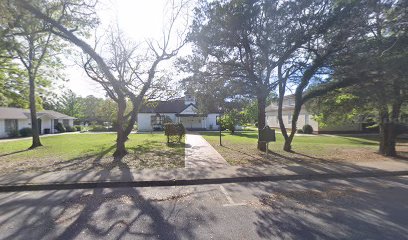
Fairhope Municipal Pier
4.0 km
Experience the heart of Fairhope at the Municipal Pier: stroll, fish, and soak in Mobile Bay's beauty and rich history. A scenic landmark for all.
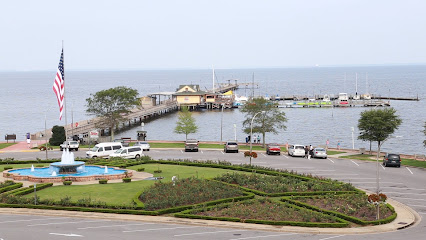
The Fairhope Pier
4.0 km
Experience breathtaking Mobile Bay views, fishing, and waterfront charm at Fairhope Pier, a historic landmark and community hub in Fairhope, Alabama.
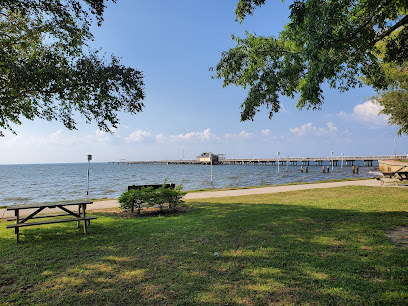
Fairhoper's Community Park
4.1 km
A vibrant community hub in downtown Fairhope featuring playgrounds, a splash pad, public art, and year-round events for all ages.
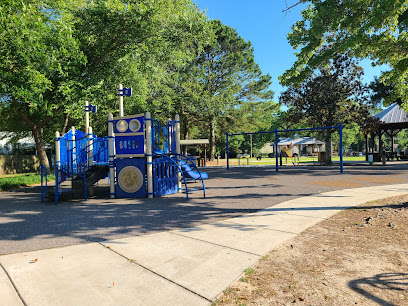
McMillian Bluff
4.8 km
Discover breathtaking Mobile Bay views and tranquil serenity at McMillian Bluff, a hidden gem in Daphne, Alabama [3].
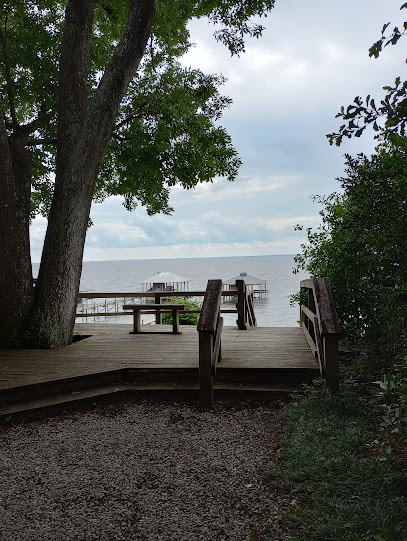
May Day Park
5.0 km
Discover Daphne's May Day Park: A historic waterfront park with a sandy beach, playground, and pier on Mobile Bay.
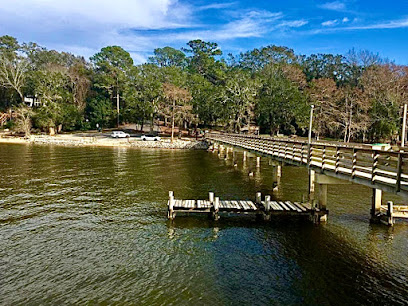
Utopia Park
5.1 km
Escape to Utopia Park in Fairhope, AL: a charming oasis with lush gardens, peaceful pathways, and a vibrant community atmosphere.
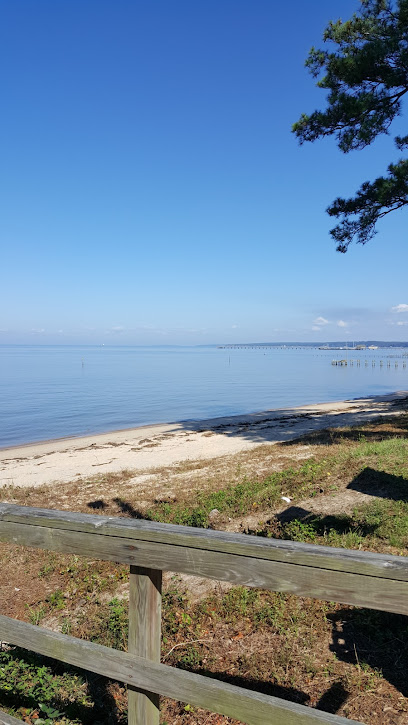
Daphne History Museum
5.2 km
Explore Daphne's captivating history at this charming Alabama museum, from Native American roots to modern day.
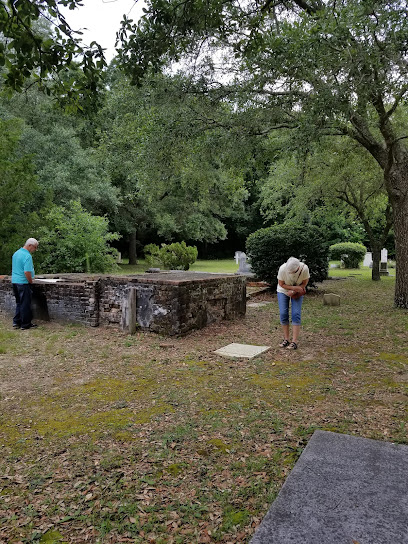
Belrose Park
5.5 km
Escape to Belrose Park in Daphne, AL, for stunning Mobile Bay views, a sandy beach, and a tranquil waterfront experience.
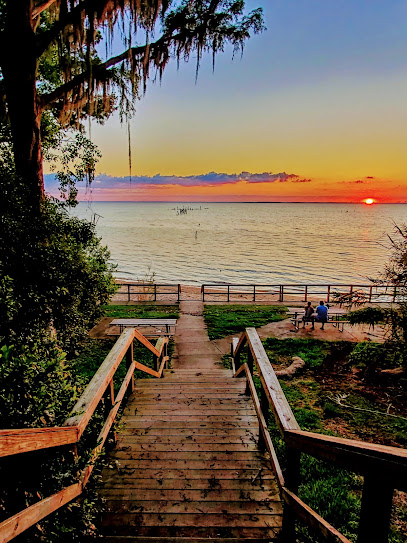
Essential places to dine

Original Ben's Jr.
2.5 km
Experience authentic Southern barbecue at Original Ben's Jr., where smoky flavors and warm hospitality come together in Fairhope, Alabama.
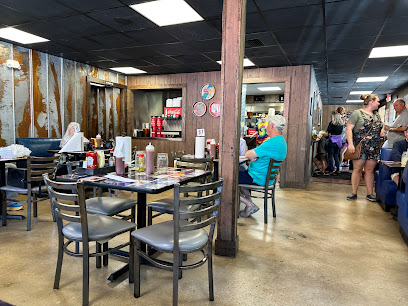
Section Street Pizza
3.5 km
Experience delicious hand-crafted pizzas at Section Street Pizza in Fairhope – where every slice tells a story!
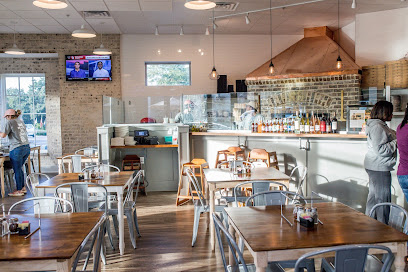
Cactus Cantina of Fairhope
3.5 km
Discover authentic Mexican flavors at Cactus Cantina in Fairhope - where vibrant cuisine meets lively sports bar fun.
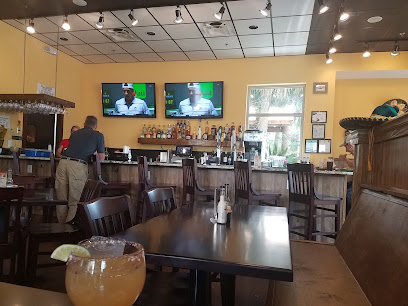
Agave Mexican Restaurant Fairhope
3.5 km
Experience authentic Mexican cuisine at Agave Mexican Restaurant in Fairhope - where flavor meets festivity in every bite.
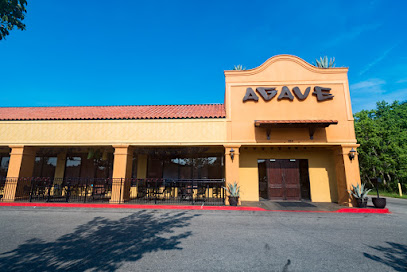
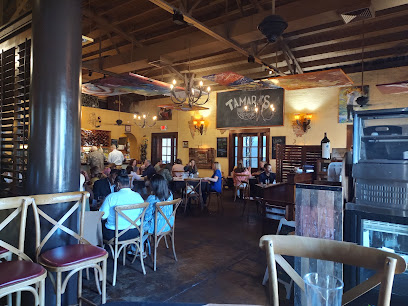
Tamara's Downtown
3.5 km
Experience exquisite fine dining at Tamara's Downtown in Fairhope—where local flavors meet culinary artistry.
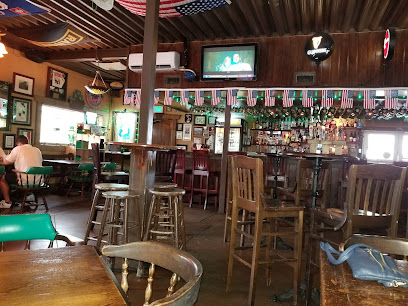
McSharry's Irish Pub
3.6 km
Discover McSharry's Irish Pub: A perfect blend of vibrant atmosphere, delicious grilled dishes, and authentic Irish hospitality in Fairhope.
Soul Bowlz
3.6 km
Discover vibrant health food at Soul Bowlz in Fairhope - where delicious meets nutritious in every bowl!

Plane & Level Coastal
3.6 km
Savor authentic Spanish cuisine in Fairhope's charming setting at Plane & Level Coastal – where tradition meets innovation.
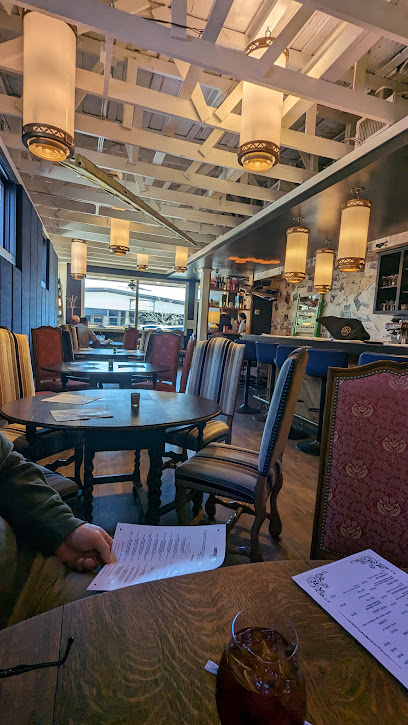
Sean's Prime Dining
3.6 km
Experience culinary artistry at Sean's Prime Dining – where exquisite seafood meets perfectly cooked steaks in Fairhope, Alabama.
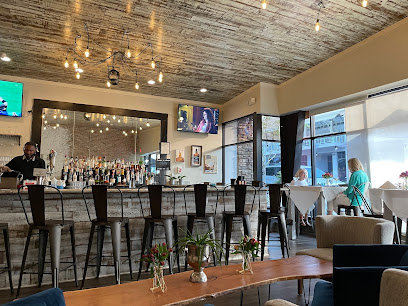
Nini Squares
3.6 km
Discover Nini Squares in Fairhope, AL - where delightful pizzas meet a cozy atmosphere amidst charming surroundings.
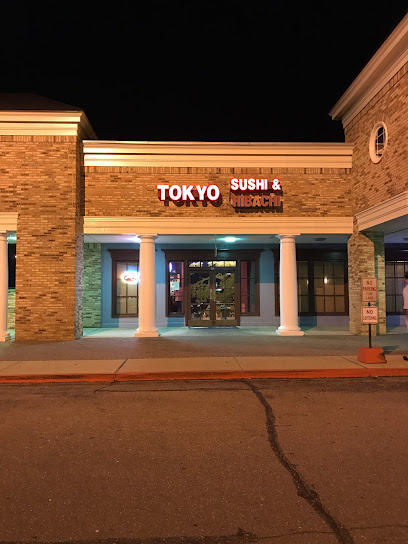
Tokyo Asian Cuisine
3.7 km
Discover authentic Japanese and Chinese cuisine at Tokyo Asian Cuisine in Fairhope - where every dish tells a story.
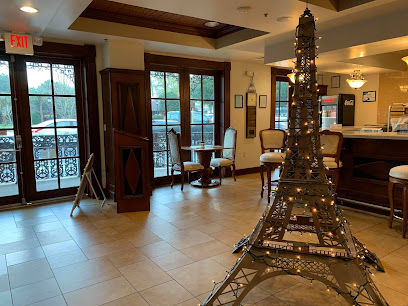
Oui Oui Paris
3.7 km
Indulge in exquisite French cuisine at Oui Oui Paris, Fairhope's premier fine dining destination for an unforgettable culinary experience.
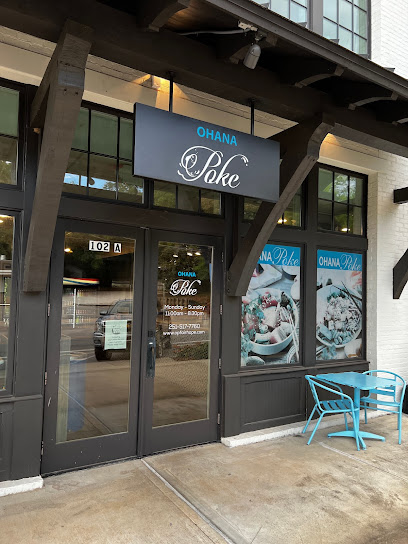
Ohana Poke (Fairhope)
3.7 km
Savor the fresh flavors of Hawaii at Ohana Poke in Fairhope – your go-to destination for delicious poke bowls!
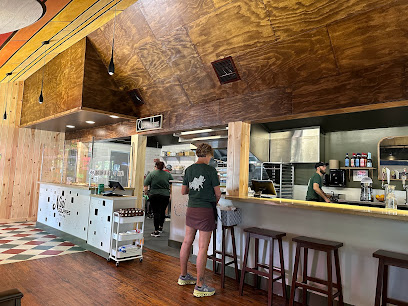
Thyme On Section
3.7 km
Experience the best of New American cuisine at Thyme On Section in Fairhope - where fresh seafood meets innovative flavors.
Master Joe's LLC
3.8 km
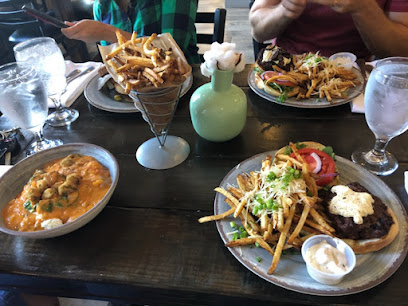
Experience authentic Japanese cuisine at Master Joe's LLC in Fairhope—home to fresh sushi rolls and delightful dishes that celebrate Japan's culinary heritage.
Markets, malls and hidden boutiques

The Shoppes at Fairhope Village
0.3 km
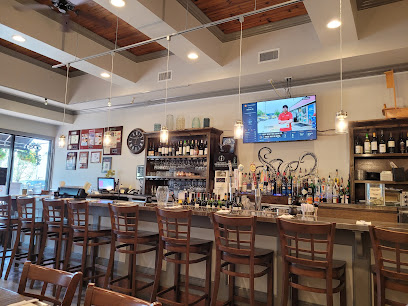
Explore The Shoppes at Fairhope Village: A charming shopping destination in Alabama with unique stores, delightful dining, and a vibrant atmosphere.
Sassy Fans Boutique
2.3 km
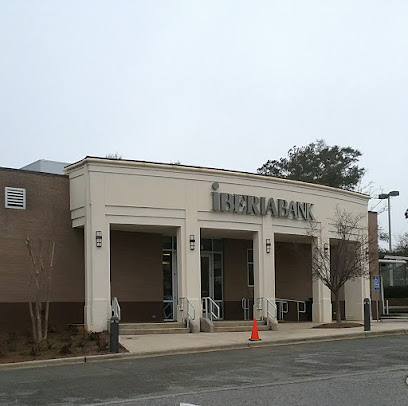
Explore Sassy Fans Boutique in Fairhope, Alabama, for a unique selection of fashion, accessories, and local artisan gifts.
Anya's House
2.6 km
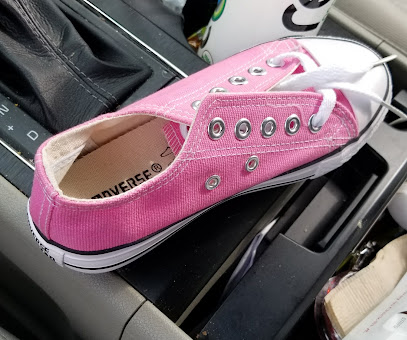
Discover unique gifts, fashion accessories, and home goods at Anya's House in Fairhope, Alabama – a charming shopping destination for all.
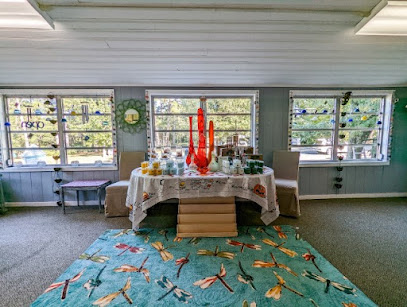
Gaines Home Market
3.4 km
Explore the unique charm of Gaines Home Market in Daphne, AL, where handcrafted gifts and home decor await every visitor.
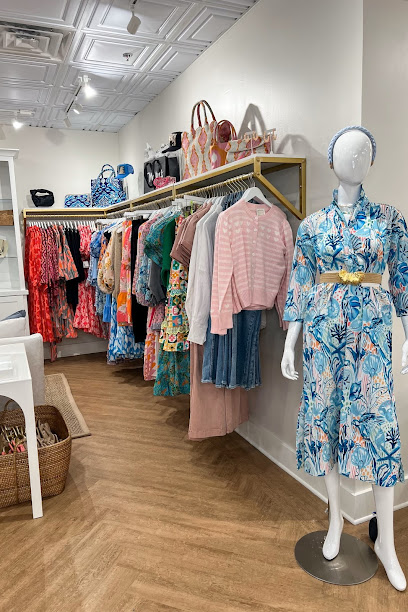
Monkee's of Fairhope
3.5 km
Explore Monkee's of Fairhope for a unique shopping experience featuring trendy women's clothing and accessories in a charming boutique setting.
LNJ Designs by Lisa
3.5 km
Experience a unique fusion of fashion and treats at LNJ Designs by Lisa, Daphne's go-to store for stylish finds and delicious baked goods.
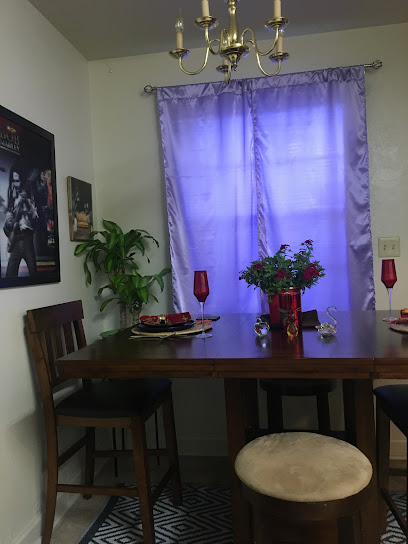
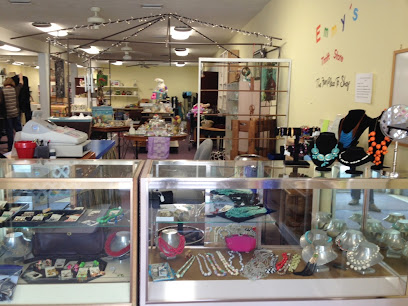
Emmy's Thrift Shop
3.8 km
Explore the charm of Emmy's Thrift Shop in Fairhope, Alabama, where sustainable shopping meets unique vintage finds and local culture.
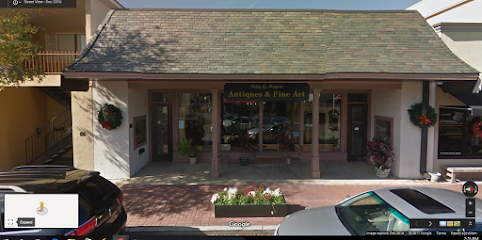
Betty Haynie Antiques & Fine Art
3.8 km
Explore the enchanting world of antiques and fine art at Betty Haynie Antiques, a must-visit destination in Fairhope, Alabama.
Sadies
3.8 km
Discover unique women's fashion at Sadies in Fairhope, where Southern charm meets contemporary style.

Cat's Meow
3.8 km
Explore the enchanting Cat's Meow in Fairhope, Alabama, where unique women's fashion meets exceptional service in a charming boutique setting.
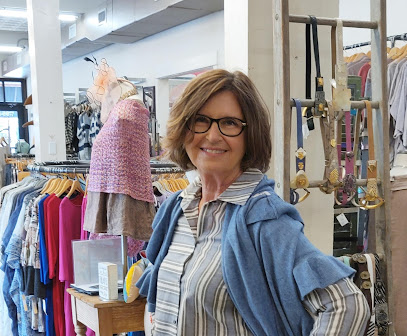
Deja New Consignment & Gifts
3.8 km
Uncover unique finds and vintage treasures at Deja New Consignment & Gifts in Fairhope, Alabama, where every visit reveals something special.
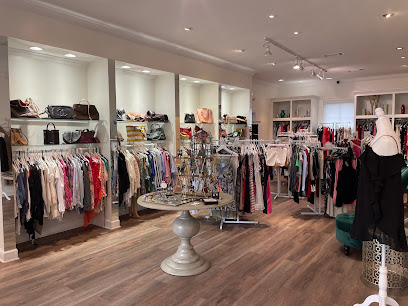
Copper Roof Antiques
3.8 km
Uncover hidden gems and timeless pieces at Copper Roof Antiques in Fairhope, Alabama - a vintage lover's paradise.
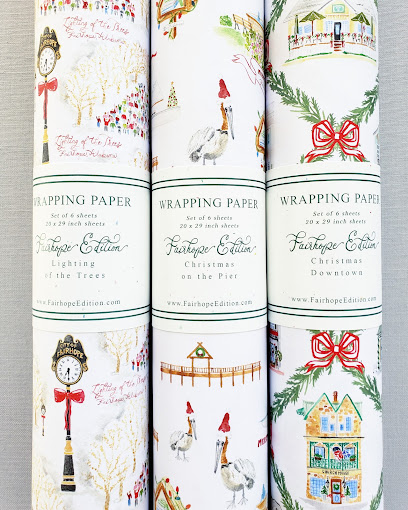
Fairhope Edition
3.9 km
Discover Fairhope's delightful gift shop filled with unique treasures, local crafts, and charming souvenirs reflecting the spirit of Alabama's picturesque coastal town.
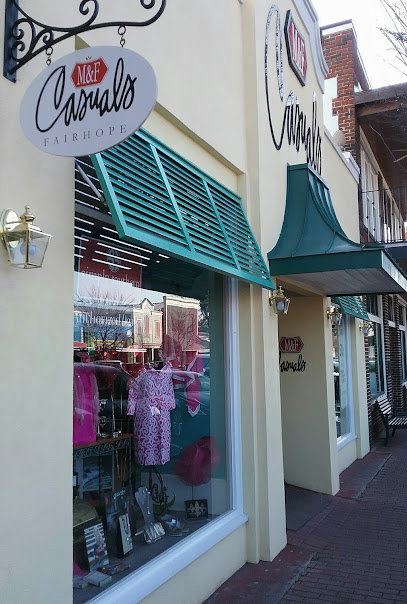
M & F Casuals
3.9 km
Discover unique jewelry and stylish footwear at M & F Casuals, a charming boutique in Fairhope, Alabama, perfect for fashion lovers and tourists alike.
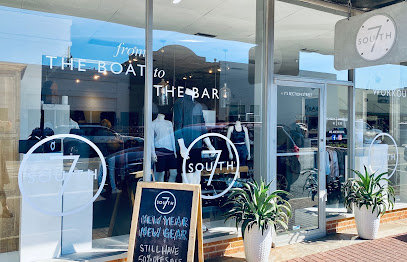
7 SOUTH
3.9 km
Discover unique fashion and local flair at 7 SOUTH, the premier clothing store in Fairhope, Alabama, where style meets southern charm.
Essential bars & hidden hideouts

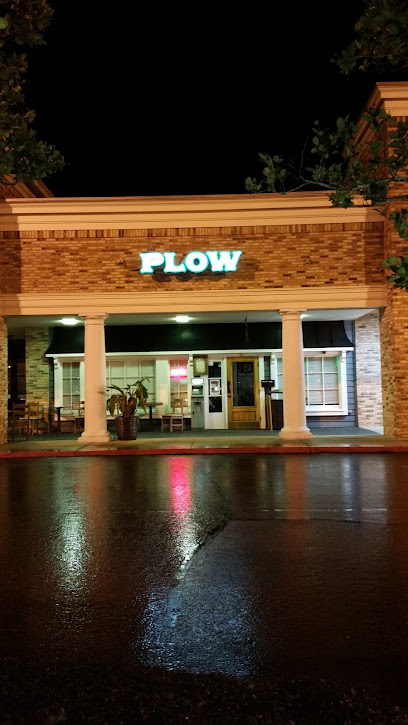
Plow
3.7 km
Experience the warm Southern hospitality at Plow, Fairhope's charming bar serving creative cocktails and local brews in a cozy atmosphere.
La Martina Fairhope
3.8 km
Experience the charm of Fairhope at La Martina, a cozy lounge offering delightful drinks and a warm atmosphere for relaxation and socializing.
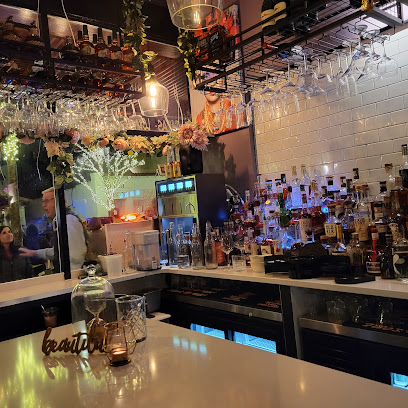
Judge Roy beans
3.9 km
Discover the inviting atmosphere and local flavors at Judge Roy Beans, a cherished bar in Fairhope, Alabama, perfect for unwinding and enjoying Southern hospitality.
Fairhope Pins & Pints
3.9 km
Experience the lively atmosphere and unique craft beer selection at Fairhope Pins & Pints in Fairhope, Alabama – a must-visit bar for every traveler.
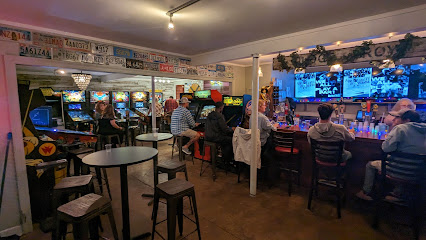
The Book Cellar
3.9 km
Discover the enchanting fusion of literature and libations at The Book Cellar in Fairhope, Alabama, a must-visit for book lovers and socialites alike.
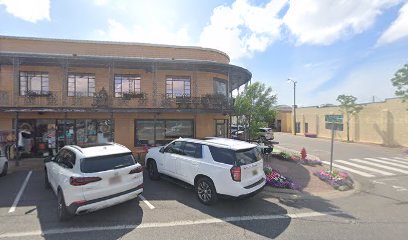
Monkey Bar Fairhope
4.0 km
Discover the lively spirit of Fairhope at Monkey Bar, where craft cocktails and great atmosphere create unforgettable moments in Alabama.
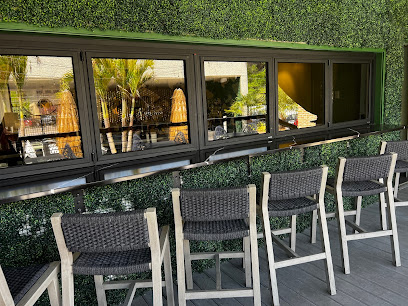
Tongue & Groove Drinkery
4.1 km
Discover the vibrant nightlife at Tongue & Groove Drinkery, Fairhope's premier bar with innovative cocktails and a lively atmosphere.
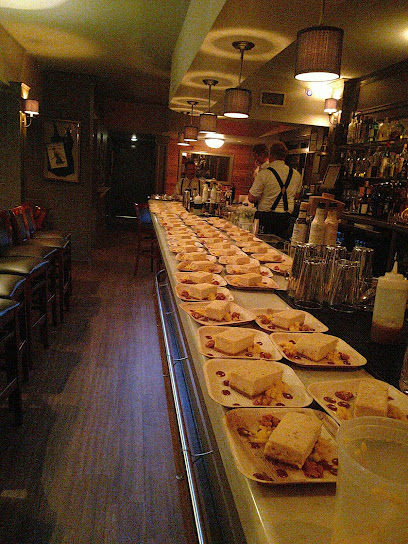
Southbar
4.3 km
Unwind at Southbar in Daphne, Alabama, where great drinks and a lively atmosphere come together for an unforgettable evening.
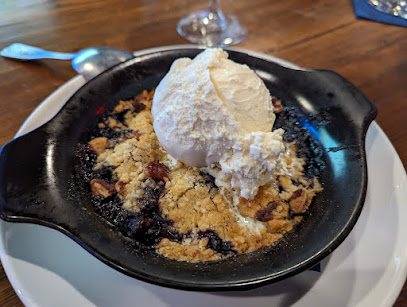
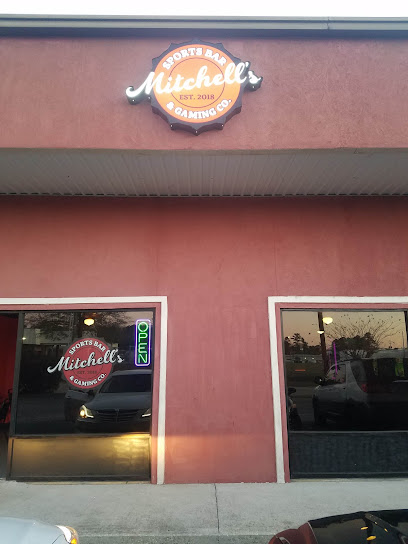
Mitchell's Sports Bar & Gaming Co.
4.4 km
Discover the vibrant energy of Mitchell's Sports Bar & Gaming Co. in Daphne, AL, where great food, games, and sports come together to create unforgettable experiences.
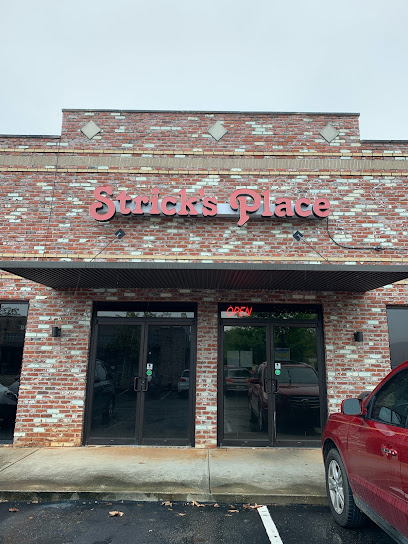
Strick's Place
4.5 km
Discover Strick's Place: A vibrant bar in Fairhope, Alabama, known for its friendly atmosphere and exceptional drinks that capture the essence of local nightlife.
Tiki bar at Amer Legion
5.3 km
Discover the vibrant atmosphere and tropical flavors at Fairhope’s beloved Tiki Bar, a perfect retreat for relaxation and fun.
VFW Tiki Bar
5.3 km
Experience the vibrant atmosphere and refreshing cocktails at VFW Tiki Bar, Fairhope's tropical gem, perfect for relaxation and entertainment.
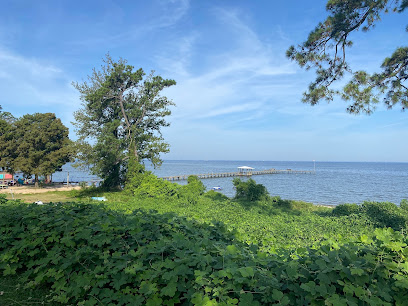
Bucky's Lounge
9.1 km
Discover the charming atmosphere and delightful drink selection at Bucky's Lounge in Fairhope, Alabama, a perfect spot to unwind and socialize.
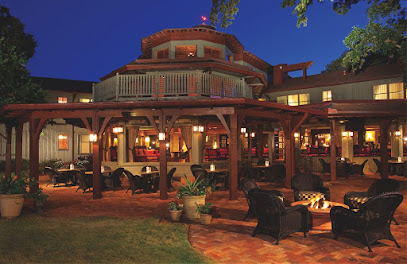
Bay House Pub
10.0 km
Experience the vibrant nightlife and warm hospitality of Bay House Pub in Daphne, Alabama, where good times and great drinks await.
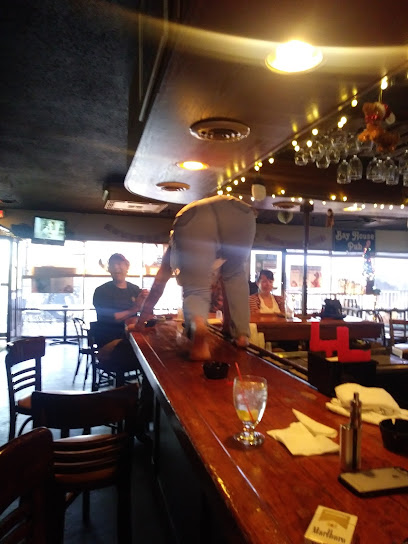
Pour Nelson's Pub
10.1 km
Experience the vibrant atmosphere and delicious drinks at Pour Nelson's Pub, a favorite local spot in Daphne, Alabama, perfect for all travelers.
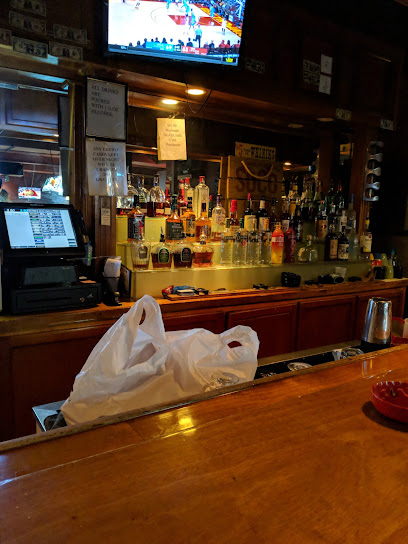
Nightclubs & after hour spots

Lucky Horseshoe
15.2 km
Discover the lively nightlife of Fairhope at Lucky Horseshoe, where music, dancing, and great drinks await in a vibrant bar setting.
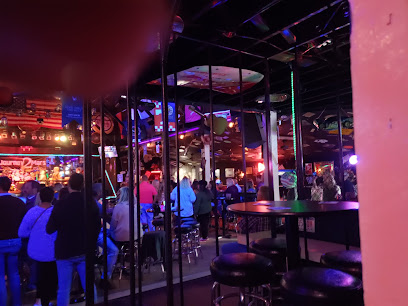
Zebra Club
19.8 km
Discover the electrifying nightlife at Zebra Club, Mobile’s top night club featuring cocktails, dancing, and unforgettable entertainment.
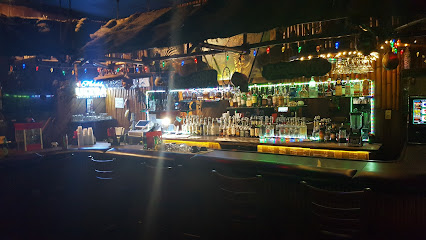
Gabriel's Downtown
20.6 km
Experience the vibrant nightlife at Gabriel's Downtown, Mobile's premier gay bar, where fun, inclusivity, and great drinks await.
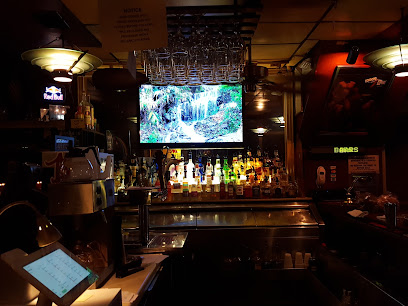
B-Bob's Downtown
20.6 km
Discover the vibrant nightlife and delicious cuisine at B-Bob's Downtown, Mobile's premier gay night club and restaurant, where fun meets flavor!
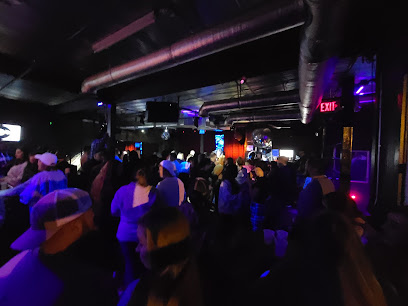
Club Love
20.7 km
Discover Mobile's nightlife at Club Love, a vibrant bar offering innovative cocktails, live music, and an electrifying atmosphere.
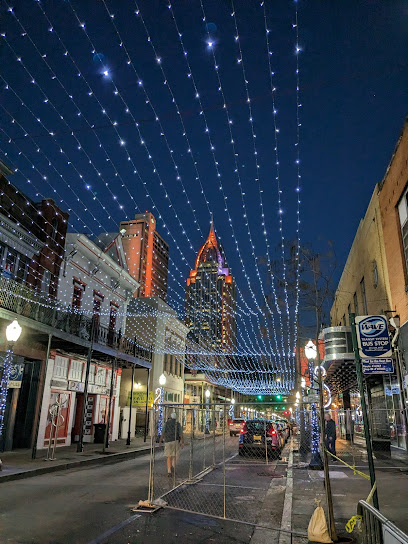
Lit Cigar Lounge
20.7 km
Discover the charm of Lit Cigar Lounge in Mobile, a perfect blend of relaxation, premium cigars, and a lively bar atmosphere.
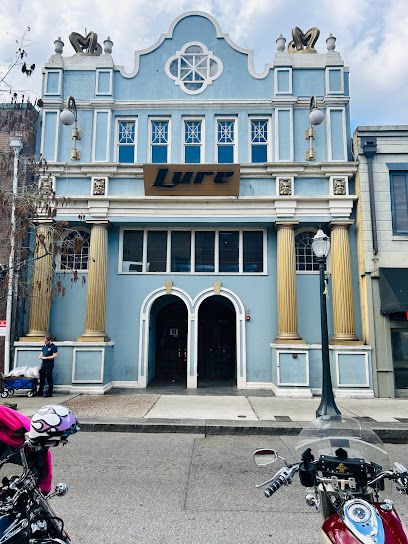
Lure
20.8 km
Explore Lure in Mobile's Central Business District for unique local finds, artisanal crafts, and a taste of the vibrant culture of Alabama.
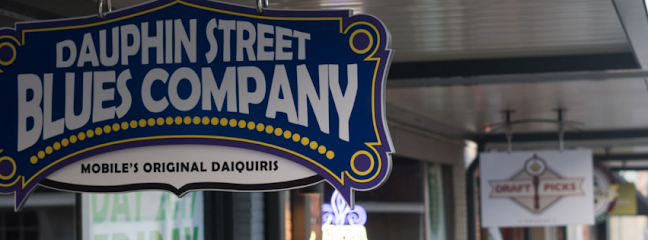
Dauphin Street Blues Company
20.9 km
Discover the heart of Mobile's music scene at Dauphin Street Blues Company, where live blues and Southern charm come together for an unforgettable night.
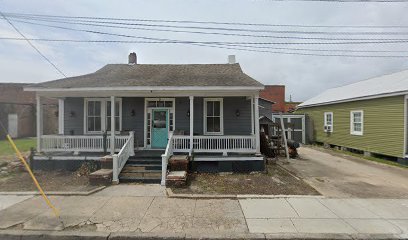
HitHouseChronicles
21.0 km
Experience the vibrant nightlife of Mobile at HitHouseChronicles, the ultimate lounge destination for cocktails and entertainment.
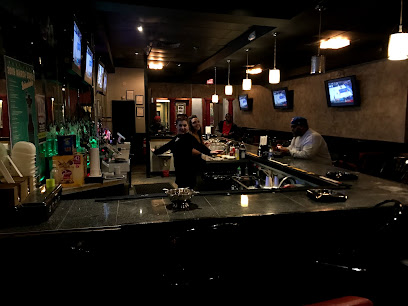
The Lady's Room & Lounge
21.4 km
Experience the vibrant nightlife of Mobile at The Lady's Room & Lounge, where chic ambiance meets lively entertainment.
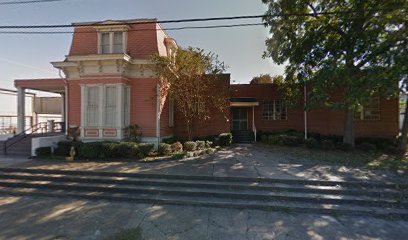
The Den/Mingo's Social Club
21.5 km
Experience the vibrant nightlife at The Den/Mingo's Social Club in Mobile, Alabama, where great music and an energetic atmosphere await.
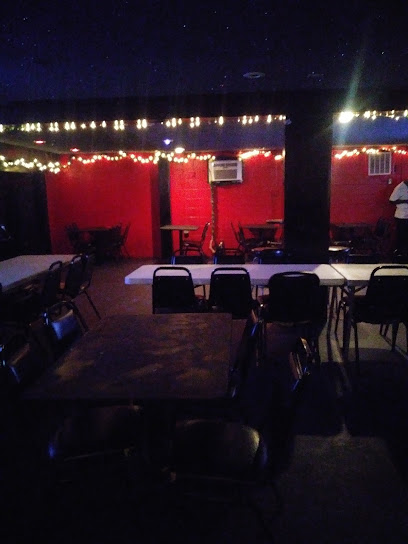
Curtis Place
22.2 km
Experience the vibrant nightlife of Mobile at Curtis Place, the ultimate destination for dance, music, and unforgettable memories.
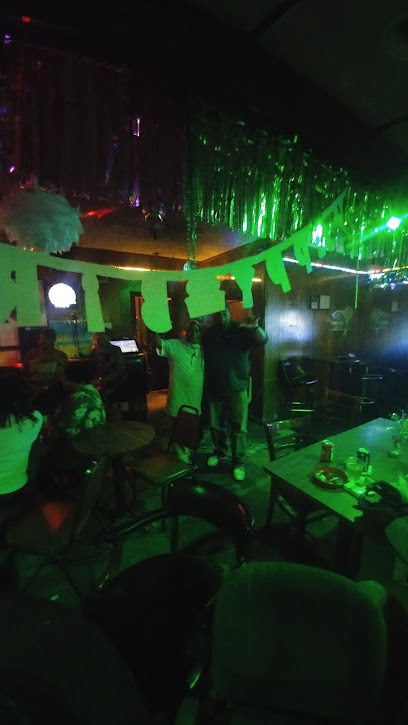
Pause Lounge and Grill
22.5 km
Discover a vibrant atmosphere at Pause Lounge and Grill in Mobile, Alabama, where delicious food and refreshing drinks await in a cozy setting.
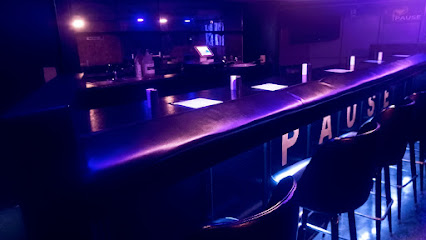
Club Elegance
22.8 km
Discover the vibrant nightlife at Club Elegance in Mobile, Alabama, where great music and a lively atmosphere await every night.
Brandi's Lounge
23.5 km
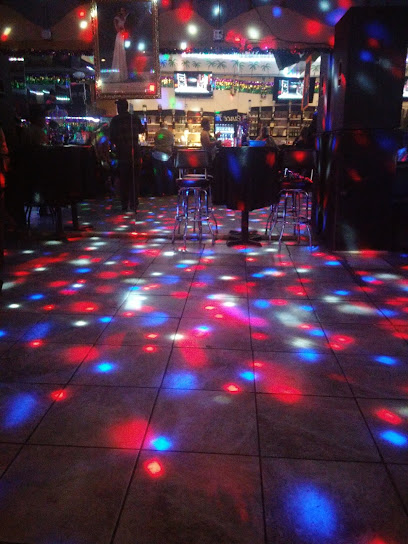
Experience the vibrant nightlife at Brandi's Lounge, Mobile's ultimate destination for drinks, dancing, and delicious late-night bites.