

Free Gulf Shores Travel Guide & Mobile App
Plan your Gulf Shores trip with Evendo. Get free guides to top attractions, restaurants, hotels, and bars. Web access or download the mobile app.


Gulf Shores, Alabama, pairs white-sand beaches with Gulf State Park, seafood, Fort Morgan history and easy coastal adventures for a relaxed US getaway.
Beach, Estuary and Barrier Island
Gulf Shores occupies Alabama’s southern edge, where the Gulf of Mexico meets a chain of lagoons, bays and sandy barrier-island landscapes. The city is best known for its broad, pale beaches, but its character extends beyond the shoreline: dunes, maritime forests, freshwater lakes and tidal wetlands create a varied coastal setting. Gulf State Park, stretching between the Gulf and Lake Shelby, provides a natural counterpoint to the developed beachfront, with trails, boardwalks and quiet stretches of sand.Read more about Gulf Shores
A Young Coastal Community
Life Along the Alabama Gulf Coast
When is the best time to visit Gulf Shores?
Best: April–May, October · 24–28°C| Month | High (°C) | Rainfall (mm) |
|---|---|---|
| January | 17 | 126 |
| February | 19 | 127 |
| March | 21 | 160 |
| April (best) | 24 | 100 |
| May (best) | 28 | 130 |
| June | 32 | 167 |
| July | 33 | 187 |
| August | 33 | 189 |
| September | 31 | 152 |
| October (best) | 26 | 110 |
| November | 21 | 128 |
| December | 18 | 139 |
Getting to and around Gulf Shores
How to get there
Transportation
Best attractions in Gulf Shores
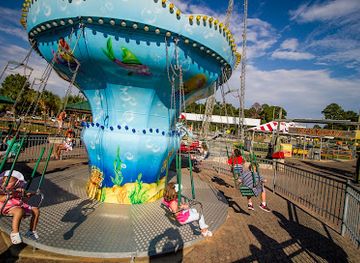
Gulf Shores’ principal attractions combine beach recreation with access to coastal nature and family entertainment. The public beach and surrounding shoreline provide room for swimming, walking and watching the changing Gulf light, while Gulf State Park adds freshwater lakes, maritime forest, boardwalks and a long protected stretch of coast. At Fort Morgan State Historic Site, visitors can explore the brick fortifications and learn how the mouth of Mobile Bay was defended during the nineteenth century and Civil War. The Alabama Gulf Coast Zoo offers a compact, family-oriented animal attraction inland from the beach, and Waterville USA combines amusement rides with water-based entertainment. The Bon Secour National Wildlife Refuge, partly within Gulf Shores, offers trails through dunes, scrub and wetland habitat, presenting a quieter side of the region. Fishing piers, charter boats and wildlife cruises extend sightseeing onto the water.
-
Public beach
Gulf Shores Public Beach
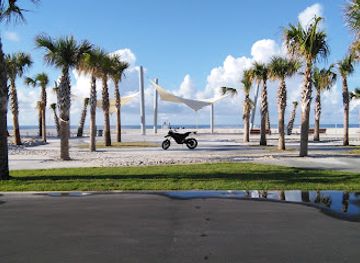
Experience the sugar-white sands and turquoise waters of Gulf Shores Public Beach, a perfect blend of relaxation and recreation on Alabama's Gulf Coast.
10 min drive · 3.4 km from city centre
-
Public beach
Gulf Shores Public Beach
Experience the sugar-white sands and turquoise waters of Gulf Shores Public Beach, a perfect blend of relaxation and lively beach culture.
10 min drive · 3.4 km from city centre
-
Tourist attraction
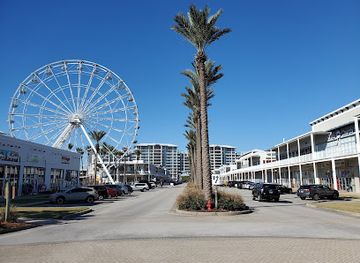
The Wharf
Experience the best of Alabama Gulf Coast entertainment, dining, and shopping at The Wharf in Orange Beach. A scenic destination with year-round events.
22 min drive · 7.2 km from city centre
-
Go-kart track
The Track - Gulf Shores
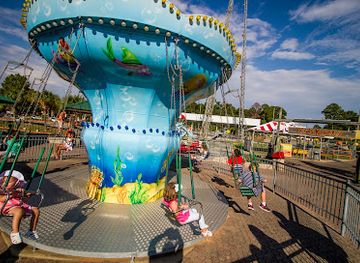
Experience high-octane thrills and family fun at The Track in Gulf Shores, with go-karts, rides, mini golf, and a large arcade!
6 min drive · 1.8 km from city centre


Best landmarks in Gulf Shores
Fort Morgan State Historic Site is Gulf Shores’ most important historic landmark, a large brick fortification built at the entrance to Mobile Bay and associated with the Battle of Mobile Bay during the Civil War. The structure’s angled walls, casemates and parade ground show how coastal defence evolved before modern artillery and provide a tangible link to the region’s military past. The Gulf State Park Pier, extending into the Gulf, has become a recognisable contemporary feature of the shoreline and a vantage point for observing surf, fishing activity and changing weather. The Alabama Gulf Coast Zoo is a notable civic and family landmark inland, while the white-sand beach and dune line form the natural symbols of the city. Together, these places express Gulf Shores’ relationship with defence, recreation, wildlife and the open Gulf.
-
Public beach
Gulf Shores Public Beach
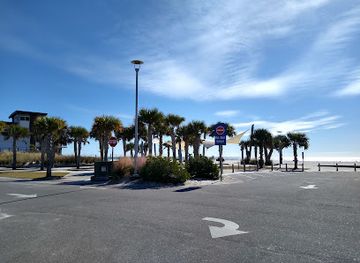
Experience the sugar-white sands and turquoise waters of Gulf Shores Public Beach, a perfect blend of relaxation, recreation, and vibrant beach culture.
10 min drive · 3.4 km from city centre
-
State park
Gulf State Park
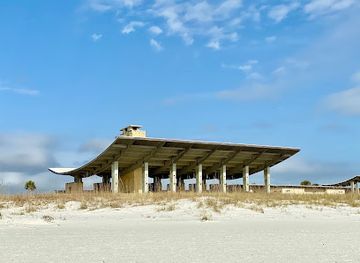
Discover Alabama's Gulf Coast paradise: beaches, trails, fishing, and nature await at Gulf State Park. Open 24/7 for year-round adventure!
19 min drive · 6.5 km from city centre
-
Tourist attraction
The Wharf
The Wharf in Orange Beach: A premier Gulf Coast destination for shopping, dining, entertainment, and unforgettable events year-round.
22 min drive · 7.2 km from city centre
-
Go-kart track
The Track - Gulf Shores
Experience thrilling go-karts, mini-golf, and arcade fun at The Track in Gulf Shores, the ultimate family entertainment destination on the Alabama Gulf Coast.
6 min drive · 1.8 km from city centre
Explore Gulf Shores on the map
Plan your Gulf Shores trip on one map. See where the top attractions, landmarks, restaurants, bars and hotels are, find what's near where you're staying, and book hotels and experiences in a few clicks.
Best hotels in Gulf Shores
Best restaurants in Gulf Shores
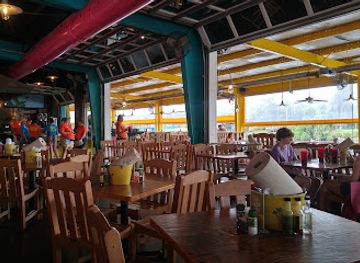
Gulf Shores’ dining identity is firmly tied to the Alabama Gulf Coast, with shrimp, oysters, blue crab and locally caught fish appearing across menus in classic and contemporary forms. Casual seafood houses, beachfront restaurants, oyster bars and family eateries dominate the visitor-facing scene, while fish tacos, po’boy-style sandwiches, fried seafood and grilled fillets reflect the region’s blend of Gulf, Southern and wider American influences. Oysters may be served raw, baked or grilled, and seasonal catches can shape daily offerings. The main restaurant concentration follows the beachfront and major corridors, with additional choices around the lagoon and inland approaches. Breakfast cafés, ice-cream shops and bakeries suit the city’s holiday rhythm, while seafood markets allow visitors to buy regional products. Dining is generally informal, with outdoor seating common when weather permits.
-
Seafood
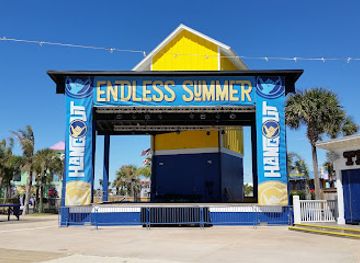
The Hangout Gulf Shores
Savor fresh seafood and enjoy live music at The Hangout Gulf Shores – a family-friendly dining experience by the beach.
10 min drive · 3.4 km from city centre
-
Breakfast
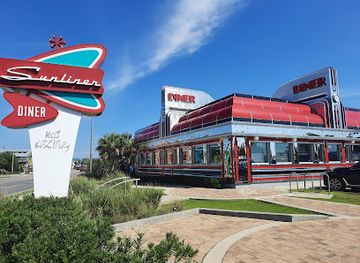
Sunliner Diner
Experience classic diner vibes at Sunliner Diner in Gulf Shores—where breakfast dreams come true amidst delightful retro charm.
9 min drive · 3.1 km from city centre
-
Family-friendly
LuLu's Gulf Shores
Experience the vibrant atmosphere at LuLu's Gulf Shores - where fresh seafood meets family fun in Alabama’s beautiful coastal paradise.
5 min drive · 1.6 km from city centre
-
Seafood
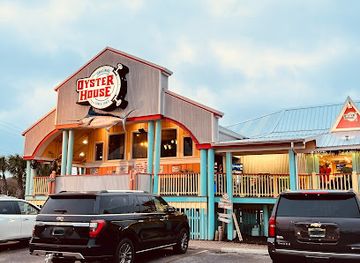
Original Oyster House Boardwalk
Experience fresh seafood and stunning waterfront views at Gulf Shores' Original Oyster House Boardwalk – a true culinary gem!
8 min drive · 2.7 km from city centre
Best bars in Gulf Shores
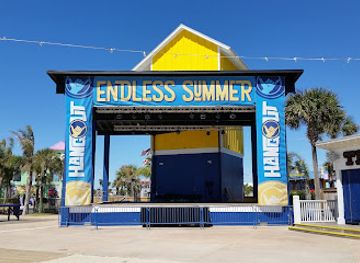
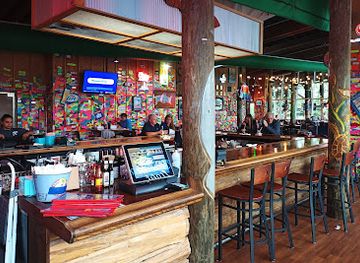
Gulf Shores’ evening scene is relaxed and seasonal rather than centred on large nightclubs. Beachfront and marina-area venues offer casual bars, live music, sports broadcasts and outdoor seating, while some restaurants shift towards a more social atmosphere after dinner. Local entertainment often includes country, Southern rock and other live acts, with larger concerts and festivals taking place at venues such as The Hangout and the Coastal Alabama Amphitheater. Families and visitors seeking non-alcoholic evenings can find amusement attractions, sunset walks, night-time beach views and occasional cultural or festival programming. Activity is concentrated near the central beach district and major commercial roads, while the Fort Morgan peninsula is much quieter after dark. Coastal weather, seasonal trading patterns and local rules concerning alcohol and public beaches can affect evening plans.
-
Seafood
The Hangout Gulf Shores
Experience the vibrant flavors and lively atmosphere at The Hangout Gulf Shores, where seafood meets family fun and live music.
10 min drive · 3.4 km from city centre
-
Seafood
Tacky Jacks Gulf Shores
Discover the vibrant flavors of Gulf Shores at Tacky Jacks, where fresh seafood meets a lively beachside atmosphere.
5 min drive · 1.7 km from city centre
-
Restaurant
Picnic Beach Bar & Grill
Experience the vibrant flavors and laid-back atmosphere at Picnic Beach Bar & Grill in Gulf Shores, Alabama - your coastal culinary escape.
10 min drive · 3.2 km from city centre
-
Seafood
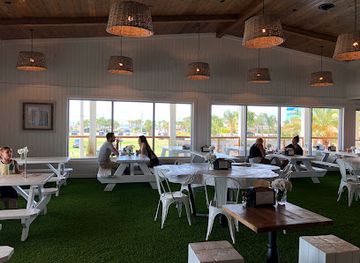
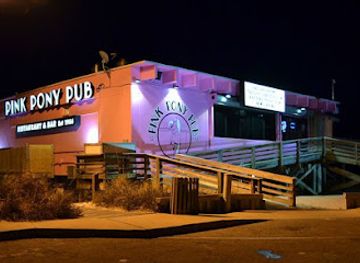
Pink Pony Pub
Experience the best of Gulf Shores at Pink Pony Pub, where fresh seafood meets a vibrant beach atmosphere.
10 min drive · 3.5 km from city centre
Best nightclubs in Gulf Shores
Gulf Shores’ evening scene is relaxed and seasonal rather than centred on large nightclubs. Beachfront and marina-area venues offer casual bars, live music, sports broadcasts and outdoor seating, while some restaurants shift towards a more social atmosphere after dinner. Local entertainment often includes country, Southern rock and other live acts, with larger concerts and festivals taking place at venues such as The Hangout and the Coastal Alabama Amphitheater. Families and visitors seeking non-alcoholic evenings can find amusement attractions, sunset walks, night-time beach views and occasional cultural or festival programming. Activity is concentrated near the central beach district and major commercial roads, while the Fort Morgan peninsula is much quieter after dark. Coastal weather, seasonal trading patterns and local rules concerning alcohol and public beaches can affect evening plans.
-
Seafood
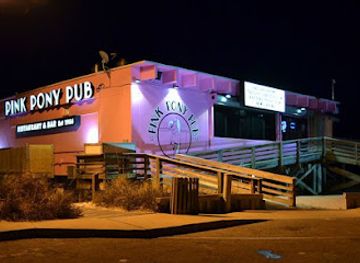
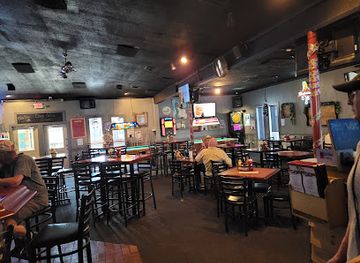
Pink Pony Pub
Discover the vibrant coastal dining experience at Pink Pony Pub, where fresh seafood meets a relaxing atmosphere in Gulf Shores, Alabama.
10 min drive · 3.5 km from city centre
-
Grill
The Cove Bar and Grill
Discover The Cove Bar and Grill, a vibrant dining spot in Gulf Shores known for its delicious grilled dishes, chicken wings, and refreshing cocktails.
17 min walk · 1.4 km from city centre
-
Restaurant
The Sloop
Discover the flavors of Gulf Shores at The Sloop, where delicious cheesesteaks meet a lively sports bar atmosphere.
17 min walk · 1.3 km from city centre
-
Night club
Mudbugs Dive Bar
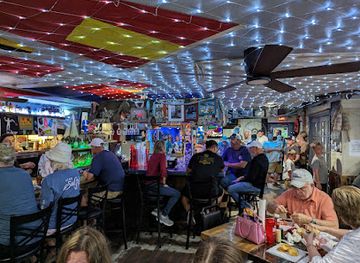
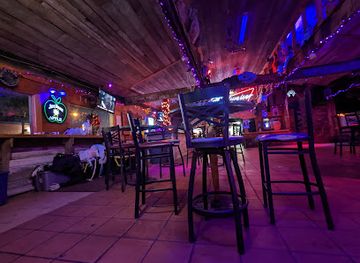
Discover the lively atmosphere of Mudbugs Dive Bar in Gulf Shores, featuring karaoke, pool, and delicious bar bites for an unforgettable night out.
8 min drive · 2.8 km from city centre
Best shops in Gulf Shores
Shopping in Gulf Shores is concentrated along the main beach roads and commercial corridors, where souvenir shops, surf and beachwear retailers, art galleries, gift stores and small specialist businesses serve a strong visitor trade. Typical purchases include coastal artwork, Alabama-themed goods, shell and marine-inspired decorations, locally produced food items, clothing and practical beach equipment. The city’s retail character is informal and holiday-oriented rather than centred on a historic market quarter or a major luxury district. Shops near the beach are convenient for resort essentials and gifts, while larger grocery and general-retail stores lie farther inland along the Route 59 corridor. Visitors interested in regional products can look for Alabama-made foods, crafts and artwork, checking labels and provenance rather than assuming every coastal-themed item was produced locally. The larger shopping centres and outlet complexes associated with the area are generally outside Gulf Shores in nearby communities.
-
Gift shop
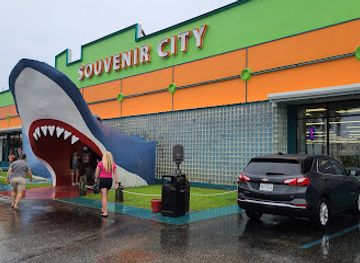
Souvenir City
Explore Souvenir City for unique gifts and local treasures that capture the essence of Gulf Shores, Alabama's vibrant culture and beach lifestyle.
9 min drive · 3.1 km from city centre
-
Gift shop
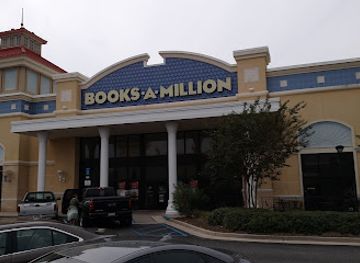
Books-A-Million
Explore a world of books, collectibles, and toys at Books-A-Million in Gulf Shores, where every visit is a new adventure for all ages.
10 min drive · 3.4 km from city centre
-
Smoke shop
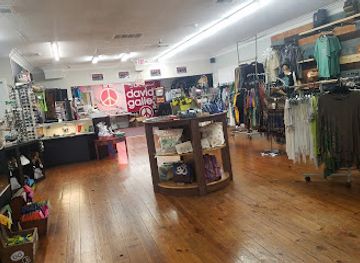
David's Gallery- Smoke Shop and Hippie Boutique
Discover unique finds at David's Gallery, a smoke shop and hippie boutique in Gulf Shores, blending culture with eclectic shopping.
5 min drive · 1.7 km from city centre
-
Body piercing shop
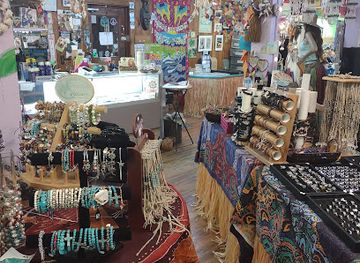
Island Girl Jewelry & Souvenirs
Explore the charm of Gulf Shores with unique jewelry, clothing, and souvenirs at Island Girl Jewelry & Souvenirs.
9 min drive · 3.0 km from city centre
Get your free copy of our complete guide to Gulf Shores, delivered straight to you.
Everything on this page, from attractions and restaurants to essentials and local phrases, in one PDF you can read offline, print or share.
Already have an account? Sign in
Your Gulf Shores guide is ready.
We'll send it to · Not you? Sign out

Getting your guide ready…
We are putting together a fresh copy of the Gulf Shores guide. This can take up to a minute.
This can take a few moments. If your browser asks, choose Allow so the download can start. You'll find the guide in your Downloads folder.
Nothing happened? Download it again
Sorry, the guide is taking longer than usual. Please try again in a minute, or get it by email instead.
Gulf Shores essentials
Currency and Payment
Safety
Emergency Situations
Do's and Don'ts
Local Tips
From Eve
Local phrases worth knowing
You don't need to get them perfect. A few words go a long way, and locals appreciate the effort.
Basics
| English | Local | Say it |
|---|---|---|
| Hello | Howdy | [houd-ee] |
| Goodbye | See ya | [see yah] |
| Yes | Yep | [yep] |
| No | Nah | [nah] |
| Please/You're welcome | Please/No worries | [pleez/no wur-ees] |
| Thank you | Thanks | [thanks] |
| Excuse me/Sorry | Pardon me/My bad | [par-dun me/my bad] |
| How are you? | How y'all doin'? | [how y'all doin'] |
| Fine. And you? | Fine. And you? | [fine. and you?] |
| Do you speak English? | Ya speak English? | [ya speak ing-glish?] |
| I don't understand | I don't get it | [i don't get it] |
Eating & Drinking
| English | Local | Say it |
|---|---|---|
| I'd like to see the menu, please | Lemme see the menu, please | [lem-mee see the menu, please] |
| I don't eat meat | I don't eat meat | [i don't eat meat] |
| Cheers! | Cheers! | [cheers!] |
| I would like to pay, please | I wanna pay, please | [i wanna pay, please] |
Emergencies
| English | Local | Say it |
|---|---|---|
| Help! | Help! | [help!] |
| Go away! | Git! | [git!] |
| Call the Police! | Call the Po-lice! | [call the po-lease!] |
| Call a doctor! | Call a doc! | [call a doc!] |
| I'm lost | I'm lost | [i'm lost] |
| I'm ill | I'm sick | [i'm sick] |
Shopping
| English | Local | Say it |
|---|---|---|
| I'd like to buy... | I wanna buy... | [i wanna buy...] |
| I'm just looking | I'm just lookin' | [i'm just lookin'] |
| How much is it? | How much fer that? | [how much fur that?] |
| That's too expensive | That's too pricey | [that's too pry-see] |
| Can you lower the price? | Can ya lower the price? | [can ya lower the price?] |
Time & Numbers
| English | Local | Say it |
|---|---|---|
| What time is it? | What time is it? | [what time is it?] |
| It's one o'clock | It's one o'clock | [it's one o'clock] |
| Half past (10) | Half past (10) | [half past (10)] |
| Morning | Mornin' | [mornin'] |
| Afternoon | Afternoon | [afternoon] |
| Evening | Evenin' | [evenin'] |
| Yesterday | Yest'day | [yest'day] |
| Today | Today | [today] |
| Tomorrow | Tomorrah | [tomorrah] |
| 1 | 1 | [1] |
| 2 | 2 | [2] |
| 3 | 3 | [3] |
| 4 | 4 | [4] |
| 5 | 5 | [5] |
| 6 | 6 | [6] |
| 7 | 7 | [7] |
| 8 | 8 | [8] |
| 9 | 9 | [9] |
| 10 | 10 | [10] |
Transport & Directions
| English | Local | Say it |
|---|---|---|
| Where's a/the...? | Where's the...? | [where's the...?] |
| What's the address? | What's the address? | [what's the address?] |
| Can you show me (on the map)? | Can ya show me (on the map)? | [can ya show me (on the map)?] |
| When's the next (bus)? | When's the next (bus)? | [when's the next (bus)?] |
| A ticket (to ....) | A ticket (to ....) | [a ticket (to ....)] |
History of Gulf Shores
Indigenous Coast and Estuarine Life
Long before the modern city developed, the Alabama Gulf Coast was inhabited and used by Indigenous peoples, including communities associated with the region’s coastal and riverine networks. The shoreline, bays and wetlands supported fishing, shellfish gathering, hunting and movement by water. Mobile Bay and the rivers entering it also formed an important cultural and commercial landscape for peoples of the wider Gulf South. European colonisation altered these systems through disease, displacement and competition for land, while later settlement divided the coast into farms, fishing grounds and transport routes. Gulf Shores’ present-day geography, with beaches beside lagoons and marshes, still reflects the environmental setting that sustained these earlier communities.
Colonial Rivalries on Mobile Bay
The coast around present-day Gulf Shores became part of a contested Gulf frontier during the colonial era. Spanish, French and British powers competed for influence around Mobile Bay and the northern Gulf, whose waterways connected inland trade with the sea. Although the modern town did not yet exist, the bay’s entrance was already strategically important because control of the channel affected access to Mobile and the interior. Sovereignty shifted over time before the region became part of the United States through the territorial changes that followed the American Revolution and the early nineteenth century. These imperial rivalries established the military and maritime importance later embodied by Fort Morgan.
Settlement, Farming and Fishing
The community that became Gulf Shores developed gradually rather than as a colonial-founded city. Families settled the coastal interior, cultivating crops where conditions allowed and relying on fishing, timber and small-scale trade. Waterways were essential for movement, while the barrier-island beaches remained comparatively remote and vulnerable to storms. South Baldwin County’s economy was tied to nearby communities and the port of Mobile, even as local residents maintained a distinct coastal way of life. The area was incorporated as Gulf Shores in 1957, marking the emergence of a separate municipality at a time when better roads and growing automobile ownership were beginning to make Alabama’s beaches accessible to holidaymakers.
Fort Morgan and the Civil War Coast
Fort Morgan, built between 1819 and 1834 at the eastern side of Mobile Bay’s entrance, is the area’s most substantial surviving military monument. The brick fort was named for Revolutionary War general Daniel Morgan and formed part of the coastal defence system guarding Mobile Bay. During the American Civil War, Confederate forces held Fort Morgan until Union troops captured it in August 1864 after the Battle of Mobile Bay. The fort’s fall helped close the bay to Confederate shipping and contributed to the eventual isolation of Mobile. Today, its ramparts, casemates and parade ground give Gulf Shores a direct connection with the military history of the wider Gulf Coast.
From Coastal Settlement to Holiday Destination
Twentieth-century road building, automobile tourism and investment in beachfront facilities transformed Gulf Shores from a small coastal community into a major Alabama resort area. Gulf State Park, established in 1939, preserved a substantial area of beach, woodland and freshwater habitat as development expanded around it. Tourism brought hotels, restaurants, attractions and seasonal employment, while commercial fishing and seafood remained central to local identity. The city and its neighbours have also had to contend with hurricanes, erosion and coastal vulnerability; Hurricane Ivan in 2004 caused particularly severe damage. Rebuilding, improved storm planning and continuing habitat protection now form part of the city’s modern story alongside its visitor economy.
Gulf Shores in Photos
Browse through our photo collection highlighting the charm and character of the destination.
Cities near Gulf Shores
The closest cities to Gulf Shores, if you have time for more than one stop.
-

-

-

-

-


Swipe for more cities
Explore more

Explore more of Alabama
Discover Alabama: A Southern state rich in history, culture, and natural beauty, offering unforgettable experiences from vibrant cities to serene beaches and majestic mountains.
Explore Alabama