Birmingham Civil Rights District: A Walk Through History
Explore Birmingham's Civil Rights District: a powerful journey through history, resilience, and the ongoing pursuit of equality and justice.
The Birmingham Civil Rights District is a six-block area in downtown Birmingham, Alabama, where pivotal events of the Civil Rights Movement unfolded in the 1950s and 1960s. It encompasses landmarks like the 16th Street Baptist Church, Kelly Ingram Park, and the Birmingham Civil Rights Institute, each telling a powerful story of struggle and change.
A brief summary to Birmingham Civil Rights District
- Birmingham, Birmingham Civil Rights District, Alabama, US
Local tips
- Start your visit at the Birmingham Civil Rights Institute to gain a comprehensive understanding of the Civil Rights Movement's history and context.
- Allow ample time to explore Kelly Ingram Park and reflect on the sculptures depicting the struggles faced by protesters.
- Visit the 16th Street Baptist Church to pay homage to the victims of the 1963 bombing and learn about the church's pivotal role in the movement.
- Consider taking a guided tour to gain deeper insights into the historical significance of the district's landmarks.
- Check the operating hours and schedules for the Birmingham Civil Rights Institute and other sites in advance.

Getting There
-
Walking
The Birmingham Civil Rights District is compact and easily walkable. From the Birmingham-Jefferson Convention Complex (BJCC), head south on 16th Street North for about two blocks. The Birmingham Civil Rights Institute will be on your left, and Kelly Ingram Park directly across the street. The 16th Street Baptist Church is adjacent to the park. Allow about 5-10 minutes for a leisurely walk. No costs involved.
-
Public Transport
MAX Transit, Birmingham's public transportation system, has several routes that serve the Civil Rights District. Check the MAX Transit website or app for the most up-to-date route information and schedules. From Central Station, located at 1735 Morris Avenue, several bus routes will get you within walking distance of the District. A one-way fare is $1.50. An all-day pass is available for $3.00. Exact change is required when paying on board.
-
Taxi/Ride-Share
Taxis and ride-sharing services like Uber and Lyft are readily available in Birmingham. A short ride from downtown hotels or other nearby attractions to the Birmingham Civil Rights District will typically cost between $7 and $15, depending on the distance and demand. Be sure to confirm the fare with the driver or through the app before starting your trip.
-
Parking
Several parking lots and garages are located within a few blocks of the Birmingham Civil Rights District. Street parking is also available, but may be limited. Parking rates typically range from $5 to $15 for a few hours, with daily rates around $9. Some parking decks, like the Pizitz Food Hall Parking Deck, offer free parking for the first two hours. Check for parking availability and rates using online parking apps like SpotHero.
Discover more about Birmingham Civil Rights District
Iconic landmarks you can’t miss

Historic 4th Avenue Business District
0.3 km
Discover Birmingham's Historic 4th Avenue Business District: A vibrant center of Black culture, entrepreneurship, and civil rights history.
Civil Rights Freedom Riders Marker
0.5 km
Honoring the brave Freedom Riders who challenged segregation in 1961, marking a pivotal moment in the Civil Rights Movement.

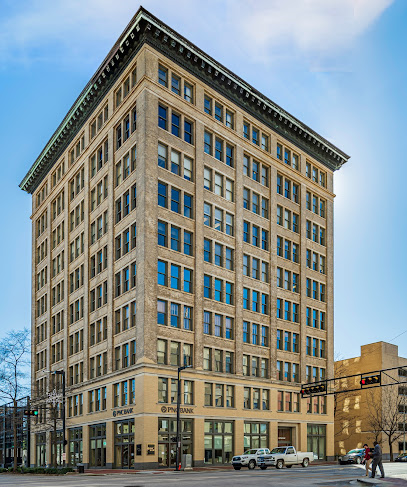
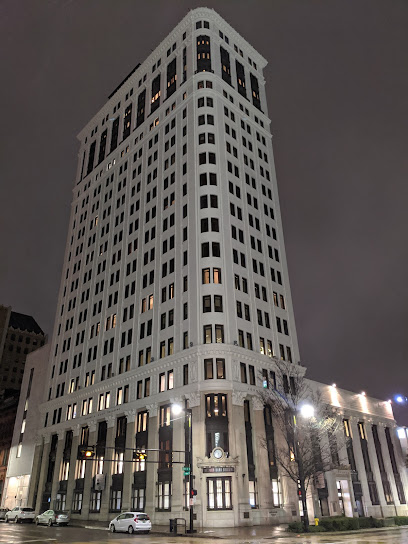
The Woodward Building
0.8 km
Birmingham's first skyscraper, the Woodward Building, showcases Chicago-style architecture and stands as a landmark of the 'Heaviest Corner on Earth'.
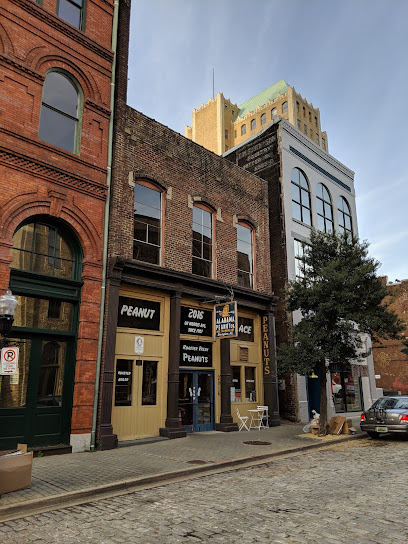
Alabama Peanut Co.
0.9 km
Birmingham's oldest peanut shop, roasting and boiling unique flavors since 1907 on historic Morris Avenue. A taste of tradition!
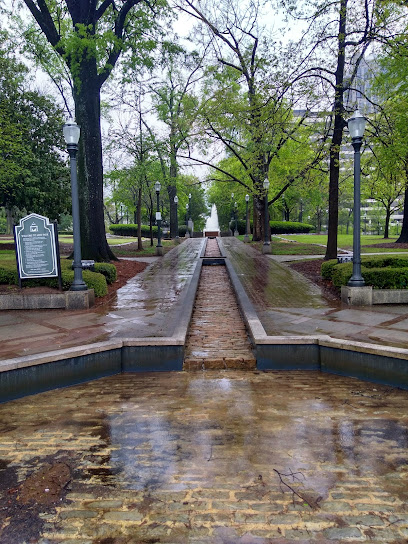
Alabama Sports Hall of Fame
1.0 km
Explore the rich history of sports at Alabama Sports Hall of Fame, where legends come alive through captivating exhibits and memorabilia.
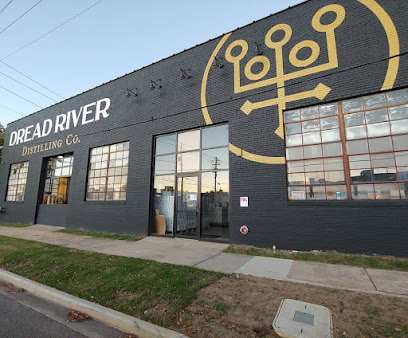
Dread River Distilling Company
2.0 km
Discover the vibrant flavors of Dread River Distilling Company in Birmingham, AL, where craft spirits meet culinary excellence in a lively atmosphere.
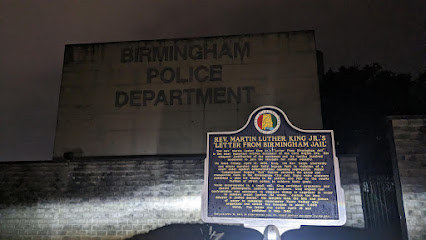
Rev. Martin Luther King Jr.’s ‘Letter From Birmingham Jail’ Marker
2.4 km
A marker commemorating Martin Luther King Jr.'s powerful 'Letter From Birmingham Jail,' a cornerstone of the Civil Rights Movement, located in front of the former Birmingham City Jail.
Five Points South Historical Marker
2.5 km
Discover the vibrant history of Birmingham's Five Points South, a charming neighborhood with stunning architecture, culinary delights, and a lively atmosphere.
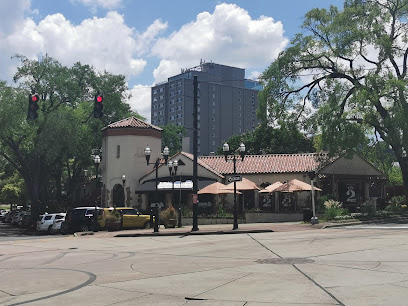
The Jordan Home (Dr. Mortimer Jordan)
3.1 km
Discover the elegance of Birmingham's past at the Jordan Home, a Neo-Classical landmark in the historic Highland Park neighborhood.
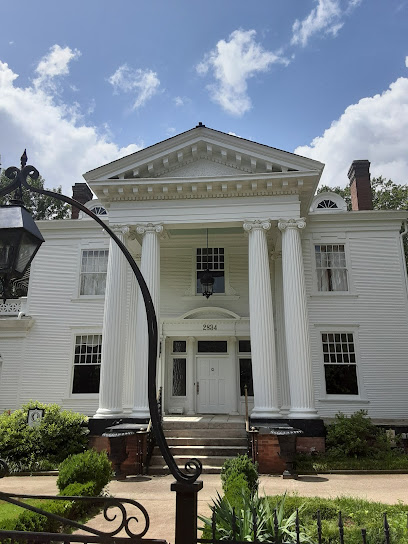
Avondale Park Historic District
3.9 km
Discover historic architecture, vibrant green spaces, and a rich cultural heritage in Birmingham's charming Avondale Park Historic District.
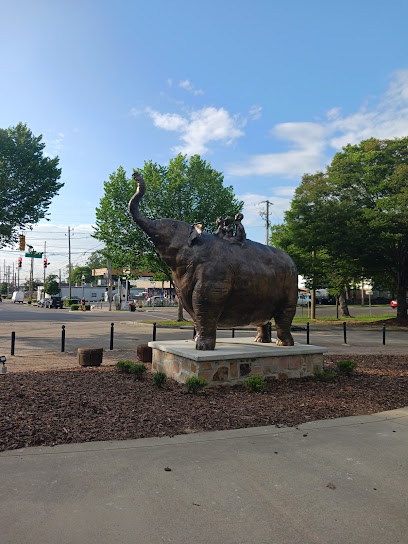
The Historic Bethel Baptist Church
4.1 km
Visit the epicenter of the non-violent Civil Rights Movement in Birmingham, AL, and explore the historic church of Reverend Fred L. Shuttlesworth.
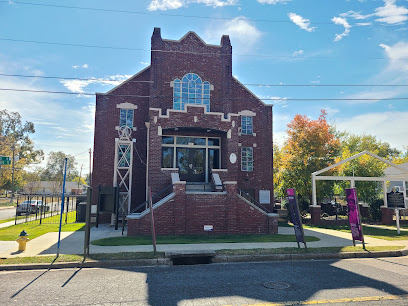
The Old Mill
6.4 km
Discover the historic charm of The Old Mill in Mountain Brook, a picturesque landmark offering a glimpse into Birmingham's past and a tranquil escape into nature's beauty.
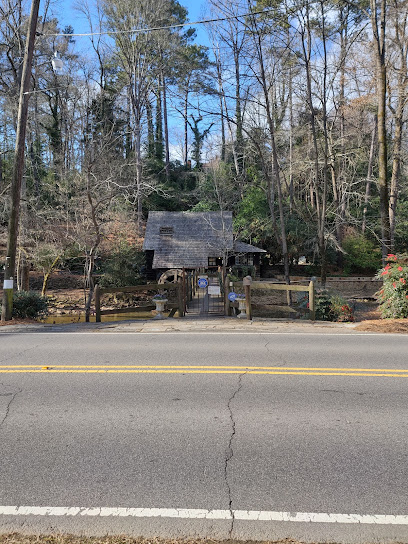
HIGHLAND HISTORIC DISTRICT
6.4 km
Explore Birmingham's Highland Historic District: a blend of architectural styles, lush parks, and a vibrant community in the heart of the Magic City.
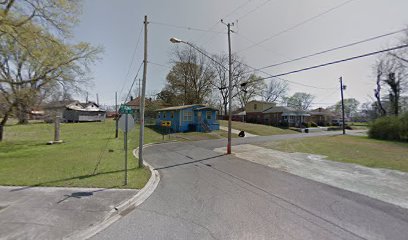
Pratt City Carline Historic District
6.7 km
Explore Birmingham's Pratt City Carline Historic District: A charming journey through time, showcasing well-preserved architecture and rich local heritage.
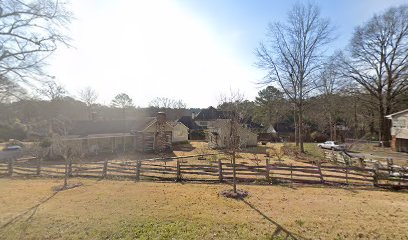
Oldest house in Shades Valley/Irondale Furnace Commissary
7.2 km
Explore Birmingham's oldest home, a preserved 19th-century commissary offering a glimpse into the lives of early settlers and the region's industrial heritage.
Unmissable attractions to see

Kelly Ingram Park
0.1 km
Explore Kelly Ingram Park in Birmingham, AL: a historic landmark memorializing the Civil Rights Movement with powerful sculptures and exhibits.
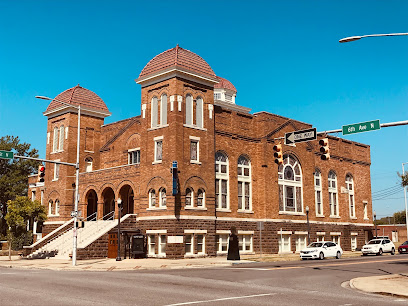
Birmingham Civil Rights Institute
0.1 km
Explore the pivotal history of the Civil Rights Movement at this powerful Birmingham museum and research center.
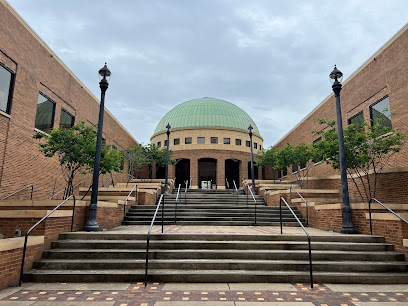
Birmingham Civil Rights National Monument
0.1 km
Explore Birmingham's Civil Rights legacy: walk the path of legends, reflect on history, and honor the fight for equality at this national monument.
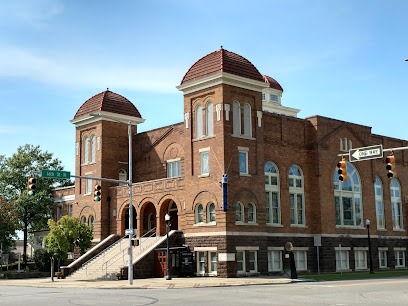
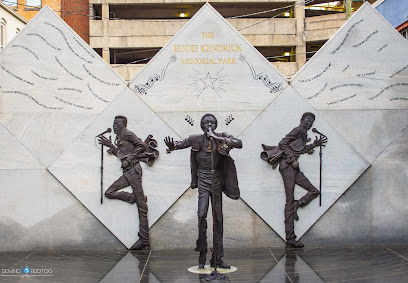
Eddie Kendrick Memorial Park
0.3 km
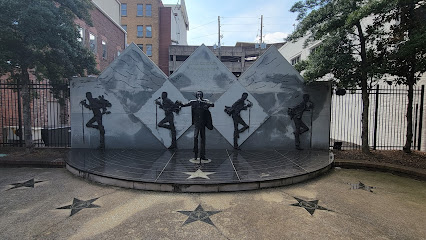
A Birmingham park honoring Eddie Kendricks of The Temptations, featuring sculptures, music, and a celebration of his Motown legacy.
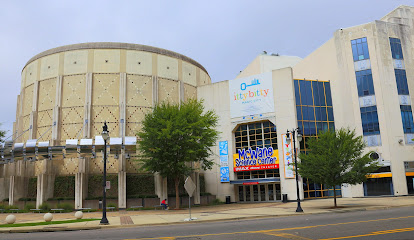
McWane Science Center
0.6 km
Explore interactive science exhibits, an aquarium, and an IMAX Dome Theater at Birmingham's leading science center.
Birmingham Museum of Art
0.7 km
Explore 27,000+ artworks spanning cultures & centuries at the Birmingham Museum of Art, the Southeast's largest municipal art museum. Free admission!
Heaviest Corner On Earth
0.8 km
Discover Birmingham's 'Heaviest Corner on Earth,' a landmark showcasing early 20th-century architectural ambition and industrial might.
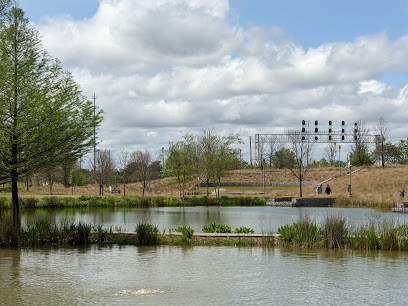
Railroad Park Foundation
0.9 km
Discover Birmingham's vibrant heart at Railroad Park: a blend of green space, recreation, and history in a revitalized urban oasis.
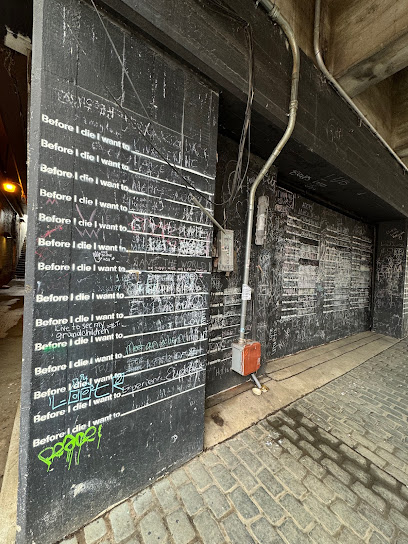
“Before I die” wall
1.0 km
Reflect on life's aspirations at Birmingham's interactive "Before I die" wall on historic Morris Avenue. A space for community and dreams.
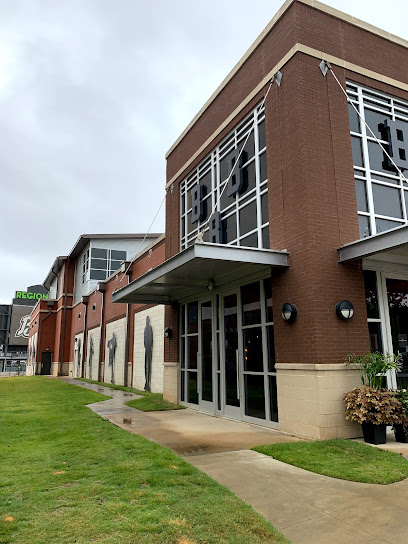
Negro Southern League Museum
1.0 km
Discover the inspiring history of African-American baseball at Birmingham's Negro Southern League Museum, a tribute to the Negro Southern League.
Sloss Furnaces National Historic Landmark
2.2 km
Explore Birmingham's industrial heritage at Sloss Furnaces, a unique National Historic Landmark offering a glimpse into the Magic City's past.
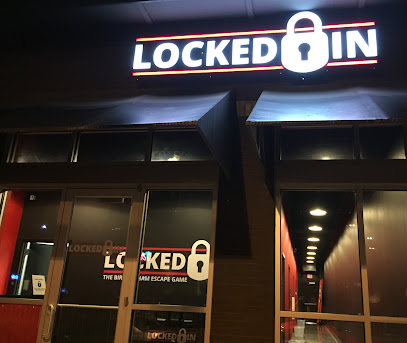
Locked In: The Birmingham Escape Game
2.4 km
Experience thrilling escape room adventures in Birmingham! Solve puzzles, find clues, and race against the clock at Locked In escape game.
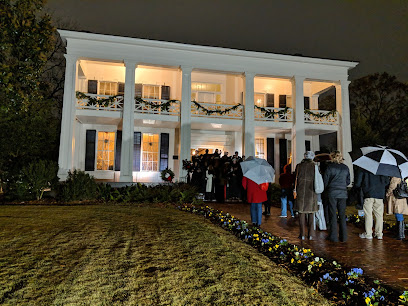
Arlington Antebellum Home & Gardens
3.0 km
Discover Birmingham's only antebellum mansion, featuring Greek Revival architecture, period furnishings, and beautiful gardens.
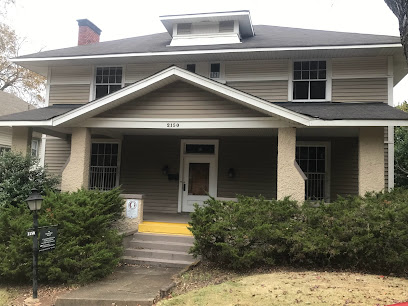
Samuel Ullman Museum
3.1 km
Discover the inspiring life and legacy of Samuel Ullman, the Birmingham humanitarian whose poem 'Youth' touched the world.
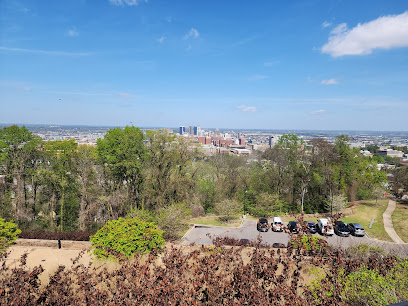
Vulcan Park and Museum
3.3 km
Discover Birmingham's history and iconic cast-iron statue at Vulcan Park and Museum, offering stunning city views and interactive exhibits.
Essential places to dine

OvenBird
2.1 km
Discover OvenBird: A Birmingham culinary gem specializing in live-fire cooking and innovative cocktails in a cozy yet elegant setting.
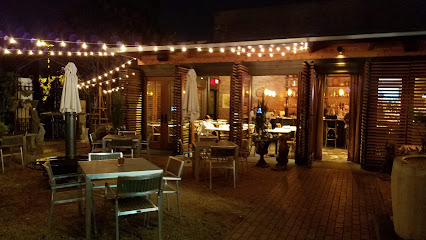
Blueprint on 3rd
2.3 km
Experience exquisite American cuisine at Blueprint on 3rd in Birmingham - where tradition meets innovation in every dish.
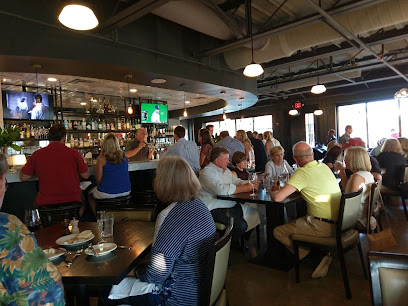
Jack Brown's Beer & Burger Joint Birmingham
2.5 km
Experience unique burgers and an extensive craft beer selection at Jack Brown's Beer & Burger Joint in Birmingham.
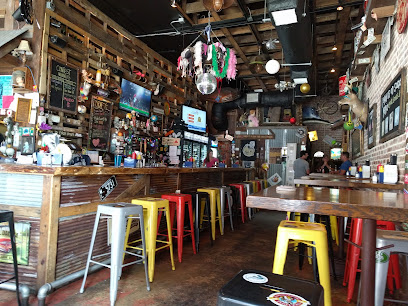
Galley & Garden
2.8 km
Experience exquisite fine dining at Galley & Garden in Birmingham - where Southern hospitality meets culinary excellence.
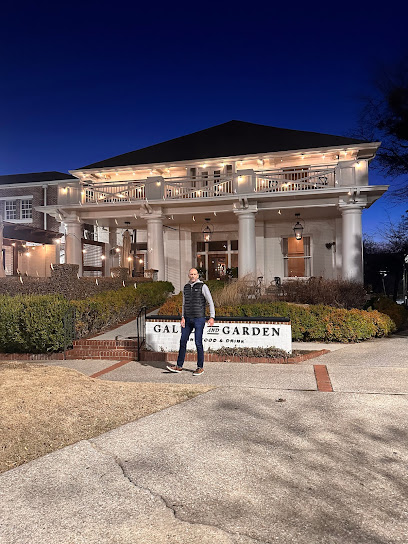
The Rougaroux
3.7 km
Experience authentic Cajun cuisine at The Rougaroux in Birmingham – where every dish tells a story.
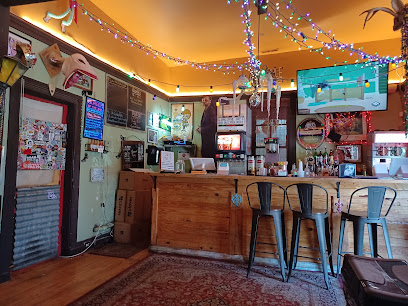
SAW’s Soul Kitchen
3.8 km
Discover authentic Southern barbecue at SAW's Soul Kitchen in Birmingham – where flavor meets hospitality in every bite.
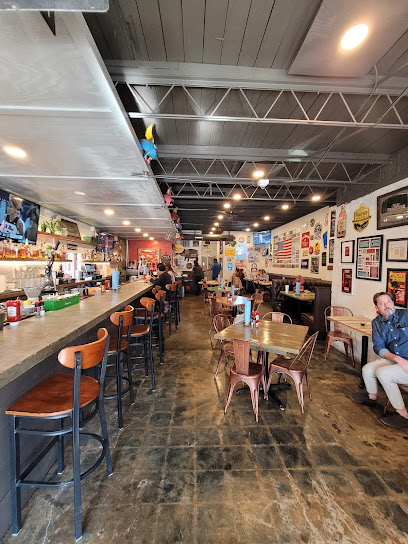
Chez Lulu
3.8 km
Experience authentic French cuisine at Chez Lulu in Birmingham—where culinary art meets Southern charm in an inviting setting.
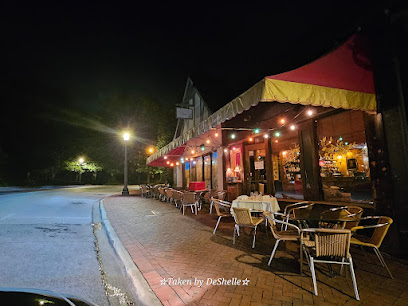
Habitat Feed & Social
4.9 km
Discover modern American cuisine at Habitat Feed & Social in Mountain Brook – where local flavors meet creative culinary artistry.
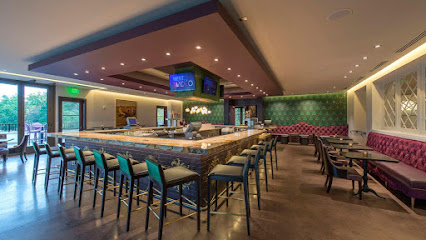
Bricktop's
6.0 km
Discover Bricktop's: A premier restaurant in Birmingham serving exquisite American cuisine in an elegant atmosphere perfect for any occasion.
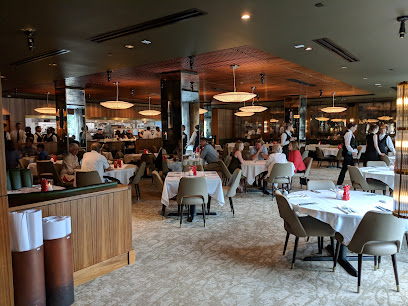
Gianmarco's Restaurant
6.1 km
Experience authentic Italian flavors at Gianmarco's Restaurant in Birmingham – where every meal feels like a celebration.
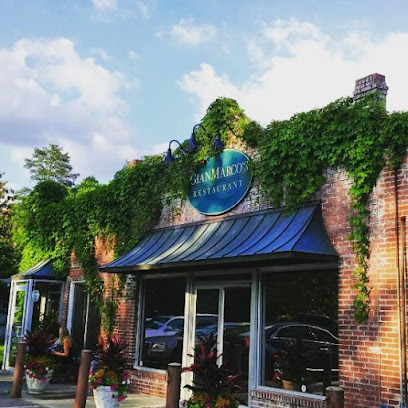
The Filling Station Bham
6.3 km
Discover the heart of Birmingham dining at The Filling Station Bham – where delicious pizzas meet Italian charm in Crestwood.
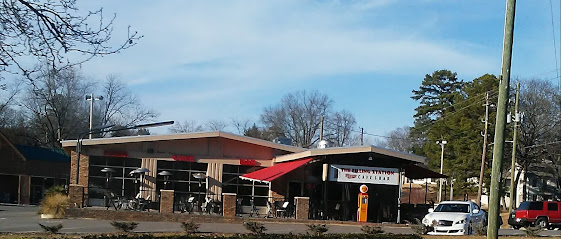
Mudtown Eat & Drink
9.7 km
Experience the best of Southern cuisine at Mudtown Eat & Drink in Birmingham – where every meal is a celebration of flavor.
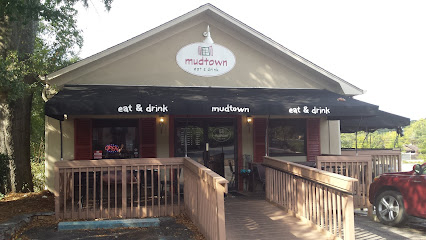
Martin's Bar-B-Que Joint
9.8 km
Experience the rich flavors of Southern barbecue at Martin's Bar-B-Que Joint in Cahaba Heights - where tradition meets taste.
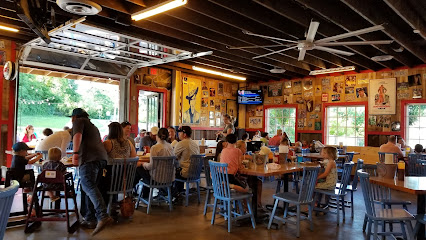
Foodbar
10.0 km
Experience the best of American cuisine at Foodbar in Vestavia Hills - where every meal is crafted with passion and flavor.
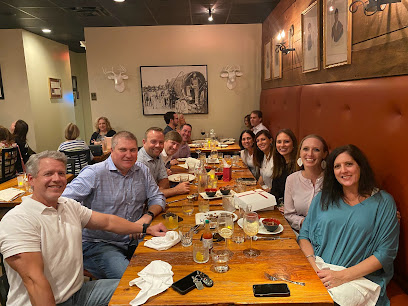
Satterfield's Restaurant
10.2 km
Experience the best of American cuisine at Satterfield's Restaurant in Birmingham—where Southern hospitality meets fine dining elegance.
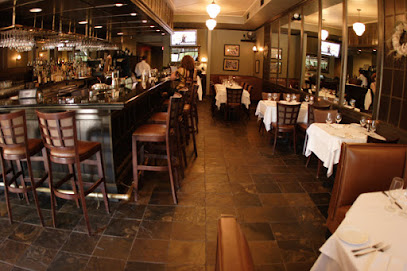
Markets, malls and hidden boutiques

Hanna Antiques Mall
2.1 km
Explore the rich history and unique treasures at Hanna Antiques Mall in Birmingham, Alabama – a collector's paradise.
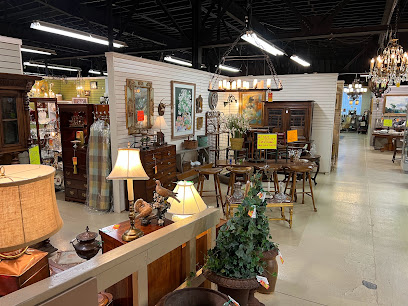
Shea Davis Boutique
4.5 km
Explore Shea Davis Boutique, a stylish women's clothing store in Homewood, Alabama, offering unique fashion and personalized shopping experiences.
Soca Clothing
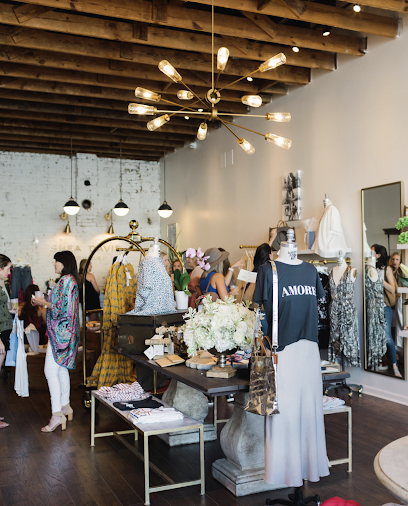
4.5 km
Explore Soca Clothing, a boutique in Homewood, AL, where style meets Southern charm with unique women's fashion and personalized service.
Alabama Goods
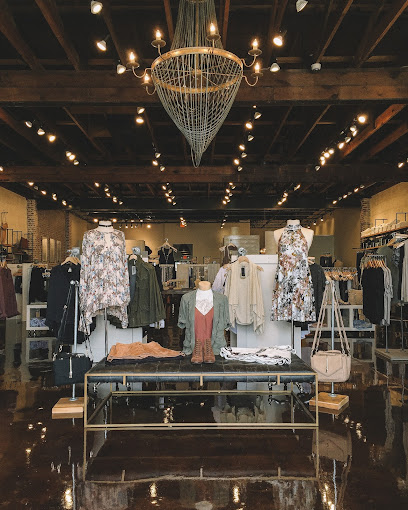
4.8 km
Explore the charm of Alabama through unique souvenirs, gift baskets, and handcrafted treasures at Alabama Goods in Homewood.
A'Mano
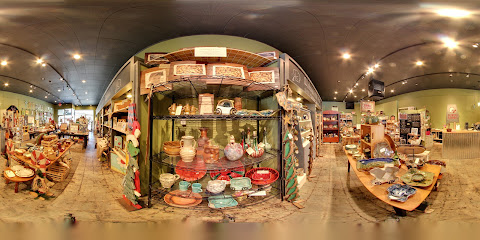
5.1 km
Discover unique handcrafted gifts at A'Mano in Mountain Brook, where local artistry meets charming ambiance, perfect for all occasions.
Stella Blu
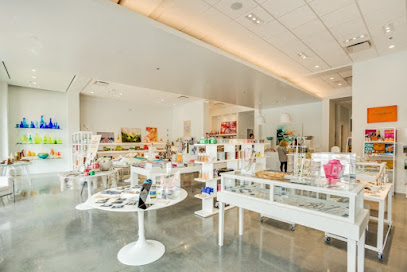
5.2 km
Experience the unique charm of Stella Blu Boutique in Mountain Brook, Alabama, where local fashion and style come together in a delightful shopping atmosphere.
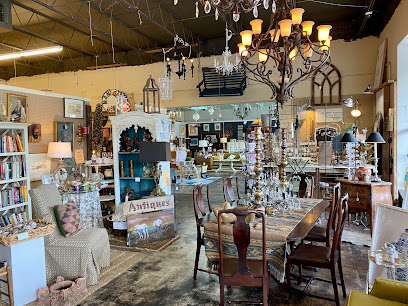
Urban Suburban Antiques
6.3 km
Discover unique antiques and art at Urban Suburban Antiques in Birmingham, a treasure trove for vintage lovers and gift seekers.
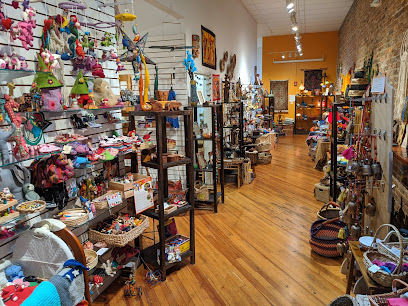
Sojourns
6.3 km
Explore Sojourns in Birmingham for unique gifts and local crafts that embody the spirit of Alabama's artistry and creativity.
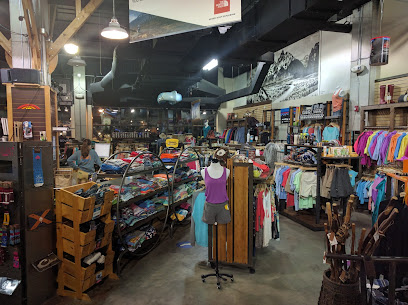
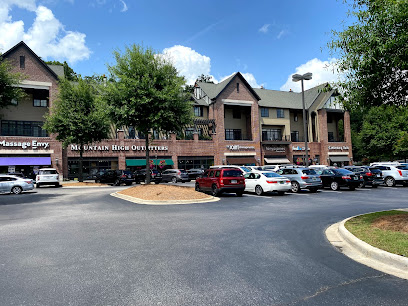
Mountain High Outfitters
8.4 km
Explore outdoor adventures with quality gear at Mountain High Outfitters, Birmingham's top destination for camping, kayaking, and more.
Cahaba Village
8.4 km
Explore Cahaba Village, a vibrant business center in Mountain Brook, Alabama, filled with unique shops, delicious dining, and community charm.
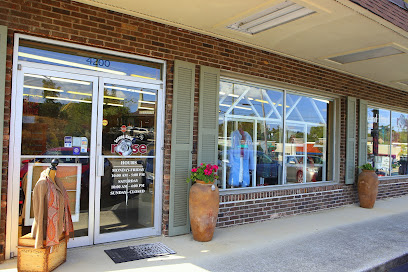
Second Hand Rose
10.0 km
Discover unique fashion treasures at Second Hand Rose, your go-to consignment shop in Cahaba Heights, Vestavia Hills, for stylish and sustainable finds.
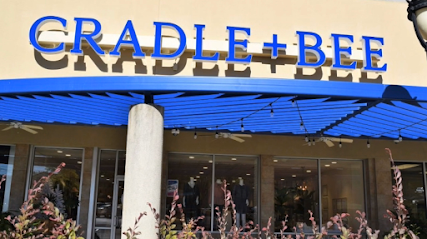
Clover + Bee
10.0 km
Discover unique gifts, women's fashion, and local craftsmanship at Clover + Bee in Birmingham, AL's Heights Village.
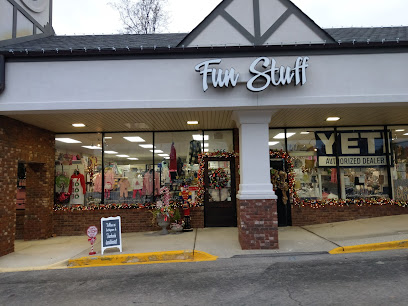
Fun Stuff
10.8 km
Explore Fun Stuff Gift Shop in Vestavia Hills, Alabama, for unique gifts and quirky treasures that capture the essence of local charm and creativity.
Lizard Thicket
10.8 km
Discover trendy women's fashion at Lizard Thicket in Birmingham, Alabama – a must-visit destination for stylish apparel and accessories.
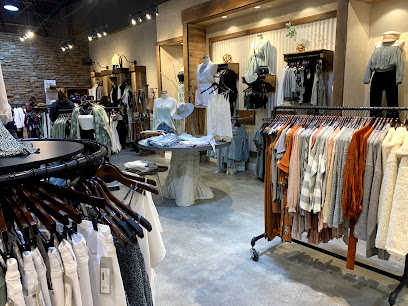
At Your Imagination
10.8 km
Explore At Your Imagination, a whimsical gift shop in Vestavia Hills offering unique treasures that capture the spirit of Alabama.
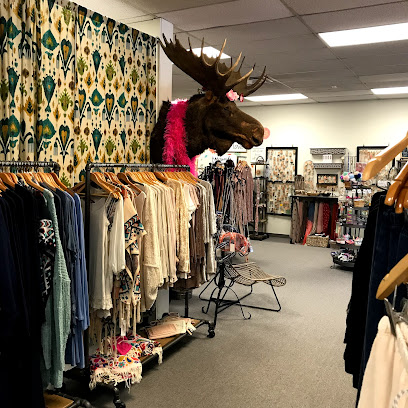
Essential bars & hidden hideouts

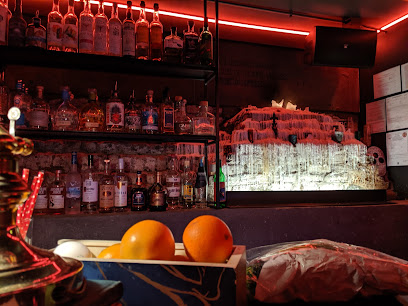
Pilcrow Cocktail Cellar
0.9 km
Discover Pilcrow Cocktail Cellar in Birmingham, AL, where expertly crafted cocktails meet a cozy, vibrant atmosphere for an unforgettable night out.
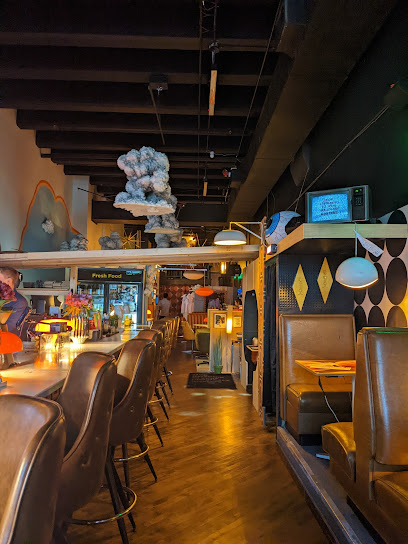
House of Found Objects
1.0 km
Experience the eclectic charm of The House of Found Objects, Birmingham's must-visit bar for unique cocktails and vibrant atmosphere.
Carrigan's Public House [21+ Only]
1.4 km
Discover Carrigan's Public House, a premier gastropub in Birmingham, offering a unique blend of gourmet dining and lively bar experiences for adults only.
![Carrigan's Public House [21+ Only]](https://evendo-location-media.s3.amazonaws.com/BarImages/7367605d-795a-46b6-ae50-1825e1d76fb0)
Mayawell Bar
2.3 km
Experience the energetic vibes and craft cocktails of Mayawell Bar in Birmingham, AL, where local culture meets nightlife excitement.
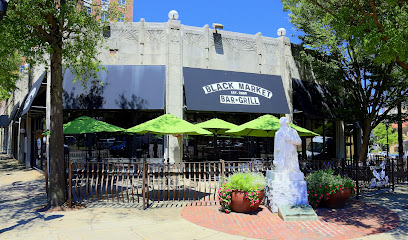
Black Market Bar + Grill
2.4 km
Experience the best of Southern cuisine at Black Market Bar + Grill in Birmingham, where delicious food meets a vibrant atmosphere.
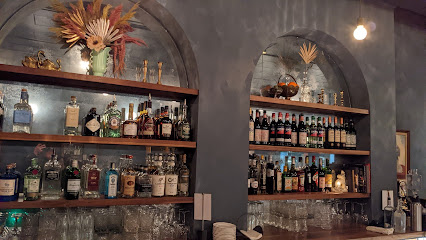
Juniper
3.7 km
Discover Juniper, Birmingham's premier cocktail bar, where innovative drinks and a cozy atmosphere create unforgettable moments.
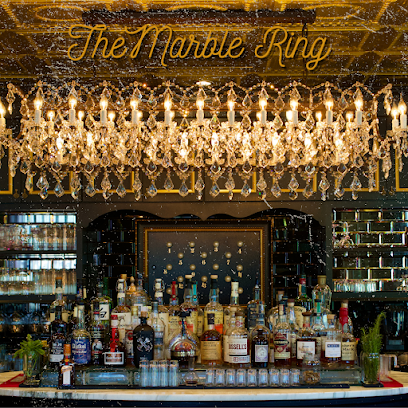
The Marble Ring
3.8 km
Experience the vibrant atmosphere and exquisite cocktails at The Marble Ring, Birmingham's premier speakeasy cocktail bar.
Key Circle Commons
3.9 km
Discover the vibrant cocktail culture at Key Circle Commons, a stylish bar in Mountain Brook offering handcrafted drinks and a cozy atmosphere.
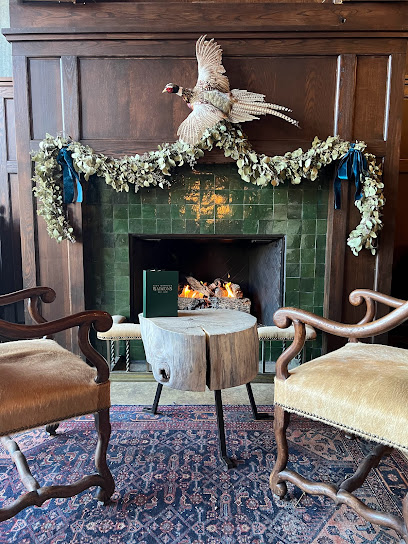
Oak Hill Bar & Grill
4.6 km
Experience the heart of Southern dining with live music and a warm atmosphere at Oak Hill Bar & Grill in Homewood, Alabama.
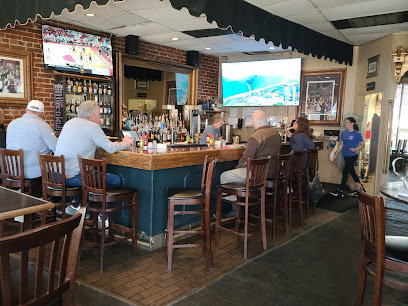
Red Lion Lounge
4.8 km
Discover the vibrant atmosphere and affordable drinks at Red Lion Lounge, the perfect bar for tourists exploring Homewood, Alabama.
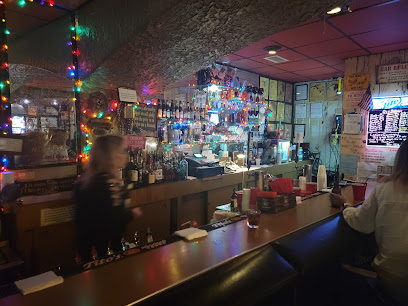
The Upper Deck
5.0 km
Experience the vibrant nightlife at The Upper Deck, Birmingham's go-to sports bar for food, drinks, and entertainment in a lively atmosphere.
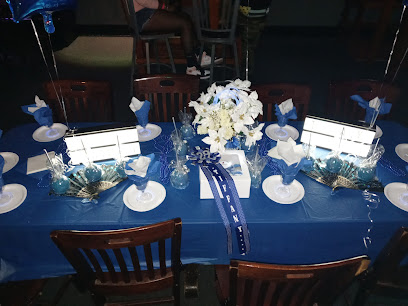
StirCrazy
6.0 km
Experience the vibrant nightlife at StirCrazy, a lively bar in Birmingham, Alabama, perfect for cocktails and good company.
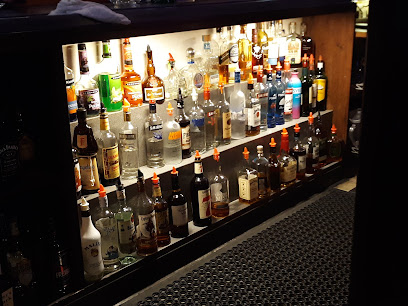
The Ridge Eat & Drink
11.0 km
Experience the best of American cuisine at The Ridge Eat & Drink in Vestavia Hills, Alabama, where delicious food meets a warm, inviting atmosphere.
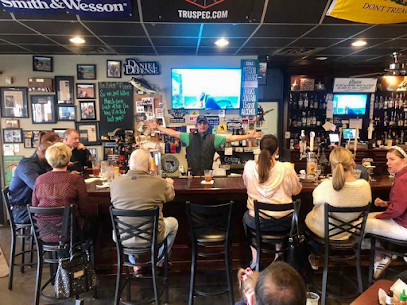
Black Market
11.8 km
Experience the vibrant flavors of Black Market Grill in Birmingham, Alabama, where delicious food meets a lively atmosphere for every occasion.
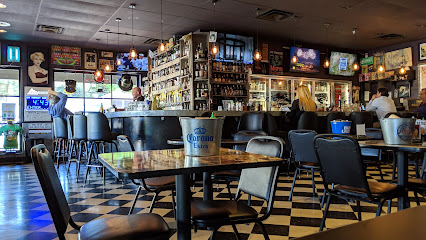
Barrister's Tavern
11.8 km
Experience the vibrant nightlife and karaoke fun at Barrister's Tavern, the ultimate bar in Vestavia Hills, Alabama.
Nightclubs & after hour spots

V lounge The Vault Bar and Lounge
0.6 km
Discover the vibrant nightlife of Birmingham at V Lounge The Vault Bar and Lounge, where chic decor meets a lively atmosphere and exceptional drinks.
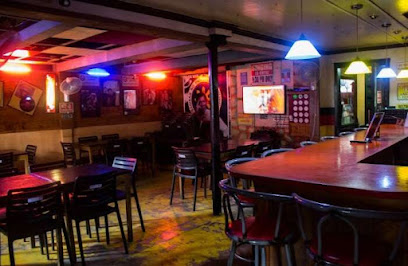
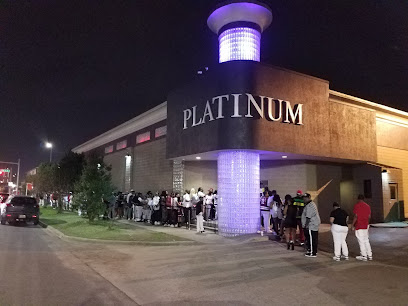
Platinum of Birmingham
1.3 km
Discover Birmingham's nightlife at Platinum, a trendy night club offering a perfect blend of music, dance, and vibrant energy.
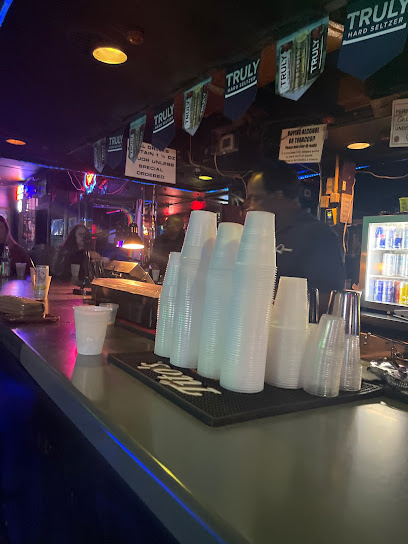
The Quest Club
1.8 km
Experience Birmingham's nightlife at The Quest Club, a lively gay night club offering vibrant events and an inclusive atmosphere for all.
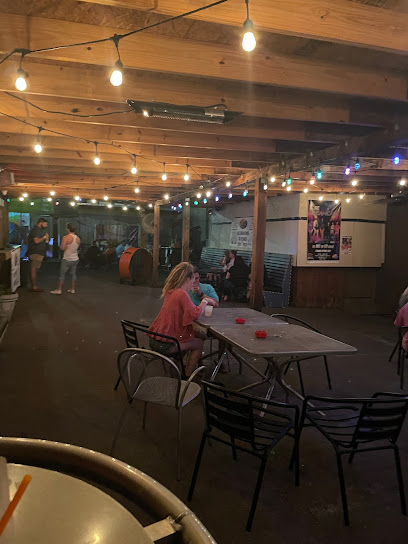
Al's on 7th
2.3 km
Discover the heartbeat of Birmingham's nightlife at Al's on 7th, a vibrant night club and gay bar offering unforgettable entertainment.
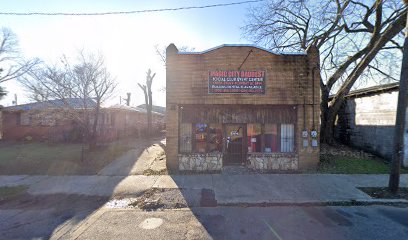
Magic City Baddest SOCIAL CLUB Night club
3.1 km
Discover the energy and excitement of Magic City Baddest SOCIAL CLUB, Birmingham's vibrant nightlife destination, where music and dance come alive.
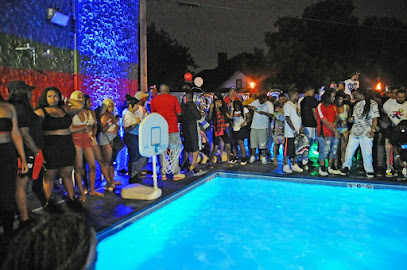
The Onyx of Birmingham
3.1 km
Discover the vibrant nightlife at The Onyx of Birmingham, where expertly crafted cocktails meet a lively atmosphere for an unforgettable evening.
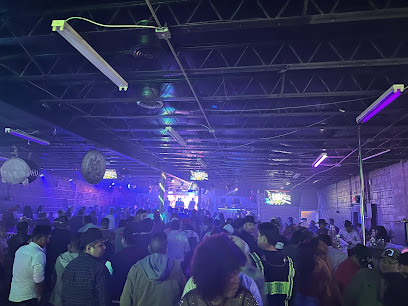
El Centenario Night Club De Birmingham Al LLC
4.1 km
Discover Birmingham's thriving nightlife at El Centenario Night Club, where music, dance, and vibrant energy create unforgettable nights.
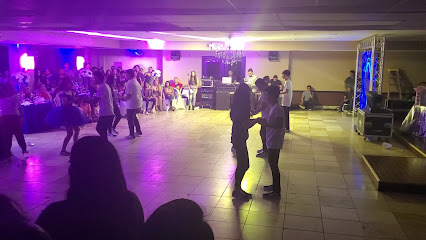
El Sol nightclub
4.8 km
Dive into the electrifying nightlife at El Sol Nightclub in Birmingham, Alabama, where unforgettable moments and vibrant energy come alive.
Sammy’s Birmingham
5.0 km
Discover the vibrant nightlife of Birmingham at Sammy's, where dance, music, and hospitality come together for an unforgettable experience.
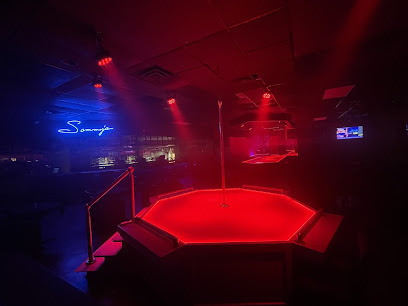
Red Wolf
8.6 km
Discover the energetic nightlife of Birmingham at Red Wolf, a premier night club offering unforgettable experiences and vibrant entertainment.
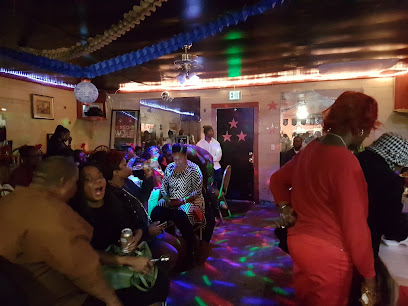
Killin' Time
50.6 km
Discover the lively atmosphere and drink variety at Killin' Time Bar in Pell City, Alabama, where locals and tourists gather for unforgettable nights.
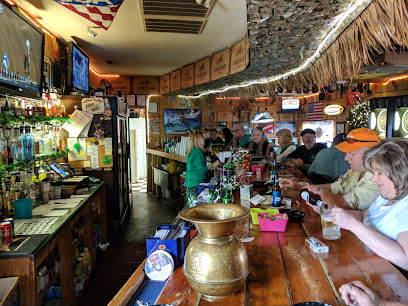
Road House Lounge
52.2 km
Discover the flavors of Pell City at Road House Lounge, where delicious grilled dishes and a lively atmosphere await every visitor.
Midnight Special Incorporated
55.0 km
Discover the heartbeat of Jasper's nightlife at Midnight Special Incorporated, a lively night club offering music, dancing, and a welcoming atmosphere.
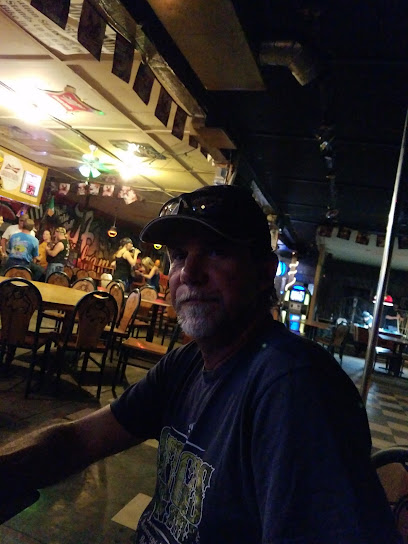
Bootleggers lounge LLC
58.0 km
Discover Bootleggers Lounge in Riverside, a lively cocktail bar serving creative drinks in a friendly atmosphere perfect for unwinding and socializing.
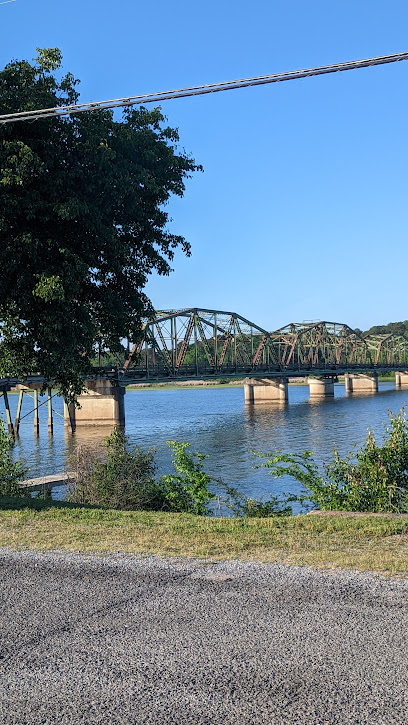
Dee Ford's West
61.3 km
Experience the perfect blend of Southern cuisine and vibrant nightlife at Dee Ford's West in Lincoln, Alabama.