

Bering Sea Coast, Alaska Travel Guide
Explore the unspoiled wilderness and rich indigenous culture of Alaska's Bering Sea Coast, where rugged landscapes meet abundant wildlife and icy waters.
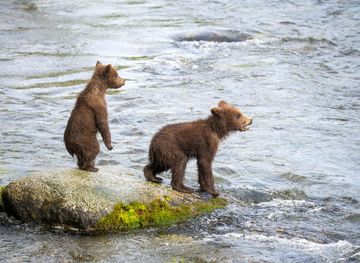
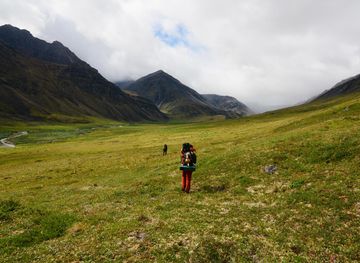
The Bering Sea Coast in Alaska offers an unparalleled glimpse into the raw beauty of nature. This destination is known for its rugged coastline, icy waters, and abundant wildlife. It is a perfect spot for adventurers and nature lovers looking to experience the great outdoors in a unique and pristine environment. Visitors to the Bering Sea Coast can explore vast stretches of unspoiled wilderness. The area is home to a variety of wildlife, including seals, walruses, and numerous bird species. Whale watching is a popular activity here, with opportunities to see humpback, gray, and orca whales in their natural habitat. For those interested in the cultural aspect, the coast is rich in indigenous history. Many communities along the Bering Sea Coast have preserved their traditional ways of life, and visitors can learn about the customs and practices of the Native Alaskan people. Whether you are hiking along the dramatic cliffs, kayaking in the frigid waters, or simply soaking in the breathtaking views, the Bering Sea Coast offers an unforgettable experience that is both thrilling and educational.

Know before you go
Hi, I'm Eve. Here are a few practical things to know before exploring Bering Sea Coast.
- Pack warm and waterproof clothing even in summer, as the weather can be unpredictable and cold.
- Book guided tours for whale watching and wildlife viewing to enhance your experience and ensure safety.
- Respect local customs and traditions when visiting indigenous communities; it’s best to ask for permission before taking photos.
- Bring binoculars for bird watching; the coast is home to many rare and migratory bird species.
- Check local tide schedules if planning coastal hikes, as high tides can make some areas inaccessible.


Explore Bering Sea Coast on the Map
A handpicked selection of must-see spots in Bering Sea Coast, mapped for you.
Bering Sea Coast Essentials
-
The Bering Sea Coast in Alaska is best accessed via air travel. The primary entry point is Nome Airport (OME), which has regular flights from Anchorage (ANC) and Fairbanks (FAI). From Nome, smaller regional airlines and charter services can take you to more remote locations along the coast. Another option is to arrive by sea; several cruise lines operate seasonal routes that include stops along the Bering Sea Coast.
-
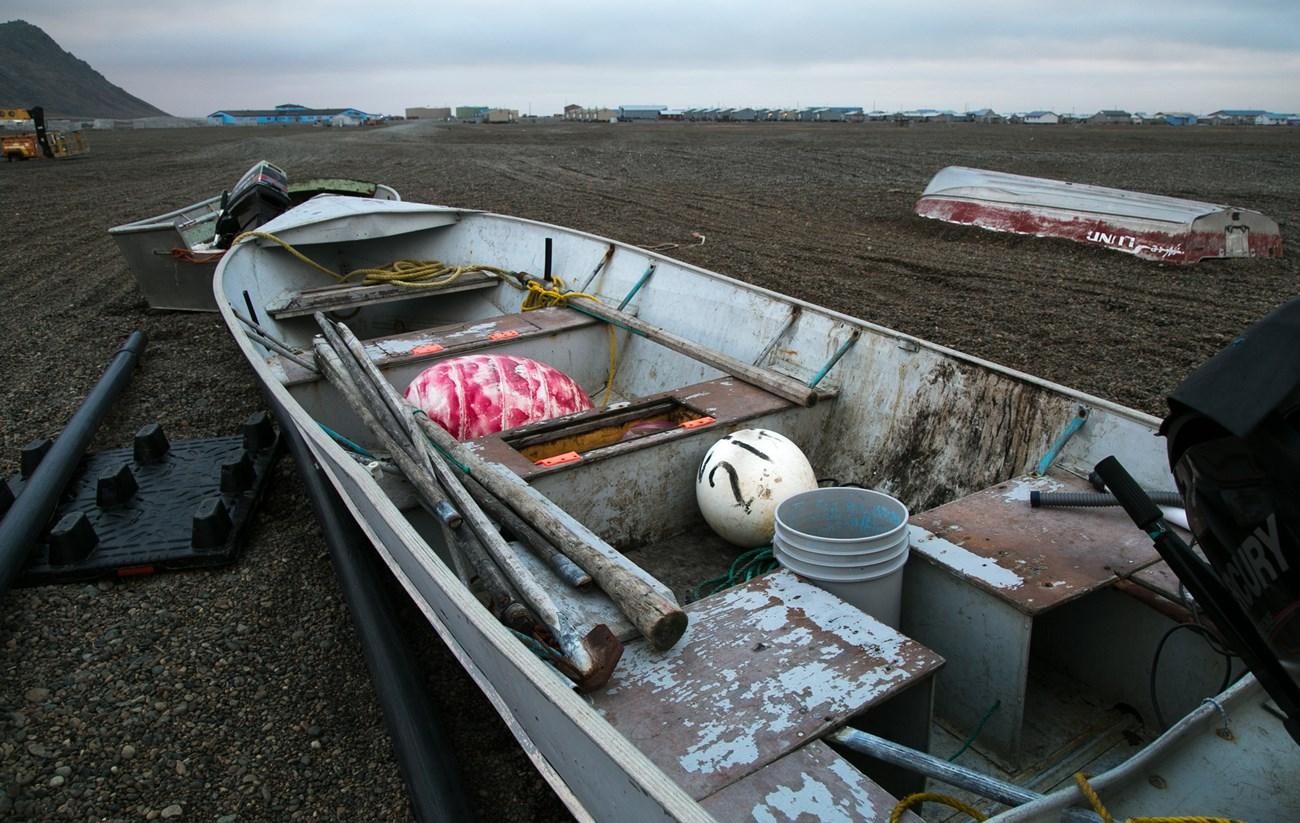
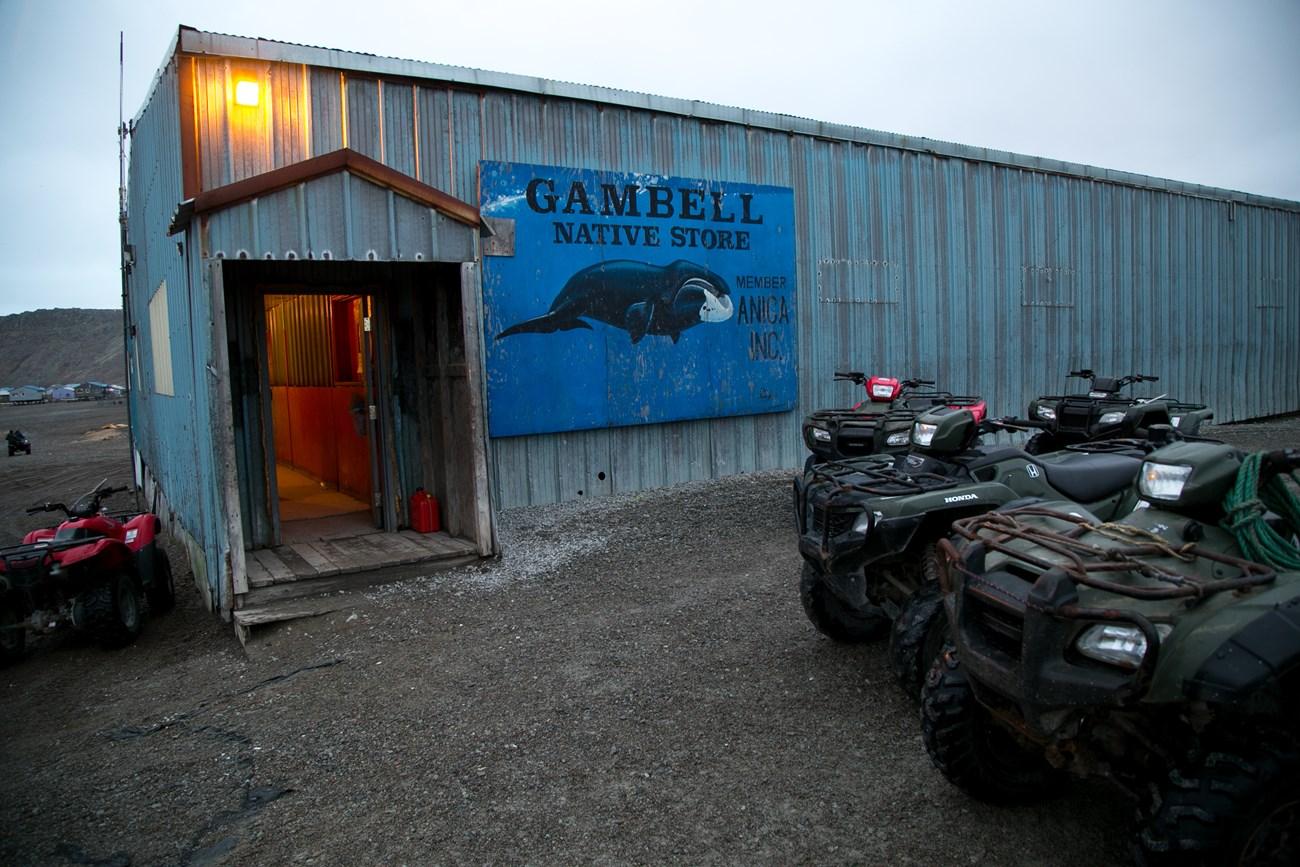
Transportation options along the Bering Sea Coast are limited due to its remote nature. In Nome, you can rent a car to explore the local area. For more remote locations, consider hiring local guides who offer transportation services by boat, ATV, or snowmobile, depending on the season. Public transportation is minimal, so planning ahead and arranging logistics is crucial.
-
The official currency is the United States Dollar (USD). Credit and debit cards are accepted in Nome and larger settlements, but it's advisable to carry cash when traveling to smaller communities. ATMs are available in Nome, but they might be scarce in remote areas, so withdraw sufficient cash before venturing further.
-
The Bering Sea Coast is generally safe for tourists, but it's essential to take standard precautions. Crime rates are low, but always be vigilant with your belongings. The primary risks come from the harsh environmental conditions, such as extreme cold, wildlife, and rugged terrain. Always inform someone of your travel plans and carry appropriate gear for the climate.
-
In case of an emergency, dial 911. Nome has medical facilities, but for serious health issues, evacuation to larger hospitals in Anchorage may be necessary. It is highly recommended to have travel insurance that includes medical evacuation coverage. For minor health issues, pharmacies are available in Nome.
-
Fashion: Do wear layers and weather-appropriate clothing, including waterproof and thermal gear. Avoid flashy or overly formal attire. Religion: Do show respect for local customs and traditions, especially when visiting indigenous communities. Public Transport: Do be patient and courteous, as transport options are limited and often shared. Don't expect frequent schedules. Greetings: Do greet people with a friendly nod or a handshake. Eating & Drinking: Do try local seafood and traditional dishes. Don't waste food, as it is considered disrespectful.
-
To experience the Bering Sea Coast like a local, engage with community events such as the Iditarod Trail Sled Dog Race in Nome. Visit local museums and cultural centers to learn about indigenous heritage. Always be respectful of wildlife and natural habitats. Participate in local fishing or hunting expeditions for a genuine Alaskan experience.
When is the best time to visit Bering Sea Coast?
Useful Local Phrases for Bering Sea Coast
You don't need to speak the language perfectly. Even learning a few simple words can make conversations warmer—and locals usually appreciate the effort.
— Eve

Here are the phrases I use most often in Bering Sea Coast. Try a few—you'll be surprised how far they go! 😊
❤️
-
- HelloAsa
[Ah-sah] - GoodbyeQagak
[Kah-gahk] - YesAag'a
[Ahg-ah] - NoAq'iyu
[Ahk-ih-yoo] - Please/You're welcomeQingqaq
[Keen-gahk] - Thank youQuyana
[Kwee-ah-nah] - Excuse me/SorryQingqaq
[Keen-gahk] - How are you?Qanqik?
[Kahn-kik] - Fine. And you?Aq'iyi. Qanqik?
[Ahk-ih-yee. Kahn-kik] - Do you speak English?Inglisiaq?
[Eeng-lees-yahk] - I don't understandAnuqa maligak
[Ah-noo-kah mah-lee-gahk]
- HelloAsa
-
- I'd like to see the menu, pleaseAq'iyi menu, qingqaq
[Ahk-ih-yee meh-noo, keen-gahk] - I don't eat meatAnuqa meq'ik
[Ah-noo-kah meh-kee-k] - Cheers!Qugak!
[Koo-gahk] - I would like to pay, pleaseAq'iyi qik'ik, qingqaq
[Ahk-ih-yee kee-kee-k, keen-gahk]
- I'd like to see the menu, pleaseAq'iyi menu, qingqaq
-
- Help!Taq'ik!
[Tahk-ihk] - Go away!Aq'iyi illik!
[Ahk-ih-yee ill-ik] - Call the Police!Qanqik Police!
[Kahn-kik Poh-lees] - Call a doctor!Qanqik doctor!
[Kahn-kik dok-tor] - I'm lostAq'iyi illik
[Ahk-ih-yee ill-ik] - I'm illAq'iyi illik
[Ahk-ih-yee ill-ik]
- Help!Taq'ik!
-
- I'd like to buy...Aq'iyi qangqak...
[Ahk-ih-yee kahng-kahk] - I'm just lookingAq'iyi qingqaqta
[Ahk-ih-yee keen-gahk-tah] - How much is it?Qanqik qangqik?
[Kahn-kik kahng-kik] - That's too expensiveQanqik aq'iyu
[Kahn-kik ahk-ih-yoo] - Can you lower the price?Qanqik qangqik aq'iyu?
[Kahn-kik kahng-kik ahk-ih-yoo]
- I'd like to buy...Aq'iyi qangqak...
-
- What time is it?Qanqik qagak?
[Kahn-kik kah-gahk] - It's one o'clockQagak tuq'ik
[Kah-gahk took-ihk] - Half past (10)Qagak ik'ik (10)
[Kah-gahk eek-ihk (10)] - MorningQagak qanuq
[Kah-gahk kah-noo-k] - AfternoonQagak t'anqik
[Kah-gahk tahn-kik] - EveningQagak t'uk'ik
[Kah-gahk took-ihk] - YesterdayQagak qiyuq
[Kah-gahk kee-yook] - TodayQagak qak'ik
[Kah-gahk kahk-ihk] - TomorrowQagak t'uk'ik
[Kah-gahk took-ihk] - 1T'ik
[Tee-k] - 2Niq
[Neek] - 3Qiq
[Kee-k] - 4Niq'ik
[Neek-ihk] - 5T'iq'ik
[Tee-kihk] - 6Qaq'ik
[Kah-kihk] - 7Niq't'uq
[Neek-took] - 8Qaq't'uq
[Kah-kahk-took] - 9Niq't'uk
[Neek-took] - 10T'ik'ik
[Tee-kihk]
- What time is it?Qanqik qagak?
-
- Where's a/the...?Qanqik t'uk'ik?
[Kahn-kik took-ihk] - What's the address?Qanqik address?
[Kahn-kik ah-dress] - Can you show me (on the map)?Qanqik map'ik?
[Kahn-kik mahp-ihk] - When's the next (bus)?Qanqik next bus'ik?
[Kahn-kik nekt bus-ihk] - A ticket (to ....)Qanqik ticket'ik (to ...)
[Kahn-kik tee-ket-ihk (to ...)]
- Where's a/the...?Qanqik t'uk'ik?
History of Bering Sea Coast
-
For thousands of years, the Bering Sea Coast in Alaska has been home to indigenous peoples such as the Yup'ik, Iñupiat, and Aleut communities. These groups developed unique cultures and ways of life that were closely tied to the sea, relying on marine resources for food, clothing, and tools. Traditional practices like whaling, seal hunting, and fishing were integral to their survival and cultural identity.
-
During the last Ice Age, the Bering Land Bridge connected Asia and North America, allowing the first humans to migrate into the Americas. This land bridge, known as Beringia, was a vital migration route for various species, including human populations. The existence of Beringia has been a significant subject of study for archaeologists and historians trying to understand the peopling of the Americas.
-
In the 18th century, Russian explorers and fur traders ventured into the Bering Sea region. Vitus Bering, a Danish explorer in Russian service, led several expeditions that mapped the coast and initiated the fur trade. The Russian-American Company established trading posts along the coast, and the lucrative fur trade led to increased Russian influence in the area until the sale of Alaska to the United States in 1867.
-
In 1867, the United States purchased Alaska from the Russian Empire for $7.2 million, an event often referred to as 'Seward's Folly' after U.S. Secretary of State William H. Seward. This transaction dramatically altered the political landscape of the Bering Sea Coast, ushering in a new era of American presence and governance in the region.
-
During World War II, the Bering Sea Coast and the Aleutian Islands became strategically important. The Japanese occupation of Attu and Kiska in 1942 prompted the United States to launch the Aleutian Campaign to reclaim these islands. The harsh conditions and challenging terrain made this one of the most difficult military campaigns of the war. The battle for the Aleutians highlighted the strategic significance of the Bering Sea region.
-
In the late 19th and early 20th centuries, the discovery of gold in Nome attracted thousands of prospectors to the Bering Sea Coast. The Nome Gold Rush of 1899 transformed the region, leading to the establishment of the town of Nome. This period saw a rapid influx of people, the development of infrastructure, and significant economic activity driven by the pursuit of gold.
-
In recent decades, the Bering Sea Coast has faced environmental challenges, including the impacts of climate change, overfishing, and pollution. The melting of sea ice, changes in marine ecosystems, and the decline of certain species have raised concerns among scientists, indigenous communities, and policymakers. Efforts to address these issues are ongoing, highlighting the importance of sustainable practices and environmental stewardship in the region.
Neighbouring Regions of Bering Sea Coast
The closest regions to Bering Sea Coast, if you have time for more than one.




Your all‑in‑one travel companion app
Explore expert travel guides, compare and book tours, experiences, hotels, and more—all from the palm of your hand. Download now for seamless trip planning wherever your wanderlust takes you.


Explore More of Alaska

Looking beyond Bering Sea Coast? Discover Alaska for broader travel guides, local hot-spots, and regional highlights.
Explore AlaskaBering Sea Coast in Photos
Browse through our photo collection highlighting the charm and character of the destination.


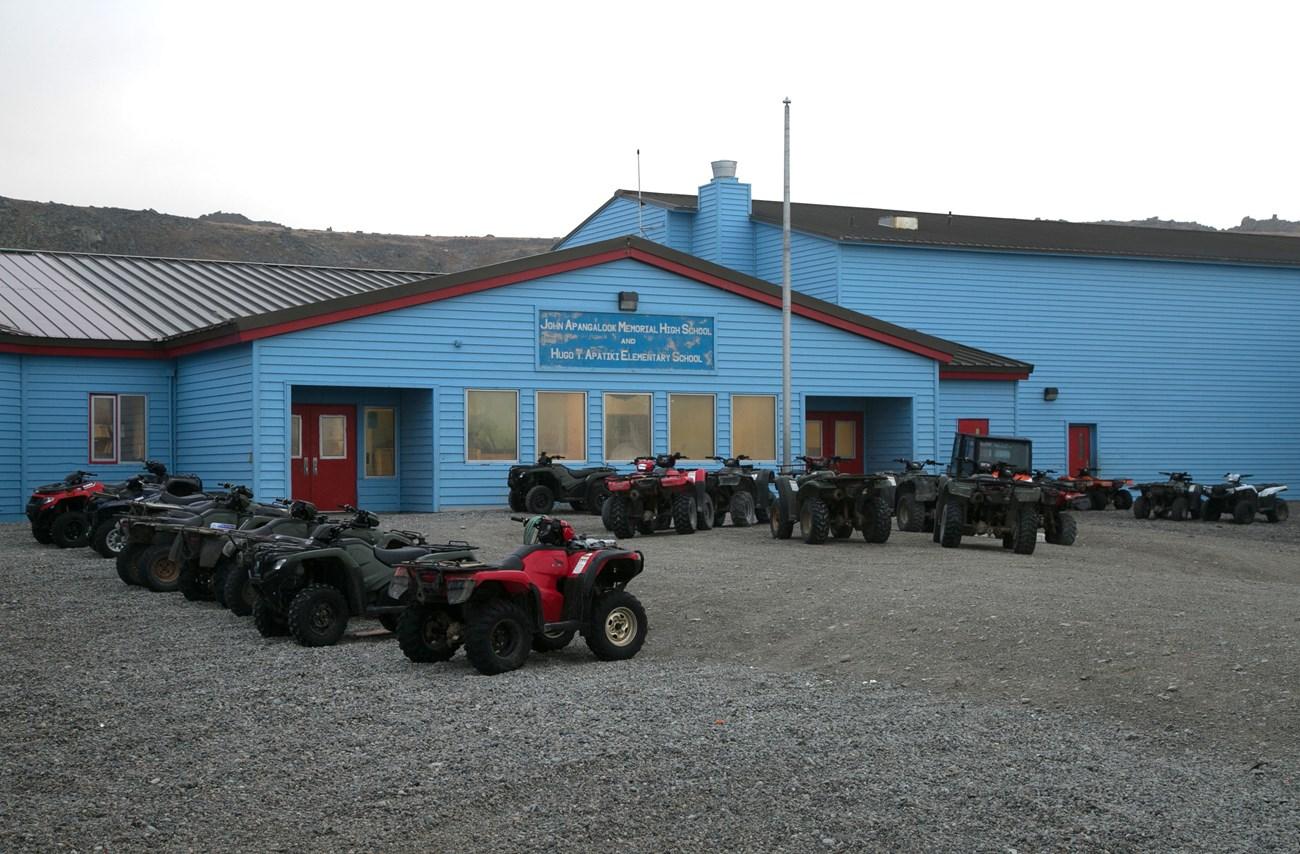


The Wild and Majestic Bering Sea Coast
The Bering Sea Coast in Alaska offers an unparalleled glimpse into the raw beauty of nature. This destination is known for its rugged coastline, icy waters, and abundant wildlife. It is a perfect spot for adventurers and nature lovers looking to experience the great outdoors in a unique and pristine environment. Visitors to the Bering Sea Coast can explore vast stretches of unspoiled wilderness. The area is home to a variety of wildlife, including seals, walruses, and numerous bird species. Whale watching is a popular activity here, with opportunities to see humpback, gray, and orca whales in their natural habitat. For those interested in the cultural aspect, the coast is rich in indigenous history. Many communities along the Bering Sea Coast have preserved their traditional ways of life, and visitors can learn about the customs and practices of the Native Alaskan people. Whether you are hiking along the dramatic cliffs, kayaking in the frigid waters, or simply soaking in the breathtaking views, the Bering Sea Coast offers an unforgettable experience that is both thrilling and educational.