
Arctic Alaska, Alaska Travel Guide
Experience the untouched beauty and rich cultural heritage of Arctic Alaska, where the wilderness and indigenous traditions create an unforgettable adventure.
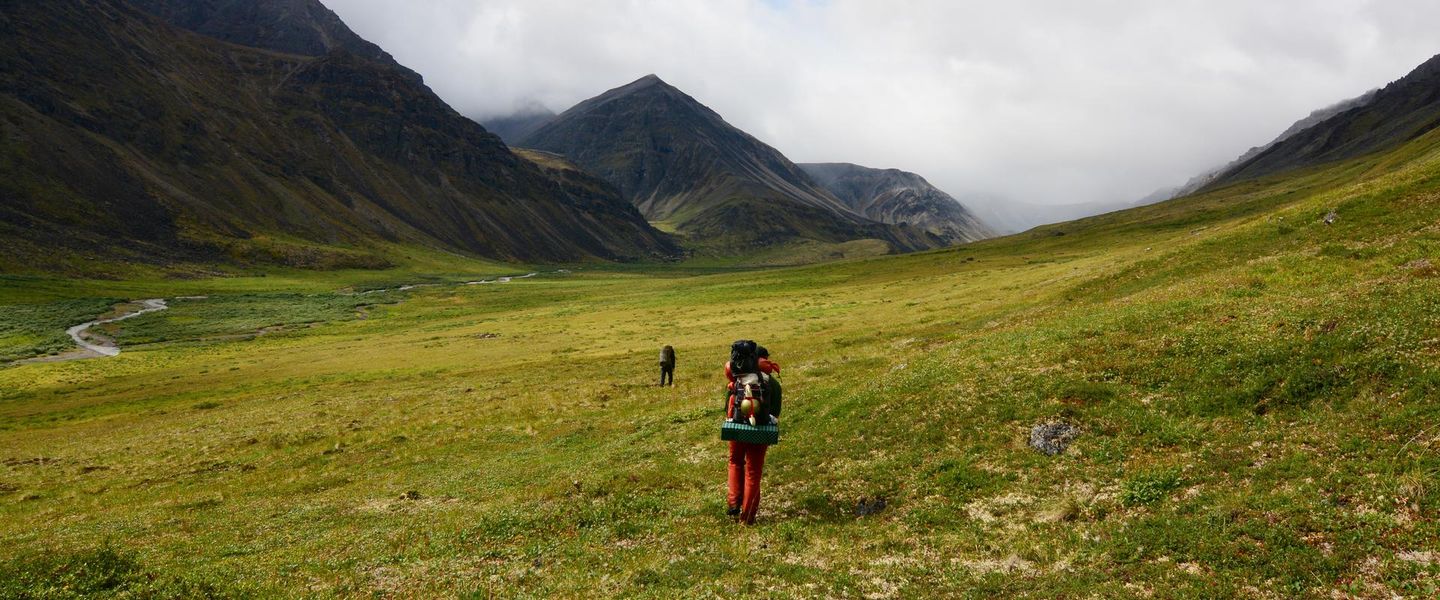
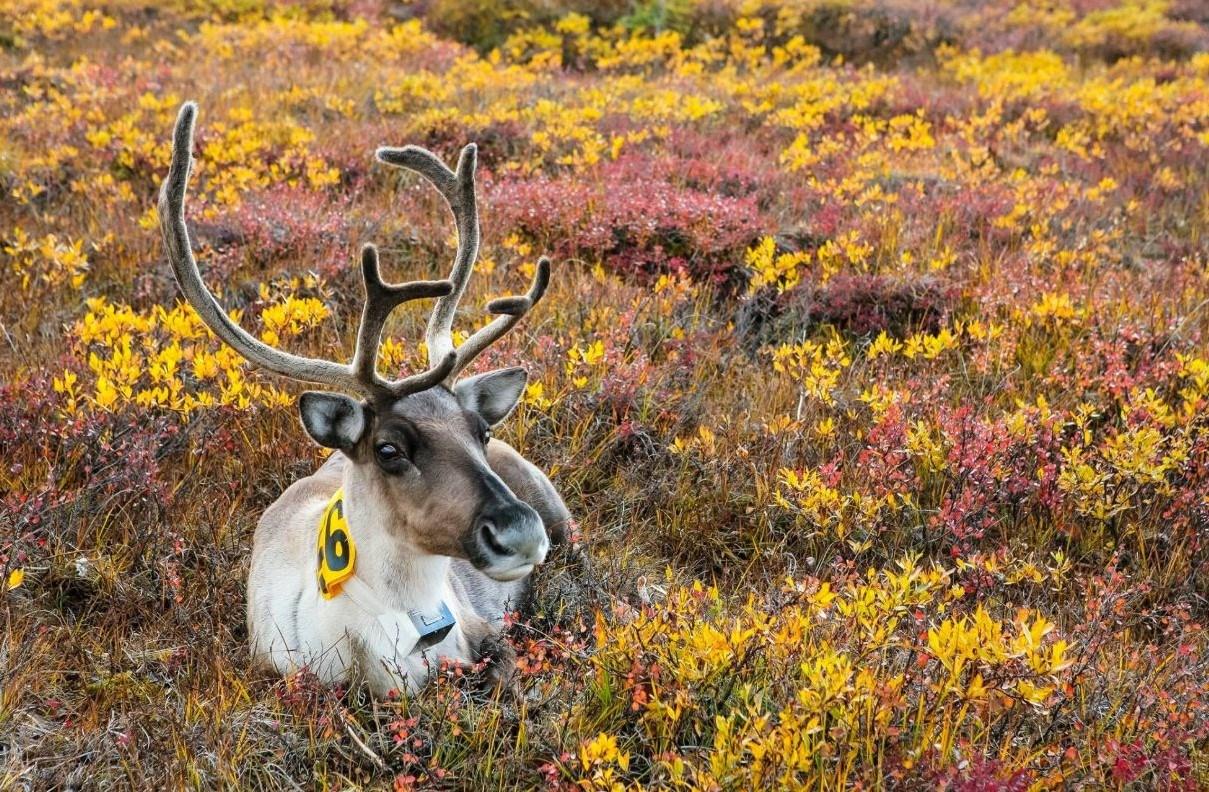
Arctic Alaska, the northernmost region of the United States, offers a unique adventure for those looking to experience untouched natural beauty and the vibrant culture of indigenous communities. The vast, icy landscapes, including the Arctic National Wildlife Refuge and the Brooks Range, provide a stunning backdrop for outdoor enthusiasts and nature lovers. Visitors can witness the awe-inspiring Northern Lights, enjoy dog sledding, and explore the diverse wildlife, from polar bears to caribou. In the summer, the land of the midnight sun offers endless daylight, perfect for hiking, fishing, and kayaking in the pristine rivers and lakes. The native Iñupiat and Gwich'in cultures offer rich traditions and histories, with opportunities to learn about their way of life through cultural tours and local museums. Arctic Alaska is not just about the wilderness; it's also about the people who have thrived in this harsh environment for thousands of years. Experience the remote villages, where you can engage with local artisans, taste traditional foods, and participate in community events that highlight the resilience and ingenuity of the Arctic people.

Know before you go
Hi, I'm Eve. Here are a few practical things to know before exploring Arctic Alaska.
- Pack layered clothing to adapt to the extreme and varying weather conditions.
- Plan your trip around the Northern Lights season (late August to early April) for the best chance to see them.
- Respect local wildlife and keep a safe distance, especially from polar bears and other large animals.
- Consider booking guided tours to gain deeper insights into the local culture and natural history.
- Prepare for limited connectivity; many remote areas have little to no cell service.
- Bring a high-quality camera with extra batteries to capture the stunning landscapes and wildlife.

Best bars in Arctic Alaska
Top-rated picks
Best Bars

The Boathouse
Savor the finest seafood and American cuisine at The Boathouse, where stunning waterfront views enhance your dining experience.

Burger Bar
Savor the taste of classic American burgers at Burger Bar in Roy, Utah, where quality meets nostalgia in every bite.

The Optimist
Experience the essence of the sea at The Optimist, Atlanta's premier seafood restaurant with a fine dining twist.

The District Tap
Experience a lively blend of delicious food, craft drinks, and live entertainment at The District Tap in Indianapolis.

Best shops in Arctic Alaska
Top-rated picks
Best Shops

Market District Supermarket
Explore the vibrant flavors and fresh produce at Market District Supermarket in Carmel, Indiana - a foodie haven for all tastes.

Macy's
Discover a shopper's paradise at Macy's in Palo Alto, featuring top brands in fashion, beauty, and children's clothing, all in one magnificent location.

WinCo Foods
Discover a diverse grocery experience at WinCo Foods in Pocatello, offering fresh produce, local specialties, and budget-friendly prices.

Winters Recreation
Discover Winters Recreation in Sauk Centre, Minnesota, your ultimate destination for golf carts and snowmobiles, perfect for any outdoor adventure.

Explore Arctic Alaska on the Map
A handpicked selection of must-see spots in Arctic Alaska, mapped for you.
Arctic Alaska Essentials
-
Arctic Alaska is a remote and pristine region in the northernmost part of the United States. The primary gateway to Arctic Alaska is Fairbanks, which has an international airport, Fairbanks International Airport (FAI). From Fairbanks, you can take a regional flight to smaller communities such as Utqiaġvik (formerly Barrow), Nome, or Kotzebue. Alaska Airlines and Ravn Alaska are the main airlines operating these routes. Alternatively, adventurous travelers can opt for a road trip along the Dalton Highway (Alaska Route 11), which stretches from Fairbanks to Deadhorse, near Prudhoe Bay.
-
Once in Arctic Alaska, transportation options are limited due to the remote and rugged landscape. Within communities, local taxis and shuttle services are available, but be prepared for higher costs due to the isolated location. For those looking to explore the wilderness, renting a 4x4 vehicle is recommended. Keep in mind that some areas are only accessible by plane or boat. Charter flights and bush planes are commonly used to reach remote villages and natural attractions. Snowmobiles and dog sleds are popular modes of transport during the winter months.
-
The official currency in Arctic Alaska is the US Dollar (USD). Credit cards are widely accepted in larger towns such as Utqiaġvik and Nome, but it is advisable to carry cash, especially when traveling to smaller or more remote communities. ATMs are available in major towns, but may be scarce or nonexistent in isolated areas. It's a good idea to withdraw sufficient cash before venturing into the wilderness.
-
Arctic Alaska is generally safe for tourists, but the harsh environment poses unique challenges. Always dress warmly in layers and be prepared for sudden weather changes. Inform someone of your travel plans and expected return time if venturing into the wilderness. While crime rates are relatively low, it is still wise to take standard precautions such as keeping valuables secure and not walking alone at night in unfamiliar areas. Some remote areas may have limited law enforcement presence.
-
In case of emergency, dial 911 for immediate assistance. Be aware that response times may be longer in remote areas. Major towns have medical facilities, but more specialized care may require evacuation to Fairbanks or Anchorage. It is highly recommended to have comprehensive travel insurance that includes coverage for medical emergencies and evacuation. For minor health issues, local clinics and pharmacies are available in larger communities.
-
Fashion: Do dress in layers and wear appropriate cold-weather gear, including thermal clothing, waterproof boots, and insulated jackets. Avoid bringing fashion-forward but impractical clothing. Religion: Do respect local indigenous cultures and traditions. Learn about the customs of the Iñupiat and other native groups. Public Transport: Do be patient and adaptable, as transportation schedules may change due to weather conditions. Don't expect frequent public transport services. Greetings: Do greet locals with a friendly nod or handshake. A simple 'hello' or 'good day' is appreciated. Eating & Drinking: Do try local delicacies such as muktuk (whale blubber) and akutaq (Eskimo ice cream). Don't refuse food offerings, as it is considered impolite.
-
To experience Arctic Alaska like a local, engage with the indigenous communities and participate in cultural events such as Nalukataq (spring whaling festival) in Utqiaġvik or the Iditarod Trail Sled Dog Race in Nome. Visit local museums to learn about the history and heritage of the region. Respect wildlife and follow guidelines for safe viewing of animals such as polar bears, caribou, and migratory birds. For a unique experience, take a guided tour to witness the Northern Lights (Aurora Borealis) during the winter months.
When is the best time to visit Arctic Alaska?
Useful Local Phrases for Arctic Alaska
You don't need to speak the language perfectly. Even learning a few simple words can make conversations warmer—and locals usually appreciate the effort.
— Eve

Here are the phrases I use most often in Arctic Alaska. Try a few—you'll be surprised how far they go! 😊
❤️
-
- Helloᑐᓂᖏᑐᖅ
[Tuniqtuq] - Goodbyeᑐᖕᖕᖏᑐᖅ
[Tungnigtuq] - Yesᓂᖅᑖᖏᑐᖅ
[Niqtaqtuq] - Noᐊᓘᑎᖏᑐᖅ
[Alitinngtuq] - Please/You're welcomeᓚᓳᖅ
[Lasaq] - Thank youᓚᓳᖅᑐᖅ
[Lasaqtuq] - Excuse me/Sorryᐊᑲᕙᒃ
[Aqavak] - How are you?ᓄᓇᖅᑐᖅ?
[Noonaqtuq?] - Fine. And you?ᐱᖅᑐᖅ. ᐊᖏᖅ?
[Piqtuq. Aŋiq?] - Do you speak English?ᐊᖅᑕᖅ ᐱᖅᐸᖅᑐᖅ?
[Aqtaq Piqatqtuq?] - I don't understandᐅᓗᖅᑕᖅᑐᖅ
[Uluqtaqtuq]
- Helloᑐᓂᖏᑐᖅ
-
- I'd like to see the menu, pleaseᖃᑎᑕᖅ ᐅᖃᐅᓗᖅ, ᓚᓳᖅ
[Qatichaq Uqaluq, Lasaq] - I don't eat meatᐊᖅᑕᖅᑐᖅ ᓄᖅᑐᖅ
[Aqtaqtuq Nuqtuq] - Cheers!ᑭᒡᒋᖅ!
[Kiggiq!] - I would like to pay, pleaseᓚᓳᖅ ᐅᖃᐅᓗᖅ, ᓚᓳᖅ
[Lasaq Uqaluq, Lasaq]
- I'd like to see the menu, pleaseᖃᑎᑕᖅ ᐅᖃᐅᓗᖅ, ᓚᓳᖅ
-
- Help!ᐊᖅᑐᖅ!
[Aqtuq!] - Go away!ᐊᑕᖅᑐᖅ!
[Atqatuq!] - Call the Police!ᐊᖅᑕᖅ ᐱᖅᑕᖅ!
[Aqtaq Piqaq!] - Call a doctor!ᐊᖅᑕᖅ ᑕᖅᑯᖅ!
[Aqtaq Taqquq!] - I'm lostᑭᒡᒋᖅᑐᖅ
[Kiggiqtuq] - I'm illᐊᖅᑕᖅᑐᖅ
[Aqtaqtuq]
- Help!ᐊᖅᑐᖅ!
-
- I'd like to buy...ᓚᓳᖅ ᐊᕐᕌᖅ...
[Lasaq Arraq...] - I'm just lookingᑭᒡᒋᖅ ᐅᖃᐅᓗᖅ
[Kiggiq Uqaluq] - How much is it?ᐊᓘᑎᖏᑐᖅ ᐊᖅᑎᖅ?
[Alitinngtuq Aqtirq?] - That's too expensiveᑭᖕᖏᑐᖅ ᐊᖅᑭᖅᑐᖅ
[Kihngituq Aqqiqtuq] - Can you lower the price?ᐊᖅᑕᖅᑐᖅ ᐊᖅᑭᖅ?
[Aqtaqtuq Aqqiq?]
- I'd like to buy...ᓚᓳᖅ ᐊᕐᕌᖅ...
-
- What time is it?ᐊᖅᑕᖅᑐᖅ ᐊᕐᕌᖅ?
[Aqtaqtuq Arraq?] - It's one o'clockᖃᑭᖅ ᐊᖅᑕᖅᑐᖅ
[Qaqiq Aqtaqtuq] - Half past (10)ᐅᕐᖕᖏᑐᖅ ᐅᖃᐅᓗᖅ
[Urrangituq Uqaluq] - Morningᐅᒪᖅ
[Umaq] - Afternoonᐅᒥᖅ
[Umiq] - Eveningᐊᖅᖅᑐᖅ
[Aqaqtuq] - Yesterdayᐊᕐᓂᖅ
[Arniq] - Todayᐅᖃᐅᓗᖅ
[Uqaluq] - Tomorrowᑐᖕᖕᖏᑐᖅ
[Tungnigtuq] - 1ᑭᖕᖏ
[Kihngi] - 2ᑭᒡᓕ
[Kigliq] - 3ᑭᑦᖅ
[Kitq] - 4ᐊᕐᓕ
[Arliq] - 5ᓯᖏᖅ
[Siniq] - 6ᐊᕐᖕᖏ
[Arngni] - 7ᓕᕝᖏ
[Lihni] - 8ᑭᒡᓕᖏ
[Kigli] - 9ᑭᖕᖏᖅ
[Kihngiq] - 10ᒥᖅᑕᖅ
[Miqtaq]
- What time is it?ᐊᖅᑕᖅᑐᖅ ᐊᕐᕌᖅ?
-
- Where's a/the...?ᐊᖅᑕᖅᑐᖅ ᓄᖅᑐᖅ?
[Aqtaqtuq Nuqtuq?] - What's the address?ᐊᖅᑕᖅ ᐊᕐᖕᖏ?
[Aqtaq Arngni?] - Can you show me (on the map)?ᐊᖅᑕᖅᑐᖅ ᐅᖃᐅᓗᖅ?
[Aqtaqtuq Uqaluq?] - When's the next (bus)?ᐊᖅᑕᖅ ᐅᑐᖅᑐᖅ?
[Aqtaq Utuqtuq?] - A ticket (to ....)ᖃᓄᖅ ᐊᖅᑕᖅᑐᖅ
[Qanuq Aqtaqtuq]
- Where's a/the...?ᐊᖅᑕᖅᑐᖅ ᓄᖅᑐᖅ?
History of Arctic Alaska
-
The history of Arctic Alaska is deeply rooted in the traditions and cultures of its indigenous peoples, primarily the Iñupiat. For thousands of years, the Iñupiat have thrived in this harsh environment, developing sophisticated methods of hunting, fishing, and survival. Their intricate knowledge of the land, sea, and ice is passed down through generations, maintaining a deep connection to their ancestral heritage.
-
In the 19th century, Arctic Alaska became a significant area for European and American explorers and whalers. The harsh Arctic environment did not deter these adventurers, who were often in search of the lucrative whale oil. This period saw increased contact between indigenous communities and outsiders, leading to both cultural exchanges and conflicts.
-
The late 19th and early 20th centuries brought the gold rush to Alaska, including the Arctic regions. Prospectors arrived in droves, hoping to strike it rich. While the gold rush had a substantial economic impact on the region, it also led to the establishment of new communities and infrastructure, some of which persist to this day.
-
During World War II, Arctic Alaska gained strategic importance due to its proximity to the Soviet Union. The construction of military bases and the Alaska Highway were part of the war effort, enhancing the region's connectivity and military significance. This period also saw the introduction of new technologies and increased federal presence.
-
In 1968, the discovery of oil at Prudhoe Bay marked a turning point in Arctic Alaska's history. The subsequent construction of the Trans-Alaska Pipeline System brought economic prosperity but also environmental and social challenges. The oil boom drastically transformed the region's economy, leading to debates on resource management and indigenous rights.
-
In 1960, the Arctic National Wildlife Range was established, later expanding to become the Arctic National Wildlife Refuge (ANWR) in 1980. This protected area is one of the largest and most pristine wildernesses in the United States. It has been at the center of ongoing debates between conservation efforts and oil drilling interests.
-
In recent decades, Arctic Alaska has become a focal point in discussions about climate change. Thawing permafrost, shrinking sea ice, and changing ecosystems pose significant challenges to both the environment and the indigenous communities. These changes have sparked scientific research and global attention, highlighting the urgent need for sustainable practices.
Neighbouring Regions of Arctic Alaska
The closest regions to Arctic Alaska, if you have time for more than one.




Your all‑in‑one travel companion app
Explore expert travel guides, compare and book tours, experiences, hotels, and more—all from the palm of your hand. Download now for seamless trip planning wherever your wanderlust takes you.


Explore More of Alaska

Looking beyond Arctic Alaska? Discover Alaska for broader travel guides, local hot-spots, and regional highlights.
Explore AlaskaArctic Alaska in Photos
Browse through our photo collection highlighting the charm and character of the destination.




Discover the Pristine Wilderness of Arctic Alaska
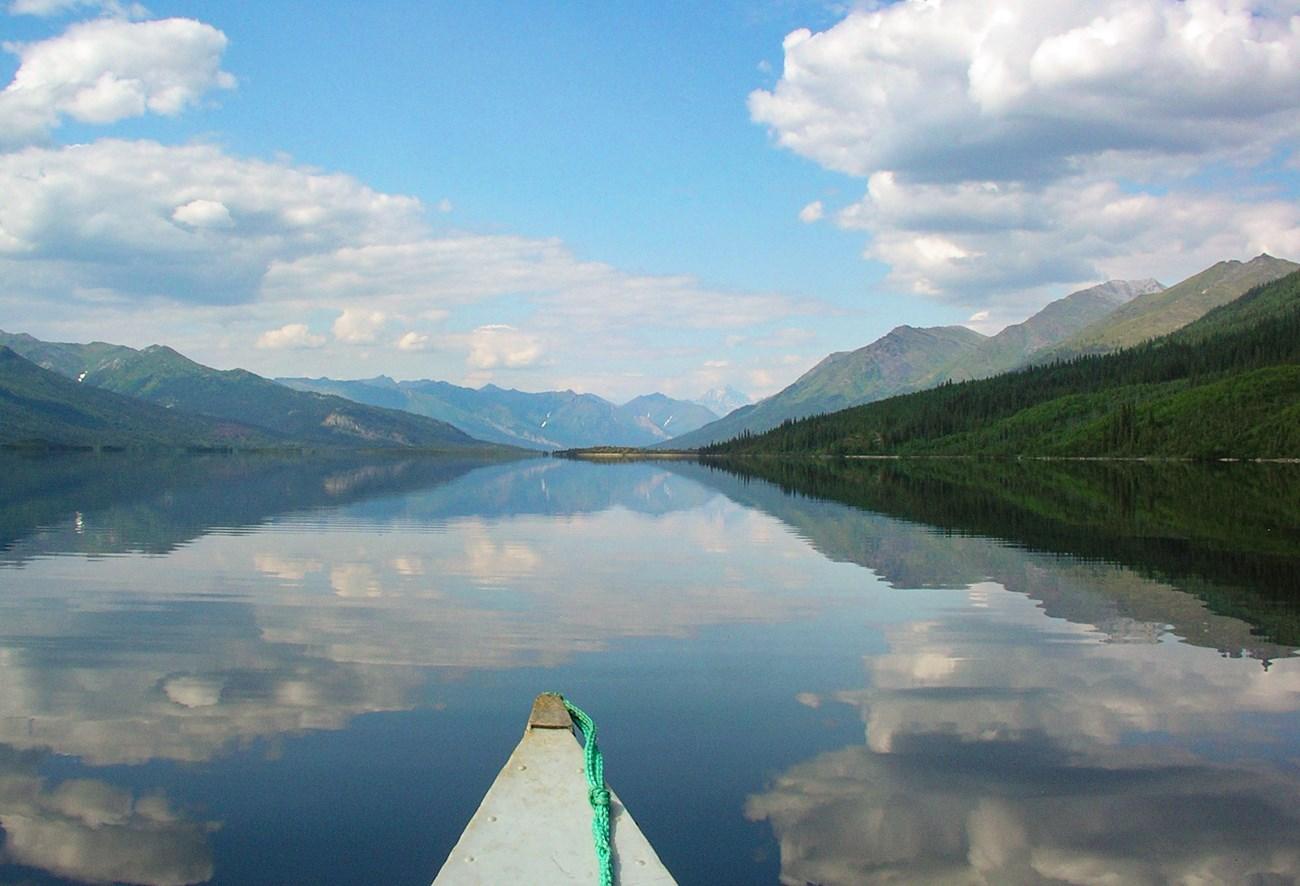
Arctic Alaska, the northernmost region of the United States, offers a unique adventure for those looking to experience untouched natural beauty and the vibrant culture of indigenous communities. The vast, icy landscapes, including the Arctic National Wildlife Refuge and the Brooks Range, provide a stunning backdrop for outdoor enthusiasts and nature lovers. Visitors can witness the awe-inspiring Northern Lights, enjoy dog sledding, and explore the diverse wildlife, from polar bears to caribou. In the summer, the land of the midnight sun offers endless daylight, perfect for hiking, fishing, and kayaking in the pristine rivers and lakes. The native Iñupiat and Gwich'in cultures offer rich traditions and histories, with opportunities to learn about their way of life through cultural tours and local museums. Arctic Alaska is not just about the wilderness; it's also about the people who have thrived in this harsh environment for thousands of years. Experience the remote villages, where you can engage with local artisans, taste traditional foods, and participate in community events that highlight the resilience and ingenuity of the Arctic people.