
Copper River Basin, Alaska Travel Guide
Discover the untamed beauty and rich cultural heritage of Alaska’s Copper River Basin, where adventure and tranquility await in the heart of nature.
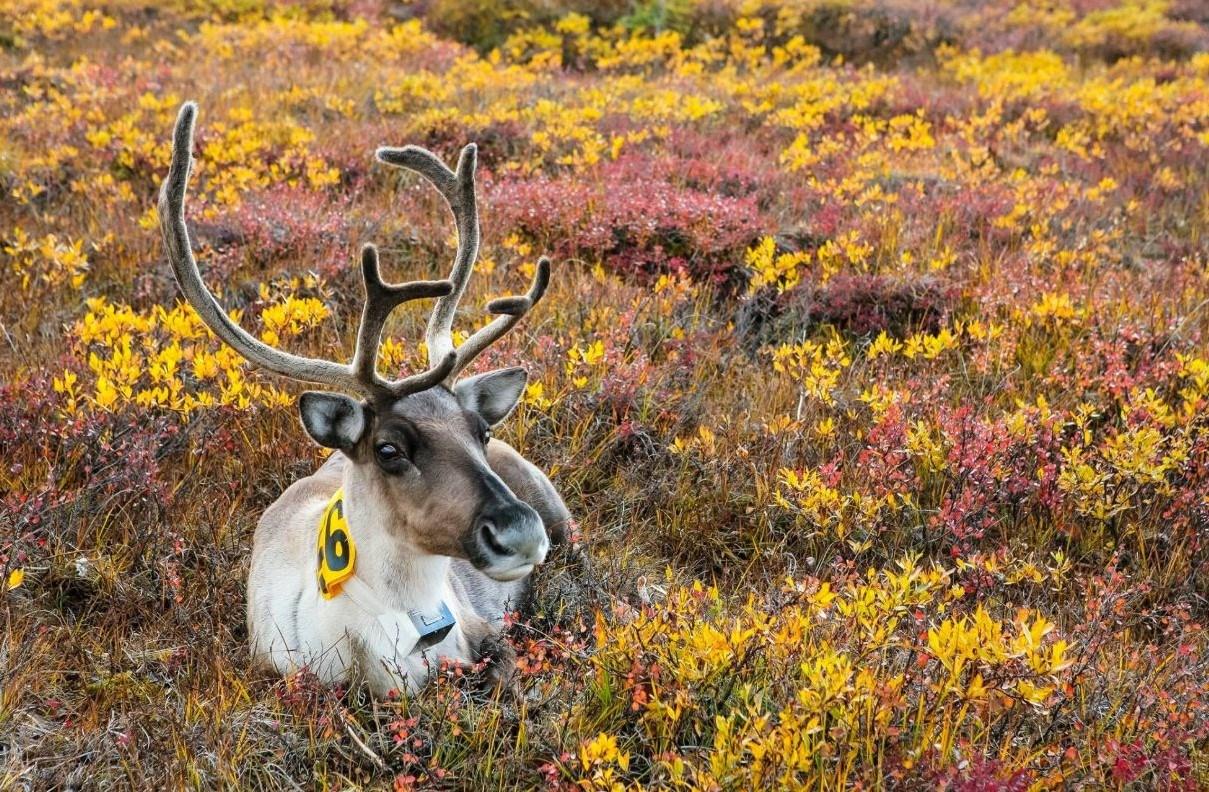
The Copper River Basin, nestled in the heart of Alaska, is a treasure trove of natural beauty and rugged wilderness. This vast region is known for its dramatic landscapes, including towering mountains, expansive glaciers, and the mighty Copper River itself. The basin offers a unique blend of adventure and tranquility, making it an ideal destination for nature lovers and thrill-seekers alike. The area is rich in wildlife, providing ample opportunities for spotting bears, moose, and eagles in their natural habitat. Fishing enthusiasts will find the Copper River's legendary salmon runs irresistible, while hikers can explore countless trails that wind through pristine forests and alpine meadows. The Wrangell-St. Elias National Park, the largest national park in the United States, is part of the basin and offers endless exploration possibilities. Cultural enthusiasts will appreciate the region's rich history, with numerous opportunities to learn about the native Athabascan people and the area's mining past. The small towns scattered throughout the basin provide a glimpse into the local way of life, with friendly communities and charming local businesses. Whether you're seeking solitude in the wilderness or an enriching cultural experience, the Copper River Basin has something to offer every traveler.

Know before you go
Hi, I'm Eve. Here are a few practical things to know before exploring Copper River Basin.
- Visit in late spring to early fall for the best weather and optimal wildlife viewing.
- Pack layers and waterproof gear; weather can change quickly in the basin.
- If fishing, ensure you have the appropriate permits and be aware of local regulations.
- Consider hiring a local guide for hiking or wildlife tours to enhance your experience.
- Explore the small towns in the region to enjoy local cuisine and crafts.
- Respect the local wildlife and maintain a safe distance at all times.


Best restaurants in Copper River Basin


Explore Copper River Basin on the Map
A handpicked selection of must-see spots in Copper River Basin, mapped for you.
Copper River Basin Essentials
-
The Copper River Basin is located in south-central Alaska. The nearest major airport is Ted Stevens Anchorage International Airport (ANC). From Anchorage, you can rent a car and drive approximately 200 miles to the Copper River Basin. The drive usually takes about 4 to 5 hours along the Glenn Highway (AK-1) and Richardson Highway (AK-4), offering scenic views of mountains and rivers. Alternatively, there are small airstrips in the region, and charter flights are available for quicker access.
-
Transportation within the Copper River Basin primarily involves driving. Renting a car is highly recommended for flexibility and ease of travel. There are limited public transportation options, but some tour operators offer guided tours and shuttle services. For outdoor enthusiasts, cycling is also an option, though it's important to be prepared for remote and rugged conditions. In winter, snowmobiles and dog sleds are popular modes of transportation.
-
The official currency is the United States Dollar (USD). Credit and debit cards are widely accepted in most hotels, restaurants, and larger stores. However, it's advisable to carry some cash, especially when visiting remote areas or smaller establishments where card payments may not be accepted. ATMs are available in larger towns like Glennallen, but may be scarce in more remote areas.
-
The Copper River Basin is generally safe for tourists, but it is important to take standard precautions. Wildlife encounters are a notable risk; always maintain a safe distance from animals such as bears and moose. Crime rates are low, but it's wise to stay vigilant and secure your belongings. There are no specific high-crime areas targeting tourists, but avoid leaving valuables in plain sight in your vehicle.
-
In case of emergency, dial 911 for immediate assistance. Medical facilities are available in larger towns like Glennallen, but more remote areas may have limited access to medical care. It is advisable to carry a first-aid kit and have travel insurance that covers medical emergencies. For minor issues, there are pharmacies in larger towns. Always inform someone of your travel plans, especially if you are venturing into remote backcountry areas.
-
Fashion: Do dress in layers and be prepared for varying weather conditions. Avoid wearing cotton clothing in cold weather as it retains moisture. Religion: Do respect local traditions and communities, especially if visiting Native Alaskan lands. Public Transport: Do plan ahead as public transport options are limited. Don't rely solely on public transportation for getting around. Greetings: Do greet locals with a friendly hello; Alaskans are generally welcoming. Eating & Drinking: Do try local specialties like wild-caught salmon and game meat. Don't feed wildlife or leave food unsecured, as it can attract dangerous animals.
-
To experience the Copper River Basin like a local, visit during the summer for activities like fishing, hiking, and wildlife viewing. Engage with local guides for unique insights into the area's history and ecology. Don't miss the Copper River salmon season, a highlight for both locals and visitors. For a unique experience, try gold panning in one of the many streams. Respect the land and practice Leave No Trace principles to help preserve the natural beauty of the area.
When is the best time to visit Copper River Basin?
Useful Local Phrases for Copper River Basin
You don't need to speak the language perfectly. Even learning a few simple words can make conversations warmer—and locals usually appreciate the effort.
— Eve

Here are the phrases I use most often in Copper River Basin. Try a few—you'll be surprised how far they go! 😊
❤️
-
- HelloT’akdeintaan
[t'ahk-dee-ahn] - GoodbyeNukak
[noo-kahk] - YesAay
[ah-ee] - NoNaa
[nah] - Please/You’re welcomeNugum
[noo-goom] - Thank youQuyana
[kwah-yah-nah] - Excuse me/SorryNukapik
[noo-kah-pik] - How are you?T’akdeintaan? (how are you?)
[t'ahk-dee-ahn] - Fine. And you?Nukak. Nuktuk?
[noo-kahk. nook-took?] - Do you speak English?Nukak englishtuq?
[noo-kahk eng-lish-took?] - I don't understandNukak naliiniq
[noo-kahk nah-lee-neeq]
- HelloT’akdeintaan
-
- I’d like to see the menu, pleaseNuka menu naliin?
[noo-kah meh-noo nah-lee-n?] - I don’t eat meatNukak naliiniq nukaq
[noo-kahk nah-lee-neeq noo-kahk] - Cheers!Nukapik!
[noo-kah-pik] - I would like to pay, pleaseNukak naliiniq nukaq, nugum
[noo-kahk nah-lee-neeq noo-kahk, noo-goom]
- I’d like to see the menu, pleaseNuka menu naliin?
-
- Help!Nukak!
[noo-kahk!] - Go away!Nukak naliiniq!
[noo-kahk nah-lee-neeq!] - Call the Police!Nukak naliiniq Police!
[noo-kahk nah-lee-neeq poh-lees!] - Call a doctor!Nukak naliiniq doctor!
[noo-kahk nah-lee-neeq doh-ctor!] - I’m lostNukak naliiniq nuktuk
[noo-kahk nah-lee-neeq nook-took] - I’m illNukak naliiniq nuq
[noo-kahk nah-lee-neeq nook]
- Help!Nukak!
-
- I’d like to buy...Nukak naliiniq nukaq...
[noo-kahk nah-lee-neeq noo-kahk...] - I’m just lookingNukak naliiniq nuktuk
[noo-kahk nah-lee-neeq nook-took] - How much is it?Nukak naliiniq naliit?
[noo-kahk nah-lee-neeq nah-lee-it?] - That’s too expensiveNukak naliiniq nuktuk?
[noo-kahk nah-lee-neeq nook-took?] - Can you lower the price?Nukak naliiniq nuktuk?
[noo-kahk nah-lee-neeq nook-took?]
- I’d like to buy...Nukak naliiniq nukaq...
-
- What time is it?Nukak naliiniq naliit?
[noo-kahk nah-lee-neeq nah-lee-it?] - It’s one o'clockNukak naliiniq t’ak?
[noo-kahk nah-lee-neeq t'ahk?] - Half past (10)Nukak naliiniq t’ak (10)
[noo-kahk nah-lee-neeq t'ahk (ten)] - MorningNukak naliiniq
[noo-kahk nah-lee-neeq] - AfternoonNukak naliiniq
[noo-kahk nah-lee-neeq] - EveningNukak naliiniq
[noo-kahk nah-lee-neeq] - YesterdayNukak naliiniq
[noo-kahk nah-lee-neeq] - TodayNukak naliiniq
[noo-kahk nah-lee-neeq] - TomorrowNukak naliiniq
[noo-kahk nah-lee-neeq] - 1Nuk
[nook] - 2Nukuk
[noo-kook] - 3Nukuk
[noo-kook] - 4Nukuk
[noo-kook] - 5Nukuk
[noo-kook] - 6Nukuk
[noo-kook] - 7Nukuk
[noo-kook] - 8Nukuk
[noo-kook] - 9Nukuk
[noo-kook] - 10Nukuk
[noo-kook]
- What time is it?Nukak naliiniq naliit?
-
- Where's a/the...?Nukak naliiniq ...?
[noo-kahk nah-lee-neeq ...?] - What's the address?Nukak naliiniq address?
[noo-kahk nah-lee-neeq ah-dress?] - Can you show me (on the map)?Nukak naliiniq nuktuk (map)?
[noo-kahk nah-lee-neeq nook-took (map)?] - When's the next (bus)?Nukak naliiniq nuktuk (bus)?
[noo-kahk nah-lee-neeq nook-took (bus)?] - A ticket (to ....)Nukak naliiniq ticket (to ...)
[noo-kahk nah-lee-neeq tee-ket (to ...)]
- Where's a/the...?Nukak naliiniq ...?
History of Copper River Basin
-
The Copper River Basin has been home to the Ahtna people for thousands of years. The Ahtna Athabascans are known for their rich cultural traditions and their deep connection to the land and the Copper River, which they call 'Atna'. The river provided them with salmon, a staple in their diet, and the surrounding lands offered abundant wildlife for hunting. The Ahtna people have a complex social structure and oral traditions that have preserved their history and customs through generations.
-
In the late 18th century, Russian explorers ventured into the Copper River Basin in search of fur-bearing animals. The Russians established trading posts and interacted with the Ahtna people, trading goods such as metal tools and weapons for valuable furs. This period marked significant cultural exchanges and sometimes conflicts, as the Ahtna navigated the challenges brought by these new relationships.
-
The late 19th and early 20th centuries saw the discovery of rich copper deposits in the Copper River Basin. The Kennecott Mines, established in 1900, became one of the most significant mining operations in Alaska. The mines produced vast amounts of copper ore, which was transported via the Copper River and Northwestern Railway to the port of Cordova. This period of intense mining activity brought economic growth as well as environmental changes to the region.
-
The construction of the Copper River and Northwestern Railway between 1907 and 1911 was a monumental engineering feat. The railway was built to transport copper ore from the Kennecott Mines to the coastal town of Cordova. Workers braved harsh weather and rugged terrain to lay tracks through the mountains and across the Copper River. The railway played a crucial role in the economic development of the region until it ceased operations in 1938.
-
During World War II, the strategic importance of Alaska led to the construction of military infrastructure in the Copper River Basin. The U.S. military built airstrips and roads to support the war effort and to ensure the defense of the Alaskan frontier. This period saw an influx of military personnel and resources, which impacted the local communities and contributed to the modernization of the region.
-
In 1980, the U.S. Congress established Wrangell-St. Elias National Park and Preserve, encompassing much of the Copper River Basin. This park, part of the largest protected wilderness area in the United States, preserves the natural beauty and historical legacy of the region. It offers visitors a chance to explore vast landscapes, including glaciers, mountains, and the remnants of the Kennecott Mines, while also learning about the area's rich cultural history.
Neighbouring Regions of Copper River Basin
The closest regions to Copper River Basin, if you have time for more than one.



Your all‑in‑one travel companion app
Explore expert travel guides, compare and book tours, experiences, hotels, and more—all from the palm of your hand. Download now for seamless trip planning wherever your wanderlust takes you.


Explore More of Alaska

Looking beyond Copper River Basin? Discover Alaska for broader travel guides, local hot-spots, and regional highlights.
Explore AlaskaCopper River Basin in Photos
Browse through our photo collection highlighting the charm and character of the destination.





Copper River Basin: Alaska’s Untamed Wilderness
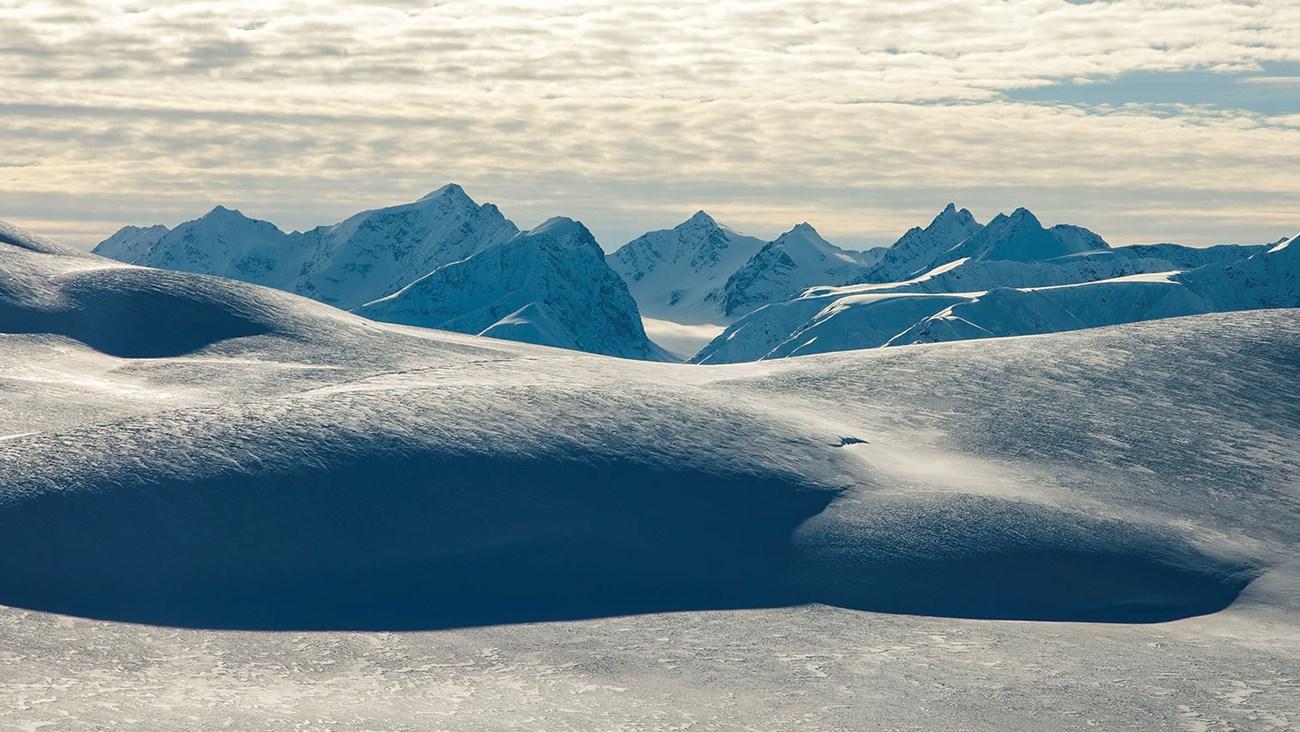
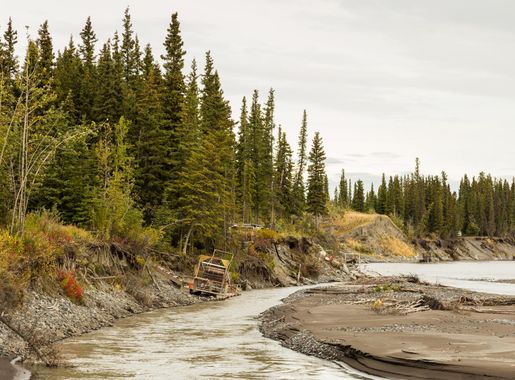
The Copper River Basin, nestled in the heart of Alaska, is a treasure trove of natural beauty and rugged wilderness. This vast region is known for its dramatic landscapes, including towering mountains, expansive glaciers, and the mighty Copper River itself. The basin offers a unique blend of adventure and tranquility, making it an ideal destination for nature lovers and thrill-seekers alike. The area is rich in wildlife, providing ample opportunities for spotting bears, moose, and eagles in their natural habitat. Fishing enthusiasts will find the Copper River's legendary salmon runs irresistible, while hikers can explore countless trails that wind through pristine forests and alpine meadows. The Wrangell-St. Elias National Park, the largest national park in the United States, is part of the basin and offers endless exploration possibilities. Cultural enthusiasts will appreciate the region's rich history, with numerous opportunities to learn about the native Athabascan people and the area's mining past. The small towns scattered throughout the basin provide a glimpse into the local way of life, with friendly communities and charming local businesses. Whether you're seeking solitude in the wilderness or an enriching cultural experience, the Copper River Basin has something to offer every traveler.