

North Slope, Alaska Travel Guide
Discover the untouched wilderness and cultural richness of North Slope, Alaska, where the Arctic's natural beauty meets indigenous heritage.
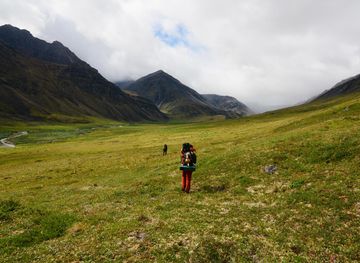
The North Slope in Alaska is a vast, remote area that offers an unparalleled experience for nature enthusiasts and adventure seekers. Situated above the Arctic Circle, this region is known for its stunning landscapes, which include sprawling tundras, icy coastlines, and majestic mountain ranges. The North Slope is also home to the Arctic National Wildlife Refuge, which provides a sanctuary for a diverse range of wildlife, including polar bears, caribou, and migratory birds. During the summer months, the North Slope experiences the phenomenon of the midnight sun, where the sun does not set for several weeks. This unique natural event provides ample time for activities like hiking, bird watching, and photography. The area is also rich in indigenous culture, and visitors have the opportunity to learn about the traditional lifestyles of the Iñupiat people, who have called this region home for thousands of years. Winter in the North Slope is equally mesmerizing, with the landscape transforming into a winter wonderland. The long, dark nights are perfect for witnessing the awe-inspiring Northern Lights. Whether you're interested in dog sledding, snowmobiling, or simply soaking in the serene beauty of the Arctic, the North Slope offers an experience unlike any other.

Know before you go
Hi, I'm Eve. Here are a few practical things to know before exploring North Slope.
- Pack warm clothing, even during summer, as the weather can be unpredictable.
- Visit during late summer to experience the midnight sun and maximize daylight hours for activities.
- Respect local customs and learn about the Iñupiat culture to enrich your visit.
- Bring binoculars and a good camera for wildlife viewing and photography.
- Consider guided tours for safe and informative exploration of the remote areas.
Explore North Slope: Things to Do, Places to Eat, Hotels & More
Handpicked recommendations for top attractions, local dining, accommodations, and more

Top Attractions & Sightseeing in North Slope


Best bars in North Slope
Top-rated picks
Best Bars

The Boathouse
Experience exquisite seafood and American cuisine at The Boathouse in Lake Buena Vista, where stunning views meet culinary excellence.

Lindenwood Diner
Experience the vibrant tastes of Brooklyn at Lindenwood Diner, where hearty breakfasts meet Caribbean flair in a lively atmosphere.

Fogo de Chão Brazilian Steakhouse
Experience authentic Brazilian cuisine at Fogo de Chão, a premier steakhouse offering a feast of flavors in the heart of Philadelphia.

Canoe
Experience the best of American cuisine at Canoe, where fine dining meets breathtaking riverside views in Atlanta.

Best shops in North Slope
Top-rated picks
Best Shops

Alpine Valley Resort
Discover the thrill of skiing and golfing at Alpine Valley Resort, the premier destination for outdoor adventure in Wisconsin.

Walmart Supercenter
Explore the Walmart Supercenter in Emporia for a diverse shopping experience, offering groceries, clothing, electronics, and much more all in one place.

Macy's
Explore Macy's at Stanford Shopping Center for a diverse shopping experience featuring fashion, beauty, and children's apparel in a vibrant atmosphere.

Barnes & Noble
Explore Barnes & Noble in Topeka for an immersive experience filled with books, coffee, and creativity for all ages.

Explore North Slope on the Map
A handpicked selection of must-see spots in North Slope, mapped for you.
North Slope Essentials
-
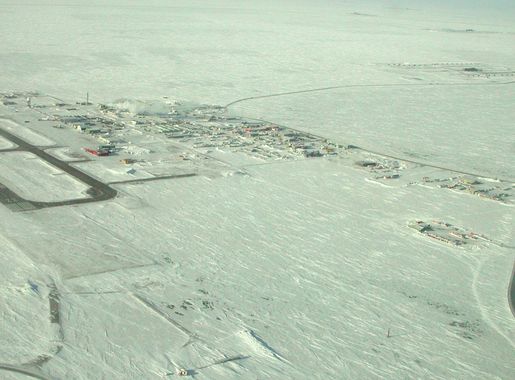
North Slope, Alaska is remote and primarily accessible by air. The main gateway to the region is through the Wiley Post–Will Rogers Memorial Airport in Utqiaġvik (formerly known as Barrow), which has regular flights from Anchorage and Fairbanks. Smaller communities in the North Slope are served by regional airlines. Another option is to take a flight to Prudhoe Bay/Deadhorse Airport, particularly if you are heading to the oil fields.
-
Once in the North Slope, transportation options are limited. Most travel within the area is done by small planes, ATVs, or snowmobiles, depending on the season. Some communities have road access, but these roads are often unpaved and can be challenging to navigate. Renting a car is possible in larger hubs like Utqiaġvik, but availability can be limited. Local taxis and shuttle services are available in some areas.
-
The official currency in North Slope, Alaska is the US Dollar (USD). Credit cards are widely accepted in larger towns and tourist areas, but it is advisable to carry cash, especially when visiting smaller communities or remote areas. ATMs are available in major hubs like Utqiaġvik and Prudhoe Bay, but it is wise to withdraw sufficient cash before traveling to more isolated regions.
-
North Slope is generally safe for tourists, but its remote nature and extreme weather conditions require specific precautions. Always inform someone of your travel plans and expected return. There are no specific high-crime areas targeting tourists, but standard precautions such as avoiding isolated places at night and keeping an eye on your belongings are advisable. Wildlife encounters can be dangerous, so maintain a safe distance from animals.
-
In case of emergency, dial 911 for immediate assistance. North Slope has limited medical facilities, primarily located in Utqiaġvik. It is crucial to have comprehensive travel insurance that covers medical emergencies and evacuation. For minor health issues, there are pharmacies in larger towns. Always carry a first-aid kit and be prepared for extreme weather conditions.
-
Fashion: Do dress in layers and prepare for extreme cold. Avoid wearing cotton, as it retains moisture. Religion: Do respect local customs and traditions, particularly those of the Iñupiat people. Public Transport: Do be patient, as transport schedules can be affected by weather. Don’t expect frequent public transport services. Greetings: Do greet people with a smile and a simple 'hello'. Eating & Drinking: Do try local delicacies like muktuk (whale blubber) and akutaq (Eskimo ice cream). Don’t refuse food offerings, as it is considered impolite.
-
To experience North Slope like a local, engage with the Iñupiat community and participate in cultural events and festivals. Visit local markets and try traditional foods. Take advantage of guided tours to learn about the region's history, wildlife, and natural beauty. For a unique experience, explore the Arctic tundra, and if you visit during winter, don't miss the chance to witness the Northern Lights.
When is the best time to visit North Slope?
Useful Local Phrases for North Slope
You don't need to speak the language perfectly. Even learning a few simple words can make conversations warmer—and locals usually appreciate the effort.
— Eve

Here are the phrases I use most often in North Slope. Try a few—you'll be surprised how far they go! 😊
❤️
-
- HelloSukakpak
[soo-kahk-pak] - GoodbyeTukuk
[too-kook] - YesAang
[ahng] - NoAani
[ah-nee] - Please/You're welcomeIñuŋu
[ee-noo-ngoo] - Thank youQuyana
[kwah-yah-nah] - Excuse me/SorryNingikuta
[nee-gee-koo-tah] - How are you?Kinngu?
[keen-goo] - Fine. And you?Uqaqta, ikayuq?
[oo-kahk-tah, ee-kah-yook] - Do you speak English?Tuktuq english?
[took-took english] - I don't understandNingikuta amna
[nee-gee-koo-tah ahm-nah]
- HelloSukakpak
-
- I'd like to see the menu, pleaseMenuq ikayuq, iñuŋu
[meh-noo-k ee-kah-yook, ee-noo-ngoo] - I don't eat meatAani nikaqtuq qiptuq
[ah-nee nee-kahk-too-k kee-ptook] - Cheers!Qaqtuk!
[kahk-took] - I would like to pay, pleaseIñuŋu, ikayuq nikaqtuq
[ee-noo-ngoo, ee-kah-yook nee-kahk-too-k]
- I'd like to see the menu, pleaseMenuq ikayuq, iñuŋu
-
- Help!Siknuk!
[sik-nook] - Go away!Aaniqtuq!
[ah-nee-k-too-k] - Call the Police!Kangiryuq Police!
[kahn-gee-rook po-leece] - Call a doctor!Kangiryuq doktor!
[kahn-gee-rook dok-tor] - I'm lostNingikuta aŋuqtuq
[nee-gee-koo-tah ah-ng-ook-too-k] - I'm illNingikuta aŋuqtuq
[nee-gee-koo-tah ah-ng-ook-too-k]
- Help!Siknuk!
-
- I'd like to buy...Ningiqtuq ...
[nee-gee-koo-took ...] - I'm just lookingNingikuta ikayuq
[nee-gee-koo-tah ee-kah-yook] - How much is it?Tuktuq uqqaq?
[took-took oo-kahk?] - That's too expensiveAani qangitqaq
[ah-nee kahn-git-kahk] - Can you lower the price?Ningikuta qangitqaq ikayuq?
[nee-gee-koo-tah kahn-git-kahk ee-kah-yook?]
- I'd like to buy...Ningiqtuq ...
-
- What time is it?Tuktuq uqqaq?
[took-took oo-kahk?] - It's one o'clockUqaqta qikik
[oo-kahk-tah kee-kee-k] - Half past (10)Uqaqta niqik
[oo-kahk-tah nee-kee-k] - MorningAŋuqtuq
[ah-ng-ook-too-k] - AfternoonQagqaq
[kahg-kahk] - EveningUqaqta
[oo-kahk-tah] - YesterdayAŋuqiŋa
[ah-ng-oo-kee-nah] - TodayUqaqta
[oo-kahk-tah] - TomorrowAŋuqta
[ah-ng-ook-tah] - 1Ikka
[ee-kah] - 2Nuk
[nook] - 3Nuka
[noo-kah] - 4Nukag
[noo-kahg] - 5Nukak
[noo-kahk] - 6Nukak
[noo-kahk] - 7Nukak
[noo-kahk] - 8Nukak
[noo-kahk] - 9Nukak
[noo-kahk] - 10Nukak
[noo-kahk]
- What time is it?Tuktuq uqqaq?
-
- Where's a/the...?Tuktuq a ...?
[took-took ah ...?] - What's the address?Tuktuq uqqaq?
[took-took oo-kahk?] - Can you show me (on the map)?Ningikuta qakuk (mappaq)?
[nee-gee-koo-tah kah-koo (mahp-pahk)?] - When's the next (bus)?Tuktuq aŋuqta (bus)?
[took-took ah-ng-ook-tah (bus)?] - A ticket (to ....)Tiket (to ...)
[tee-ket (too ...)]
- Where's a/the...?Tuktuq a ...?
History of North Slope
-
The North Slope has been inhabited by the Inupiat people for thousands of years. These native Alaskans have adapted to the harsh Arctic climate, relying on the land and sea for sustenance. Archaeological evidence of ancient settlements and tools has been found, shedding light on their resilient way of life. Traditional practices such as whaling, fishing, and hunting caribou have been passed down through generations.
-
The first recorded Western exploration of the North Slope was in the 19th century. British naval officer Sir John Franklin and his crew navigated the Arctic waters in search of the Northwest Passage, leaving behind maps and journals that provided valuable insights into this remote region. Later, American explorers such as Charles Brower established trading posts that facilitated interaction between the Inupiat and the outside world.
-
In 1968, the discovery of oil at Prudhoe Bay transformed the North Slope forever. This massive oil field became the largest in North America, leading to the construction of the Trans-Alaska Pipeline System (TAPS) in the 1970s. The influx of workers, infrastructure development, and economic changes brought about by the oil industry had profound effects on the local communities and environment.
-
In 1972, the North Slope Borough was established as an organized borough, providing local governance for the region. This was a significant step in giving the Inupiat people more control over their land and resources. The borough encompasses an area of over 89,000 square miles and includes several communities such as Utqiaġvik (formerly Barrow), the northernmost city in the United States.
-
In recent decades, there has been a strong emphasis on preserving and revitalizing Inupiat culture. Efforts include the teaching of the Inupiaq language, cultural programs, and festivals that celebrate traditional practices and knowledge. The Iñupiat Heritage Center in Utqiaġvik serves as a focal point for these efforts, showcasing artifacts, hosting workshops, and educating visitors about the rich history and culture of the Inupiat people.
-
The North Slope is at the forefront of environmental challenges, including climate change and its impact on the Arctic ecosystem. Melting permafrost, coastal erosion, and changes in wildlife patterns are pressing concerns for both the local communities and scientists. Conservation efforts and sustainable practices are being promoted to protect the delicate environment while balancing the needs of the indigenous population and industrial activities.
Neighbouring Regions of North Slope
The closest regions to North Slope, if you have time for more than one.


Your all‑in‑one travel companion app
Explore expert travel guides, compare and book tours, experiences, hotels, and more—all from the palm of your hand. Download now for seamless trip planning wherever your wanderlust takes you.


Explore More of Alaska

Looking beyond North Slope? Discover Alaska for broader travel guides, local hot-spots, and regional highlights.
Explore AlaskaNorth Slope in Photos
Browse through our photo collection highlighting the charm and character of the destination.




Exploring the Wild Beauty of North Slope, Alaska
The North Slope in Alaska is a vast, remote area that offers an unparalleled experience for nature enthusiasts and adventure seekers. Situated above the Arctic Circle, this region is known for its stunning landscapes, which include sprawling tundras, icy coastlines, and majestic mountain ranges. The North Slope is also home to the Arctic National Wildlife Refuge, which provides a sanctuary for a diverse range of wildlife, including polar bears, caribou, and migratory birds. During the summer months, the North Slope experiences the phenomenon of the midnight sun, where the sun does not set for several weeks. This unique natural event provides ample time for activities like hiking, bird watching, and photography. The area is also rich in indigenous culture, and visitors have the opportunity to learn about the traditional lifestyles of the Iñupiat people, who have called this region home for thousands of years. Winter in the North Slope is equally mesmerizing, with the landscape transforming into a winter wonderland. The long, dark nights are perfect for witnessing the awe-inspiring Northern Lights. Whether you're interested in dog sledding, snowmobiling, or simply soaking in the serene beauty of the Arctic, the North Slope offers an experience unlike any other.