
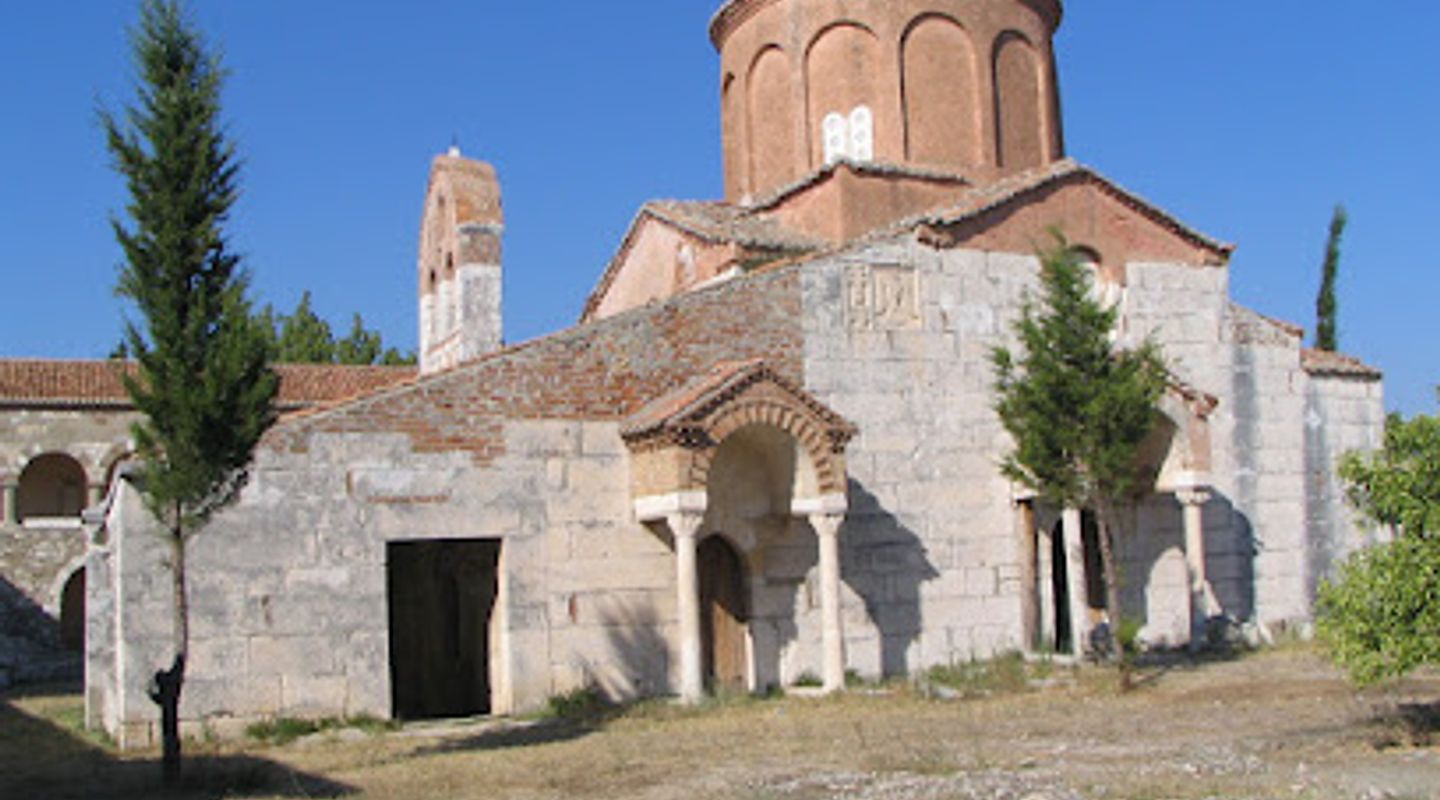
Apollonia Archaeological Park, Fieri Travel Guide
Discover Apollonia Archaeological Park: Unearth the treasures of an ancient city in Albania, where Greek and Roman history come to life.
Explore the ruins of Apollonia, an ancient city founded by Greek colonists in the 7th century BCE, near present-day Pojan, Albania. Wander through the remains of Roman villas, a Byzantine basilica, and an ancient theater, while immersing yourself in the rich history and culture of this once-thriving center of trade and learning.
A brief summary to Apollonia Archaeological Park
- PFCF+VF4, Pojan, AL
- Click to display
- Monday 9 am-7 pm
- Tuesday 9 am-7 pm
- Wednesday 9 am-7 pm
- Thursday 9 am-7 pm
- Friday 9 am-7 pm
- Saturday 9 am-7 pm
- Sunday 9 am-7 pm

Know before you go
Hi, I'm Eve. Here are a few practical things to know before exploring Apollonia Archaeological Park.
- Wear comfortable shoes, as the archaeological site is extensive and involves a lot of walking.
- Visit during the spring or autumn for mild weather and fewer crowds.
- Bring water and snacks, as there are limited options available within the park.
- Consider hiring a local guide for a more in-depth understanding of the site's history and significance.
- Allow at least half a day to explore the archaeological park and museum thoroughly.
Do you manage this location?
Take control to get all the benefits, like improved information, better appearance, and stronger visibility across AI-powered discovery. Learn more about listing your business on Evendo
Activate your presenceOther nearby places you may find interesting
The closest places of the same kind, if this one is not quite what you had in mind.



Explore Apollonia Archaeological Park on the Map
A handpicked selection of must-see spots near Apollonia Archaeological Park, mapped for you.
Unlock the Best of Apollonia Archaeological Park
Buy tickets
-
No tickets available
Book tours with entry


Getting There
-
Driving
From Tirana, drive south towards Fier. The journey takes approximately 2 hours. Once in Fier, follow the signs to Pojan. From Pojan, a well-marked road leads to the Apollonia Archaeological Park. Parking is available near the entrance. There are no tolls on this route. Parking is free.
-
Public Transport
From Tirana, take a bus to Fier from the Rr Myhedin Llegami stop. The bus journey takes around 2.5 hours and costs approximately 300 Lek. Upon arrival in Fier, inquire about transportation to Pojan. From Pojan, it's a 20-minute walk to the site. Alternatively, take a taxi from Fier to Apollonia for approximately 2,000 Lek (€17) for a return journey. Negotiate the fare beforehand.
Discover more about Apollonia Archaeological Park
More to explore near Apollonia Archaeological Park













Your all‑in‑one travel companion app
Explore expert travel guides, compare and book tours, experiences, hotels, and more—all from the palm of your hand. Download now for seamless trip planning wherever your wanderlust takes you.


Explore More of Fieri
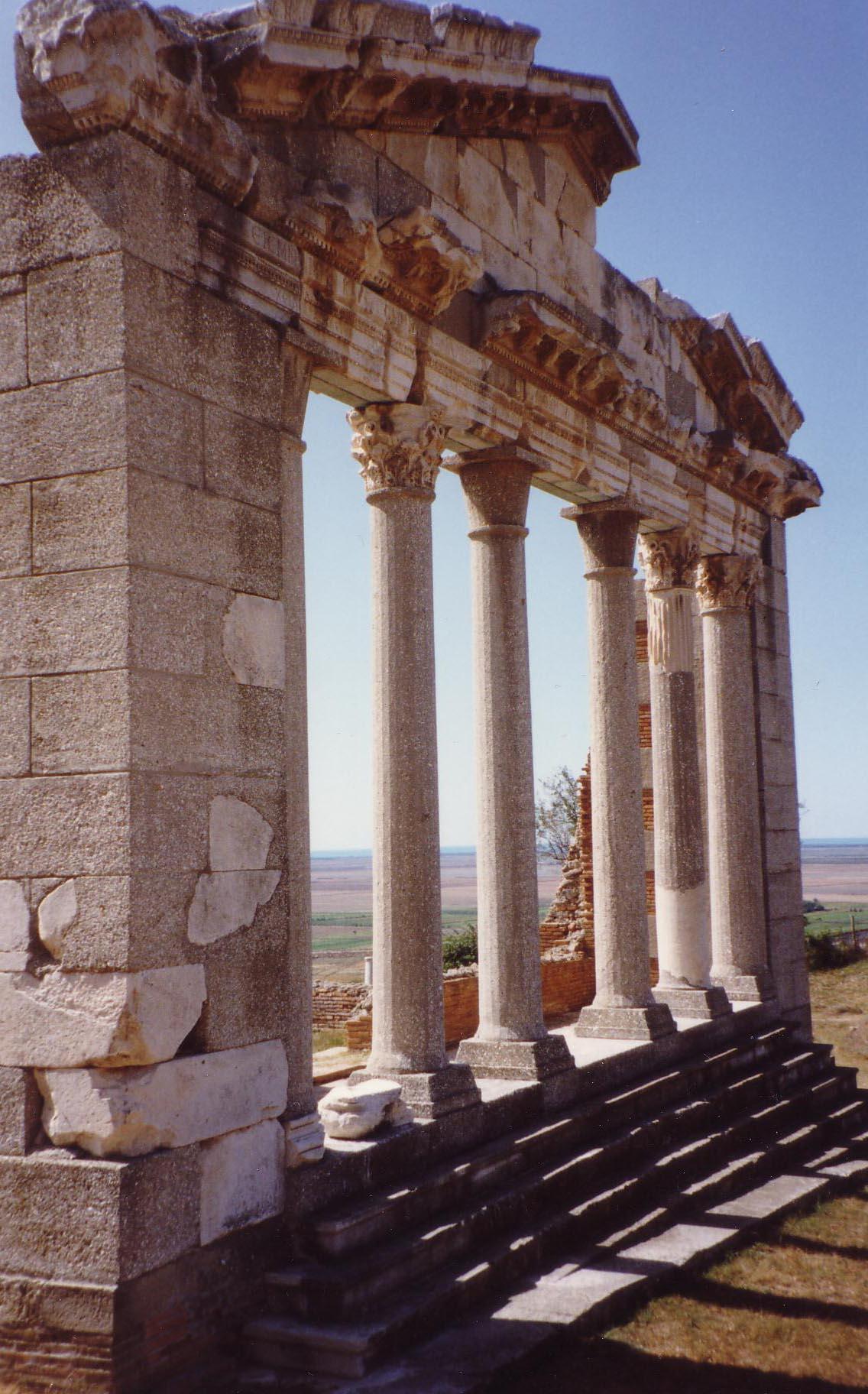
Looking beyond Apollonia Archaeological Park? Discover Fieri for broader travel guides, local hot-spots, and regional highlights.
Explore Fieri
Discover Dalan Beach: a picturesque Albanian coastal paradise with clear waters, scenic trails, and a tranquil escape in Zvërnec.
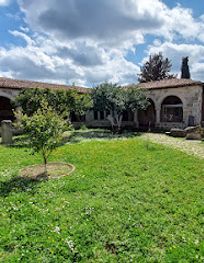
Discover Apollonia: Explore ancient Greek & Roman ruins in Albania's largest archaeological park. A journey through history awaits!
