Castle of Kruja: A Symbol of Albanian Resistance
Explore Kruja Castle: a symbol of Albanian resilience, offering history, stunning views, and a vibrant bazaar experience in the heart of Krujë.
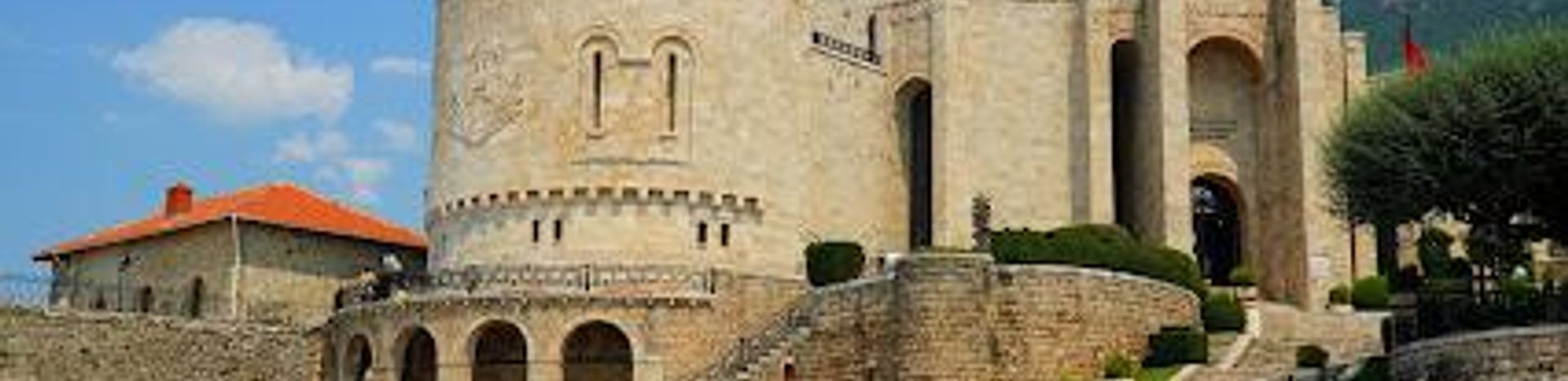
Perched atop a hill in Krujë, Albania, the Castle of Kruja stands as a powerful symbol of Albanian resilience and national identity. This historic fortress was the center of Skanderbeg's resistance against the Ottoman Empire in the 15th century and offers stunning views of the surrounding landscape.
A brief summary to Castle of Kruja
- Rruga Kala, Krujë, AL
- Monday 12 am-12 am
- Tuesday 12 am-12 am
- Wednesday 12 am-12 am
- Thursday 12 am-12 am
- Friday 12 am-12 am
- Saturday 12 am-12 am
- Sunday 12 am-12 am
Local tips
- Wear comfortable shoes, as the castle involves walking on cobblestone paths and uphill climbs.
- Visit in the spring or autumn for pleasant weather.
- Explore the Old Bazaar on the way to the castle for souvenirs and local handicrafts.
- Allow at least 3-4 hours to visit the main sights within the castle grounds.

Getting There
-
Walking
From the center of Krujë, the Castle of Kruja is easily accessible on foot. The walk to the castle entrance from the Old Bazaar takes approximately 5-10 minutes, following a cobblestone path uphill. The route is well-marked with signs, and the walk offers views of the town. Be prepared for a moderately steep incline. There are no costs associated with this approach.
-
Public Transport
If arriving in Krujë by bus from Tirana, the bus will drop you off along the main highway. From there, it is a short walk to the historic city center and the base of the castle. Follow the signs towards 'Kalaja e Krujës' or 'Castle of Kruja'. The walk from the bus stop to the castle takes around 15-20 minutes. The bus from Tirana to Kruja costs 150 Lek.
-
Taxi
Taxis are available in Krujë and can take you directly to the entrance of the castle. A short taxi ride from the center of Krujë to the castle typically costs around 300-500 Lek. Confirm the price with the driver before starting your journey.
Discover more about Castle of Kruja
Iconic landmarks you can’t miss

Rooms Merlika
0.1 km
Experience warm Albanian hospitality at Rooms Merlika, your gateway to Krujë's historic castle, vibrant bazaar, and breathtaking mountain views.

Pazari i vjetër
0.2 km
Explore Krujë's Old Bazaar: A historic marketplace where Albanian traditions, crafts, and flavors come to life.
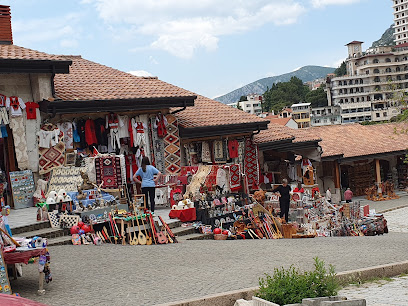
Skanderbeg Square
0.4 km
Discover Skanderbeg Square in Krujë: A vibrant hub of history, culture, and stunning views in the heart of Albania's historic town.
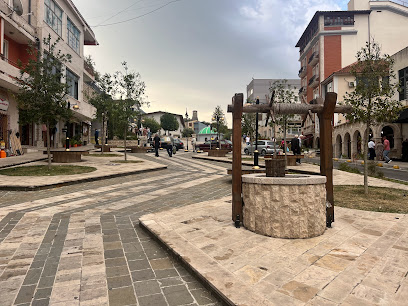
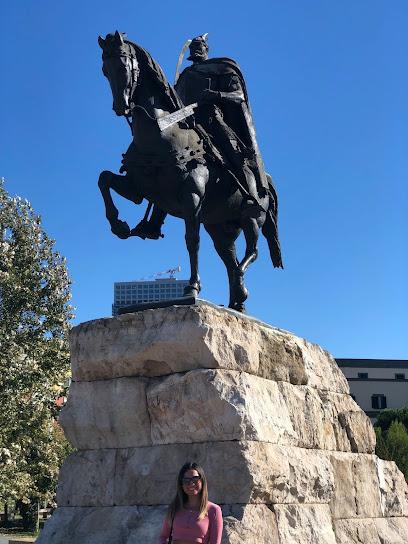
Skanderbeg Monument
0.4 km
A majestic monument in Krujë honoring Albania's national hero, Skanderbeg, and his pivotal role in resisting the Ottoman Empire.
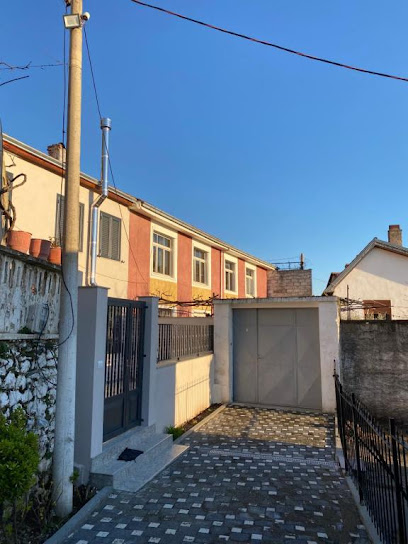
Vila Llulla
0.5 km
Experience Albanian hospitality in a charming Krujë guest house, perfectly located for exploring the castle, bazaar, and stunning mountain views.
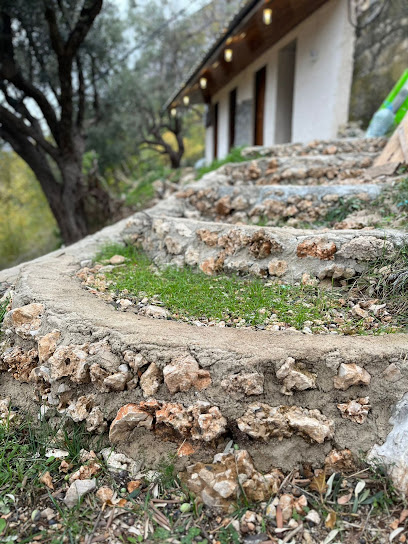
Camping Ledinga Kruje
1.0 km
Escape to the Albanian mountains at Camping Ledinga Kruje: panoramic views, hiking trails, and a peaceful retreat near historic Kruje.
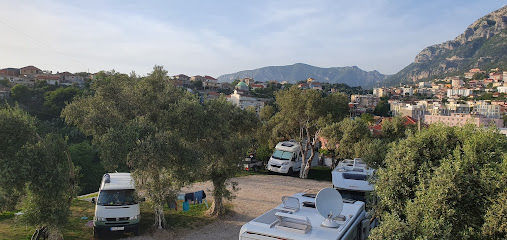
Kruja Vista Camping
1.0 km
Experience tranquil camping near historic Kruja, Albania, with stunning panoramic views and easy access to cultural treasures.
Sari Salltik
1.3 km
Discover the serene beauty and spiritual heritage of Sari Salltik in Kruje, a must-visit religious destination offering tranquility and rich cultural experiences.
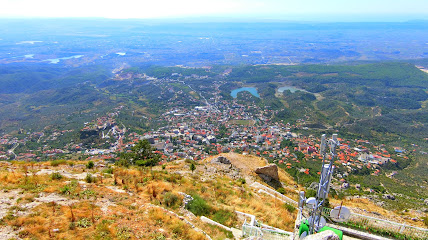
Monument of Zidolli Battle
3.6 km
Explore the Monument of Zidolli Battle in Kruje, Albania, honoring Albanian bravery and cultural heritage amidst stunning landscapes.
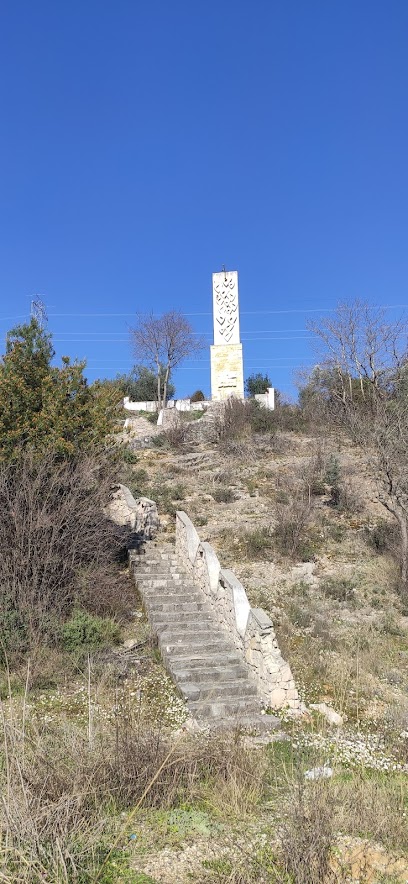
Kryqezimi Dukagjini
10.9 km
Discover Kryqezimi Dukagjini in Albania: Where history, culture, and natural beauty converge at the meeting point of two majestic rivers.
Agriturizëm Loka
13.2 km
Experience authentic Albanian cuisine and hospitality at Agriturizëm Loka, a family-run farm-to-table restaurant nestled in the scenic hills near Krujë.
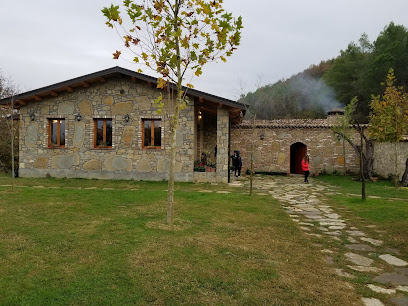
GRAND PARK
13.8 km
Discover Tirana's largest green space: a serene escape with a lake, gardens, historical sites, and recreational activities for everyone.
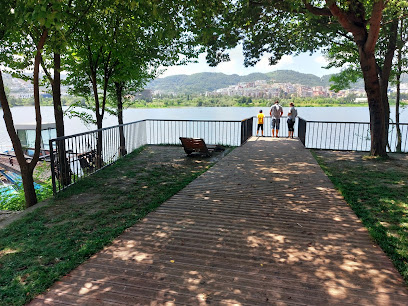
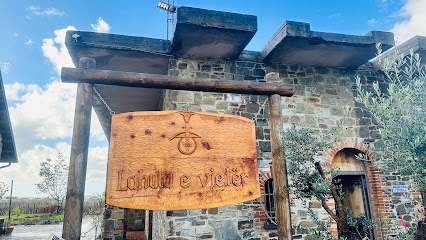
Lahuta e Vjetër Agroturizëm
14.0 km
Experience authentic Albanian cuisine and hospitality at Lahuta e Vjetër Agroturizëm, a charming restaurant in Gjonëm surrounded by stunning natural beauty.
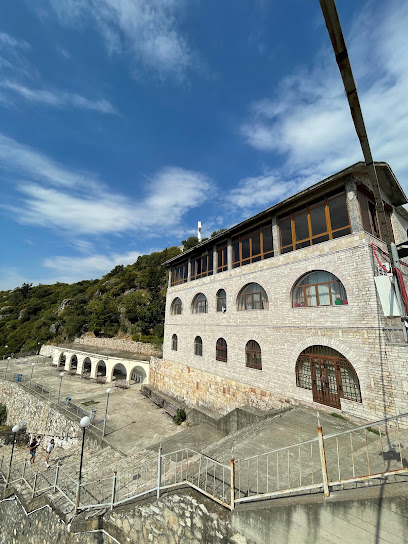
Kisha e Shna Ndout Laç
14.4 km
Discover Kisha e Shna Ndout in Laç, Albania: a historic pilgrimage site offering spiritual solace and stunning views.
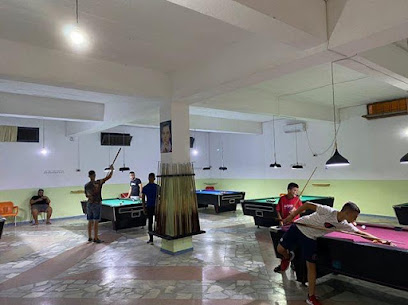
Bilardo FEST
15.7 km
Experience the vibrant local culture and exciting billiards scene at Bilardo FEST, Laç's top spot for pool enthusiasts and casual players.
Unmissable attractions to see

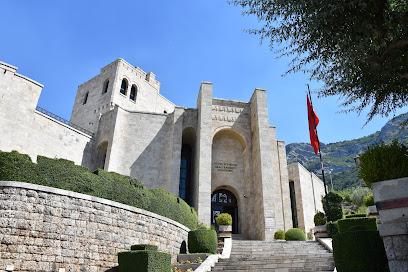
Gjergj Kastrioti National Museum (Skanderbeg)
0.0 km
Explore the rich history of Albania at the Gjergj Kastrioti National Museum, located in the majestic Kruja Castle, a tribute to the national hero Skanderbeg.
Watch Tower of Kruja
0.1 km
Ascend to the Watch Tower of Kruja for panoramic views & a glimpse into Albania's heroic past. A sentinel of history awaits!
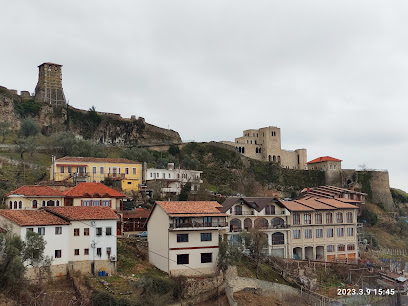
Ethnographic Museum of Kruja
0.1 km
Explore the Ethnographic Museum of Kruja, a cultural gem showcasing Albania's rich heritage through captivating exhibits and stunning architecture.
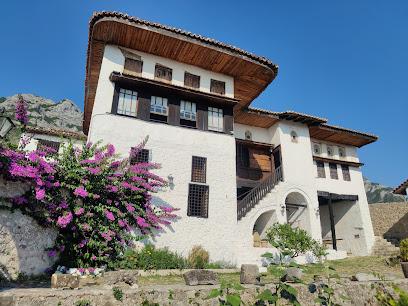
Hamami i Kalasë së Krujës
0.2 km
Explore the Hamami i Kalasë së Krujës, a beautifully restored Ottoman-era bathhouse within Kruja Castle, offering a unique glimpse into Albania's past.
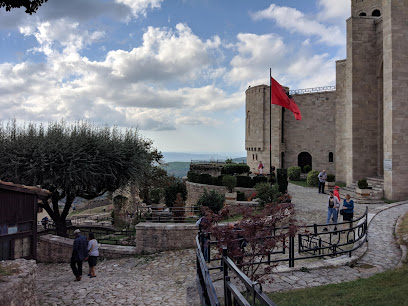
Kruja Bazaar
0.2 km
Discover traditional Albanian crafts and immerse yourself in the vibrant atmosphere of Kruja Bazaar, a historic marketplace with centuries of charm.
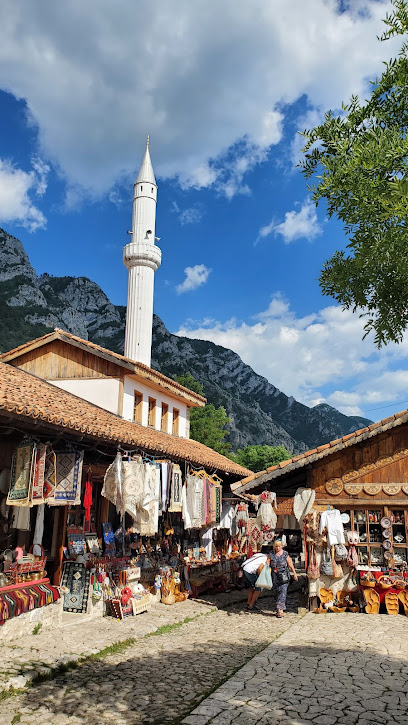
Santuario de Hajji Mustafa Baba
0.2 km
Discover the serene Santuario de Hajji Mustafa Baba in Kruje, Albania, a shrine rich in history and spiritual significance, perfect for reflection and tranquility.
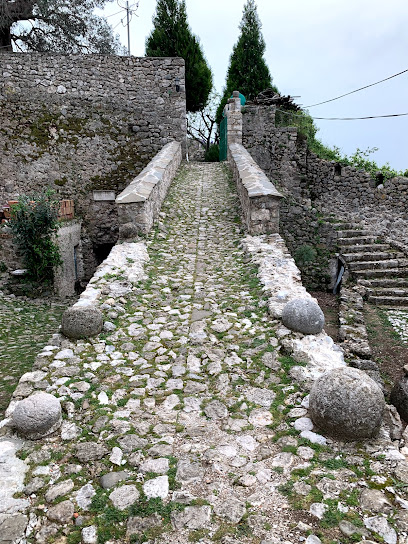
Old Bazaar of Kruja
0.2 km
Explore Kruja's historic Old Bazaar: a vibrant marketplace where Albanian traditions, crafts, and flavors come to life.
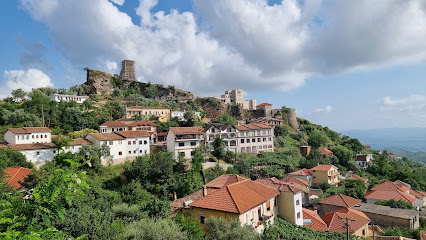
Viewpoint Kruja
0.3 km
Experience breathtaking panoramic views of Kruja's historic castle, vibrant markets, and stunning Albanian landscape from this must-see vantage point.
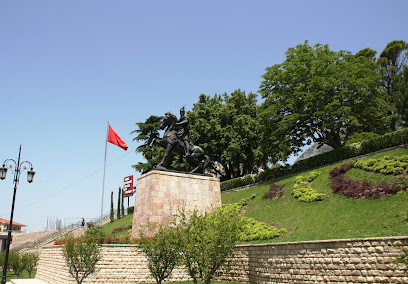
Statue of Skanderbeg
0.4 km
A heroic statue in Krujë honoring Skanderbeg, Albania's national hero, symbolizing the country's resilience and historical significance.
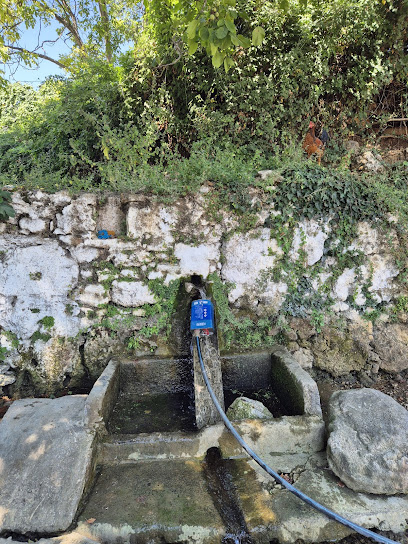
Llading Water Source
0.6 km
Discover the serene beauty of Llading Water Source in Kruje, Albania, a perfect natural escape for relaxation and reflection.
Emire Water Source
0.7 km
Discover tranquility at Emire Water Source near Krujë: Pristine waters, lush greenery, and mountain views await in the Albanian countryside.
Saxhë Water Source
0.8 km
Discover the refreshing Saxhë Water Source in Krujë, a tranquil escape offering crystal-clear waters and stunning natural beauty.
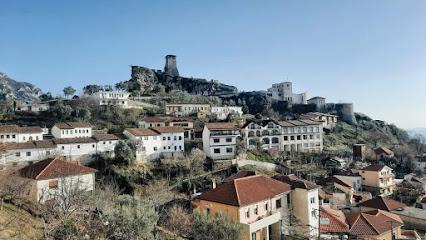
Krujë
1.0 km
Explore the historic charm of Krujë, Albania, with its majestic castle, vibrant bazaar, and stunning mountain views, perfect for culture and adventure enthusiasts.
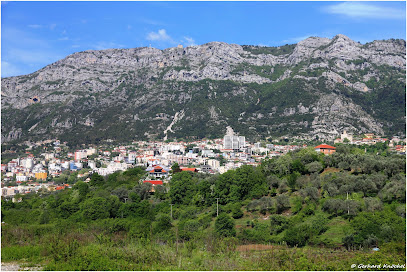
Mali i Krujës
1.3 km
Experience the stunning views and rich history at Mali i Krujës, a captivating mountain destination near Krujë, Albania, perfect for nature lovers and adventurers.
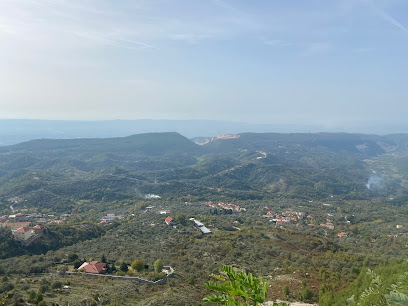
Treshi
2.1 km
Discover breathtaking views & rich cultural heritage at Treshi in Kruje, Albania. A must-visit destination offering a unique Albanian experience.
Essential places to dine

Restorant kalaja
0.0 km
Experience authentic Albanian cuisine with stunning views at Restorant Kalaja in beautiful Krujë.
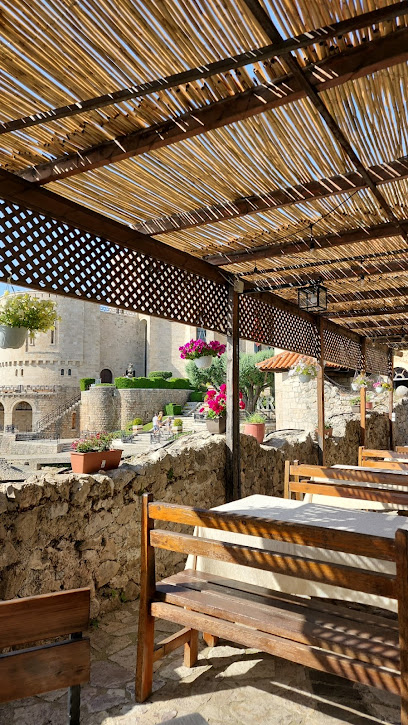
Bar Restorant Bardhi Agroturizëm
0.1 km
Experience authentic Albanian cuisine at Bar Restorant Bardhi Agroturizëm in Krujë - where tradition meets flavor in every dish.
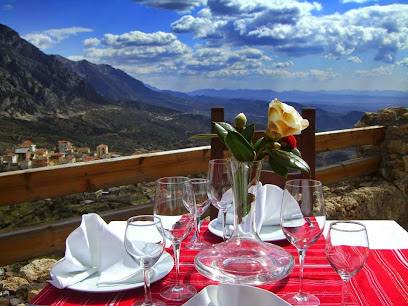
Bar Restorant Merlika
0.1 km
Experience authentic Albanian cuisine with stunning views at Bar Restorant Merlika in Kruje.
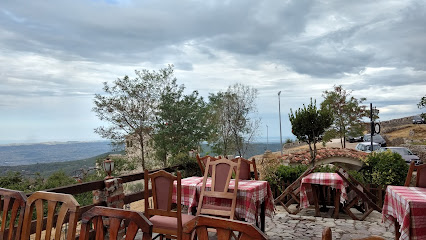
Restaurant Alba (Castle Kruje)
0.1 km
Discover authentic Albanian cuisine at Restaurant Alba in Castle Kruje – where history meets culinary excellence amidst stunning views.
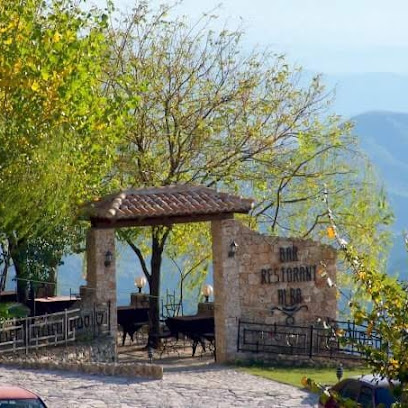
Restaurant KROI
0.1 km
Discover authentic Albanian flavors at Restaurant KROI in Krujë, where culinary traditions meet breathtaking views.
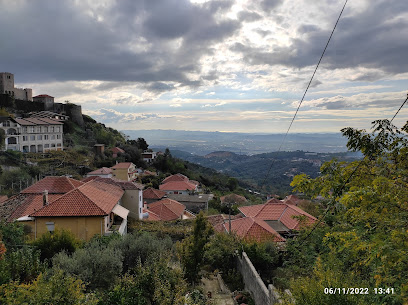
Rooms&Restaurant "EMILIANO" (Castle of Kruja)
0.1 km
Savor exquisite Albanian cuisine with breathtaking views at Rooms & Restaurant 'Emiliano' in the historic Castle of Kruja.
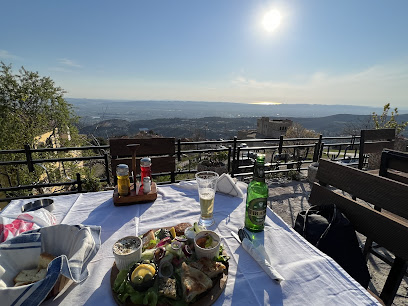
Fabiani Snack Bar & Pizzeri
0.1 km
Discover Fabiani Snack Bar & Pizzeri in Krujë: A perfect blend of traditional Albanian flavors and international cuisine awaits you.
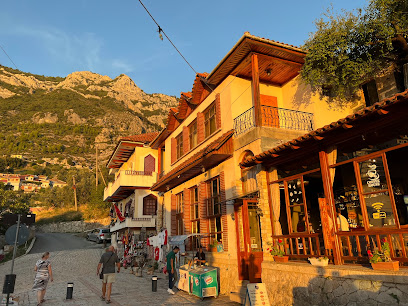
Kruja Hospitality
0.2 km
Experience authentic Albanian cuisine at Kruja Hospitality, where warm hospitality meets rich cultural heritage in the heart of historic Krujë.
Snack Bar Derexhiku
0.2 km
Experience delightful family dining with stunning views at Snack Bar Derexhiku in Krujë, Albania—where taste meets tradition.
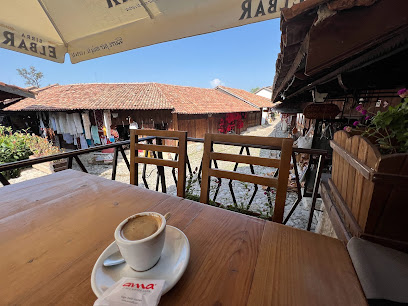
DEAL Castle View Rooms
0.3 km
Discover authentic Albanian cuisine with stunning views at DEAL Castle View Rooms in beautiful Krujë.
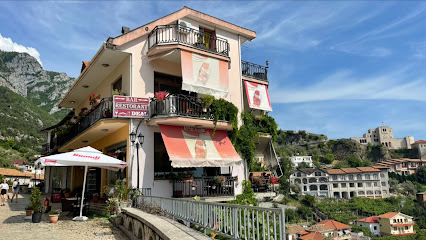
Restorant PANORAMA Kruje
0.3 km
Experience exquisite local cuisine with breathtaking views at Restorant PANORAMA in Kruje - a must-visit for any traveler.
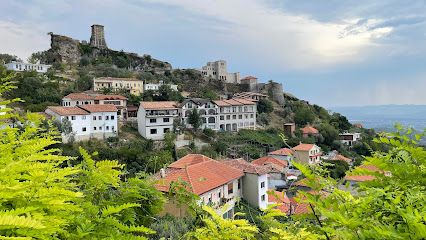
Pizzeria Kupa Hallall
0.3 km
Experience authentic Italian flavors at Pizzeria Kupa Hallall in Kruje – a fast food gem renowned for its delicious pizzas and warm atmosphere.
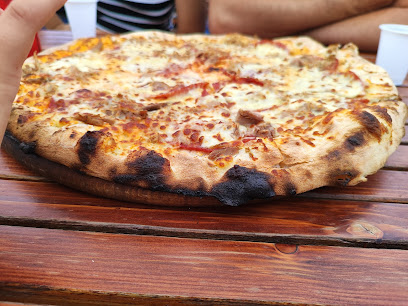
Restaurant Dior
0.5 km
Experience authentic Albanian cuisine at Restaurant Dior in beautiful Krujë - where tradition meets modern culinary artistry.
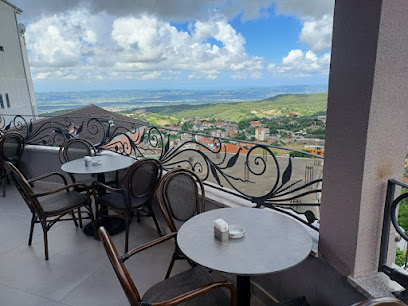
Pamja e Qyteteve
1.0 km
Experience authentic Albanian cuisine at Pamja e Qyteteve with breathtaking views and warm hospitality.
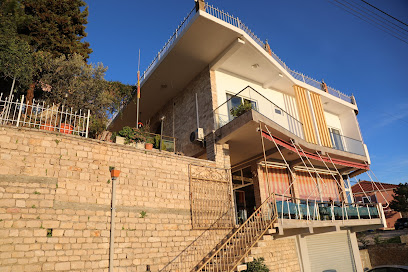
Garden Organic Restaurant & Mali Camping
1.3 km
Experience the best of Albanian organic cuisine at Garden Organic Restaurant & Mali Camping in Krujë—where nature meets flavor.
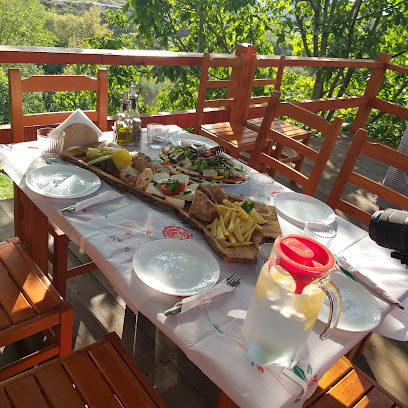
Markets, malls and hidden boutiques

Souvenirs & Fun, local guides
0.1 km
Explore unique souvenirs and local treasures at Souvenirs & Fun in Krujë - where every purchase tells a story of Albanian culture.
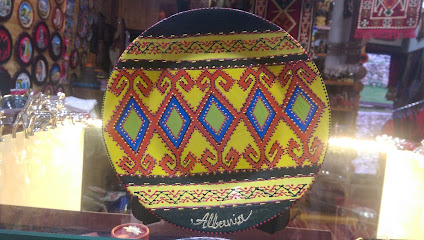
"G&E" Silver and Souvenier
0.1 km
Explore authentic Albanian crafts and exquisite silver jewelry at 'G&E' Silver and Souvenir, the perfect stop for unique gifts and keepsakes in Krujë.
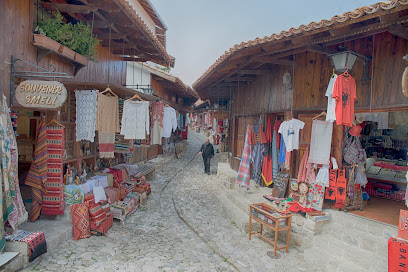
The Unique Shop
0.1 km
Explore the exquisite craftsmanship and unique designs at The Unique Shop, a jewelry haven in the heart of Kruje, Albania.
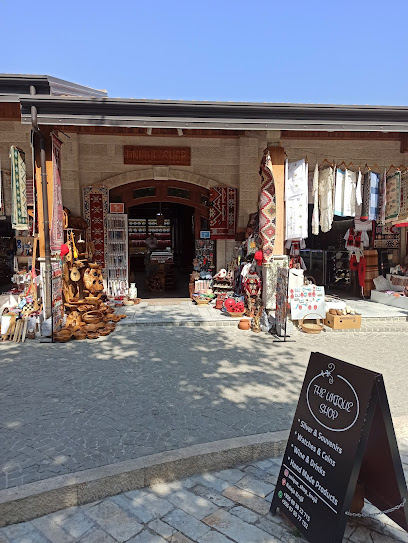
Kruja's Shop
0.1 km
Discover Albania's rich culture at Kruja's Shop, where handcrafted souvenirs and unique gifts await every traveler.
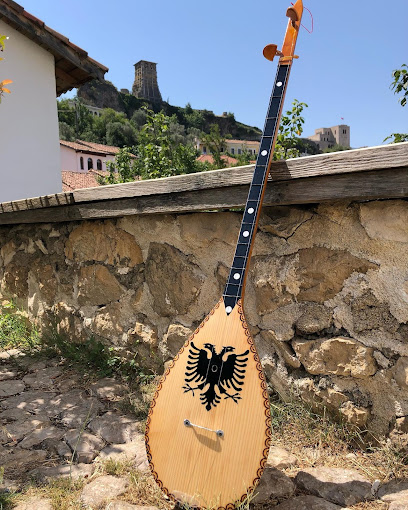
Souvenir EAS
0.2 km
Discover unique Albanian souvenirs at Souvenir EAS, where cultural heritage meets exquisite craftsmanship for your perfect keepsake.
artistike_argjend.fatosherri
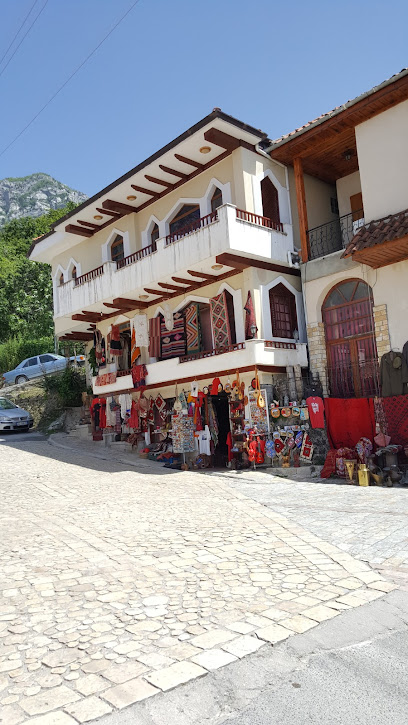
0.2 km
Discover unique Albanian crafts and jewelry at Artistike Argjend Fatosherri, a vibrant shopping mall in the enchanting town of Krujë.
Souvenir Albani
0.2 km
Discover unique handcrafted souvenirs and authentic Albanian treasures at Souvenir Albani in the heart of Krujë.
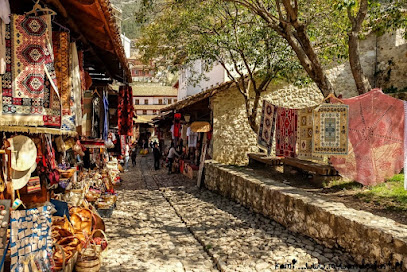
Silver shop Berhami
0.2 km
Explore the exquisite craftsmanship of Silver Shop Berhami in Kruje, Albania, and discover unique handmade silver jewelry reflecting local heritage.
Shop Enesi
0.2 km
Discover unique Albanian fashion and traditional craftsmanship at Shop Enesi in the heart of Krujë.
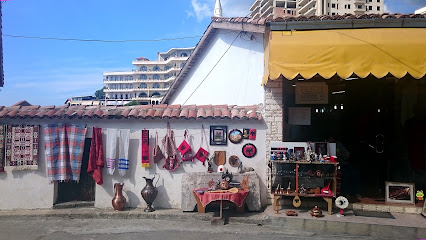
Souvenir Çela
0.2 km
Discover unique Albanian crafts and authentic souvenirs at Souvenir Çela, the perfect shop for travelers in the heart of Krujë.
Qendistari Dallaku
0.2 km
Experience authentic Albanian craftsmanship at Qendistari Dallaku, a premier embroidery shop in Krujë offering exquisite handmade souvenirs.
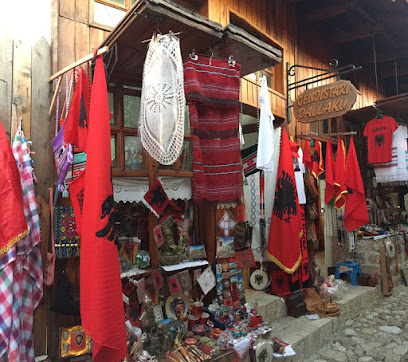
Antique Berberi
0.2 km
Explore unique antiques and local crafts at Antique Berberi, a cultural gem in the heart of Krujë, Albania.
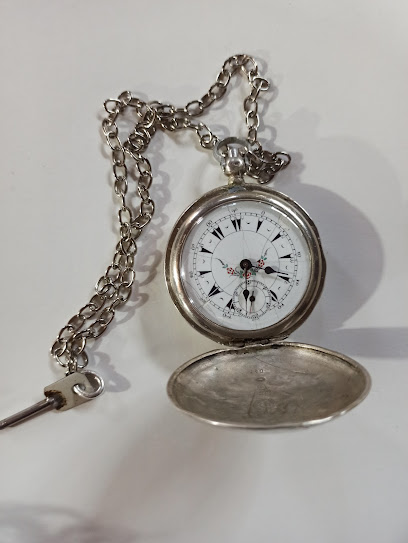
TEMA ANTIQUES
0.2 km
Explore the rich history of Albania at Tema Antiques, a must-visit antique store in Krujë offering unique artifacts and cultural treasures.
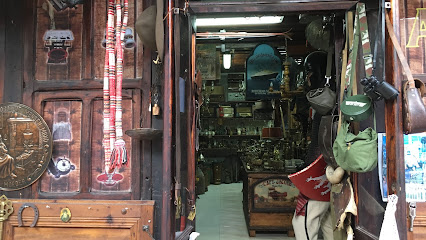
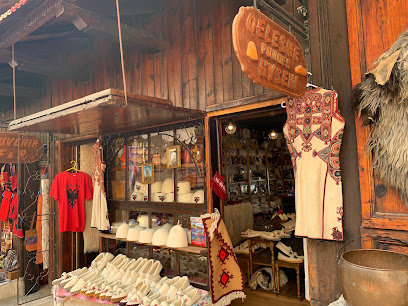
Qeleshe Punes Hyseni
0.2 km
Explore the enchanting antique treasures of Qeleshe Punes Hyseni in Krujë, where history and culture come to life through unique artifacts.
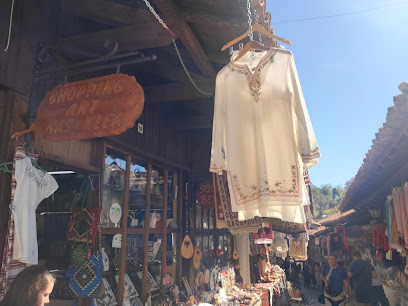
Shopping Art Has&Klea
0.3 km
Shop for unique home goods and authentic souvenirs in the heart of Krujë at Shopping Art Has&Klea, where local craftsmanship meets vibrant culture.
Essential bars & hidden hideouts

Bar Restorant Eli
0.1 km
Experience authentic Albanian flavors at Bar Restorant Eli, a charming destination in the heart of Krujë offering a cozy ambiance and local cuisine.
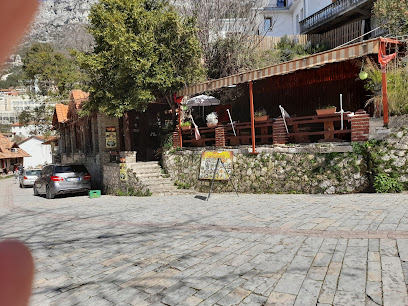
Iri's Place
0.3 km
Discover Iri's Place in Krujë: A cozy bar offering local charm, delicious drinks, and a relaxing atmosphere amidst the historical beauty of Albania.
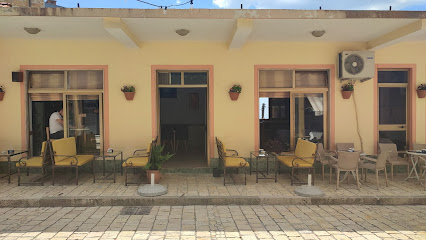
Lounge Bar Ani
0.4 km
Experience the charm of Albania at Lounge Bar Ani, where relaxation meets local flavors in a stunning mountainous setting.
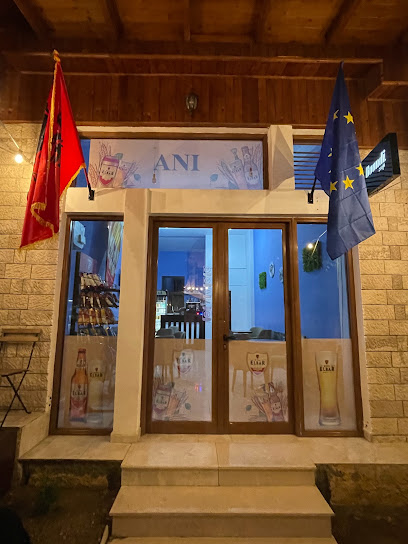
Gemelli Bar
0.5 km
Discover the charm of Gemelli Bar in Kruje, a welcoming spot for tourists to unwind, savor local drinks, and immerse in Albanian culture.
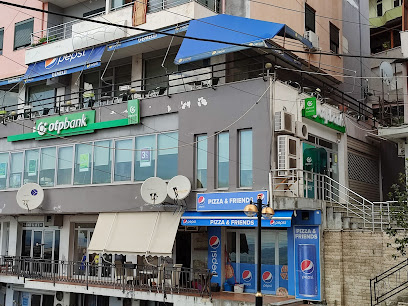
Bar kafe keli
0.8 km
Discover the cozy charm of Bar Kafe Keli in Kruje, a perfect spot for tourists to relax and enjoy local beverages amidst historic surroundings.
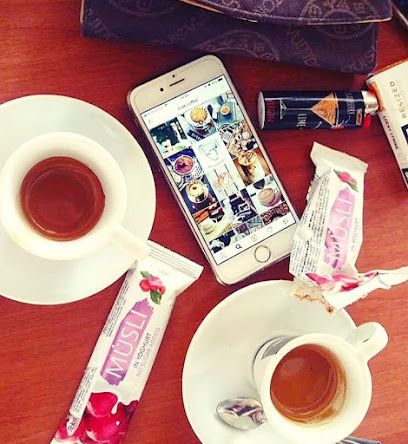
Bar Kafe Shullazi
0.9 km
Experience the vibrant atmosphere at Bar Kafe Shullazi in Kruje, where local charm meets a delightful selection of drinks in a welcoming setting.
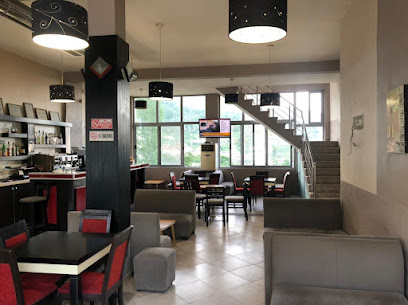
Bar
0.9 km
Experience the charm of Kruje at this inviting bar, where local flavors and warm hospitality meet in a delightful setting.
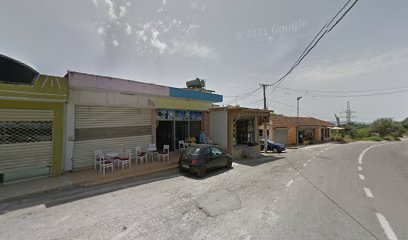
Bar Restaurant
1.7 km
Experience the essence of Krujë at this charming coffee store, offering delightful brews in a cozy setting amidst the town's rich history.
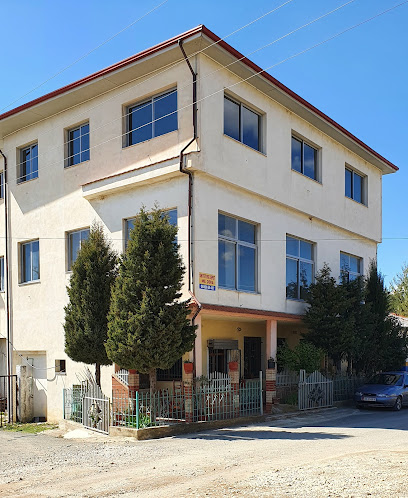
Bar restorant OAZ
3.1 km
Discover the flavors of Albania at Bar Restorant OAZ, where every grilled dish tells a story of tradition and taste in the heart of Krujë.
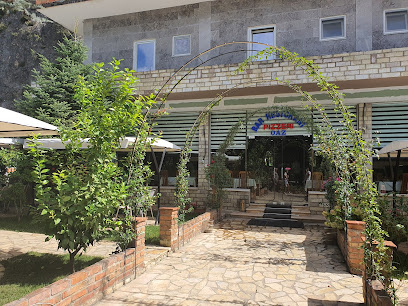
Bar Lulishtja
6.5 km
Experience the vibrant atmosphere at Bar Lulishtja in Fushë-Krujë, where local culture and exceptional hospitality meet.
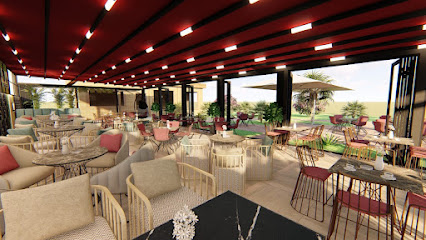
db DUO BAR
6.7 km
Discover the lively charm of db DUO BAR in Fushë-Krujë, where expert mixology meets a vibrant atmosphere for an unforgettable night out.
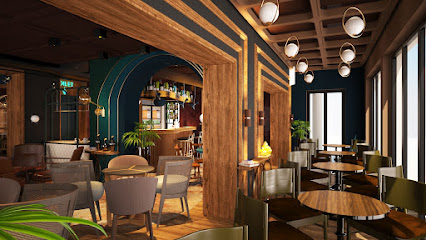
Bar caffe
11.0 km
Discover the charm of Zhejë at Bar Caffe, a cozy retreat for relaxation and socializing with a selection of delightful beverages.
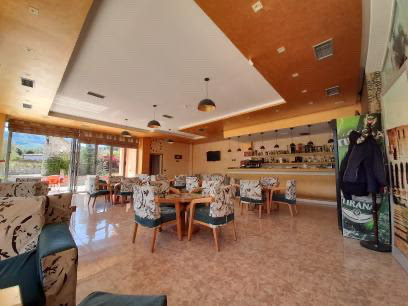
Katuci Bar
11.4 km
Discover the vibrant atmosphere and delightful offerings at Katuci Bar in Mamurras, a perfect spot for relaxation and socializing.
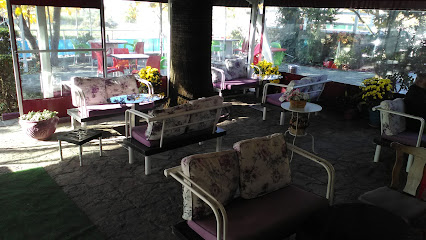
Borbone cafe
11.6 km
Experience the heart of Mamurras at Borbone Cafe, a perfect blend of local charm and cozy ambiance for every traveler.
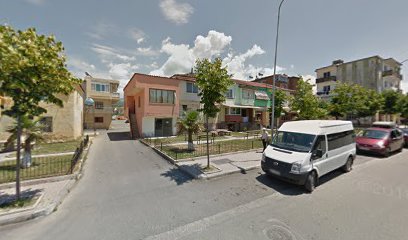
Bar_caffe_Hoti
11.6 km
Experience the local vibe at Bar Caffe Hoti, where delicious drinks and friendly service await in the heart of Mamurras, Albania.
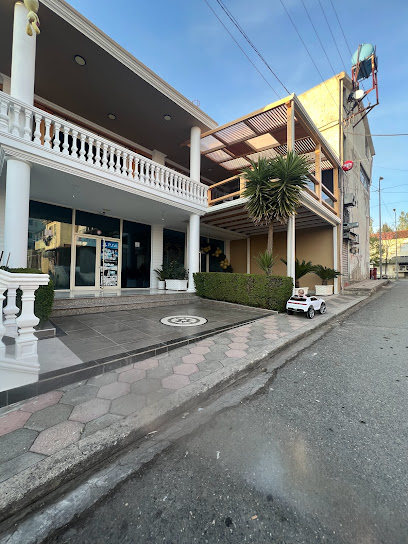
Nightclubs & after hour spots

Xhafa
7.0 km
Discover the vibrant nightlife at Xhafa in Borizanë, Albania, where great music and an electrifying atmosphere await.
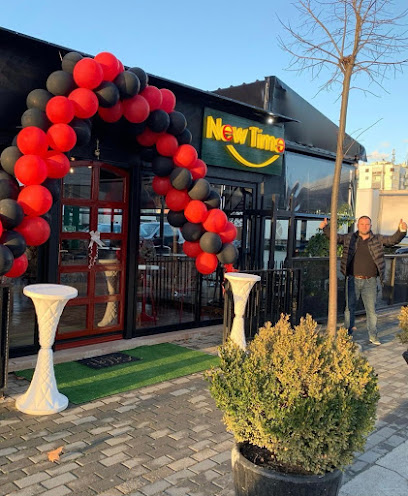
New Time
15.0 km
Discover relaxation and vibrant nightlife at New Time Lounge in Kamëz, the perfect blend of comfort and culture for tourists.
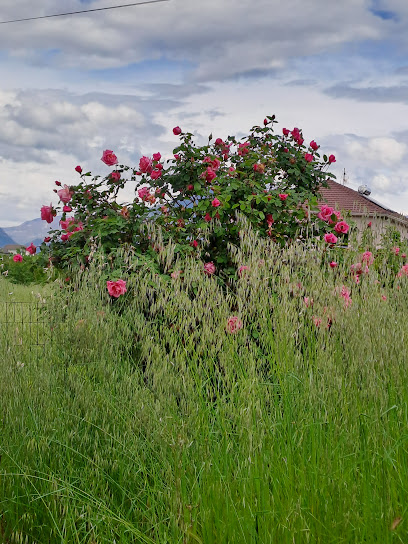
Matrix Space
16.8 km
Discover the vibrant nightlife of Laknas at Matrix Space, a premier night club with electrifying music and an energetic atmosphere.
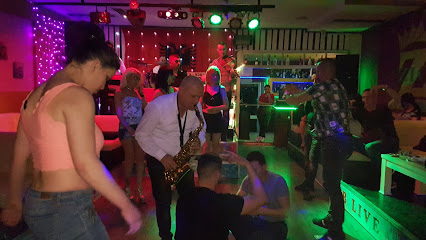
Music Live Zio Nino
17.7 km
Unleash the night at Music Live Zio Nino, Yrshek's vibrant club featuring electrifying music, lively atmosphere, and unforgettable entertainment.
Cavaliero The Club
18.4 km
Discover Tirana's nightlife at Cavaliero The Club, where live music and dancing create an unforgettable experience.
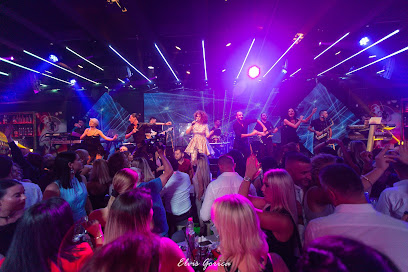
Night Club Mexico Tirane
18.6 km
Dive into the vibrant nightlife of Tirana at Night Club Mexico, where music and fun create an unforgettable experience.
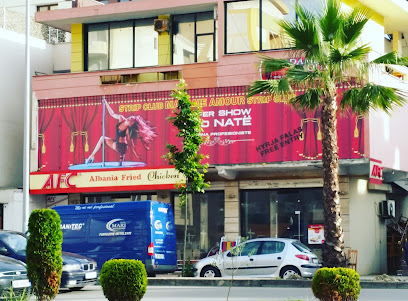
Cuba Club
18.6 km
Experience the electrifying nightlife at Cuba Club in Tirana, where great music and vibrant atmosphere come together for unforgettable nights.
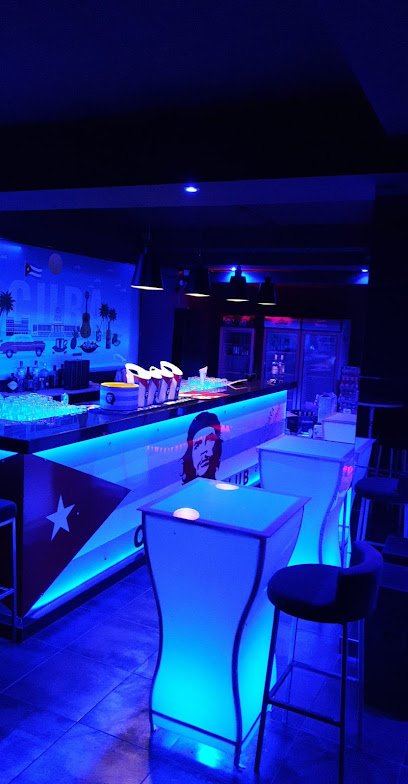
Vakia Lounge
18.8 km
Experience the vibrant nightlife of Tirana at Vakia Lounge, a premier night club offering an eclectic atmosphere, delicious cocktails, and unforgettable memories.
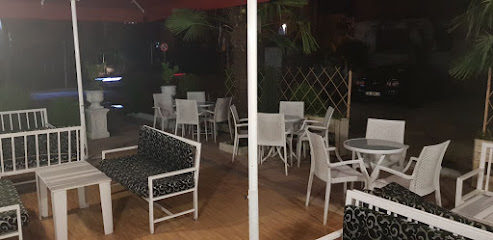
Maria Bonita Strip Club ️
19.2 km
Discover Tirana's nightlife at Maria Bonita Strip Club, a top adult entertainment venue with electrifying performances and an unforgettable atmosphere.
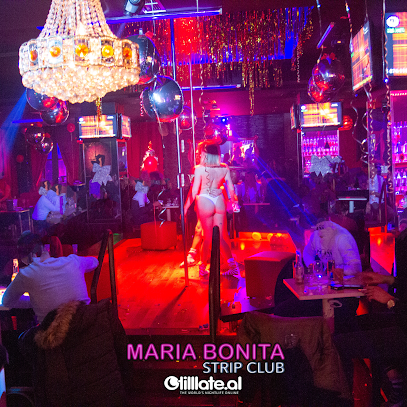
Boleros Club
19.3 km
Discover the vibrant nightlife of Tirana at Boleros Club, a premier night club offering unforgettable music and dance experiences.
Venue Dance Club
19.5 km
Immerse yourself in Tirana's nightlife at Venue Dance Club, where vibrant music and a lively crowd create unforgettable moments.
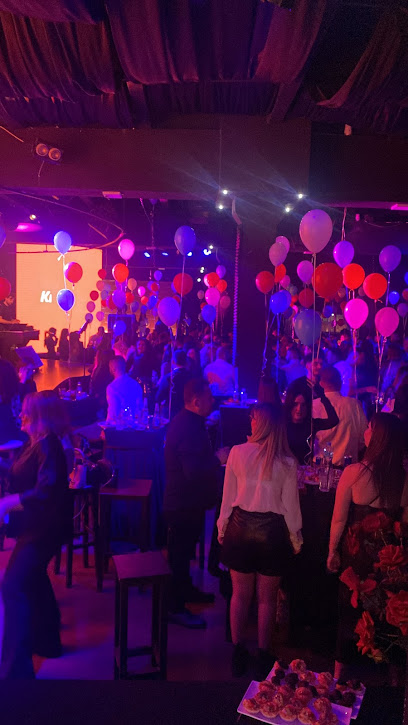
4 Elements Night Club Tirana
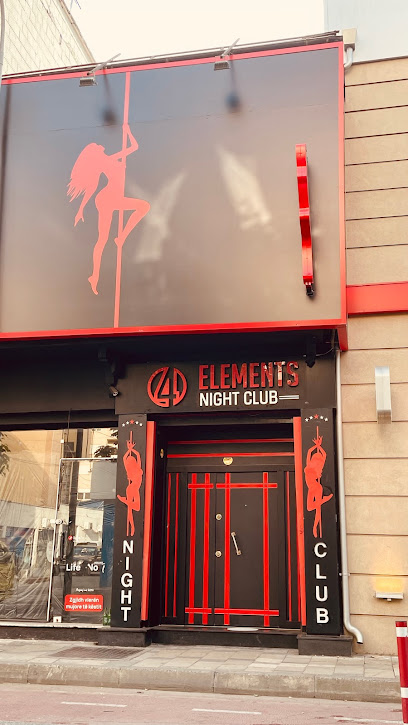
19.7 km
Discover the vibrant nightlife of Tirana at 4 Elements Night Club, where electrifying music and unforgettable experiences await you.
The Jack
19.8 km
Unleash your night at The Jack, Tirana's premier night club with electrifying music, vibrant atmosphere, and unforgettable experiences.
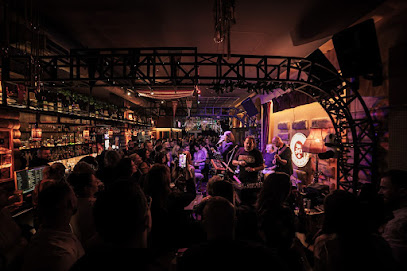
Hemingway Bar Tirana
19.8 km
Discover the vibrant atmosphere of Hemingway Bar Tirana, a premier jazz club offering live music, great drinks, and unforgettable nights.
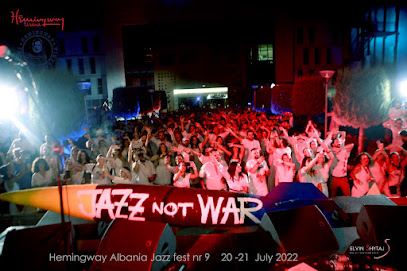
Tunel Music Venue
20.0 km
Discover the vibrant nightlife at Tunel Music Venue in Tirana, where the music pulses and the dance floor never sleeps.