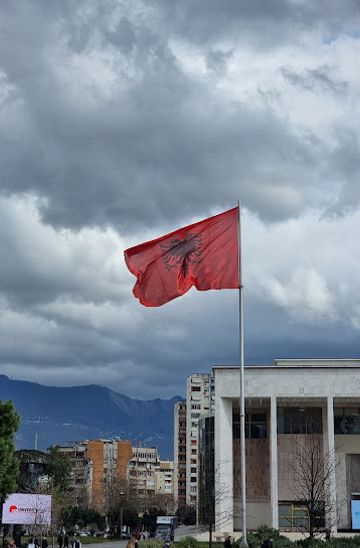
Albanian Flag: A Symbol of National Identity in Tirana
A powerful symbol of Albanian pride and resilience, representing the nation's rich history and struggle for independence in the heart of Tirana.
The Albanian Flag in Tirana is more than just a landmark; it's a potent symbol of Albanian national pride and resilience. Displaying the iconic black double-headed eagle on a red field, it embodies the country's rich history and long struggle for independence, making it a must-see for visitors exploring the capital city.
A brief summary to Albanian Flag
- Rruga e Dibrës 9, Tirana, AL

Know before you go
Hi, I'm Eve. Here are a few practical things to know before exploring Albanian Flag.
- Take a moment to reflect on the flag's historical significance as a symbol of Albanian resilience and national identity.
- Visit during national holidays to witness the flag at the center of vibrant celebrations and cultural events.
- Capture memorable photographs with the Albanian Flag as a backdrop, showcasing its prominence in Tirana's cityscape.
Do you manage this location?
Take control to get all the benefits, like improved information, better appearance, and stronger visibility across AI-powered discovery. Learn more
Activate your presence
Getting There
-
Walking
The Albanian Flag is located at Rruga e Dibrës 9 in Tirana, easily accessible from the city center. From Skanderbeg Square, walk east along Rruga e Dibrës. The flag is approximately a 10-15 minute walk. There are no costs associated with walking.
-
Public Transport
The Albanian Flag can be reached via Tirana's public transportation. Several bus lines operate near Rruga e Dibrës. A single bus fare costs 40 Lek. Check local bus routes for the most convenient option from your starting point.
-
Taxi
Taxis are readily available in Tirana. A short taxi ride to the Albanian Flag from Skanderbeg Square or another central location should cost approximately 300-500 Lek. Ensure the meter is running or agree on a price beforehand.
Discover more about Albanian Flag
Explore the best of what Albanian Flag has to offer













More about Tirana Plain
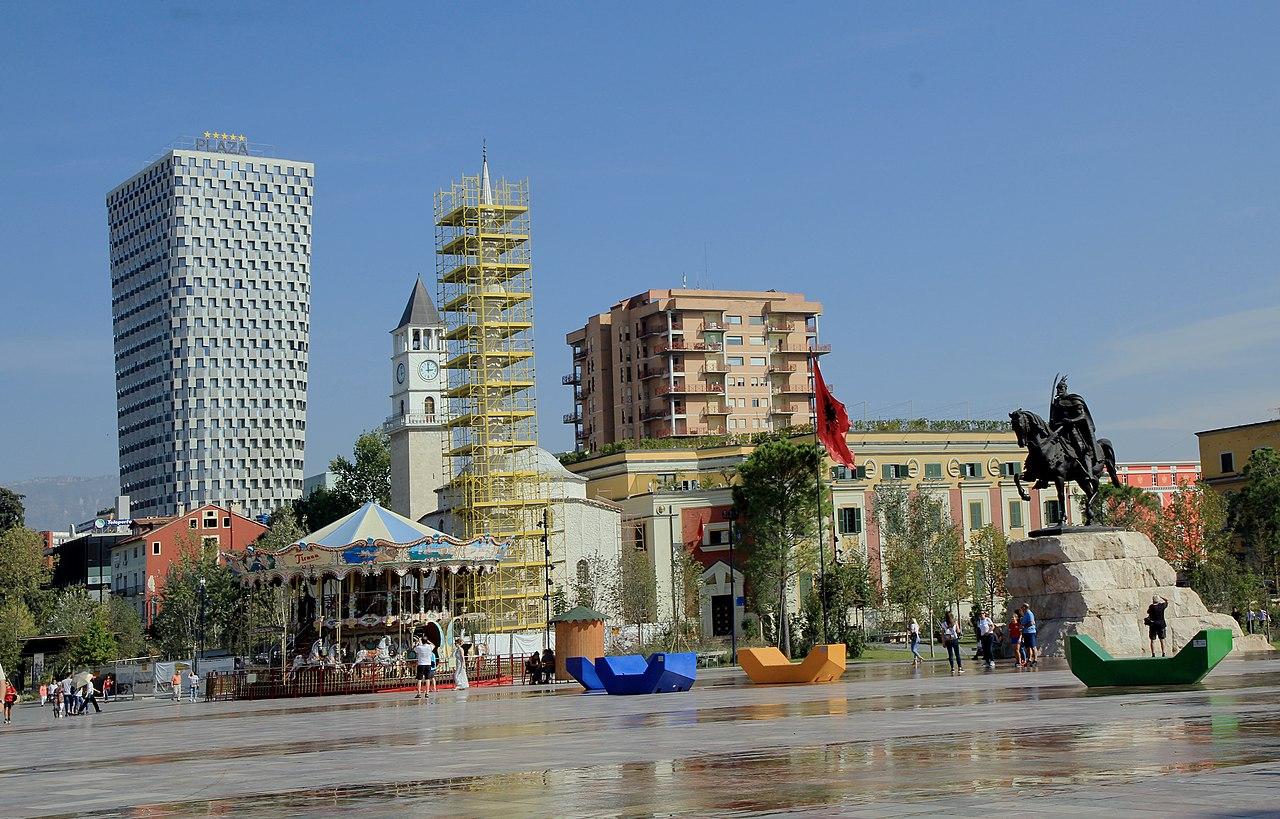
Experience the serene beauty and rich heritage of the Tirana Plain, a peaceful countryside retreat near Albania's vibrant capital.
Tell me more about Tirana Plain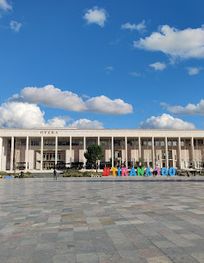
Discover Tirana's Palace of Culture: A monumental landmark housing the National Theater and Library on vibrant Skanderbeg Square.
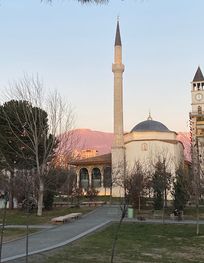
Discover Tirana's hidden gems and rich history with engaging local guides on a free walking tour. Explore the heart of Albania's vibrant capital.