

Free Tirana Plain Travel Guide & Mobile App
Explore Tirana Plain with free travel guides. Discover regional history, expert tips, proposed trips, and audio guides on web or mobile app.


Explore Tirana Plain for Albania’s capital, Ottoman and communist heritage, contemporary culture, mountain views and central lowland landscapes.
Read more about Tirana Plain
When is the best time to visit Tirana Plain?
Best: May–June, September · 26–30°C| Month | High (°C) | Rainfall (mm) |
|---|---|---|
| January | 11 | 95 |
| February | 13 | 85 |
| March | 17 | 90 |
| April | 21 | 70 |
| May (best) | 26 | 55 |
| June (best) | 30 | 30 |
| July | 33 | 25 |
| August | 33 | 30 |
| September (best) | 28 | 55 |
| October | 22 | 80 |
| November | 16 | 100 |
| December | 13 | 110 |
Getting to and around Tirana Plain
How to get there
Transportation
Top city travel guides in Tirana Plain
The cities of Tirana Plain, and the easiest places to base yourself.
-

-

-
-

-


Swipe for more cities
Destinations in Tirana Plain
Resorts, valleys and scenic spots worth a trip of their own.

Swipe for more destinations
Best attractions in Tirana Plain
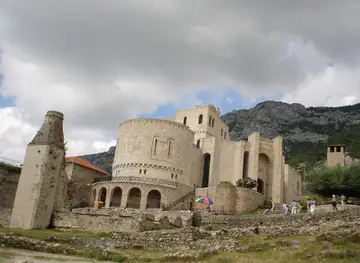
The principal attraction of the Tirana Plain is the concentrated cultural life of Tirana. Skanderbeg Square, the Et’hem Bey Mosque, Clock Tower, National History Museum, House of Leaves and Bunk’Art 2 introduce visitors to Ottoman, national, communist and post-communist Albania, while the Pyramid and surrounding boulevards show how the capital’s public architecture continues to evolve. Galleries, theatres, cafés and renovated urban spaces provide a contemporary counterpoint to the historic core. Beyond central Tirana, the plain becomes a landscape of expanding suburbs, agricultural remnants and transport corridors, offering a more grounded view of everyday metropolitan Albania. Short excursions lead to the wooded slopes and viewpoints of Mount Dajti, which borders the plain to the east, and to Petrelë Castle in the southern hills; both are outside the flat basin but practical additions to a Tirana itinerary. The airport corridor around Rinas is primarily functional rather than scenic, while nearby villages and market areas reveal the region’s continuing connection with farming and small-scale commerce. Visitors should think of the area as an urban region with accessible hill excursions, museums, architecture and food culture rather than as a conventional countryside destination.
-
Tourist attraction
Skanderbeg Square
Discover Tirana's heart at Skanderbeg Square: a vibrant hub of history, culture, and modern Albanian life, surrounded by iconic landmarks.
-
Museum
Bunk'Art 2
Explore Albania's communist history at Bunk'Art 2, a former nuclear bunker in Tirana transformed into a museum of remembrance and reflection.
-
City park
Tirana Park
Escape to Tirana's largest green space: a serene park with a lake, gardens, historical monuments, and cultural attractions for all ages.
-
Historical landmark
Pyramid of Tirana
Explore Tirana's iconic Pyramid: From communist symbol to vibrant tech hub, offering panoramic views and a glimpse into Albania's past and future.


Best landmarks in Tirana Plain
Skanderbeg Square is the Tirana Plain’s most recognisable civic landmark, a broad urban space framed by the National History Museum, Et’hem Bey Mosque, Clock Tower, Palace of Culture and other institutions. The mosque and tower preserve key elements of the Ottoman-era town, while the square’s successive redesigns reflect changing political ideas about the Albanian capital. The Pyramid of Tirana is an angular and controversial reminder of the communist period, now adapted to a new civic and cultural role. The Tanners’ Bridge, an Ottoman-era stone crossing in the city, is a smaller but significant survivor of the infrastructure that once connected Tirana’s neighbourhoods. Along the central boulevards, interwar and Italian rationalist buildings stand beside socialist ministries and later construction, creating an unusually readable architectural sequence. The plain’s natural landmark is the steep wooded wall of Mount Dajti to the east, although the mountain lies beyond the basin itself. South-east of the city, Petrelë Castle occupies a hill above the plain and provides a historic counterpoint to Tirana’s dense urban core.
-
Tourist attraction
Skanderbeg Square
Experience the grandeur of Skanderbeg Square in Tirana, a vibrant hub surrounded by historical landmarks and cultural treasures.
-
 Castle
 of Kruja
Explore Kruja Castle: A historic Albanian fortress with stunning views, Skanderbeg's legacy, and a vibrant cultural experience.
-
Museum
Bunk'Art 2
Explore Albania's communist past in a former secret bunker in the heart of Tirana. A chilling journey into history.
-
City park
Tirana Park
Escape to Tirana's largest green space: a vibrant park with a lake, gardens, historical monuments, and recreational activities for all.


Explore Tirana Plain on the map
Plan your trip on one map. See where the top cities, national parks and sights are, and book hotels and experiences in a few clicks.
Best hotels in Tirana Plain
Best restaurants in Tirana Plain
Dining across the Tirana Plain combines central Albanian cooking with the capital’s increasingly international restaurant scene. Traditional menus commonly feature tavë kosi, a baked dish of lamb and yoghurt, qofte, grilled meats, byrek, stuffed vegetables, seasonal salads and soups; recipes and presentation vary between households and restaurants. Tirana’s cafés are central to the city’s social rhythm, while bakeries and small shops provide inexpensive savoury pastries and sweet produce for travellers on the move. Restaurants in the city range from informal grill houses and family-run establishments to contemporary venues serving Mediterranean, Italian and broader international food. Markets and food shops are useful for seeing the vegetables, fruit, dairy products and herbs produced in Albania’s central lowlands, although market arrangements change over time. The surrounding plain also supports rural inns and roadside dining, where menus often depend on seasonal ingredients. Albanian wine, raki and locally produced beer may accompany meals, but visitors should distinguish regional products from items marketed simply as Albanian or Balkan specialities.
-
Restaurant
Odas Garden
Discover authentic Albanian flavors at Odas Garden in Tirana - where tradition meets taste in a serene garden setting.
-
Restaurant
Oda Garden
Discover authentic Albanian flavors at Oda Garden in Tirana, where tradition meets taste in a cozy atmosphere.
-
Traditional restaurant
Oda - Traditional Albanian Restaurant
Discover authentic Albanian cuisine at Oda, where traditional flavors meet warm hospitality in the heart of Tirana.
-
Restaurant
Kazerma e Cerenit
Discover authentic Albanian flavors at Kazerma e Cerenit - where tradition meets taste in Tirana's vibrant culinary scene.


Best bars in Tirana Plain
Evening life in the Tirana Plain is overwhelmingly concentrated in Tirana, especially around the central streets and the Blloku area. The city offers traditional cafés, wine bars, cocktail venues, restaurants with late service, live-music spaces and a changing selection of clubs, while the surrounding plain has a quieter pattern of neighbourhood cafés, family restaurants and roadside establishments. Blloku’s nightlife reflects the capital’s post-communist redevelopment, but it is a busy urban district rather than a specifically traditional quarter, and individual venues can change. Outside Tirana, evenings are generally centred on conversation, coffee, food and local bars rather than a large club scene. Some cultural venues and seasonal outdoor spaces add music or performances, but programmes and opening arrangements should be checked locally. Alcohol is not necessary for enjoying the region’s evening culture: café life, late dinners, promenades and contemporary arts are equally important parts of Tirana after dark.
-
Bar
Oping's Cocktails & Beer
Experience the best of Tirana's nightlife at Oping's Cocktails & Beer, where cocktails, craft beers, and delicious food come together in a vibrant atmosphere.
-
Cocktail bar
Radio bar Tirana
Discover the vibrant nightlife of Tirana at Radio Bar, a cozy cocktail haven with unique drinks and an eclectic atmosphere.
-
Irish pub
New Irish Pub
Discover the lively spirit of Tirana at New Irish Pub, where Irish charm meets local culture, delicious food, and vibrant entertainment.
-
Grill
Duff Sports Bar
Discover the vibrant atmosphere of Duff Sports Bar, Tirana's premier grill and sports destination for food and sports enthusiasts.


Best nightclubs in Tirana Plain
Evening life in the Tirana Plain is overwhelmingly concentrated in Tirana, especially around the central streets and the Blloku area. The city offers traditional cafés, wine bars, cocktail venues, restaurants with late service, live-music spaces and a changing selection of clubs, while the surrounding plain has a quieter pattern of neighbourhood cafés, family restaurants and roadside establishments. Blloku’s nightlife reflects the capital’s post-communist redevelopment, but it is a busy urban district rather than a specifically traditional quarter, and individual venues can change. Outside Tirana, evenings are generally centred on conversation, coffee, food and local bars rather than a large club scene. Some cultural venues and seasonal outdoor spaces add music or performances, but programmes and opening arrangements should be checked locally. Alcohol is not necessary for enjoying the region’s evening culture: café life, late dinners, promenades and contemporary arts are equally important parts of Tirana after dark.
-
Cocktail bar
Radio bar Tirana
Discover the best of Tirana's nightlife at Radio Bar, a lively cocktail bar offering creative drinks and an unforgettable atmosphere.
-
Jazz
Hemingway Bar Tirana
Discover the vibrant jazz scene at Hemingway Bar Tirana, a social club where live music and crafted cocktails create unforgettable nights.
-
Night club
Cinco Cavalli Premium Club
Discover the pulse of Albanian nightlife at Cinco Cavalli Premium Club, where music, dance, and vibrant energy converge for an unforgettable experience.
-
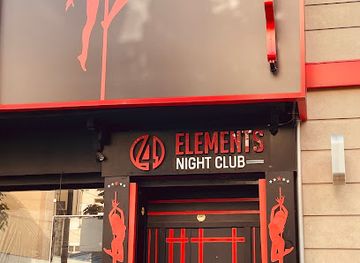
Night club
4 Elements Night Club Tirana
Discover the vibrant nightlife of Tirana at 4 Elements Night Club, where music, dance, and unforgettable moments come together.


Best shops in Tirana Plain
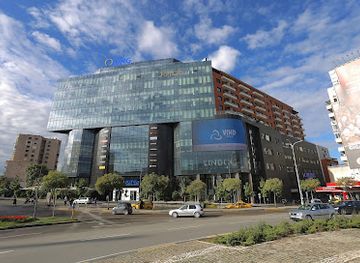
Shopping in the Tirana Plain is centred on Tirana, where modern retail streets, department-style stores, supermarkets, independent boutiques, bookshops, cafés and small design-led businesses coexist with older market traditions. The central area is useful for Albanian-language books, crafts, souvenirs and everyday goods, while the Blloku district has a more contemporary selection of fashion, interiors and speciality food. Local food shops and markets offer olive oil, honey, herbs, dried fruit, preserves, cheese, raki and regional sweets, although products and stall locations can change. Handicrafts, woven items and small decorative objects make more meaningful souvenirs when their origin and materials are clear. Shopping malls and large commercial developments tend to be concentrated in the wider Tirana metropolitan area rather than in rural parts of the plain. Around Kamëz, Vorë and the airport corridor, retail is more practical and dispersed, with roadside businesses and supermarkets rather than a historic shopping quarter. Bargaining is not expected in most established shops, but prices at informal stalls may be discussed politely.
-
Shopping mall
Toptani
Explore the vibrant Toptani Shopping Mall in Tirana, where shopping, dining, and entertainment meet in a modern retail experience.
-
Shopping mall
TEG - Tirana East Gate
Explore TEG - Tirana East Gate, a vibrant shopping mall in Tirana, Albania, featuring top brands, dining, and entertainment for an unforgettable experience.
-
Shopping mall
QTU - Qendra Tregtare Univers
Explore QTU - Qendra Tregtare Univers: Tirana's premier shopping destination with diverse retail, dining, and entertainment options for every visitor.
-
Shopping mall
Tirana Ring Center
Experience the vibrant shopping and entertainment scene at Tirana Ring Center, a must-visit destination in the heart of Tirana, Albania.


Get your free copy of our complete guide to Tirana Plain, delivered straight to you.
Everything on this page, from attractions and restaurants to essentials and local phrases, in one PDF you can read offline, print or share.
Already have an account? Sign in
Your Tirana Plain guide is ready.
We'll send it to · Not you? Sign out

Getting your guide ready…
We are putting together a fresh copy of the Tirana Plain guide. This can take up to a minute.
This can take a few moments. If your browser asks, choose Allow so the download can start. You'll find the guide in your Downloads folder.
Nothing happened? Download it again
Sorry, the guide is taking longer than usual. Please try again in a minute, or get it by email instead.
Tirana Plain essentials
Currency and Payment
Safety
Emergency Situations
Do's and Don'ts
Local Tips
From Eve
Local phrases worth knowing
You don't need to get them perfect. A few words go a long way, and locals appreciate the effort.
Basics
| English | Local | Say it |
|---|---|---|
| Hello | Përshëndetje | [Për-shen-de-tye] |
| Goodbye | Mirupafshim | [Mee-roo-paf-sheem] |
| Yes | Po | [Po] |
| No | Jo | [Yo] |
| Please/You're welcome | Të lutem/ S'ka përse | [Të loo-tem/ Skah pur-se] |
| Thank you | Faleminderit | [Fah-le-min-de-rit] |
| Excuse me/Sorry | Më falni | [Më fal-nee] |
| How are you? | Si jeni? | [See yen-ee?] |
| Fine. And you? | Mirë. Edhe ti? | [Meer. Edh-eh tee?] |
| Do you speak English? | A flisni anglisht? | [Ah flees-nee ang-leesht?] |
| I don't understand | Nuk kuptoj | [Nook koop-toy] |
Eating & Drinking
| English | Local | Say it |
|---|---|---|
| I'd like to see the menu, please | Do doja të shihja menunë, të lutem | [Do do-yah të shee-hyah men-oo-në, të loo-tem] |
| I don't eat meat | Nuk ha mish | [Nook hah meesh] |
| Cheers! | Gëzuar! | [Guh-zoo-ar!] |
| I would like to pay, please | Do doja të paguaja, të lutem | [Do do-yah të pah-goo-ah-yah, të loo-tem] |
Emergencies
| English | Local | Say it |
|---|---|---|
| Help! | Ndihmë! | [Ndee-hm!] |
| Go away! | Shkoni larg! | [Shkoh-nee larg!] |
| Call the Police! | Thirrni Policinë! | [Theer-nee Pol-lee-cheen!] |
| Call a doctor! | Thirrni një mjek! | [Theer-nee nyuh myek!] |
| I'm lost | Jam humbur | [Yam hoom-bur] |
| I'm ill | Jam i sëmurë | [Yam ee sëm-ooh-rë] |
Shopping
| English | Local | Say it |
|---|---|---|
| I'd like to buy... | Do doja të blija... | [Do do-yah të blee-yah...] |
| I'm just looking | Po shikoj | [Poh shee-koy] |
| How much is it? | Sa kushton? | [Sah koosh-ton?] |
| That's too expensive | Kjo është shumë e shtrenjtë | [Kyo esh-të shum eh shtrenjt] |
| Can you lower the price? | Mund të ulni çmimin? | [Moond të ool-nee chmee-min?] |
Time & Numbers
| English | Local | Say it |
|---|---|---|
| What time is it? | Sa është ora? | [Sah esh-të oh-rah?] |
| It's one o'clock | Është një orë | [Esh-të nyuh or-ë] |
| Half past (10) | Pjesë pas (10) | [Pye-seh pahs (10)] |
| Morning | Mëngjes | [Men-jes] |
| Afternoon | Pasdite | [Pahs-dee-teh] |
| Evening | Mbrëmje | [Mbr-em-yeh] |
| Yesterday | Dje | [Dyeh] |
| Today | Sot | [Sot] |
| Tomorrow | Nesër | [Neh-sher] |
| 1 | Një | [Nyuh] |
| 2 | Dy | [Dyee] |
| 3 | Tre | [Tre] |
| 4 | Katër | [Kah-tër] |
| 5 | Pesë | [Pe-së] |
| 6 | Gjashtë | [Jah-shtë] |
| 7 | Shtatë | [Shtah-të] |
| 8 | Tetë | [Te-të] |
| 9 | Nëntë | [Nuhn-të] |
| 10 | Dhjetë | [Dhee-eh-të] |
Transport & Directions
| English | Local | Say it |
|---|---|---|
| Where's a/the...? | Ku është një...? | [Koo esh-të nyuh...?] |
| What's the address? | Cila është adresa? | [Tsee-lah esh-të ah-dreh-sah?] |
| Can you show me (on the map)? | A mund të më tregoni (në hartë)? | [Ah moond të më treh-goh-nee (në har-të)?] |
| When's the next (bus)? | Kur është autobusi tjetër? | [Koorr esh-të au-toh-boo-see tyeh-ter?] |
| A ticket (to ....) | Një biletë (për ....) | [Nyuh bee-le-të (për....)] |
History of Tirana Plain
Early Settlement and the Roman Road Network
The Tirana basin has long provided cultivable land and a natural route between the Adriatic coast and the interior. Ancient settlement in the wider area belonged to the changing Illyrian and later Roman worlds, while the Roman road system linked the central Albanian lowlands with routes across the Balkans. The region’s importance came less from a single monumental ancient city than from its position between coastal ports, inland valleys and mountain passes. Archaeological evidence and surviving routes around the plain help explain why the basin repeatedly became a centre of settlement and movement.
Ottoman Foundations of Tirana
Modern Tirana is generally associated with Sulejman Bargjini, who established a mosque, bakery, hamam and commercial facilities at the beginning of the seventeenth century. Under Ottoman rule, the settlement developed as a market town surrounded by agricultural land and connected to nearby villages and routes. The Et’hem Bey Mosque and Clock Tower belong to the town’s later Ottoman-era urban memory, although the historic centre has been extensively altered. Tirana’s early growth rested on the productive plain and its role as a meeting point for regional trade.
From Provincial Town to National Capital, 1912–1920
After Albania declared independence in 1912, political power shifted between several towns before Tirana was selected as the permanent capital in 1920. Its central position, relatively accessible plain and capacity for expansion helped determine the choice. The decision transformed Tirana from a modest Ottoman town into the administrative centre of the new Albanian state. Ministries, roads, civic institutions and new residential quarters gradually altered the basin, creating the foundations of the capital seen today.
Interwar Planning and Italian Influence
During the interwar period, particularly under King Zog, Tirana acquired more formal administrative and architectural ambitions. Italian occupation from 1939 brought major planning interventions, broad avenues and rationalist buildings, many of which remain visible around the central boulevards. These projects imposed an external political agenda but also gave the capital a clearer civic structure. The contrast between Ottoman survivals, interwar planning and later communist construction is one of the defining historical features of Tirana’s urban landscape.
Communist Rule and the Socialist Capital
From 1944 to 1991, Albania’s communist government reshaped Tirana Plain through state-led industry, housing and infrastructure. Central squares and government buildings were redesigned, private commerce was suppressed, and large apartment districts expanded beyond the older core. The Pyramid, originally built as a museum dedicated to Enver Hoxha, reflects the period’s monumental political culture, while surviving bunkers and institutional buildings recall the regime’s isolation and militarisation. Agricultural land around the capital was also drawn increasingly into an urban and industrial economy.
Post-1991 Transformation and Metropolitan Growth
The end of communism brought rapid movement from rural areas to Tirana, private construction, new businesses and a dramatic expansion across the plain. Kamëz and the north-western approach grew into densely settled urban areas, while former industrial and agricultural land was redeveloped. Tirana’s public spaces, cultural institutions and restaurant districts have been repeatedly renovated, although congestion and uneven planning remain substantial challenges. The resulting landscape combines historic monuments, socialist architecture, informal growth and contemporary development within a relatively compact basin.
Tirana Plain in Photos
Browse through our photo collection highlighting the charm and character of the destination.
Neighbouring regions of Tirana Plain
The closest regions to Tirana Plain, if you have time for more than one.
-

-

-

-

-


Swipe for more regions
Explore more

Explore more of Albania
Discover Albania: A land of untamed beauty, rich history, and warm hospitality, offering stunning beaches, rugged mountains, and vibrant cities.
Explore Albania