Archaeological Museum of Apolonia: A Journey Through Ancient Illyria and Rome
Discover Albania's ancient past at the Archaeological Museum of Apolonia, home to a captivating collection of Illyrian, Greek, and Roman artifacts.
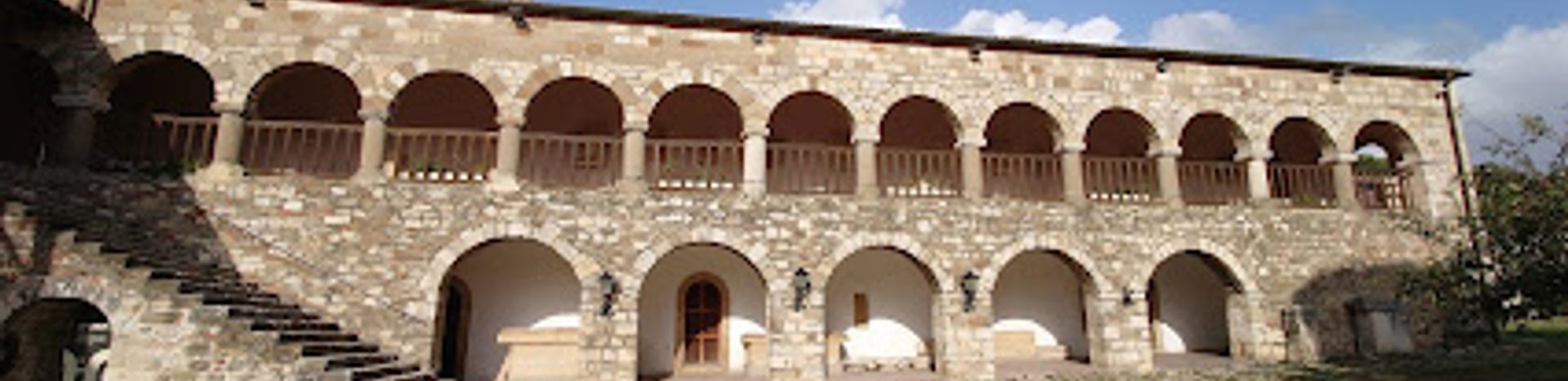
Housed in a beautifully preserved 14th-century monastery, the Archaeological Museum of Apolonia showcases a rich collection of artifacts from the ancient city of Apolonia, offering a glimpse into the lives of Illyrians, Greeks, and Romans who once thrived in this region of Albania.
A brief summary to Archaeological Museum of Apolonia
- PFCC+4Q8, Pojan, AL
Local tips
- Combine your visit with a tour of the Apollonia Archaeological Park to fully appreciate the historical significance of the artifacts on display.
- Allow at least 2-3 hours to explore both the museum and the archaeological site.
- Visit in the morning or late afternoon during the summer months to avoid the heat.

Getting There
-
Car
From Fier, head towards the village of Pojan. Follow the signs for the Archaeological Museum of Apolonia. Free parking is available near the museum.
-
Public Transport
Take a bus from Fier to Pojan. From the center of Pojan, it's approximately a 20-minute walk to the museum; follow the signs. Buses from Tirana to Fier cost around 300 Lek. Buses from Vlore to Fier cost around 250 Lek. A bus from Vlora to Pojan costs around 100 Lek.
-
Taxi
Taxis are available from Fier to Apollonia. Negotiate the fare before getting in. A return journey with a 2-hour wait time costs around 2,000 Lek.
Discover more about Archaeological Museum of Apolonia
Iconic landmarks you can’t miss

Apollonia, Qyteti Antik Ilir
0.1 km
Discover Apollonia: Explore ancient Greek & Roman ruins in Albania's largest archaeological park. A journey through history awaits!
History Museum of Fier
7.0 km
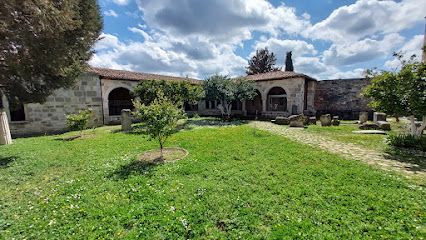
Explore Albania's past at the History Museum of Fier, showcasing artifacts from Illyrian times to modern struggles for independence.

Fieri City
7.5 km
Escape to Fieri's green heart: relax, play, and experience local culture in this vibrant city park. A must-see for every traveler!
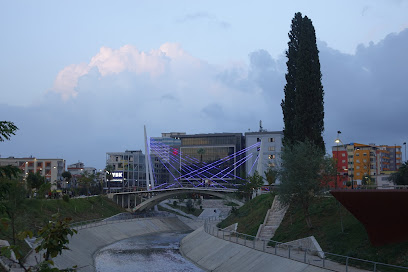
Ura me Shkallë
7.7 km
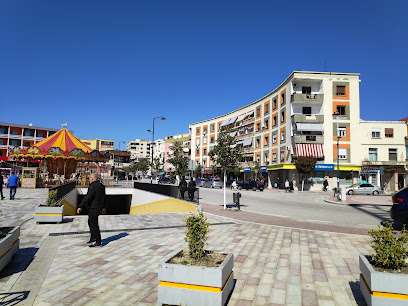
Explore the historic Ura me Shkallë, a captivating landmark in Fier, Albania, rich with cultural significance and breathtaking views.
Patos City
13.1 km
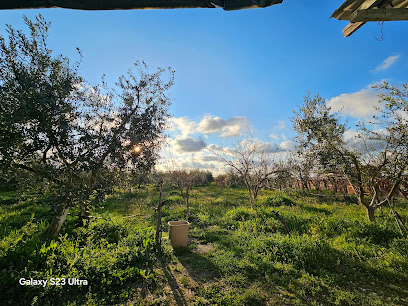
Discover tranquility in the heart of Patos at the City Park, a perfect escape for nature lovers and families.
Kantina Balaj
13.8 km
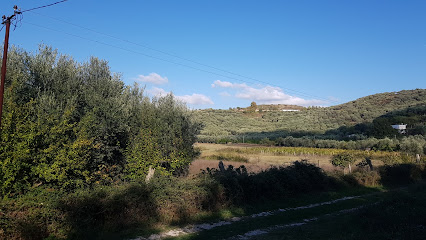
Discover the rich flavors of Albanian wine at Kantina Balaj in Mifol, offering stunning views and unforgettable wine tastings in a serene setting.
Plazh, Dalan
22.7 km
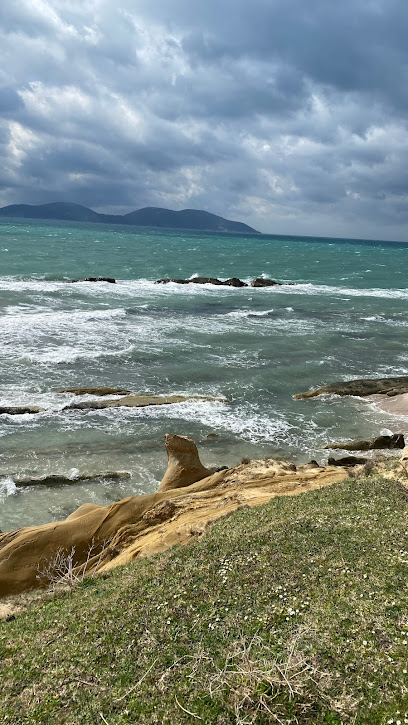
Discover Plazh, Dalan: A serene Albanian beach escape with crystal-clear waters, perfect for swimming, sunbathing, and tranquil relaxation near Zvërnec.
Eco Camping Valona
24.6 km
Experience the Albanian Riviera at Eco Camping Valona: beachfront relaxation, cultural exploration, and sustainable camping near Vlorë.
Narta Beach
25.5 km
Discover Narta Beach: a serene Albanian escape with golden sands, shallow turquoise waters, and a tranquil atmosphere near Vlora.
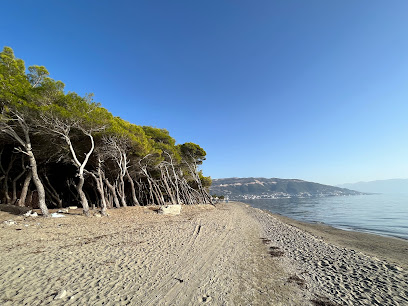
Barracuda
25.9 km
Experience the beauty of Barracuda Beach in Vlorë, Albania: golden sands, turquoise waters, and a vibrant coastal atmosphere await!
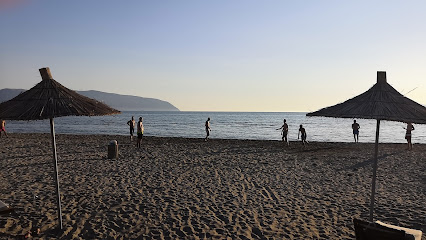
Discover Vlora
27.4 km
Explore Vlora, Albania: Where history meets the sea on the Albanian Riviera, offering stunning beaches, culture, and vibrant seaside charm.
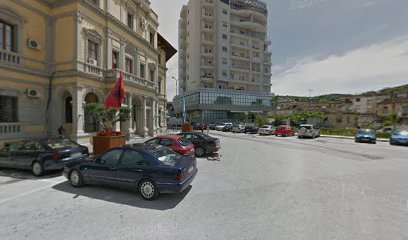
Traditional Restaurant HODO Vlorë
27.4 km
Experience authentic Albanian cuisine at Traditional Restaurant HODO Vlorë, where local ingredients and family traditions create unforgettable flavors.
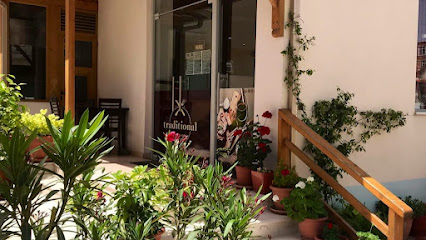
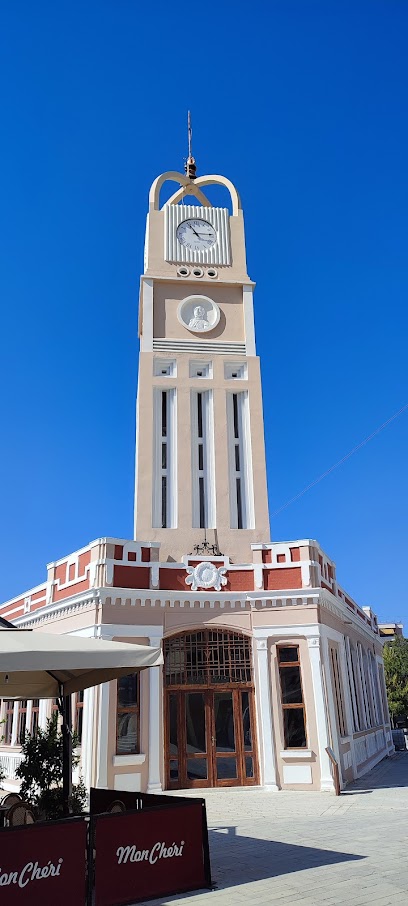
Old Clock Tower
27.6 km
Discover the historic Old Clock Tower in Vlorë, Albania, a landmark showcasing the city's rich culture, architectural beauty, and enduring spirit since the 19th century.
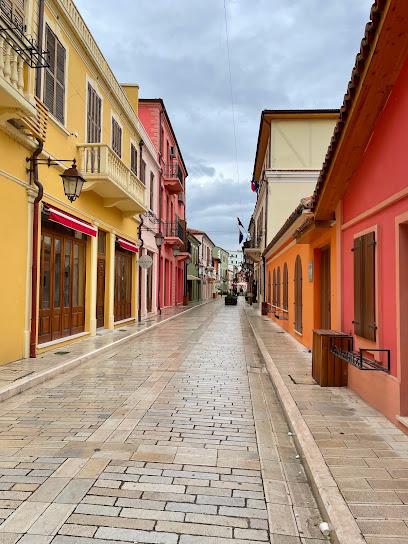
Vlora Old Town
27.6 km
Explore Vlora's historic heart: Colorful streets, cultural treasures, and authentic Albanian charm await in the Old Town.
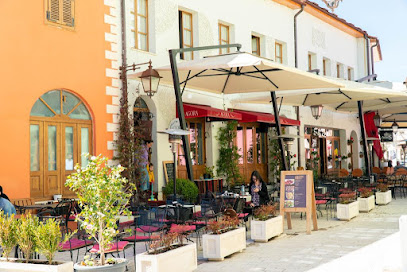
AGORA Restaurant/ Bed and Breakfast
27.6 km
Experience authentic Albanian cuisine and hospitality at AGORA Restaurant & Bed and Breakfast in the heart of Vlorë. A culinary and cultural delight!
Unmissable attractions to see

Apollonia Archaeological Park
0.3 km
Explore the ancient ruins and rich history of Apollonia Archaeological Park, a hidden gem in Albania perfect for history lovers and curious travelers.
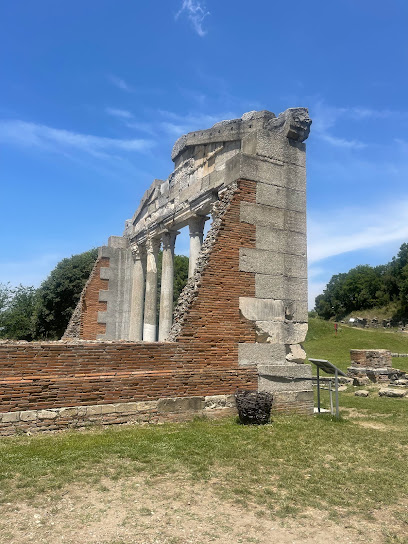
Outer walls
0.4 km
Explore the ancient Outer Walls of Fier, Albania, and discover breathtaking views and a rich history dating back to antiquity.
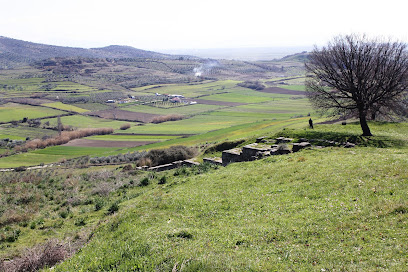
Old Church of Pojan
1.6 km
Discover the serene beauty and historical significance of the Old Church of Pojan in Fier, Albania, a hidden gem of cultural heritage.
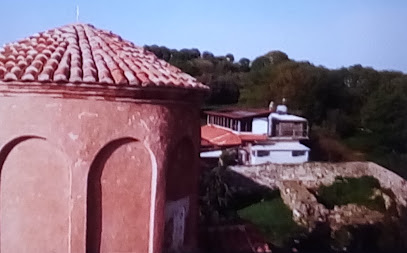
Fieriqytetiyne
7.4 km
Explore the serene beauty of Fieriqytetiyne Park, a lush city park in Fier, Albania, ideal for relaxation, picnics, and local cultural experiences.
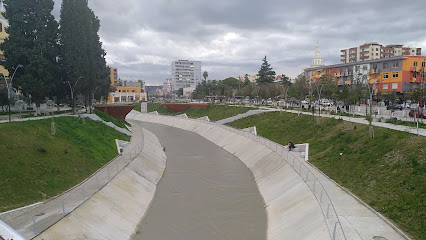
Seman Beach
9.9 km
Discover the pristine beauty and tranquil vibes of Seman Beach, a must-visit destination along the stunning Albanian coastline.
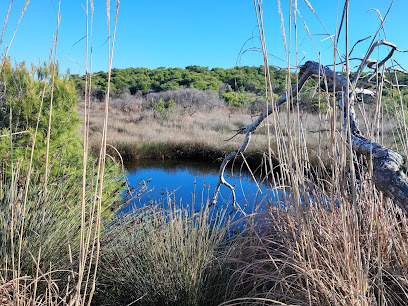
Manastiri i Ardenicës
14.9 km
Discover Manastiri i Ardenicës: A historic Byzantine monastery with stunning frescoes and serene views in the heart of Albania's Kolonjë region.
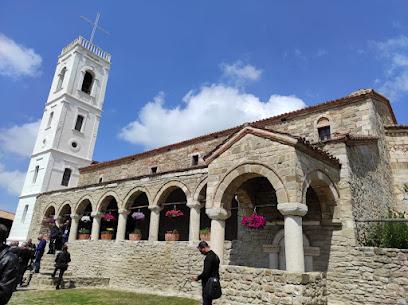
Vjosë-Nartë Delta Protected Area
15.1 km
Discover Albania's Vjosë-Nartë Delta: a haven for birdwatchers, nature lovers, and those seeking tranquil landscapes and outdoor adventures.
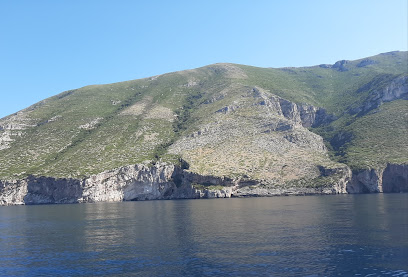
Albanica Wine
15.3 km
Experience the authentic taste of Albania at Albanica Wine, where exquisite wines meet delicious local cuisine in a stunning vineyard setting.
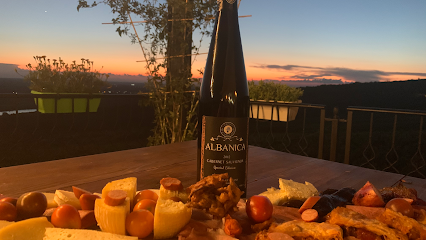
Offroad
16.2 km
Experience Albania's wild side with off-road adventures in Aliban. Thrilling terrains, stunning views, and unforgettable memories await!
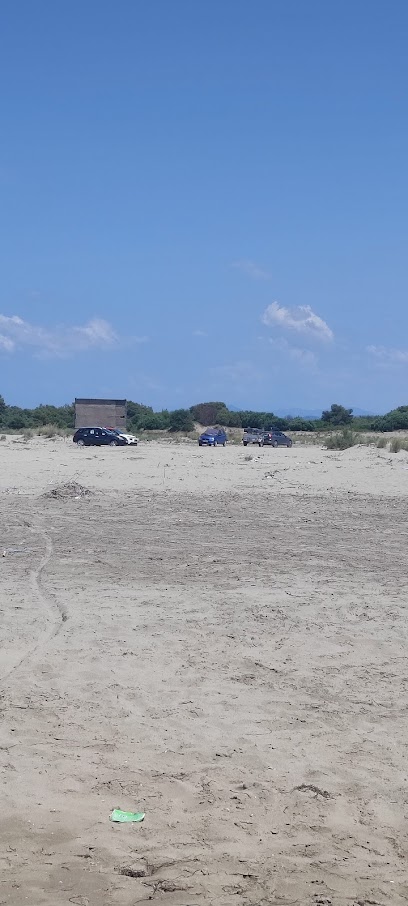
Hidrovor Beach
19.3 km
Discover Hidrovor Beach in Zvërnec: a serene Albanian coastal escape with clear waters, golden sands, and stunning natural beauty near Narta Lagoon.
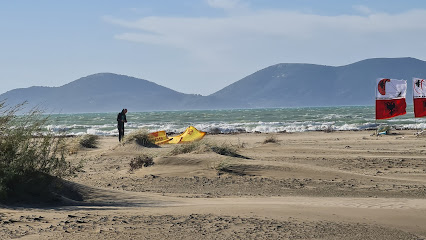
Karavasta Lagoon
22.4 km
Explore the breathtaking beauty of Karavasta Lagoon, a serene natural wonder in Albania, perfect for birdwatching and outdoor adventure.
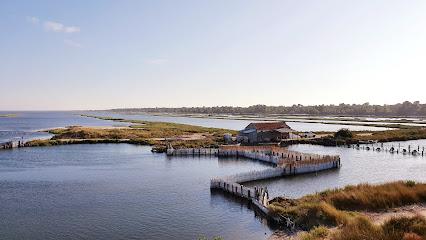
Dalan Beach
23.2 km
Discover Dalan Beach in Albania: Crystal-clear waters, stunning landscapes, and tranquil hiking trails await in this serene coastal paradise.
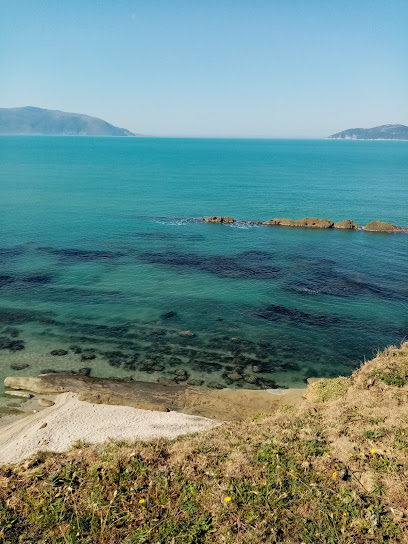
Divjaka-Karavasta National Park
23.3 km
Explore Albania's largest lagoon, a birdwatcher's paradise with diverse ecosystems, hiking trails, and tranquil boat trips along the Adriatic coast.
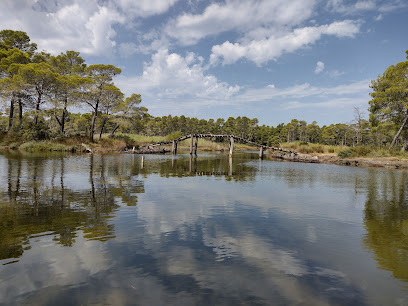
Zvërnec Islands
23.3 km
Discover the serene beauty and rich history of Zvërnec Islands, a hidden gem in Albania's Narta Lagoon with a Byzantine monastery.
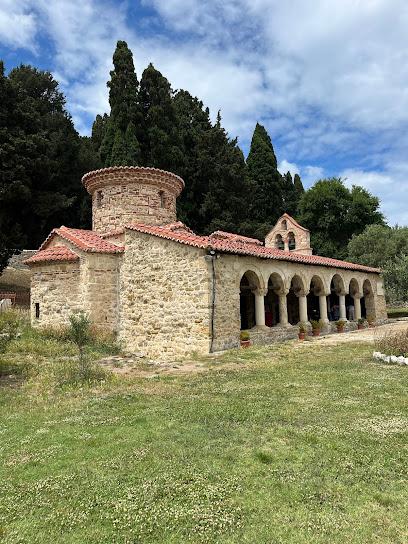
St. Mary's Monastery
23.3 km
Discover a serene Byzantine monastery on a picturesque island in Albania's Narta Lagoon, accessible by a charming wooden footbridge.
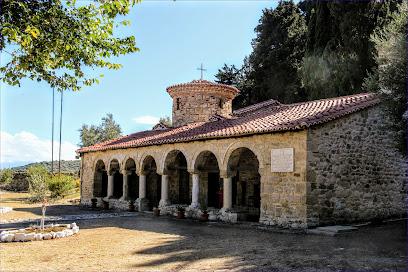
Essential places to dine

Bar Restaurant Leon Rey
0.3 km
Experience authentic Albanian flavors at Bar Restaurant Leon Rey in Fier – where every meal tells a story.
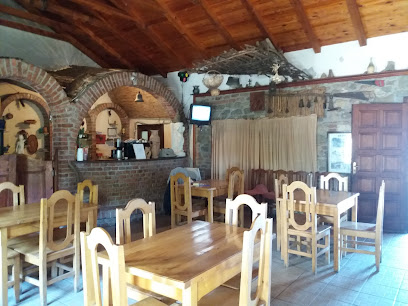
Katalea Palace
5.8 km
Experience authentic Albanian cuisine in Patos at Katalea Palace - where tradition meets modern dining.
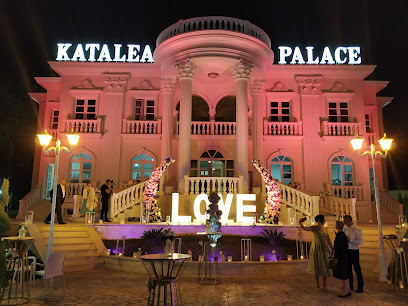
Restorant Te Berti
5.9 km
Discover authentic Albanian flavors at Restorant Te Berti in Fier - where tradition meets taste in every dish.
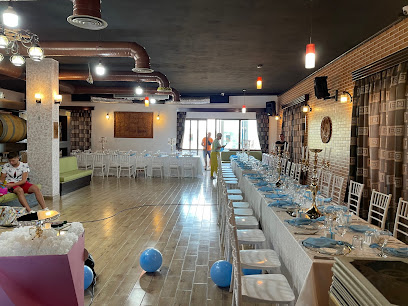
Bar Restorant Tempulli Apollon
6.2 km
Experience authentic Albanian cuisine at Bar Restorant Tempulli Apollon in Fier – where every meal tells a story.
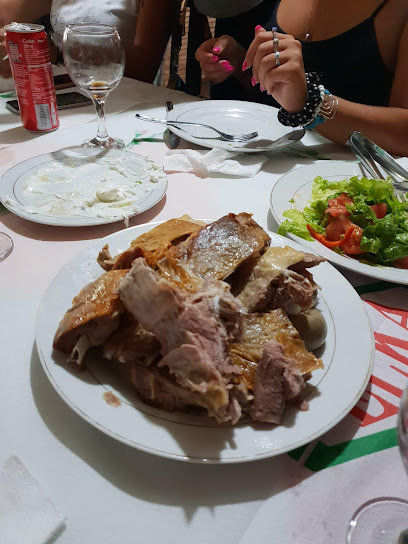
Bar Restorant Egnatia
6.3 km
Experience the vibrant flavors of Albania at Bar Restorant Egnatia in Fier – where tradition meets modernity in every dish.
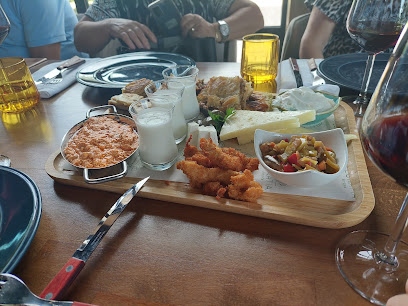
Zgara Fierake
6.6 km
Experience authentic Albanian grilled cuisine at Zgara Fierake in Fier - where every meal is a celebration of flavor.
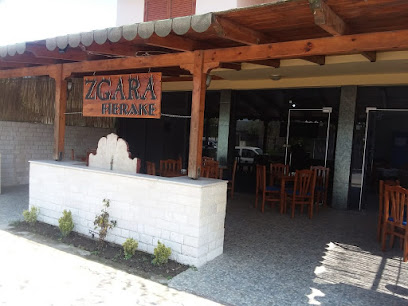
Ulliri Te Jani
6.8 km
Experience authentic Albanian cuisine at Ulliri Te Jani in Fier - where flavor meets tradition in a vibrant atmosphere.
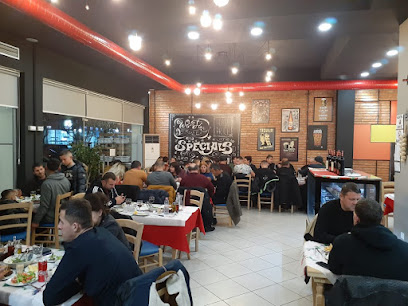
Zgara Korçare Fatos & Mira
6.8 km
Experience authentic Albanian cuisine at Zgara Korçare Fatos & Mira – where tradition meets flavor in every dish.
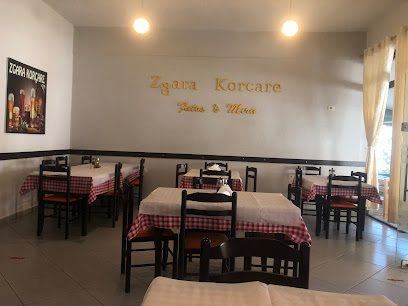
Fiesherman (Peshkatari)
6.8 km
Experience exquisite seafood and authentic Albanian cuisine at Fiesherman in Fier – a must-visit dining destination for every traveler.
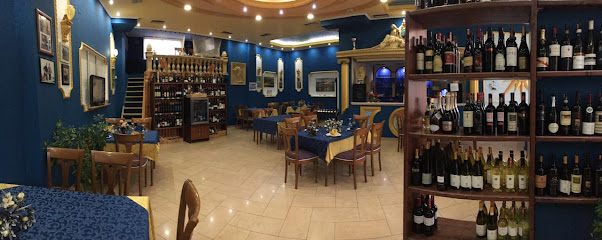
Toska Fish Restorant
6.8 km
Experience authentic Albanian seafood at Toska Fish Restaurant in Fier – where every dish tells a story of flavor.
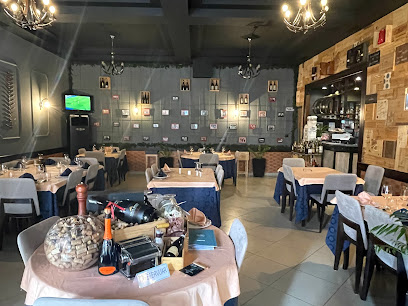
Restorant Niku
6.9 km
Experience the rich flavors of Albania at Restorant Niku in Fier – where tradition meets modern cuisine.
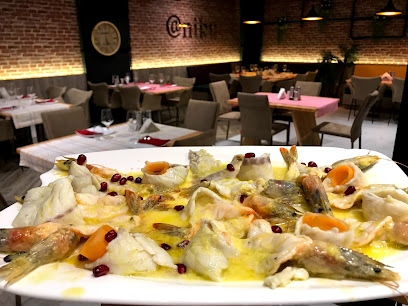
Zgara e Likes
6.9 km
Discover authentic Albanian flavors at Zgara e Likes - where every meal is a celebration of tradition and taste.
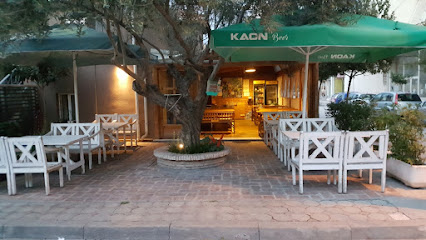
Kamu Bar & Food
6.9 km
Experience the rich flavors of Albania at Kamu Bar & Food in Fier – your gateway to authentic country cuisine.
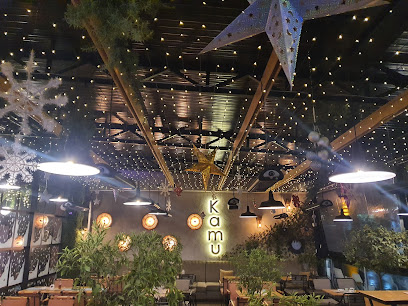
Cronus Fish
7.2 km
Experience authentic Albanian seafood at Cronus Fish in Fier—where freshness meets flavor in every bite.
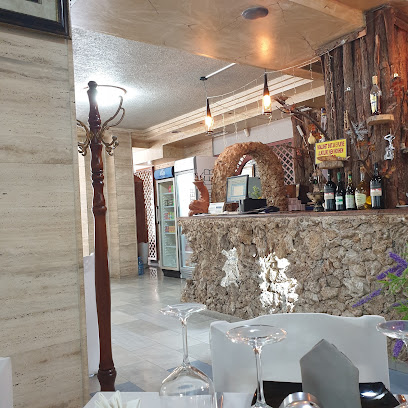
VILA TUPI
7.2 km
Experience authentic Albanian cuisine at Vila Tupi in Fier - where every meal tells a story.
Markets, malls and hidden boutiques

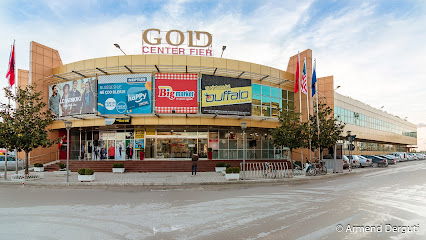
Gold Center
6.9 km
Explore the Gold Center in Fier, Albania - a vibrant shopping mall with diverse stores, delicious eateries, and family-friendly entertainment.
Shein Fier
7.0 km
Explore the trendy offerings of Shein Fier, a premier clothing store in Albania where fashion meets affordability.
Alda STORE
7.0 km
Discover unique fashion at Alda STORE in Fier, Albania, where quality meets style in a warm and inviting shopping atmosphere.
Arjola
7.3 km
Explore the charm of Arjola Gift Shop in Fier, Albania - a treasure trove of unique local gifts and delicious delicacies.
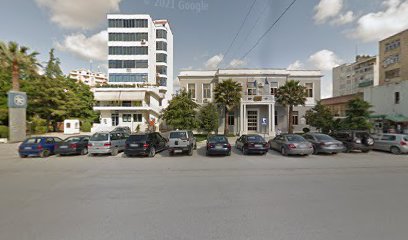
Ama Shoes
7.3 km
Discover stylish footwear at Ama Shoes in Fier, Albania – a fashion haven for every shoe enthusiast.
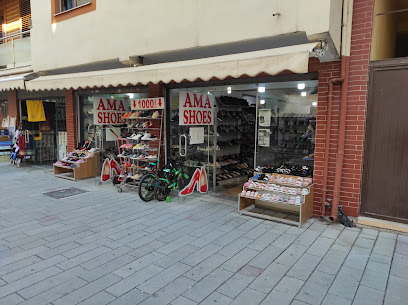
Artistike Keli
7.3 km
Discover the essence of Albanian artistry at Artistike Keli, a charming gift shop in Fier offering unique handmade crafts and local treasures.
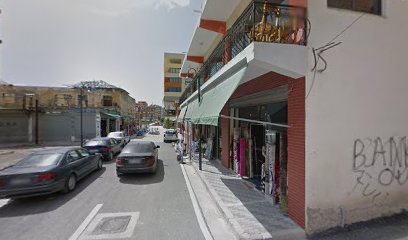
Euro Shop Store
7.3 km
Explore Euro Shop Store in Fier, Albania – a handbag haven offering quality, variety, and local charm for fashion enthusiasts.
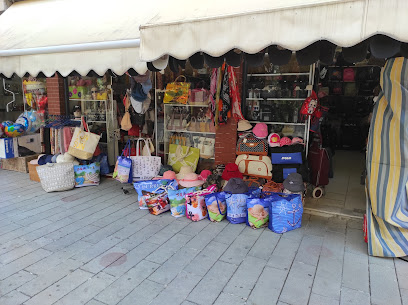
Sportive Shop
7.3 km
Discover the finest athletic wear at Sportive Shop in Fier, Albania – your ultimate destination for quality sports clothing and accessories.
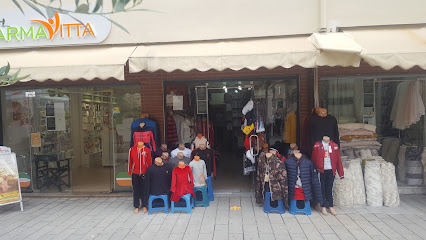
Bio Damasku - Produkte Natyrale
7.4 km
Explore Bio Damasku in Fier, Albania for the finest organic products, embracing health and sustainability in every purchase.
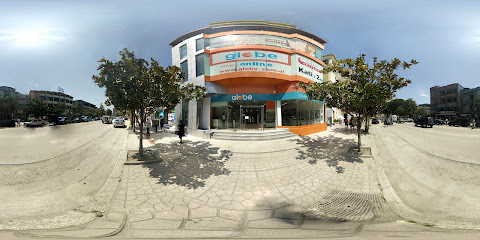
Globe Fier
7.4 km
Explore Globe Fier in Albania for top-tier appliances and electronics in a lively shopping atmosphere, perfect for tech enthusiasts and savvy shoppers.
KUPOLA - Fier
7.5 km
Explore KUPOLA in Fier, Albania - a vibrant variety store filled with local treasures, souvenirs, and a taste of authentic Albanian culture.
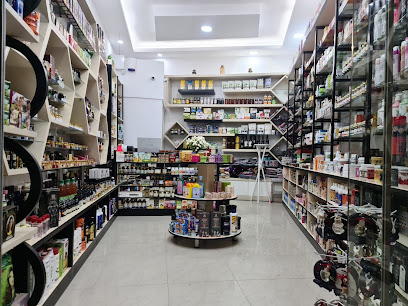
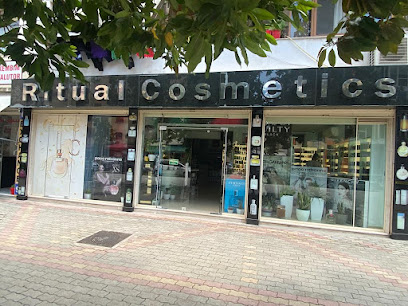
Ritual Cosmetics
7.5 km
Explore Ritual Cosmetics in Fier, Albania – your ultimate destination for beauty and self-care products amidst a vibrant shopping atmosphere.
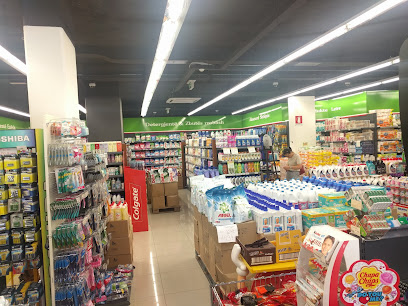
Eco Market
7.5 km
Experience the vibrant local culture at Eco Market in Fier, Albania, your go-to place for fresh produce and everyday essentials.
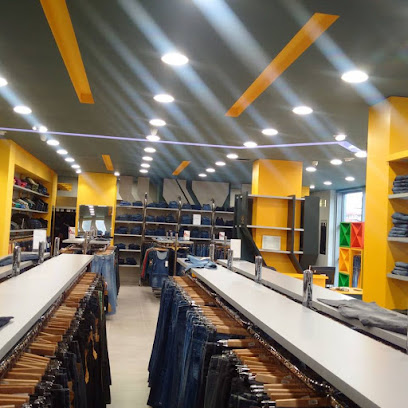
Krienko Jeans Outlet Fier
7.5 km
Explore the latest denim trends at Krienko Jeans Outlet in Fier, Albania - your go-to destination for stylish jeans and accessories.
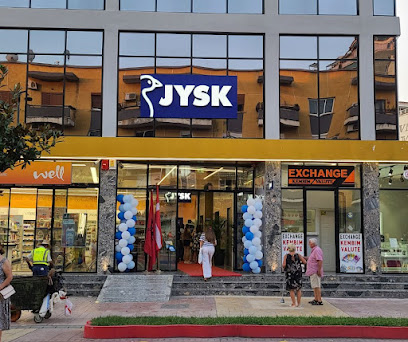
JYSK Fier
7.6 km
Explore JYSK Fier in Albania for stylish and affordable furniture and home decor, perfect for every taste and budget.
Essential bars & hidden hideouts

Restorant Martini
7.0 km
Discover the delightful flavors of Albania at Restorant Martini, where local cuisine meets a vibrant bar atmosphere in the heart of Fier.
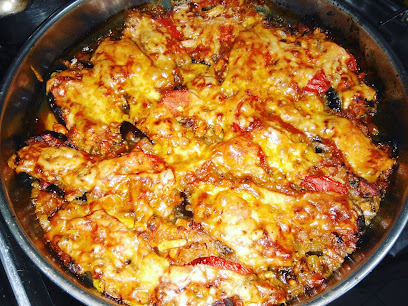
Dodo Lounge
7.2 km
Discover Dodo Lounge in Fier, a stylish retreat for cocktails, relaxation, and vibrant nightlife in the heart of Albania.
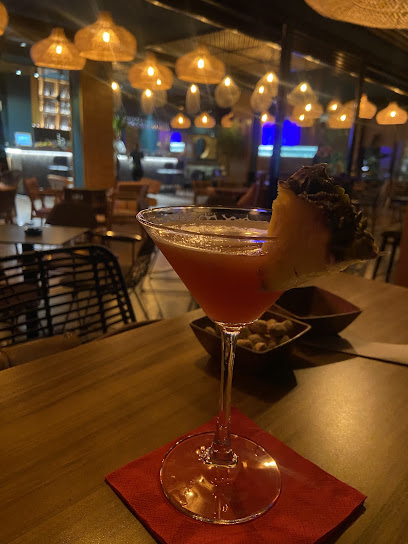
Oops Lounge
7.2 km
Experience the vibrant atmosphere of Oops Lounge in Fier, Albania, where excellent cocktails and local culture blend beautifully.
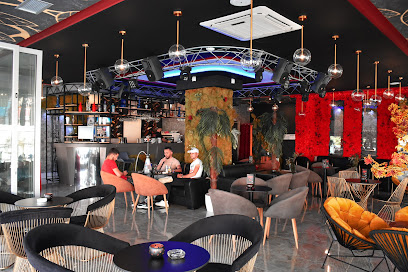
Bar Palma
7.2 km
Experience the vibrant atmosphere and diverse drink selection at Bar Palma, a must-visit bar in the heart of Fier, Albania.
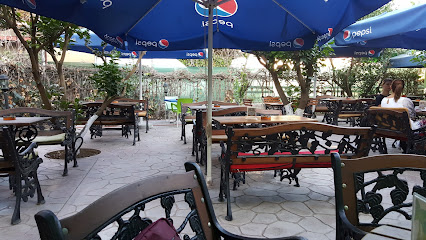
Bar Bristo
7.2 km
Discover the vibrant nightlife of Fier at Bar Bristo, where drinks flow and local culture thrives in a lively atmosphere.
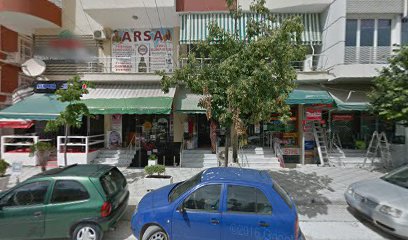
Block 13
7.2 km
Discover the vibrant nightlife and local spirit at Block 13, a top lounge in Fier, Albania, offering a delightful atmosphere and refreshing drinks.
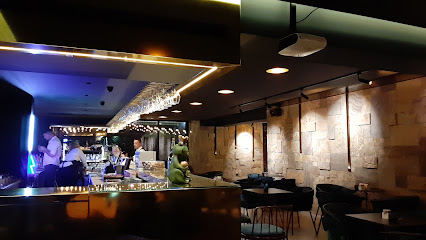
Bar Sanremo Fier
7.2 km
Discover the lively Bar Sanremo Fier in the heart of Albania, offering a perfect blend of local drinks and vibrant atmosphere for every visitor.
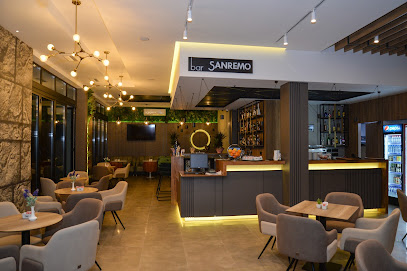
POOL BAR Bilardo
7.2 km
Discover the lively vibe of POOL BAR Bilardo in Fier, a perfect retreat for drinks, billiards, and local flavors in a vibrant atmosphere.
Bar Morri
7.3 km
Discover the vibrant atmosphere of Bar Morri in Fier, Albania – your go-to destination for refreshing drinks and local culture.
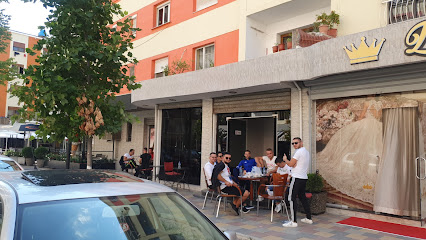
ten11 lounge
7.3 km
Discover the vibrant nightlife at Ten11 Lounge in Fier, Albania – a stylish bar offering exquisite drinks and lively entertainment.
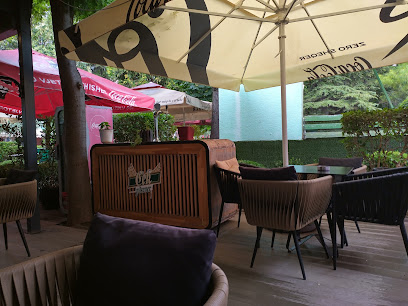
Bar cafe DoDo Lounge
7.4 km
Discover the vibrant atmosphere of DoDo Lounge in Fier, Albania, where quality drinks and lively entertainment meet for a memorable night out.
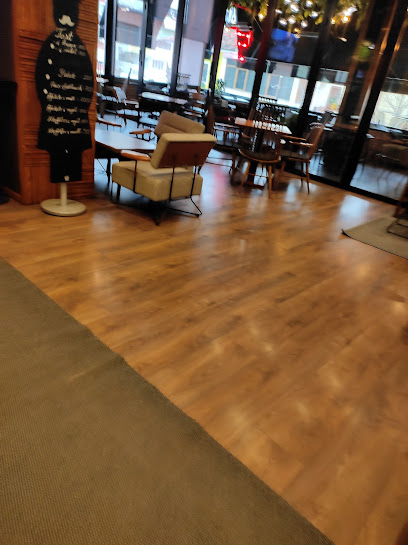
7Seas
7.4 km
Experience the rich flavors of Albanian cuisine at 7Seas, a culinary gem in the heart of Fier offering a diverse menu and welcoming ambiance.
GloBer Bar
7.5 km
Discover the vibrant atmosphere and refreshing drinks at GloBer Bar, a must-visit hotspot in Fier, Albania.
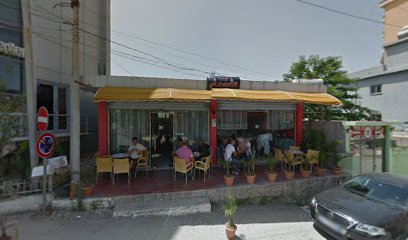
Lemar Bar
7.5 km
Discover the charm of Lemar Bar in Fier, Albania, where delightful drinks meet a warm, inviting atmosphere perfect for relaxation and socializing.
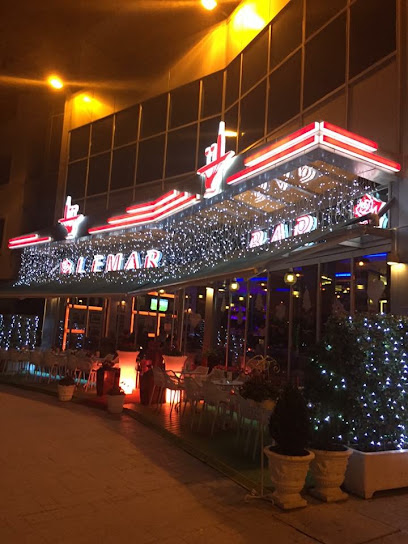
Wine Shop Faba Kantina
7.5 km
Discover the rich flavors of Albanian wines at Wine Shop Faba Kantina in Fier, an inviting wine bar perfect for tastings and purchases.
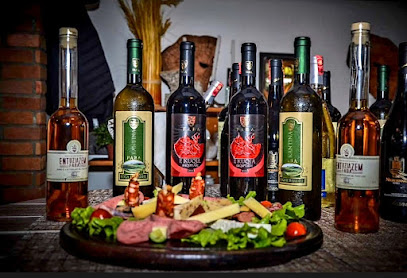
Nightclubs & after hour spots

BAR ARBJASI
2.8 km
Experience the cozy atmosphere and delightful drinks at BAR ARBJASI, a charming lounge in Radostinë, Albania, perfect for relaxation and socializing.
Numa Lounge
7.2 km
Discover the lively Numa Lounge in Fier, a vibrant bar offering delightful drinks and a taste of local nightlife in Albania.
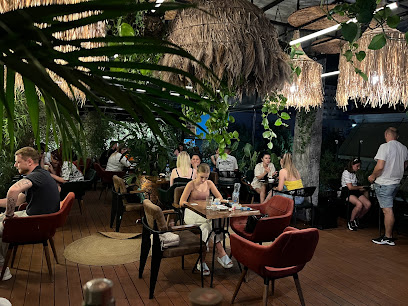
07bossilounge
7.3 km
Discover the vibrant atmosphere of 07 Bossi Lounge in Fier, Albania - a stylish retreat for drinks and relaxation amidst your travels.
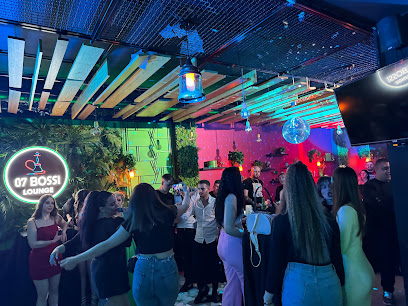
L'Amour
9.5 km
Discover the cozy charm of L'Amour in Fier, Albania, where delightful Turkish coffee meets a welcoming ambiance, perfect for relaxation and socializing.
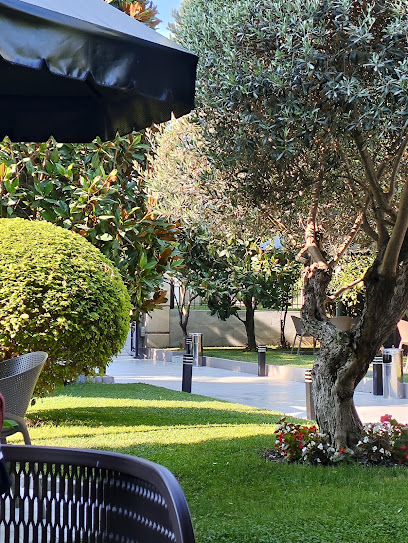
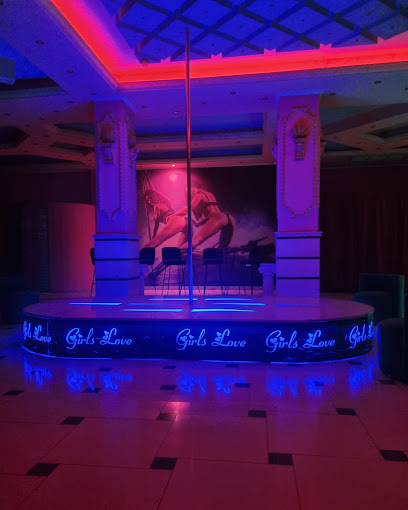
Girls Love Strip
10.7 km
Discover the pulse of Mbrostar's nightlife at Girls Love Strip, where dance and music come alive in an unforgettable party atmosphere.
Klajdi
21.5 km
Experience the vibrant nightlife at Klajdi, the ultimate night club in Suk 1, Albania, perfect for dancing and socializing.
KUSHTRIM CITY
26.9 km
Discover the pulsating energy of Kushttrim City, a premier night club in Vlorë, Albania, where unforgettable nightlife experiences await you.
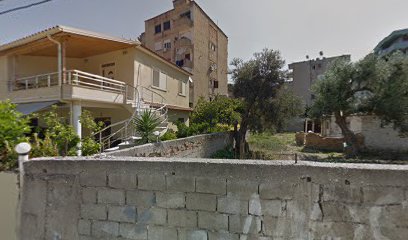
Magic Show Night Club
29.1 km
Unleash the magic of nightlife at Magic Show Night Club in Vlorë, Albania, where entertainment and excitement await every visitor.
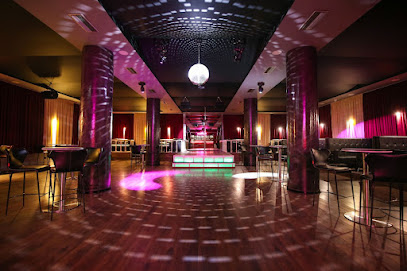
Show Palace 2
29.3 km
Experience the electrifying nightlife of Vlorë at Show Palace 2, a premier disco club featuring top DJs and unforgettable dance parties.
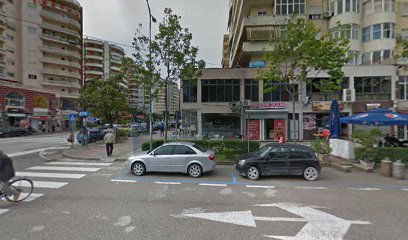
Paradise Tropical
29.4 km
Experience the vibrant atmosphere and stunning views at Paradise Tropical, a beachside bar in the heart of Vlorë, Albania.
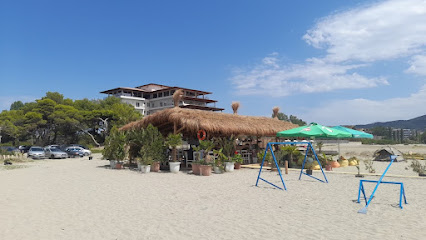
Colony club Vlorë
29.5 km
Experience the electric nightlife of Colony Club Vlorë, where music, dance, and vibrant energy come together for an unforgettable night in Albania.
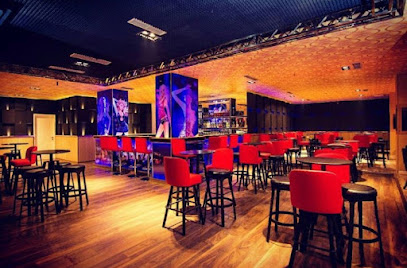
one-million club-life
29.6 km
Discover Vlorë’s vibrant nightlife at One-Million Club-Life, the ultimate destination for unforgettable dance parties and exhilarating entertainment.
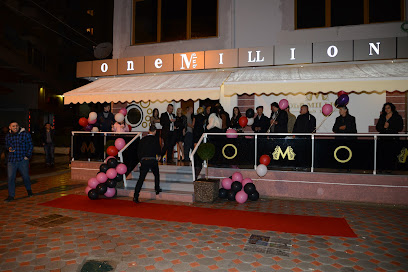
Black Moon Lounge
31.0 km
Discover the vibrant nightlife of Vlorë at Black Moon Lounge, where exquisite drinks and a lively atmosphere blend seamlessly.
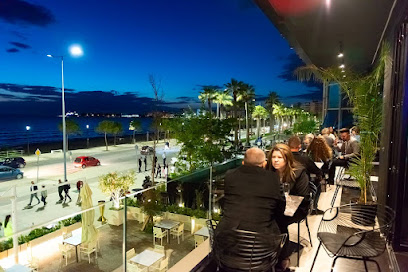
Seasons Cocktail Bar
31.0 km
Experience the vibrant nightlife at Seasons Cocktail Bar in Vlorë, where expertly crafted cocktails meet an inviting atmosphere and live entertainment.
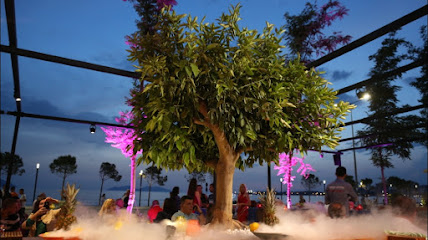
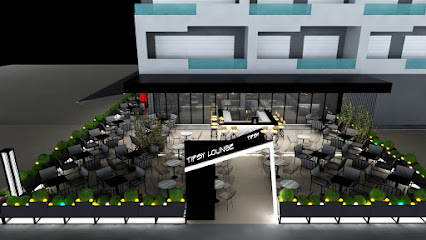
Tipsy Bistro Lounge
31.5 km
Discover the vibrant charm of Tipsy Bistro Lounge in Vlorë, where relaxation meets social engagement amidst stunning coastal views.