

Free Patos Travel Guide & Mobile App
Plan your Patos trip with Evendo. Get free guides to top attractions, restaurants, hotels, and bars. Web access or download the mobile app.


Discover Patos, Albania's oil capital, where industrial heritage meets natural beauty and authentic local culture.
Read more about Patos
When is the best time to visit Patos?
Best: May, September–October · 23–29°C| Month | High (°C) | Rainfall (mm) |
|---|---|---|
| January | 10 | 81 |
| February | 12 | 76 |
| March | 17 | 70 |
| April | 21 | 65 |
| May (best) | 26 | 60 |
| June | 30 | 55 |
| July | 33 | 50 |
| August | 33 | 46 |
| September (best) | 29 | 40 |
| October (best) | 23 | 35 |
| November | 17 | 30 |
| December | 12 | 26 |
Getting to and around Patos
How to get there
Transportation
Best attractions in Patos
Patos, a hidden gem in Albania, offers a unique blend of history, culture, and natural beauty. Visitors can explore the ancient ruins of the Illyrian city of Bylis, marvel at the stunning views from the Castle of Patos, and relax on the picturesque beaches along the Adriatic coast. The city also boasts charming old town streets lined with traditional Albanian houses, vibrant markets selling local handicrafts and delicious cuisine, and a warm and welcoming atmosphere that will make you feel right at home. Experience the rich history and vibrant culture of Patos, and discover why it is a must-visit destination for any traveller.
-
Archaeological museum
Archaeological Museum of Apolonia
Discover Albania's ancient past at the Archaeological Museum of Apolonia, showcasing artifacts from Illyrian, Greek, and Roman civilizations.
33 min drive · 13 km from city centre
-
Tourist attraction
Outer walls
Explore the ancient Outer Walls of Fier, Albania, and discover breathtaking views and a rich history dating back to antiquity.
33 min drive · 13 km from city centre


Best landmarks in Patos
Patos in Albania offers visitors a unique blend of historical and cultural landmarks to explore. From the ancient ruins of the Roman city of Byllis to the stunning architecture of the Saint Nicholas Church, there is something for everyone to enjoy. Take a stroll through the vibrant market streets, visit the local museums to learn about the city's rich history, or simply relax in one of the charming cafes and soak in the local atmosphere. Whether you are a history buff, an architecture enthusiast, or simply looking for a new adventure, Patos has something special to offer every visitor.
-
Archaeological museum
Apollonia Archaeological Park
Uncover Albania's classical past at Apollonia: Explore ancient ruins, a fascinating museum, and stunning Adriatic views.
33 min drive · 13 km from city centre
-
Archaeological museum
Archaeological Museum of Apolonia
Discover Albania's ancient past at the Archaeological Museum of Apolonia, home to a captivating collection of Illyrian, Greek, and Roman artifacts.
33 min drive · 13 km from city centre
-
City park
Patos City
Discover tranquility in the heart of Patos at the City Park, a perfect escape for nature lovers and families.
1 min walk · 0.1 km from city centre
-
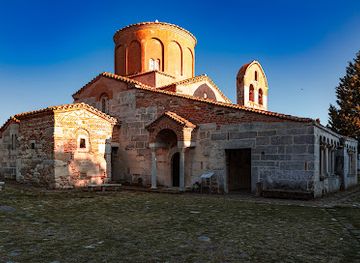
Chapel
Old Church of Pojan
Discover the serene beauty and rich history of the Old Church of Pojan, a hidden gem in Fier, Albania. A peaceful retreat awaits!
33 min drive · 13 km from city centre

Explore Patos on the map
Plan your Patos trip on one map. See where the top attractions, landmarks, restaurants, bars and hotels are, find what's near where you're staying, and book hotels and experiences in a few clicks.
Best hotels in Patos
Best restaurants in Patos
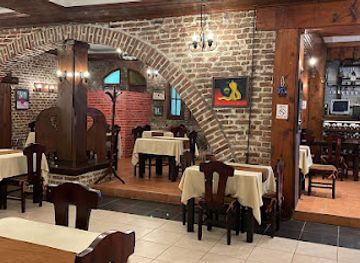
Patos offers a diverse and vibrant dining scene for visitors to explore. From traditional Albanian cuisine to international flavors, there is something for every palate. Local restaurants and cafes line the streets, offering delicious dishes made with fresh ingredients and served with warm hospitality. Whether you are looking for a cozy spot to enjoy a cup of coffee or a lively restaurant to indulge in a hearty meal, Patos has it all. Be sure to try the local specialties, such as baklava and byrek, for a true taste of Albanian culture.
-
Restaurant
Restorant Te'ZGARA
Experience authentic Albanian cuisine at Restorant Te'ZGARA in Patos – where every dish tells a story.
13 min drive · 4.5 km from city centre
-
Restaurant
Bar Keshtjella Restorant
Experience authentic Albanian cuisine at Bar Keshtjella Restorant in Patos - where tradition meets flavor in every dish.
6 min drive · 1.9 km from city centre
-
Pizza
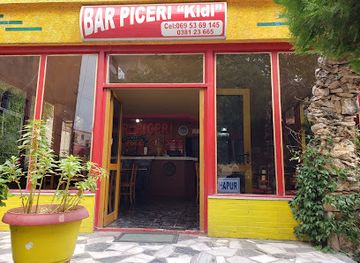
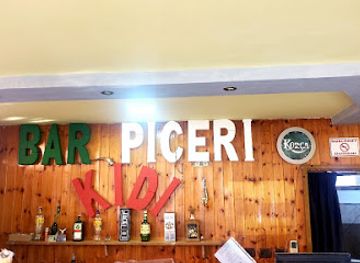
Pizza Kidi
Discover the best pizza experience in Fier at Pizza Kidi – where authentic Italian flavors meet local charm.
5 min walk · 0.4 km from city centre
-
Restaurant
Bar Restorant Djonisi
Experience authentic Albanian cuisine at Bar Restorant Djonisi in Portëz – where tradition meets flavor in every bite.
11 min drive · 3.6 km from city centre
Best bars in Patos
Patos may be a small city, but it packs a big punch when it comes to nightlife. Visitors can expect a vibrant and lively scene with a variety of bars and nightclubs to choose from. Whether you're looking for a cozy spot to enjoy a cocktail or a high-energy club to dance the night away, Patos has it all. Local DJs spin a mix of traditional and modern tunes, creating the perfect atmosphere for a night out on the town. With friendly locals and a welcoming atmosphere, a night in Patos is sure to be a memorable experience for any tourist.
-
Bar
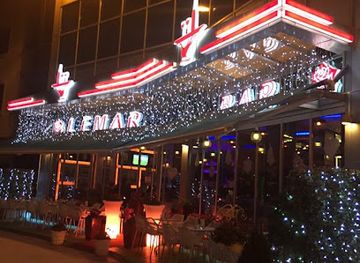
Lemar Bar
Discover the charm of Lemar Bar in Fier, Albania, where delightful drinks meet a warm, inviting atmosphere perfect for relaxation and socializing.
21 min drive · 6.9 km from city centre
-
Bar
Bar Gjermani
Experience the vibrant atmosphere of Bar Gjermani in Patos, Albania, where local charm meets affordable drinks and friendly service.
4 min walk · 0.3 km from city centre
-
Pizza
Pizza Kidi
Discover the authentic taste of Italy at Pizza Kidi in Fier, where every slice is made with passion and the finest ingredients.
5 min walk · 0.4 km from city centre
-
Lounge
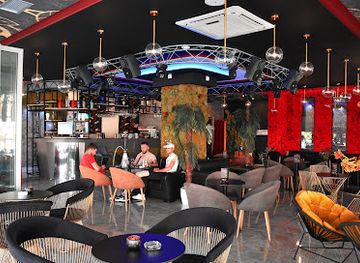
Oops Lounge
Experience the vibrant atmosphere of Oops Lounge in Fier, Albania, where excellent cocktails and local culture blend beautifully.
22 min drive · 7.4 km from city centre

Best nightclubs in Patos
Patos may be a small city, but it packs a big punch when it comes to nightlife. Visitors can expect a vibrant and lively scene with a variety of bars and nightclubs to choose from. Whether you're looking for a cozy spot to enjoy a cocktail or a high-energy club to dance the night away, Patos has it all. Local DJs spin a mix of traditional and modern tunes, creating the perfect atmosphere for a night out on the town. With friendly locals and a welcoming atmosphere, a night in Patos is sure to be a memorable experience for any tourist.
-
Lounge
Block 13
Discover the vibrant nightlife of Fier at Block 13, the ultimate lounge experience with lively entertainment and exceptional drinks.
22 min drive · 7.2 km from city centre
-
Bar
Bar Gjermani
Discover the vibrant atmosphere and local flavors at Bar Gjermani in Patos, Albania, where hospitality meets a delightful drink selection.
4 min walk · 0.3 km from city centre
-
Night club
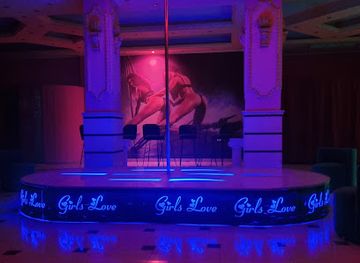
Girls Love Strip
Experience the vibrant nightlife of Mbrostar at Girls Love Strip, where electrifying performances and pulsating music create unforgettable moments.
29 min drive · 9.5 km from city centre
-
 Lounge
BAR ARBJASI
Experience the cozy atmosphere and delightful drinks at BAR ARBJASI, a charming lounge in Radostinë, Albania, perfect for relaxation and socializing.
31 min drive · 11 km from city centre

Best shops in Patos
In Patos, visitors can expect a vibrant shopping scene with a mix of traditional markets and modern shops. The local market offers a variety of fresh produce, handmade crafts, and unique souvenirs. For those looking for more upscale shopping, there are boutique stores and shopping centers with a range of clothing, accessories, and home goods. Bargaining is common in the markets, adding to the excitement of shopping in Patos. Whether you're looking for a taste of local culture or a trendy new outfit, Patos has something for every shopper to enjoy.
-
Espresso bar
Te Voda
Discover the rich coffee culture at Te Voda, an espresso bar in Patos, Albania, perfect for a relaxing break during your travels.
5 min walk · 0.4 km from city centre
-
Coffee shop
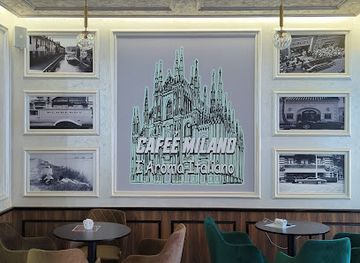
Bar caffe milano
Discover the charm of Bar Caffe Milano in Patos, Albania, where every cup of coffee tells a story in a cozy atmosphere.
1 min walk · 0.1 km from city centre
-
Supermarket
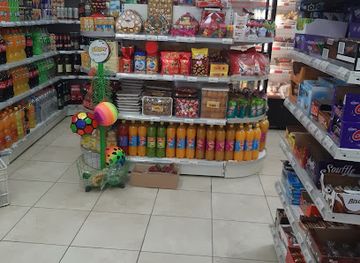
MARKET KIMO
Explore the essence of Albanian culture at Market Kimo, a vibrant supermarket offering fresh local produce and international delights.
15 min drive · 4.9 km from city centre
-
Department store
Tefta
Discover Tefta in Dukas, Albania – a vibrant department store offering a unique blend of local culture and diverse shopping experiences.
13 min walk · 1.1 km from city centre
Get your free copy of our complete guide to Patos, delivered straight to you.
Everything on this page, from attractions and restaurants to essentials and local phrases, in one PDF you can read offline, print or share.
Already have an account? Sign in
Your Patos guide is ready.
We'll send it to · Not you? Sign out

Getting your guide ready…
We are putting together a fresh copy of the Patos guide. This can take up to a minute.
This can take a few moments. If your browser asks, choose Allow so the download can start. You'll find the guide in your Downloads folder.
Nothing happened? Download it again
Sorry, the guide is taking longer than usual. Please try again in a minute, or get it by email instead.
Patos essentials
Currency and Payment
Safety
Emergency Situations
Do's and Don'ts
Local Tips
From Eve
Local phrases worth knowing
You don't need to get them perfect. A few words go a long way, and locals appreciate the effort.
Basics
| English | Local | Say it |
|---|---|---|
| Hello | Tungjatjeta | [toon-jah-tye-ta] |
| Goodbye | Mirupafshim | [mee-roo-pahf-sheem] |
| Yes | Po | [poh] |
| No | Jo | [yoh] |
| Please/You're welcome | Ju lutem | [yoo loo-tem] |
| Thank you | Faleminderit | [fah-leh-meen-deh-reet] |
| Excuse me/Sorry | Më falni | [muh fahl-nee] |
| How are you? | Si jeni? | [see yeh-nee] |
| Fine. And you? | Mirë. Dhe ju? | [mee-ruh. thuh yoo] |
| Do you speak English? | A flisni anglisht? | [ah flees-nee ahn-gleesht] |
| I don't understand | Nuk kuptoj | [nook koop-toy] |
Eating & Drinking
| English | Local | Say it |
|---|---|---|
| I'd like to see the menu, please | Do të doja të shikoja menunë, ju lutem | [doh tuh doh-yah tuh shee-koh-yah meh-noo-nuh yoo loo-tem] |
| I don't eat meat | Nuk haham mish | [nook hah-hahm meesh] |
| Cheers! | Gëzuar! | [gah-zwahr] |
| I would like to pay, please | Do të doja të paguaja, ju lutem | [doh tuh doh-yah tuh pah-gwah-yah yoo loo-tem] |
Emergencies
| English | Local | Say it |
|---|---|---|
| Help! | Ndihmë! | [ndee-muh] |
| Go away! | Shko larg! | [sh-koh lahrg] |
| Call the Police! | Thirr policinë! | [theer poh-lee-tsee-nuh] |
| Call a doctor! | Thirr një mjek! | [theer nyuh m-yehk] |
| I'm lost | Jam humbur | [yahm hoom-boor] |
| I'm ill | Jam i sëmurë | [yahm ee suh-moo-ruh] |
Shopping
| English | Local | Say it |
|---|---|---|
| I'd like to buy... | Do të doja të blija... | [doh tuh doh-yah tuh blee-yah] |
| I'm just looking | Po shikoj vetëm | [poh shee-koh-yoh veh-tuhm] |
| How much is it? | Sa kushton? | [sah koo-sh-ton] |
| That's too expensive | Kjo është shumë e shtrenjtë | [k-yoh eh-shtuh shoo-muh eh shtrehn-tyuh] |
| Can you lower the price? | A mund ta ulni çmimin? | [ah moon-d tah ool-nee ch-mee-meen] |
Time & Numbers
| English | Local | Say it |
|---|---|---|
| What time is it? | Sa është ora? | [sah eh-shtuh oh-rah] |
| It's one o'clock | Është një ora | [eh-shtuh nyuh oh-rah] |
| Half past (10) | Njëzet e gjysmë | [nyuh-zet eh g-yees-muh] |
| Morning | Mëngjes | [muhn-jes] |
| Afternoon | Pasdite | [pahs-dee-teh] |
| Evening | Mbrëmje | [m-brehm-yeh] |
| Yesterday | Dje | [djeh] |
| Today | Sot | [soht] |
| Tomorrow | Nesër | [neh-sahr] |
| 1 | Një | [nyuh] |
| 2 | Dy | [duh] |
| 3 | Tre | [treh] |
| 4 | Katër | [ka-tuhr] |
| 5 | Pesë | [peh-suh] |
| 6 | Gjashtë | [g-yahsht] |
| 7 | Shtatë | [sh-ta-tuh] |
| 8 | Tetë | [teh-tuh] |
| 9 | Nëntë | [nuhn-tuh] |
| 10 | Dhjetë | [th-yeh-tuh] |
Transport & Directions
| English | Local | Say it |
|---|---|---|
| Where's a/the...? | Ku është një/të...? | [koo eh-shtuh nyuh/teh] |
| What's the address? | Cili është adresa? | [chee-lee eh-shtuh ah-dreh-sah] |
| Can you show me (on the map)? | A mund të ma tregoni (në hartë)? | [ah moon-d tuh mah troh-n-ee (nuh hahr-tuh)] |
| When's the next (bus)? | Kur është autobusi i ardhshëm? | [koor eh-shtuh ow-toh-boo-see ee ardh-shuhm] |
| A ticket (to ....) | Një biletë (në ...) | [nyuh bee-leh-tuh (nuh)] |
History of Patos
Ancient Beginnings and Roman Influence
Patos, located in the heart of Albania, has a history that dates back to ancient times. The region was influenced by the Illyrians, an ancient group of tribes who inhabited the western Balkans. Evidence of Roman influence can also be found in the area, particularly through archaeological discoveries such as coins and pottery, indicating that Patos was integrated into the expansive Roman trade networks.
Medieval Era and Ottoman Rule
During the medieval period, Patos, like much of Albania, was influenced by the Byzantine Empire before falling under Ottoman rule in the late 14th century. The Ottomans left a significant cultural and architectural imprint on the town, with many structures and elements of the local culture bearing traces of this period.
Oil Discovery and Industrial Development
Patos is particularly renowned for its oil fields, which were discovered in the early 20th century. This discovery marked a turning point in the town's history, transforming it into a key industrial hub. The Patos-Marinza oil field, the largest onshore oil field in Europe, became the backbone of the local economy, attracting workers and contributing to the development of infrastructure in the region.
World War II and Communist Era
The impact of World War II and subsequent communist rule under Enver Hoxha shaped much of modern Patos. During the war, Patos was involved in the resistance against Axis forces. Post-war, under the communist regime, the town saw significant state investment in the oil industry, as well as the establishment of collective farms and other socialist enterprises. This period also brought about a significant transformation in the social and economic fabric of the town.
Post-Communist Transition
The fall of communism in the early 1990s ushered in a new era for Patos. The transition to a market economy brought both challenges and opportunities. Privatization of the oil industry, coupled with efforts to modernize infrastructure and attract foreign investment, marked the town's gradual shift towards a more diversified economic landscape. This period also saw an increase in cultural and historical preservation efforts, aimed at celebrating and maintaining Patos's rich heritage.
Travel experiences inspired by this city


Swipe for more travel diaries
Patos in Photos
Browse through our photo collection highlighting the charm and character of the destination.
Cities near Patos
The closest cities to Patos, if you have time for more than one stop.
-

-

-

-

-


Swipe for more cities
Explore more

Explore more of Albania
Discover Albania: A land of untamed beauty, rich history, and warm hospitality, offering stunning beaches, rugged mountains, and vibrant cities.
Explore Albania