Tepelena Castle, Tepelene Travel Guide
Discover Tepelena Castle: A historic Albanian fortress offering stunning views and a glimpse into the era of Ali Pasha.
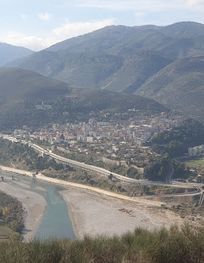
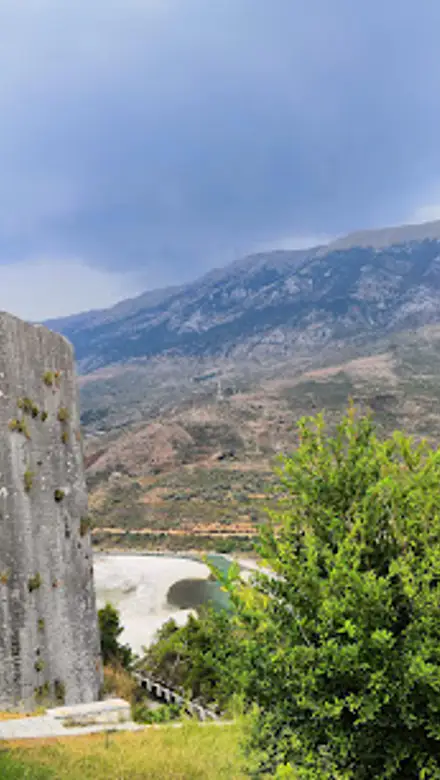
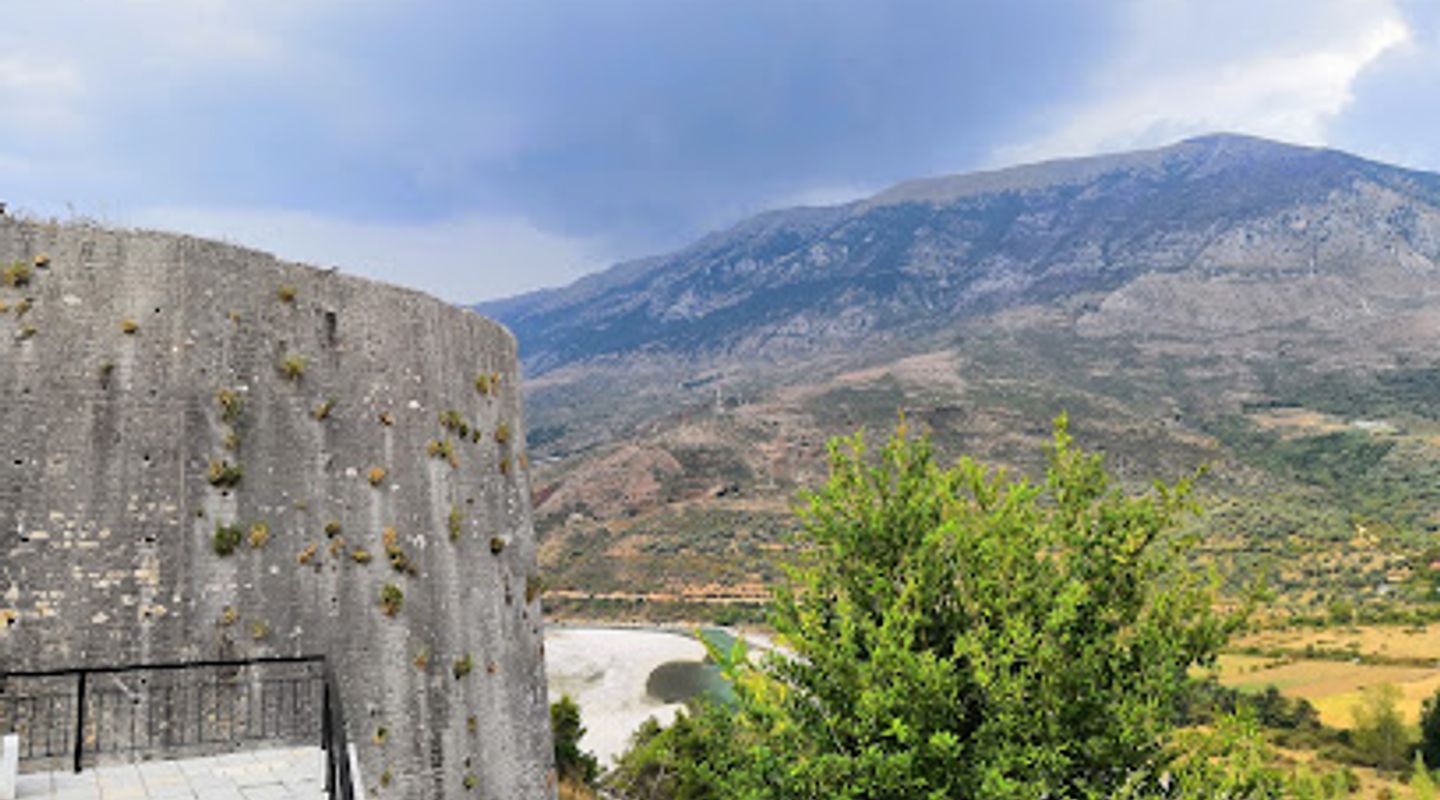
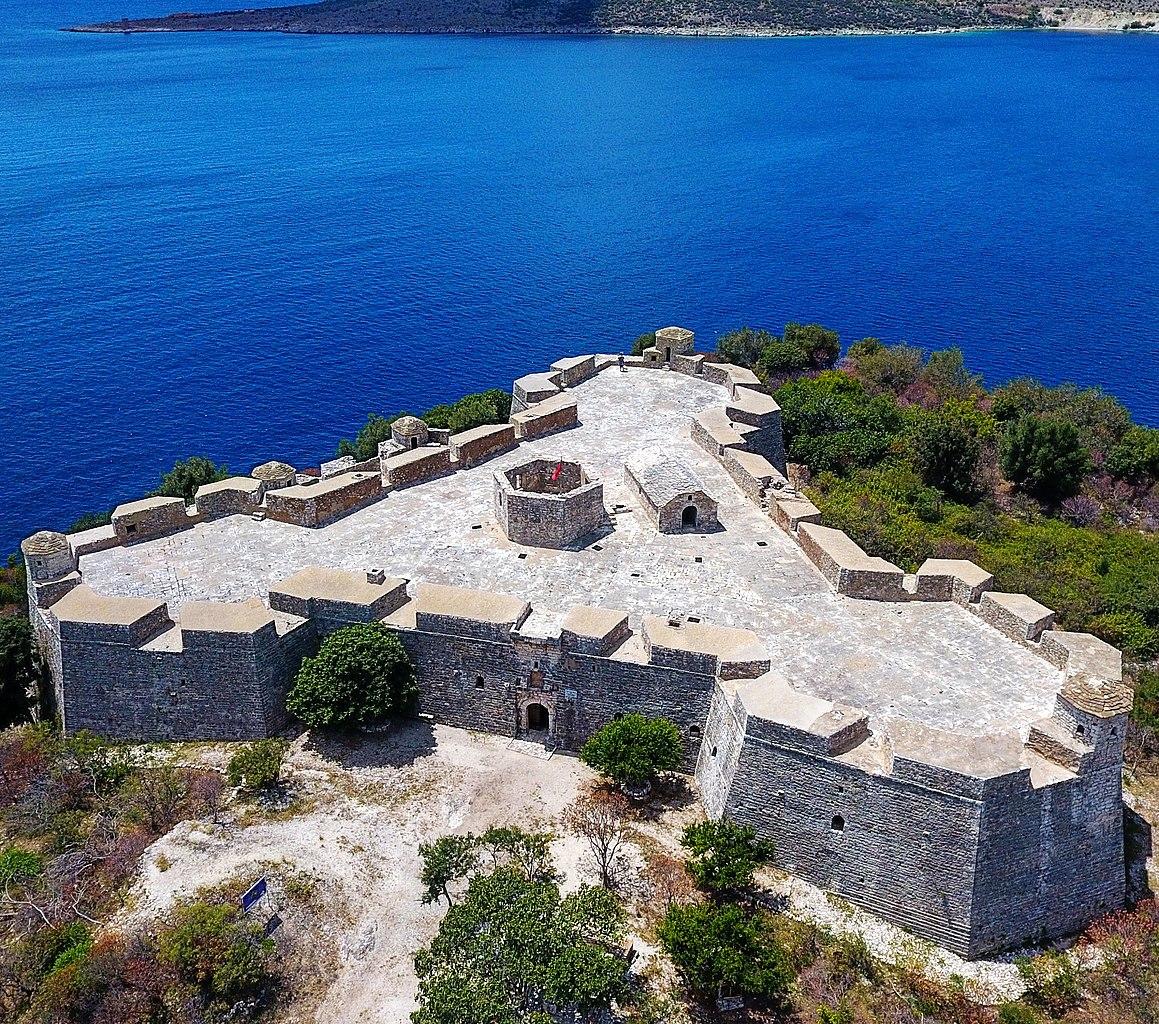
Explore Tepelena Castle, a historic fortress in southern Albania with roots stretching back to Byzantine times. Expanded by Ali Pasha in the 19th century, the castle offers stunning views of the Vjosa River valley and a glimpse into Albania's rich past. Though partially in ruins, it remains a powerful symbol of the region's strategic importance and cultural heritage.
A brief summary to Tepelena Castle
- 72WC+WCJ, Tepelenë, AL

Know before you go
Hi, I'm Eve. Here are a few practical things to know before exploring Tepelena Castle.
- Visit in the morning or late afternoon for the best light and fewer crowds.
- Wear comfortable shoes, as exploring the castle involves walking on uneven terrain.
- Bring a camera to capture the stunning views of the Vjosa River valley and surrounding landscape.
- Check for local events or festivals happening in Tepelena during your visit for a more immersive experience.
Do you manage this location?
Take control to get all the benefits, like improved information, better appearance, and stronger visibility across AI-powered discovery. Learn more about listing your business on Evendo
Activate your presenceOther nearby places you may find interesting
The closest places of the same kind, if this one is not quite what you had in mind.


Explore Tepelena Castle on the Map
A handpicked selection of must-see spots near Tepelena Castle, mapped for you.
Unlock the Best of Tepelena Castle
Buy tickets
-
No tickets available
Book tours with entry

Book tours without entry
-
No tours available
Getting There
-
Walking
If you are already in Tepelena, the castle is accessible by foot from the town center. Start at the main square (Sheshi i Tepelenës) and head northeast on Rruga 28 Nëntori, then continue straight until you see signs for Tepelena Castle. The walk takes approximately 20-30 minutes, with a gradual incline as you approach the castle. Be sure to wear comfortable shoes.
-
Public Transport
To reach Tepelena Castle via public transport, take a local bus or minibus to Tepelena from nearby cities such as Gjirokastër or Sarandë. Once you arrive at the Tepelena bus station, walk towards the center of town. From the main square, you can either walk (approximately 15-20 minutes) towards Rruga e Tepelenës and follow the signs to the castle or take a taxi, which should cost around 300-500 ALL (Albanian Lek). Taxis are available near the bus station. A bus ride from nearby cities typically costs around 100-200 Albanian Lek.
-
Car
If driving, Tepelena Castle is located at 72WC+WCJ, Tepelenë, Albania. From the center of Tepelena, head towards the main road (Rruga e Tepelenës). Follow the signs towards the castle. The castle is situated on a hill, and you will see it from a distance as you approach. There is parking available near the entrance of the castle.
Discover more about Tepelena Castle













Your all‑in‑one travel companion app
Explore expert travel guides, compare and book tours, experiences, hotels, and more—all from the palm of your hand. Download now for seamless trip planning wherever your wanderlust takes you.


Explore More of Tepelene
Looking beyond Tepelena Castle? Discover Tepelene for broader travel guides, local hot-spots, and regional highlights.
Explore Tepelene