

Free Tepelenë Travel Guide & Mobile App
Plan your Tepelenë trip with Evendo. Get free guides to top attractions, restaurants, hotels, and bars. Web access or download the mobile app.


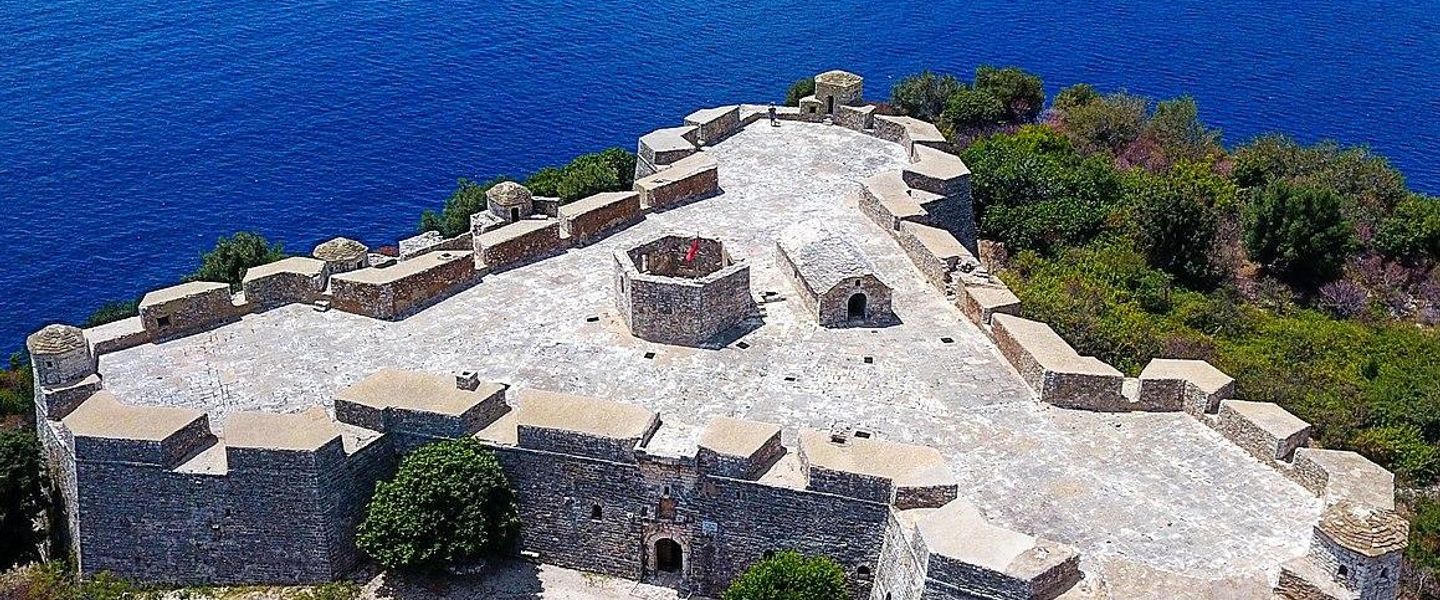


Tepelenë, Albania, combines Ali Pasha’s castle, Vjosa River scenery, mountain landscapes and southern heritage for rewarding cultural sightseeing.
Mountain Rivers and Ottoman Heritage
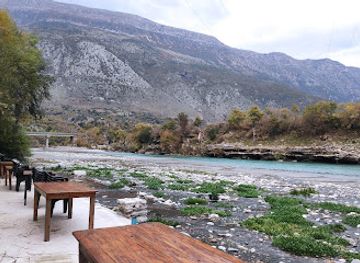
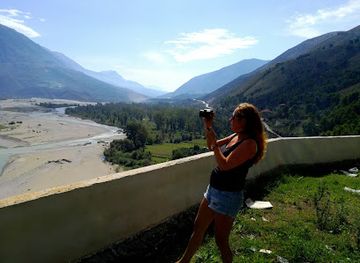
Tepelenë occupies a dramatic position in southern Albania, where the Vjosa and Drino rivers meet beneath steep, folded mountains. The town is modest in scale, but its setting gives it a strong visual presence: roads descend towards broad river valleys, while the remains of Tepelenë Castle rise above the settlement as a reminder of the town’s strategic importance. Bridges, orchards, rocky slopes and open views towards the surrounding highlands shape the experience of exploring the area.Read more about Tepelenë
The Legacy of Ali Pasha
A Small Town in the Vjosa Valley
When is the best time to visit Tepelenë?
Best: May–June, October · 25–32°C| Month | High (°C) | Rainfall (mm) |
|---|---|---|
| January | 13 | 131 |
| February | 13 | 120 |
| March | 17 | 112 |
| April | 22 | 92 |
| May (best) | 28 | 67 |
| June (best) | 32 | 40 |
| July | 36 | 25 |
| August | 36 | 26 |
| September | 32 | 62 |
| October (best) | 25 | 111 |
| November | 18 | 142 |
| December | 14 | 147 |
Getting to and around Tepelenë
How to get there
Transportation
Best attractions in Tepelenë
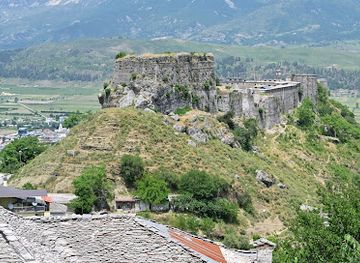
Tepelenë’s principal attraction is its castle, whose elevated walls and gateways offer a direct encounter with the town’s Ottoman-era strategic past and broad views towards the Vjosa and Drino valleys. The nearby confluence of the rivers gives the settlement its distinctive landscape, with changing light across the mountain slopes and gravel banks. South of the centre, Uji i Ftohtë Tepelenë provides a refreshing spring-fed setting associated with local leisure and the town’s water heritage. The Vjosa valley is the wider natural draw, particularly for visitors interested in a free-flowing river landscape and protected habitats rather than conventional urban sightseeing. Small central streets, cafés and everyday market activity add local context, while excursions towards Përmet, Gjirokastër or the surrounding villages reveal the greater cultural and geological character of southern Albania. These surrounding destinations are separate from Tepelenë itself and require road travel.
-
Castle
Castle of Gjirokastra
Explore the imposing Castle of Gjirokastra, a Balkan fortress with centuries of Albanian history, museums, and panoramic views of the Drino Valley.
47 min drive · 27 km from city centre
-
Tourist attraction
Livadhi Beach
Discover Livadhi Beach in Himarë: Pristine shores, turquoise waters, and a tranquil escape on the Albanian Riviera. Perfect for relaxation and adventure!
53 min drive · 33 km from city centre
-
Castle
The Castle of Porto Palermo
Explore the historic Castle of Porto Palermo in Albania, offering stunning views, military architecture, and a glimpse into the past on the Albanian Riviera.
52 min drive · 32 km from city centre
-
Castle
Himara Castle
Explore Himara Castle: A historic Albanian fortress with stunning Ionian Sea views, ancient ruins, and rich cultural heritage.
51 min drive · 31 km from city centre
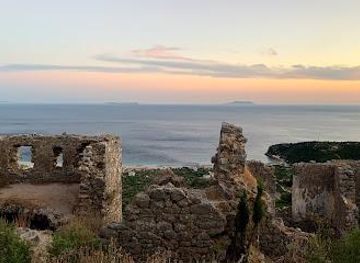
Best landmarks in Tepelenë
Tepelenë Castle is the town’s defining landmark, occupying a commanding position above the river valleys and representing the military importance of the settlement under Ottoman rule. Its association with Ali Pasha of Tepelena gives the walls particular historical resonance, even though the ruler’s wider political centre was Ioannina. The Vjosa–Drino confluence is a natural landmark as well as a geographical explanation for Tepelenë’s strategic location, bringing two significant valleys together beneath the surrounding mountains. Uji i Ftohtë Tepelenë is a locally important water landmark, valued for its cold spring and riverside setting. The town’s streets and modest civic buildings are less monumental but help reveal the scale of contemporary Tepelenë, where the castle remains the clearest physical link between the present settlement and its Ottoman-era past.
-
Bar
Uji i Ftohtë Tepelenë
Experience the refreshing natural springs and tranquil atmosphere of Uji i Ftohtë Tepelenë, a hidden gem in Albania.
19 min drive · 6.4 km from city centre
-
Nature preserve
Cold Water Nature Monument
Discover Albania's hidden gem: Cold Water Nature Monument in Lekël, where crystal-clear springs meet lush landscapes for an unforgettable escape.
19 min drive · 6.4 km from city centre
-
History museum
Skënduli House
Step back in time at Skënduli House in Gjirokastër, a remarkably preserved Ottoman residence showcasing Albanian history and culture.
46 min drive · 26 km from city centre
-
Historical landmark
Zekate House
Explore Zekate House in Gjirokastër: A stunning example of Ottoman architecture offering a glimpse into Albania's rich history and culture.
46 min drive · 26 km from city centre
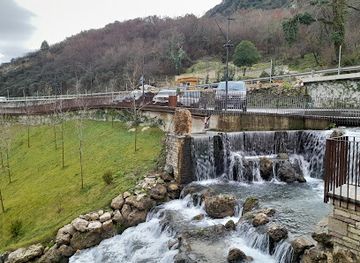
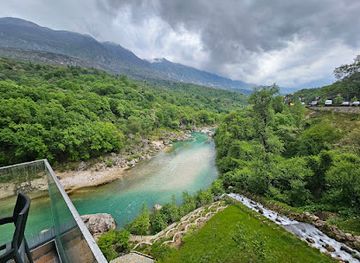
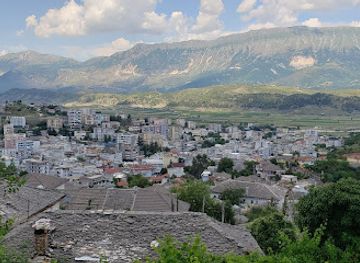
Explore Tepelenë on the map
Plan your Tepelenë trip on one map. See where the top attractions, landmarks, restaurants, bars and hotels are, find what's near where you're staying, and book hotels and experiences in a few clicks.
Best hotels in Tepelenë
Best restaurants in Tepelenë
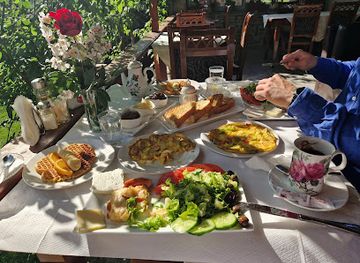
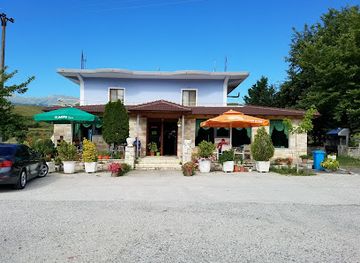
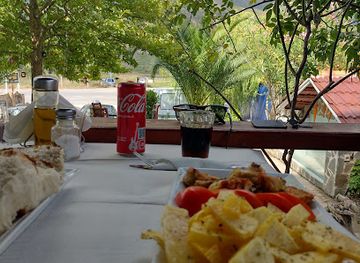
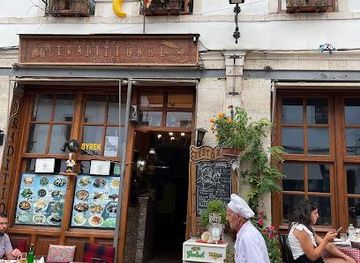
Tepelenë’s dining scene is modest and closely tied to southern Albanian home cooking, with small restaurants, cafés and family-run establishments serving food suited to a busy road town. Expect grilled meats, seasonal vegetables, salads, soups, yoghurt, local cheeses and bread, alongside dishes influenced by the wider cuisine of Gjirokastër and the mountain valleys. Tavë kosi, a baked dish of lamb and yoghurt associated with southern Albania, may appear on regional menus, while byrek and savoury pastries are practical choices for a quick meal. Fresh produce from the Vjosa and Drino valleys shapes everyday cooking more than elaborate restaurant presentation. Cafés are important social spaces for coffee and conversation, and larger settlements such as Gjirokastër offer a broader choice of dining styles. Menus may be limited outside peak meal periods, so simple local dishes are often the most dependable option.
-
Restaurant
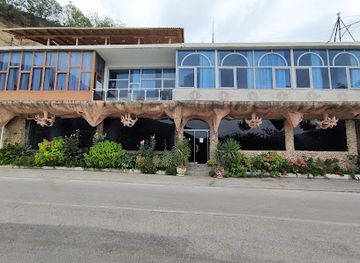
Bar Restorant Zoi & Teri
Discover the taste of Albania at Bar Restorant Zoi & Teri in Tepelenë – where local flavors meet breathtaking views.
6 min drive · 2.1 km from city centre
-
Restaurant
Sajmola
Experience authentic Albanian cuisine at Sajmola in Tepelenë—where tradition meets taste in a welcoming atmosphere.
23 min drive · 7.5 km from city centre
-
Restaurant
Bar Restrorant Gjoni
Discover the flavors of Albania at Bar Restaurant Gjoni—where tradition meets taste in the heart of Tepelenë.
40 min drive · 20 km from city centre
-
Fast Food
Fast Food Il Primo
Indulge in delicious fast food at Fast Food Il Primo in Tepelenë - where quality meets flavor in every bite.
2 min walk · 0.2 km from city centre
Best bars in Tepelenë
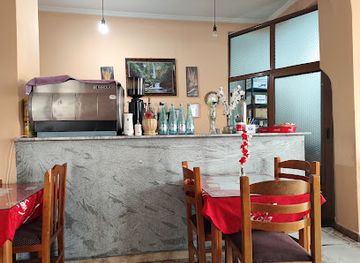
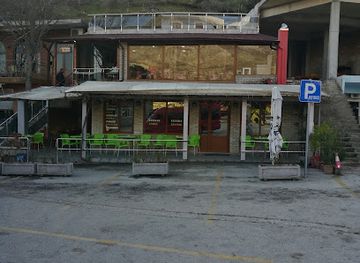
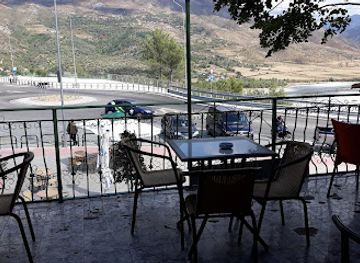
Tepelenë has a quiet evening culture rather than a substantial nightclub scene. After dark, social life centres on cafés, terraces and casual restaurants, where residents meet for coffee, soft drinks or a leisurely meal. The main streets may remain sociable in warmer months, but entertainment is generally low-key and locally oriented rather than organised around dedicated nightlife districts. Visitors seeking live music, late bars or a wider choice of venues are more likely to find them in larger Albanian towns, while Gjirokastër provides a more established evening setting within the region. The surrounding landscape also gives evenings a particular character: river air, dark mountain silhouettes and open skies replace urban illumination beyond the centre. Service customs are relaxed, but travellers should not expect late-night transport or extensive venue opening hours in this small town.
-
Restaurant
Bar Restorant Zoi & Teri
Discover the taste of authentic Albanian cuisine at Bar Restorant Zoi & Teri in Tepelenë, where every meal is a delightful journey into local flavors.
6 min drive · 2.1 km from city centre
-
Restaurant
Bar Restorant Laze
Experience authentic Albanian cuisine at Bar Restorant Laze in Tepelenë, where flavors meet stunning views in a warm, inviting atmosphere.
2 min walk · 0.2 km from city centre
-
Restaurant
Restorant & Hotel Vjosa
Experience authentic Albanian cuisine and warm hospitality at Restorant & Hotel Vjosa in the scenic town of Tepelenë.
3 min walk · 0.2 km from city centre
-
Restaurant
Bar Restorant Rushiti
Experience authentic Albanian cuisine with stunning views at Bar Restorant Rushiti in the heart of Qarku i Gjirokastrës.
13 min drive · 4.5 km from city centre
Best nightclubs in Tepelenë
Tepelenë has a quiet evening culture rather than a substantial nightclub scene. After dark, social life centres on cafés, terraces and casual restaurants, where residents meet for coffee, soft drinks or a leisurely meal. The main streets may remain sociable in warmer months, but entertainment is generally low-key and locally oriented rather than organised around dedicated nightlife districts. Visitors seeking live music, late bars or a wider choice of venues are more likely to find them in larger Albanian towns, while Gjirokastër provides a more established evening setting within the region. The surrounding landscape also gives evenings a particular character: river air, dark mountain silhouettes and open skies replace urban illumination beyond the centre. Service customs are relaxed, but travellers should not expect late-night transport or extensive venue opening hours in this small town.
-
Restaurant
Bar Restorant Zoi & Teri
Experience the flavors of Albania at Bar Restorant Zoi & Teri in Tepelenë, where stunning views meet exceptional cuisine in a welcoming atmosphere.
6 min drive · 2.1 km from city centre
-
Club
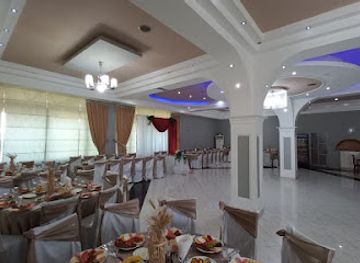
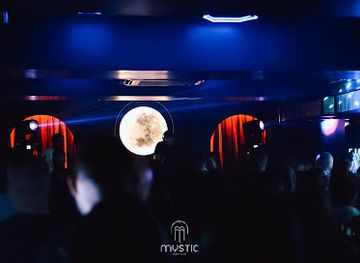
Mystic Night Club
Dive into the vibrant nightlife of Gjirokastër at Mystic Night Club, where electrifying music and unforgettable experiences await every party-goer.
47 min drive · 27 km from city centre
-
 Bar
BarXub Pasha Tepelena
Discover the vibrant spirit of Tepelenë at Xub Pasha Tepelena, where local culture meets breathtaking views in a lively bar setting.
9 min walk · 0.7 km from city centre
-
Night club
Bar Olti
Discover the energetic nightlife at Bar Olti, Tepelenë's premier night club with a captivating atmosphere and fantastic drinks.
6 min drive · 2.0 km from city centre
Best shops in Tepelenë
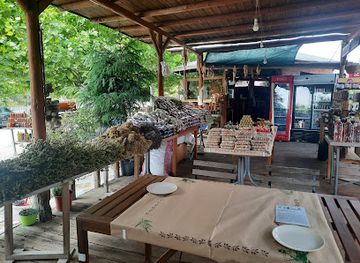
Shopping in Tepelenë is practical and local rather than centred on a large retail quarter. Small grocery shops, bakeries, cafés and everyday businesses serve residents and travellers moving along the main road, while seasonal produce reflects the agricultural character of the Vjosa and Drino valleys. Visitors may find regional honey, olive oil, herbs, preserves, cheeses and mountain products, although availability varies by season and individual producer. The town is not known for a specialised artisan market or a concentration of souvenir boutiques, so distinctive Albanian crafts and a wider choice of traditional goods are more readily found in Gjirokastër and other larger regional centres. Buying food directly from reputable local shops can provide a more authentic sense of the area than searching for a formal shopping attraction, but packaged goods should be checked before travelling into remote districts.
-
Souvenir store
Gjirokastra Bazaar
Experience the vibrant Gjirokastra Bazaar, a cultural hub in Albania offering unique souvenirs, local crafts, and authentic flavors.
47 min drive · 27 km from city centre
-
Coffee shop
Arra Freskia
Discover Arra Freskia, a cozy coffee shop in Tepelenë, Albania, offering exquisite brews and a taste of local culture.
20 min drive · 6.8 km from city centre
-
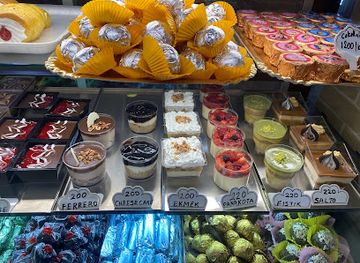
Pastries
Bakery & Pastry
Experience the finest pastries in Tepelenë, a bakery that delights with fresh, local flavors and a cozy atmosphere perfect for all sweet lovers.
1 min walk · 0.1 km from city centre
-
Coffee shop
Pit Stop Tepelenë
Discover the charm of Pit Stop Tepelenë, a cozy coffee shop where locals and tourists enjoy the finest brews in a welcoming atmosphere.
4 min walk · 0.3 km from city centre
Get your free copy of our complete guide to Tepelenë, delivered straight to you.
Everything on this page, from attractions and restaurants to essentials and local phrases, in one PDF you can read offline, print or share.
Already have an account? Sign in
Your Tepelenë guide is ready.
We'll send it to · Not you? Sign out

Getting your guide ready…
We are putting together a fresh copy of the Tepelenë guide. This can take up to a minute.
This can take a few moments. If your browser asks, choose Allow so the download can start. You'll find the guide in your Downloads folder.
Nothing happened? Download it again
Sorry, the guide is taking longer than usual. Please try again in a minute, or get it by email instead.
Tepelenë essentials
Currency and Payment
Safety
Emergency Situations
Do's and Don'ts
Local Tips
From Eve
Local phrases worth knowing
You don't need to get them perfect. A few words go a long way, and locals appreciate the effort.
Basics
| English | Local | Say it |
|---|---|---|
| Hello | Tungjatjeta | [toon-jat-yet-a] |
| Goodbye | Mirupafshim | [mee-roo-paf-sheem] |
| Yes | Po | [poh] |
| No | Jo | [yo] |
| Please/You're welcome | Ju lutem | [yoo loo-tem] |
| Thank you | Faleminderit | [fah-leh-meen-deh-reet] |
| Excuse me/Sorry | Më falni | [muh fahl-nee] |
| How are you? | Si jeni? | [see yeh-nee?] |
| Fine. And you? | Mirë. Dhe ju? | [mee-reh. theh yoo?] |
| Do you speak English? | Flisni anglisht? | [flees-nee ahn-gleesht?] |
| I don't understand | Nuk kuptoj | [nook koop-toy] |
Eating & Drinking
| English | Local | Say it |
|---|---|---|
| I'd like to see the menu, please | Dua të shoh menunë, ju lutem | [doo-ah tuh shoh meh-noo-nuh, yoo loo-tem] |
| I don't eat meat | Nuk ha mish | [nook hah meesh] |
| Cheers! | Gëzuar! | [geh-zoo-ar] |
| I would like to pay, please | Dua të paguaj, ju lutem | [doo-ah tuh pah-goo-ah, yoo loo-tem] |
Emergencies
| English | Local | Say it |
|---|---|---|
| Help! | Ndihmë! | [ndee-muh] |
| Go away! | Shko larg! | [shko lar-g] |
| Call the Police! | Thirrni policin! | [theer-nee poh-lee-seen] |
| Call a doctor! | Thirrni mjekun! | [theer-nee myeh-koon] |
| I'm lost | Jam i humbur | [yam ee hoom-boo] |
| I'm ill | Jam i sëmurë | [yam ee sah-moo-reh] |
Shopping
| English | Local | Say it |
|---|---|---|
| I'd like to buy... | Dua të blej... | [doo-ah tuh bleh] |
| I'm just looking | Po shikoj vetëm | [poh shee-koy vet-em] |
| How much is it? | Sa kushton? | [sah koosh-ton] |
| That's too expensive | Ky është shumë i shtrenjtë | [kyeh esh-teh shoo-muh ee sh-trenj-teh] |
| Can you lower the price? | A mund të ulni çmimin? | [ah moon-duh tuh ool-nee ch-mee-meen] |
Time & Numbers
| English | Local | Say it |
|---|---|---|
| What time is it? | Sa është ora? | [sah esh-teh oh-rah] |
| It's one o'clock | Është një ora | [esh-teh nyeh oh-rah] |
| Half past (10) | Njëmbëdhjetë | [nyem-buh-dheh-teh] |
| Morning | Mëngjes | [muhn-jes] |
| Afternoon | Pasdite | [pahs-dee-teh] |
| Evening | Mbrëmje | [mbruhm-yeh] |
| Yesterday | Dje | [djeh] |
| Today | Sot | [sot] |
| Tomorrow | Nesër | [neh-ser] |
| 1 | Një | [nyeh] |
| 2 | Dy | [duh] |
| 3 | Tre | [treh] |
| 4 | Katër | [kah-ter] |
| 5 | Pesë | [peh-suh] |
| 6 | Gjashtë | [gyahsht] |
| 7 | Shtatë | [shtah-tuh] |
| 8 | Tetë | [teht] |
| 9 | Nëntë | [nun-tuh] |
| 10 | Dhjetë | [dhyeh-tuh] |
Transport & Directions
| English | Local | Say it |
|---|---|---|
| Where's a/the...? | Ku është një... | [koo esh-teh nyeh] |
| What's the address? | Cila është adresa? | [chee-lah esh-teh ah-dreh-sah] |
| Can you show me (on the map)? | A mund të më tregoni (në hartë)? | [ah moon-duh tuh muh tro-goh-nee (nuh hahr-teh)] |
| When's the next (bus)? | Kur është autobusi tjetër? | [koor esh-teh ow-toh-boo-see tyeh-ter] |
| A ticket (to ....) | Një biletë (në ...) | [nyeh bee-leh-teh (nuh)] |
History of Tepelenë
An Ancient Crossroads in Epirus
The Tepelenë area lies within the historical landscape of Epirus, a region shaped by movement between the interior valleys, the Ionian coast and the settlements of southern Albania. The confluence of the Vjosa and Drino made the area strategically useful long before the modern town developed. Ancient and later communities used the river corridors for travel, pastoral activity and exchange, although the surviving evidence is scattered rather than concentrated in a single monumental archaeological site. Tepelenë’s modern identity is therefore rooted as much in geography as in a clearly defined ancient foundation: its river junction and mountain passes repeatedly gave the settlement military and commercial significance.
Ottoman Rule and Regional Fortification
Under Ottoman rule, Tepelenë developed within a frontier region where routes through Epirus and southern Albania required control and protection. Fortifications on the heights above the rivers helped oversee movement through the valley, while the settlement served the surrounding agricultural and pastoral communities. The town’s castle was strengthened and expanded over time, acquiring the form associated with the late Ottoman period. Its walls and position reveal how political authority depended on controlling roads, watercourses and mountain approaches rather than simply occupying a large urban centre. Ottoman administration also connected Tepelenë to the wider cultural and commercial world of Epirus.
Ali Pasha of Tepelena
Tepelenë is best known as the birthplace of Ali Pasha, who rose from a local Albanian family to become the powerful Ottoman governor of Ioannina and much of the surrounding region in the late eighteenth and early nineteenth centuries. His authority was built through military alliances, taxation and strategic control, while his court became associated with ambitious architecture and international diplomacy. The castle at Tepelenë belongs to the historical landscape connected with his rule, although his principal political centre was Ioannina. Ali Pasha’s career left an enduring imprint on local memory and on European accounts of Ottoman politics, where he appeared as both a formidable ruler and a controversial figure.
From Imperial Frontier to Albanian Town
Ali Pasha’s death in 1822 ended his semi-autonomous power, and the region returned more firmly to direct Ottoman authority. Tepelenë remained a small settlement in a difficult mountain environment, connected to nearby centres through river valleys and roads rather than through large-scale urban development. During the nineteenth century and the final decades of Ottoman rule, local Albanian identity developed alongside the administrative and cultural structures of the empire. The town’s castle continued to express its strategic past, while everyday life depended on farming, livestock, trade and movement between the Drino and Vjosa valleys.
The Communist Period and Memory
After Albania became a communist state in 1946, Tepelenë was associated with one of the regime’s internment camps, where families classified as politically suspect were forcibly confined. The camp operated in the post-war decades and forms part of the difficult history remembered by survivors and their descendants. This chapter is important because it places the town within Albania’s broader history of political persecution, forced relocation and state control. The legacy is not as visually prominent as the castle, but it remains essential to understanding modern Tepelenë and the silences that shaped many local families during the dictatorship.
The Vjosa and Contemporary Identity
Since the end of communist rule, Tepelenë has adapted to the pressures and opportunities of a more mobile, market-oriented Albania. Its position on the routes linking Gjirokastër, Vlorë and the southern interior has preserved its role as a stopping point, while the rivers and mountains have gained importance for conservation and nature-based travel. The designation of the Vjosa Wild River National Park in 2023 strengthened international attention on the valley’s free-flowing river system. Contemporary Tepelenë consequently looks in two directions: towards the historical memory embodied by the castle and towards the protected landscapes that surround the town.
Travel experiences inspired by this city


Swipe for more travel diaries
Tepelenë in Photos
Browse through our photo collection highlighting the charm and character of the destination.
Cities near Tepelenë
The closest cities to Tepelenë, if you have time for more than one stop.
-

-

-

-

-


Swipe for more cities
Explore more

Explore more of Albania
Discover Albania: A land of untamed beauty, rich history, and warm hospitality, offering stunning beaches, rugged mountains, and vibrant cities.
Explore Albania