Mosaic of Tirana: A Glimpse into Ancient Illyria
Discover ancient Roman and Byzantine history in the heart of Tirana at this fascinating archaeological site and cultural monument.
The Mosaic of Tirana is a significant archaeological site in the heart of Albania's capital, revealing remnants of a Roman-era villa dating back to the 3rd century AD. Discovered in 1972, the site features intricate mosaic floors and the remains of a Paleo-Christian Basilica built in the 5th and 6th centuries.
A brief summary to Mosaic of Tirana
- 8RJ3+2MQ, Tirana, AL
Local tips
- Visit during the early morning or late afternoon for the best lighting to photograph the mosaics.
- Combine your visit with a trip to the nearby National Historical Museum to further explore Albania's history.
- Take some time to read the plaques that explain the historical significance and context of the mosaics.

Getting There
-
Walking
The Mosaic of Tirana is located close to the city center and is easily accessible on foot. From Skanderbeg Square, walk south on Rruga Dëshmorët e Kombit for approximately 2 kilometers. Turn left onto Rruga e Dajlani, and then turn right onto Rruga e Kavajës. Continue until you reach the Mosaic of Tirana. This walk offers a pleasant way to see the city.
-
Public Transport
To reach the Mosaic of Tirana via public transport, take bus line 1 or 4 towards the city center. Disembark at Sheshi Skënderbej. Walk towards Rruga Dervish Hima and turn left. Continue walking until you reach the Mosaic of Tirana. The bus fare is approximately 40-50 Lek.
-
Taxi
Taxis are readily available in Tirana. A taxi ride from the city center to the Mosaic of Tirana typically costs between 300 to 500 Lek, depending on traffic. Confirm the fare with the driver before starting your journey.
Discover more about Mosaic of Tirana
Iconic landmarks you can’t miss

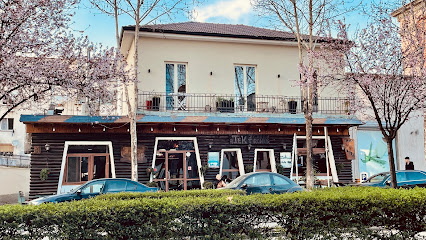
Tek Zgara Tironës
0.4 km
Experience authentic Albanian flavors at Tek Zgara Tironës, a traditional grill restaurant on Kavaja Street in Tirana. Inexpensive and delicious!
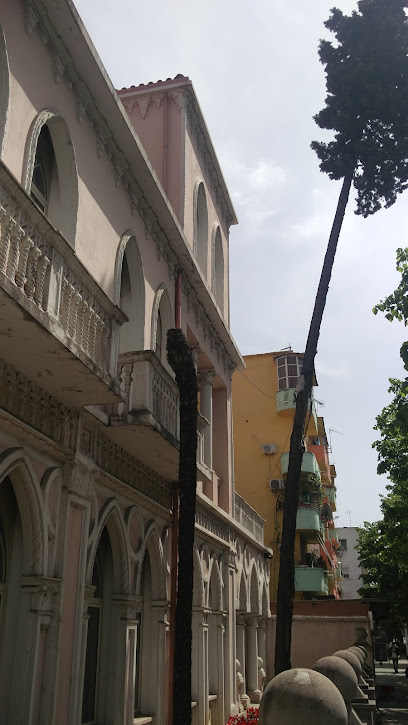
Former Embassy of Yugoslavia
0.5 km
Explore the Former Embassy of Yugoslavia in Tirana, a landmark showcasing Albania's complex history and Yugoslav-era architecture.
Kisha Katolike Zemra e Krishtit
0.5 km
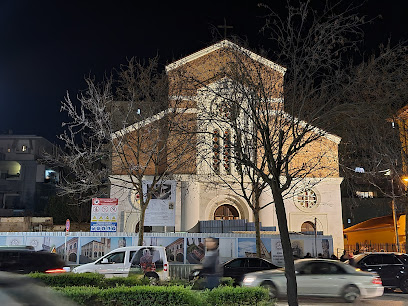
Discover Tirana's oldest Catholic church, Kisha Katolike Zemra e Krishtit, a symbol of faith and resilience with a rich history and beautiful architecture.
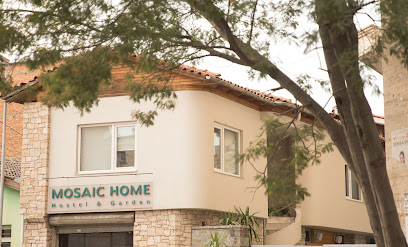
Mosaic Home
0.6 km
Experience Tirana like a local at Mosaic Home: comfort, culture, and connection in a vibrant hostel with a stunning garden oasis.
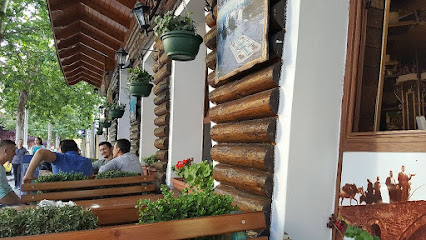
Zgara e Tironës 2
0.6 km
Experience authentic Albanian grilled cuisine at Zgara e Tironës 2, a lively and affordable restaurant in the heart of Tirana.
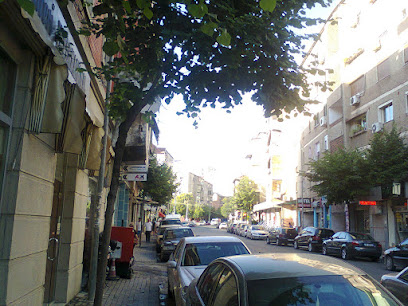
Kryqëzimi i rr. " Durrësit " me rr. " Fortuzi "
0.7 km
Explore the historical crossroads of Tirana where the vibrant past meets the dynamic present at Kryqëzimi i rr. Durrësit me rr. Fortuzi.
Sheshi Bukureshti
0.7 km
Discover Sheshi Bukureshti in Tirana: A vibrant square where history meets modern life, offering cultural experiences and architectural beauty.
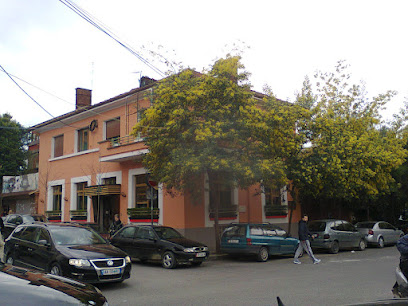
Pizza Seni
0.8 km
Experience Tirana's warm hospitality with every slice at Pizza Seni, serving delicious pizzas and more on Rruga Him Kolli.
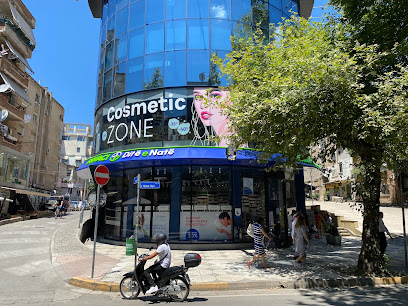
Kryqëzimi i rr. " Durrësit " me rr. " Mine Peza "
0.9 km
Explore Tirana's vibrant heart at Kryqëzimi i rr. Durrësit me rr. Mine Peza, where history, culture, and modern life converge in a lively atmosphere.
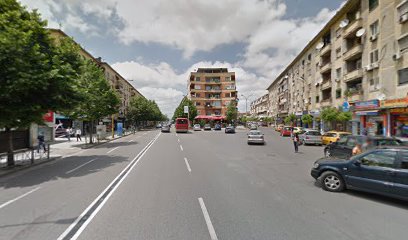
Pamje nga rruga "Myslym Shyri"
0.9 km
Experience the vibrant heart of Tirana on Rruga Myslym Shyri, a bustling street filled with shops, cafes, and a lively atmosphere.

Banka e Shqipërisë
1.1 km
Explore the Bank of Albania, a symbol of financial stability and architectural beauty in the vibrant heart of Tirana's Skanderbeg Square.
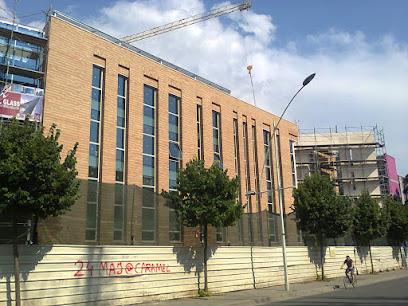
The Taproom by Pan’s Microbrewery
1.1 km
Discover Albania's craft beer scene at The Taproom by Pan's Microbrewery, offering local brews and a welcoming atmosphere in Tirana.
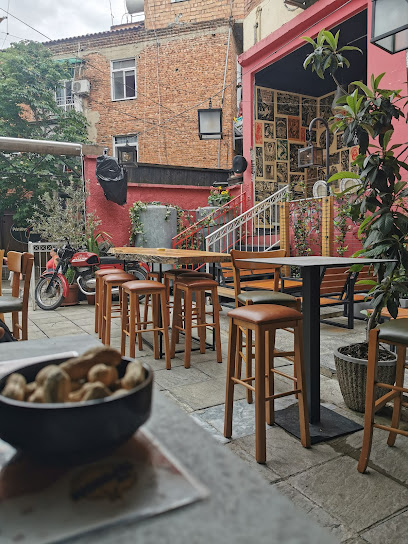
Destil Creative Hub Tirana
1.1 km
Tirana's vibrant coworking and brunch spot, fostering creativity and collaboration in a historic setting.
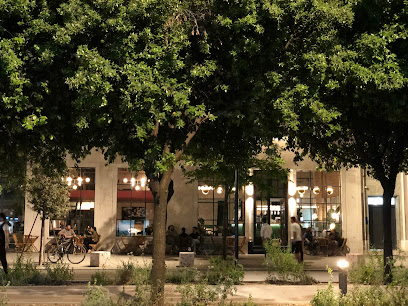
Things To Do in Albania
1.1 km
Experience the vibrant heart of Tirana at Sheshi Austria, a lively hub for culture, activities, and unforgettable experiences.
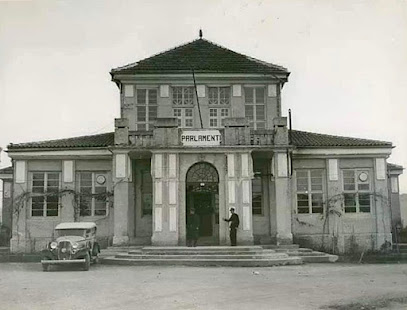
Godina e Parlamentit të parë Shqiptar
1.1 km
Explore the roots of Albanian democracy at the historic Building of the First Albanian Parliament in Tirana. A symbol of freedom and political evolution.
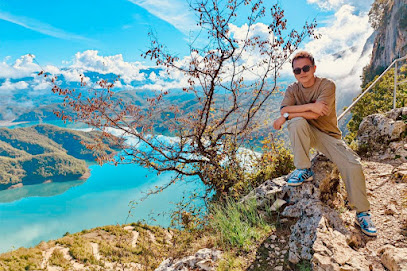
Unmissable attractions to see

Hemingway Bar Tirana
0.7 km
Discover the lively spirit of Tirana at Hemingway Bar, a premier jazz club where music and culture collide in an inviting atmosphere.
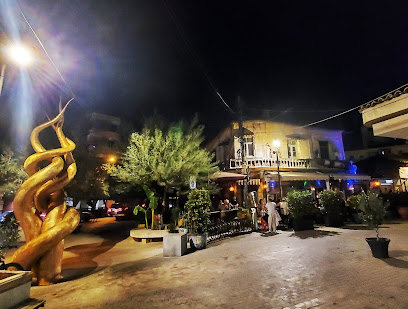
DO NOT JUDGE - Artez (Mural)
0.7 km
A captivating mural in Tirana by Artez, inviting viewers to look beyond the surface and question their assumptions in Albania's colorful capital.
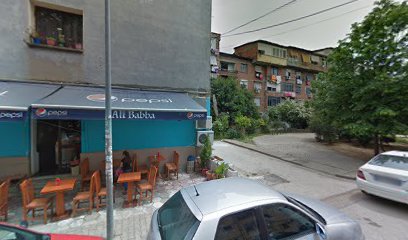
SPIDER-MAN Mural
0.8 km
Discover Tirana's vibrant street art scene with the iconic SPIDER-MAN mural, a colorful and whimsical landmark that captures the city's artistic spirit.
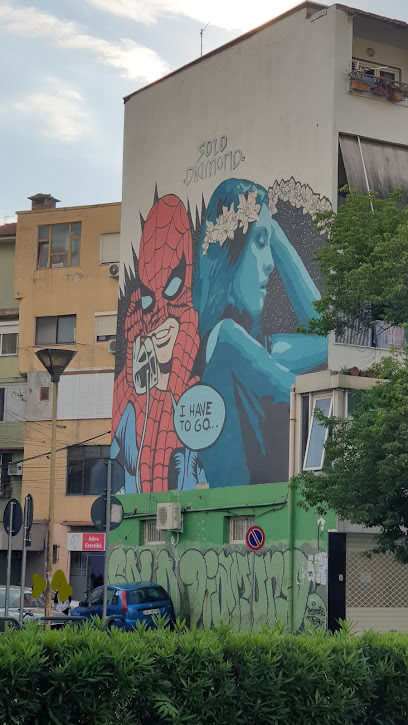
Mezuraj Museum
0.9 km
Discover the art of Gjelosh Mezuraj at this intimate Tirana museum, showcasing his unique contributions to Albanian painting and cultural heritage.
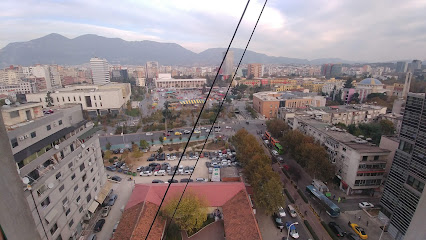
Tour Tirana
0.9 km
Experience the vibrant culture and rich history of Tirana with expertly guided tours that unveil Albania's capital like never before.
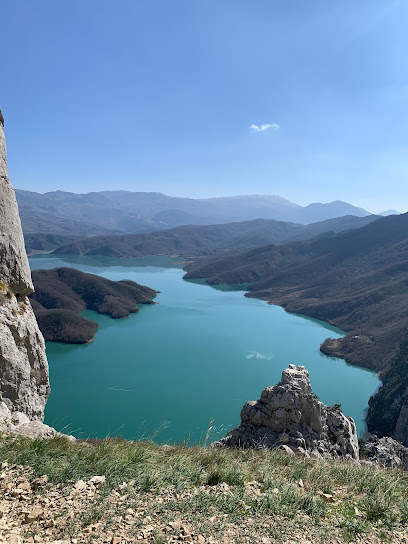
Beer Tasting Tirana
0.9 km
Discover Albania's craft beer scene: Taste regional brews, explore local bars, and enjoy a unique Tirana experience.
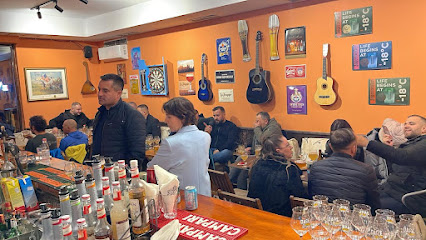
Bank of Albania Museum
1.1 km
Explore Albania's financial past, from ancient coinage to modern banking, at the Bank of Albania Museum in the heart of Tirana.
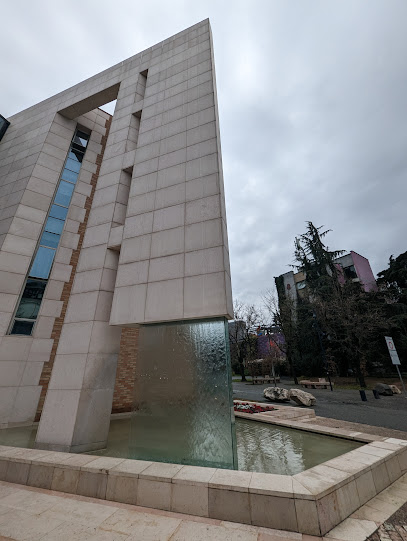
House of Leaves Museum
1.1 km
Explore the House of Leaves Museum in Tirana, a captivating journey into Albania's secretive past of surveillance and resilience.
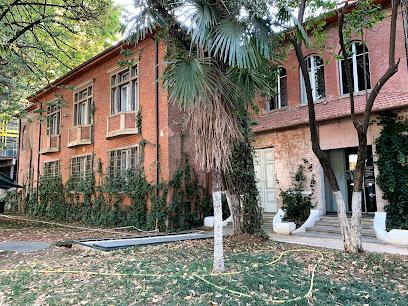
National Historical Museum
1.1 km
Explore Albania's captivating history at the National Historical Museum, currently under renovation but a landmark in Tirana.
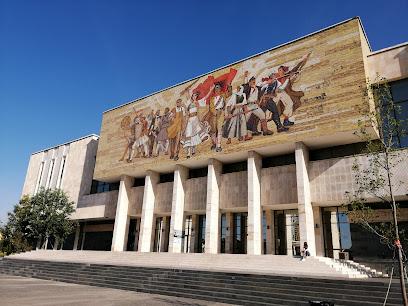
Village Square
1.1 km
Experience the heart of Tirana at Village Square: a vibrant blend of culture, history, and modern life on Bulevardi Zogu I.
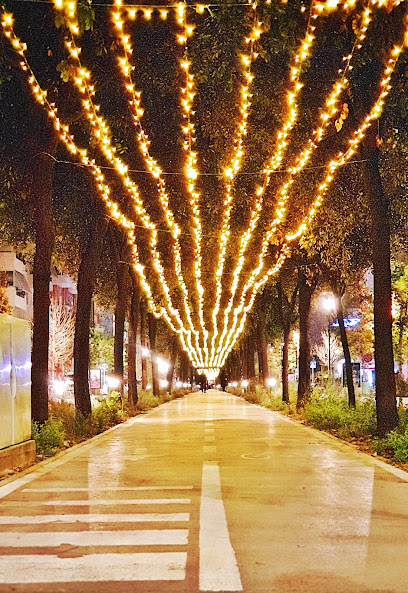
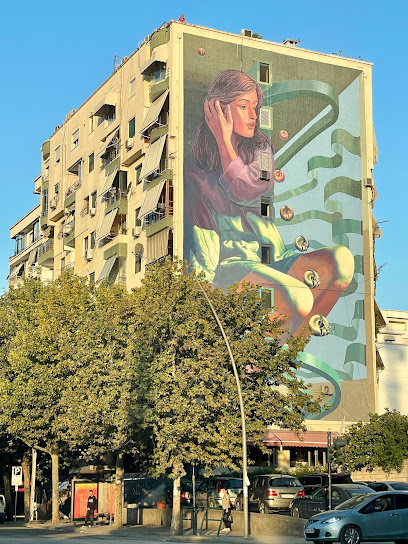
GAIA - Wild Drawing (Mural)
1.1 km
Experience Tirana's vibrant street art scene at the GAIA - Wild Drawing mural, a colorful symbol of artistic evolution and environmental awareness.
Skanderbeg Square
1.2 km
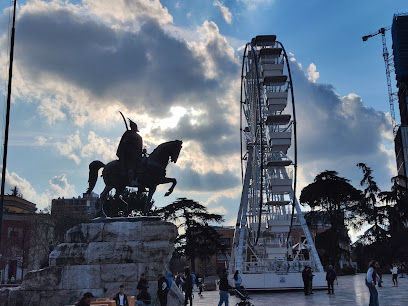
Discover the vibrant culture and history at Skanderbeg Square, the heart of Tirana, where past and present beautifully converge.
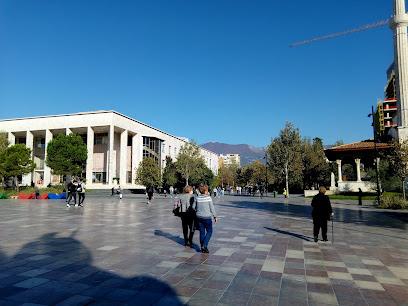
Piazza principale
1.2 km
Discover Tirana's central hub: Piazza Scanderbeg, where history, culture, and modern life converge in a vibrant public space.
Resurrection of Christ Orthodox Cathedral
1.2 km
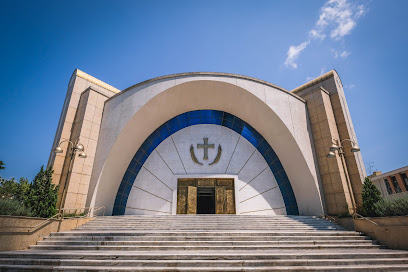
Discover Tirana's spiritual heart at the Resurrection of Christ Orthodox Cathedral, a symbol of faith's revival and architectural brilliance.
Center of Tirana
1.2 km
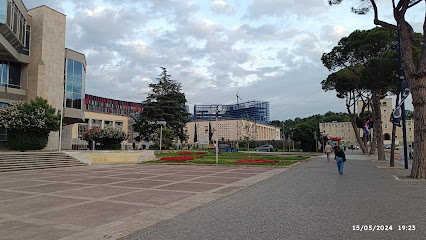
Discover Skanderbeg Square, the beating heart of Tirana, where Albania's history, culture, and vibrant modern life converge in a dynamic public space.
Essential places to dine

Capital Restaurant Piceri
0.2 km
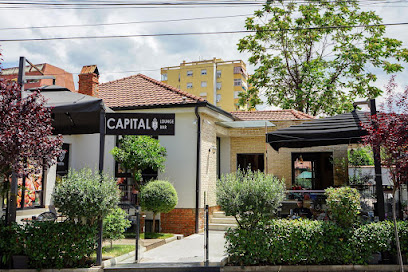
Experience authentic Albanian cuisine at Capital Restaurant Piceri in Tirana - where tradition meets flavor.
Restorant Arabesque الذوق العربي
0.6 km
Experience authentic halal Middle Eastern cuisine at Restorant Arabesque in Tirana - where every dish tells a story.
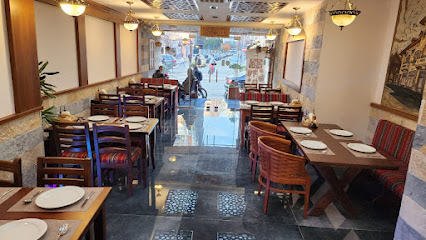
Tymi King Pils
0.6 km
Discover Tymi King Pils in Tirana: Savor exquisite grilled delights and immerse yourself in authentic Albanian dining culture.
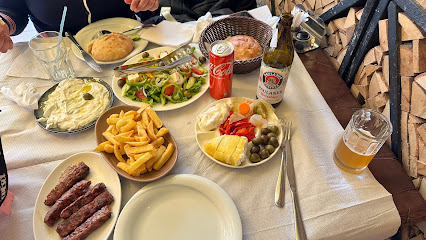
Zgara Supreme 2
0.7 km
Discover authentic Albanian barbecue at Zgara Supreme 2 in Tirana – where flavor meets tradition in a vibrant setting.
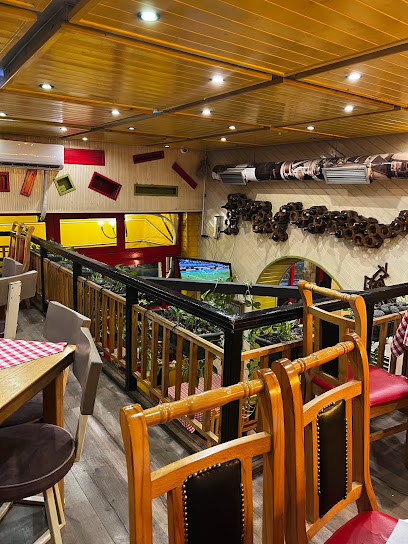
Artur Restorant Tirana
0.7 km
Experience the finest seafood and elegant dining at Artur Restorant Tirana - where every dish tells a story.
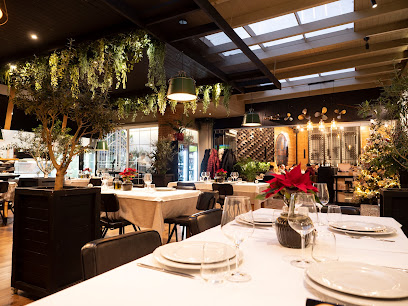
Ejsel Restaurant
0.7 km
Experience authentic halal cuisine at Ejsel Restaurant in Tirana – where tradition meets taste in every dish.
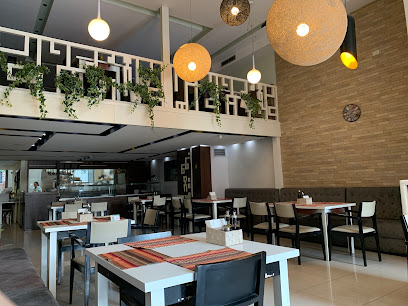
Taverna King Pils
0.7 km
Discover authentic Albanian flavors at Taverna King Pils - where tradition meets taste in the heart of Tirana.
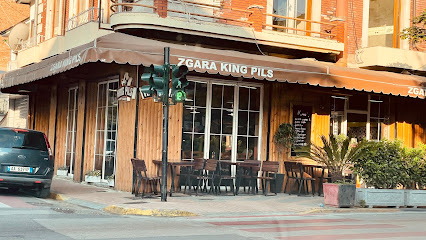
Restorant Tymi
0.7 km
Discover authentic Greek and Mediterranean flavors at Restorant Tymi in Tirana - where every meal is a celebration of taste.
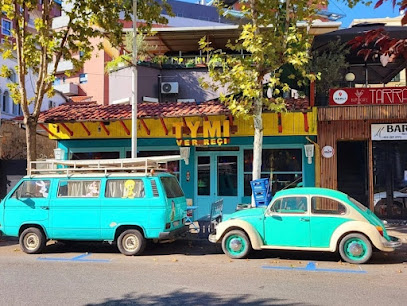
L'Osteria Restaurant
0.7 km
Experience authentic Italian cuisine at L'Osteria Restaurant in Tirana - where flavor meets hospitality in a charming setting.
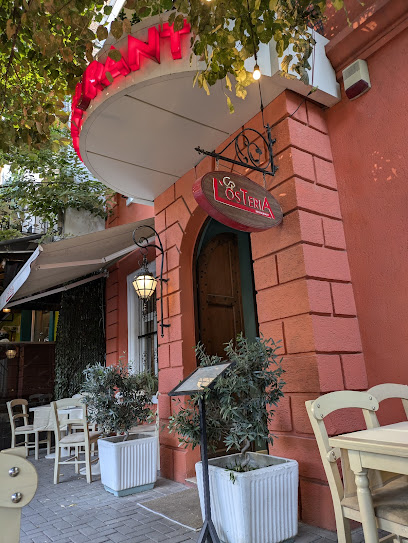
Painted Black The Italian Gastro Bar & Restaurant
0.7 km
Savor authentic Italian flavors in Tirana at Painted Black, where exquisite dishes meet a vibrant bar atmosphere for an unforgettable culinary journey.
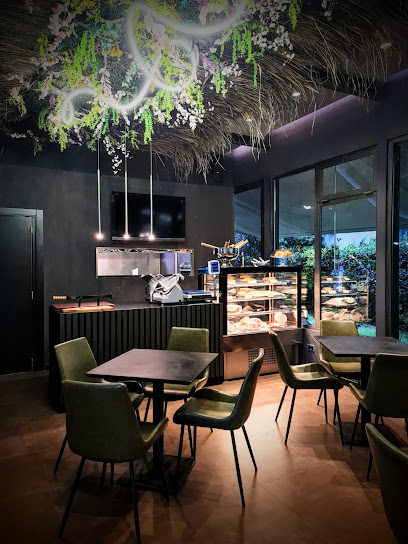
il Gusto Ristorante
0.8 km
Discover exceptional seafood dining at il Gusto Ristorante in Tirana – where every dish tells a story of flavor and tradition.
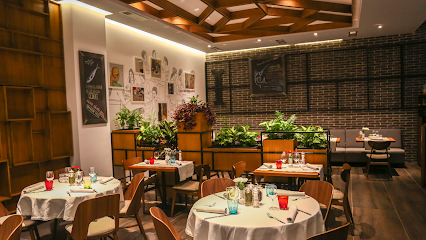
Saray Albania
0.8 km
Experience authentic Albanian cuisine at Saray Albania in Tirana – where tradition meets modernity in every dish.
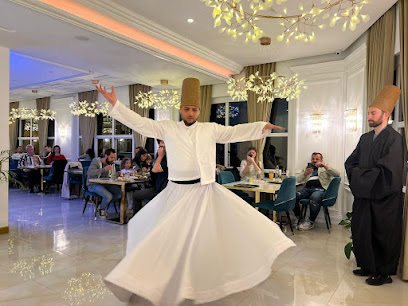
Grepi i Artë
0.8 km
Experience authentic Albanian cuisine at Grepi i Artë in Tirana—where tradition meets flavor in a welcoming setting.
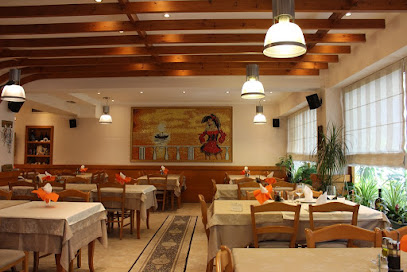
Restorant Tepelena
0.9 km
Experience authentic Albanian cuisine at Restorant Tepelena in Tirana—where tradition meets flavor in a cozy setting.
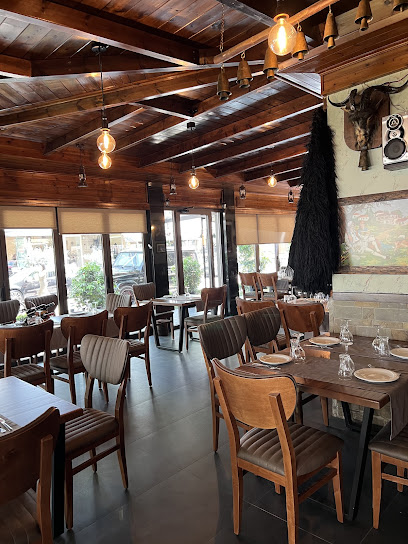
Restorant GjinoKastra
0.9 km
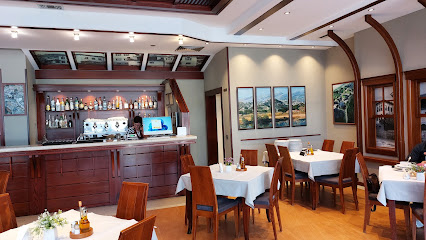
Discover authentic Albanian flavors at Restorant GjinoKastra in Tirana - a culinary gem blending tradition with modern dining experiences.
Markets, malls and hidden boutiques

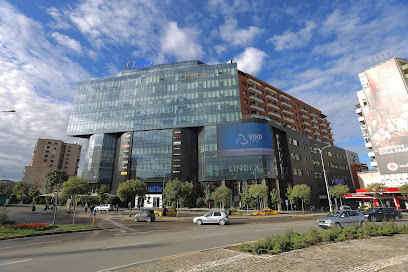
Tirana Ring Center
0.3 km
Explore Tirana Ring Center – a vibrant shopping mall with diverse retail, dining, and entertainment options in the heart of Albania's capital.
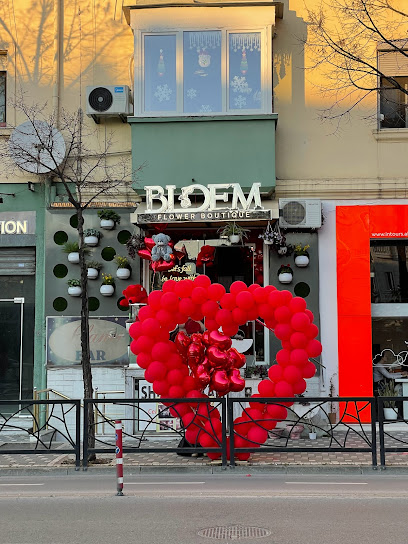
Bloem Flower Boutique
0.4 km
Explore the enchanting Bloem Flower Boutique in Tirana for exquisite flowers, unique plants, and expert floral design tailored to your special occasions.
Special Gifts
0.4 km
Explore Special Gifts in Tirana for unique souvenirs and handcrafted treasures that embody the spirit of Albania.
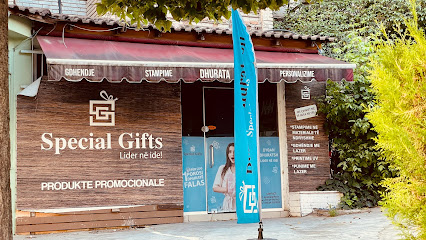
Souvenirs
0.4 km
Explore the heart of Albanian culture with unique souvenirs, crafted by local artisans, capturing the spirit of your travels.
Tony Store Tirana
0.5 km
Explore the great outdoors of Albania with Tony Store Tirana, your one-stop shop for camping gear and adventure tours.
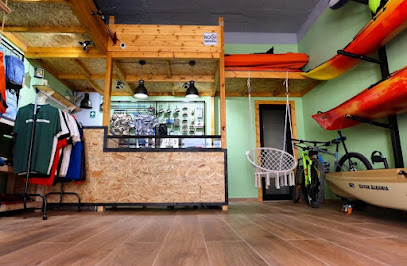
Second Hand Store
0.5 km
Explore Tirana's vibrant second-hand scene at the Second Hand Store, where unique fashion finds await every shopper.
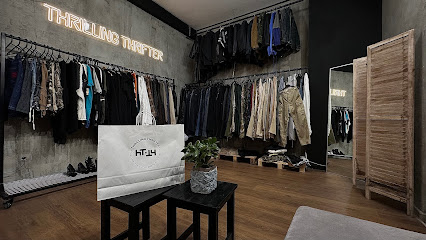
Thrilling Thrifter
0.5 km
Explore Tirana's Thrilling Thrifter for unique second-hand clothing that combines sustainability with style.
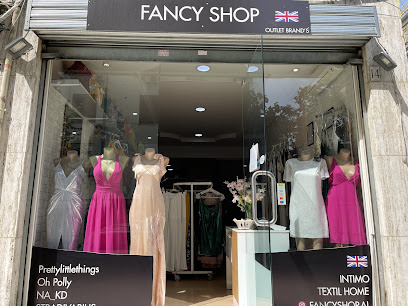
FANCYSHOP.AL
0.6 km
Discover trendy women's fashion at FANCYSHOP.AL in Tirana, where style meets Albanian elegance in a chic shopping experience.
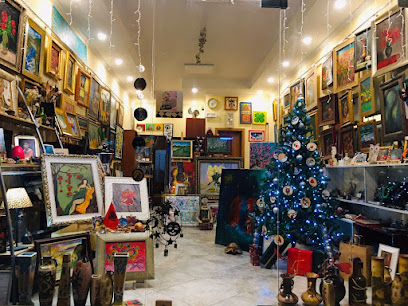
Art Eve Oblivion shop
0.6 km
Discover unique Albanian art and souvenirs at Art Eve Oblivion, a vibrant shop in Tirana that captures the essence of local creativity.
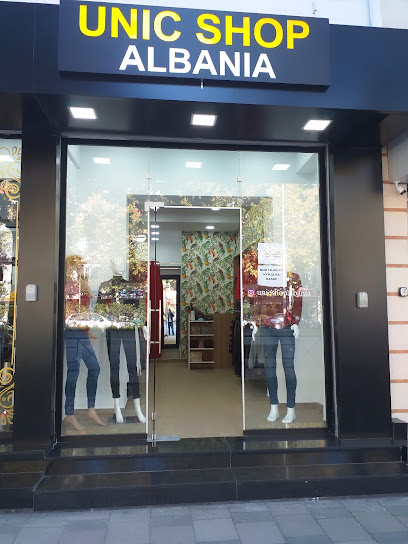
Unic Shop Albania
0.6 km
Explore unique fashion at Unic Shop Albania, where local craftsmanship meets modern style in the heart of Tirana.
Albania Shopping
0.7 km
Discover the vibrant shopping scene in Tirana, Albania Shopping offers a diverse array of stores, dining options, and entertainment for every traveler.
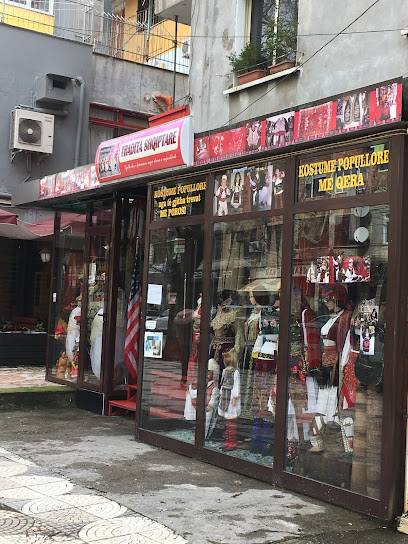
Tradita Shqiptare
0.7 km
Explore the heart of Albanian culture at Tradita Shqiptare, where authentic gift baskets and local delicacies await every traveler.
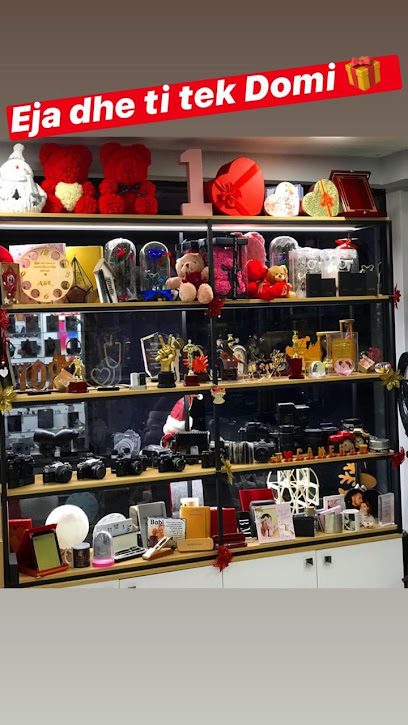
DOMI GIFTS - Dhurata te Personalizuara
0.8 km
Explore DOMI GIFTS in Tirana for unique personalized souvenirs that capture the spirit of your travels in Albania.
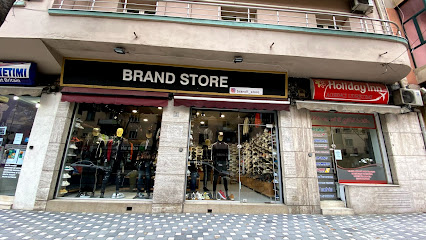
BRAND STORE • Butik Veshjesh & Atletesh
0.8 km
Explore the stylish world of Butik Veshjesh & Atletesh in Tirana, where fashion meets local charm in a unique shopping experience.
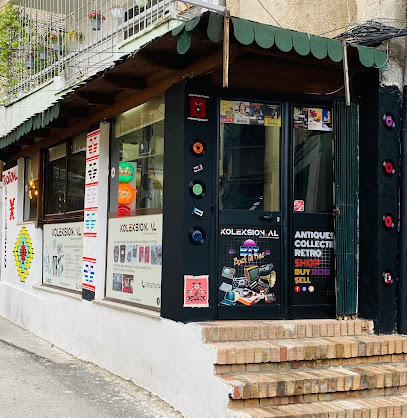
Retro & Antiques Store
0.8 km
Explore Tirana's Retro & Antiques Store for unique vintage finds and collectibles that reflect the rich cultural heritage of Albania.
Essential bars & hidden hideouts

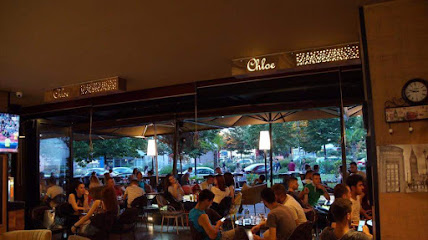
Best Lounge
0.1 km
Unwind at Best Lounge, a premier hookah bar in Tirana, offering a delightful mix of local cuisine, high-quality hookahs, and a cozy atmosphere.
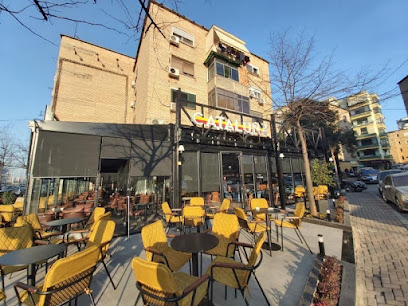
Cataluna Lounge Bar
0.1 km
Discover the vibrant Cataluna Lounge Bar in Tirana, where exquisite cocktails and a lively atmosphere create unforgettable memories.
Black Pearl Lounge Bar
0.4 km
Experience the vibrant nightlife of Tirana at the Black Pearl Lounge Bar, where exquisite drinks and a stylish ambiance await you.
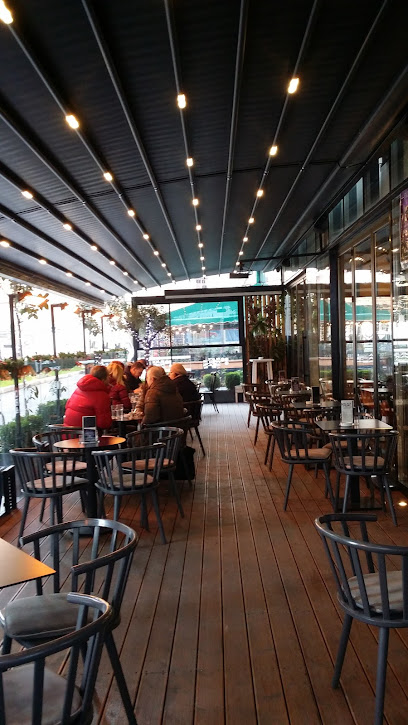
Mimoza Bar & Cocktails
0.7 km
Experience vibrant nightlife and expertly crafted cocktails at Mimoza Bar & Cocktails, the heartbeat of Tirana's social scene.
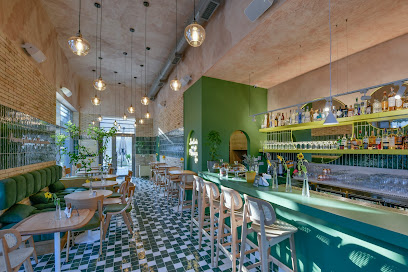
Melbourne Bar
0.8 km
Discover the heart of Tirana's nightlife at Melbourne Bar, offering lively entertainment, delicious drinks, and a welcoming atmosphere.
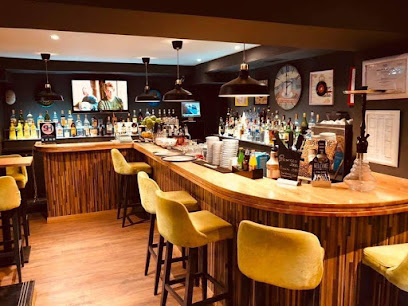
DE'BAR
1.0 km
Discover the stylish DE'BAR in Tirana, where modern design, exquisite drinks, and a vibrant atmosphere await every traveler.
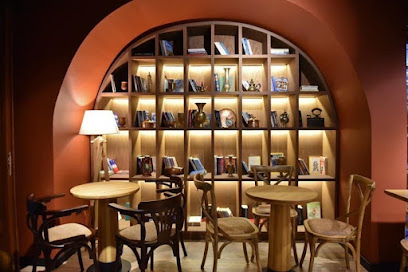
Bar 18° Wine Bar
1.1 km
Discover the finest wines and local flavors at Bar 18°, a cozy wine bar in the heart of Tirana, Albania, perfect for any occasion.
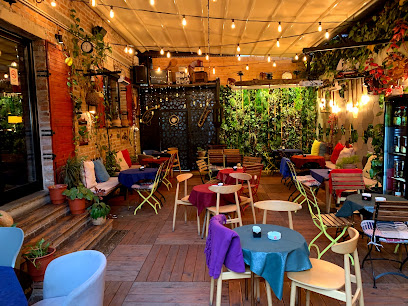
Vena Vinoteka Tirane Wine Shop
1.1 km
Experience the best of Albanian wines and Italian tapas at Vena Vinoteka Tirane, a must-visit wine bar in the heart of Tirana.
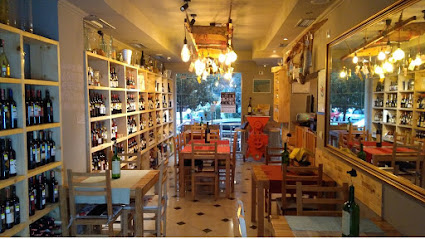
Bunker1944 Lounge
1.1 km
Discover the eclectic charm of Bunker1944 Lounge, a unique bar in Tirana that blends history with modern nightlife for an unforgettable experience.
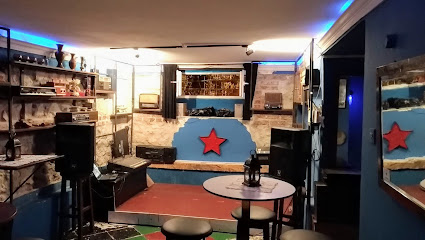
Balzac Bar Café - Bistro
1.2 km
Discover the perfect blend of café charm and bistro energy at Balzac Bar Café - Bistro in Tirana, where local flavors meet vibrant atmosphere.
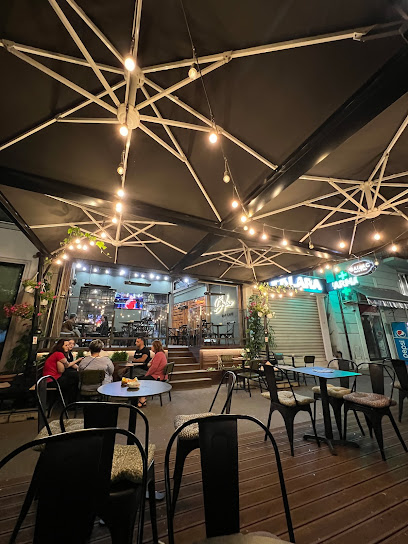
Bufe Wine Bar
1.2 km
Experience the essence of Albanian wine culture at Bufe Wine Bar, a cozy spot in Tirana perfect for relaxation and socializing.
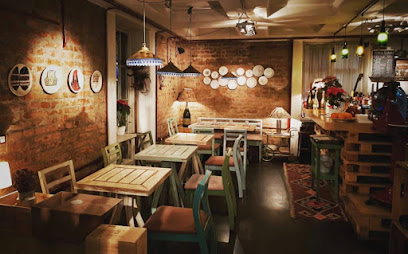
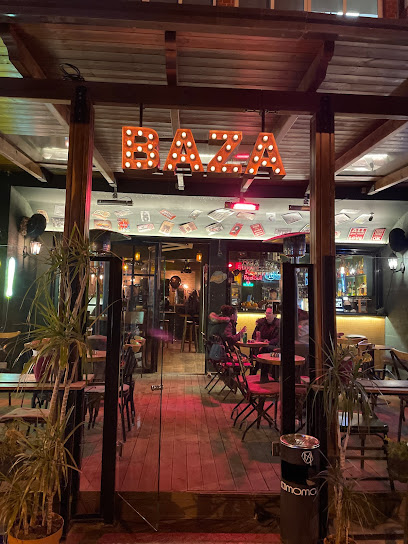
Baza Bar
1.2 km
Experience the vibrant atmosphere of Baza Bar in Tirana, where amazing cocktails meet sports excitement and social interaction.
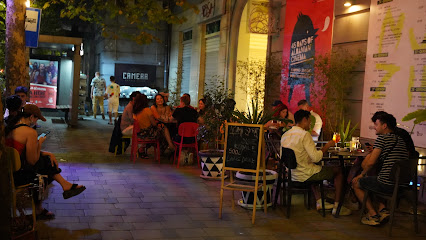
Underground Agimi
1.2 km
Experience the vibrant nightlife and artistic flair at Underground Agimi, Tirana's premier cocktail bar and art gallery.
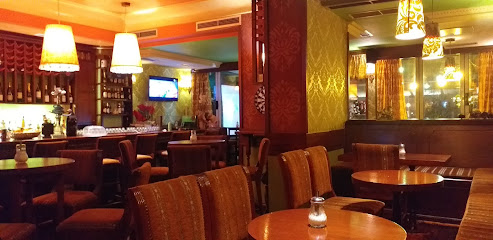
Nightclubs & after hour spots

LaLa's Club
0.9 km
Experience the vibrant nightlife of Tirana at LaLa's Club, where exceptional drinks and a lively atmosphere await.
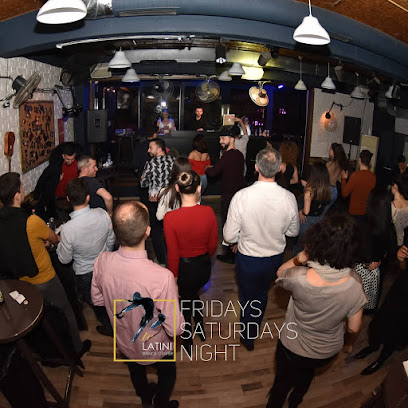
Te Latini Dance Center
1.0 km
Experience the vibrant nightlife at Te Latini Dance Center in Tirana, Albania, where Latin rhythms and dance create an unforgettable atmosphere.
Boleros Club
1.0 km
Discover the vibrant nightlife of Tirana at Boleros Club, a premier night club offering unforgettable music and dance experiences.
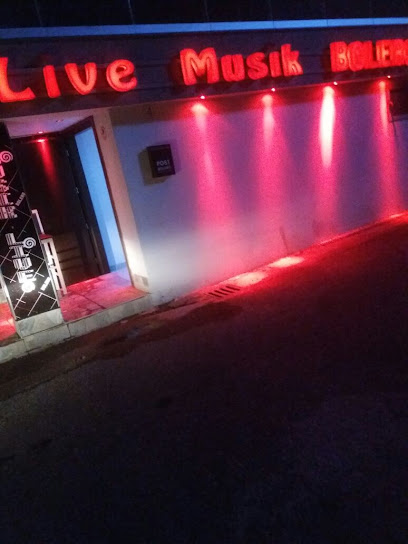
Urgjenca Club
1.1 km
Discover the heart of Tirana's nightlife at Urgjenca Club, where music, dancing, and local culture collide in an unforgettable experience.
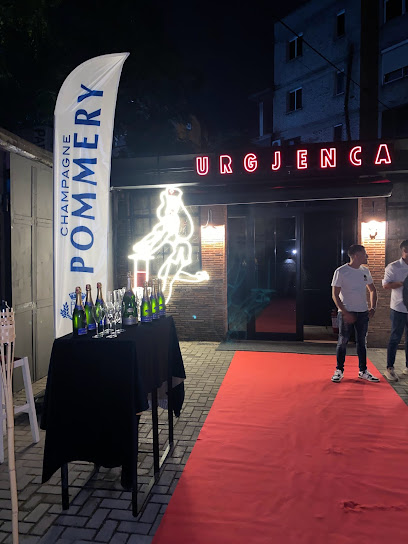
Maria Bonita Strip Club ️
1.2 km
Discover Tirana's nightlife at Maria Bonita Strip Club, a top adult entertainment venue with electrifying performances and an unforgettable atmosphere.
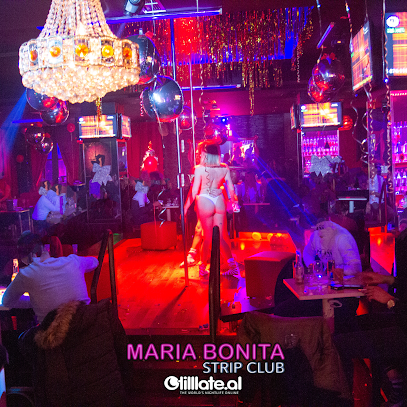
Vakia Lounge
1.2 km
Experience the vibrant nightlife of Tirana at Vakia Lounge, a premier night club offering an eclectic atmosphere, delicious cocktails, and unforgettable memories.
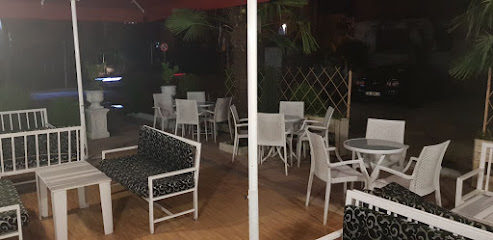
Living Room Antik
1.3 km
Discover the heartbeat of Tirana's nightlife at Living Room Antik, where exceptional cocktails and vibrant ambiance meet.
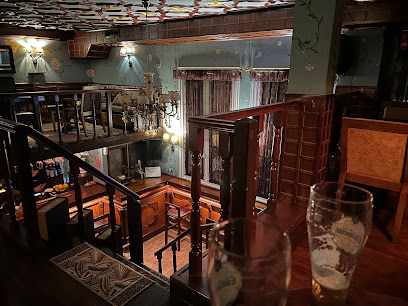
Omnia Club Tirana
1.3 km
Discover the vibrant nightlife and electric atmosphere of Omnia Club Tirana, where unforgettable nights unfold in the heart of Albania's capital.
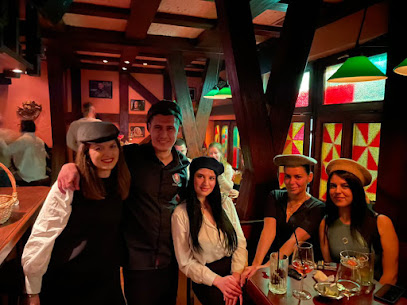
Club Amsterdami
1.3 km
Dive into Tirana's nightlife at Club Amsterdami, where exceptional music and a vibrant crowd create an unforgettable party experience.
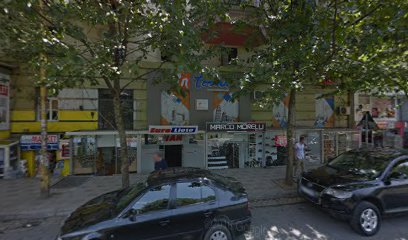
Tunel Music Venue
1.4 km
Discover the vibrant nightlife at Tunel Music Venue in Tirana, where the music pulses and the dance floor never sleeps.