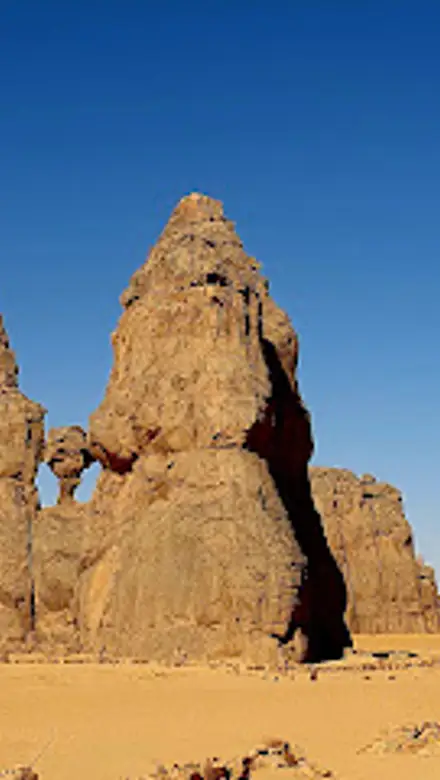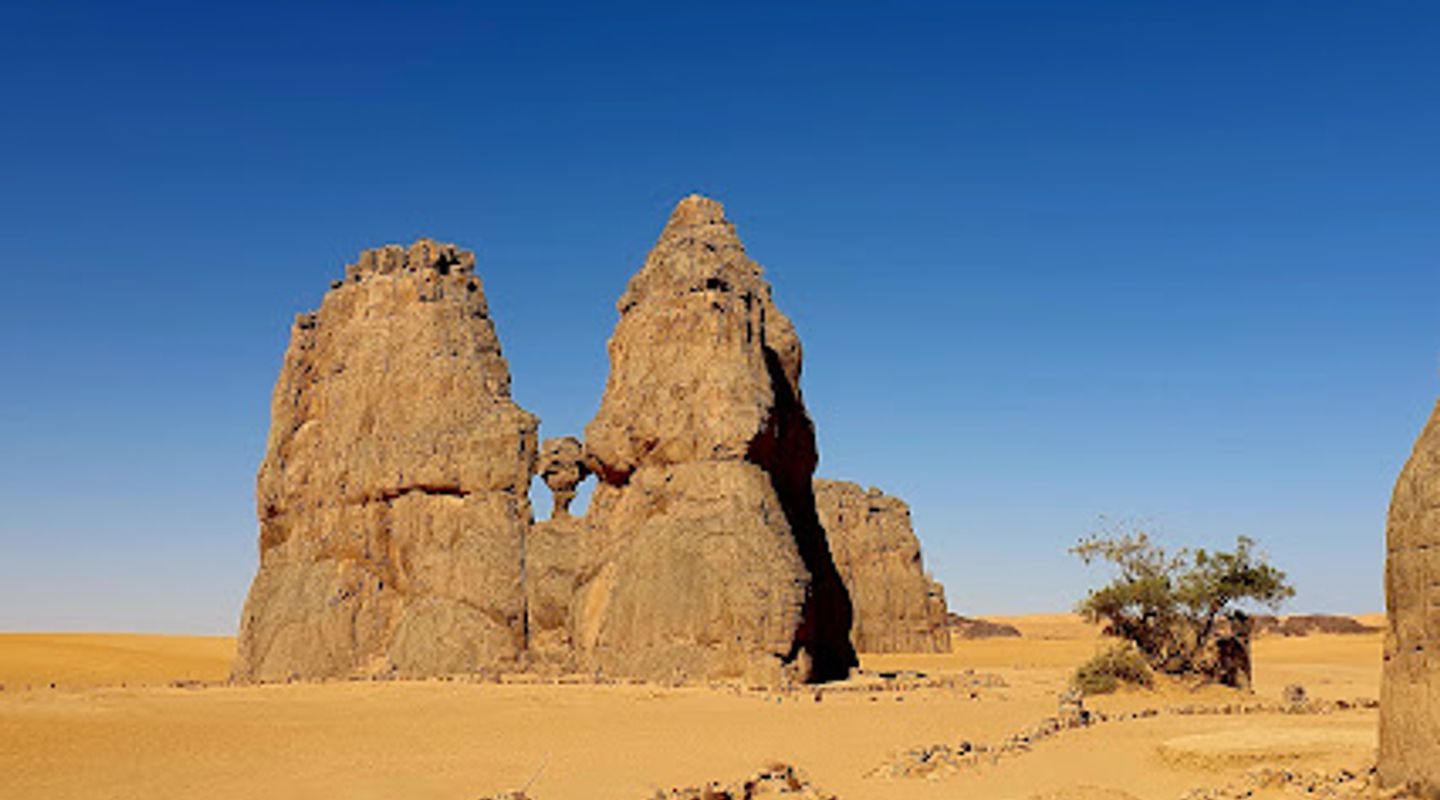
La vache qui pleure, Gueltara Travel Guide
Discover ancient Neolithic rock art in the Sahara Desert at La Vache Qui Pleure near Djanet, Algeria. A glimpse into the lives of ancient peoples.
La Vache Qui Pleure, or 'The Crying Cow,' is a remarkable historical landmark near Djanet, Algeria, featuring Neolithic rock engravings estimated to be over 7,000 years old. The site showcases a cluster of carvings depicting cattle, with one cow appearing to shed a tear, inspiring local legends and interpretations.
A brief summary to La vache qui pleure
- Djanet, DZ

Know before you go
Hi, I'm Eve. Here are a few practical things to know before exploring La vache qui pleure.
- Visit during the cooler months (October to April) for a more comfortable experience exploring the desert landscape.
- Hire a local guide to learn about the history and cultural significance of the rock engravings and the surrounding area.
- Bring plenty of water, sunscreen, and appropriate clothing to protect yourself from the desert sun.
Do you manage this location?
Take control to get all the benefits, like improved information, better appearance, and stronger visibility across AI-powered discovery. Learn more about listing your business on Evendo
Activate your presenceOther nearby places you may find interesting
The closest places of the same kind, if this one is not quite what you had in mind.

Explore La vache qui pleure on the Map
A handpicked selection of must-see spots near La vache qui pleure, mapped for you.
Getting There
-
Walking
From within Djanet, the most common way to access La Vache Qui Pleure is by hiring a local guide with a 4x4 vehicle. The journey involves a drive of approximately 25 km into the desert. Once you arrive at the general vicinity of the site, a short walk across the sandy terrain is required to reach the monolith containing the engravings. The walk is relatively easy, but appropriate footwear for sand is recommended.
-
Public Transport
While public transportation directly to La Vache Qui Pleure is not available, you can take a taxi from Djanet to the outskirts of the Tassili n'Ajjer National Park. From there, it is necessary to negotiate with the taxi driver or hire a local guide for the final leg of the journey to the site, which requires a 4x4 vehicle. This option may require some bargaining to secure a reasonable fare, and it's essential to confirm the price and arrange for a return trip in advance. The cost for a taxi to the park outskirts can range from DZD 1,000 to DZD 2,000, while hiring a local guide with a 4x4 can cost between DZD 5,000 and DZD 10,000 [currency is Algerian Dinar].
Discover more about La vache qui pleure













Your all‑in‑one travel companion app
Explore expert travel guides, compare and book tours, experiences, hotels, and more—all from the palm of your hand. Download now for seamless trip planning wherever your wanderlust takes you.


Explore More of Gueltara
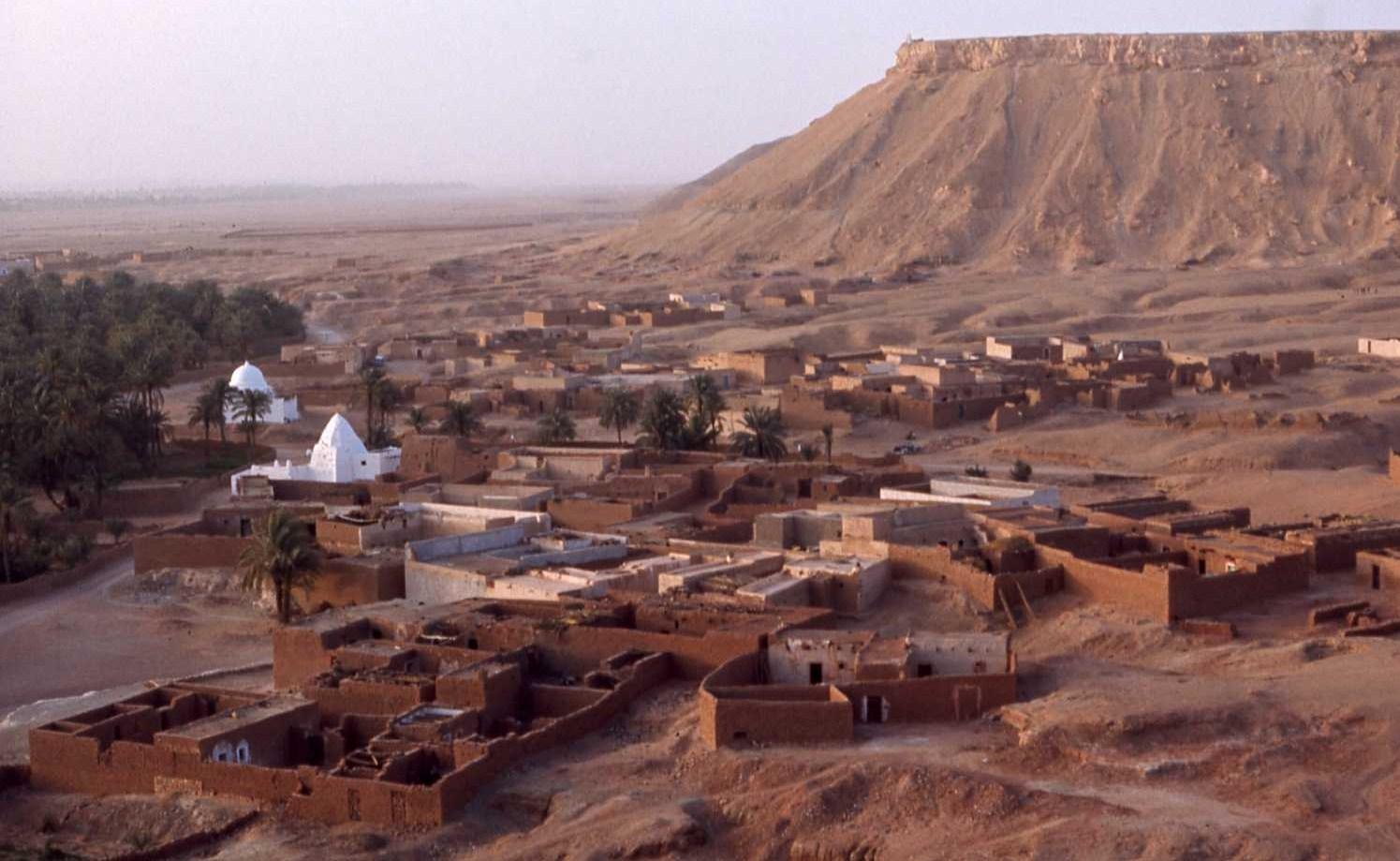
Looking beyond La vache qui pleure? Discover Gueltara for broader travel guides, local hot-spots, and regional highlights.
Explore Gueltara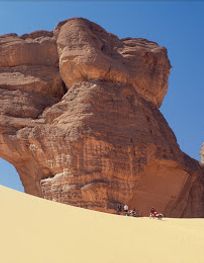
Experience the breathtaking beauty and ancient heritage of the Akakus Mountains, a hidden gem in Libya's natural landscape.

Explore the stunning landscapes and ancient rock art of Tassili n'Ajjer National Park, preserved by the Office National du Parc Culturel.