

Free Gueltara Travel Guide & Mobile App
Explore Gueltara with free travel guides. Discover regional history, expert tips, proposed trips, and audio guides on web or mobile app.


Gueltara offers a remote Algerian Sahara experience shaped by open desert, traditional routes, careful planning and profound stillness.
Read more about Gueltara
When is the best time to visit Gueltara?
Best: April–May, October · 24–28°C| Month | High (°C) | Rainfall (mm) |
|---|---|---|
| January | 15 | 6 |
| February | 16 | 7 |
| March | 20 | 8 |
| April (best) | 24 | 7 |
| May (best) | 28 | 6 |
| June | 32 | 5 |
| July | 36 | 3 |
| August | 35 | 4 |
| September | 31 | 6 |
| October (best) | 25 | 7 |
| November | 20 | 8 |
| December | 16 | 7 |
Getting to and around Gueltara
How to get there
Transportation
Top city travel guides in Gueltara
The cities of Gueltara, and the easiest places to base yourself.
-

-


Swipe for more cities
Destinations in Gueltara
Resorts, valleys and scenic spots worth a trip of their own.

Swipe for more destinations
Best attractions in Gueltara
Gueltara’s attractions are primarily environmental and experiential rather than institutional. Visitors may encounter broad gravel plains, rocky rises, dry wadis, wind-shaped surfaces and the changing colours of desert light, but the precise character depends on the locality identified by the itinerary. The area should not be promoted as having a developed museum network, marked trail system or concentration of formal visitor sites. Its interest lies in observing how tracks, wells, grazing routes and geological formations organise movement through an apparently open landscape. Desert walks, landscape photography, stargazing and carefully guided vehicle excursions may be possible where local conditions and permissions allow. Any rock art, graves, ruins, pottery or other cultural remains should be viewed without touching or collecting them, and their interpretation should come from qualified local knowledge. Travellers seeking established archaeological circuits, major dunes or canyon itineraries should investigate Algeria’s better-known Saharan destinations separately, since they are not part of Gueltara. The absence of facilities is itself a defining practical feature: excursions need water, shade, navigation, communications and a reliable return plan.
-
Tourist attraction
Animal Park - Kissir El Aouana
Discover diverse wildlife in a scenic environment at Animal Park - Kissir El Aouana, a perfect blend of education and entertainment for all ages.
-
Tourist attraction
Djurdjura National Park
Discover Djurdjura National Park: A breathtaking Algerian escape with rugged mountains, diverse wildlife, and rich Berber culture.
-
Tourist attraction
Museum of Modern Art of Algiers
Discover modern and contemporary Algerian art in a stunning neo-Moorish building in the heart of Algiers. A cultural gem since 2007.
-
Tourist attraction
le balcon de la casbah d'Alger
Experience breathtaking views of the Mediterranean and immerse yourself in the rich history of Algiers' UNESCO-listed Casbah.


Best landmarks in Gueltara
Gueltara’s most meaningful landmarks are likely to be geographical rather than monumental: a named water source, a pass, a prominent rock formation, a dry valley or a route marker known to local people. Such features can be vital points of orientation in a landscape where distances are difficult to judge, but they should not be assigned formal heritage status without confirmation. The locality should not be credited with the major rock-art galleries, monumental desert architecture or celebrated natural formations of other Algerian regions. Any visible well, grave, shrine, archaeological trace or old track may carry local significance and should be approached with permission and care. The clearest visual landmark is often the desert itself, where changes in geology and light make apparently uniform ground legible to experienced guides. Ask for locally accepted names and explanations rather than imposing a purely scenic interpretation on places that may have practical, cultural or spiritual importance.
-
Historical landmark
Martyrs Memorial
A towering monument in Algiers honoring Algeria's independence, with panoramic views and a museum detailing the nation's struggle.
-
Botanical garden
Botanical Garden Hamma
Discover a historic botanical garden in Algiers, blending French and English landscaping with diverse flora, a zoo, and art museums.
-
Fortress
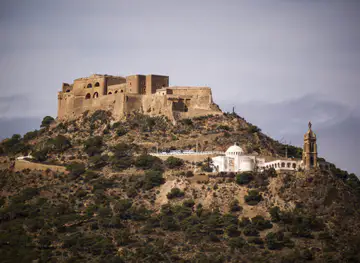
Fort of Santa Cruz
Explore the historic Fort of Santa Cruz in Oran, offering panoramic views and a glimpse into Algeria's rich past. A must-see landmark!
-
Historical landmark
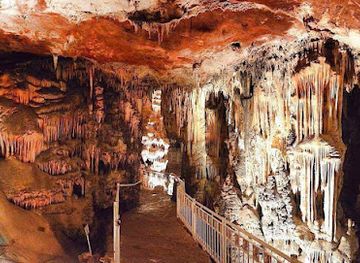
Beni Add Ain Fezza Caves
Discover Algeria's largest cave network near Aïn Fezza, filled with stunning geological formations and rich history. A natural and historical treasure.


Explore Gueltara on the map
Plan your trip on one map. See where the top cities, national parks and sights are, and book hotels and experiences in a few clicks.
Best hotels in Gueltara
Best restaurants in Gueltara
Gueltara should not be approached as a dining destination with a restaurant scene. Food is more likely to be arranged through a local household, guide, camp or pre-planned expedition, with provisions brought from a larger settlement. Depending on local custom, travellers may encounter Algerian staples such as couscous, bread, dates, tea and simple stews, but menus, ingredients and preparation will vary and should not be assumed in advance. In remote conditions, shelf-stable food, safe drinking water and suitable supplies are more important than restaurant choice. Accept hospitality respectfully, ask about ingredients when allergies are involved and make dietary requirements known before departure. Algeria’s broader culinary traditions include substantial regional variation, yet it would be misleading to assign a distinctive Gueltara cuisine without reliable local documentation. Carry emergency provisions even when meals have been promised, and avoid leaving packaging or food waste in the desert.
-
Restaurant
مطعم ارابيسك الجزائر & Restaurant Arabesque Alger
Discover authentic Algerian cuisine at Restaurant Arabesque in Algiers – where every dish tells a story.
-
Restaurant
Caracoya
Experience authentic Algerian cuisine at Caracoya in Sidi M'Hamed – where tradition meets culinary innovation.
-
Country food restaurant
La Palmeraie Restaurant مطعم النخيل
Discover authentic Moroccan cuisine at La Palmeraie Restaurant in Dély Ibrahim - where every dish is crafted with love and tradition.
-
Restaurant
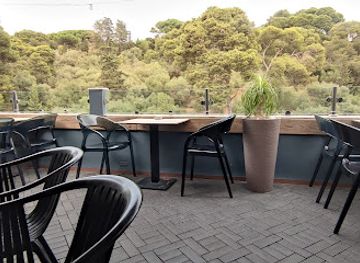
Le Perchoir
Discover Le Perchoir in Hydra - where exquisite flavors meet breathtaking views for an unforgettable dining experience.


Best bars in Gueltara
Gueltara has no established bar or nightclub scene of which visitors can reasonably expect to make use. Evening life in a remote desert setting is more likely to centre on tea, conversation, camp arrangements and the changing temperature of the landscape than on commercial nightlife. Alcohol should not be assumed to be available, and visitors should respect local religious and social norms, particularly in family settings and small settlements. If nightlife, live music or a wider choice of cafés is important, it will generally be found in a larger Algerian town outside the immediate locality, requiring advance planning and transport. After dark, the desert may offer exceptionally clear skies, but visitors should remain with their group, avoid wandering away from camp and follow the guide’s instructions about wildlife, vehicles and nearby communities.
-
Bar
Cosmopolitain
Experience a vibrant blend of tapas and lounge ambiance at Cosmopolitain in Algiers, where culinary delights meet social engagement.
-
Bar
Club gentleman
Experience the vibrant nightlife and delicious grilled specialties at Club Gentleman, a beloved bar in Bordj El Kiffan, Algeria.
-
Traditional restaurant
Dwiret El azz دويرة العز
Discover the rich flavors of traditional Algerian cuisine at Dwiret El Azz, a cozy restaurant in Hydra, Algiers.
-
Disco club
Club Pacha Nightclub
Discover the pulse of El Mouradia’s nightlife at Club Pacha Nightclub, where rhythm, dance, and vibrant energy come together.


Best nightclubs in Gueltara
Gueltara has no established bar or nightclub scene of which visitors can reasonably expect to make use. Evening life in a remote desert setting is more likely to centre on tea, conversation, camp arrangements and the changing temperature of the landscape than on commercial nightlife. Alcohol should not be assumed to be available, and visitors should respect local religious and social norms, particularly in family settings and small settlements. If nightlife, live music or a wider choice of cafés is important, it will generally be found in a larger Algerian town outside the immediate locality, requiring advance planning and transport. After dark, the desert may offer exceptionally clear skies, but visitors should remain with their group, avoid wandering away from camp and follow the guide’s instructions about wildlife, vehicles and nearby communities.
-
Bar
Club gentleman
Discover the vibrant nightlife and delicious grilled cuisine at Club Gentleman, a must-visit bar in Bordj El Kiffan.
-
Night club
NEPTUNE CLUB
Experience the vibrant nightlife at Neptune Club, Ain El Turk's premier destination for music, dance, and unforgettable moments.
-
Disco club
Club Pacha Nightclub
Discover the exhilarating nightlife at Club Pacha Nightclub in El Mouradia, where vibrant music and a lively atmosphere await.
-
Night club
Arena Club
Discover the pulsating nightlife of Oran at Arena Club, where music, dancing, and vibrant energy come together for an unforgettable experience.



Best shops in Gueltara
Shopping opportunities in Gueltara are expected to be minimal and practical rather than retail-oriented. Visitors should obtain fuel, water, medicines, food and other essentials before the final desert transfer, since small local outlets cannot be assumed to stock specialist equipment or accept cards. If local crafts or food products are offered, buy directly and respectfully from makers or vendors, ask permission before photographing work and avoid purchasing objects that may be archaeological or made from protected wildlife. Useful regional purchases in Algeria can include dates, tea, woven goods and modest handicrafts, but availability and authenticity vary considerably. Do not remove stones, fossils, pottery fragments or old metal from the landscape as souvenirs. Larger towns outside Gueltara will provide a broader choice of markets, groceries and practical supplies, though they should be treated as supply points rather than as evidence of a developed shopping district at the locality itself.
-
Gift shop
Hirfa concept store
Explore Hirfa Concept Store in Oran for exquisite handicrafts and unique gifts that celebrate Algerian culture and artistry.
-
Clothing store
Algerie Outlet Gallerie
Discover the latest fashion trends at Algerie Outlet Gallerie in El Biar, Algiers, a top destination for stylish clothing and accessories.
-
Shopping mall
Cristal Ferdjioua
Explore the dynamic Cristal Ferdjioua Shopping Mall, where local culture meets international shopping in a lively atmosphere.
-
Shopping mall
Boutique barkat
Explore Boutique Barkat in Rahouia for a unique shopping experience blending local culture and international brands.


Get your free copy of our complete guide to Gueltara, delivered straight to you.
Everything on this page, from attractions and restaurants to essentials and local phrases, in one PDF you can read offline, print or share.
Already have an account? Sign in
Your Gueltara guide is ready.
We'll send it to · Not you? Sign out

Getting your guide ready…
We are putting together a fresh copy of the Gueltara guide. This can take up to a minute.
This can take a few moments. If your browser asks, choose Allow so the download can start. You'll find the guide in your Downloads folder.
Nothing happened? Download it again
Sorry, the guide is taking longer than usual. Please try again in a minute, or get it by email instead.
Gueltara essentials
Currency and Payment
Safety
Emergency Situations
Do's and Don'ts
Local Tips
From Eve
Local phrases worth knowing
You don't need to get them perfect. A few words go a long way, and locals appreciate the effort.
Basics
| English | Local | Say it |
|---|---|---|
| Hello | سلام | [salaam] |
| Goodbye | مع السلامة | [ma'a as-salama] |
| Yes | نعم | [na'am] |
| No | لا | [la] |
| Please/You're welcome | من فضلك | [min fadlik] |
| Thank you | شكرا | [shukran] |
| Excuse me/Sorry | عفوا | [afwan] |
| How are you? | كيف حالك؟ | [kayfa halak?] |
| Fine. And you? | بخير. وأنت؟ | [bikhayr. wa anta?] |
| Do you speak English? | هل تتكلم الإنجليزية؟ | [hal tatakallam al-ingliziyya?] |
| I don't understand | لا أفهم | [la afham] |
Eating & Drinking
| English | Local | Say it |
|---|---|---|
| I'd like to see the menu, please | أريد رؤية القائمة، من فضلك | [uridu ru'yat al-qa'ima, min fadlik] |
| I don't eat meat | أنا لا أتناول اللحم | [ana la atanawwal al-lahm] |
| Cheers! | في صحتك! | [fi sihtak!] |
| I would like to pay, please | أود أن أدفع، من فضلك | [awad an adfa'a, min fadlik] |
Emergencies
| English | Local | Say it |
|---|---|---|
| Help! | ساعدني! | [sa'idni!] |
| Go away! | ابتعد! | [ibta'id!] |
| Call the Police! | اتصل بالشرطة! | [ittasil bil-shurta!] |
| Call a doctor! | اتصل بالطبيب! | [ittasil bil-tabeeb!] |
| I'm lost | أنا ضائع | [ana da'i'] |
| I'm ill | أنا مريض | [ana marid] |
Shopping
| English | Local | Say it |
|---|---|---|
| I'd like to buy... | أريد شراء... | [uridu shira'a...] |
| I'm just looking | أنا فقط أنظر | [ana faqat anzur] |
| How much is it? | كم ثمنه؟ | [kam thamanuh?] |
| That's too expensive | هذا غالي جدا | [hatha ghali jidan] |
| Can you lower the price? | هل يمكنك تخفيض السعر؟ | [hal yumkinuka takhfid as-si'r?] |
Time & Numbers
| English | Local | Say it |
|---|---|---|
| What time is it? | كم الساعة؟ | [kam as-saa'a?] |
| It's one o'clock | الساعة واحدة | [as-saa'a wahida] |
| Half past (10) | الساعة العاشرة والنصف | [as-saa'a al-'ashira wa an-nisf] |
| Morning | صباحا | [sabah] |
| Afternoon | بعد الظهر | [ba'ad al-zuhur] |
| Evening | مساء | [masa'] |
| Yesterday | أمس | [ams] |
| Today | اليوم | [alyawm] |
| Tomorrow | غدا | [ghadan] |
| 1 | ١ | [1] |
| 2 | ٢ | [2] |
| 3 | ٣ | [3] |
| 4 | ٤ | [4] |
| 5 | ٥ | [5] |
| 6 | ٦ | [6] |
| 7 | ٧ | [7] |
| 8 | ٨ | [8] |
| 9 | ٩ | [9] |
| 10 | ١٠ | [10] |
Transport & Directions
| English | Local | Say it |
|---|---|---|
| Where's a/the...? | أين ال...؟ | [ayn al...?] |
| What's the address? | ما هو العنوان؟ | [ma huwa al-'unwan?] |
| Can you show me (on the map)? | هل يمكنك أن تريني (على الخريطة)؟ | [hal yumkinuka an turini (ala al-kharita)?] |
| When's the next (bus)? | متى سيكون (الباص) التالي؟ | [mata sayakunu (al-bus) at-tali?] |
| A ticket (to ....) | تذكرة (إلى ....) | [tadhkara (ila ....)] |
History of Gueltara
Saharan settlement and ancient movement
The wider Sahara has never been an entirely empty wilderness. Human groups moved between water sources, grazing areas and sheltered ground, adapting their routes to long-term climatic changes. In Algeria, prehistoric tools, rock art and traces of habitation show that parts of the desert supported more varied environments in earlier periods than they do today. Although Gueltara itself should not be assigned an archaeological interpretation without site-specific evidence, its setting belongs to a landscape shaped by thousands of years of movement, seasonal knowledge and adaptation to scarce water.
Caravan routes across the central Sahara
For many centuries, trans-Saharan travel connected North African markets with communities farther south. Caravans carried salt, textiles, metals, dates and other goods, travelling between oases and relying on people who understood wells, stars, terrain and seasonal conditions. Routes did not form a single fixed road and changed with politics, security and water availability. A remote place such as Gueltara is best understood within this wider history of passage, even when there is no surviving monument or documented caravan station at the locality itself.
Islamic and regional political networks
From the medieval period onwards, Islam, Arabic scholarship, trade and changing political power influenced Saharan communities and their connections with northern Algeria. Religious institutions, customary law, family networks and commercial relationships helped organise life across settlements separated by very long distances. The cultural landscape of the Algerian Sahara consequently reflects both local traditions and wider Maghrebi and Saharan exchange. Visitors should avoid assuming that every isolated desert site has a single historical identity; interpretation depends on local knowledge and documented evidence.
French colonial expansion and desert administration
During the nineteenth and early twentieth centuries, French colonial authorities extended military and administrative control across the Algerian Sahara. New posts, roads, surveys and communications networks altered older patterns of movement, while colonial mapping frequently imposed new categories on places already known through local geographical knowledge. The period also intensified extraction and strategic interest in the desert. Even where visible colonial structures are absent, many present-day administrative and transport arrangements reflect boundaries and infrastructure developed during and after this period.
The Algerian War and independence
The Algerian War of 1954–1962 affected the country’s remote regions as well as its major towns. The Sahara had strategic importance because of its vast territory, communications routes and natural resources, and the political future of the desert was central to the transition to independence. Algeria became independent in 1962, after which the state consolidated administration and services across sparsely populated southern areas. For visitors, this history is a reminder that remote landscapes can carry major strategic and political significance even when little built evidence is visible.
Modern desert development and environmental pressure
Post-independence Algeria invested in roads, settlements, energy, communications and public services across the Sahara, while hydrocarbon development became particularly important to the national economy. At the same time, desert environments remain vulnerable to groundwater pressure, waste, vehicle damage and climate variability. Small and remote localities such as Gueltara sit within this tension between improved connectivity and fragile ecosystems. Responsible travel requires treating water, tracks, grazing areas and cultural remains as limited resources rather than assuming that the desert can absorb unlimited use.
Gueltara in Photos
Browse through our photo collection highlighting the charm and character of the destination.
Neighbouring regions of Gueltara
The closest regions to Gueltara, if you have time for more than one.
-

-
-

-

-


Swipe for more regions
Explore more
Explore more of Algeria
Discover Algeria: A captivating blend of ancient history, stunning landscapes, and vibrant culture. From the Sahara desert to Mediterranean coasts, adventure awaits.
Explore Algeria