
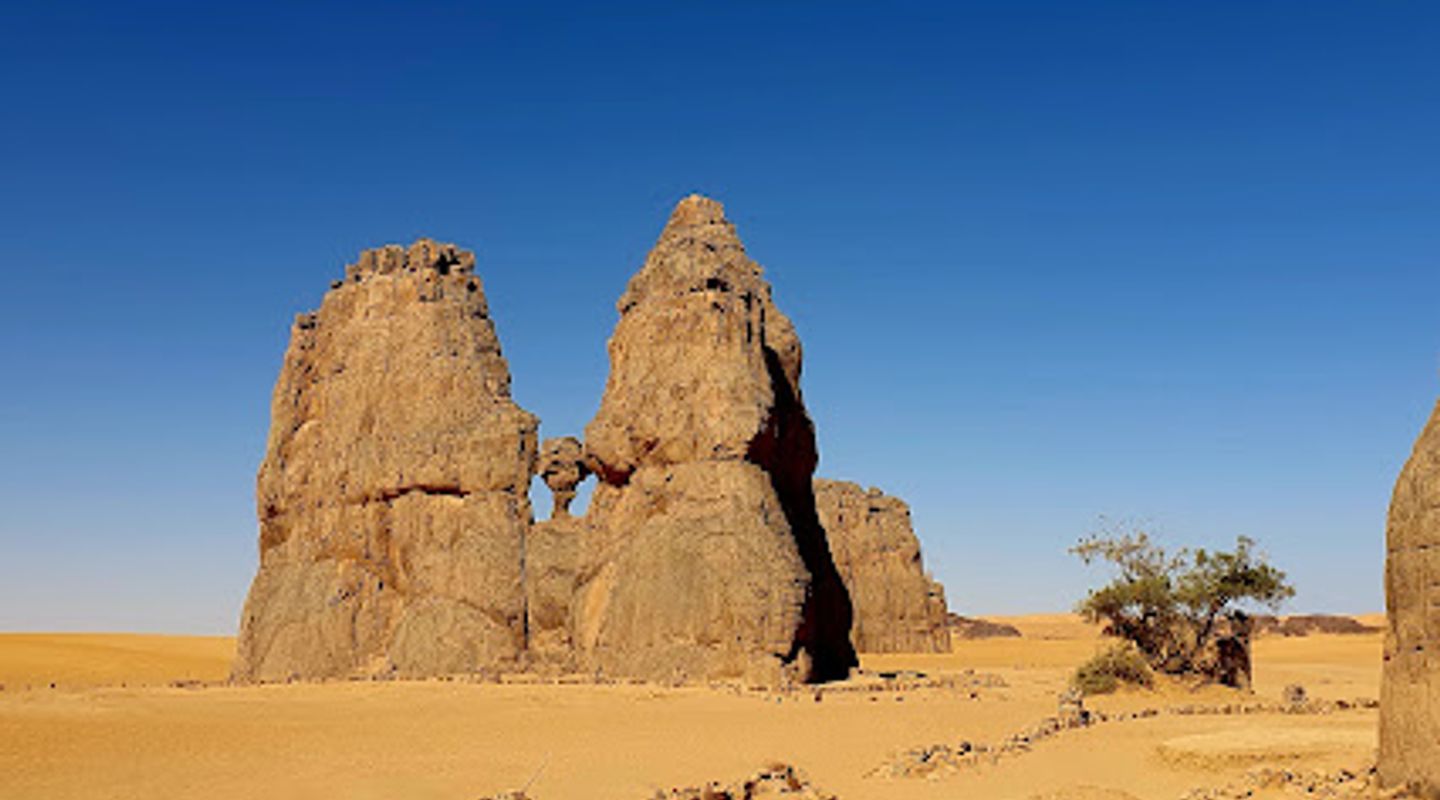
La vache qui pleure, Kabylia Travel Guide
Discover ancient Neolithic rock art at La Vache Qui Pleure near Djanet, Algeria, and witness the evocative depiction of a 'crying cow' etched in stone.
La Vache Qui Pleure, or The Crying Cow, is a remarkable historical landmark located near Djanet, Algeria. This site features ancient Neolithic rock engravings on a large monolith, depicting a herd of cattle with one cow seemingly shedding a tear, giving the site its evocative name. These carvings offer a glimpse into the lives and environment of early Saharan inhabitants.
A brief summary to La vache qui pleure
- Djanet, DZ

Know before you go
Hi, I'm Eve. Here are a few practical things to know before exploring La vache qui pleure.
- Visit early in the morning or late in the afternoon to capture the best lighting for photographs and avoid the harsh midday sun.
- Engage with local guides to learn about the history, folklore, and significance of the site.
- Wear comfortable shoes suitable for walking on rocky terrain.
Do you manage this location?
Take control to get all the benefits, like improved information, better appearance, and stronger visibility across AI-powered discovery. Learn more about listing your business on Evendo
Activate your presenceOther nearby places you may find interesting
The closest places of the same kind, if this one is not quite what you had in mind.

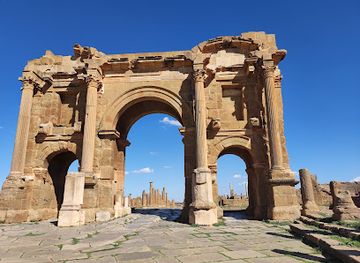
Explore La vache qui pleure on the Map
A handpicked selection of must-see spots near La vache qui pleure, mapped for you.
Getting There
-
4x4 Vehicle
From Djanet, La Vache Qui Pleure is approximately a 25km drive south through the desert. Renting a 4x4 car is the best way to fully explore the region. As navigating the desert area might be challenging, consider seeking the assistance of experienced local guides. Guided tours can be arranged in Djanet.
Discover more about La vache qui pleure













Your all‑in‑one travel companion app
Explore expert travel guides, compare and book tours, experiences, hotels, and more—all from the palm of your hand. Download now for seamless trip planning wherever your wanderlust takes you.


Explore More of Kabylia
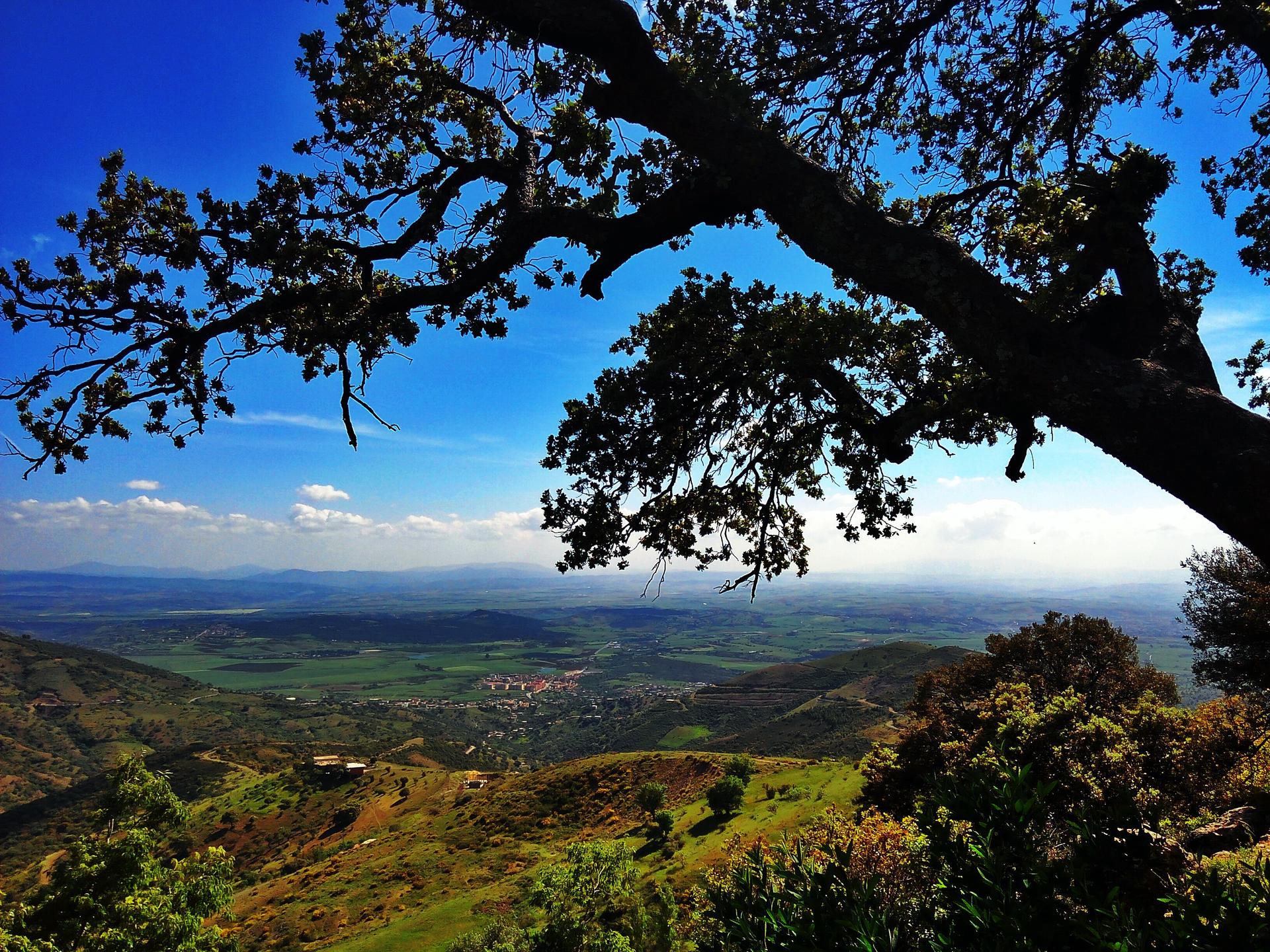
Looking beyond La vache qui pleure? Discover Kabylia for broader travel guides, local hot-spots, and regional highlights.
Explore Kabylia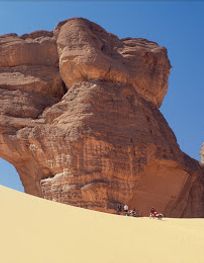
Experience the breathtaking beauty and ancient heritage of the Akakus Mountains, a hidden gem in Libya's natural landscape.

Explore the stunning landscapes and ancient rock art of Tassili n'Ajjer National Park, preserved by the Office National du Parc Culturel.
