

Free Kabylia Travel Guide & Mobile App
Explore Kabylia with free travel guides. Discover regional history, expert tips, proposed trips, and audio guides on web or mobile app.


Explore Kabylia in northern Algeria for Djurdjura mountains, Mediterranean coast, Amazigh culture, historic towns, crafts and village landscapes.
Read more about Kabylia
When is the best time to visit Kabylia?
Best: May, September–October · 23–28°C| Month | High (°C) | Rainfall (mm) |
|---|---|---|
| January | 14 | 100 |
| February | 15 | 90 |
| March | 18 | 80 |
| April | 21 | 70 |
| May (best) | 25 | 60 |
| June | 30 | 40 |
| July | 33 | 30 |
| August | 33 | 30 |
| September (best) | 28 | 50 |
| October (best) | 23 | 70 |
| November | 17 | 90 |
| December | 14 | 100 |
Getting to and around Kabylia
How to get there
Transportation
Top city travel guides in Kabylia
The cities of Kabylia, and the easiest places to base yourself.
-

-

-

-


Swipe for more cities
Destinations in Kabylia
Resorts, valleys and scenic spots worth a trip of their own.
-

-

-


Swipe for more destinations
Best attractions in Kabylia
Kabylia’s principal attractions are spread across mountains, villages, forests and coast rather than concentrated in one purpose-built resort area. In the interior, the Djurdjura National Park offers highland scenery, limestone formations, woodland and walking opportunities, with Tikjda serving as a well-known mountain recreation area in the wider Djurdjura massif. The valleys and upland settlements around Tizi Ouzou provide access to village architecture, local markets, craft traditions and views across terraced slopes. Béni Yenni is particularly associated with silver jewellery and Kabyle craftsmanship. Around Béjaïa, Gouraya National Park combines forest, cliffs, sea views and wildlife habitats, while the city itself provides an urban base for exploring the eastern coast. Beaches, coves and headlands are interspersed with working coastal landscapes rather than forming one continuous resort strip. Museums, cultural centres and music venues in the larger towns help visitors understand Amazigh language and modern regional history. Outdoor activities are seasonal: summer favours coastal visits and lower-level walks, while winter can bring snow to the Djurdjura. Travellers should use local guidance for remote paths and avoid treating a national park as a single easily accessible viewpoint.
-
Tourist attraction
Cascades Kefrida
Discover the refreshing beauty of Cascades Kefrida: stunning waterfalls and lush landscapes perfect for exploration and relaxation in Algeria.
-
Tourist attraction
Sea breeze
Experience the serenity of Sea Breeze in Béjaïa, where stunning Mediterranean views meet rich Algerian culture. A perfect coastal escape!
-
Tourist attraction
Djurdjura National Park
Explore Algeria's Djurdjura National Park: a haven of rugged peaks, diverse wildlife, and rich Berber culture in the heart of Kabylie.
-
Tourist attraction
Tikjda National Park
Discover Algeria's natural beauty at Tikjda National Park: hiking, skiing, wildlife, and breathtaking mountain views await!



Best landmarks in Kabylia
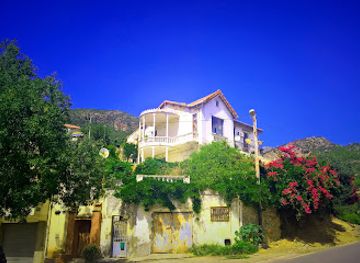
The most recognisable landmarks of Kabylia arise from the meeting of mountain, coast and long-settled communities. Above Béjaïa, Mount Yemma Gouraya forms a powerful natural symbol and overlooks the city and Gulf of Béjaïa; its summit area lies within Gouraya National Park, whose cliffs and woodland create a dramatic urban backdrop. Cap Carbon, on the Béjaïa coast, is another prominent headland associated with steep maritime scenery and views across the bay. Inland, the Djurdjura massif provides Kabylia’s defining geological landmark, with high ridges and limestone landscapes visible across much of the region. Tikjda is a notable mountain locality within the wider Djurdjura area, especially in winter. The old urban fabric and harbour setting of Béjaïa express the city’s medieval and Mediterranean importance, while village mosques, stone houses, terraces and narrow lanes clarify the relationship between architecture and steep terrain. Craft villages such as Béni Yenni are significant less for one monumental building than for the continuity of Kabyle jewellery and village traditions. These places should be interpreted as parts of living communities, not simply as scenic backdrops.
-
 Historical landmark
Martyrs Memorial
A towering monument in Algiers honoring Algeria's independence struggle, offering historical insights and panoramic views.
-
Botanical garden
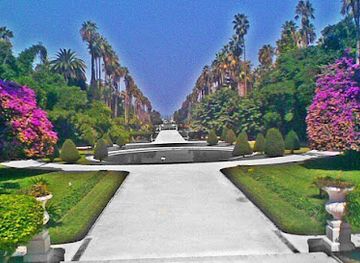
Botanical Garden Hamma
Discover a serene oasis in Algiers: Explore diverse flora, tranquil walkways, and historical charm at the beautiful Botanical Garden Hamma.
-
Fortress
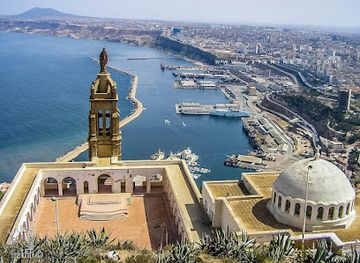
Fort of Santa Cruz
Explore Oran's iconic Fort of Santa Cruz: a historic fortress with panoramic views, Spanish architecture, and a glimpse into Algeria's past.
-
Basilica
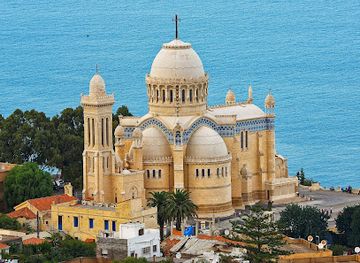
Church of Notre Dame d'Afrique
Discover Notre Dame d'Afrique in Algiers: a beacon of faith, art, and cultural harmony, offering panoramic views of the Mediterranean coast.
Explore Kabylia on the map
Plan your trip on one map. See where the top cities, national parks and sights are, and book hotels and experiences in a few clicks.
Best hotels in Kabylia
Best restaurants in Kabylia
Dining in Kabylia draws on the wider food culture of northern Algeria while reflecting the agricultural life of its mountains and coast. Couscous, breads, seasonal vegetables, pulses, grilled meats and olive oil are common foundations, with recipes varying between households and communities. Mountain villages are associated with olives, figs, honey, herbs and orchard produce, while Béjaïa’s coastal position gives seafood a stronger presence in restaurants and family kitchens. Simple cafés and neighbourhood restaurants are often the most practical places to eat between journeys, and urban centres offer a broader choice of Algerian and French-influenced cooking. Markets may provide fruit, pastries, spices and locally produced foods, although availability follows the season. Kabyle specialities and festive dishes are best understood through local hosts or regional restaurants rather than treated as a fixed menu shared by every community. Mint tea, coffee, fruit drinks and soft drinks are widely available; alcohol is less prominent in everyday public dining and availability varies by establishment.
-
Restaurant
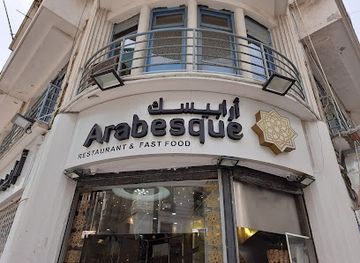
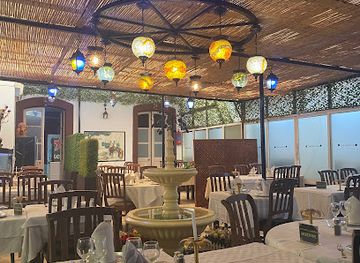
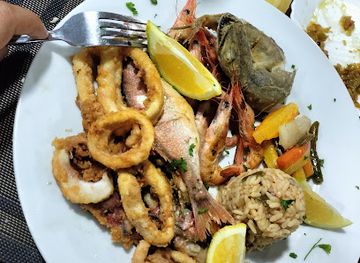
مطعم ارابيسك الجزائر & Restaurant Arabesque Alger
Experience authentic Algerian cuisine at Restaurant Arabesque Alger – where tradition meets taste in every dish.
-
Restaurant
Caracoya
Experience the rich flavors of Sidi M'Hamed at Caracoya, where culinary excellence meets warm hospitality in a delightful dining atmosphere.
-
Restaurant
Restaurant El Kahina
Discover authentic Algerian flavors at Restaurant El Kahina in Aïn Bénian—where tradition meets taste.
-
Restaurant
Caviar d'or Restaurant
Discover the exquisite flavors at Caviar d'or Restaurant in Aïn Bénian – where elegance meets exceptional Algerian cuisine.

Best bars in Kabylia
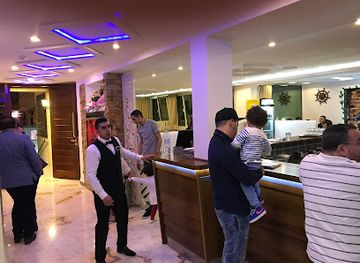
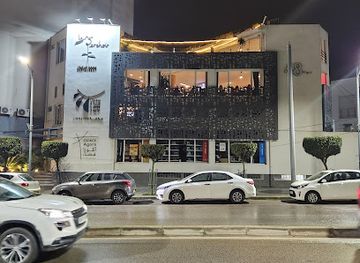
Kabylia’s evening life is centred more on cafés, family restaurants, tea rooms, cultural events and music than on a large nightclub circuit. Tizi Ouzou and Béjaïa offer the widest urban choice, including cafés where residents meet late into the evening and venues associated with Kabyle music, contemporary Algerian performers and cultural programming. Béjaïa’s coastal setting can give summer evenings a more leisurely seafront character, although nightlife remains dependent on the season and individual venue. In smaller mountain towns, evenings generally revolve around cafés, restaurants, family visits and occasional local performances rather than dedicated clubs. Visitors should not assume that every establishment serves alcohol, and should check arrangements locally rather than rely on outdated online listings. Kabyle songs and poetry are important parts of regional cultural expression, making a concert, cultural centre or community performance often more representative of local evening life than a conventional bar.
-
Hotel
The Legacy Luxury Hotel
Discover unparalleled luxury and comfort at The Legacy Luxury Hotel in the heart of Hydra, Algiers, blending elegance with local culture.
-
Restaurant
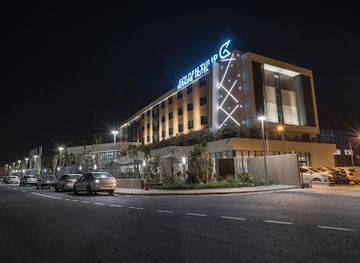
Golden Tulip Royaume
Discover the fusion of local flavors and comfort at Golden Tulip Royaume, your culinary oasis in Les Eucalyptus.
-
Restaurant
Restaurant El Kahina
Discover the authentic tastes of Algeria at Restaurant El Kahina, where traditional flavors meet contemporary dining in a warm atmosphere.
-
Restaurant
Le Perchoir
Experience the culinary heights of Hydra at Le Perchoir, where stunning views meet exquisite Algerian cuisine in a vibrant atmosphere.

Best nightclubs in Kabylia
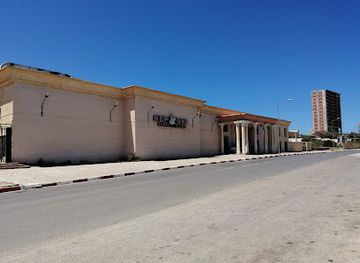
Kabylia’s evening life is centred more on cafés, family restaurants, tea rooms, cultural events and music than on a large nightclub circuit. Tizi Ouzou and Béjaïa offer the widest urban choice, including cafés where residents meet late into the evening and venues associated with Kabyle music, contemporary Algerian performers and cultural programming. Béjaïa’s coastal setting can give summer evenings a more leisurely seafront character, although nightlife remains dependent on the season and individual venue. In smaller mountain towns, evenings generally revolve around cafés, restaurants, family visits and occasional local performances rather than dedicated clubs. Visitors should not assume that every establishment serves alcohol, and should check arrangements locally rather than rely on outdated online listings. Kabyle songs and poetry are important parts of regional cultural expression, making a concert, cultural centre or community performance often more representative of local evening life than a conventional bar.
-
Night club
NEPTUNE CLUB
Experience the vibrant nightlife of Ain El Turk at Neptune Club, a premier destination for music, dance, and unforgettable memories.
-
Disco club
Club Pacha Nightclub
Experience the vibrant nightlife of Algiers at Club Pacha Nightclub, a premier destination for dancing and entertainment under the stars.
-
Night club
Arena Club
Discover the electrifying atmosphere of Arena Club, the ultimate nightlife destination in Oran, Algeria, where fun and culture come together.
-
Disco club
Sun Club House
Discover the vibrant nightlife at Sun Club House, a premier disco club in Ain El Turk, where music and dance come alive in an electrifying atmosphere.


Best shops in Kabylia
Shopping in Kabylia is strongest in traditional markets, town-centre streets and craft communities rather than in large luxury retail districts. Béjaïa and Tizi Ouzou provide the broadest selection of clothing, household goods, books, food shops and contemporary Algerian retail, while smaller market towns are useful for seasonal fruit, vegetables, olives, honey, spices and baked goods. Béni Yenni is particularly associated with Kabyle silver jewellery, including pieces made in regional styles, although buyers should ask about materials, workmanship and provenance before purchasing. Woven textiles, baskets, carved wooden objects and embroidered goods may also appear in craft shops and markets, but quality and availability vary. Olive oil, dried figs, honey and local confectionery are practical edible souvenirs when properly packaged for travel. Bargaining may occur in informal markets but is not appropriate everywhere, especially in established shops. Visitors should carry cash for small purchases and remember that market days and individual stall offerings can change according to season and local schedules.
-
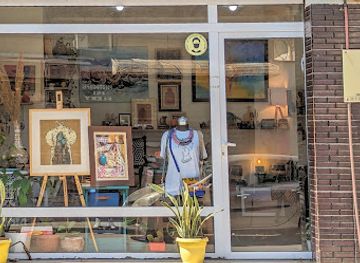
Gift shop
AMADHAL Store
Explore AMADHAL Store in Kouba for unique gifts, local handicrafts, and captivating art pieces that showcase Algeria's rich culture.
-
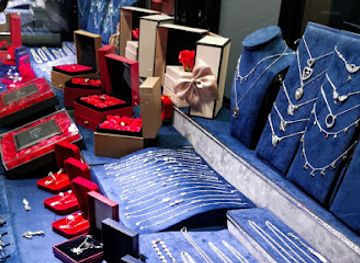
Jewelry store
Bijoux en ligne
Discover exquisite handcrafted jewelry at Bijoux en ligne in Bachdjerrah, where tradition meets elegance in every piece.
-
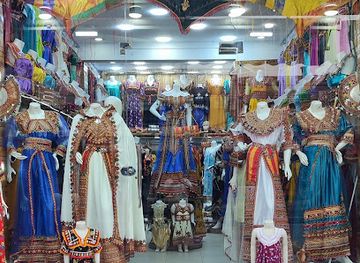
Dress store
Boutique mariage algérienne
Explore the charm of Algerian bridal fashion at Boutique Mariage Algérienne in Bab Ezzouar, where tradition meets elegance in every exquisite dress.
-
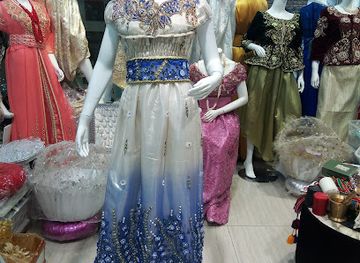
Women's clothing store
تصميمات لازوردي Boutique Lazordi Création
Explore the stylish offerings at Lazordi Boutique, where modern elegance meets local craftsmanship in Rouiba, Algeria.
Get your free copy of our complete guide to Kabylia, delivered straight to you.
Everything on this page, from attractions and restaurants to essentials and local phrases, in one PDF you can read offline, print or share.
Already have an account? Sign in
Your Kabylia guide is ready.
We'll send it to · Not you? Sign out

Getting your guide ready…
We are putting together a fresh copy of the Kabylia guide. This can take up to a minute.
This can take a few moments. If your browser asks, choose Allow so the download can start. You'll find the guide in your Downloads folder.
Nothing happened? Download it again
Sorry, the guide is taking longer than usual. Please try again in a minute, or get it by email instead.
Kabylia essentials
Currency and Payment
Safety
Emergency Situations
Do's and Don'ts
Local Tips
From Eve
Local phrases worth knowing
You don't need to get them perfect. A few words go a long way, and locals appreciate the effort.
Basics
| English | Local | Say it |
|---|---|---|
| Hello | Azul | [a-zool] |
| Goodbye | Besslama | [bes-sla-ma] |
| Yes | Ih | [eeh] |
| No | Ula | [oo-la] |
| Please/You're welcome | Afus | [a-foos] |
| Thank you | Tanemmirt | [ta-nem-mirt] |
| Excuse me/Sorry | Smahli | [sma-hlee] |
| How are you? | Mekka d-ikh? | [mek-ka dee-kh] |
| Fine. And you? | Dda d-agh? | [d-da da-gh] |
| Do you speak English? | Tzid tsughrin? | [tzeed t-su-ghrin] |
| I don't understand | Ula n-ufhem | [oo-la n-oof-hem] |
Eating & Drinking
| English | Local | Say it |
|---|---|---|
| I'd like to see the menu, please | Nekki d-nerra menu, afus | [ne-kki d-ner-ra menu, a-foos] |
| I don't eat meat | Ula n-ukhul lhem | [oo-la n-oo-khul l-hem] |
| Cheers! | Saha! | [sa-ha] |
| I would like to pay, please | Nekki d-nerra l-akh, afus | [ne-kki d-ner-ra l-akh, a-foos] |
Emergencies
| English | Local | Say it |
|---|---|---|
| Help! | Ayd! | [ayd] |
| Go away! | Ssi! | [see] |
| Call the Police! | Elli l-police! | [el-li l-po-lees] |
| Call a doctor! | Elli d-ugul! | [el-li d-oo-gul] |
| I'm lost | Nekki d-ufud | [ne-kki d-oo-food] |
| I'm ill | Nekki d-ughan | [ne-kki d-oo-ghan] |
Shopping
| English | Local | Say it |
|---|---|---|
| I'd like to buy... | Nekki d-ughan... | [ne-kki d-oo-ghen] |
| I'm just looking | Nekki d-nerra | [ne-kki d-ner-ra] |
| How much is it? | Mekka d-akh? | [mek-ka d-akh] |
| That's too expensive | Dda yewwi s-wel | [d-da yew-wee s-wel] |
| Can you lower the price? | Tzid t-sakraw l-akh? | [tzeed t-sa-kraw l-akh] |
Time & Numbers
| English | Local | Say it |
|---|---|---|
| What time is it? | Mekka d-akh yed? | [mek-ka d-akh yed] |
| It's one o'clock | Dda yed wahed | [d-da yed wa-hed] |
| Half past (10) | Nad d-akh (10) | [nad d-akh (10)] |
| Morning | Tiwizi | [ti-wi-zi] |
| Afternoon | Tawri | [ta-wri] |
| Evening | Iger | [i-ger] |
| Yesterday | Ssa | [ssa] |
| Today | Lyoum | [l-yoom] |
| Tomorrow | Nekka | [ne-kka] |
| 1 | Wahid | [wa-hid] |
| 2 | Snin | [sneen] |
| 3 | Tlata | [tla-ta] |
| 4 | Rba | [r-ba] |
| 5 | Khamsa | [kham-sa] |
| 6 | Sita | [si-ta] |
| 7 | Sebaa | [se-baa] |
| 8 | Tamnya | [tam-nya] |
| 9 | Tsa | [tsa] |
| 10 | Ashra | [ash-ra] |
Transport & Directions
| English | Local | Say it |
|---|---|---|
| Where's a/the...? | Wen d-akh...? | [wen d-akh] |
| What's the address? | Mekka d-akh l-adris? | [mek-ka d-akh l-a-dris] |
| Can you show me (on the map)? | Tzid t-rebbihni (d-akh l-kharita)? | [tzeed t-reb-bi-hni (d-akh l-kha-ri-ta)] |
| When's the next (bus)? | Mekka d-akh s-safra? | [mek-ka d-akh s-saf-ra] |
| A ticket (to ....) | Tiket (d-akh ...) | [ti-ket (d-akh ...)] |
History of Kabylia
Prehistoric settlement and mountain communities
Kabylia’s caves, valleys and mountain approaches have supported human settlement since prehistoric periods, although the archaeological record is uneven across the region. The landscape encouraged small agricultural communities based on terraces, orchards, livestock and woodland resources. Over time, villages developed on defensible slopes or ridges, linked by footpaths and local markets. This dispersed settlement pattern, shaped by terrain and water availability, remains an important part of Kabylia’s cultural geography and helps explain the strong identity attached to individual villages and local communities.
Phoenician, Roman and late antique coastal influence
The Mediterranean coast brought Kabylia into contact with Phoenician, Roman and later late antique networks. Saldae, the ancient settlement corresponding to present-day Béjaïa, became an important port and regional centre under Roman rule. Roads, agricultural estates and administrative institutions connected coastal areas with the interior, although mountainous Kabylia was never transformed into a uniform lowland province. Roman remains and ancient place names are part of a longer coastal history in which maritime trade and upland communities interacted without losing their separate character.
Medieval Béjaïa and the Hammadid period
Béjaïa became a major medieval centre under the Hammadids, who made the city their capital in the eleventh and twelfth centuries. Its harbour, scholarly institutions and links with Mediterranean commerce gave it influence well beyond the surrounding coast. The city is traditionally associated with the transmission of the word for an Arabic numeral, through the European use of ‘bejaia’ in accounts of trade and mathematics, although the wider history of numerals is complex. Hammadid-era Béjaïa left an enduring urban and commercial legacy.
Ottoman-era coastal power and inland autonomy
During the Ottoman period, coastal Algeria was integrated into the Regency of Algiers, but authority was less direct in many mountain districts. Port towns and routes were tied to wider Mediterranean politics, while village communities and local notables retained substantial influence in the interior. Kabylia’s rugged geography made central control difficult and helped preserve distinctive social institutions, agricultural practices and linguistic traditions. This period also reinforced the contrast between coastal urban centres and the relatively autonomous highland communities behind them.
French conquest and resistance in the nineteenth century
French forces extended colonial control into Kabylia during the mid-nineteenth century after prolonged resistance. Lalla Fatma N’Soumer became one of the best-known leaders associated with opposition to the conquest, particularly in the Djurdjura area, before her capture in 1857. The 1871 revolt led by figures including Cheikh Mokrani and supported by many Kabyle communities was the largest uprising against French rule in Algeria before the twentieth century. Repression, land confiscation and administrative change reshaped villages, agriculture and migration.
Kabylia in the Algerian War of Independence
Kabylia played a major role in the Algerian War of Independence from 1954 to 1962. Its mountains provided terrain for guerrilla organisation and resistance, while villages and towns experienced military operations, displacement and the disruption of everyday life. The region formed a significant part of the historic Wilaya III of the National Liberation Front’s wartime structure. Independence ended colonial rule, but the social and economic changes associated with the war and its aftermath continued to influence migration, education and regional politics.
Amazigh cultural movements since 1980
Kabylia has been central to Algeria’s modern Amazigh cultural movement. The 1980 Berber Spring began after a conference by the writer Mouloud Mammeri was cancelled, prompting protests in Tizi Ouzou and other parts of the region in support of language and cultural rights. Further demonstrations followed in 2001 during the Black Spring, when clashes and deaths intensified demands for recognition and accountability. Tamazight later gained official status in Algeria, while Kabyle music, literature and public activism continue to shape regional identity.
Kabylia in Photos
Browse through our photo collection highlighting the charm and character of the destination.
Neighbouring regions of Kabylia
The closest regions to Kabylia, if you have time for more than one.
-

-

-

-

-


Swipe for more regions
Explore more
Explore more of Algeria
Discover Algeria: A captivating blend of ancient history, stunning landscapes, and vibrant culture. From the Sahara desert to Mediterranean coasts, adventure awaits.
Explore Algeria