

M'Zab Travel Guide
Free Guide: Discover the M'Zab Valley: A UNESCO-listed oasis showcasing unique Berber architecture, sustainable living, and ancient traditions in the Algerian Sahara.


A brief summary of M'Zab
Discover the M'Zab Valley: A UNESCO-listed oasis showcasing unique Berber architecture, sustainable living, and ancient traditions in the Algerian Sahara.
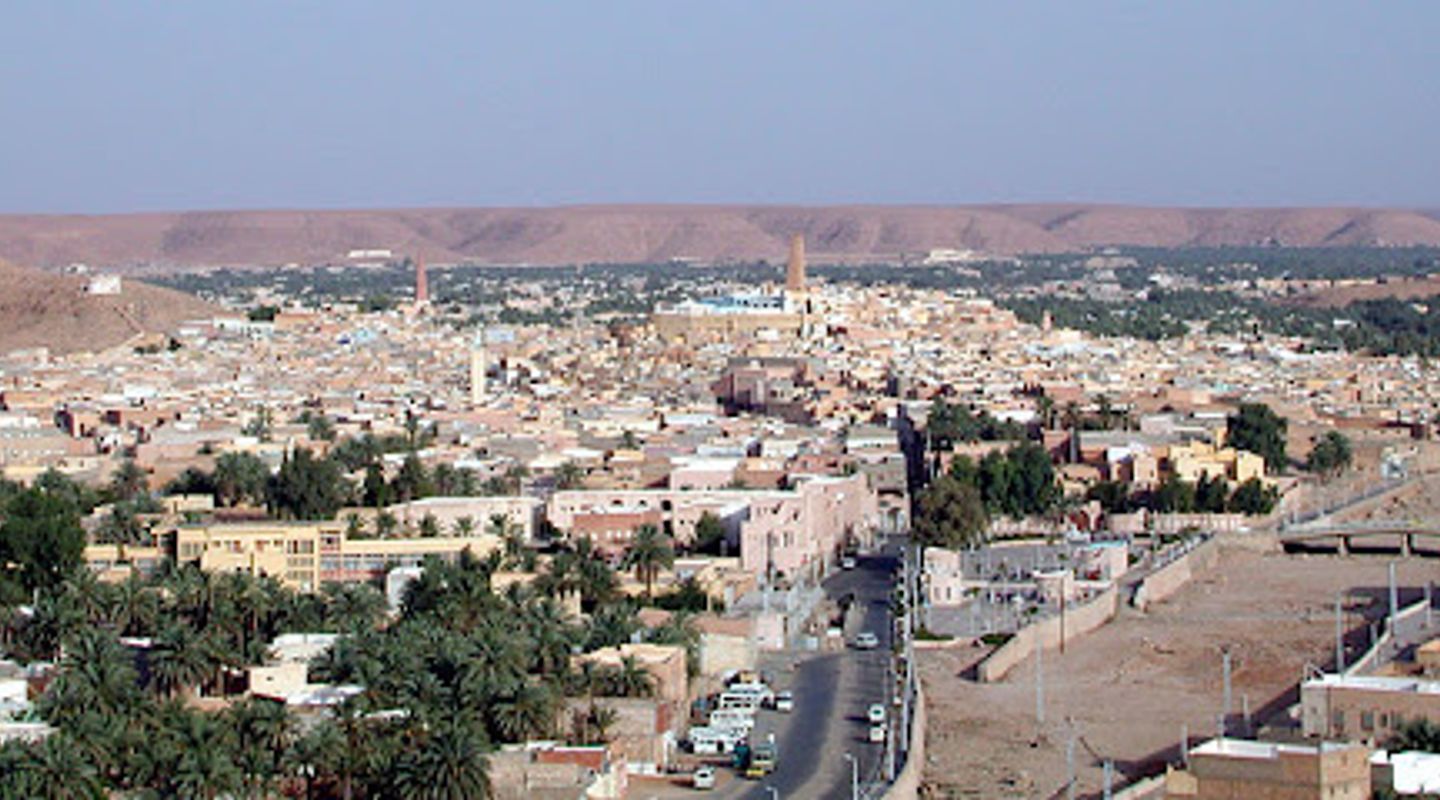
The M'Zab Valley, a UNESCO World Heritage site in the Algerian Sahara, is a captivating testament to human adaptation and cultural preservation. Founded in the 11th century by the Ibadites, the valley features five fortified villages (ksour) showcasing unique architecture, sustainable living practices, and a rich cultural heritage that has remained largely unchanged for centuries.
- Address
- M'Zab
Getting there
Walking
Taxi
Discover more about M'Zab
Overview
Nestled in the heart of the Sahara Desert, approximately 600 km south of Algiers, lies the M'Zab Valley, a remarkable UNESCO World Heritage site. This deep, narrow oasis is home to five fortified villages, or ksour: Ghardaïa, Melika, Beni Isguen, Bou Noura, and El Atteuf. Founded between 1012 and 1350 by the Ibadites, a breakaway Islamic sect, these towns showcase a unique blend of architectural ingenuity, sustainable living, and cultural preservation.The architecture of the M'Zab Valley is distinctive and functional, perfectly adapted to the harsh desert climate. The pastel-colored, box-like buildings are constructed from local mud-brick, providing insulation against the extreme heat and cold. The ksour are built on rocky knolls, with houses packed tightly together in concentric circles between an outer fortification and a hilltop mosque. The mosque's minaret serves as a watchtower, while narrow alleyways and covered passages wind through the town. This unique urban planning reflects the Ibadites' commitment to communal living, egalitarian social structures, and family privacy.The Ibadites developed sophisticated irrigation systems and agricultural techniques to maximize water use in the arid environment, creating lush palm groves that surround each ksar. These practices, along with a strong sense of community governance and cultural preservation, have allowed the M'Zab Valley to maintain a sustainable way of life for centuries.Exploring the M'Zab Valley offers a glimpse into a traditional society that has preserved its way of life and building techniques since the 11th century. Visitors can wander through the bustling markets, admire the unique architecture, and learn about the history and culture of the Mozabite people. A guide is recommended, especially for entering the mosques and understanding local customs.
Evendo Review Centre
 Google
Guest reviews
Explore M'Zab on the map
A handpicked selection of must-see spots near M'Zab, mapped for you.
Get your free copy of our complete guide to M'Zab, delivered straight to you.
Everything on this page, from opening hours and how to get there to Eve’s tips and the best time to go, in one PDF you can read offline, print or share.
Already have an account? Sign in
Your M'Zab guide is ready.
We'll send it to · Not you? Sign out

Getting your guide ready…
We are putting together a fresh copy of the M'Zab guide. This can take up to a minute.
This can take a few moments. If your browser asks, choose Allow so the download can start. You'll find the guide in your Downloads folder.
Nothing happened? Download it again
Sorry, the guide is taking longer than usual. Please try again in a minute, or get it by email instead.
Unlock the best of M'Zab
Skip-the-line tickets, guided tours with entry, and walking tours of the area, booked in a few clicks.


Other nearby places you may find interesting
The closest places of the same kind, if this one is not quite what you had in mind.
-

-


Swipe for more places
More to explore near M'Zab

 Best experiences near M'Zab
 Best hotels near M'Zab
 Best landmarks near M'Zab
 Best attractions near M'Zab
 Best shops near M'Zab
 Best restaurants near M'Zab
 Best bars near M'Zab
Do you manage this location?
Take control to get all the benefits, like improved information, better appearance, and stronger visibility across AI-powered discovery.
Explore more
Explore more of M'zab Valley
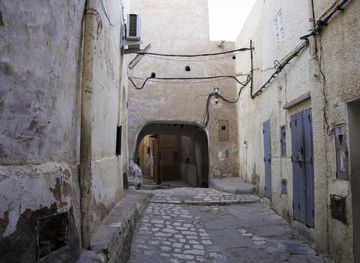
Discover the timeless beauty and rich culture of M'zab Valley in Algeria, where ancient architecture meets stunning desert landscapes in a UNESCO World Heritage site.
Explore M'zab Valley
Explore more of Algeria
Discover Algeria: A captivating blend of ancient history, stunning landscapes, and vibrant culture. From the Sahara desert to Mediterranean coasts, adventure awaits.
Explore Algeria
