

Free M'zab Valley Travel Guide & Mobile App
Explore M'zab Valley with free travel guides. Discover regional history, expert tips, proposed trips, and audio guides on web or mobile app.


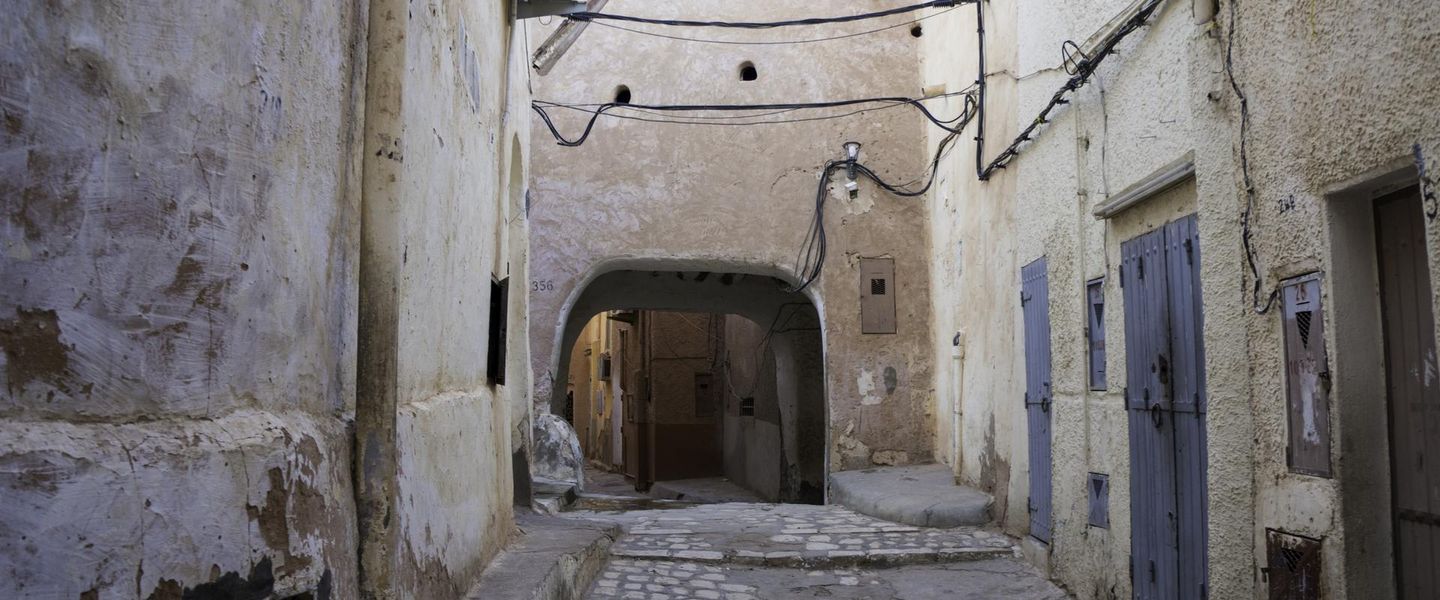


Explore Algeria's M'zab Valley for UNESCO-listed ksour, desert architecture, palm groves, traditional crafts and Ghardaïa's historic markets.
Read more about M'zab Valley
When is the best time to visit M'zab Valley?
Best: February–March, November · 21–26°C| Month | High (°C) | Rainfall (mm) |
|---|---|---|
| January | 18 | 5 |
| February (best) | 21 | 4 |
| March (best) | 26 | 4 |
| April | 33 | 2 |
| May | 39 | 2 |
| June | 44 | 1 |
| July | 47 | 1 |
| August | 46 | 1 |
| September | 41 | 2 |
| October | 35 | 3 |
| November (best) | 25 | 4 |
| December | 19 | 5 |
Getting to and around M'zab Valley
How to get there
Transportation
Best attractions in M'zab Valley
The M'zab Valley's main attraction is its connected group of five historic ksour, each offering a different perspective on Mozabite settlement, religion and urban design. Ghardaïa provides the broadest introduction, with its market, old quarter, arcades and elevated views across the valley. Beni Isguen is particularly valued for its preserved character and conservative traditions, while Melika, Bou Noura and El Atteuf reveal other variations in street pattern, colour and relationship to the surrounding hills. Beyond the built heritage, palm groves show how cultivation and water management support life in the desert, and guided walks can explain irrigation, date production and the seasonal behaviour of the wadi. Small museums, craft workshops and market streets offer cultural context, although opening arrangements can change. The valley also rewards simple exploration of its lanes, gateways, courtyards and viewpoints rather than a checklist of formal attractions. Outdoor activity is generally centred on walking, architecture, landscape observation and short excursions around the settlements, not on developed adventure facilities. Because the ksour remain living communities, visits are more meaningful when made slowly and with attention to local access rules, religious customs and the distinction between public spaces and private homes.
-
River
M'Zab
Discover the M'Zab Valley: A UNESCO-listed oasis showcasing unique Berber architecture, sustainable living, and ancient traditions in the Algerian Sahara.
-
Bridge
oued M'zab
Discover the architectural beauty of Oued M'zab Bridge, a serene landmark connecting nature and culture in the heart of Bounoura, Algeria.
-
 Tourist attraction
EZZERIBA
Discover EZZERIBA in Oued Zehour: Where natural beauty meets cultural richness, offering tranquility and adventure for every traveler.
Best landmarks in M'zab Valley
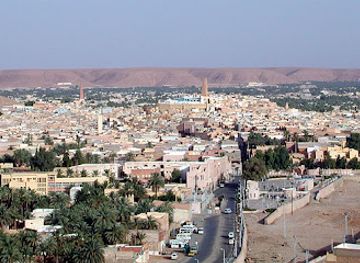
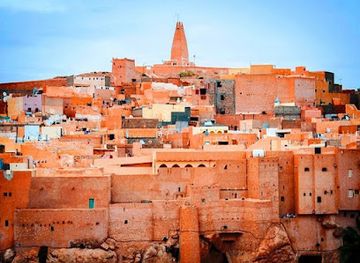
The most recognisable landmarks of the M'zab Valley are its five hilltop or hillside ksour: Ghardaïa, Beni Isguen, Melika, Bou Noura and El Atteuf. Their clustered houses, defensive edges, gateways and domed or tower-like mosque forms create a distinctive silhouette against the bare valley. Ghardaïa's old town is the best-known visual symbol, with tightly packed buildings descending towards the market and surrounding palm groves. The mosque of Beni Isguen and the settlement's preserved urban form are important expressions of the community's religious and social history, although visitors should follow local rules about access and photography. El Atteuf has particular historical importance as the earliest of the five principal ksour, while the positions of Melika and Bou Noura demonstrate how settlements used elevated ground and natural contours. The Wadi M'zab and its palm groves are landmarks in a broader geographical sense: they explain why communities could exist in this austere landscape and how water shaped the valley's agriculture. Together, these places are significant not as isolated monuments but as a coherent cultural landscape recognised by UNESCO.
-
Historical landmark
Martyrs Memorial
A towering monument in Algiers honoring the heroes of Algeria's independence, with stunning city views and a poignant eternal flame.
-
Bridge
Sidi M'Cid Bridge
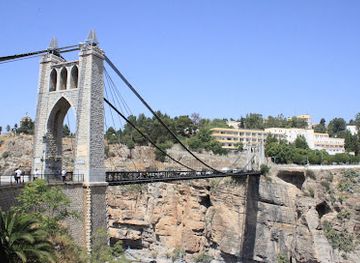
Experience Constantine's iconic Sidi M'Cid Bridge: a dizzying feat of engineering with breathtaking views of the Rhumel River gorge.
-
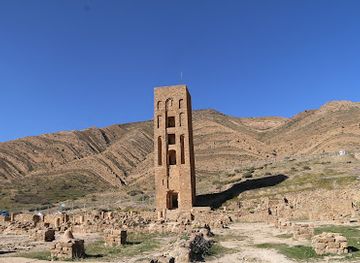
Historical place
Beni Hammad Fort
Discover the ruins of Beni Hammad Fort, a UNESCO World Heritage site and former capital of the Hammadid dynasty, nestled in Algeria's Hodna Mountains.
-
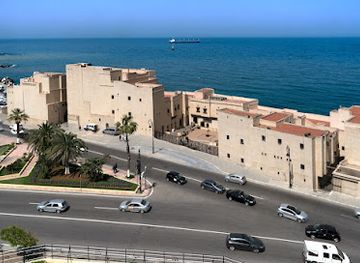
Cultural landmark
Raïs Palace
Explore Algiers' Palais des Raïs: A historic landmark showcasing Ottoman & Moorish architecture, offering insights into Algeria's maritime past.
Explore M'zab Valley on the map
Plan your trip on one map. See where the top cities, national parks and sights are, and book hotels and experiences in a few clicks.
Best hotels in M'zab Valley
Best restaurants in M'zab Valley
Dining in the M'zab Valley is shaped by Saharan ingredients, Mozabite household traditions and the practical rhythm of hot weather. Ghardaïa has the widest choice of cafés and restaurants, while smaller ksour offer a more limited selection and may be quiet outside meal periods. Expect couscous, soups, stews, breads, grilled meats, vegetables, dates and other preparations common across southern Algeria, alongside local variations that may be encountered in family-run establishments rather than formal menus. Date products are especially relevant to the valley's palm-growing economy, and markets are useful for seeing seasonal produce, nuts, spices and sweets. Tea and coffee are common social refreshments, while cafés provide informal places to pause after visiting the old quarters. Visitors should not expect a large international dining scene or late-night service, and it is wise to confirm meal arrangements when staying outside Ghardaïa. During Ramadan, daytime eating arrangements and restaurant hours change substantially, so cultural awareness and advance planning are important.
-
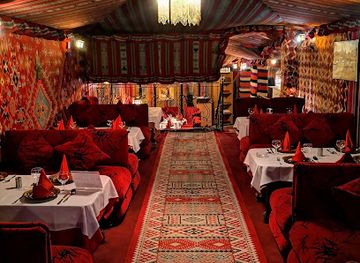
Country food restaurant
La Palmeraie Restaurant مطعم النخيل
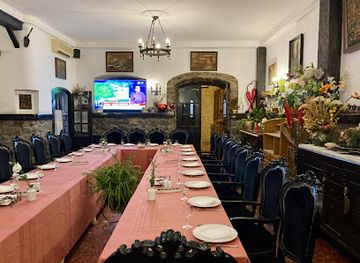
Discover authentic Moroccan cuisine at La Palmeraie Restaurant in Dély Ibrahim - where every dish tells a story.
-
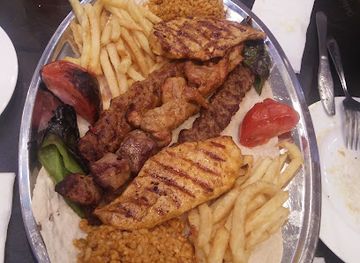
Turkish
Casbah Istanbul
Discover authentic Turkish flavors at Casbah Istanbul in Bab Ezzouar - where every dish tells a story.
-
Restaurant
Auberge du moulin
Experience authentic Algerian flavors at Auberge du Moulin in Chéraga – where every meal is a celebration of local cuisine.
-
Restaurant
Le Tantra restaurant
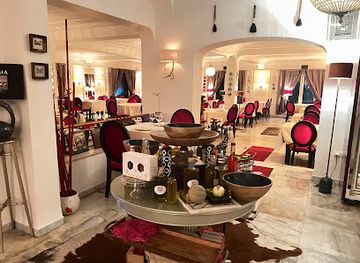
Experience the fusion of local Algerian flavors and international cuisine at Le Tantra restaurant in El Madania.
Best bars in M'zab Valley
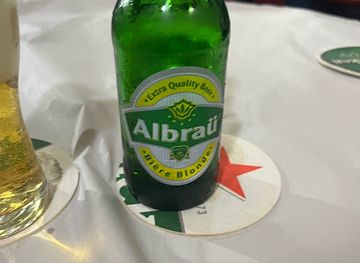
The M'zab Valley does not have a conventional bar or nightclub scene. Evening social life is centred on cafés, family restaurants, hotel lounges, market areas and quiet gatherings after the heat of the day has diminished. Ghardaïa offers the greatest choice of places to sit for tea, coffee or a meal, while the smaller ksour generally become calm in the evening. Alcohol is not central to public life and may be unavailable, particularly in conservative communities; visitors should not assume that a hotel or restaurant serves it. Night-time walks should remain considerate and focused on public areas, since the historic settlements are residential communities rather than entertainment districts. For many travellers, the appeal of the evening lies in cooler air, illuminated townscapes, conversation and the changing atmosphere of the market streets rather than organised nightlife.
-
Coffee shop
Masagran Algérie - Coffee & Brunch
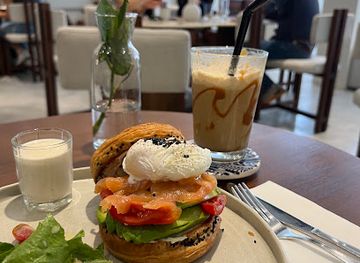
Experience the best of Algerian coffee culture at Masagran Algérie - a must-visit café in El Biar for brunch lovers and coffee enthusiasts.
-
Traditional restaurant
Dwiret El azz دويرة العز
Experience the authentic taste of Algeria at Dwiret El Azz, where traditional dishes and warm hospitality create unforgettable dining moments.
-
Restaurant
Le Tonneau - Bar
Experience the vibrant flavors of Sidi M'Hamed at Le Tonneau, a bar and restaurant offering a delightful culinary journey.
Best nightclubs in M'zab Valley
The M'zab Valley does not have a conventional bar or nightclub scene. Evening social life is centred on cafés, family restaurants, hotel lounges, market areas and quiet gatherings after the heat of the day has diminished. Ghardaïa offers the greatest choice of places to sit for tea, coffee or a meal, while the smaller ksour generally become calm in the evening. Alcohol is not central to public life and may be unavailable, particularly in conservative communities; visitors should not assume that a hotel or restaurant serves it. Night-time walks should remain considerate and focused on public areas, since the historic settlements are residential communities rather than entertainment districts. For many travellers, the appeal of the evening lies in cooler air, illuminated townscapes, conversation and the changing atmosphere of the market streets rather than organised nightlife.
-
Disco club
Club Pacha Nightclub
Dive into the vibrant nightlife of El Mouradia at Club Pacha Nightclub, where electrifying music and an unforgettable atmosphere await.
-
Disco club
Sun Club House
Discover the electrifying nightlife at Sun Club House, Ain El Turk's top disco club, where music and dance unite for unforgettable nights.
-
Night club
180 longm0nt Balgaid
Discover the energetic nightlife at 180 Longm0nt Balgaid, the ultimate club experience in Bir El Djir, Algeria, where the music never stops.
-
Hotel
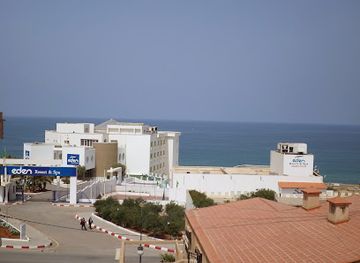
Arena night club
Dive into the vibrant nightlife of Terga at Arena Night Club, where music, dance, and unforgettable moments await you.

Best shops in M'zab Valley
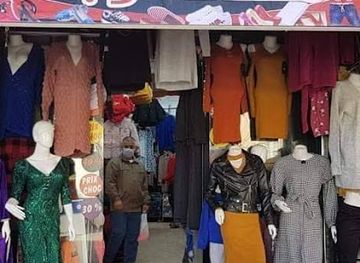
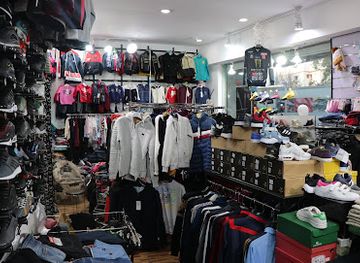
Shopping in the M'zab Valley is concentrated in Ghardaïa's market streets and arcaded commercial areas, with smaller shops and stalls found around the historic settlements. The principal purchases include woven carpets and rugs, blankets, baskets, pottery, leather goods, embroidered textiles, jewellery, dates and other Saharan food products. Crafts vary in quality and provenance, so visitors interested in handmade work should ask how and where an item was produced rather than assuming every market object is locally made. The market is also a useful place to buy spices, nuts, sweets and provisions for a journey, although perishable goods require sensible handling in the heat. Small independent shops may keep irregular hours, and cash in Algerian dinars is the dependable payment method. Bargaining can occur in markets, but it should be polite and proportionate; a respectful purchase supports the commercial life of the valley without turning its historic communities into a theatrical shopping backdrop.
-
Clothing store
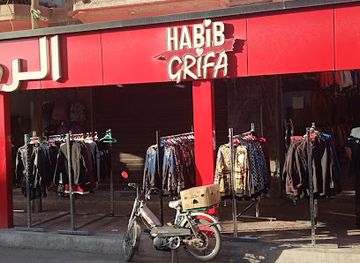
Habib grifa babat zawali
Explore Habib Grifa Babat Zawali in N'Gaous for a unique blend of traditional and contemporary fashion, showcasing the vibrant Algerian culture.
-
Women's clothing store
Obama market ghardia
Explore the Obama Market in Ghardaïa for a unique blend of traditional Algerian fashion and contemporary styles, rich in cultural heritage.
-
Clothing store
Hbibe El Zawali Shop
Explore Hbibe El Zawali Shop in Hammedi for unique clothing that reflects local culture and style, perfect for tourists looking to enhance their wardrobe.
-
Souvenir store
Flamingo Boutique
Discover unique handcrafted souvenirs that embody the spirit of Zeribet El Oued at Flamingo Boutique, a treasure trove of local crafts.
Get your free copy of our complete guide to M'zab Valley, delivered straight to you.
Everything on this page, from attractions and restaurants to essentials and local phrases, in one PDF you can read offline, print or share.
Already have an account? Sign in
Your M'zab Valley guide is ready.
We'll send it to · Not you? Sign out

Getting your guide ready…
We are putting together a fresh copy of the M'zab Valley guide. This can take up to a minute.
This can take a few moments. If your browser asks, choose Allow so the download can start. You'll find the guide in your Downloads folder.
Nothing happened? Download it again
Sorry, the guide is taking longer than usual. Please try again in a minute, or get it by email instead.
M'zab Valley essentials
Currency and Payment
Safety
Emergency Situations
Do's and Don'ts
Local Tips
From Eve
Local phrases worth knowing
You don't need to get them perfect. A few words go a long way, and locals appreciate the effort.
Basics
| English | Local | Say it |
|---|---|---|
| Hello | سلام | [Salam] |
| Goodbye | مع السلامة | [Ma'a as-salama] |
| Yes | نعم | [Na'am] |
| No | لا | [La] |
| Please/You're welcome | من فضلك | [Min fadlik] |
| Thank you | شكرا | [Shukran] |
| Excuse me/Sorry | عفوا | [Afwan] |
| How are you? | كيف حالك؟ | [Kayfa halak?] |
| Fine. And you? | بخير. وأنت؟ | [Bikhayr. Wa anta?] |
| Do you speak English? | هل تتحدث الإنجليزية؟ | [Hal tatahadath al-ingliziyya?] |
| I don't understand | لا أفهم | [La afham] |
Eating & Drinking
| English | Local | Say it |
|---|---|---|
| I'd like to see the menu, please | أود رؤية القائمة، من فضلك | [Awad ru'yat al-qa'ima, min fadlik] |
| I don't eat meat | لا آكل اللحم | [La akul al-lahm] |
| Cheers! | في صحتك! | [Fi sihtik!] |
| I would like to pay, please | أود الدفع، من فضلك | [Awad al-daf', min fadlik] |
Emergencies
| English | Local | Say it |
|---|---|---|
| Help! | مساعدة! | [Musaa'ada!] |
| Go away! | ابتعد! | [Ibta'id!] |
| Call the Police! | اتصل بالشرطة! | [Ittasil bil-shurta!] |
| Call a doctor! | اتصل بالطبيب! | [Ittasil bil-tabeeb!] |
| I'm lost | أنا ضائع | [Ana da'i'] |
| I'm ill | أنا مريض | [Ana marid] |
Shopping
| English | Local | Say it |
|---|---|---|
| I'd like to buy... | أود شراء... | [Awad shirā...] |
| I'm just looking | أنا فقط أبحث | [Ana faqat abḥath] |
| How much is it? | كم ثمنه؟ | [Kam thamanu?] |
| That's too expensive | هذا مكلف جدا | [Hatha mukalif jidan] |
| Can you lower the price? | هل يمكنك خفض السعر؟ | [Hal yumkinuka khafd al-si'r?] |
Time & Numbers
| English | Local | Say it |
|---|---|---|
| What time is it? | كم الساعة؟ | [Kam as-saa'a?] |
| It's one o'clock | الساعة الواحدة | [As-saa'a al-wahida] |
| Half past (10) | نصف (10) | [Nisf (10)] |
| Morning | صباح | [Sabah] |
| Afternoon | بعد الظهر | [Ba'd al-zuhur] |
| Evening | مساء | [Masa'] |
| Yesterday | أمس | [Ams] |
| Today | اليوم | [Al-yawm] |
| Tomorrow | غدا | [Ghadan] |
| 1 | واحد | [Wahid] |
| 2 | اثنان | [Ithnān] |
| 3 | ثلاثة | [Thalatha] |
| 4 | أربعة | [Arba'a] |
| 5 | خمسة | [Khamsa] |
| 6 | ستة | [Sitta] |
| 7 | سبعة | [Sab'a] |
| 8 | ثمانية | [Thamaniya] |
| 9 | تسعة | [Tis'a] |
| 10 | عشرة | [Ashara] |
Transport & Directions
| English | Local | Say it |
|---|---|---|
| Where's a/the...? | أين ...؟ | [Ayna ...?] |
| What's the address? | ما هو العنوان؟ | [Ma huwa al-'unwan?] |
| Can you show me (on the map)? | هل يمكنك أن تريني (على الخريطة)؟ | [Hal yumkinuka an turini (ala al-kharita)?] |
| When's the next (bus)? | متى يأتي (الباص) التالي؟ | [Mata ya'ti (al-bas) al-tali?] |
| A ticket (to ....) | تذكرة (إلى ...) | [Tadhkira (ila ...)] |
History of M'zab Valley
Early Saharan settlement and the Wadi M'zab
The M'zab Valley's history is rooted in the relationship between human settlement and the intermittent Wadi M'zab. Earlier Saharan communities used the region's limited water sources and cultivated pockets of land, while later inhabitants developed more systematic methods of collecting, directing and storing seasonal floodwater. The valley's rocky terrain encouraged compact settlements rather than sprawling towns. Although the most recognisable ksour belong to the medieval period, the wider landscape reflects a much longer history of movement, trade and adaptation across the northern Sahara.
The Rustamid legacy and Ibadi migration
The cultural identity of the M'zab is closely linked to Ibadi Islam, a tradition established in North Africa before the foundation of the valley's medieval settlements. After the fall of the Rustamid state at Tahert in 909, Ibadi communities moved through the central Maghreb and sought more secure places in the Sahara. Their religious institutions, communal leadership and emphasis on social discipline profoundly shaped later Mozabite society. The M'zab's distinctive architecture cannot be separated from this history of migration, community organisation and religious continuity.
Foundation of the five ksour, eleventh to fourteenth centuries
Between the eleventh and fourteenth centuries, Mozabite communities established the five principal ksour of the valley: El Atteuf, Bou Noura, Ghardaïa, Beni Isguen and Melika. El Atteuf is generally regarded as the earliest, while the remaining settlements developed in stages as communities sought defensible sites and shared religious and social institutions. Constructed from local stone, earth and plaster, the ksour were planned around mosques, communal spaces, gates and tightly controlled residential quarters. Their form remains one of the clearest records of medieval Saharan town planning.
Trans-Saharan commerce and the growth of Ghardaïa
The valley prospered through its position within wider Saharan trading networks linking northern Algeria with settlements farther south. Merchants dealt in dates, livestock, textiles, craft goods and other commodities, while the ksour offered places for exchange, storage and social organisation. Ghardaïa gradually became the largest commercial centre in the valley, although each community retained its own institutions and identity. Markets, caravan connections and craft production helped sustain the settlements in an environment where agriculture alone could not support a dense population.
French conquest and colonial administration
French forces incorporated the M'zab into the colonial system in the nineteenth century, after a period in which the valley had maintained a significant degree of internal autonomy. Colonial rule altered political authority, taxation, transport and commercial connections, while new administrative structures grew around the historic settlements. The ksour remained inhabited and socially important, but the relationship between traditional institutions and outside government changed substantially. Roads and later modern infrastructure also encouraged settlement beyond the compact historic cores.
Modern expansion and heritage protection
Since Algerian independence in 1962, the M'zab Valley has experienced population growth, new housing, expanded roads and stronger links with national markets. Modern construction has extended beyond the historic ksour, creating tensions between practical urban needs and conservation. At the same time, Mozabite architectural knowledge, craft traditions and communal customs have attracted wider recognition. UNESCO inscribed the M'zab Valley on the World Heritage List in 1982, recognising the five historic ksour as an integrated cultural landscape rather than isolated monuments.
M'zab Valley in Photos
Browse through our photo collection highlighting the charm and character of the destination.
Neighbouring regions of M'zab Valley
The closest regions to M'zab Valley, if you have time for more than one.
-

-

-

-

-


Swipe for more regions
Explore more
Explore more of Algeria
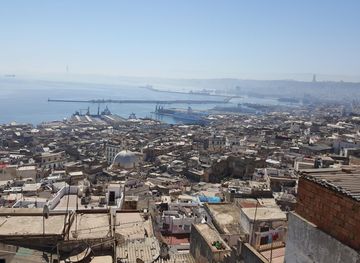
Discover Algeria: A captivating blend of ancient history, stunning landscapes, and vibrant culture. From the Sahara desert to Mediterranean coasts, adventure awaits.
Explore Algeria