

M'Zab, M Zab Valley Travel Guide
Discover the ancient ksour of M'Zab Valley, a UNESCO World Heritage site showcasing unique Berber architecture and a rich Ibadite cultural heritage in the Algerian Sahara.
The M'Zab Valley, a UNESCO World Heritage site in the Algerian Sahara, presents a unique ensemble of five fortified cities (ksour) built by the Ibadites in the 11th century. Preserved over centuries, these ksour showcase a distinct architectural style adapted to the harsh desert environment, reflecting a communal way of life and social structure.
A brief summary to M'Zab
- DZ

Know before you go
Hi, I'm Eve. Here are a few practical things to know before exploring M'Zab.
- Respect local customs and traditions, as the M'Zab Valley is a conservative community. Dress modestly and ask permission before taking photos of people.
- Hire a local guide to explore the ksour, as they can provide valuable insights into the history, culture, and architecture of the M'Zab Valley.
- Visit the M'Zab Valley during the cooler months (October to April) to avoid the extreme heat of the Saharan summer.
- Explore the traditional marketplaces for unique handicrafts, such as carpets, pottery, and jewelry.
- Be prepared for a desert climate. Bring sunscreen, a hat, and plenty of water to stay hydrated.
Do you manage this location?
Take control to get all the benefits, like improved information, better appearance, and stronger visibility across AI-powered discovery. Learn more about listing your business on Evendo
Activate your presenceOther nearby places you may find interesting
The closest places of the same kind, if this one is not quite what you had in mind.
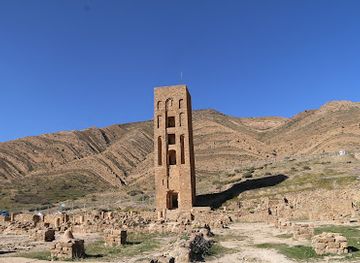


Explore M'Zab on the Map
A handpicked selection of must-see spots near M'Zab, mapped for you.
Unlock the Best of M'Zab
Buy tickets
-
No tickets available
Book tours with entry


Book tours without entry
-
No tours available
Getting There
-
Public Transport
From the Ghardaïa Airport, take a taxi or a local bus towards the city center. The bus fare is approximately 100 DZD. From the city center, local buses and taxis are available to reach the different ksour within the M'Zab Valley. Bus tickets between the cities are very cheap.
-
Taxi
Taxis are readily available in Ghardaïa and can be hired to visit the different ksour in the M'Zab Valley. Negotiate the fare beforehand. A typical taxi ride from the airport to the city center costs around 500-800 DZD. Hiring a taxi for a half-day tour of the valley may cost between 1500-2500 DZD, depending on your negotiation skills.
-
Walking
Once you arrive at a ksar, the best way to explore it is on foot. The narrow alleyways and compact layout of the ksour make walking the most convenient way to experience the unique architecture and atmosphere. Be aware that some areas may have steep slopes or uneven surfaces.
Discover more about M'Zab













Your all‑in‑one travel companion app
Explore expert travel guides, compare and book tours, experiences, hotels, and more—all from the palm of your hand. Download now for seamless trip planning wherever your wanderlust takes you.


Explore More of M Zab Valley
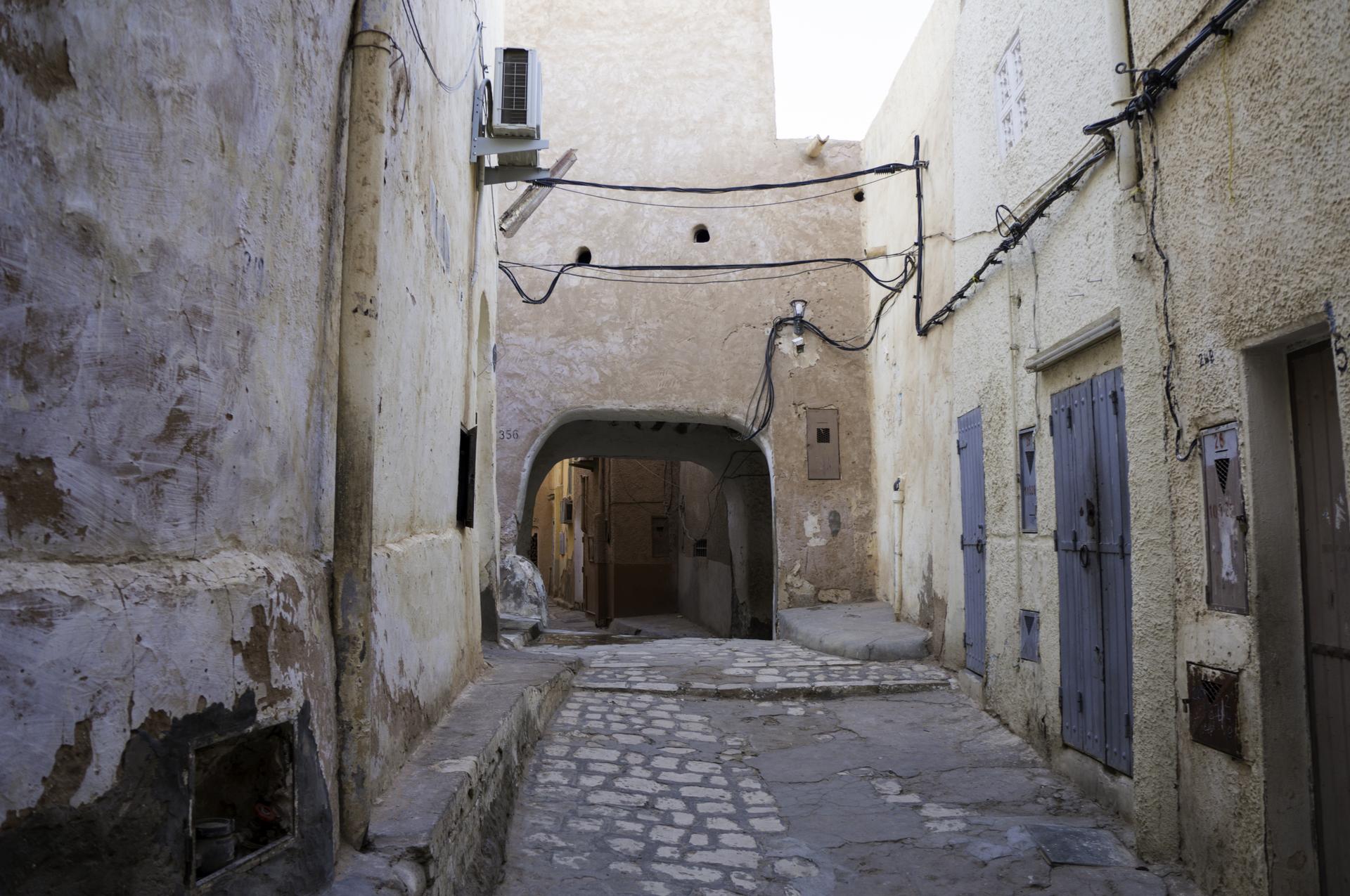
Looking beyond M'Zab? Discover M Zab Valley for broader travel guides, local hot-spots, and regional highlights.
Explore M Zab Valley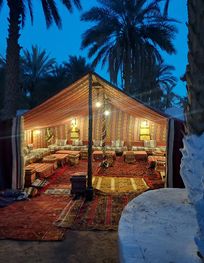
Discover the charm of M'Zab Valley at Maison Traditionnelle Akham, a traditional B&B offering an authentic cultural experience in Bounoura.

Cross the Oued M'zab Bridge in Bounoura and discover the ingenuity of the Mozabite people in Algeria's UNESCO-listed M'zab Valley.
