
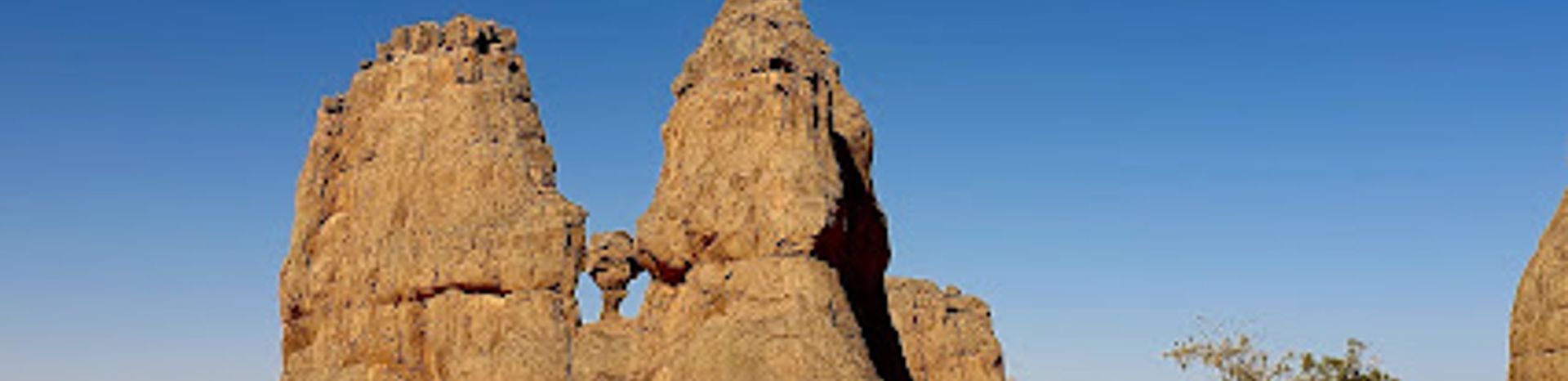
La Vache Qui Pleure: The Crying Cow
Discover ancient Neolithic rock art in the Sahara Desert at La Vache Qui Pleure, a historical landmark near Djanet, Algeria.
La Vache Qui Pleure, or 'The Crying Cow,' is a captivating historical landmark in Djanet, Algeria, featuring ancient rock engravings set against the stunning Sahara Desert backdrop. The site showcases Neolithic art dating back over 7,000 years, depicting a herd of cattle with one cow shedding a tear, inspiring local legends and interpretations. It's a must-visit destination for those seeking to connect with the region's rich cultural and geological history.
A brief summary to La vache qui pleure
- Djanet, DZ
Local tips
- Visit during the cooler months for a more pleasant experience exploring the Sahara Desert landscape.
- Engage with local Tuareg communities to learn about their rich cultural heritage and traditions.
- Bring plenty of water and sun protection due to the desert climate.
- Explore the Djanet Museum to gain a deeper understanding of the region's history and culture.

Getting There
-
Walking
From Djanet, La Vache Qui Pleure is approximately 25 km away. Given the distance and desert environment, walking is not advisable as a primary means of reaching the site. However, once you arrive near the site, walking around the monolith to view the engravings is necessary. Be prepared for walking on sand and uneven terrain.
-
Public Transport
Public transportation options to La Vache Qui Pleure are extremely limited, as it is a remote desert location. There are no established bus or train routes directly to the site. Hiring a local guide with a 4x4 vehicle is the most practical approach. Inquire about transportation options at your accommodation in Djanet. Costs will vary depending on the negotiation and the services included.
-
Taxi/Ride-share
Taxis or ride-sharing services may be available in Djanet, but they are unlikely to travel directly to La Vache Qui Pleure due to the distance and terrain. Negotiating a fare for a round trip to the site may be possible, but it's essential to confirm the driver is familiar with the location and the route. Expect to pay a premium for this service due to the travel distance and time involved. A reasonable estimate for a round trip could range from DZD 5,000 to DZD 10,000 or more, depending on the negotiation.
Discover more about La vache qui pleure
Iconic landmarks you can’t miss

La vache qui pleure
0.0 km
Discover ancient Neolithic rock art at La Vache Qui Pleure near Djanet, Algeria, showcasing the Sahara's rich history and cultural heritage.
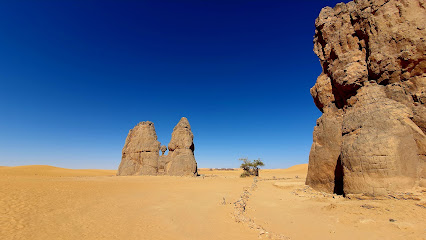
Office national du parc culturel du Tassili n'Ajjer
20.5 km
Explore the stunning landscapes and ancient rock art of Tassili n'Ajjer National Park, preserved by the Office National du Parc Culturel.
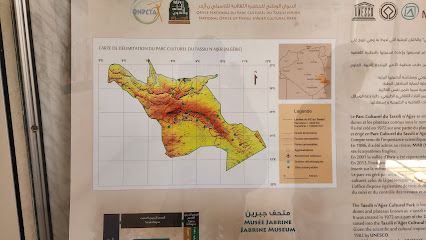
Unmissable attractions to see

ڨلتة وانمينا
44.1 km
Discover ڨلتة وانمينا, a serene oasis within Algeria's Tassili N'Ajjer National Park, offering a refreshing escape amidst stunning desert landscapes.
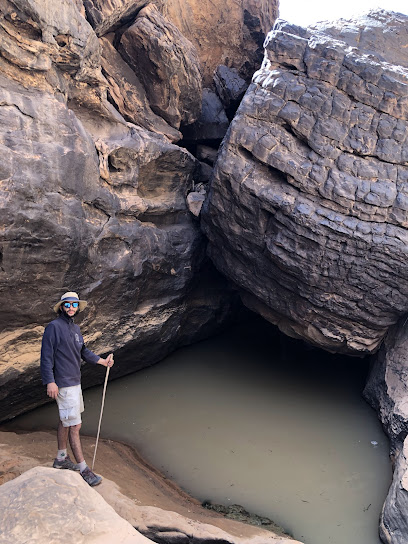
Parc culturel du Tassili
78.5 km
Explore ancient rock art & stunning landscapes in Algeria's Tassili n'Ajjer, a UNESCO World Heritage Site revealing Sahara's prehistoric past.
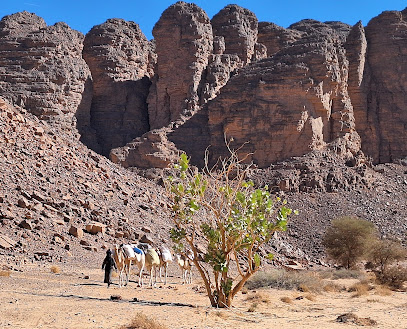
البركة
83.4 km
Discover the serene beauty of البركة in Djanet, Algeria, a tranquil oasis offering a unique Sahara Desert experience and cultural immersion.

تاهموت
92.5 km
Explore Tahemout Park, a peaceful retreat in Ghat, Libya, offering lush landscapes and a tranquil ambiance for all nature lovers.
تنغ ايجضان
92.6 km
Discover the serene beauty of تنغ أيججان Park in Ghat, a perfect escape for nature lovers and adventure seekers alike.
منتزه اولاد موسي
92.8 km
Explore the serene beauty of منتزه اولاد موسي, a tranquil park in Ghat, Libya, perfect for relaxation and enjoying nature's wonders.
كانبيك أولاد الحاج كالية
93.1 km
Escape to a tranquil oasis in the heart of Ghat. Discover the serene beauty of Kanbik Oulad El Hadj Kalia, a perfect retreat from the desert.
جبال تجيجيت
93.9 km
Explore the ancient rock art and dramatic desert landscapes of the Teggiyet Mountains near Ghat, Libya.
شجرة ايوب
94.6 km
Explore the serene beauty of Ayoub Tree Park in Ghat, Libya—a tranquil escape into nature's embrace, perfect for picnics and leisurely strolls.
الحديقة العامة
94.7 km
Escape to tranquility at Al Barkat Public Garden, a refreshing green space in the heart of Libya, perfect for relaxation and recreation.
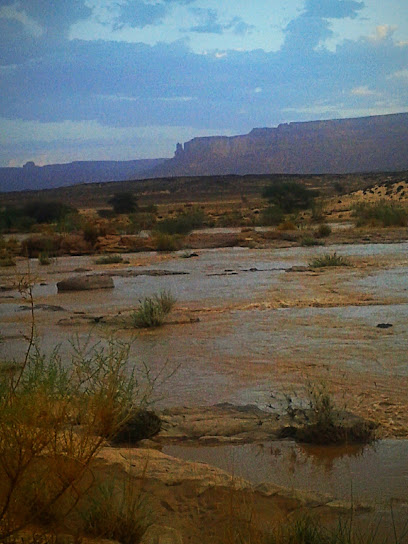
ساحة الوفاء البركت
94.7 km
Experience the vibrant community spirit and rich culture at Al Birkah's Al-Wafa Square, a lively hub of activity and local flavor.
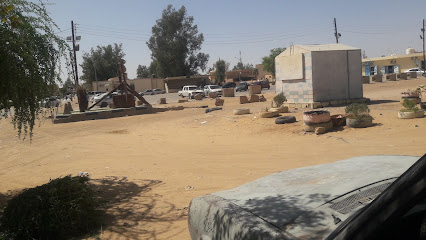
وادي تاهرمت
95.1 km
Discover the serene beauty of Wadi Taharmat near Ghat, Libya, where dramatic rock formations meet the tranquil Sahara Desert.
حديقة عامة
96.0 km
Discover the tranquil beauty of the Public Garden in al-Barkat, a lush haven for relaxation and nature appreciation.
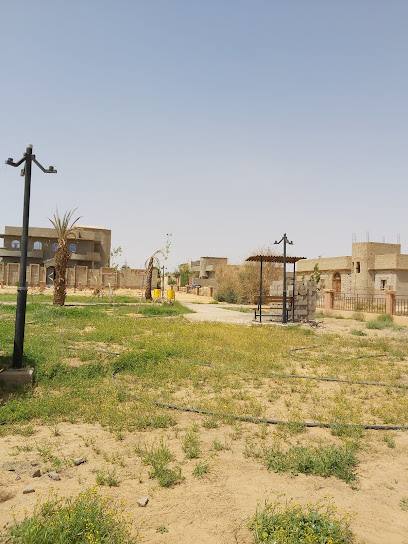
الغوطة
96.1 km
Escape to الغوطة in Ghat, Libya: A peaceful park with lush greenery, perfect for relaxation and exploring local culture and nature.
حديقة حي العروبة
96.7 km
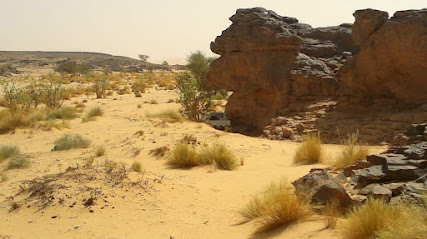
Explore the tranquil beauty of Hay Al Aruba Park in Ghat, a serene haven for relaxation and a taste of local Libyan culture amidst nature.
Essential places to dine

مقهى الطاسيلي Tassili Café
13.4 km
Tassili Café: A Cozy Retreat in Djanet Offering Authentic Algerian Flavors and Warm Hospitality.
Resturant Elbarikya
13.4 km
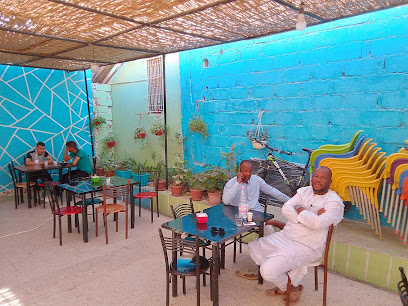
Experience authentic Algerian flavors at Restaurant Elbarikya in Djanet - where local culture meets delicious cuisine.
Restaurant Elahh
99.8 km
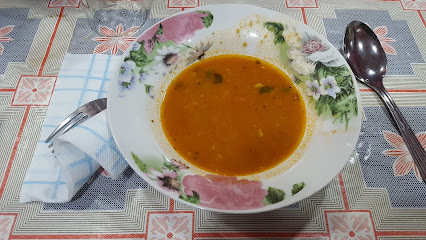
Experience authentic Italian pizza at Restaurant Elahh in Ghat, Libya - where every slice tells a story.
Markets, malls and hidden boutiques

Ihaket Djanet Travels
13.6 km
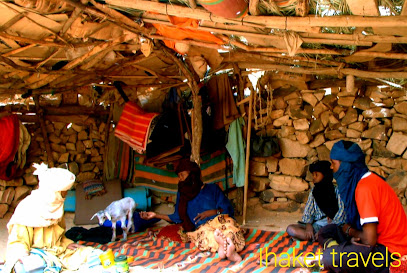
Discover the captivating landscapes and rich culture of Djanet, Algeria with Ihaket Djanet Travels, your expert tour agency in the Sahara.
محلات التقدم للكهرومنزلية
94.5 km
Explore محلات التقدم للكهرومنزلية in البركت, a top shopping mall for electrical appliances and household goods, offering quality and friendly service.
عالم الاطفال لمستلزمات الأم والطفل
94.8 km
Explore the World of Children in Al-Barkat – a unique store offering quality baby products and toys for nurturing families.
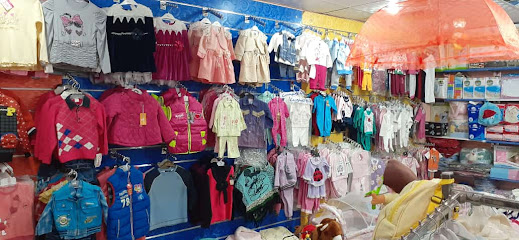
مركز مريم للمواد المنزلية والكهرومنزلية
94.8 km
Explore unique local goods and household essentials in Al Birkah's vibrant مركز مريم للمواد المنزلية والكهرومنزلية shopping mall.
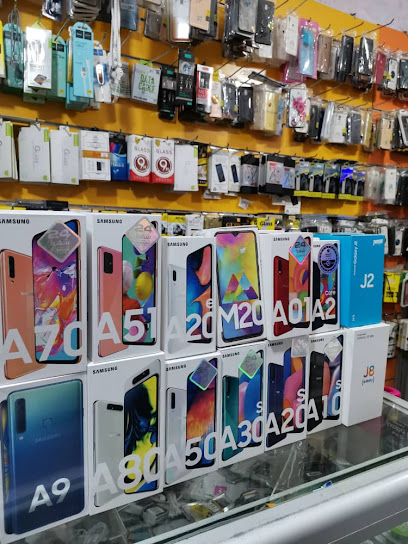
أبناء شمبلو للكمبيوتر والهاتف المحمول
94.8 km
Discover the latest in technology at أبناء شمبلو للكمبيوتر والهاتف المحمول – your go-to store for computers and mobile devices in البركت.
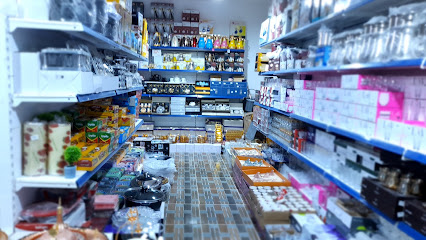
الوكيل للمواد المنزلية
95.1 km
Explore a treasure trove of household goods at الوكيل للمواد المنزلية in البركت, where local craftsmanship meets everyday needs.
محلات زاد الخير للتسوق
95.8 km
Discover the cultural richness and vibrant shopping experience at محلات زاد الخير للتسوق in البركت, where local crafts meet modern retail.
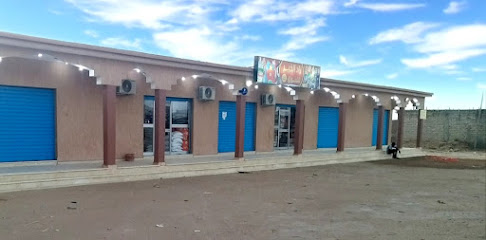
سوق المختار المجمع
99.0 km
Explore Ghat's bustling produce market for a taste of Libyan culture, fresh local produce, and an unforgettable shopping experience.
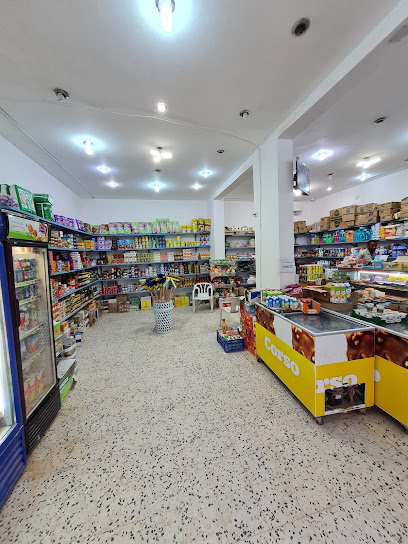
الأحدث للاكترونيات والكهربائية والهاتف النقال -غــات
99.1 km
Explore cutting-edge electronics and mobile devices at الأحدث للاكترونيات والكهربائية والهاتف النقال -غــات in Ghat, Libya.
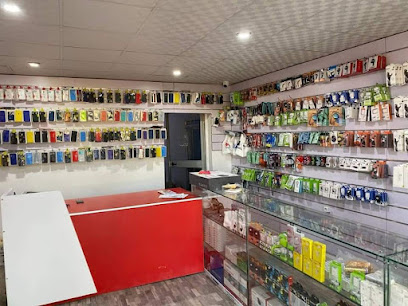
محل القيافه للزي العربي
99.2 km
Explore the exquisite world of traditional Arabic clothing at محل القيافه للزي العربي in Ghat, where culture and style meet.
موبايل ستور للحوالات المالية
99.2 km
Experience modern convenience in Ghat at موبايل ستور للحوالات المالية, your go-to electronics destination for tourists.
موبايل ستور للهاتف النقال
99.2 km
Explore Ghat's electronics scene at موبايل ستور للهاتف النقال, your go-to destination for mobile devices and accessories.
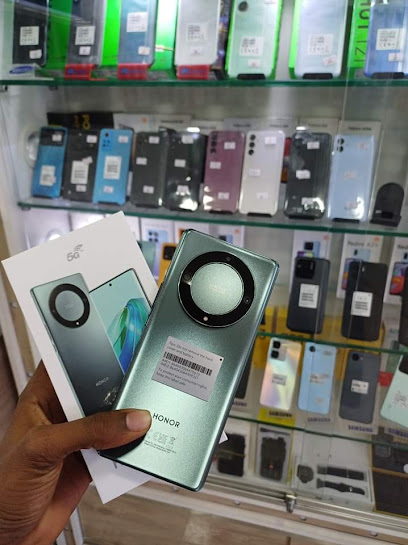
بروماكس للهاتف النقال بيع وشراء الأجهزة الالكترونية
99.2 km
Explore بروماكس للهاتف النقال in Ghat for the latest mobile devices and exceptional electronic gadgets, perfect for tech lovers and casual shoppers.
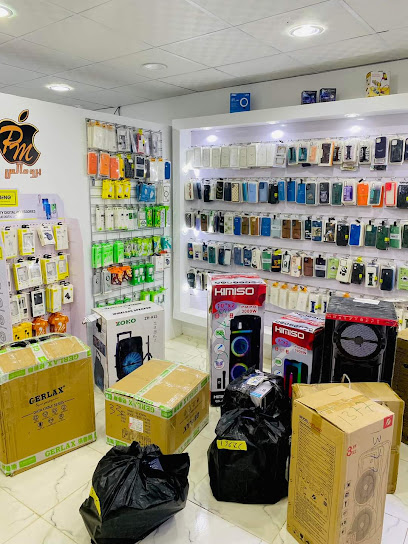
محل اترارزة
99.2 km
Explore محل اترارزة in Ghat for unique local products and a glimpse into Libyan culture, all within a welcoming shopping environment.
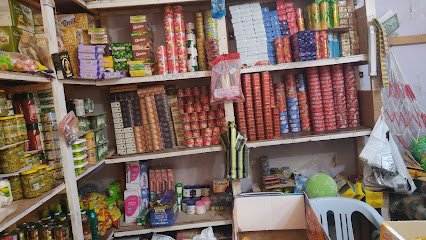
سنتر العمارات
99.2 km
Explore سنتر العمارات, a vibrant produce market in Ghat, Libya, where fresh local produce meets rich cultural experiences.
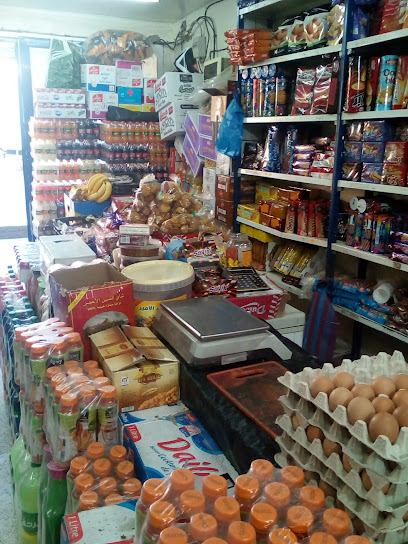
Essential bars & hidden hideouts

مقهى و مطعم
14.2 km
Discover the essence of Algerian flavors at مقهى و مطعم, the perfect grill restaurant in Djanet for an authentic dining experience.
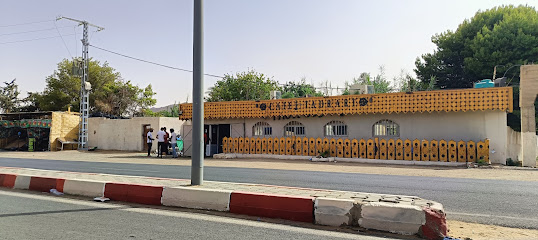
Camping ZERIBA
19.9 km
Discover the beauty of the Sahara Desert at Camping ZERIBA, a unique lodging experience in Djanet, Algeria, perfect for adventure and relaxation.
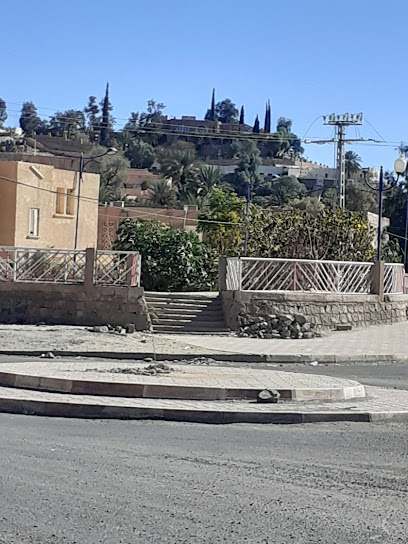
مطعم شيف
94.6 km
Experience the rich flavors of Libyan cuisine at مطعم شيف, a top-rated dining destination in البركت.
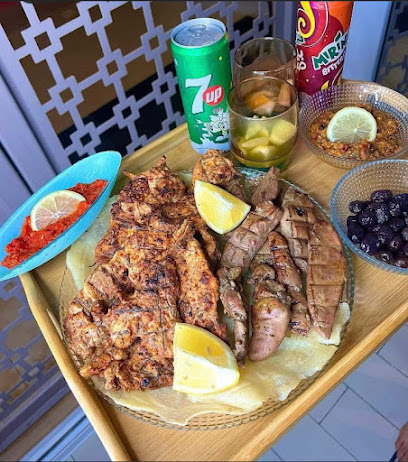
مطعم ميلانو للبيتزا
94.7 km
Savor authentic Italian flavors at مطعم ميلانو للبيتزا in Ghat, where each pizza is a culinary delight crafted with fresh ingredients.
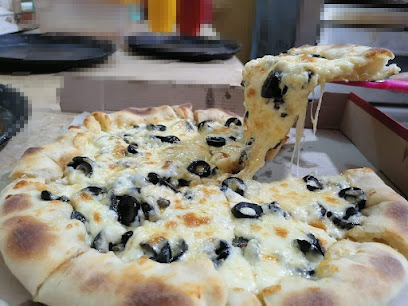
مطعم كودو للوجبات السريعة
94.7 km
Experience the delicious convenience of Kudu Fast Food in Al Birkah, where quick meals meet local flavor.
مطعم
94.8 km
Experience the authentic flavors of البركت at this charming restaurant, where every dish tells a story of local culinary traditions.
مطعم ايهاب بيك للمشاوي والكباب
94.9 km
Savor the authentic taste of Libyan cuisine at مطعم ايهاب بيك للمشاوي والكباب, a must-visit destination in Al Birkah for grilled delights.
مطعم أبناء ولافة للوجبات السريعة
95.4 km
Discover local flavors at مطعم أبناء ولافة للوجبات السريعة in البركت, offering delicious fast food in a casual and friendly environment.
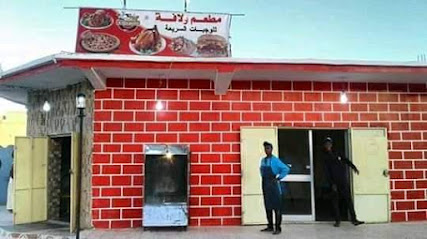
كافي اتوت
99.2 km
Experience the authentic flavors of Libya at Café Atout, a delightful café in Ghat, perfect for relaxing and indulging in local cuisine.
تندي للمشويات
99.2 km
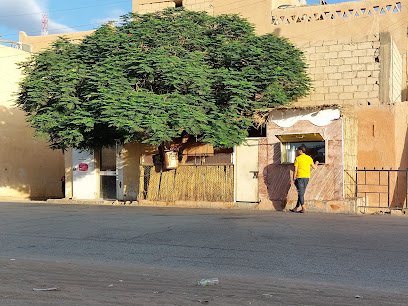
Discover the authentic taste of Libyan grilled chicken at Tandi للمشويات in Ghat, where every dish is a celebration of flavor and tradition.
مطعم ايهاب بيك للمشاوي
99.3 km
Savor the authentic taste of Libyan grilled chicken at مطعم ايهاب بيك للمشاوي, a culinary treasure in Ghat offering a delightful dining experience.
غات
99.3 km
Discover Ghat's vibrant nightlife at its leading bar, where refreshing drinks and lively conversations await every traveler.
مطعم تاسيلي
99.3 km
Discover the rich flavors of Libyan cuisine at مطعم تاسيلي, a culinary gem in Ghat that delights with authentic dishes and warm hospitality.
مطعم نصر
99.3 km
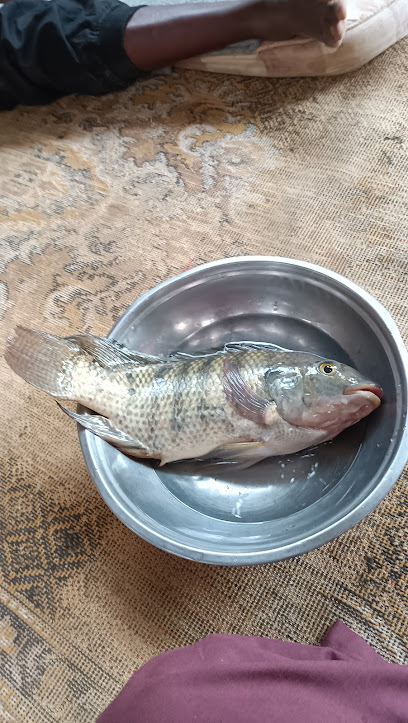
Discover the authentic taste of Libya at مطعم نصر, a delightful country food restaurant in Ghat, where tradition meets flavor.
Warung Bakso Syafudin
99.3 km
Discover the authentic taste of Indonesia at Warung Bakso Syafudin in Ghat, serving delicious Bakso and traditional dishes in a vibrant setting.


