

Free Soummam Valley Travel Guide & Mobile App
Explore Soummam Valley with free travel guides. Discover regional history, expert tips, proposed trips, and audio guides on web or mobile app.


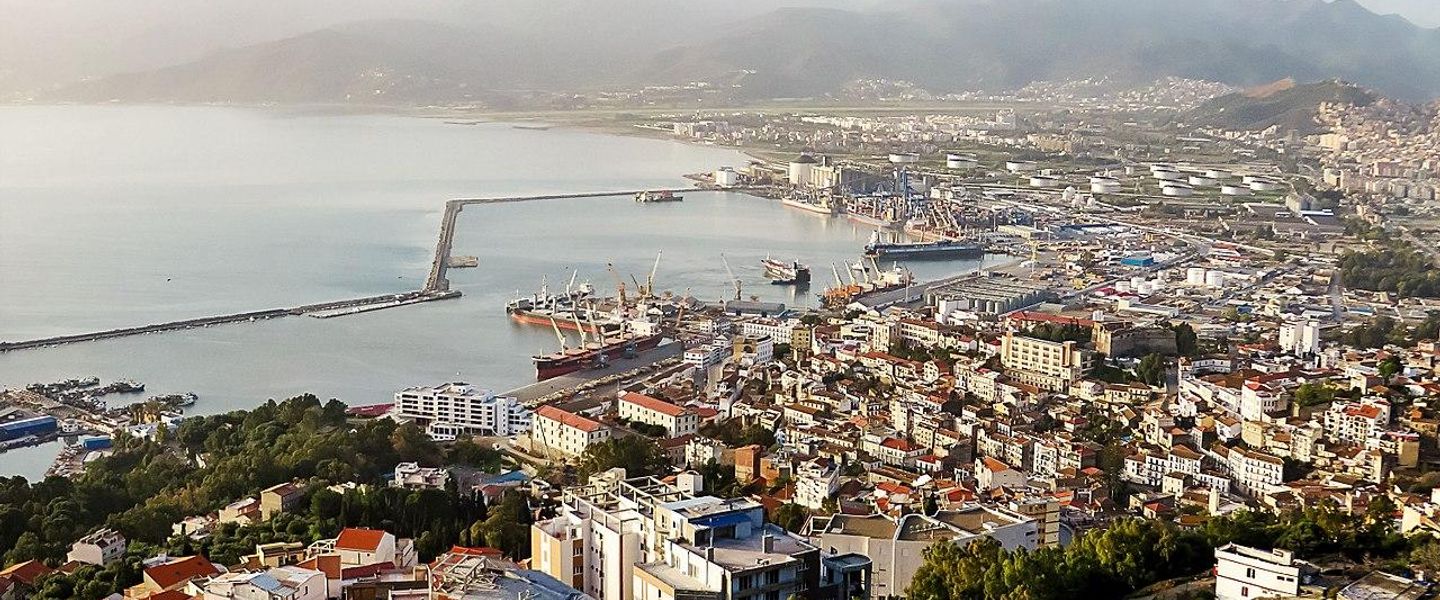


Explore Algeria's Soummam Valley for Kabyle villages, olive groves, river landscapes, Béjaïa heritage and the history of the 1956 Soummam Conference.
Read more about Soummam Valley
When is the best time to visit Soummam Valley?
Best: June, August–September · 26–30°C| Month | High (°C) | Rainfall (mm) |
|---|---|---|
| January | 12 | 100 |
| February | 13 | 90 |
| March | 16 | 80 |
| April | 19 | 70 |
| May | 23 | 60 |
| June (best) | 27 | 30 |
| July | 30 | 20 |
| August (best) | 30 | 20 |
| September (best) | 26 | 30 |
| October | 21 | 60 |
| November | 16 | 80 |
| December | 12 | 90 |
Getting to and around Soummam Valley
How to get there
Transportation
Best attractions in Soummam Valley
The Soummam Valley's attractions are spread along a corridor rather than concentrated in a single visitor quarter. The most significant historical visit is the Soummam Conference site at Ifri, near Ouzellaguen, where memorial displays interpret the 1956 meeting during Algeria's war of independence. Akbou, Sidi Aïch and El Kseur offer opportunities to observe the rhythm of valley commerce, while smaller villages and hillside roads reveal orchards, olive groves, stone-built homes and views across the river basin. Short walks can be arranged in rural areas, although paths are not always waymarked and local guidance is valuable. Béjaïa, at the eastern outlet, adds museums, medieval and Ottoman-era remains, urban markets and access to the coast; it should be treated as the valley's gateway city as well as a separate destination. The nearby Gouraya landscape provides a contrasting coastal and mountain environment, but visitors should check exact access arrangements and recognise that it lies around Béjaïa rather than representing the whole inland valley. The region is best experienced through a combination of historical interpretation, village visits, scenic drives and everyday cultural encounters rather than a long list of formal attractions.
-
Museum
Martyrs National Museum
Explore Algeria's fight for freedom at the Martyrs National Museum, a place of remembrance and national pride.
-
Art museum
Museum of Fine Arts
Discover a rich collection of Algerian and international art at one of Africa's largest museums, located in the heart of Algiers.
-
Museum
Ahmed Zabana National Museum
Explore Algeria's history, art, and natural wonders at the Ahmed Zabana National Museum in Oran. A cultural journey through time.
-
Archaeological museum
Cirta Museum
Explore Constantine's rich past at the Cirta Museum, showcasing artifacts from Numidian, Roman, and Byzantine civilizations.

Best landmarks in Soummam Valley
The clearest symbolic landmark of the Soummam Valley is the Ifri site near Ouzellaguen, associated with the Soummam Conference of 1956 and commemorated through a memorial complex. Its importance is political and historical rather than architectural, making it a key place for understanding Algeria's independence struggle. At the valley's eastern end, Béjaïa contains the physical remains of a much older Mediterranean city, including traces associated with its medieval Hammadid period and later Ottoman and colonial layers. The surrounding hills and the approach to the coast create a strong geographical landmark in their own right, marking the transition from the enclosed inland corridor to the urban and marine setting of Béjaïa. Across the valley, the Soummam River, wooded ridges, cultivated terraces and steep Kabyle slopes form a changing natural framework rather than one monumental viewpoint. Village mosques, hillside settlements, old road alignments and orchard landscapes are locally meaningful features, although many are working environments rather than preserved monuments with formal visitor facilities.
-
Historical landmark
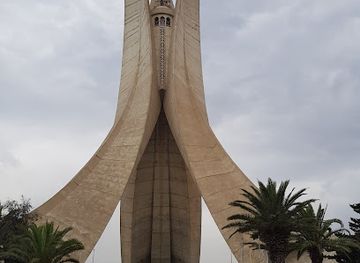
Martyrs Memorial
An iconic monument in Algiers honoring Algeria's war for independence, with panoramic city views and a poignant eternal flame.
-
Botanical garden
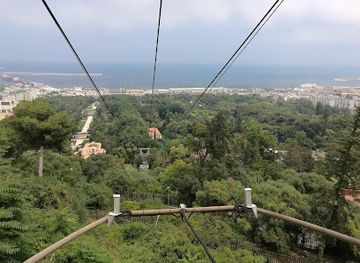
Botanical Garden Hamma
Discover a lush paradise in Algiers: Explore diverse flora, tranquil walkways, and a charming zoo at the historic Botanical Garden Hamma.
-
Fortress
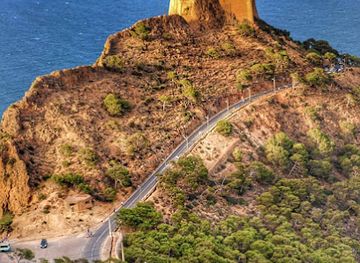
Fort of Santa Cruz
Explore Oran's iconic Fort of Santa Cruz: a historic fortress with breathtaking Mediterranean views and rich Algerian heritage.
-
Basilica
Church of Notre Dame d'Afrique
Discover Algiers' Notre Dame d'Afrique: A stunning basilica with panoramic views, rich history, and a message of religious harmony.
Explore Soummam Valley on the map
Plan your trip on one map. See where the top cities, national parks and sights are, and book hotels and experiences in a few clicks.
Best hotels in Soummam Valley
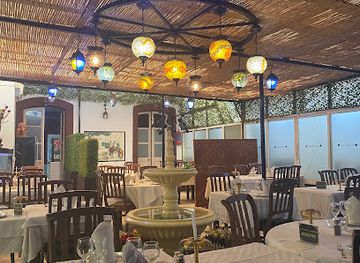
Best restaurants in Soummam Valley
Dining in the Soummam Valley is predominantly informal, local and closely tied to household cooking. Couscous with vegetables or meat, seasonal stews, grilled dishes, breads, pastries and semolina-based preparations are common across Kabylie and northern Algeria, while olive oil, figs, honey, citrus fruit and other orchard produce reflect the valley's agricultural setting. Cafés and modest restaurants in Akbou, Sidi Aïch, Ouzellaguen, El Kseur and Béjaïa are useful for simple meals, coffee and tea, although menus and opening patterns can vary. In villages, the most memorable food may be encountered through family hospitality or a locally recommended establishment rather than a formal dining room, so arrangements should be made respectfully. Béjaïa offers a wider choice of restaurants and adds coastal seafood to the broader Kabyle and Algerian repertoire. Visitors should distinguish regional home cooking from dishes marketed as national specialities, and should not assume that every rural café serves a full meal throughout the day.
-
Restaurant
Caracoya
Experience authentic Algerian cuisine at Caracoya in Sidi M'Hamed – where every dish tells a story.
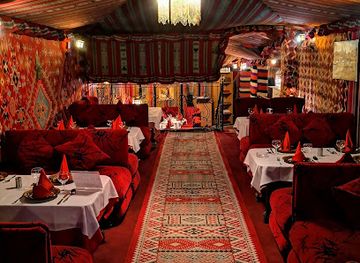
-
Country food restaurant
La Palmeraie Restaurant مطعم النخيل
Experience authentic Moroccan cuisine at La Palmeraie Restaurant in Dély Ibrahim, where tradition meets flavor in every dish.
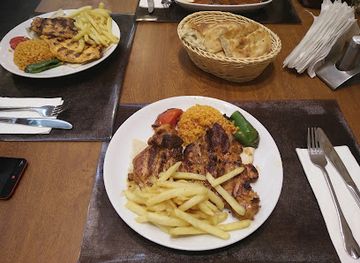
-
Turkish
Casbah Istanbul
Experience authentic Turkish cuisine at Casbah Istanbul in Bab Ezzouar – where every dish tells a story.
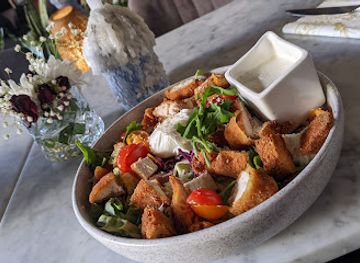
-
Restaurant
El Marssem
Discover authentic Algerian flavors at El Marssem in Hydra – where every dish tells a story.
Best bars in Soummam Valley
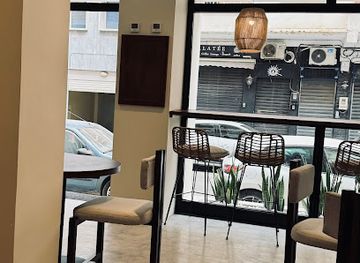
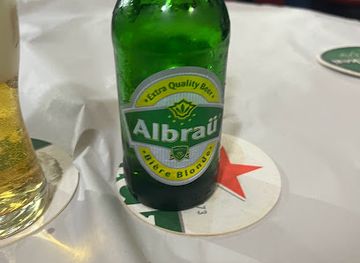
Evening life in the Soummam Valley is generally quieter and more social than club-oriented. Cafés are important meeting places in the larger towns, where people gather for coffee, tea, conversation and televised sport. Béjaïa has the region's broadest choice of restaurants, cafés and occasional live cultural entertainment, while Akbou and other valley towns have a modest evening scene shaped by cafés and family restaurants rather than a dense nightlife district. Alcohol is available in some licensed hotels and restaurants, but it is not central to public social life and availability in smaller settlements can be limited. Traditional music, cultural performances and seasonal community events may provide more locally relevant evening experiences than nightclubs, though dates and venues require local confirmation. Visitors should dress and behave discreetly, particularly in family-oriented cafés and rural communities, and arrange return transport in advance when staying outside the main towns.
-
Coffee shop
Masagran Algérie - Coffee & Brunch
Experience the best coffee and brunch in El Biar at Masagran Algérie, where every sip and bite celebrates local flavors.
-
Traditional restaurant
Dwiret El azz دويرة العز
Experience authentic Algerian cuisine at Dwiret El Azz in Hydra, offering traditional dishes and a warm atmosphere that captures the essence of local dining.
-
Disco club
Club Pacha Nightclub
Unleash your inner party animal at Club Pacha Nightclub, Algiers' top destination for electrifying nights filled with music, dancing, and unforgettable experiences.
-
Restaurant
Le Tonneau - Bar
Experience the vibrant local culture and flavors at Le Tonneau, a charming bar in Sidi M'Hamed, perfect for unwinding after a day of exploration.

Best nightclubs in Soummam Valley
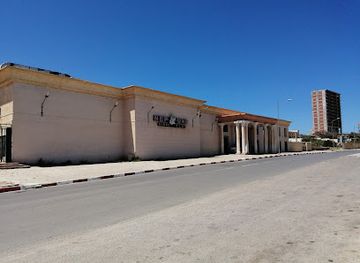
Evening life in the Soummam Valley is generally quieter and more social than club-oriented. Cafés are important meeting places in the larger towns, where people gather for coffee, tea, conversation and televised sport. Béjaïa has the region's broadest choice of restaurants, cafés and occasional live cultural entertainment, while Akbou and other valley towns have a modest evening scene shaped by cafés and family restaurants rather than a dense nightlife district. Alcohol is available in some licensed hotels and restaurants, but it is not central to public social life and availability in smaller settlements can be limited. Traditional music, cultural performances and seasonal community events may provide more locally relevant evening experiences than nightclubs, though dates and venues require local confirmation. Visitors should dress and behave discreetly, particularly in family-oriented cafés and rural communities, and arrange return transport in advance when staying outside the main towns.
-
Night club
Solazur Club
Discover the electric nightlife at Solazur Club in Ain El Turk, where music, dancing, and unforgettable moments come together.
-
Night club
NEPTUNE CLUB
Dive into the electrifying nightlife of Neptune Club in Ain El Turk, Algeria, where music, dance, and unforgettable memories await every visitor.
-
Disco club
Club Pacha Nightclub
Immerse yourself in the vibrant nightlife of Algiers at Club Pacha Nightclub, the ultimate destination for dancing and entertainment.
-
Night club
Arena Club
Discover the electrifying nightlife at Arena Club in Oran, where music, dance, and local charm come together for an unforgettable experience.


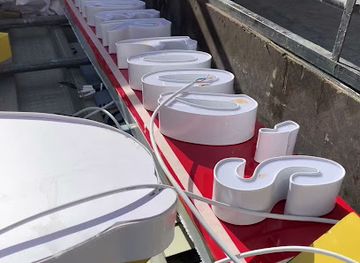
Best shops in Soummam Valley
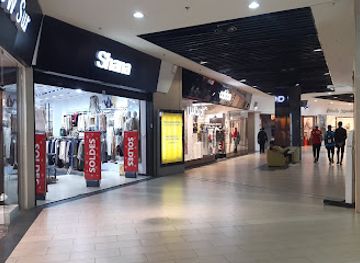
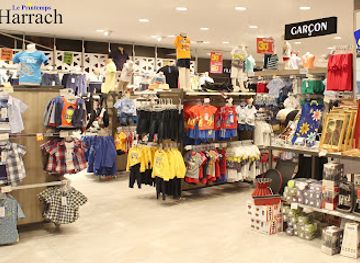
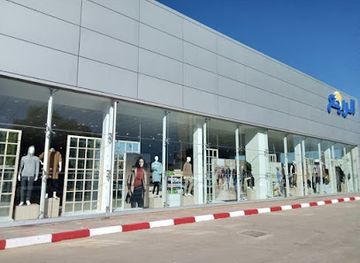
Shopping in the Soummam Valley is centred on everyday markets, independent provision shops and the commercial streets of towns such as Akbou, Sidi Aïch, Ouzellaguen and El Kseur. Fresh produce reflects the surrounding orchards and small farms, with olives, olive oil, figs, citrus fruit, honey and seasonal goods appearing according to the agricultural calendar. Béjaïa offers the widest selection of shops, food products, household goods, clothing and souvenirs, while village markets are more useful for observing local commerce than for finding a curated craft district. Kabyle-inspired jewellery, woven articles, pottery and decorative objects may be available, but quality and provenance vary, so buy directly from a maker or well-regarded local seller when possible. Packaged regional foods are practical gifts, provided they can be carried through customs. Bargaining is not appropriate everywhere; ask the vendor or observe local practice, and do not photograph market stalls or craftspeople without permission.
-
Shopping mall
Bab Ezzouar Mall
Explore Bab Ezzouar Mall, a premier shopping destination in Algiers, offering a blend of local and international brands, dining, and entertainment.
-
Clothing store
Le Printemps Mohammadia
Discover the latest fashion trends and unique local products at Le Printemps Mohammadia, a premier clothing and department store in Algeria.
-
Shopping mall
Le Printemps Blida
Discover Le Printemps Blida, where shopping meets culture in the heart of Algeria's vibrant city, offering diverse retail and dining experiences.
-
Gift shop
Mersem amore e mentalita
Discover unique Algerian gifts at Mersem Amore e Mentalita, a charming shop in the historic Casbah of Algiers, perfect for souvenirs and local crafts.
Get your free copy of our complete guide to Soummam Valley, delivered straight to you.
Everything on this page, from attractions and restaurants to essentials and local phrases, in one PDF you can read offline, print or share.
Already have an account? Sign in
Your Soummam Valley guide is ready.
We'll send it to · Not you? Sign out

Getting your guide ready…
We are putting together a fresh copy of the Soummam Valley guide. This can take up to a minute.
This can take a few moments. If your browser asks, choose Allow so the download can start. You'll find the guide in your Downloads folder.
Nothing happened? Download it again
Sorry, the guide is taking longer than usual. Please try again in a minute, or get it by email instead.
Soummam Valley essentials
Currency and Payment
Safety
Emergency Situations
Do's and Don'ts
Local Tips
From Eve
Local phrases worth knowing
You don't need to get them perfect. A few words go a long way, and locals appreciate the effort.
Basics
| English | Local | Say it |
|---|---|---|
| Hello | سلام | [Salam] |
| Goodbye | وداعا | [Wada'an] |
| Yes | نعم | [Na'am] |
| No | لا | [La] |
| Please/You're welcome | من فضلك | [Min fadlik] |
| Thank you | شكرا | [Shukran] |
| Excuse me/Sorry | عفوا | [Afwan] |
| How are you? | كيف حالك؟ | [Kayfa halak?] |
| Fine. And you? | بخير. وأنت؟ | [Bikhayr. Wa anta?] |
| Do you speak English? | هل تتحدث الإنجليزية؟ | [Hal tatahaddath al-ingliziya?] |
| I don't understand | لا أفهم | [La afham] |
Eating & Drinking
| English | Local | Say it |
|---|---|---|
| I'd like to see the menu, please | أود رؤية القائمة، من فضلك | [Awad ru'yat al-qa'ima, min fadlik] |
| I don't eat meat | لا آكل اللحم | [La akul al-lahm] |
| Cheers! | في صحتك! | [Fi sihtak!] |
| I would like to pay, please | أود الدفع، من فضلك | [Awad al-daf' min fadlik] |
Emergencies
| English | Local | Say it |
|---|---|---|
| Help! | مساعدة! | [Musa'ada!] |
| Go away! | اذهب بعيدا! | [Idhhab ba'id!] |
| Call the Police! | اتصل بالشرطة! | [Ittasil bil-shurta!] |
| Call a doctor! | اتصل بالطبيب! | [Ittasil bil-tabeeb!] |
| I'm lost | أنا ضائع | [Ana da'i'] |
| I'm ill | أنا مريض | [Ana marid] |
Shopping
| English | Local | Say it |
|---|---|---|
| I'd like to buy... | أود شراء... | [Awad shira'] |
| I'm just looking | أنا فقط أبحث | [Ana faqat abhas] |
| How much is it? | كم ثمنه؟ | [Kam thamanuh?] |
| That's too expensive | هذا غالي جدا | [Hatha ghali jidan] |
| Can you lower the price? | هل يمكنك تخفيض السعر؟ | [Hal yumkinuka takhfid al-si'r?] |
Time & Numbers
| English | Local | Say it |
|---|---|---|
| What time is it? | كم الساعة؟ | [Kam al-sa'ah?] |
| It's one o'clock | الساعة الواحدة | [Al-sa'ah al-wahidah] |
| Half past (10) | نصف بعد (10) | [Nisf ba'd (10)] |
| Morning | صباحا | [Sabahan] |
| Afternoon | بعد الظهر | [Ba'd al-zuhar] |
| Evening | مساء | [Masa'a] |
| Yesterday | أمس | [Ams] |
| Today | اليوم | [Al-yawm] |
| Tomorrow | غدا | [Ghadan] |
| 1 | واحد | [Wahid] |
| 2 | اثنان | [Ithnan] |
| 3 | ثلاثة | [Thalatha] |
| 4 | أربعة | [Arba'a] |
| 5 | خمسة | [Khamsa] |
| 6 | ستة | [Sitta] |
| 7 | سبعة | [Sab'a] |
| 8 | ثمانية | [Thamaniya] |
| 9 | تسعة | [Tis'a] |
| 10 | عشرة | [Ashara] |
Transport & Directions
| English | Local | Say it |
|---|---|---|
| Where's a/the...? | أين هو/هي ...؟ | [Ayna huwa/hiya ...?] |
| What's the address? | ما هو العنوان؟ | [Ma huwa al-unwan?] |
| Can you show me (on the map)? | هل يمكنك أن تريني (على الخريطة)؟ | [Hal yumkinuka an turini (ala al-kharita)?] |
| When's the next (bus)? | متى يأتي (الحافلة) التالية؟ | [Mata yati (al-hafila) al-taliya?] |
| A ticket (to ....) | تذكرة (إلى ...) | [Tathkara (ila ...)] |
History of Soummam Valley
Early settlement and ancient Kabylie
The mountains and river terraces of the Soummam basin have supported settlement and agriculture for many centuries. Although the valley is not defined by one single archaeological complex, its pattern of villages, cultivated slopes and routes between the interior and the coast reflects a long history of human movement. Ancient communities in the wider Kabylie and Béjaïa area used the valleys as passages through difficult terrain, while olive cultivation and small-scale farming became enduring features of the regional economy.
Roman influence and Saldae
Roman power reached the lower Soummam region through Saldae, the ancient city located at the site of modern Béjaïa. The port connected the coastal outlet of the valley with wider Mediterranean networks, while roads and agricultural settlement extended Roman influence inland. Surviving Roman remains are more concentrated around the Béjaïa area than along the upper valley itself, but the period established the importance of this corridor between the coast and the Kabyle interior.
The Hammadid capital at Béjaïa
In the eleventh and twelfth centuries, Béjaïa became the capital of the Hammadid dynasty and one of the leading cities of the central Maghreb. Its port supported trade, scholarship and diplomatic connections across the Mediterranean. The city was associated with mathematicians, physicians and religious scholars, and its prosperity influenced the surrounding Soummam corridor. Béjaïa's medieval importance remains central to understanding why the valley connected a mountainous hinterland with an internationally significant urban and maritime centre.
Spanish, Ottoman and local power
Béjaïa and the surrounding region experienced political change after the medieval Hammadid period. Spanish forces occupied Béjaïa in the sixteenth century, before Ottoman authority became established in much of northern Algeria. In the mountain communities and valley settlements, local institutions, village structures and agricultural economies continued to shape everyday life alongside wider imperial administration. This layered history helps explain the region's combination of Mediterranean connections and strong local identities.
French colonial rule and the transformation of the valley
French conquest in the nineteenth century brought new administrative structures, roads, commercial systems and agricultural policies to Kabylie and the Soummam basin. Béjaïa's port gained renewed economic importance, while transport links made it easier to move agricultural products between the interior and the coast. Colonial rule also disrupted existing landholding and social arrangements. The modern road corridor and some urban forms in the valley should therefore be read within a history of both infrastructure development and political domination.
The Soummam Conference, 1956
On 20 August 1956, leaders of the National Liberation Front met at Ifri in the Ouzellaguen area during the Algerian War of Independence. The Soummam Conference sought to organise the revolutionary movement, clarify political and military responsibilities and establish a framework for the struggle against French rule. Its location in the Kabyle interior reflected the strategic role of the valley's mountains and villages. The Ifri memorial site preserves the memory of an event regarded as foundational to modern Algerian state history.
Post-independence mobility and cultural continuity
Since Algerian independence in 1962, the Soummam Valley has experienced population growth, road expansion, migration and increasing connections between rural settlements, Béjaïa and other Algerian cities. Agriculture remains visible in orchards and olive groves, although households also depend on commerce, public employment, industry and remittances. Kabyle language, music and village institutions continue to contribute to the region's cultural identity, while newer construction and changing transport patterns have reshaped the valley's towns.
Soummam Valley in Photos
Browse through our photo collection highlighting the charm and character of the destination.
Neighbouring regions of Soummam Valley
The closest regions to Soummam Valley, if you have time for more than one.
-

-

-

-

-


Swipe for more regions
Explore more
Explore more of Algeria
Discover Algeria: A captivating blend of ancient history, stunning landscapes, and vibrant culture. From the Sahara desert to Mediterranean coasts, adventure awaits.
Explore Algeria