
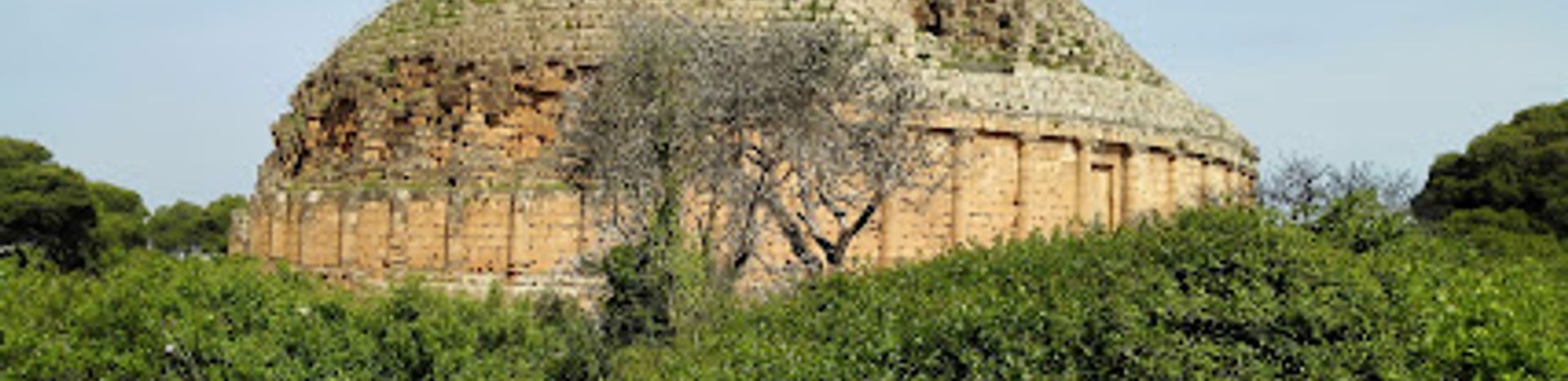
Royal Mausoleum of Mauritania: A Majestic Echo of Antiquity
Explore the Royal Mausoleum of Mauritania, an ancient monument blending Numidian and Roman architecture, steeped in the legends of Cleopatra's daughter.
The Royal Mausoleum of Mauritania, near Sidi Rached, Algeria, is an imposing funerary monument dating back to 3 BC. Likely built by King Juba II and Queen Cleopatra Selene II, it stands as a testament to Numidian Berber architecture and Roman influence, offering a glimpse into a fascinating royal history.
A brief summary to Royal Mausoleum of Mauritania
- HHF3+X3Q, Sidi Rached, DZ
- Monday 9 am-7:30 pm
- Tuesday 9 am-7:30 pm
- Wednesday 9 am-7:30 pm
- Thursday 9 am-7:30 pm
- Friday 9 am-7:30 pm
- Saturday 9 am-7:30 pm
- Sunday 9 am-7:30 pm
Local tips
- Visit early in the morning or late in the afternoon to avoid the midday heat and enjoy a more peaceful experience.
- Wear comfortable shoes, as the terrain around the mausoleum can be uneven.
- Bring a camera to capture the stunning architecture and beautiful surroundings.

Getting There
-
Car
If driving from Algiers, head west towards Tipaza. From the center of Sidi Rached, take Route N5 southeast for approximately 10 km. The mausoleum is located at HHF3+X3Q, Sidi Rached, and is well-marked on local maps. Parking is available near the site.
-
Public Transport
To reach the Royal Mausoleum by public transport, take a local bus from Algiers to Sidi Rached. From the bus station in Sidi Rached, you can walk or take a taxi to the mausoleum. The walk is approximately 2 km. A taxi ride will cost around 200 DZD.
Discover more about Royal Mausoleum of Mauritania
Iconic landmarks you can’t miss

Al djazira, l’île,الجزيرة
3.6 km
Explore Al Djazira in Aïn Tagourait: Where ancient history meets stunning Mediterranean scenery, offering a unique Algerian cultural experience.

NUMIDIA Parc
14.3 km
Discover NUMIDIA Parc in Hadjout: A blend of nature, history, and family fun in Algeria's Tipaza Province. Perfect for a day of adventure and relaxation.
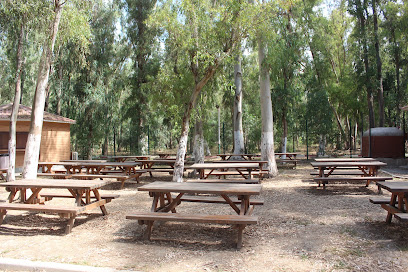
Aqueduc de oued el bellaa
28.5 km
Explore the ancient Roman Aqueduc de Oued El Bellaa near Cherchell, Algeria, a testament to Roman engineering and enduring history.
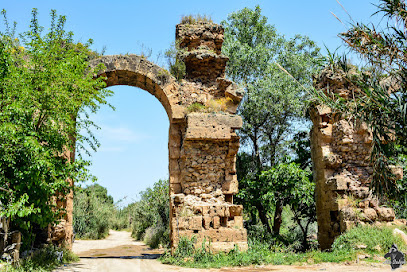
Atlas Memoria
33.3 km
Enjoy diverse flavors at Atlas Memoria in Chréa, Algeria. From juicy burgers to savory pizzas, experience a culinary haven amidst stunning landscapes.
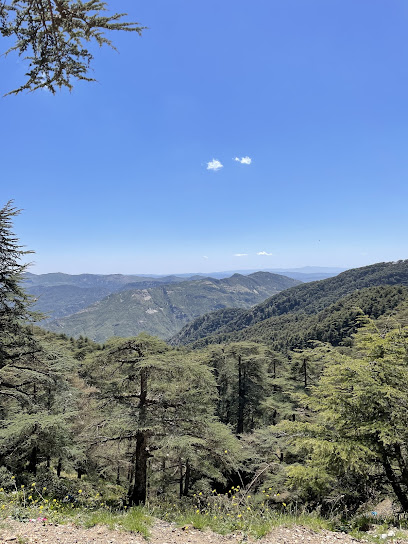
Chrea National park Museum
33.9 km
Discover Algeria's natural wonders at Chrea National Park Museum, a gateway to the region's unique zoological heritage and conservation efforts.
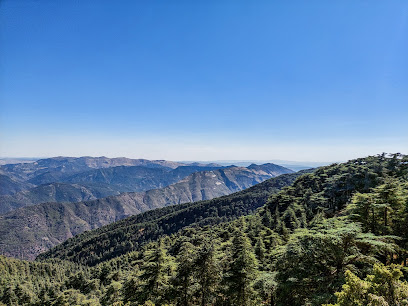
Source de Chréa - منبع شريعة
34.6 km
Discover Source de Chréa in Algeria's Chréa National Park: breathtaking views, serene trails, and a tranquil escape into nature.
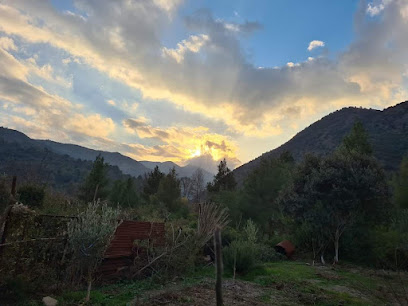
Chrea Mountains
35.5 km
Discover the breathtaking beauty of the Chrea Mountains: hiking trails, winter sports, and cultural experiences await in Algeria's natural paradise.
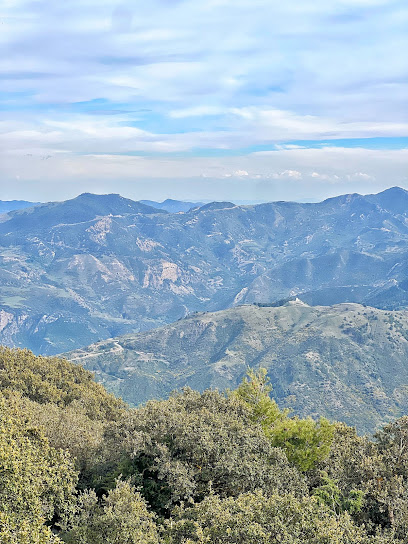
The Black Forest
36.7 km
Discover Algeria's hidden gem: The Black Forest in Chrea National Park offers serene hiking trails and stunning natural beauty.
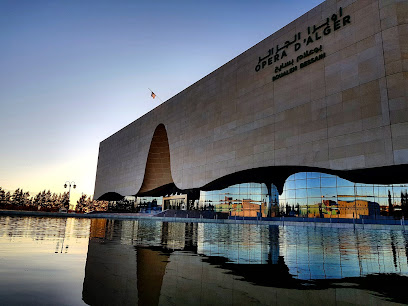
Algiers Opera House
38.2 km
Experience world-class performances at the Algiers Opera House, a modern architectural gem and vibrant cultural center in Ouled Fayet, Algeria.
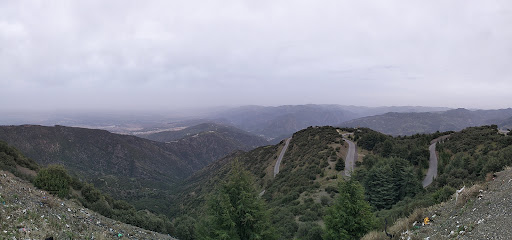
Route de Chréa
38.9 km
Journey through breathtaking landscapes on Route de Chréa, the scenic gateway to Chréa National Park's alpine beauty and outdoor adventures.
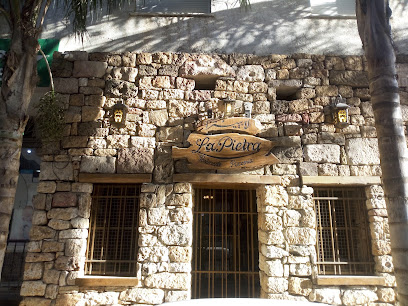
La Pietra
39.2 km
Experience authentic Italian cuisine at La Pietra in Baba Hassen, Algiers, with handmade pasta, wood-fired pizzas, and a cozy, elegant atmosphere.
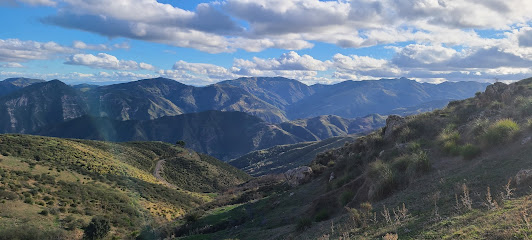
Atlas de Blida
43.7 km
Discover the breathtaking Atlas de Blida in Hammam Melouane: panoramic views, serene landscapes, and a refreshing mountain escape.
Place LAPERRINE
47.5 km
Experience the vibrant heart of Hydra at Place LAPERRINE: culture, cafes, and stunning architecture await in this Algerian town square.
Place EL QODS
47.5 km
Experience the vibrant atmosphere of Place El Qods in Hydra, Algiers, a cultural hub blending history and modernity. A must-see destination!
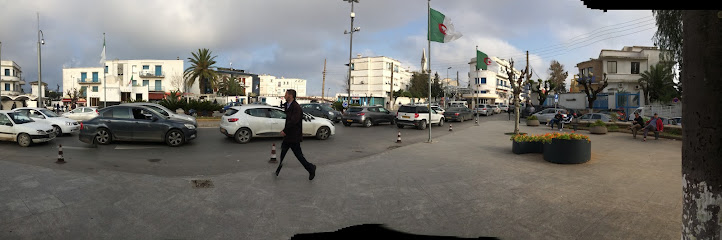
مسجد القدس
47.6 km
Discover Masjid Al-Quds in Algiers: A serene mosque in Hydra, blending Islamic art with modern architecture for a peaceful cultural experience.
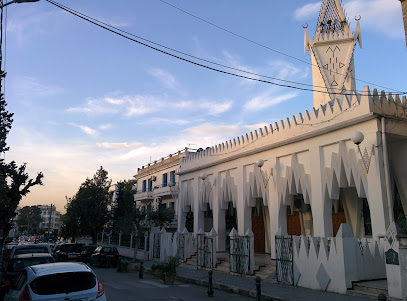
Unmissable attractions to see

Tipaza
9.0 km
Explore Tipaza, Algeria: Uncover ancient ruins, relax on pristine beaches, and discover a blend of history and natural beauty on the Mediterranean coast.
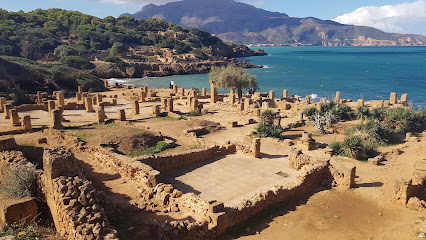
Chenoua Corniche
14.0 km
Discover the stunning Chenoua Corniche in Tipaza, Algeria: where breathtaking Mediterranean views meet rich Berber history and ancient Roman ruins.
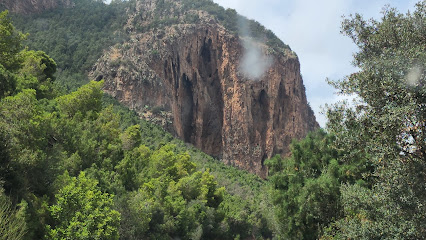
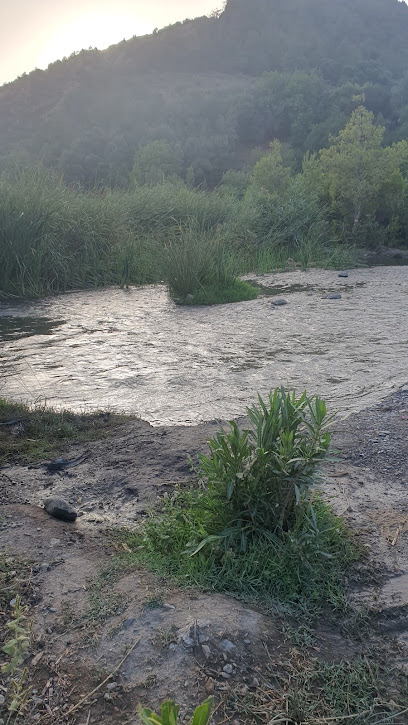
Oued
20.0 km
Discover Oued in Aïn Romana: A serene river oasis offering relaxation, nature walks, and a peaceful escape in a lush Algerian landscape.
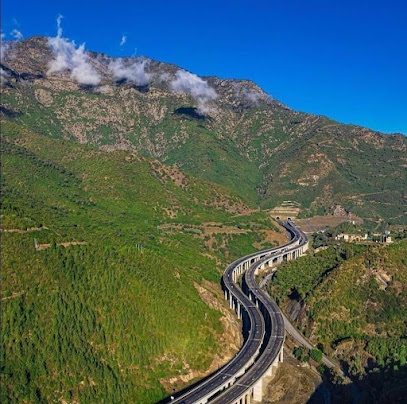
Tunnel Les Gorges de la Chiffa
26.0 km
Enter a world of towering cliffs, lush landscapes, and serene river views at the gateway to Chiffa Gorges, Algeria.
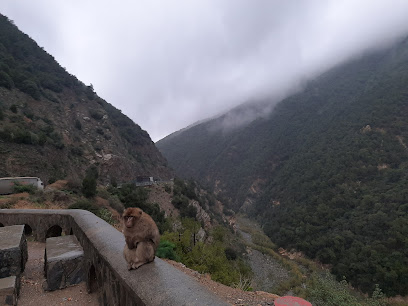
Ruisseau Des Singes
27.0 km
Discover the enchanting Ruisseau Des Singes in Chiffa Gorge, Algeria, where playful Barbary macaques roam freely amidst stunning natural beauty.
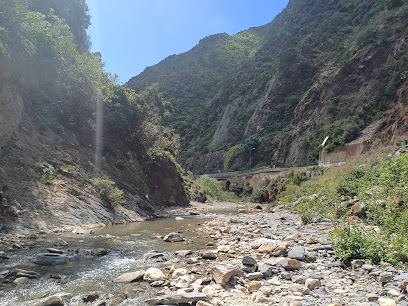
Les Gorges De La Chiffa
28.9 km
Discover dramatic cliffs, lush trails, and serene riverbanks at Les Gorges De La Chiffa, a natural paradise near Blida, Algeria.
مكان سياحي
29.2 km
Explore Chiffa, Algeria's hidden tourist attraction, where stunning landscapes and rich culture await every traveler.
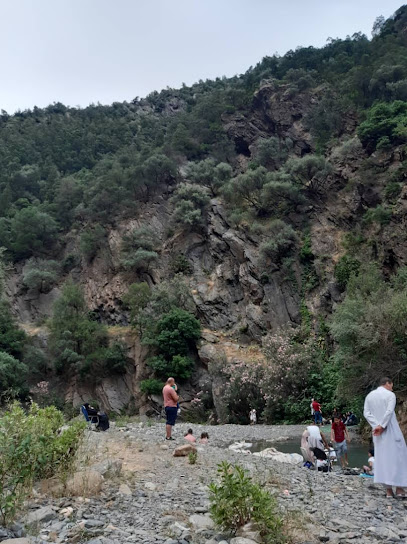
الجنان
30.2 km
Escape to the serene الجنان Gardens in Blida, where tranquil landscapes and vibrant flora create a perfect retreat for relaxation and recreation.
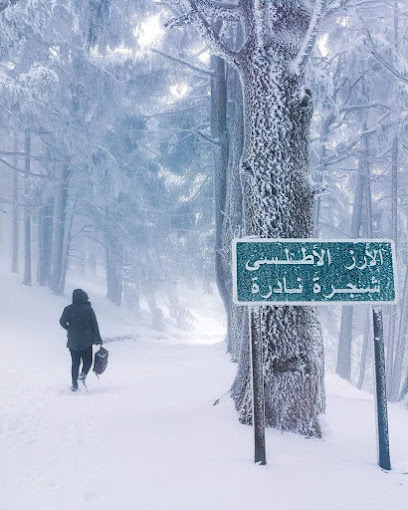
Tarik daya
31.9 km
Escape to Tarik Daya in Médéa: A picturesque haven of natural beauty, perfect for picnics, camping, and tranquil relaxation.
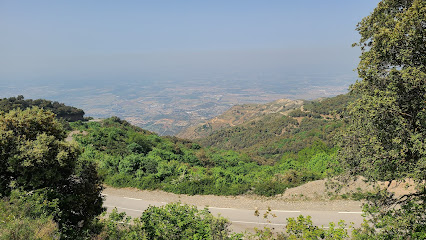
كوخ Gar Douali Mohammad
32.3 km
Discover tranquility in Chrea at كوخ Gar Douali Mohammad, a serene escape surrounded by stunning mountain landscapes and rich Algerian culture.
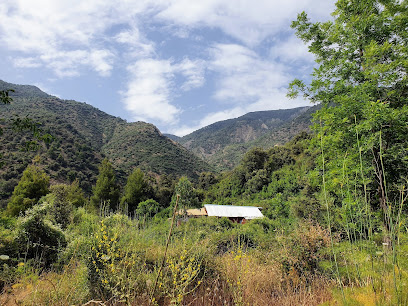
المرجة
32.3 km
Discover المرجة (Al-Merja) in Chrea National Park: a tranquil Algerian escape with stunning mountain views and rich natural beauty.
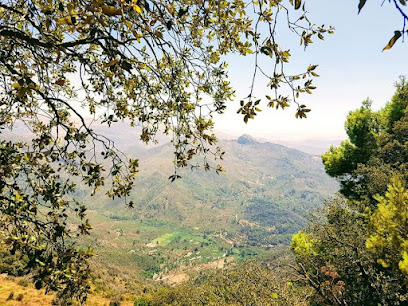
Archeological Public Museum of Cherchell
32.5 km
Discover ancient Roman and Greek treasures at the Archeological Public Museum of Cherchell, a cultural gem on Algeria's Mediterranean coast.
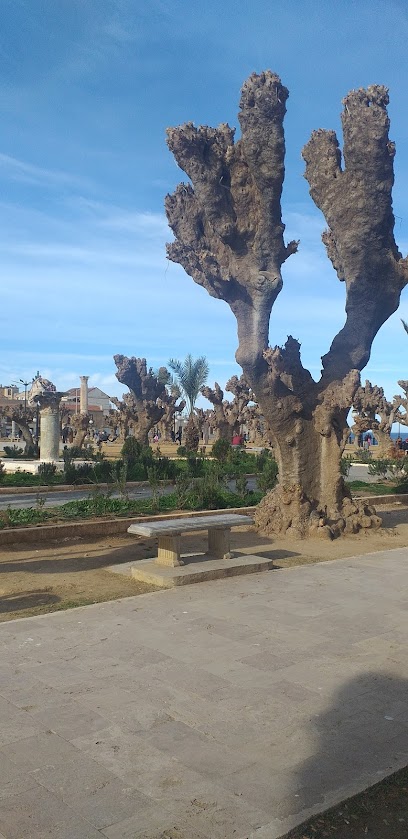
عرش اث صالح
32.5 km
Discover panoramic views from the Throne of Sahloul in Chrea National Park, a serene escape into Algeria's natural beauty.
Chrea National Park
33.0 km
Discover Algeria's natural beauty at Chrea National Park: hiking, skiing, cedar forests, and unique wildlife await in the Blida Atlas Mountains.
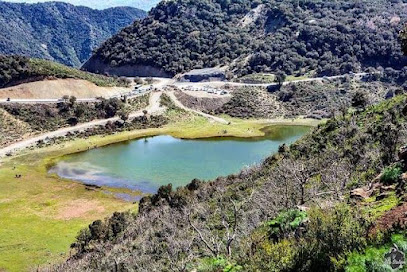
Cascades Zondayy
33.6 km
Discover Cascades Zondayy in El Hamdania: a beautiful park with tranquil waterfalls, lush landscapes, and a serene escape for nature lovers.
Essential places to dine

Restaurant Mon Plaisir
2.1 km
Discover exquisite seafood dining at Restaurant Mon Plaisir in Sidi Rached - where fresh flavors meet stunning coastal views.
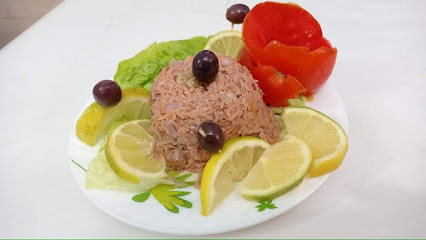
Fontaine d'Or
7.5 km
Experience the finest Algerian cuisine at Fontaine d'Or in Tipaza – where elegance meets tradition.
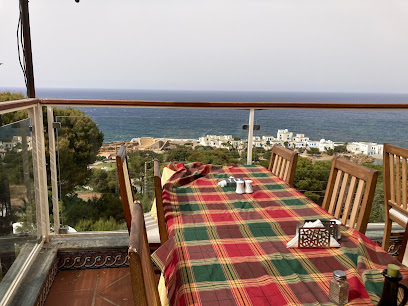
Fouked's restaurant
18.5 km
Experience the best seafood in Fouka at Fouked's Restaurant, where local flavors meet breathtaking coastal views.
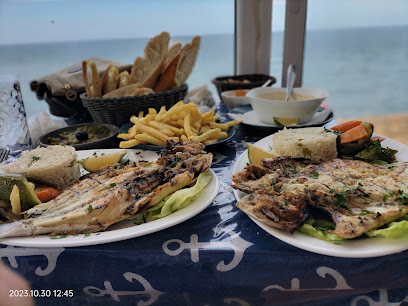
Restaurant El Djoudi
24.0 km
Experience authentic Algerian cuisine in a family-friendly atmosphere at Restaurant El Djoudi along the scenic Trans-Sahara Highway.
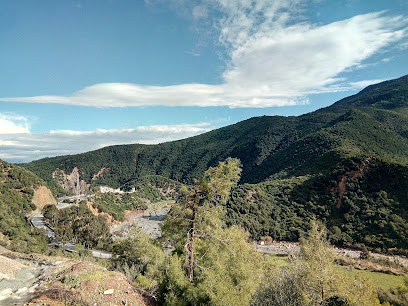
Mezzaluna pizza
26.2 km
Savor authentic Italian pizza at Mezzaluna Pizza in Blida – where fresh ingredients meet culinary excellence.
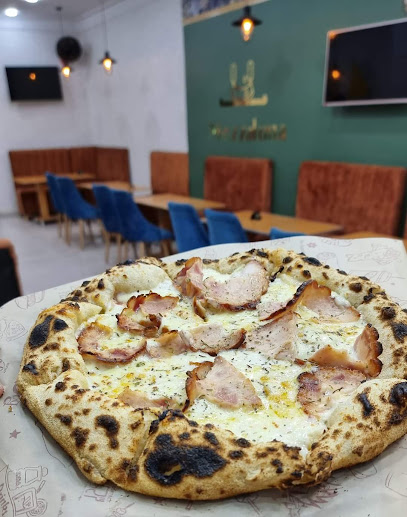
Il goloso al pasto restaurant
26.5 km
Discover authentic Algerian flavors at Il Goloso al Pasto in Blida - where every dish tells a story of culinary tradition.
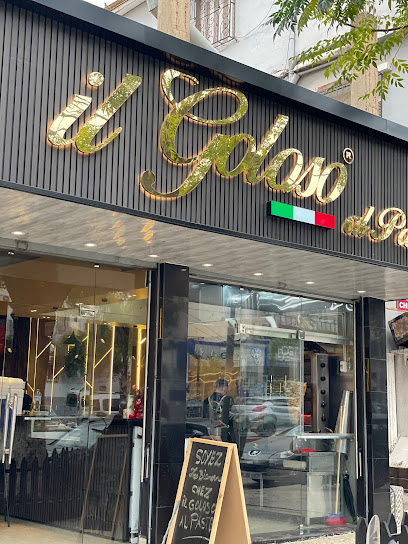
LÀLuce لالوتشي
26.7 km
Experience authentic Algerian cuisine at LÀLuce لالوتشي in Blida – where tradition meets modern culinary artistry.
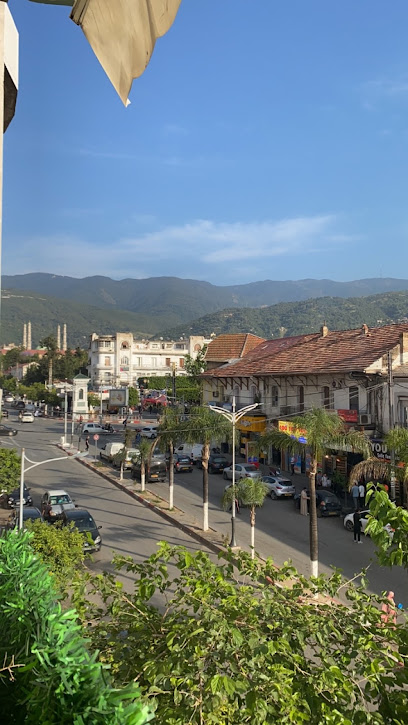
Restaurant Amis de Blida
26.8 km
Discover the warmth of Algerian hospitality at Restaurant Amis de Blida - a family-friendly haven for delicious local cuisine.
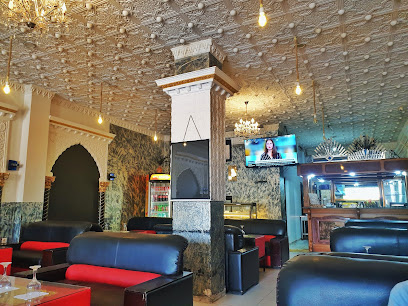
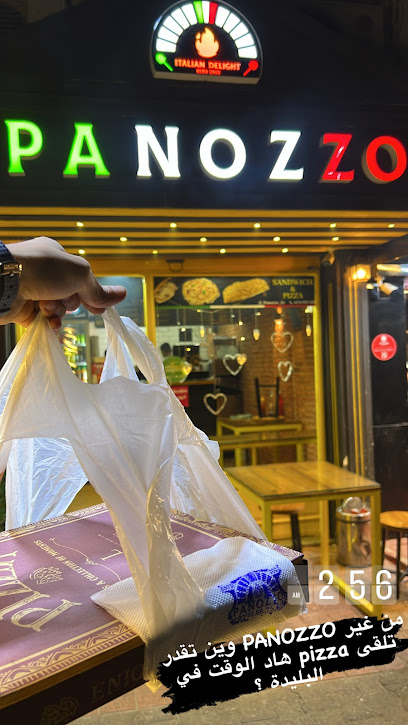
Panozzo
27.3 km
Discover the authentic taste of Italy at Panozzo in Blida – where every slice tells a story.
Sardine top
27.6 km
Discover Sardine Top in Beni Merad - where delightful brunches meet local charm and scenic views.
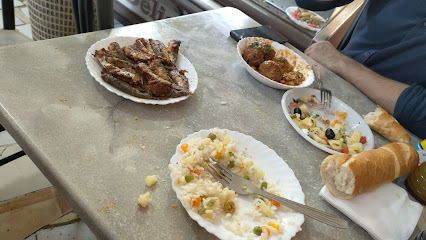
Restaurant club Hippique Mitidja
27.6 km
Experience the essence of Algerian cuisine at Restaurant Club Hippique Mitidja in Blida – where culinary tradition meets modern dining.
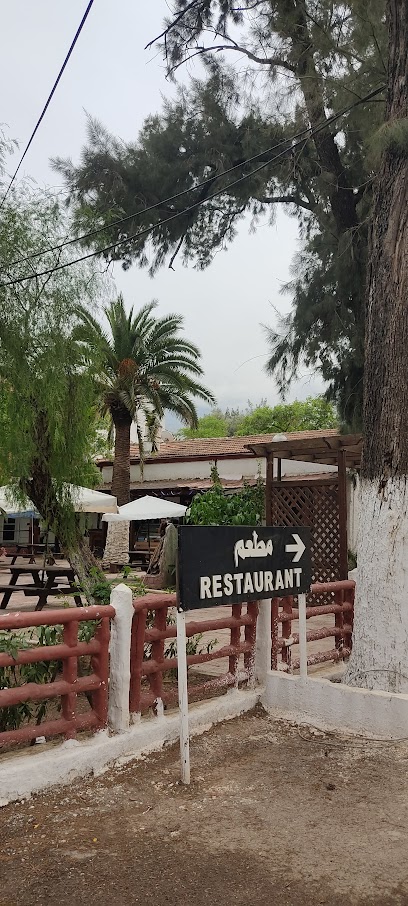
Tassili thé
29.9 km
Experience authentic Algerian culture at Tassili Thé, a charming traditional teahouse offering exquisite teas and delightful pastries.
Restaurant Lambadia Medea
31.6 km
Discover authentic Algerian cuisine at Restaurant Lambadia Medea in Boufarik—where tradition meets flavor in every dish.
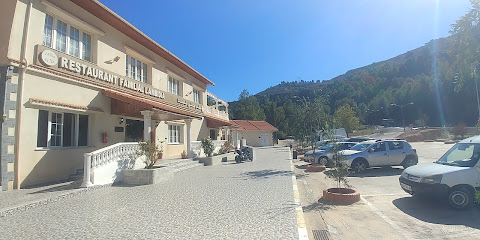
restaurant lechef
32.1 km
Discover unique flavors at Restaurant LeChef in Boufarik, where eclectic dishes meet a warm atmosphere for an unforgettable dining experience.
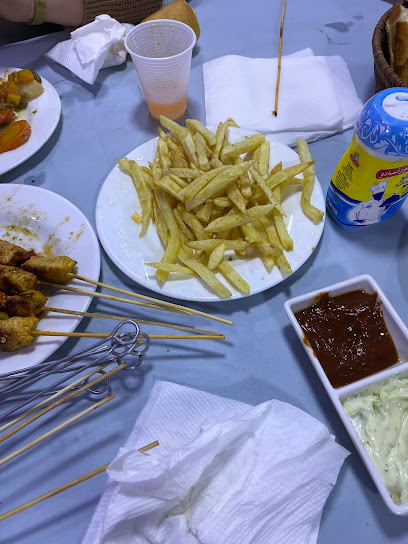
Chrea
33.3 km
Experience authentic pizza in Chrea, Algeria's hidden gem amidst stunning landscapes and warm hospitality.
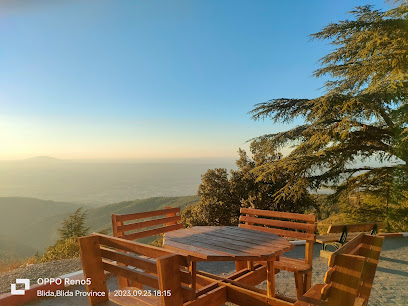
Markets, malls and hidden boutiques

Boutique Sid Ali نظارات ساعات عطور و فضة
14.1 km
Explore Boutique Sid Ali in Hadjout for exquisite watches, perfumes, and silver jewelry, perfect for unique gifts and souvenirs.
Boutique nour
17.1 km
Discover unique Algerian crafts and souvenirs at Boutique Nour, a charming gift shop in the heart of Mouzaïa, perfect for all tourists.
Salman Shop Zaouia
23.7 km
Explore the unique offerings of Salman Shop Zaouia, where local craftsmanship meets delightful home goods in the heart of Beni Tamou.
Grand Top Shop
24.7 km
Explore the vibrant flavors of Algeria at Grand Top Shop in Blida, a supermarket offering local and international culinary delights.
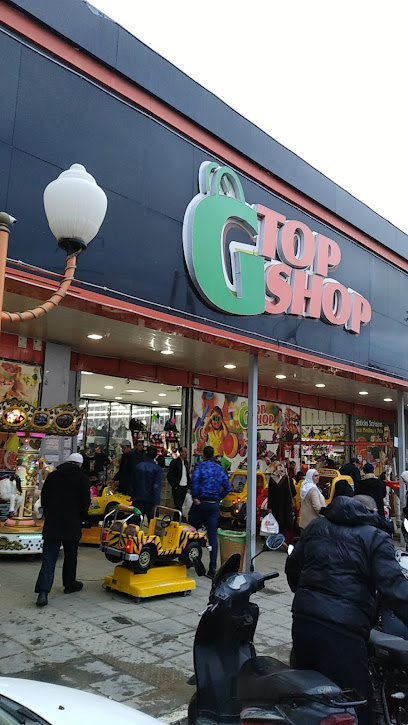
Dz Girl Shop
24.9 km
Explore the vibrant fashion scene at Dz Girl Shop in Blida, where local culture meets unique style in every piece of clothing.
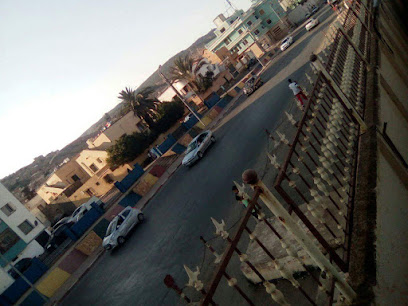
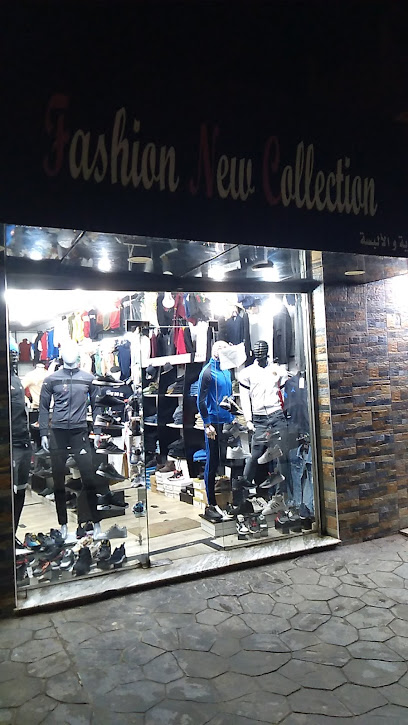
Fashion New collection
25.0 km
Explore Fashion New Collection in Blida for stylish clothing, trendy accessories, and a unique shopping experience in Algeria.
Princess shop blida الاميرة شوب البليدة
25.0 km
Explore stylish women's fashion at Princess Shop Blida, the ultimate shopping destination in Algeria for unique and elegant clothing.
Top Shop
25.0 km
Explore the vibrant fashion scene at Top Shop, a premier clothing store in Blida, where style meets local culture.
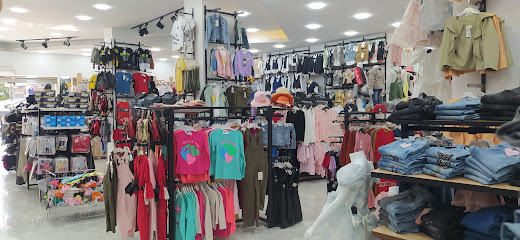
Radjoua Shop
25.1 km
Shop unique and stylish clothing for all ages at Radjoua Shop in Blida, a favorite among locals and tourists alike.
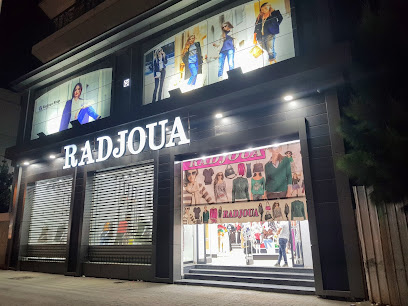
Boutique prestige blida
25.2 km
Experience the vibrant local fashion scene at Boutique Prestige Blida, a unique clothing store blending tradition and modernity in the heart of Algeria.
MITIDJA BUREAUTIQUE
25.5 km
Explore the enchanting MITIDJA BUREAUTIQUE in Blida for unique home goods that reflect the rich Algerian craftsmanship and artistry.
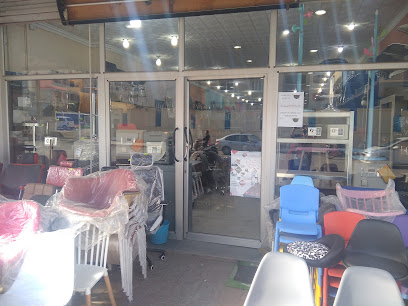
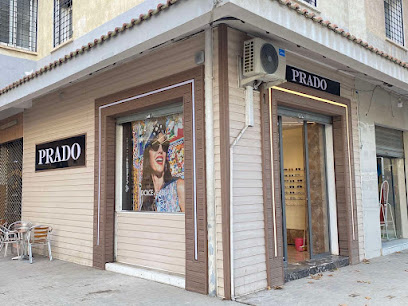
Prado blida
26.0 km
Shop stylish sunglasses in Blida at Prado Blida, where fashion meets protection under the Algerian sun.
Heliana luxury fashion
26.0 km
Explore Heliana Luxury Fashion in Blida, where style meets elegance in a stunning array of women's clothing and accessories.
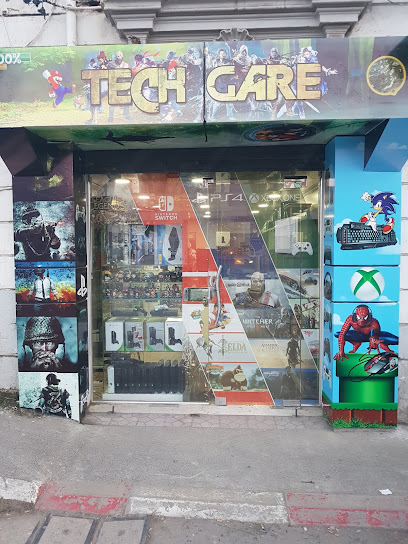
Tech Gare
26.1 km
Explore Tech Gare in Blida, where gaming culture thrives with an extensive selection of video games, collectibles, and custom merchandise.
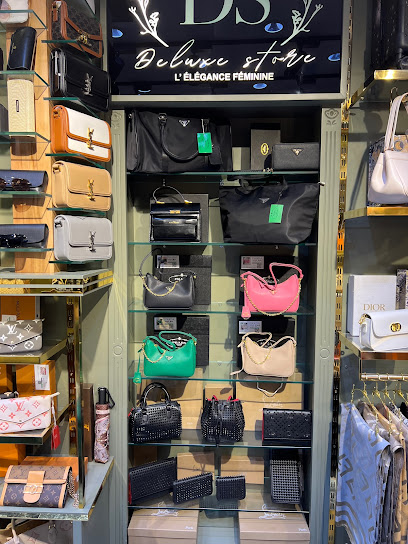
Deluxe Store, Blida
26.3 km
Explore the authentic treasures at Deluxe Store, Blida - a gift shop brimming with local crafts and unique souvenirs that embody Algerian culture.
Essential bars & hidden hideouts

بيرار
5.9 km
Discover the vibrant nightlife at بيرار, a local bar in Aïn Tagourait, perfect for enjoying drinks and mingling with fellow travelers.
ف
11.1 km
Experience the vibrant nightlife of Bouharoun in this cozy bar, perfect for relaxation and socializing with locals and travelers alike.
محلات حسيسن
16.7 km
Experience the vibrant nightlife at محلات حسيسن, a perfect bar in Oued Djer for travelers seeking local flavors and entertainment.
FIVE BOY'S
21.1 km
Experience authentic Italian pizza at FIVE BOY'S in Chiffa, where every bite is a taste of Italy in a welcoming atmosphere.
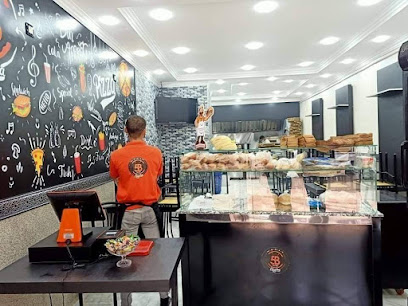
La zone rouge
23.9 km
Experience the vibrant nightlife of Béni Tamou at La Zone Rouge, a bar blending local culture with a lively, welcoming atmosphere.
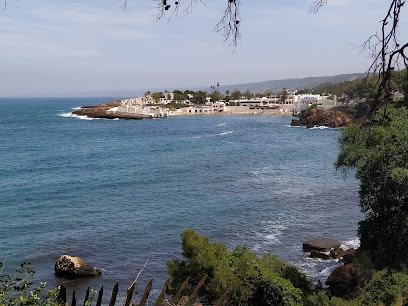
Mc Cheese
24.4 km
Experience the best comfort food at Mc Cheese in Blida, where delicious flavors and a cozy atmosphere await every traveler.
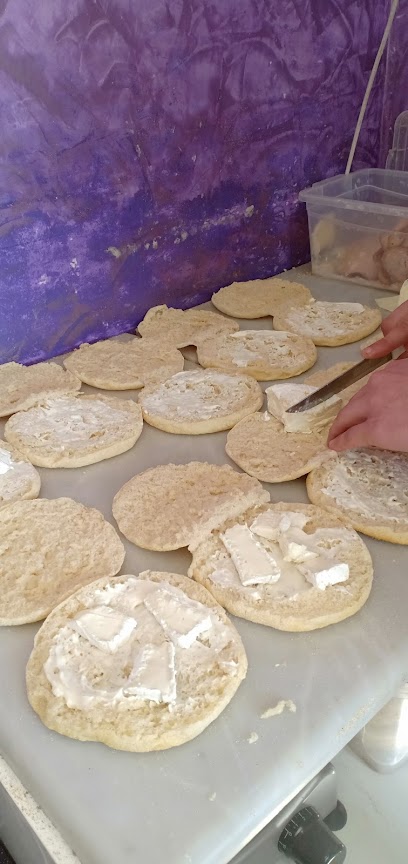
La metidja
26.1 km
Discover the authentic flavors of Algeria at La Metidja, Blida's premier restaurant for traditional and modern cuisine.
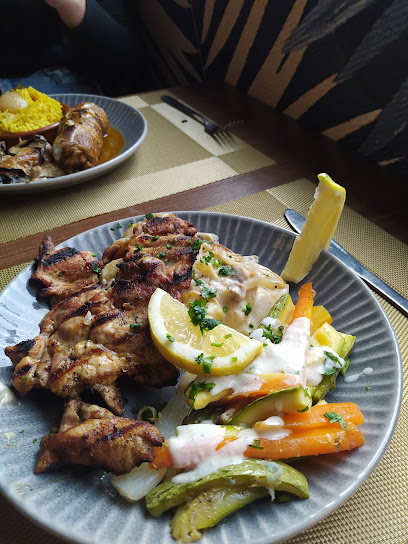
Mc cool boulevard
26.1 km
Experience the best of Blida with delicious pizzas at Mc Cool Boulevard, where flavor meets atmosphere in a cozy setting.
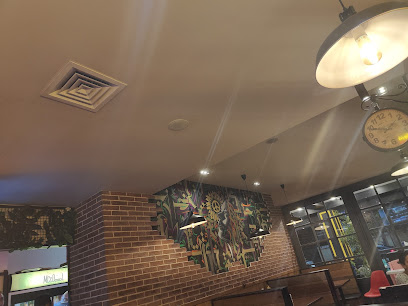
Sweet O’clock
26.2 km
Savor the exquisite flavors of Sweet O’clock, Blida's premier crêperie, where every crêpe is a delightful culinary experience.
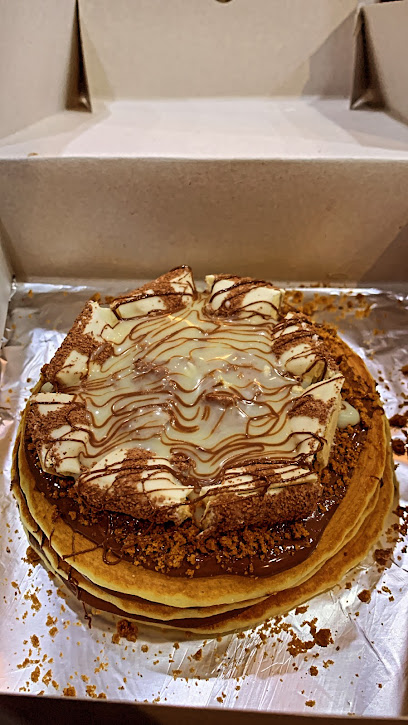
Cloud
26.2 km
Discover the essence of Algerian cuisine at Cloud Restaurant in Blida, where every dish is a celebration of local flavors and culinary artistry.
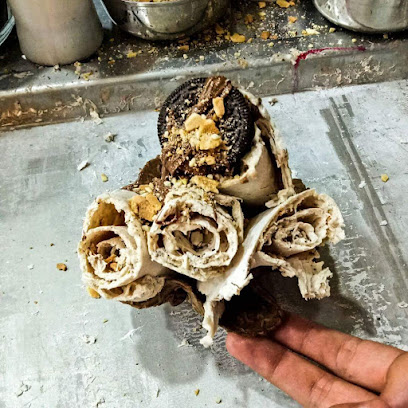
Cheese house
27.2 km
Discover the authentic taste of Italy at Cheese House, Blida's premier pizzeria offering delicious pizzas in a cozy setting.
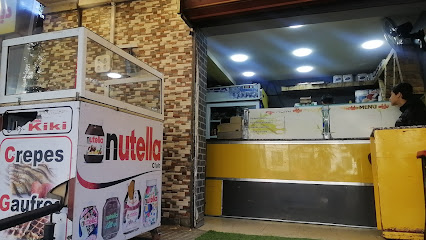
كويشي
27.5 km
Experience the rich flavors of Algeria at Kouishi, a beloved restaurant in Blida offering authentic dishes that celebrate local culinary traditions.
جوجلة
28.9 km
Savor the flavors of Algeria at Jojla, where every meal is a delectable journey through the culinary traditions of Blida.
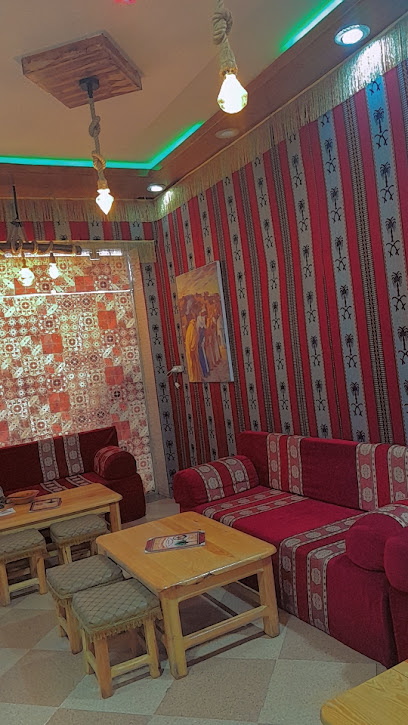
بشير سي محند
29.8 km
Experience the lively ambiance of بشير سي محند in Zeralda, where local culture meets refreshing drinks in a vibrant bar setting.
Rosa Resto
30.6 km
Experience the authentic flavors of Algeria at Rosa Resto, a charming restaurant in Blida known for its delicious cuisine and warm hospitality.
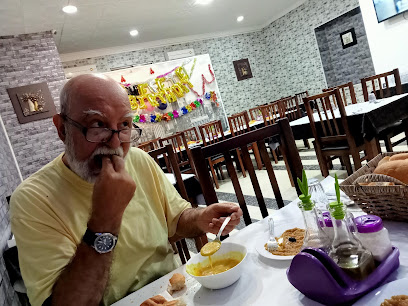
Nightclubs & after hour spots

Disco djamal
7.5 km
Discover the essence of Algerian nightlife at Disco Djamal, a lively cabaret club in Attatba, offering unforgettable music and dance experiences.
Location des chaises achref
24.4 km
Dive into the nightlife at Location des chaises achref, Béni Tamou's ultimate night club for dancing, drinks, and vibrant social experiences.
Eight Club B
24.8 km
Discover the vibrant atmosphere of Eight Club B, Blida's premier pool hall, where fun meets friendly competition.
Nn
25.6 km
Experience the vibrant nightlife at Nn, a lively bar in Blida, offering a unique blend of local culture and refreshing beverages.
بار
27.4 km
Discover Blida's lively bar scene, where local culture and nightlife blend seamlessly for an unforgettable experience in Algeria.
Metidja Equestrian Club Blida
27.6 km
Experience the thrill of horseback riding in the picturesque landscapes of Blida at Metidja Equestrian Club, a perfect blend of adventure and nature.
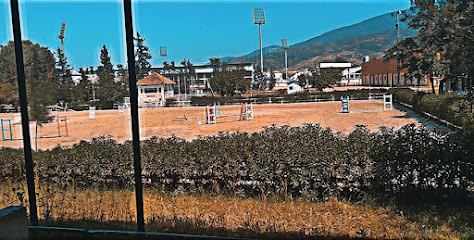
محمد دمينو
27.7 km
Discover the charming ambiance of محمد دمينو, a bar in Blida that offers a unique blend of local culture and vibrant nightlife for tourists.
Cabine club night
30.0 km
Discover the lively spirit of Zéralda at Cabine Club Night, where local culture meets vibrant entertainment in a unique setting.
Tanit
30.7 km
Dive into the vibrant nightlife of Zeralda at Tanit, a premier night club featuring eclectic music and an energetic atmosphere.
Sky club chrea
33.7 km
Discover the beauty and adventure of Sky Club Chrea, a natural playground perfect for families and nature enthusiasts in Algeria.
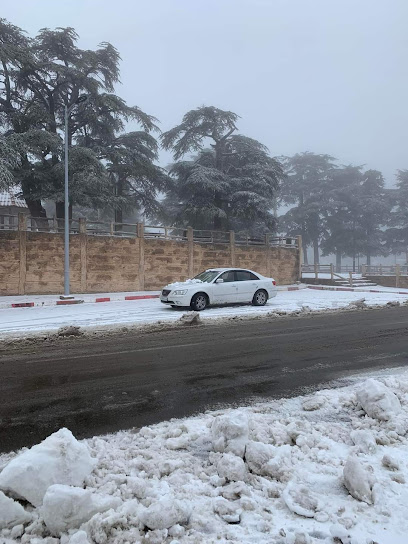
Raïs Hamidou Club RHNC
35.9 km
Experience the vibrant nightlife at Raïs Hamidou Club RHNC in Staoueli, where music and dance create unforgettable memories.
Khalil vendeur
39.4 km
Discover the vibrant nightlife at Khalil Vendeur, a premier night club in Ouled Fayet with electrifying music and exquisite drinks.
Dar Gnawa
44.2 km
Discover the vibrant culinary and musical heritage of Algeria at Dar Gnawa, where every meal is a celebration of local culture.
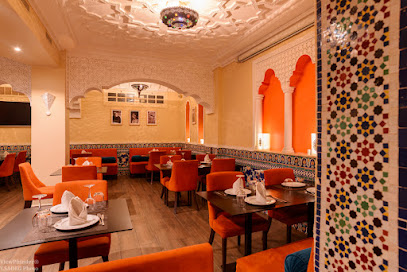
1600 ronji
44.4 km
Discover the vibrant nightlife at 1600 Ronji, a premier night club in Saoula, where music and dance create unforgettable memories.
FANATIZ ET LES GWEENS
44.5 km
Discover the vibrant nightlife at FANATIZ ET LES GWEENS, Rass's premier cabaret club, where culture and entertainment come alive.


