

Free Tidikelt Travel Guide & Mobile App
Explore Tidikelt with free travel guides. Discover regional history, expert tips, proposed trips, and audio guides on web or mobile app.


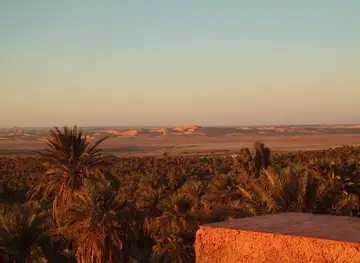
Explore Tidikelt in Algeria for palm-filled oases, earthen ksour, foggara irrigation and vast central-Saharan landscapes around In Salah.
Read more about Tidikelt
When is the best time to visit Tidikelt?
Best: April–May, October · 25–30°C| Month | High (°C) | Rainfall (mm) |
|---|---|---|
| January | 15 | 2 |
| February | 17 | 2 |
| March | 20 | 3 |
| April (best) | 25 | 2 |
| May (best) | 30 | 1 |
| June | 35 | 1 |
| July | 38 | 1 |
| August | 37 | 1 |
| September | 32 | 1 |
| October (best) | 27 | 2 |
| November | 20 | 2 |
| December | 16 | 2 |
Getting to and around Tidikelt
How to get there
Transportation
Best attractions in Tidikelt
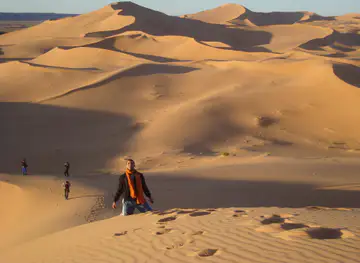
Tidikelt’s attractions are shaped by the oasis rather than by a concentration of formal museums or purpose-built visitor facilities. In Salah provides the clearest introduction, with old earthen quarters, palm groves, traditional domestic architecture and routes leading into irrigated gardens. Aoulef and smaller settlements offer further examples of compact ksour, shaded lanes and cultivated pockets set against bare desert. The foggara systems are among the region’s most instructive features: underground channels, access shafts and surface distribution lines reveal how communities made agriculture possible in an arid environment. Long road journeys are part of the experience, bringing changing views of gravel plains, hamadas, dunes and distant escarpments. Reggane has historical importance because of the French nuclear testing era, but former testing areas are not conventional tourist attractions and access may be restricted. Wildlife encounters are incidental rather than guaranteed, and visitors should avoid disturbing desert fauna or collecting plants and stones. The region is best suited to guided cultural visits, landscape photography, oasis walks, stargazing and carefully planned excursions rather than a packed sightseeing schedule.
-
 Historical landmark
Martyrs Memorial
A towering monument in Algiers commemorating Algeria's independence struggle, offering historical insight and panoramic views.
-
Botanical garden
Botanical Garden Hamma
Discover a lush paradise in Algiers: Explore diverse flora, tranquil gardens, and a historic zoo at the Botanical Garden Hamma.
-
Historical landmark
Beni Add Ain Fezza Caves
Discover the enchanting Beni Add Ain Fezza Caves, a historical landmark showcasing stunning geology and rich biodiversity in Ain Fezza.
-
Archaeological site
Royal Mausoleum of Mauritania
Explore the Royal Mausoleum of Mauritania, an ancient monument blending Numidian and Roman architecture, steeped in the legends of Cleopatra's daughter.


Best landmarks in Tidikelt
The old earthen quarters of In Salah are Tidikelt’s most recognisable built landmarks, with compact forms and reddish walls that respond to intense sun, wind and the need for shade. Their lanes, courtyards and religious buildings express the organisation of an oasis settlement more clearly than modern town extensions do. Across the region, the ksour of Aoulef and other oasis communities provide related examples of Saharan architecture, although individual structures may be fragile, altered or partly abandoned. Foggara shafts and channels are equally important landscape landmarks: often understated at ground level, they represent the infrastructure that sustained gardens and settlement over generations. Palm groves themselves form a distinctive visual boundary between inhabited land and open desert, particularly around In Salah and Aoulef. Reggane is a landmark of modern historical memory because of its association with French nuclear testing in the early 1960s, but former test locations should be treated as restricted or sensitive sites rather than casual excursion stops. Together, these places show how Tidikelt’s identity rests on water management, earthen architecture, oasis agriculture and the layered history of the central Sahara.
-
Historical landmark
Martyrs Memorial
A towering monument in Algiers honoring the heroes of the Algerian War of Independence, offering panoramic city views and a glimpse into history.
-
Botanical garden
Botanical Garden Hamma
Discover a world of botanical wonders at the Jardin d'Essai du Hamma in Algiers, a historic garden offering a tranquil escape and diverse plant collections.
-
Fortress
Fort of Santa Cruz
Explore the historic Fort of Santa Cruz in Oran: panoramic views, rich history, and serene chapel atop Mount Murdjadjo.
-
Historical place
Royal Mausoleum of Mauritania
Explore the Royal Mausoleum of Mauritania, an ancient landmark with a blend of Numidian and Roman history, near Algiers.


Explore Tidikelt on the map
Plan your trip on one map. See where the top cities, national parks and sights are, and book hotels and experiences in a few clicks.
Best hotels in Tidikelt
Best restaurants in Tidikelt
Dining in Tidikelt is usually modest, local and closely connected to oasis agriculture. In Salah and the larger settlements have the broadest choice of restaurants, cafés and accommodation dining rooms, while smaller communities offer fewer formal options and may require advance arrangements. Couscous, soups, stews, bread, dates and locally available vegetables form the dependable foundation of meals, with meat served according to supply and occasion. Dates are especially important both as food and as an agricultural product, and palm-growing areas may offer varieties for tasting or purchase. Tea is central to hospitality, although the style and serving sequence can vary between households and communities. Travellers should not expect a large fine-dining scene, extensive international menus or reliable late-night food outside the principal towns. Carrying suitable snacks and confirming meal arrangements is sensible on journeys between oases. A respectful guest accepts hospitality graciously, asks about ingredients when necessary and recognises that food in Tidikelt reflects water scarcity, seasonal availability and the practical economy of desert settlements.
-
Restaurant
مطعم ارابيسك الجزائر & Restaurant Arabesque Alger
Experience authentic Algerian flavors at Restaurant Arabesque Alger - where tradition meets culinary excellence.
-
Restaurant
Le Tantra restaurant
Experience exquisite dining at Le Tantra Restaurant in El Madania – where tradition meets modern culinary art.
-
Restaurant
Caviar d'or Restaurant
Experience culinary excellence at Caviar d'or Restaurant in Aïn Bénian—where gourmet meets elegance.
-
Restaurant
Restaurant Le Farfalla
Experience authentic Algerian cuisine at Restaurant Le Farfalla in Hydra – where tradition meets taste.


Best bars in Tidikelt
Tidikelt does not have a significant nightclub culture, and evening life is centred on cafés, family restaurants, private gatherings and the social rhythm of the oasis towns. In Salah offers the widest range of places to sit for tea, coffee and conversation, while smaller settlements become quiet after the evening meal. Alcohol is not a defining part of public life and should not be assumed to be available; visitors should follow the policies of their accommodation and behave discreetly. After dark, the desert environment becomes an attraction in itself, with clear skies often providing excellent conditions for stargazing away from town lighting. Guided evening walks should be arranged locally because darkness, uneven ground and the absence of landmarks make independent desert movement unsafe. Cultural visits, conversation with hosts and observing the changing atmosphere of palm gardens are more representative of Tidikelt’s night-time experience than bars or clubs.
-
Restaurant
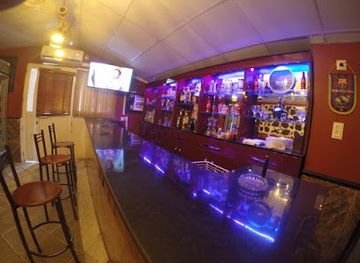
Le Tonneau - Bar
Discover the flavors of Algeria at Le Tonneau, a vibrant bar and restaurant in Sidi M'Hamed offering traditional dishes and a warm atmosphere.
-
Restaurant
Bar Restaurant Chez Nous
Experience authentic Algerian cuisine at Bar Restaurant Chez Nous in Tigzirt, where every meal is a celebration of local flavors and warm hospitality.
-
Restaurant
Bar Restaurant Le Tivoly
Experience the rich culinary heritage of Algeria at Bar Restaurant Le Tivoly, where every dish tells a story and every meal is a celebration.
-
Tea house
Rotalia Lounge
Experience the essence of Algerian culture at Rotalia Lounge, a tranquil tea house and hookah bar in Bordj El Bahri offering a warm atmosphere and delightful flavors.


Best nightclubs in Tidikelt
Tidikelt does not have a significant nightclub culture, and evening life is centred on cafés, family restaurants, private gatherings and the social rhythm of the oasis towns. In Salah offers the widest range of places to sit for tea, coffee and conversation, while smaller settlements become quiet after the evening meal. Alcohol is not a defining part of public life and should not be assumed to be available; visitors should follow the policies of their accommodation and behave discreetly. After dark, the desert environment becomes an attraction in itself, with clear skies often providing excellent conditions for stargazing away from town lighting. Guided evening walks should be arranged locally because darkness, uneven ground and the absence of landmarks make independent desert movement unsafe. Cultural visits, conversation with hosts and observing the changing atmosphere of palm gardens are more representative of Tidikelt’s night-time experience than bars or clubs.
-
Bar
Club gentleman
Discover the vibrant atmosphere and delicious grilled dishes at Club Gentleman, a must-visit bar and grill in Bordj El Kiffan.
-
Night club
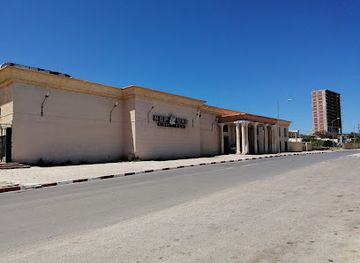
NEPTUNE CLUB
Discover the vibrant nightlife at Neptune Club in Ain El Turk, Algeria, where music and dance come alive in an unforgettable atmosphere.
-
Disco club
Club Pacha Nightclub
Discover the electrifying nightlife of Club Pacha Nightclub in El Mouradia, Algiers, where music and excitement come alive.
-
Disco club
Sun Club House
Discover the electrifying nightlife at Sun Club House, Ain El Turk's premier disco club, where music and dance come alive.

Best shops in Tidikelt
Shopping in Tidikelt is practical and locally focused rather than centred on large retail districts. In Salah has the broadest selection of everyday goods, food shops, small markets and services, while smaller oasis settlements provide more limited local commerce. Dates are the most characteristic regional purchase, with quality and variety depending on the harvest and seller. Other useful items may include local spices, tea, woven goods, leatherwork and small handicrafts, although availability varies and not every item offered to visitors is necessarily locally made. Market areas are worth visiting for their atmosphere and for observing ordinary provisioning rather than treating them as staged attractions. Bargaining may occur in informal retail settings, but it should remain courteous and proportionate. When buying crafts, ask about materials and provenance, avoid archaeological objects or old-looking fragments, and remember customs restrictions when exporting organic products, antiques or wildlife-related materials. The most meaningful souvenirs are generally durable, legally acquired goods connected to oasis life rather than desert stones or pieces of historic architecture.
-
Gift shop
boutique sîďöů cadeaux & cosmétique
Explore the charm of Boutique Sîďöů Cadeaux & Cosmétique, your go-to gift shop for unique souvenirs and cosmetics in Sour El-Ghozlane.
-
Shopping mall
Boutique barkat
Explore Boutique Barkat in Rahouia for a unique shopping experience featuring local goods and vibrant culture.
-
Shopping mall
Bazar Istanbul
Explore the vibrant Bazar Istanbul, Tolga's premier shopping destination offering unique crafts, local flavors, and an immersive cultural experience.
-
Boutique
Boutiques Irzil
Explore the charm of Boutiques Irzil in Beni Ourtilane, where local craftsmanship meets unique shopping experiences.


Get your free copy of our complete guide to Tidikelt, delivered straight to you.
Everything on this page, from attractions and restaurants to essentials and local phrases, in one PDF you can read offline, print or share.
Already have an account? Sign in
Your Tidikelt guide is ready.
We'll send it to · Not you? Sign out

Getting your guide ready…
We are putting together a fresh copy of the Tidikelt guide. This can take up to a minute.
This can take a few moments. If your browser asks, choose Allow so the download can start. You'll find the guide in your Downloads folder.
Nothing happened? Download it again
Sorry, the guide is taking longer than usual. Please try again in a minute, or get it by email instead.
Tidikelt essentials
Currency and Payment
Safety
Emergency Situations
Do's and Don'ts
Local Tips
From Eve
Local phrases worth knowing
You don't need to get them perfect. A few words go a long way, and locals appreciate the effort.
Basics
| English | Local | Say it |
|---|---|---|
| Hello | سلام | [salaam] |
| Goodbye | وداعا | [wada'an] |
| Yes | نعم | [na'am] |
| No | لا | [laa] |
| Please/You're welcome | من فضلك | [min fadlik] |
| Thank you | شكرا | [shukraan] |
| Excuse me/Sorry | عذرا | [udhuran] |
| How are you? | كيف حالك؟ | [kayfa halak?] |
| Fine. And you? | بخير. وأنت؟ | [bikhayr. wa anta?] |
| Do you speak English? | هل تتحدث الإنجليزية؟ | [hal tatahadath al-ingliziyya?] |
| I don't understand | لا أفهم | [laa afham] |
Eating & Drinking
| English | Local | Say it |
|---|---|---|
| I'd like to see the menu, please | أود رؤية القائمة، من فضلك | [awad ru'yat al-qaimah, min fadlik] |
| I don't eat meat | لا آكل اللحم | [laa akul al-lahm] |
| Cheers! | صحتين | [sihtayn] |
| I would like to pay, please | أود الدفع، من فضلك | [awad al-daf', min fadlik] |
Emergencies
| English | Local | Say it |
|---|---|---|
| Help! | مساعدة! | [musa'adah!] |
| Go away! | ابتعد! | [ibta'id!] |
| Call the Police! | اتصل بالشرطة! | [ittasil bil-shurta!] |
| Call a doctor! | اتصل بالطبيب! | [ittasil bil-tabeeb!] |
| I'm lost | أنا ضائع | [ana da'i'] |
| I'm ill | أنا مريض | [ana marid] |
Shopping
| English | Local | Say it |
|---|---|---|
| I'd like to buy... | أود شراء... | [awad shira'] |
| I'm just looking | أنا فقط أنظر | [ana faqat anzur] |
| How much is it? | كم ثمنه؟ | [kam thamanu?] |
| That's too expensive | هذا مكلف جدا | [hatha mukallaf jiddan] |
| Can you lower the price? | هل يمكنك خفض السعر؟ | [hal yumkinuka khafd al-si'r?] |
Time & Numbers
| English | Local | Say it |
|---|---|---|
| What time is it? | كم الساعة؟ | [kam al-saa'ah?] |
| It's one o'clock | الساعة واحدة | [al-saa'ah wahidah] |
| Half past (10) | نصف (10) | [nisf (10)] |
| Morning | صباحا | [sabaahan] |
| Afternoon | بعد الظهر | [ba'd al-zhuhr] |
| Evening | مساء | [masaa'] |
| Yesterday | أمس | [ams] |
| Today | اليوم | [al-yawm] |
| Tomorrow | غدا | [ghadan] |
| 1 | واحد | [wahid] |
| 2 | اثنين | [ithnayn] |
| 3 | ثلاثة | [thalatha] |
| 4 | أربعة | [arba'a] |
| 5 | خمسة | [khamsa] |
| 6 | ستة | [sitta] |
| 7 | سبعة | [sab'a] |
| 8 | ثمانية | [thamaniya] |
| 9 | تسعة | [tis'a] |
| 10 | عشرة | [ashara] |
Transport & Directions
| English | Local | Say it |
|---|---|---|
| Where's a/the...? | أين...؟ | [ayn...?] |
| What's the address? | ما هو العنوان؟ | [ma huwa al-'unwan?] |
| Can you show me (on the map)? | هل يمكنك أن تريني (على الخريطة)؟ | [hal yumkinuka an turini (ala al-kharita)?] |
| When's the next (bus)? | متى تأتي (الحافلة) القادمة؟ | [mata ta'ti (al-hafila) al-qadimah?] |
| A ticket (to ....) | تذكرة (إلى....) | [tathkirah (ila....)] |
History of Tidikelt
Early Oasis Settlement and Trans-Saharan Exchange
Tidikelt’s history grew from the relationship between Saharan groundwater, date-palm cultivation and long-distance movement across the desert. Oases provided water, shade, food and stopping places for caravans linking the northern Maghreb with the Sahel and the central Sahara. The region’s early history is difficult to reconstruct in a single narrative, because settlement patterns changed over time and written sources are uneven. Nevertheless, the presence of old oasis communities and routes reflects a long period in which Tidikelt was connected to wider commercial and cultural networks rather than isolated from them.
Islamisation and the Development of Oasis Communities
From the early medieval period onwards, Islam became central to the social and intellectual life of Saharan settlements. Religious scholars, merchants and families connected Tidikelt with centres elsewhere in the Maghreb and beyond. Mosques, zawiyas, cemeteries and communal institutions shaped the organisation of oasis life, while Arabic and local Saharan cultural traditions developed alongside one another. The region’s ksour, with their compact earthen construction and defensible layouts, preserve aspects of this history even where later settlement has expanded beyond the traditional quarters.
Foggaras and the Agricultural Economy
The foggara is one of Tidikelt’s defining historical technologies. These gently sloping underground channels collect groundwater and convey it towards gardens, where carefully measured branches distribute water among households or plots. Their construction and maintenance required specialised knowledge, cooperation and locally recognised rights. Date palms formed the upper storey of oasis agriculture, with smaller crops grown beneath them where water permitted. Although modern wells and pumps have altered the balance, foggaras remain an important expression of the region’s environmental knowledge and communal history.
Caravan Trade and the Wider Sahara
For centuries, Tidikelt settlements participated in the movement of dates, livestock, textiles and other goods across Saharan routes. Caravan commerce depended on a chain of oases and on detailed knowledge of wells, tracks and seasonal conditions. In Salah and other settlements acquired importance through this geography, serving both local communities and travellers moving between northern Algeria, the Touat, the Hoggar and routes towards the Sahel. The arrival of modern roads and motor transport reduced the role of caravans, but the region’s settlement pattern still records the older economy.
French Conquest and Colonial Administration
French expansion into the central Sahara brought military occupation, new administrative structures and intensified external control over trade and movement. The process was not a simple administrative change: it affected local authorities, religious institutions, land and water arrangements, and the circulation of people. Colonial mapping and road building made the region more legible to the state while also connecting it to new military and commercial networks. The later history of Algeria’s independence movement and decolonisation changed the political framework under which Tidikelt’s oases were governed.
Reggane and the Nuclear Testing Era
The Reggane area became internationally significant when France conducted its first atmospheric nuclear test at the Centre Saharien d’Expérimentations Militaires in 1960, followed by further tests in the wider testing programme. These events occurred during the final years of colonial rule and remain a serious subject in Algerian and Franco-Algerian history because of questions surrounding contamination, health and environmental legacies. Reggane’s modern identity cannot be separated entirely from this past, although visitors should not assume that former testing areas are ordinary sightseeing locations or freely accessible.
Post-Independence Development and Water Pressure
After Algerian independence in 1962, roads, public services, schools, telecommunications and mechanised water extraction altered life across Tidikelt. Towns became more closely integrated with national systems, while cars and lorries replaced most long-distance caravan transport. At the same time, increased pumping and climatic pressure have challenged older water balances, and some foggaras have declined or require restoration. Contemporary Tidikelt therefore combines enduring oasis traditions with modern infrastructure and an ongoing debate about how settlement, agriculture and scarce groundwater can remain sustainable.
Tidikelt in Photos
Browse through our photo collection highlighting the charm and character of the destination.
Neighbouring regions of Tidikelt
The closest regions to Tidikelt, if you have time for more than one.
-

-

-
-

-


Swipe for more regions
Explore more
Explore more of Algeria
Discover Algeria: A captivating blend of ancient history, stunning landscapes, and vibrant culture. From the Sahara desert to Mediterranean coasts, adventure awaits.
Explore Algeria