

Free Tizi Ouzou Travel Guide & Mobile App
Plan your Tizi Ouzou trip with Evendo. Get free guides to top attractions, restaurants, hotels, and bars. Web access or download the mobile app.


Tizi Ouzou introduces Kabyle culture, mountain scenery, Amazigh heritage, lively markets and gateways to the villages and landscapes of northern Algeria.
A Kabyle Regional Centre
Tizi Ouzou stands in northern Algeria between the coastal plains and the rugged ranges of Kabylie, serving as the principal urban centre of the wilaya of the same name. Its name is commonly translated from Tamazight as “the pass of the broom”, reflecting the mountainous environment around the city. Although much of the present urban fabric developed during the French colonial period and after Algerian independence, the city is best understood through its close relationship with the surrounding Kabyle villages, forests and valleys.Read more about Tizi Ouzou
Amazigh Culture and Contemporary Life
Mountains, Villages and Regional Landscapes
When is the best time to visit Tizi Ouzou?
Best: June, September–October · 23–28°C| Month | High (°C) | Rainfall (mm) |
|---|---|---|
| January | 14 | 62 |
| February | 14 | 55 |
| March | 16 | 54 |
| April | 18 | 40 |
| May | 21 | 28 |
| June (best) | 27 | 11 |
| July | 31 | 5 |
| August | 31 | 6 |
| September (best) | 28 | 17 |
| October (best) | 23 | 32 |
| November | 18 | 54 |
| December | 16 | 64 |
Getting to and around Tizi Ouzou
How to get there
Transportation
Best attractions in Tizi Ouzou
Tizi Ouzou’s attractions are closely tied to Kabyle culture and the surrounding landscape. The Maison de la Culture Mouloud Mammeri is a focal point for exhibitions, performances and cultural events associated with the region’s celebrated writer and Amazigh heritage. The city’s markets and central commercial streets offer a more everyday form of sightseeing, with local produce, clothing, household goods and seasonal foods revealing the rhythm of regional life. The University of Mouloud Mammeri contributes a youthful atmosphere and reflects the city’s educational importance, while the Musée du Moudjahid provides historical context concerning Algeria’s struggle for independence when open to visitors. Outside the urban area, the forests around Yakouren, the villages of the Kabyle uplands and the Djurdjura mountains provide the most imposing scenery. The coastal town of Tigzirt is a separate excursion, known for its seafront and Roman remains.
-
Tourist attraction
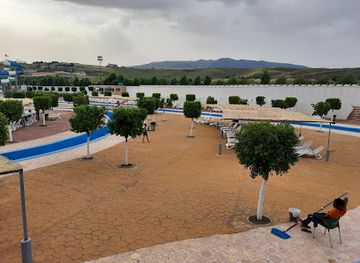
Tamaghra Park
Enjoy a day of fun and relaxation at Tamaghra Park in Tizi Ouzou, with swimming pools, green spaces, and family-friendly attractions.
11 min walk · 0.8 km from city centre
-
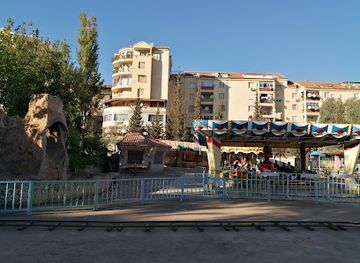
Amusement park
Parc Loisirs Enfants
A delightful amusement park in Tizi Ouzou, Algeria, offering thrilling rides and activities for families and children of all ages.
8 min walk · 0.6 km from city centre
-
Tourist attraction
Aqua Parc Octopus Tamda
Experience a day of aquatic fun and relaxation at Aqua Parc Octopus Tamda in the heart of Freha, Algeria.
32 min drive · 12 km from city centre
-
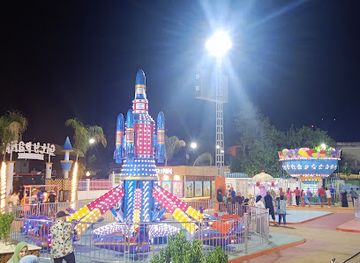
Amusement park
City Park
Tizi Ouzou's premier amusement park, offering a wide array of rides and attractions for families and children seeking fun and entertainment.
8 min drive · 2.8 km from city centre
Best landmarks in Tizi Ouzou
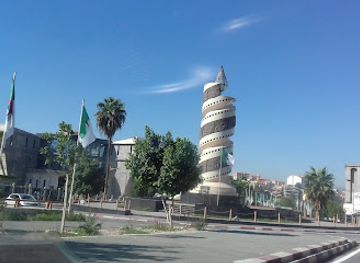
The most significant landmarks in Tizi Ouzou reflect administration, education, cultural memory and the city’s relationship with Kabylie rather than a large concentration of ancient monuments. The Maison de la Culture Mouloud Mammeri commemorates one of the region’s leading writers and scholars and serves as a visible institution of Amazigh cultural life. The University of Mouloud Mammeri is another important civic presence, named for the intellectual whose work helped bring Kabyle language and culture to wider attention. Public spaces and buildings connected with the War of Independence recall the city’s role in the national struggle, while the Musée du Moudjahid offers historical interpretation when accessible. Beyond the city, Kabyle villages, hillside mosques and traditional houses provide architectural evidence of long-established mountain settlement, although these are living communities rather than open-air museum exhibits.
-
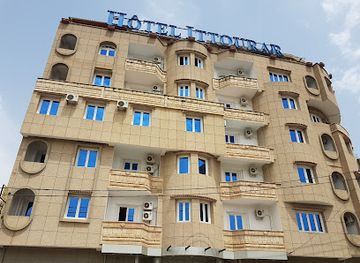
Hotel
Hôtel Ittourar
Experience comfort and explore the Kabylie region from Hôtel Ittourar in Tizi Ouzou, offering modern amenities and a convenient location.
6 min drive · 2.1 km from city centre
-
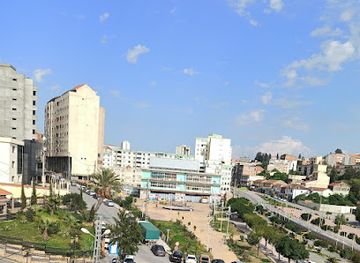
Apartment building
Tizi-Ouzou
Discover Tizi-Ouzou: A vibrant Algerian city blending Berber culture, stunning landscapes, and historical treasures in the heart of Kabylie.
19 min walk · 1.5 km from city centre
-
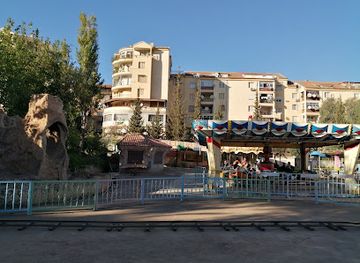
Amusement park
Tamaghra Park
Escape to Tamaghra Park in Tizi Ouzou: A green oasis offering recreation, relaxation, and family fun in the heart of the city.
11 min walk · 0.8 km from city centre
-
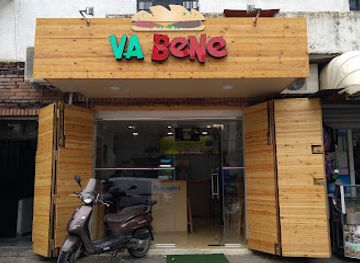
Restaurant
Va Bene
Experience authentic Algerian cuisine with a modern twist at Va Bene restaurant in Tizi Ouzou, where local flavors meet warm hospitality.
9 min walk · 0.7 km from city centre
Explore Tizi Ouzou on the map
Plan your Tizi Ouzou trip on one map. See where the top attractions, landmarks, restaurants, bars and hotels are, find what's near where you're staying, and book hotels and experiences in a few clicks.
Best hotels in Tizi Ouzou
Best restaurants in Tizi Ouzou
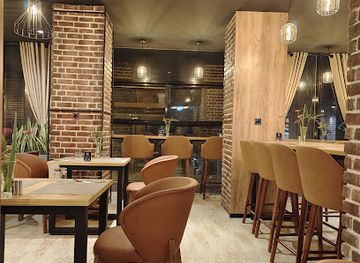
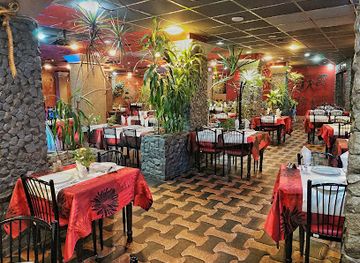
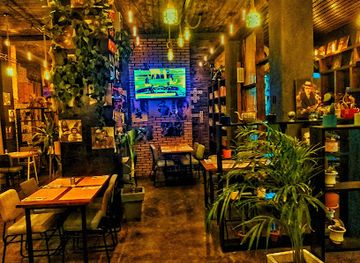
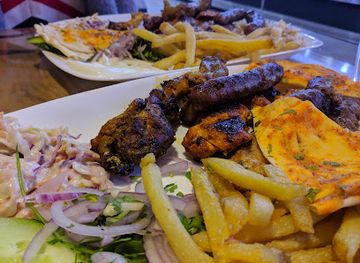
Tizi Ouzou’s food culture reflects the agricultural traditions of Kabylie, where olive oil, seasonal vegetables, grains, figs and orchard produce have long shaped household cooking. Traditional dishes may include Kabyle couscous, often served with vegetables and meat, as well as berkoukes, a grain-based preparation, and tikerbabine, dumplings made with semolina and herbs. Simple grilled meats, soups, breads and sweet pastries appear in cafés and family-run eateries, while tea and coffee accompany much of the city’s social life. Markets are useful for discovering olives, figs, honey, spices and locally produced oil, though food stalls vary in formality. Restaurants in the centre tend to serve Algerian staples alongside familiar Mediterranean and French-influenced dishes. In surrounding villages, meals are more likely to be informal, seasonal and arranged through local hospitality than through a highly developed tourist dining scene.
-
Restaurant
Maison Sadoudi
Discover the flavors of Algeria at Maison Sadoudi – where traditional cuisine meets delightful pastries in Tizi Ouzou.
9 min walk · 0.7 km from city centre
-
Restaurant
Mystic Restaurant
Experience authentic Algerian cuisine at Mystic Restaurant in Tizi Ouzou – where local flavors meet warm hospitality.
7 min walk · 0.6 km from city centre
-
Restaurant
L'Atelier en Ville
Discover culinary excellence at L'Atelier en Ville in Tizi Ouzou - where local flavors meet international cuisine.
5 min drive · 1.7 km from city centre
-
Restaurant
Chachnaq
Experience authentic Algerian cuisine at Chachnaq in Tizi Ouzou - a must-visit restaurant for every traveler.
12 min walk · 1.0 km from city centre
Best bars in Tizi Ouzou
Nightlife in Tizi Ouzou is relatively restrained and centres more on cafés, restaurants, family gatherings and cultural events than on large clubs. After dark, cafés around the central districts provide spaces for conversation, coffee, tea and watching the city’s evening movement, while restaurants offer a social setting for extended meals. The Maison de la Culture Mouloud Mammeri and other cultural venues may host concerts, theatre, poetry and Kabyle music, depending on the programme. Traditional and contemporary Amazigh songs are an important part of the region’s cultural soundscape, although performances are not necessarily scheduled for visitors. Alcohol is not central to public nightlife and availability is limited compared with many European destinations. Visitors should follow local manners, dress discreetly and avoid assuming that every café or restaurant operates late or accepts alcohol.
-
Restaurant
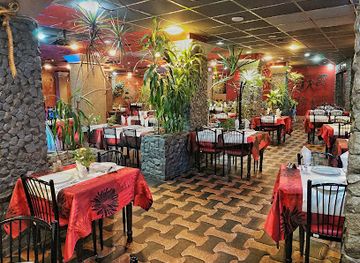
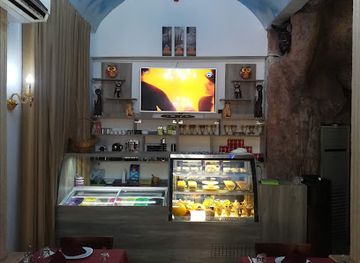
Mystic Restaurant
Discover the rich flavors of Algerian cuisine at Mystic Restaurant in Tizi Ouzou, where every dish tells a story and every meal is a celebration.
7 min walk · 0.6 km from city centre
-
Restaurant
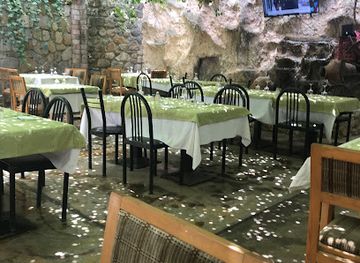
Restaurant L'Algeria
Discover the authentic taste of Algeria at Restaurant L'Algeria, where tradition meets flavor in Tizi Ouzou's vibrant culinary scene.
15 min walk · 1.2 km from city centre
-
Restaurant
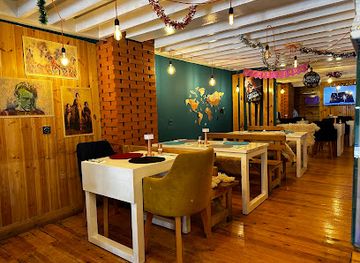
THE FABRIC/ Restaurant & Coffee
Experience the rich flavors of Tizi Ouzou at The Fabric, where culinary tradition meets modern dining in a cozy atmosphere.
7 min walk · 0.5 km from city centre
-
Restaurant
L'Ambassade
Discover authentic Algerian flavors at L'Ambassade, a must-visit restaurant in Tizi Ouzou, where every dish tells a story.
3 min walk · 0.2 km from city centre
Best nightclubs in Tizi Ouzou
Nightlife in Tizi Ouzou is relatively restrained and centres more on cafés, restaurants, family gatherings and cultural events than on large clubs. After dark, cafés around the central districts provide spaces for conversation, coffee, tea and watching the city’s evening movement, while restaurants offer a social setting for extended meals. The Maison de la Culture Mouloud Mammeri and other cultural venues may host concerts, theatre, poetry and Kabyle music, depending on the programme. Traditional and contemporary Amazigh songs are an important part of the region’s cultural soundscape, although performances are not necessarily scheduled for visitors. Alcohol is not central to public nightlife and availability is limited compared with many European destinations. Visitors should follow local manners, dress discreetly and avoid assuming that every café or restaurant operates late or accepts alcohol.
-
Pool hall
Flash Games
Discover the vibrant atmosphere of Flash Games in Tizi Ouzou, where pool and arcade games create a perfect blend of fun and relaxation for tourists.
10 min walk · 0.8 km from city centre
-
 Gym
GymAmerican Club
Experience top-notch fitness facilities at the American Club Gym in Tizi Ouzou, where wellness meets community in a vibrant atmosphere.
5 min drive · 1.7 km from city centre
-
Fast Food
Night food truck
Experience the vibrant flavors of Tizi Ouzou at Night Food Truck, where delicious fast food meets a lively nighttime atmosphere.
6 min drive · 1.9 km from city centre
-
Store
Cyber Club
Discover the electrifying nightlife at Cyber Club, Tizi Ouzou's premier destination for music, dance, and unforgettable experiences.
11 min walk · 0.9 km from city centre


Best shops in Tizi Ouzou
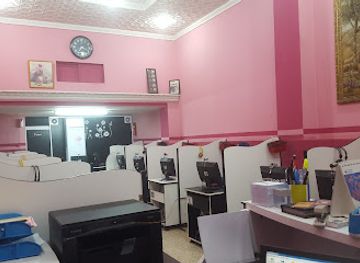
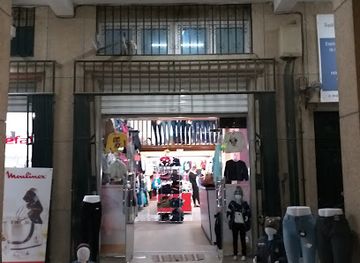
Shopping in Tizi Ouzou combines ordinary Algerian urban commerce with products associated with Kabyle villages and agriculture. Central markets and commercial streets sell clothing, household goods, fresh produce, olives, figs, honey, spices and locally produced olive oil. Visitors may also find pottery, woven textiles, jewellery and decorative objects inspired by Amazigh motifs, although quality and authenticity vary and not every item is locally made. Small food shops are especially useful for regional ingredients and packaged specialities, while village markets outside the city offer a more direct connection with rural producers when transport allows. Bargaining may be appropriate in informal markets but should remain polite and realistic. Modern shops and supermarkets serve local residents, yet Tizi Ouzou’s most distinctive purchases are generally linked to Kabyle food traditions, craft patterns and agricultural products rather than luxury retail.
-
Women's clothing store
PIMKIE
Discover the latest women's fashion trends and stylish accessories at PIMKIE in Tizi Ouzou, a boutique that defines modern elegance.
6 min walk · 0.4 km from city centre
-
Sportswear store
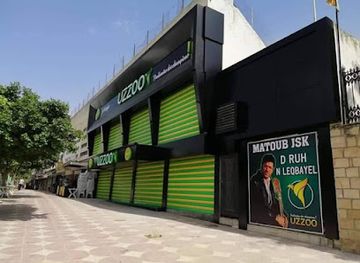
UZZOO | Boutique Officielle - Taḥanut tunṣivt n JSKabylie
Explore UZZOO | Boutique Officielle in Tizi Ouzou for stylish, high-quality sportswear that enhances your active lifestyle.
8 min walk · 0.6 km from city centre
-
Gift shop
Tikti
Explore Tikti in Tizi Ouzou for unique gifts and local crafts that beautifully represent Algerian culture and heritage.
4 min walk · 0.3 km from city centre
-
Clothing store
Je craque
Explore Je Craque: Tizi Ouzou's premier clothing store, blending local culture with contemporary fashion for an unforgettable shopping experience.
14 min walk · 1.1 km from city centre


Get your free copy of our complete guide to Tizi Ouzou, delivered straight to you.
Everything on this page, from attractions and restaurants to essentials and local phrases, in one PDF you can read offline, print or share.
Already have an account? Sign in
Your Tizi Ouzou guide is ready.
We'll send it to · Not you? Sign out

Getting your guide ready…
We are putting together a fresh copy of the Tizi Ouzou guide. This can take up to a minute.
This can take a few moments. If your browser asks, choose Allow so the download can start. You'll find the guide in your Downloads folder.
Nothing happened? Download it again
Sorry, the guide is taking longer than usual. Please try again in a minute, or get it by email instead.
Tizi Ouzou essentials
Currency and Payment
Safety
Emergency Situations
Do's and Don'ts
Local Tips
From Eve
Local phrases worth knowing
You don't need to get them perfect. A few words go a long way, and locals appreciate the effort.
Basics
| English | Local | Say it |
|---|---|---|
| Hello | Azul | [Ah-zool] |
| Goodbye | Adeu | [Ah-deu] |
| Yes | Ih | [Eeh] |
| No | Ala | [Ah-la] |
| Please/You're welcome | Tanjadit | [Tan-jah-deet] |
| Thank you | Tanemirt | [Tah-nem-eert] |
| Excuse me/Sorry | Asif | [Ah-seef] |
| How are you? | Adeghi ara? | [Ah-deh-ghi ah-rah] |
| Fine. And you? | Adeghi ara, akka? | [Ah-deh-ghi ah-rah, ah-kah] |
| Do you speak English? | Tezmer ad teffegh s tefriqt? | [Tez-mer ad tef-fegh s teh-freekt] |
| I don't understand | Ur kcem ad tefkert | [Oor kuh-em ad teh-ferk-ert] |
Eating & Drinking
| English | Local | Say it |
|---|---|---|
| I'd like to see the menu, please | Adeghi ara ad yili itij n tasa, tanjadit | [Ah-deh-ghi ah-rah ad yee-lee eet-eesh n ta-sah, tan-jah-deet] |
| I don't eat meat | Ur kcem ad yegig d umewwi | [Oor kuh-em ad yeh-geeg d oo-mew-wee] |
| Cheers! | Slenta! | [Slen-tah] |
| I would like to pay, please | Adeghi ara ad tili, tanjadit | [Ah-deh-ghi ah-rah ad tee-lee, tan-jah-deet] |
Emergencies
| English | Local | Say it |
|---|---|---|
| Help! | Asseɣli! | [Ah-seg-glee] |
| Go away! | D acu | [D ah-soo] |
| Call the Police! | D acu | [D ah-soo] |
| Call a doctor! | D acu | [D ah-soo] |
| I'm lost | Ur itteggi | [Oor ee-teg-gee] |
| I'm ill | Ur ittwemmi | [Oor eet-tem-mee] |
Shopping
| English | Local | Say it |
|---|---|---|
| I'd like to buy... | Adeghi ara ad d-ithen... | [Ah-deh-ghi ah-rah ad d-ee-then] |
| I'm just looking | Adeghi ara ad tettwectem | [Ah-deh-ghi ah-rah ad tet-twek-tem] |
| How much is it? | Acu i d-ithen? | [Ah-soo ee d-ee-then] |
| That's too expensive | D acu meqqar d-ithen | [D ah-soo mek-kar d-ee-then] |
| Can you lower the price? | Tzemret ara ad tt-yesnest tuddsa? | [Tzem-ret ah-rah ad tet-yes-nesst tood-sa] |
Time & Numbers
| English | Local | Say it |
|---|---|---|
| What time is it? | Acu i d-tadukkla? | [Ah-soo ee d-ta-dook-kla] |
| It's one o'clock | D tadukkla d-yan | [D ta-dook-kla d-yan] |
| Half past (10) | D tazwalt n (10) | [D taz-wallt n (10)] |
| Morning | Tafṛansist | [Taf-ran-seest] |
| Afternoon | Tanewt | [Tah-newt] |
| Evening | Talwit | [Tal-weet] |
| Yesterday | Assaɣas | [Ah-sa-ghas] |
| Today | Ass-a | [Ah-sa] |
| Tomorrow | Ass-n | [Ah-sen] |
| 1 | Yan | [Yan] |
| 2 | Sen | [Sen] |
| 3 | Ḍla | [Dla] |
| 4 | Kkuṛṛa | [Kku-rra] |
| 5 | Semmus | [Sem-moos] |
| 6 | Ssḍis | [Ss-dis] |
| 7 | Sebɛa | [Seb-eh-a] |
| 8 | Tamḛuṭ | [Tam-eh-oot] |
| 9 | Tẓet | [Tzet] |
| 10 | Mraw | [Mraow] |
Transport & Directions
| English | Local | Say it |
|---|---|---|
| Where's a/the...? | Ɛefa yella...? | [Eh-fa yell-la] |
| What's the address? | Ɛefa tazwara? | [Eh-fa taz-wa-ra] |
| Can you show me (on the map)? | Tzemret ara ad tt-yesnest (di takart) | [Tzem-ret ah-rah ad tet-yes-nesst (dee ta-kart)] |
| When's the next (bus)? | Ɛefa yella tifawt (tubus)? | [Eh-fa yell-la tee-fawt (too-boos)] |
| A ticket (to ....) | Tikat (izur ...) | [Ti-kat (ee-zoor)] |
History of Tizi Ouzou
Ancient Kabyle Settlement and Regional Exchange
The area around Tizi Ouzou belongs to the historic cultural region of Kabylie, whose mountain communities maintained distinctive social institutions, agricultural practices and Amazigh linguistic traditions over centuries. The wider region was influenced by successive North African powers, including Roman, Byzantine, Arab-Islamic and Ottoman authorities, although the highland villages often retained considerable local autonomy. Trade and seasonal movement connected mountain settlements with the coastal plains and Mediterranean ports. Rather than emerging as a major ancient imperial city, Tizi Ouzou developed from a strategic inland location linking the valleys and passes of central Kabylie.
Ottoman-Era Influence in Kabylie
During the Ottoman period, Kabylie occupied a complex position in relation to the Regency of Algiers. Ottoman authority was stronger in nearby lowland settlements and along major routes than in many mountain communities, where village assemblies and local customary institutions remained influential. The region’s economy rested on small-scale farming, olive cultivation, livestock and exchange between upland and coastal areas. This combination of strong local organisation and outside political pressure helped shape the social identity later associated with Kabylie. Tizi Ouzou’s strategic position became increasingly important as imperial authorities sought to control movement through the region.
French Conquest and Colonial Urban Development
French forces consolidated control over Kabylie in the nineteenth century after the conquest of Algeria, with the region experiencing military campaigns, land reorganisation and new administrative structures. Tizi Ouzou became an important colonial administrative and military centre, and its urban form expanded around institutions, roads and public buildings introduced under French rule. Colonial policies disrupted existing economic and social arrangements, while schools and administration also created new avenues of social mobility. The city’s later streetscape, public facilities and connections with Algiers owe much to this period, although rural Kabyle life continued beyond the expanding town.
Nationalism, War and Independence
Kabylie played a major part in the Algerian nationalist movement and the War of Independence from 1954 to 1962. Mountain terrain provided important support for the National Liberation Front and its armed forces, while villages across the region suffered military operations, displacement and economic disruption. The conflict also deepened political awareness and contributed to the emergence of influential national figures from Kabylie. Following independence, Tizi Ouzou became an important administrative and educational centre in the new Algerian state. Public buildings, housing and transport links expanded as the city absorbed population and regional institutions.
Amazigh Recognition and Modern Tizi Ouzou
Since independence, Tizi Ouzou has remained central to debates over language, culture and regional identity in Algeria. The Berber Spring of 1980, which began after a ban on a lecture by writer Mouloud Mammeri, marked a decisive moment in the modern Amazigh cultural movement. Further demonstrations in 2001, known as the Black Spring, brought renewed demands for recognition and political reform. Tamazight was later recognised as a national language and then an official language of Algeria. Today, the university, cultural institutions and associations of Tizi Ouzou continue to reflect the enduring importance of Kabyle and Amazigh cultural expression.
Tizi Ouzou in Photos
Browse through our photo collection highlighting the charm and character of the destination.
Cities near Tizi Ouzou
The closest cities to Tizi Ouzou, if you have time for more than one stop.
-

-

-

-
-


Swipe for more cities
Explore more
Explore more of Algeria
Discover Algeria: A captivating blend of ancient history, stunning landscapes, and vibrant culture. From the Sahara desert to Mediterranean coasts, adventure awaits.
Explore Algeria