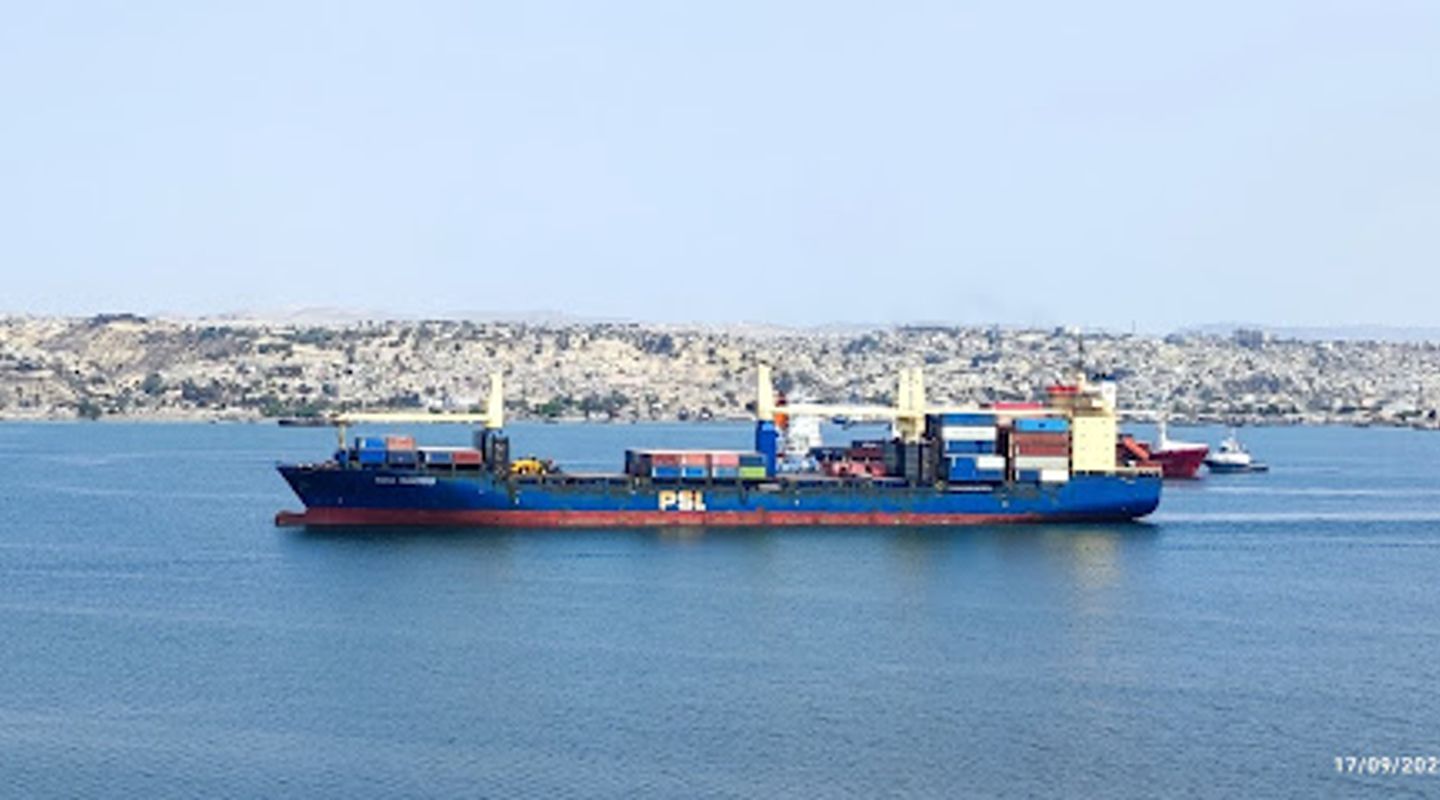
Lobito Port, Zambezi Basin Travel Guide
Explore Lobito Port, Angola's key maritime gateway, connecting Africa's heartland to the Atlantic and global trade routes.
Lobito Port, located in Lobito, Angola, is a crucial maritime hub and the largest port in central Angola. Its strategic position on the Atlantic coast has made it a key player in regional and international trade, connecting landlocked countries to global markets.
A brief summary to Lobito Port
- Lobito, AO
- Click to display

Know before you go
Hi, I'm Eve. Here are a few practical things to know before exploring Lobito Port.
- While visiting Lobito, explore the Restinga do Lobito, a sandy peninsula with hotels, restaurants, and entertainment.
- Visit the Benguela Railway Museum to learn about the railway's history and its importance to the region.
- Try local Angolan cuisine at restaurants in Lobito, such as funge (cassava porridge) and muamba de galinha (chicken stew).
- Take a stroll along Lobito Bay to enjoy the calm waters and scenic views.
Do you manage this location?
Take control to get all the benefits, like improved information, better appearance, and stronger visibility across AI-powered discovery. Learn more about listing your business on Evendo
Activate your presenceOther nearby places you may find interesting
The closest places of the same kind, if this one is not quite what you had in mind.

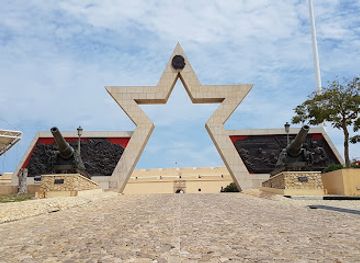



Explore Lobito Port on the Map
A handpicked selection of must-see spots near Lobito Port, mapped for you.
Getting There
-
Walking
From the center of Lobito, the port is approximately 2 kilometers away. Walking towards the port, you'll pass through commercial areas, offering a glimpse into the local economy. The walk takes about 25-30 minutes. Be aware of the weather, as Lobito can be hot and humid.
-
Public Transport
Local buses and taxis are readily available in Lobito. A bus ride to the port from the city center is inexpensive, costing approximately 28 AOA (0.28 USD) for a one-way ticket. Taxis are also available, but be sure to negotiate the fare beforehand. A short taxi ride should cost around 1.20 AOA starting price, plus 1.40 AOA per kilometer.
Discover more about Lobito Port













Your all‑in‑one travel companion app
Explore expert travel guides, compare and book tours, experiences, hotels, and more—all from the palm of your hand. Download now for seamless trip planning wherever your wanderlust takes you.


Explore More of Zambezi Basin
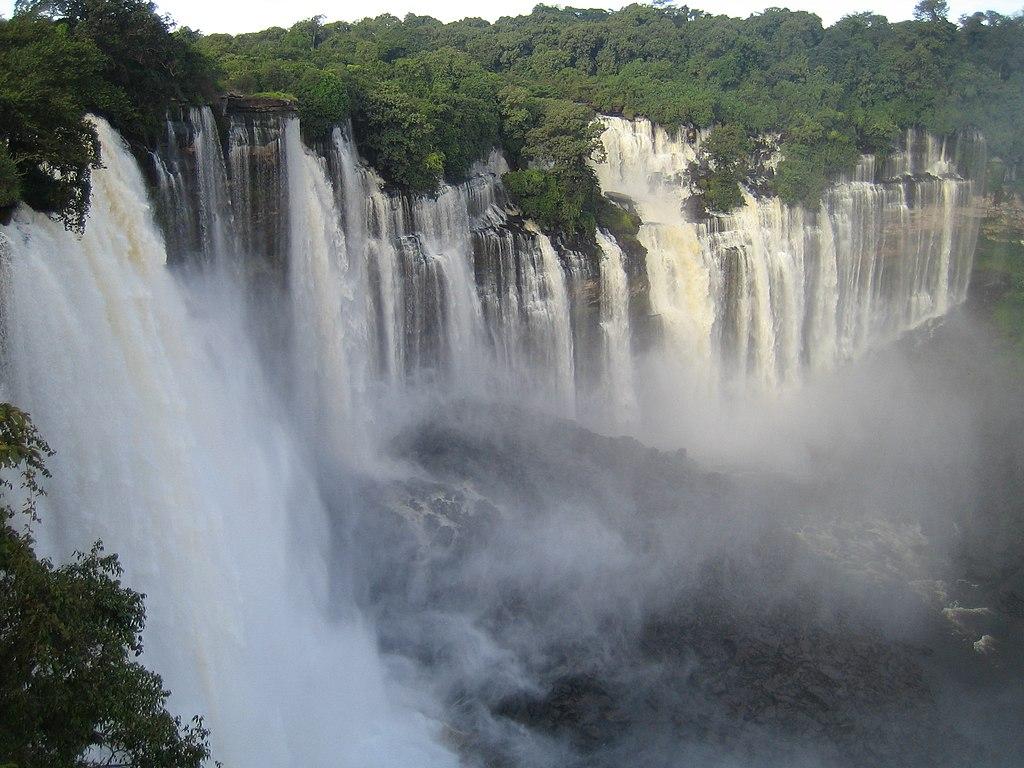
Looking beyond Lobito Port? Discover Zambezi Basin for broader travel guides, local hot-spots, and regional highlights.
Explore Zambezi Basin