

Free Zambezi Basin Travel Guide & Mobile App
Explore Zambezi Basin with free travel guides. Discover regional history, expert tips, proposed trips, and audio guides on web or mobile app.


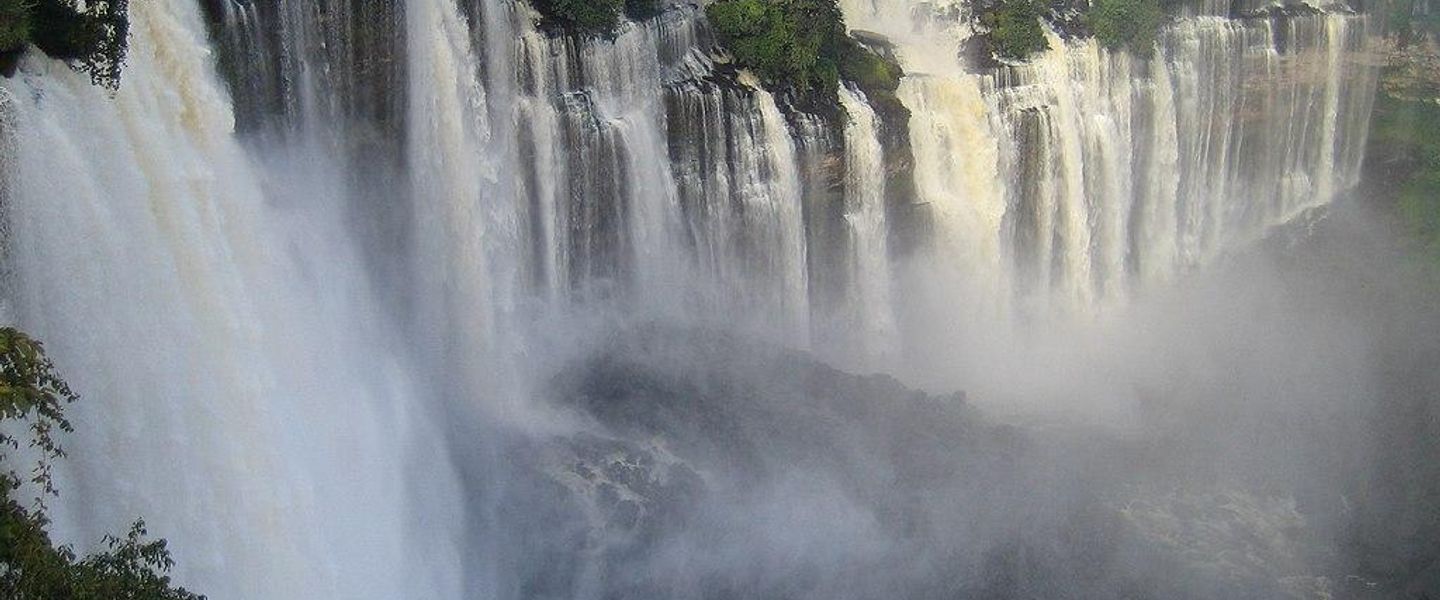


Explore Angola’s Zambezi Basin for remote woodland, seasonal wetlands, Moxico heritage and challenging overland journeys beyond the main tourist routes.
Read more about Zambezi Basin
When is the best time to visit Zambezi Basin?
Best: June, August–September · 20–24°C| Month | High (°C) | Rainfall (mm) |
|---|---|---|
| January | 28 | 200 |
| February | 27 | 190 |
| March | 27 | 180 |
| April | 26 | 150 |
| May | 23 | 100 |
| June (best) | 20 | 50 |
| July | 19 | 50 |
| August (best) | 21 | 50 |
| September (best) | 24 | 70 |
| October | 27 | 100 |
| November | 28 | 150 |
| December | 28 | 170 |
Getting to and around Zambezi Basin
How to get there
Transportation
Best attractions in Zambezi Basin
Attractions in Angola’s Zambezi Basin are defined by remoteness, landscape and cultural context rather than by a dense circuit of developed visitor sites. Cameia National Park in Moxico Province is the region’s principal protected-area destination, encompassing woodland, grassland and wetland environments where wildlife observation depends on season, access and local knowledge. Lago Dilolo and the river landscapes around eastern Moxico provide opportunities for carefully organised nature travel, photography and quiet overland exploration, although facilities are limited. Luena offers the region’s most practical introduction to local history, post-war reconstruction and railway heritage, while journeys through surrounding settlements reveal the relationship between communities, seasonal water and miombo woodland. Visitors interested in cultural heritage should arrange introductions respectfully rather than expecting formalised tourism performances. There are no large-scale resort facilities or reliably developed safari circuits comparable with better-established destinations elsewhere in southern Africa, so guides, vehicles, supplies and permissions must be organised in advance. The wider Zambezi system becomes a different travel destination across the border in Zambia and Zimbabwe; those countries’ parks and Victoria Falls should not be presented as attractions within Angola’s basin.
-
Tourist attraction
Parque Nacional da Cameia
Discover Angola's hidden gem: a vast, diverse national park offering a raw African wilderness experience and a chance to reconnect with nature.
-
Tourist attraction
Chavuma District
Discover Chavuma District: Experience Zambia's natural beauty, cultural heritage, and the tranquil flow of the Zambezi River near the Angolan border.

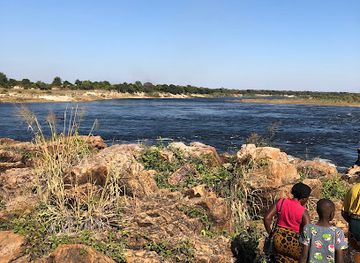
Best landmarks in Zambezi Basin
The most significant landmarks of Angola’s Zambezi Basin are linked to its rivers, railway history and post-war eastern landscape. Lago Dilolo is a notable natural landmark in Moxico, associated with the region’s broad inland waters and the upper drainage environment that connects eastern Angola with the wider Zambezi system. The Luena railway corridor is an important historical marker: its stations, embankments and continuing rail presence reflect the infrastructure that once connected the interior with the Benguela coast, although individual structures and services should be assessed locally rather than assumed to be preserved monuments. Luena itself is the principal urban reference point, with civic buildings and transport infrastructure that show layers of colonial administration, independence and reconstruction. The woodland, dambos and seasonal floodplains of Cameia National Park form a landscape landmark of conservation importance, even where there is little built architecture. Across the region, the most meaningful landmarks are often expansive rather than monumental, and their interpretation depends on understanding water, mobility, settlement and the difficult legacy of conflict.
-
National park
Mosi-oa-Tunya National Park
Discover the breathtaking beauty and rich wildlife of Mosi-oa-Tunya National Park, home to the magnificent Victoria Falls in Zambia.
-
Fortress
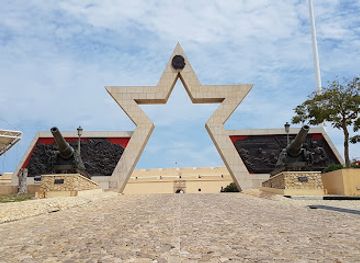
Fortress of São Miguel
Discover the historical richness and scenic beauty of the Fortress of São Miguel in Luanda, a must-visit for every traveler.
-
Observatory
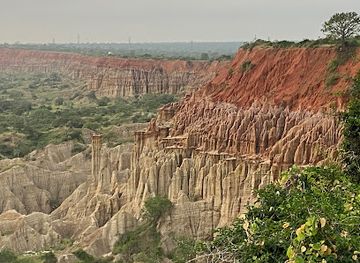
Viewpoint of the Moon
Discover stunning vistas at the Viewpoint of the Moon in Belas, a captivating observatory and tourist attraction perfect for nature lovers.
-
Tourist attraction
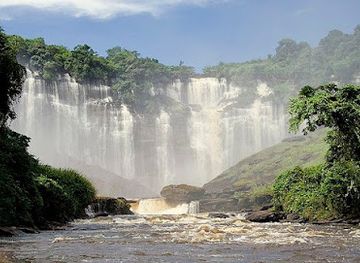
Calandula Falls
Discover the breathtaking beauty of Calandula Falls, a majestic waterfall in Angola that promises unforgettable experiences amidst nature's splendor.
Explore Zambezi Basin on the map
Plan your trip on one map. See where the top cities, national parks and sights are, and book hotels and experiences in a few clicks.
Best hotels in Zambezi Basin
Best restaurants in Zambezi Basin
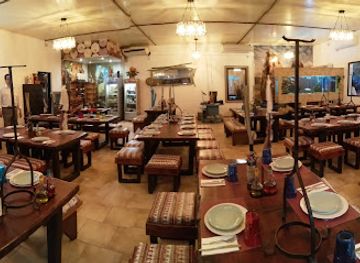
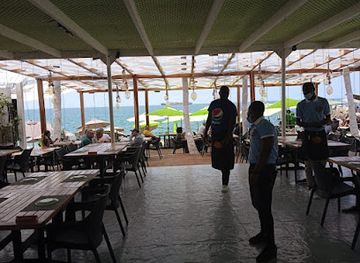
Dining in the Angolan Zambezi Basin is practical and locally rooted, with the greatest choice found in Luena and very limited provision once travellers move into rural areas. Meals commonly draw on Angola’s broader culinary traditions, including rice, beans, cassava, maize, chicken, fish where locally available and stews seasoned with chilli and aromatic sauces. Funge, a firm cassava- or maize-based accompaniment, is widely associated with Angolan home cooking, while grilled meats and simple soups may be available in town cafés and modest restaurants. Fresh produce varies with season and supply routes, and travellers on remote journeys should carry durable provisions rather than depend on finding restaurants along the road. Bottled water and food hygiene deserve particular attention outside established accommodation. Markets can offer fruit, vegetables and household snacks, but selection and opening patterns are informal. The region is not known for a separate, codified Zambezi cuisine; its food culture reflects eastern Angolan households, local agriculture, national dishes and the limitations of a remote supply chain.
-
Restaurant
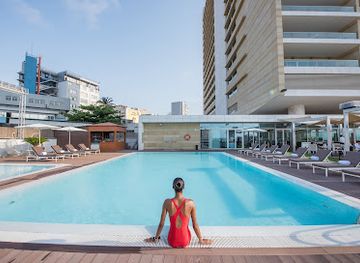
EPIC SANA Luanda Hotel
Experience unparalleled luxury at EPIC SANA Luanda Hotel - your gateway to exquisite dining, vibrant nightlife, and ultimate relaxation in Angola's capital.
-
Restaurant
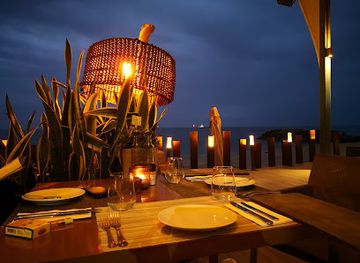
Restaurante Café Del Mar
Experience exquisite dining at Café Del Mar on Ilha de Luanda, where local flavors meet stunning ocean views.
-
Portuguese
O Madeirense Cidade
Discover authentic Portuguese cuisine at O Madeirense Cidade in Luanda, where every meal is a journey through tradition and flavor.
-
Restaurant
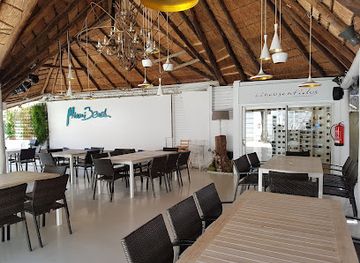
Miami Beach
Experience the vibrant flavors and lively atmosphere at Miami Beach - Luanda's premier dining destination.
Best bars in Zambezi Basin
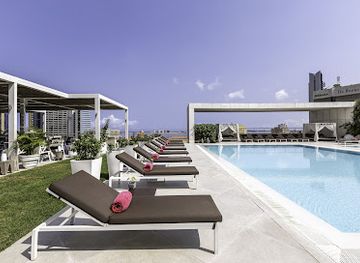
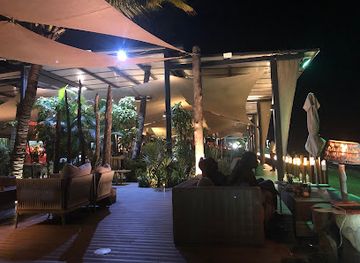
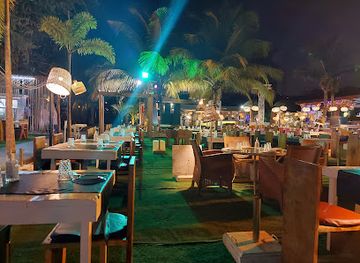
Nightlife in the Angolan Zambezi Basin is concentrated in Luena and is modest compared with Luanda or Angola’s larger coastal cities. Evening social life is more likely to centre on hotel bars, informal beer spots, music played in local venues and restaurants than on a recognised club circuit. In smaller settlements, opportunities may be limited to simple bars and community spaces, with activity varying according to local schedules and economic conditions. Visitors should not expect dependable late-night transport, published event calendars or extensive choices outside the provincial capital. Alcohol is not necessary to engage with local culture, and travellers should drink cautiously, remain aware of their surroundings and arrange transport before going out. In remote areas, evenings are principally shaped by darkness, quiet and the practical need to conserve power and communications rather than by organised nightlife.
-
Bar
EPIC SANA Luanda Hotel
Discover the essence of Luanda at EPIC SANA Hotel, where luxury meets vibrant nightlife and exquisite dining in a stunning setting.
-
Restaurant
Restaurante Café Del Mar
Experience the exquisite fusion of local and international cuisine at Café Del Mar, your culinary oasis in Luanda, Angola.
-
 Hotel
HotelThe Victoria Falls Hotel
Experience the elegance of The Victoria Falls Hotel, a luxurious retreat with stunning views of the falls and exceptional hospitality.
-
Resort hotel
Avani Victoria Falls Resort
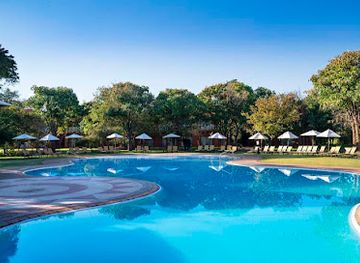
Discover the luxury of Avani Victoria Falls Resort, a perfect blend of relaxation and adventure near the stunning Victoria Falls in Zambia.
Best nightclubs in Zambezi Basin
Nightlife in the Angolan Zambezi Basin is concentrated in Luena and is modest compared with Luanda or Angola’s larger coastal cities. Evening social life is more likely to centre on hotel bars, informal beer spots, music played in local venues and restaurants than on a recognised club circuit. In smaller settlements, opportunities may be limited to simple bars and community spaces, with activity varying according to local schedules and economic conditions. Visitors should not expect dependable late-night transport, published event calendars or extensive choices outside the provincial capital. Alcohol is not necessary to engage with local culture, and travellers should drink cautiously, remain aware of their surroundings and arrange transport before going out. In remote areas, evenings are principally shaped by darkness, quiet and the practical need to conserve power and communications rather than by organised nightlife.
-
Hotel
EPIC SANA Luanda Hotel
Discover luxury and comfort at EPIC SANA Luanda Hotel, featuring exquisite dining, a rejuvenating spa, and vibrant nightlife in the heart of Angola's capital.
-
Restaurant
Clube S
Discover the vibrant flavors of Angola at Clube S, a culinary gem in Luanda offering a unique dining experience.
-
Restaurant
Lookal Beach Club
Experience exquisite dining at Lookal Beach Club, where local flavors meet stunning ocean views in the heart of Luanda.
-
Restaurant
Malibu Beach Club
Discover delectable dishes and stunning ocean views at Malibu Beach Club, a culinary gem in Luanda's vibrant dining scene.


Best shops in Zambezi Basin
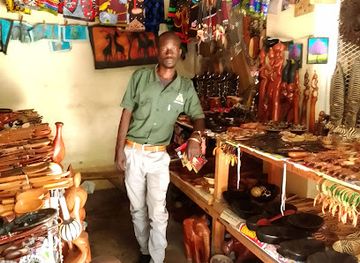
Shopping in the Angolan Zambezi Basin is centred on Luena’s markets, small high-street businesses and informal stalls rather than on major retail centres. Visitors can look for fresh produce, household goods, clothing, locally prepared snacks and practical supplies, while availability changes with transport links and season. Crafts connected with eastern Angolan traditions may include carved wooden objects, woven items and beadwork, but provenance and authenticity vary, so purchases should be made respectfully and without encouraging the removal of cultural artefacts or protected natural materials. Markets are useful places to observe everyday commerce, although bargaining should remain polite and moderate. Outside the provincial capital, retail options become sparse and travellers should carry essential food, fuel and personal supplies for remote journeys. Good regional purchases are generally small, lawful craft items and packaged local products rather than souvenirs presented as archaeological or wildlife material. Ask before photographing stalls or products, and check export rules before taking artworks or antiques out of Angola.
-
Tourist attraction
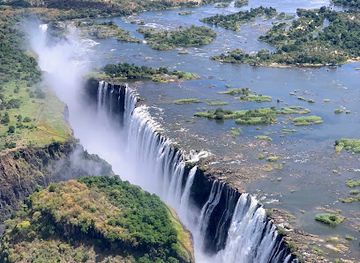
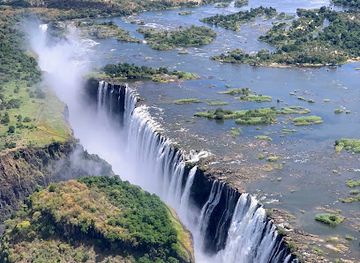
Victoria Falls
Experience the awe of Victoria Falls, a UNESCO World Heritage site and one of the largest waterfalls in the world, perfect for adventure lovers and nature enthusiasts.
-
Shopping mall
Belas Shopping
Discover a shopping haven in Luanda at Belas Shopping, where diverse shops, dining, and entertainment come together for an unforgettable experience.
-
National park
Mosi-oa-Tunya National Park
Explore Mosi-oa-Tunya National Park, a treasure of natural beauty and wildlife in Livingstone, Zambia, near the iconic Victoria Falls.
-
Shopping mall
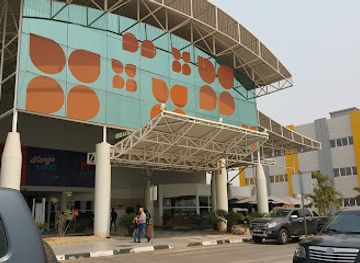
Shopping Avennida
Explore Shopping Avennida in Luanda for a unique blend of shopping, dining, and entertainment in a vibrant atmosphere.
Get your free copy of our complete guide to Zambezi Basin, delivered straight to you.
Everything on this page, from attractions and restaurants to essentials and local phrases, in one PDF you can read offline, print or share.
Already have an account? Sign in
Your Zambezi Basin guide is ready.
We'll send it to · Not you? Sign out

Getting your guide ready…
We are putting together a fresh copy of the Zambezi Basin guide. This can take up to a minute.
This can take a few moments. If your browser asks, choose Allow so the download can start. You'll find the guide in your Downloads folder.
Nothing happened? Download it again
Sorry, the guide is taking longer than usual. Please try again in a minute, or get it by email instead.
Zambezi Basin essentials
Currency and Payment
Safety
Emergency Situations
Do's and Don'ts
Local Tips
From Eve
Local phrases worth knowing
You don't need to get them perfect. A few words go a long way, and locals appreciate the effort.
Basics
| English | Local | Say it |
|---|---|---|
| Hello | Olá | [oh-lah] |
| Goodbye | Adeus | [ah-deh-oos] |
| Yes | Sim | [seem] |
| No | Não | [nah-oong] |
| Please/You're welcome | Por favor | [poor fah-vor] |
| Thank you | Obrigado | [oh-bree-gah-doo] |
| Excuse me/Sorry | Desculpe | [des-kool-peh] |
| How are you? | Como você está? | [koh-moo voh-seh es-tah] |
| Fine. And you? | Bem. E você? | [bang. eh voh-seh] |
| Do you speak English? | Você fala inglês? | [voh-seh fah-lah een-glays] |
| I don't understand | Eu não entendo | [eh-oo nah-oong en-ten-doo] |
Eating & Drinking
| English | Local | Say it |
|---|---|---|
| I'd like to see the menu, please | Gostaria de ver o menu, por favor | [goh-stah-ree-ah jeh veh-r oo meh-noo, poor fah-vor] |
| I don't eat meat | Eu não como carne | [eh-oo nah-oong koh-moo kar-nee] |
| Cheers! | Saúde! | [sah-oo-deh] |
| I would like to pay, please | Gostaria de pagar, por favor | [goh-stah-ree-ah jeh pah-gar, poor fah-vor] |
Emergencies
| English | Local | Say it |
|---|---|---|
| Help! | Ajuda! | [ah-zhoo-dah] |
| Go away! | Vai embora! | [vai em-boh-rah] |
| Call the Police! | Chame a polícia! | [sha-meh ah poh-lee-syah] |
| Call a doctor! | Chame um médico! | [sha-meh oom meh-dee-co] |
| I'm lost | Estou perdido | [es-toh per-jee-doo] |
| I'm ill | Estou doente | [es-toh do-ehn-tay] |
Shopping
| English | Local | Say it |
|---|---|---|
| I'd like to buy... | Gostaria de comprar... | [goh-stah-ree-ah jeh kom-prahr...] |
| I'm just looking | Estou apenas olhando | [es-toh ah-peh-nas oh-lhan-doo] |
| How much is it? | Quanto custa? | [kwan-toh koos-tah] |
| That's too expensive | Isso é muito caro | [ee-soh eh moo-ee-toh kah-roo] |
| Can you lower the price? | Você pode abaixar o preço? | [voh-seh poh-jeh ah-bah-ee-shar oo preh-soo] |
Time & Numbers
| English | Local | Say it |
|---|---|---|
| What time is it? | Que horas são? | [keh oh-ras sah-oong] |
| It's one o'clock | É uma hora | [eh oo-mah oh-rah] |
| Half past (10) | Dez e meia | [dez eh meh-yah] |
| Morning | Manhã | [mahn-yah] |
| Afternoon | Tarde | [tar-deh] |
| Evening | Noite | [noy-chee] |
| Yesterday | Ontem | [on-tem] |
| Today | Hoje | [oh-zhee] |
| Tomorrow | Amanhã | [ah-mahn-yah] |
| 1 | Um | [oom] |
| 2 | Dois | [doyz] |
| 3 | Três | [trays] |
| 4 | Quatro | [kwah-troh] |
| 5 | Cinco | [seen-koh] |
| 6 | Seis | [says] |
| 7 | Sete | [seh-chee] |
| 8 | Oito | [oy-toh] |
| 9 | Nove | [noh-veh] |
| 10 | Dez | [dez] |
Transport & Directions
| English | Local | Say it |
|---|---|---|
| Where's a/the...? | Onde fica...? | [on-deh fee-kah...?] |
| What's the address? | Qual é o endereço? | [kwal eh oo en-deh-reh-soo] |
| Can you show me (on the map)? | Você pode me mostrar (no mapa)? | [voh-seh poh-jeh meh mohs-trar (no mah-pah)?] |
| When's the next (bus)? | Quando é o próximo (ônibus)? | [kwan-doo eh oo proh-see-mo (oh-nee-boos)?] |
| A ticket (to ....) | Um bilhete (para ....) | [oom bee-lyeh-tay (pah-rah....)] |
History of Zambezi Basin
Lunda and Chokwe cultural worlds before colonial rule
Before European rule, the eastern Angolan interior was connected to wider political, cultural and trading networks associated with Lunda and Chokwe societies. Authority, agriculture, hunting, metallurgy, craft production and long-distance exchange linked communities across territories that later became Angola, the Democratic Republic of the Congo and Zambia. Chokwe artistic traditions, especially wood carving and masks used in social and ritual contexts, remain an important part of the cultural history of eastern Angola. Modern borders divide these historical landscapes, but the region’s languages, family connections and cultural forms still reflect their earlier continuity.
Portuguese expansion in eastern Angola
Portuguese authority expanded unevenly into eastern Angola during the late nineteenth and early twentieth centuries, following earlier coastal colonisation by many decades. Colonial administration relied on military posts, taxation, labour systems and commercial routes, while effective control remained limited in remote woodland areas. Mission activity and new administrative centres altered local institutions, but colonial borders cut across older networks of movement. The Zambezi-side interior consequently developed differently from Angola’s densely settled Atlantic corridor, retaining a more dispersed settlement pattern and a weaker transport infrastructure.
The Benguela Railway and inland connections
The Benguela Railway transformed access to Angola’s interior during the twentieth century. Its eastern extension reached the region of Luena, then known as Vila Luso, connecting inland settlements with the port of Lobito and the wider mineral and agricultural economies of central Africa. Rail transport encouraged new administrative and commercial activity, but the line also served colonial economic priorities rather than providing a balanced local transport network. Its subsequent destruction during conflict helps explain why eastern Angola still has long distances between functioning services and why road travel remains central to exploration.
Independence and the beginning of civil war, 1975
Angola became independent from Portugal in 1975 after a rapid and turbulent decolonisation. Rival political movements then fought for control of the country, and the conflict soon developed into a long civil war involving substantial foreign intervention. Eastern provinces, including Moxico, were heavily affected because of their strategic position, difficult terrain and links to neighbouring countries. Population displacement, abandoned infrastructure and insecurity interrupted economic life and restricted access to many remote areas for decades.
The civil war and its landscape legacy
The Angolan civil war continued until 2002, leaving roads, bridges, railways and public services in much of the east severely damaged. Landmines and unexploded ordnance were among the most serious legacies, particularly away from established routes and settlements. Although extensive clearance and reconstruction have improved access, the history remains relevant to travellers: unexplained tracks, abandoned military positions and apparently empty ground should not be approached casually. The war also accelerated migration towards towns and reshaped the demographic geography of the region.
Post-war reconstruction and conservation
Since 2002, Angola has invested in rebuilding transport links, public administration and urban services, including the railway connection through Moxico. Reconstruction has made parts of the eastern interior more accessible, but development remains uneven and the Zambezi Basin is still far less equipped for tourism than Angola’s major urban and coastal destinations. Conservation efforts, including the management of Cameia National Park, are increasingly important as the country seeks to protect woodland, wetlands and wildlife while supporting local livelihoods. Tourism here is consequently connected to broader questions of infrastructure, conservation and rural development.
Zambezi Basin in Photos
Browse through our photo collection highlighting the charm and character of the destination.
Neighbouring regions of Zambezi Basin
The closest regions to Zambezi Basin, if you have time for more than one.
-

-

-

-

-


Swipe for more regions
Explore more

Explore more of Angola
Discover Angola's vibrant cities, stunning coastlines, and rich cultural heritage. An African destination that combines urban excitement with natural wonders.
Explore Angola