Fountain Cavern National Park: Anguilla's Ancient Heart
Discover ancient petroglyphs and sacred spaces at Fountain Cavern National Park, a unique pre-Columbian archaeological site in Anguilla.
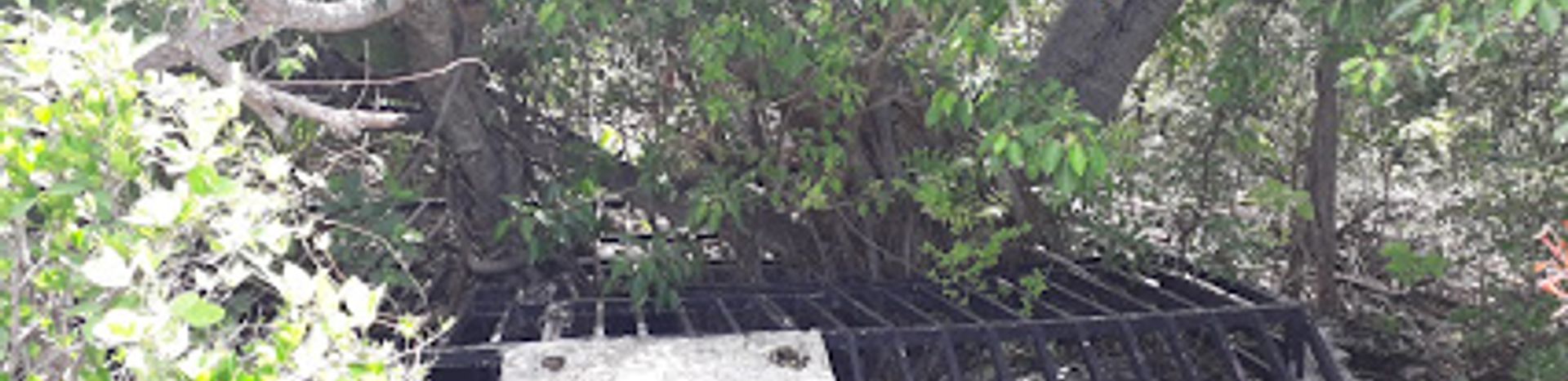
Explore Anguilla's pre-Columbian past at Fountain Cavern National Park, home to ancient petroglyphs and a sacred underground cavern. Discover the island's Amerindian heritage and the remarkable stalagmite statue of the Taino deity Jocahu.
A brief summary to Fountain Cavern National Park
- Shoal Bay, 2640, AI
Local tips
- Book a guided tour in advance through the Anguilla National Trust to ensure access to the cavern and learn about its historical significance.
- Wear sturdy shoes for exploring the cavern and bring water, as there are limited facilities within the park.
- Visit early in the morning or late afternoon to avoid the midday sun and enjoy cooler temperatures.

Getting There
-
Car
From Shoal Bay, follow Shoal Bay Road westward. Continue until you reach the roundabout. Take the exit toward Fountain Cavern National Park. The entrance and parking area will be on your way. There is no entrance fee to access the park.
-
Public Transportation
From Shoal Bay, look for local minibus services that operate along the coast. Ask the driver to drop you off at Fountain Cavern National Park or the nearest stop. The fare is around $2-3 USD. Follow any posted signs to guide you to the park entrance.
Discover more about Fountain Cavern National Park
Iconic landmarks you can’t miss

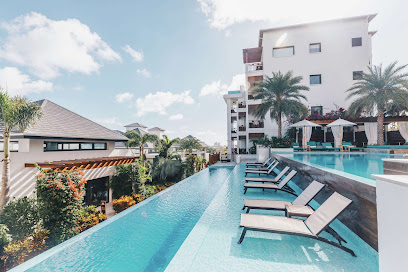
Zemi Beach House, LXR Hotels & Resorts
0.1 km
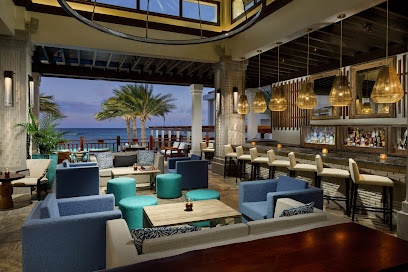
Discover the luxury and serenity of Zemi Beach House, a premier hotel located on the stunning shores of Shoal Bay East in Anguilla.
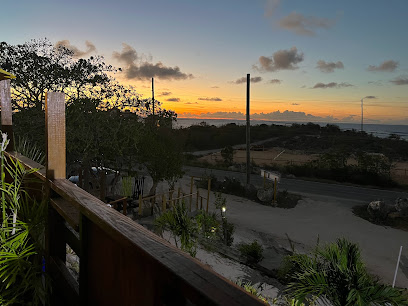
Hank's
0.2 km
Experience the best of Anguilla's culinary scene at Hank's, where fresh local ingredients meet Caribbean flair in a vibrant atmosphere.
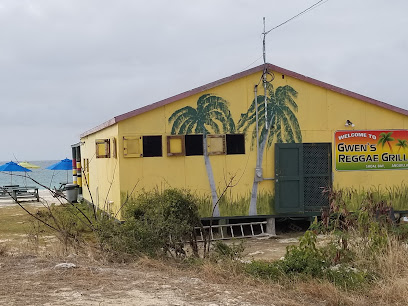
Gwen's Reggae Bar and Grill
0.2 km
Discover the lively Gwen's Reggae Bar and Grill in Anguilla, where delicious Caribbean cuisine meets vibrant reggae beats for an unforgettable dining experience.
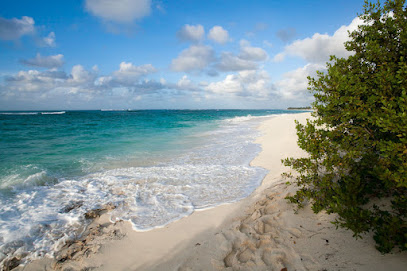
Fountain Residences Anguilla
0.3 km
Discover the tranquil elegance of Fountain Residences Anguilla, your perfect holiday home for an unforgettable Caribbean getaway.
Tropical Sunset Restaurant & Bar
0.4 km
Experience the flavors of Caribbean cuisine at Tropical Sunset Restaurant & Bar, a beachfront gem in Anguilla offering stunning views and fresh, local dishes.
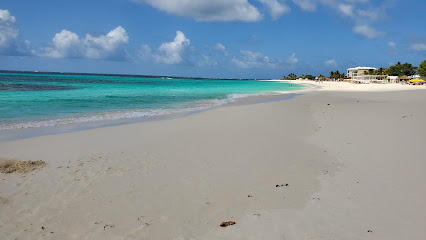
Olas tacos
0.6 km
Discover the vibrant flavors of Olas Tacos at Shoal Bay, where delicious tacos meet stunning Caribbean views in Anguilla.
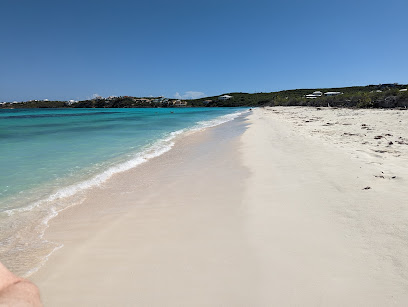
Madeariman
0.6 km
Discover the vibrant culinary scene at Madeariman, where fresh local ingredients meet Caribbean flavors in a stunning beachfront setting.
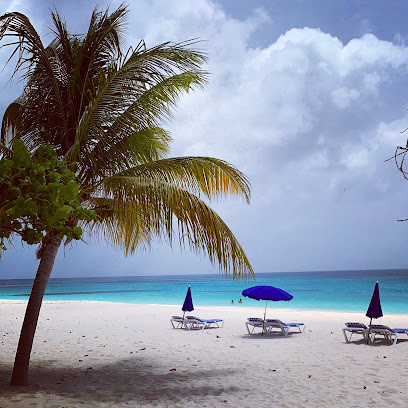
The Manoah Boutique Hotel | Shoal Bay - Anguilla
0.6 km
Experience luxury and tranquility at The Manoah Boutique Hotel in Shoal Bay, Anguilla, where stunning beaches and relaxation await.

Unmissable attractions to see

Shoal Bay Village
0.6 km
Discover Shoal Bay Village: Anguilla's idyllic escape with world-class beaches, rich history, and authentic Caribbean charm.
Shoal Bay Beach
0.7 km
Experience the unmatched beauty of Shoal Bay Beach in Anguilla: pristine sands, crystal waters, and serene Caribbean bliss await your arrival.
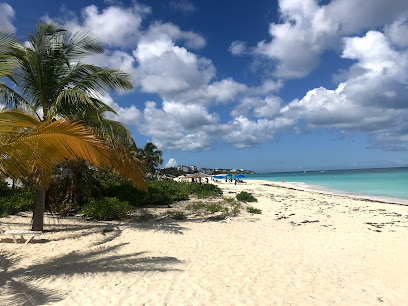
Elodias Beach Resort
0.9 km
Experience tranquil Caribbean luxury at Elodias Beach Resort in Anguilla's Shoal Bay, offering stunning beaches, vibrant culture, and delicious cuisine.
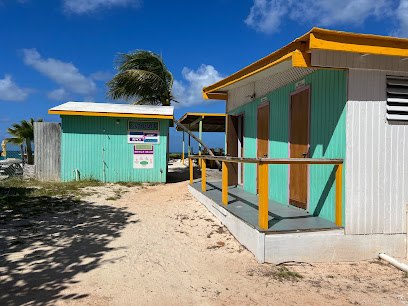
Shoal Bay
1.1 km
Discover Anguilla's crown jewel: Shoal Bay, where powdery sands meet turquoise waters for the ultimate Caribbean beach escape.
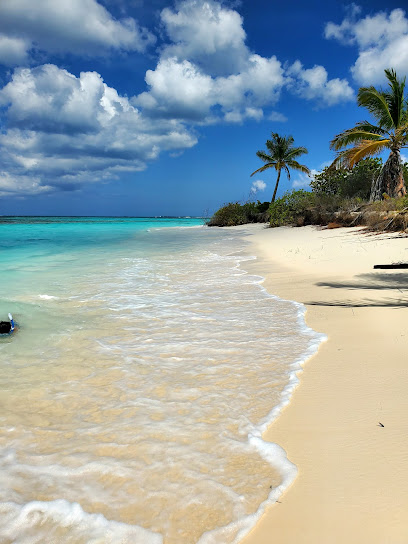
Goat Cave
2.5 km
Explore Goat Cave in Anguilla, a stunning natural attraction known for its unique rock formations and serene coastal beauty.
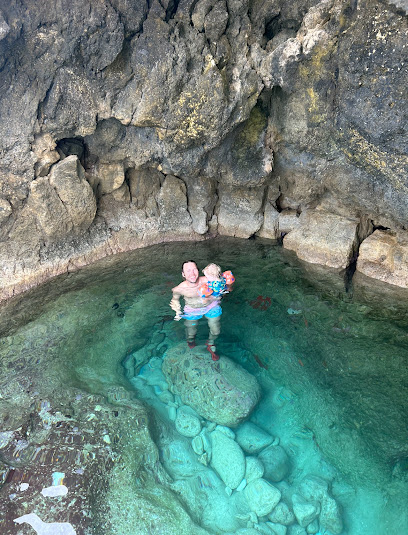
Anchor Miniature Golf
3.1 km
Experience a magical mini-golf adventure in Anguilla's Island Harbour, perfect for families and fun-seekers of all ages!
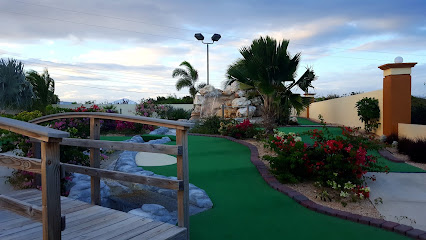
Cauls Pond
3.2 km
Discover Anguilla's serene side at Cauls Pond: a tranquil park offering lush landscapes, diverse birdlife, and a peaceful escape from bustling beaches.
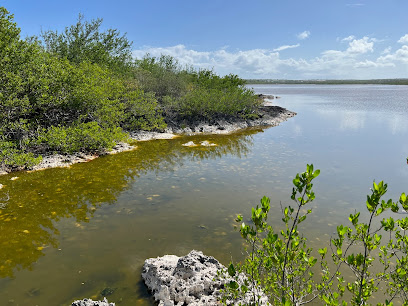
Black Garden Bay
3.6 km
Discover Black Garden Bay, Anguilla's hidden paradise: a serene escape with pristine sands, turquoise waters, and dramatic rock formations.
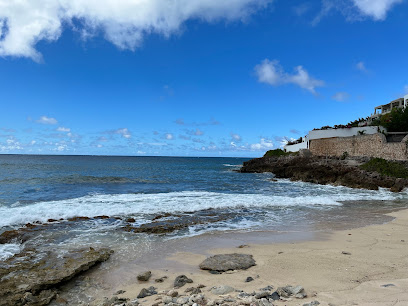
Black Garden Bay Pond
3.6 km
Discover Anguilla's hidden paradise at Black Garden Bay Pond: Tranquil waters, stunning scenery, and a peaceful escape await.
Scilly Cay Restaurant
3.7 km
Escape to a tiny island paradise in Anguilla for fresh seafood, strong drinks, and unforgettable Caribbean vibes at Scilly Cay Restaurant.
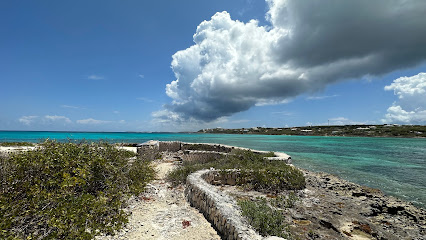
Scilly Cay
3.7 km
Escape to Scilly Cay: A tiny Anguillan island offering pristine beaches, fresh seafood, potent rum punches, and a laid-back Caribbean vibe.
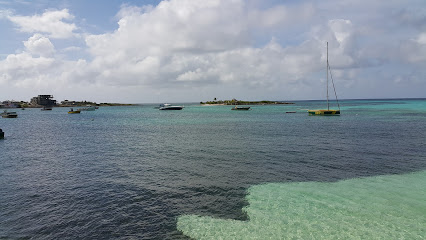
Limestone Bay
4.1 km
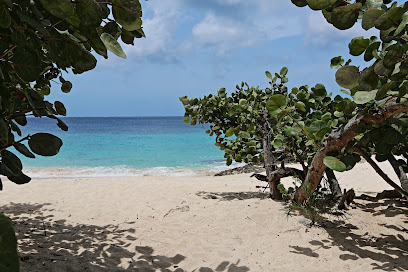
Discover Limestone Bay, Anguilla: a secluded beach with crystal-clear waters, perfect for swimming, snorkeling, and breathtaking sunsets.
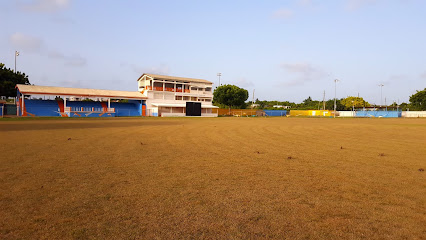
J. Ronald Webster Park
4.2 km
Discover Anguilla's community spirit at J. Ronald Webster Park, a central location for recreation, sports, and cultural events in The Quarter.
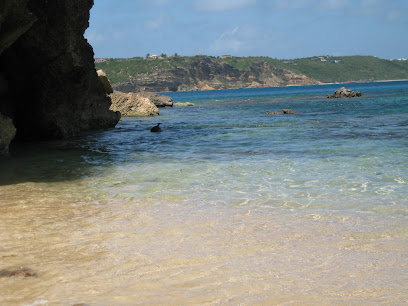
Anika Cove
4.3 km
Discover Anika Cove, Anguilla: A secluded beach with crystal-clear waters, perfect for snorkeling, relaxation, and escaping the everyday hustle.
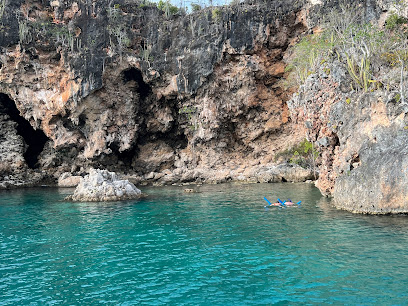
Little Bay
4.3 km
Experience the tranquility of Little Bay, Anguilla – a pristine beach paradise with stunning views and vibrant marine life.
Essential places to dine

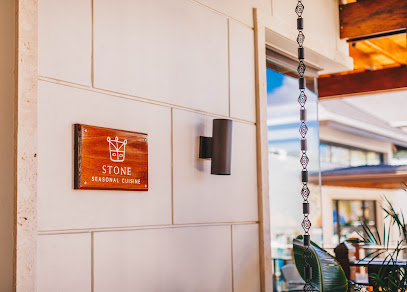
Stone
0.2 km
Discover Stone: An exquisite dining destination at Shoal Bay East offering fresh local cuisine with stunning ocean views.
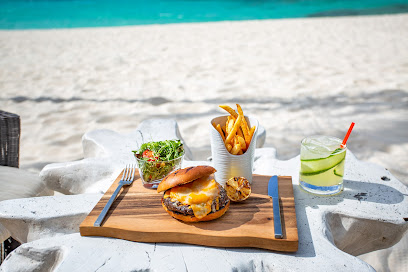
20 Knots
0.2 km
Experience exquisite Anguillian cuisine at 20 Knots, where fresh seafood meets breathtaking beach views in Shoal Bay East.
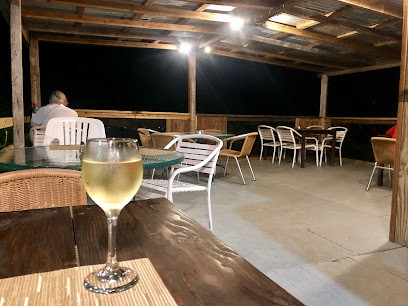
The Pit Stop by Ben
2.3 km
Experience authentic Caribbean cuisine at The Pit Stop by Ben in Island Harbour - a must-visit culinary destination for tourists.
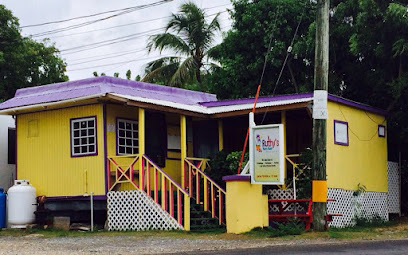
Ruthy's Yum Yum Restaurant
2.4 km
Experience authentic Caribbean flavors at Ruthy's Yum Yum Restaurant in Little Dix, Anguilla – where every bite tells a story.
The Comfort Zone
2.5 km
Experience exquisite Caribbean flavors at The Comfort Zone – Anguilla's premier dining destination for food enthusiasts.
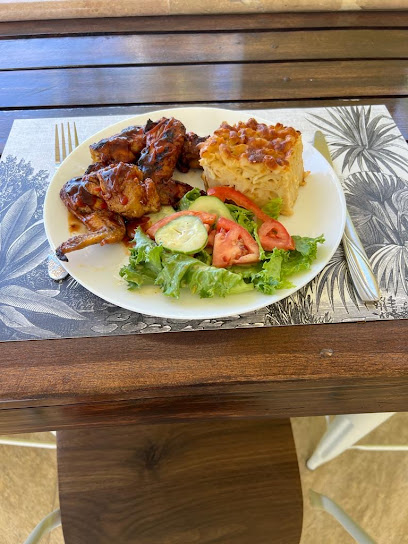
Eat N Out
2.5 km
Discover authentic Anguillian cuisine at Eat N Out – where every meal tells a story of local culture and flavor.
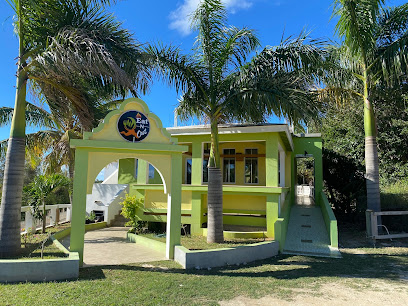
Yellow Banana
2.7 km
Experience delicious Caribbean grilling at Yellow Banana in Cauls Bottom – where flavor meets vibrant atmosphere!
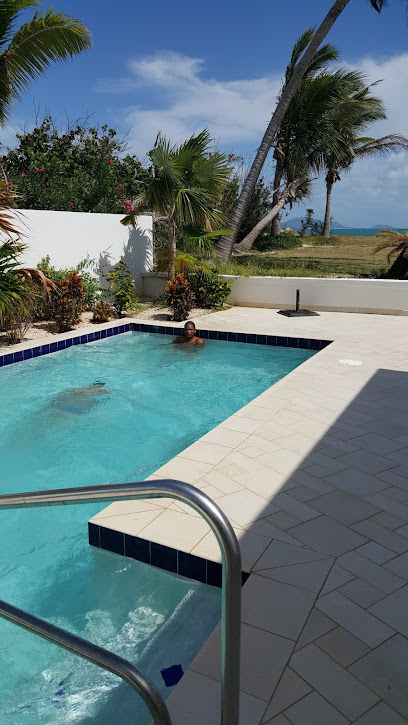
Island Bar
3.0 km
Experience authentic Anguillian flavors at Island Bar, where every meal comes with breathtaking views and warm island hospitality.
Artisan Pizza Napoletana
3.1 km
Discover authentic Neapolitan pizza in Anguilla's scenic Island Harbour at Artisan Pizza Napoletana—where tradition meets taste.
Markets, malls and hidden boutiques

Shoal Bay Villas
0.7 km
Discover luxury and tranquility at Shoal Bay Villas, your gateway to the stunning beaches and vibrant culture of Anguilla.
ALAK ART GALLERY
0.8 km
Discover the vibrant art scene of Anguilla at Alak Art Gallery, where local creativity meets Caribbean culture in a stunning showcase.
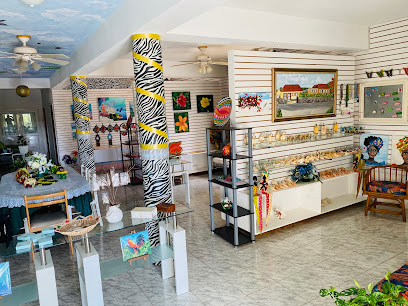
Blue Rey Lyn
1.1 km
Explore Blue Rey Lyn, a boutique in Shoal Bay, Anguilla, offering unique local crafts and fashion that capture the essence of Caribbean culture.
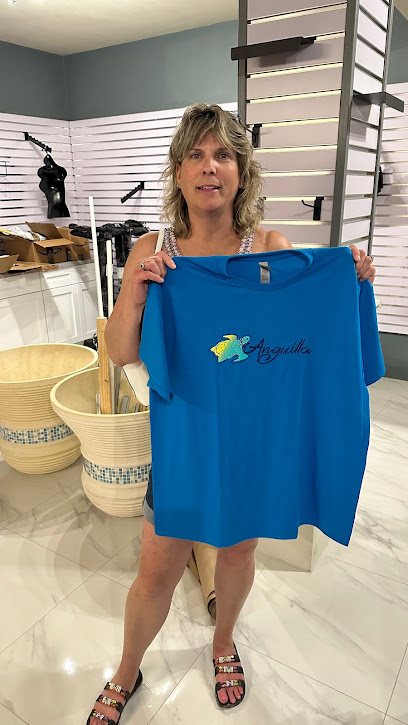
Serenity Cottages
1.2 km
Experience the tranquility of Serenity Cottages in Shoal Bay East, Anguilla - where relaxation meets exquisite dining amidst stunning beach views.
BabyBeanz
2.4 km
Explore BabyBeanz in Island Harbour, Anguilla - your go-to shop for all baby essentials and delightful gifts.
SweetBeanz Kiddie Kloset
2.4 km
Explore SweetBeanz Kiddie Kloset in Anguilla for a delightful shopping experience filled with quality baby and toddler products.
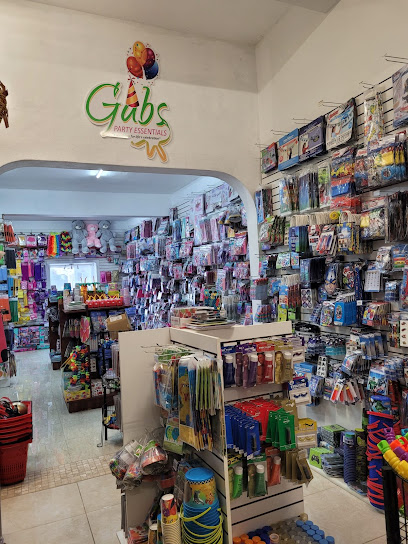
GAB's Party Essentials
2.5 km
Explore GAB's Party Essentials in Anguilla for unique gifts, party supplies, and seasonal items that add joy to every celebration.
Sunrise Bakery
2.7 km
Discover the delightful flavors of Anguilla at Sunrise Bakery, where freshly baked goods meet island charm and hospitality.
Eunique Hair/Nail Salon
2.8 km
Discover the beauty of Anguilla at Eunique Hair/Nail Salon, where relaxation meets island charm in a vibrant setting for all your beauty needs.
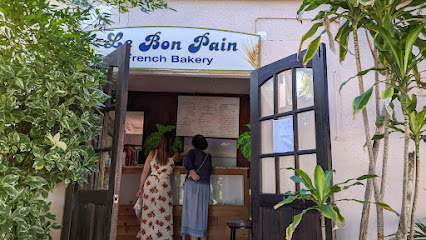
Le Bon Pain
2.9 km
Discover Le Bon Pain, Anguilla's beloved bakery, offering a delicious selection of fresh breads and pastries in a cozy, welcoming atmosphere.
Fresh Again Self Care Studio
3.0 km
Discover relaxation in Anguilla at Fresh Again Self Care Studio, where beauty meets tranquility in a welcoming atmosphere.
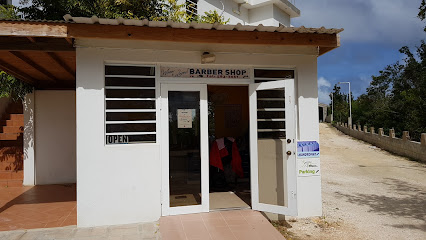
Crazy Good by Tropical Treats
3.2 km
Experience the taste of paradise at Crazy Good by Tropical Treats, Anguilla's premier ice cream destination with unique flavors and stunning harbor views.
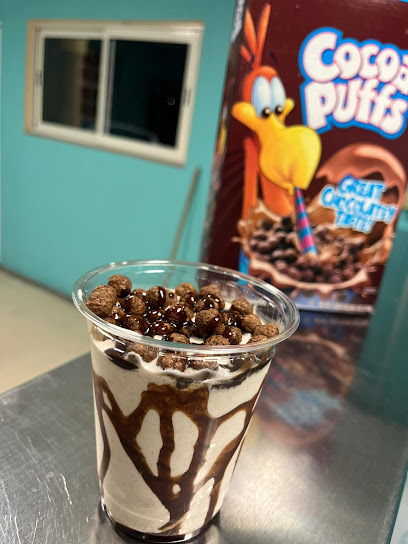
Chinese
3.2 km
Discover Island Harbour's Sunny Time Grocery, a vibrant supermarket with local and international products perfect for your Anguilla adventure.
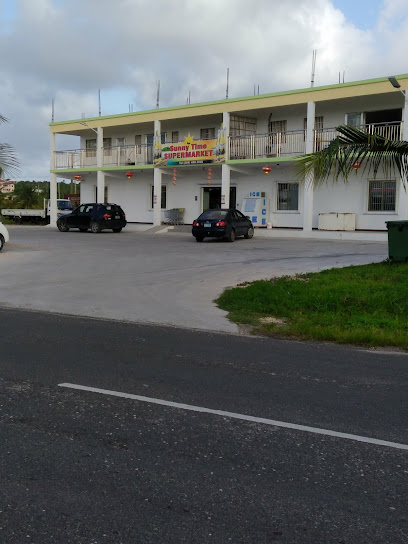
All About You Wedding Invitations and More
3.7 km
Explore unique gifts and bespoke wedding invitations in the heart of Anguilla at All About You Wedding Invitations and More.
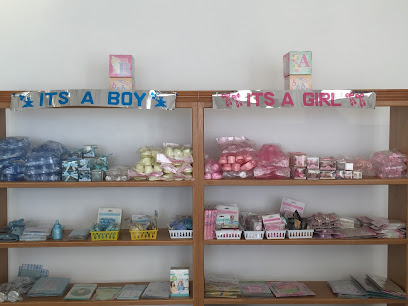
Sugar Free Treats
3.9 km
Discover guilt-free desserts at Sugar Free Treats in Anguilla, where sweetness meets health-conscious indulgence.