Cueva de las Manos, Central Patagonia Travel Guide
Explore ancient rock art at Cueva de las Manos, a UNESCO site in Patagonia with stunning hand stencils and hunting scenes dating back 13,000 years.
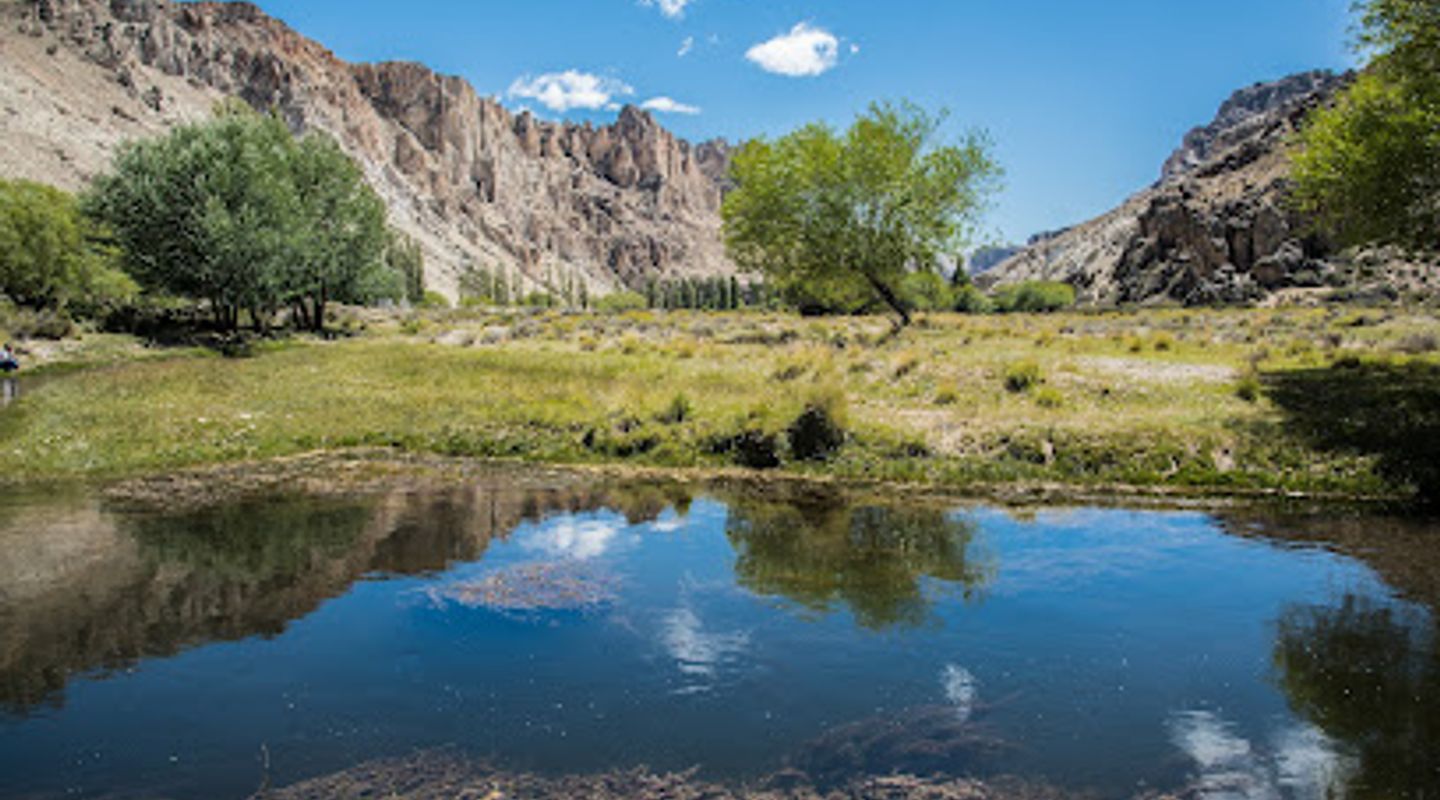
Cueva de las Manos, or the 'Cave of Hands,' is a UNESCO World Heritage site in Argentina's Santa Cruz Province. It features rock art dating back 9,000 to 13,000 years, including hundreds of hand stencils, hunting scenes, and depictions of animals like guanacos, offering a glimpse into the lives of early hunter-gatherer societies.
A brief summary to Cueva de las Manos
- Santa Cruz Province, AR
- Click to display
- Click to display
- Monday 9 am-6 pm
- Tuesday 9 am-6 pm
- Wednesday 9 am-6 pm
- Thursday 9 am-6 pm
- Friday 9 am-6 pm
- Saturday 9 am-6 pm
- Sunday 9 am-6 pm

Know before you go
Hi, I'm Eve. Here are a few practical things to know before exploring Cueva de las Manos.
- Bring cash for the entrance fee, as credit card facilities may not always be available.
- Wear comfortable shoes for the 1.5 km walking trail to the cave, which involves some uneven terrain.
- Bring water and sunblock, as there is limited shade on the tour.
- Tours are guided and available in Spanish and English, providing insights into the history and significance of the rock art.
- Be prepared for a remote location with limited facilities; bring snacks and drinks.
Do you manage this location?
Take control to get all the benefits, like improved information, better appearance, and stronger visibility across AI-powered discovery. Learn more about listing your business on Evendo
Activate your presenceOther nearby places you may find interesting
The closest places of the same kind, if this one is not quite what you had in mind.
Explore Cueva de las Manos on the Map
A handpicked selection of must-see spots near Cueva de las Manos, mapped for you.
Unlock the Best of Cueva de las Manos
Buy tickets
-
No tickets available
Book tours with entry
-
No tours available
Book tours without entry

Getting There
-
Car
Cueva de las Manos is located in a remote area and is best accessed by car. From the town of Perito Moreno, drive south on Route 40 for approximately 130 km to Bajo Caracoles. From there, take Provincial Route 97, a gravel road, for 47 km to reach the site. Alternatively, from Bajo Caracoles, drive 40 km north on Route 40 and then take a 29 km gravel road. Be prepared for unpaved roads and drive slowly. There is a parking lot at the site. Car rental in El Calafate for five days is approximately $383 USD. Expect to pay an entrance fee upon arrival; foreigners: 12,000 pesos, Residents of Argentina: 3,000 pesos.
-
Organized Tour
If you prefer not to drive, consider joining an organized tour from Perito Moreno or Los Antiguos. These tours typically include transportation, a guide, and entrance fees. The tour from Los Antiguos costs around 50 EUR per person. The tour will take you along Route 40 and then onto the gravel road leading to the cave. The advantage of a tour is that you won't have to worry about navigating the unpaved roads, and you'll benefit from the knowledge of a local guide.
Discover more about Cueva de las Manos













Your all‑in‑one travel companion app
Explore expert travel guides, compare and book tours, experiences, hotels, and more—all from the palm of your hand. Download now for seamless trip planning wherever your wanderlust takes you.


Explore More of Central Patagonia

Looking beyond Cueva de las Manos? Discover Central Patagonia for broader travel guides, local hot-spots, and regional highlights.
Explore Central Patagonia