

Free Central Patagonia Travel Guide & Mobile App
Explore Central Patagonia with free travel guides. Discover regional history, expert tips, proposed trips, and audio guides on web or mobile app.


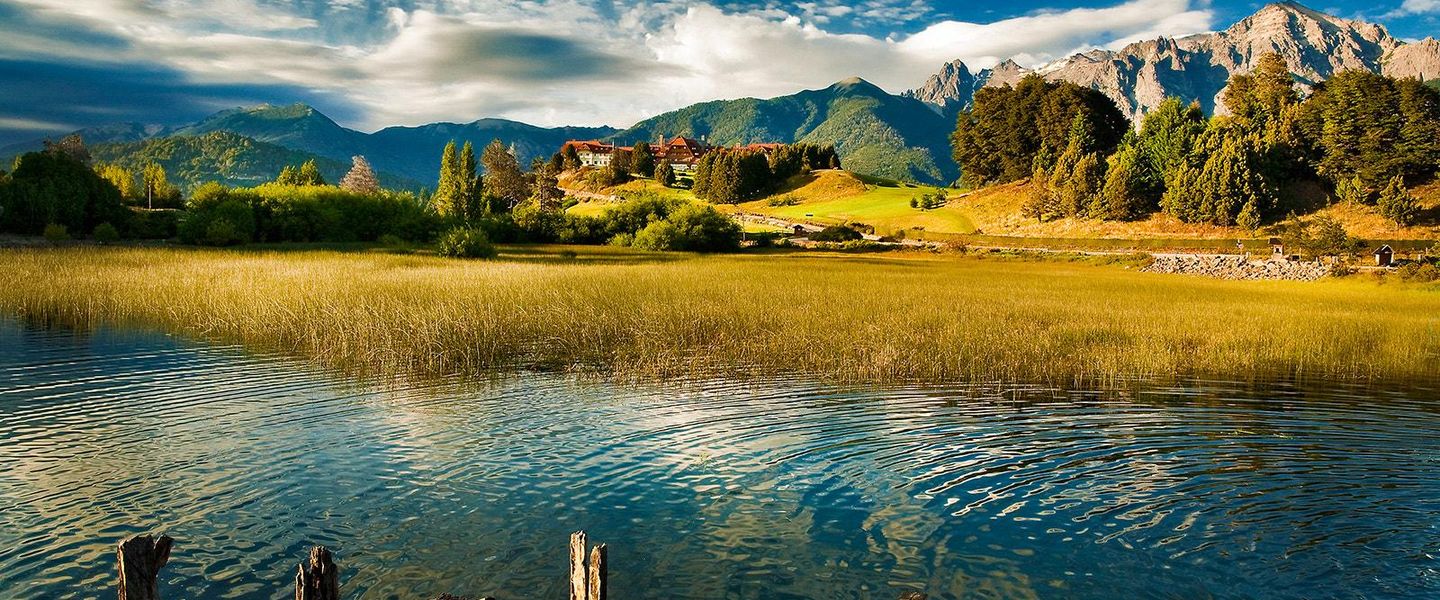


Explore Central Patagonia for whale-filled coasts, dinosaur country, Welsh heritage, Andean lakes, open steppe and long-distance Argentine road journeys.
Read more about Central Patagonia
When is the best time to visit Central Patagonia?
Best: December–February · 17–18°C| Month | High (°C) | Rainfall (mm) |
|---|---|---|
| January (best) | 18 | 30 |
| February (best) | 17 | 25 |
| March | 15 | 20 |
| April | 13 | 30 |
| May | 9 | 40 |
| June | 7 | 50 |
| July | 6 | 50 |
| August | 7 | 40 |
| September | 9 | 30 |
| October | 11 | 25 |
| November | 15 | 20 |
| December (best) | 17 | 25 |
Getting to and around Central Patagonia
How to get there
Transportation
Best attractions in Central Patagonia
Central Patagonia's attractions range from marine wildlife to geological formations and living cultural heritage. Península Valdés is the region's principal natural draw, with seasonal southern right whales, sea lions, elephant seals and Magellanic penguins observed from designated sites and guided excursions. Around Trelew, the Egidio Feruglio Palaeontological Museum explains the fossil history of Chubut, while the nearby Chubut valley offers Welsh chapels, irrigation settlements and traditional tea houses around Gaiman and Dolavon. West of the steppe, Los Alerces National Park provides hiking, boating and forested lake scenery beneath the Andes. Esquel also offers access to La Trochita, a historic narrow-gauge railway. Farther south, Comodoro Rivadavia presents petroleum heritage and coastal viewpoints, while northern Santa Cruz adds penguin colonies, open steppe and the protected landscapes around Bosques Petrificados de Jaramillo National Park. These experiences are widely separated, so the region is better understood as a sequence of carefully planned travel zones than as a compact sightseeing circuit.
-
Tourist attraction
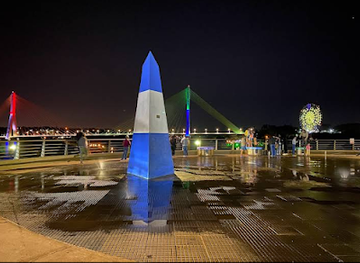
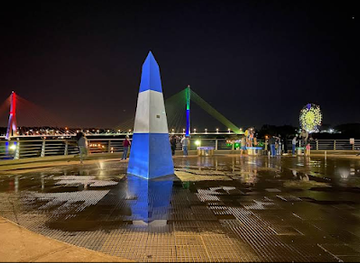
Hito Tres Fronteras (Argentina)
Experience the convergence of Argentina, Brazil, and Paraguay at this tri-border landmark with stunning views and cultural experiences.
-
Park
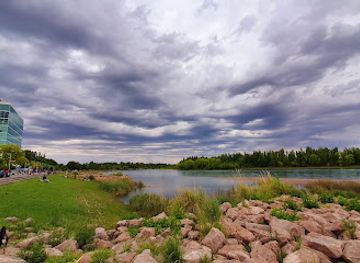
Paseo de la Costa
Experience nature and culture at Neuquén's Paseo de la Costa, a scenic riverside park perfect for recreation and relaxation.
-
Tourist attraction
Mercado Central
Experience the vibrant heart of Mendoza at Mercado Central, a bustling marketplace filled with local flavors, crafts, and culture.
-
Tourist attraction
Parque 9 de Julio
Escape to Parque 9 de Julio in Tucumán: a sprawling green space with history, monuments, and recreational activities for all ages.
Best landmarks in Central Patagonia
The most recognisable landmarks of Central Patagonia express its geological, Indigenous, industrial and colonial histories. Península Valdés is a geographical landmark as much as a wildlife destination: its broad, sheltered inlets and low coastal cliffs define the marine landscape of northern Chubut. The Chubut valley's chapels and irrigation settlements are enduring markers of the Welsh migration that began in 1865, particularly around Gaiman and the lower valley. In Trelew, the Egidio Feruglio Palaeontological Museum gives architectural and scientific form to the fossil-bearing landscapes beyond the town. Comodoro Rivadavia's oil wells, industrial installations and company-era buildings represent the petroleum transformation of the twentieth century. Farther inland, the glacial lakes, Andean forests and ancient alerce trees of Los Alerces National Park form the region's most important mountain landscape. In northern Santa Cruz, the petrified forests of Bosques Petrificados de Jaramillo preserve trees turned to stone in a stark volcanic steppe, creating a landmark that is geological rather than architectural.
-
National park
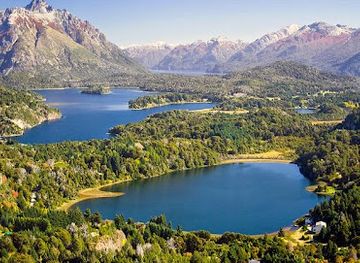
Parque Nacional Nahuel Huapi
Explore the natural beauty of Parque Nacional Nahuel Huapi, a UNESCO World Heritage site, ideal for hiking, water sports, and wildlife spotting in Argentina's Patagonia.
-
Tourist attraction
Hito Tres Fronteras (Argentina)
Discover the unique convergence of Argentina, Brazil, and Paraguay at Hito Tres Fronteras, a breathtaking viewpoint on the Iguazú River.
-
Park
Paseo de la Costa
Experience the natural beauty and tranquility of Paseo de la Costa, a must-visit park in Neuquén Province, perfect for outdoor activities and relaxation.
-
Historical landmark
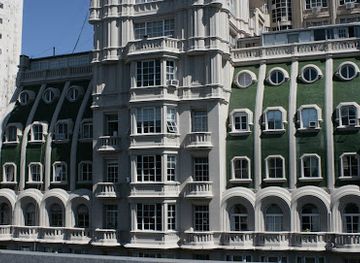
Palacio Barolo
Explore the architectural marvel of Palacio Barolo, a historic landmark in Buenos Aires with breathtaking views and rich cultural history.

Explore Central Patagonia on the map
Plan your trip on one map. See where the top cities, national parks and sights are, and book hotels and experiences in a few clicks.
Best hotels in Central Patagonia
Best restaurants in Central Patagonia
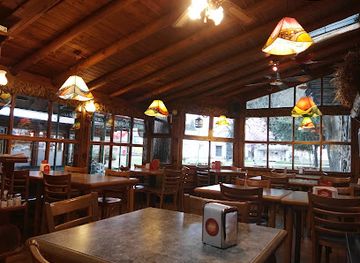
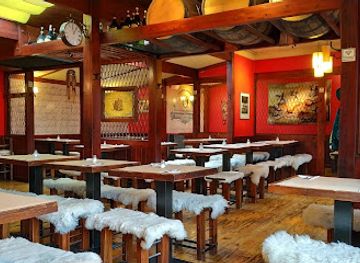
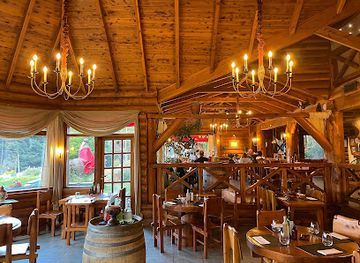
Dining in Central Patagonia combines Argentine staples with produce from the coast, valley farms and Andean foothills. Patagonian lamb, often roasted over an open fire, is a defining regional speciality, while the Atlantic coast supplies seafood such as prawns, mussels and locally caught fish. Trout, preserves, berries, honey and rural cheeses appear more often around Esquel and the western valleys. The Chubut valley's Welsh heritage is expressed through afternoon tea, dense fruit cakes, scones, breads and elaborate cakes, particularly around Gaiman and nearby settlements. Puerto Madryn and other coastal towns have the broadest choice of seafood restaurants, cafés and contemporary cooking, while rural inns and parrillas are important in smaller communities. Menus may also include empanadas, grilled beef and mate, which belong to wider Argentine food culture rather than Central Patagonia alone. Prices, opening times and card acceptance vary considerably outside the principal towns.
-
Restaurant
Jauja
Discover the sweet side of El Bolsón at Jauja - your go-to destination for artisan chocolates, ice creams, and exceptional coffee.
-
Argentinian
Bodegón Fueguino
Experience the authentic flavors of Patagonia at Bodegón Fueguino in Ushuaia – a must-visit Argentinian restaurant for every traveler.
-
Mutton barbecue restaurant
La Tablita
Experience the rich flavors of Argentinian cuisine at La Tablita in El Calafate – a must-visit mutton barbecue restaurant offering exquisite local dishes.
-
Argentinian
El Patacón
Experience authentic Argentinian cuisine amidst breathtaking views at El Patacón in San Carlos de Bariloche.

Best bars in Central Patagonia
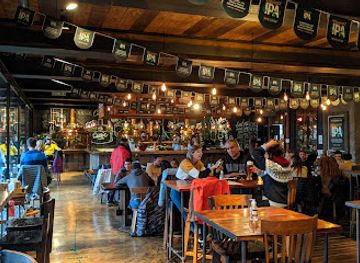
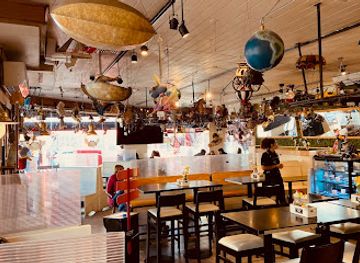
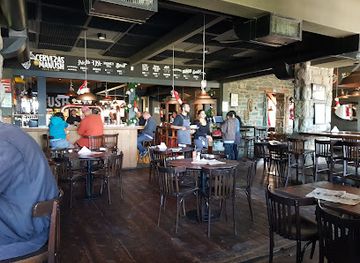
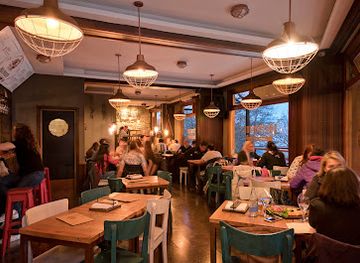
Evening life in Central Patagonia is concentrated in Puerto Madryn, Trelew, Comodoro Rivadavia and Esquel, while smaller settlements generally centre on cafés, restaurants, traditional bars and local social clubs rather than large nightclubs. Puerto Madryn has the most visitor-oriented coastal evening scene, with restaurants, breweries and bars serving after wildlife excursions. Comodoro Rivadavia offers a larger urban choice shaped by its working and student populations, including pubs, music venues and late-night restaurants. Esquel's atmosphere is more relaxed, with bars and eateries catering to residents, outdoor travellers and seasonal visitors. Trelew combines cafés and restaurants with cultural programming, though the scale is modest. In rural areas, evening entertainment is usually an early meal, a traditional inn or a gathering at a local venue. Always check current arrangements locally, since seasonal demand and changing business hours strongly influence nightlife outside the main towns.
-
Brewpub
Cerveza Patagonia - Cerveceria Bariloche
Discover the rich flavors of Patagonia at Cerveza Patagonia, Bariloche's premier brewpub with breathtaking views and handcrafted beers.
-
Grill
Friends
Discover the best of traditional American and local cuisine at Friends, a top-rated grill and pizza restaurant in beautiful Bariloche.
-
Brewpub
Manush km 4
Discover the best craft beer and delicious cuisine at Manush km 4, a must-visit brewpub in beautiful San Carlos de Bariloche.
-
Brewpub
Cervecería Bachmann
Experience the best of craft brewing and local cuisine at Cervecería Bachmann in the heart of Bariloche, where flavors meet tradition.
Best nightclubs in Central Patagonia
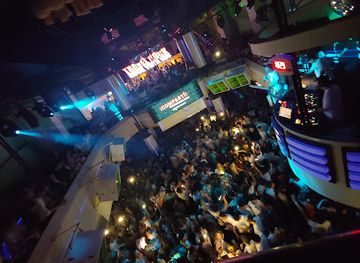
Evening life in Central Patagonia is concentrated in Puerto Madryn, Trelew, Comodoro Rivadavia and Esquel, while smaller settlements generally centre on cafés, restaurants, traditional bars and local social clubs rather than large nightclubs. Puerto Madryn has the most visitor-oriented coastal evening scene, with restaurants, breweries and bars serving after wildlife excursions. Comodoro Rivadavia offers a larger urban choice shaped by its working and student populations, including pubs, music venues and late-night restaurants. Esquel's atmosphere is more relaxed, with bars and eateries catering to residents, outdoor travellers and seasonal visitors. Trelew combines cafés and restaurants with cultural programming, though the scale is modest. In rural areas, evening entertainment is usually an early meal, a traditional inn or a gathering at a local venue. Always check current arrangements locally, since seasonal demand and changing business hours strongly influence nightlife outside the main towns.
-
Disco club
Genux
Experience the pulse of San Carlos de Bariloche at Genux, the premier disco club and bar for unforgettable nightlife and vibrant entertainment.
-
Night club
Niceto Club
Discover the vibrant nightlife at Niceto Club, a must-visit night club in Buenos Aires offering live music, dancing, and an electrifying atmosphere.
-
Night club
Club Bahrein
Discover the electrifying ambiance of Club Bahrein, a premier destination for nightlife enthusiasts in the heart of Buenos Aires.
-
Disco club
Glam Disco
Dive into the electrifying nightlife of Buenos Aires at Glam Disco, where vibrant music and dancing await in a stylish atmosphere.



Best shops in Central Patagonia
Shopping in Central Patagonia is primarily local and practical, with the strongest choices found in Puerto Madryn, Trelew, Comodoro Rivadavia and Esquel. Market stalls and independent shops sell woollen garments, knitted goods, leather, regional preserves, honey, chocolates and locally produced food. In the Chubut valley, Welsh-themed baking and packaged teas make suitable edible souvenirs, while craft shops may carry textiles and ceramics connected to Patagonian design. Esquel and other western towns are useful for outdoor clothing, artisan work and products from nearby rural communities. Puerto Madryn has shops focused on marine wildlife, crafts and regional food, although visitors should avoid buying products made from protected animals, fossils or archaeological material. Comodoro Rivadavia has the broadest conventional retail offering in the southern part of the region, including supermarkets and national chains, but it is less oriented towards heritage crafts. Opening days and payment options can be limited in small settlements, so buy essential supplies before setting out on long road journeys.
-
Shopping mall
Alto Comahue Shopping (Neuquén)
Discover the vibrant shopping experience at Alto Comahue Shopping in Neuquén, offering diverse shops, dining, and entertainment options for all visitors.
-
Shopping mall
Portal Patagonia Shopping
Discover Portal Patagonia Shopping in Neuquén - a lively shopping mall with diverse stores, delicious dining, and family-friendly fun.
-
Shopping mall
Paseo de la Patagonia Shopping Center
Discover shopping, dining, and entertainment at Paseo de la Patagonia Shopping Center in Neuquén, a vibrant hub for travelers and locals alike.
-
Shopping mall
Fire Walk Shopping Center
Experience shopping, dining, and breathtaking views at Ushuaia's Fire Walk Shopping Center, a vibrant hub for tourists.
Get your free copy of our complete guide to Central Patagonia, delivered straight to you.
Everything on this page, from attractions and restaurants to essentials and local phrases, in one PDF you can read offline, print or share.
Already have an account? Sign in
Your Central Patagonia guide is ready.
We'll send it to · Not you? Sign out

Getting your guide ready…
We are putting together a fresh copy of the Central Patagonia guide. This can take up to a minute.
This can take a few moments. If your browser asks, choose Allow so the download can start. You'll find the guide in your Downloads folder.
Nothing happened? Download it again
Sorry, the guide is taking longer than usual. Please try again in a minute, or get it by email instead.
Central Patagonia essentials
Currency and Payment
Safety
Emergency Situations
Do's and Don'ts
Local Tips
From Eve
Local phrases worth knowing
You don't need to get them perfect. A few words go a long way, and locals appreciate the effort.
Basics
| English | Local | Say it |
|---|---|---|
| Hello | Hola | [Oh-lah] |
| Goodbye | Adiós | [Ah-dee-ohs] |
| Yes | Sí | [See] |
| No | No | [No] |
| Please/You're welcome | Por favor | [Por fah-vor] |
| Thank you | Gracias | [Grah-syahs] |
| Excuse me/Sorry | Perdón | [Per-dohn] |
| How are you? | ¿Cómo estás? | [Koh-moh es-tahs] |
| Fine. And you? | Bien. ¿Y tú? | [Byen. Ee too] |
| Do you speak English? | ¿Hablas inglés? | [Ah-blahs een-glays] |
| I don't understand | No entiendo | [No en-tyen-doh] |
Eating & Drinking
| English | Local | Say it |
|---|---|---|
| I'd like to see the menu, please | Me gustaría ver el menú, por favor | [Meh goo-stah-ree-ah vehr el meh-noo, por fah-vor] |
| I don't eat meat | No como carne | [No koh-mo kar-neh] |
| Cheers! | ¡Salud! | [Sah-lood] |
| I would like to pay, please | Quisiera pagar, por favor | [Kee-syeh-rah pah-gar, por fah-vor] |
Emergencies
| English | Local | Say it |
|---|---|---|
| Help! | ¡Ayuda! | [Ah-yoo-dah] |
| Go away! | ¡Vete! | [Veh-teh] |
| Call the Police! | ¡Llama a la policía! | [Yah-mah ah lah poh-lee-see-ah] |
| Call a doctor! | ¡Llama a un doctor! | [Yah-mah ah oon dok-tor] |
| I'm lost | Estoy perdido | [Es-toy per-dee-doh] |
| I'm ill | Estoy enfermo | [Es-toy en-fer-mo] |
Shopping
| English | Local | Say it |
|---|---|---|
| I'd like to buy... | Me gustaría comprar... | [Meh goo-stah-ree-ah kom-prar] |
| I'm just looking | Solo estoy mirando | [Soh-lo es-toy mee-ran-doh] |
| How much is it? | ¿Cuánto cuesta? | [Kwan-to kwes-tah] |
| That's too expensive | Es demasiado caro | [Es de-mah-see-ah-doh kah-roh] |
| Can you lower the price? | ¿Puedes bajar el precio? | [Pweh-des bah-har el preh-syo] |
Time & Numbers
| English | Local | Say it |
|---|---|---|
| What time is it? | ¿Qué hora es? | [Keh oh-rah es] |
| It's one o'clock | Es la una | [Es lah oo-nah] |
| Half past (10) | Y diez y media | [Ee dyez ee meh-dee-ah] |
| Morning | Mañana | [Mah-nyah-nah] |
| Afternoon | Tarde | [Tar-deh] |
| Evening | Noche | [No-cheh] |
| Yesterday | Ayer | [Ah-yer] |
| Today | Hoy | [Oy] |
| Tomorrow | Mañana | [Mah-nyah-nah] |
| 1 | Uno | [Oo-no] |
| 2 | Dos | [Dohs] |
| 3 | Tres | [Trehs] |
| 4 | Cuatro | [Kwah-tro] |
| 5 | Cinco | [Seen-koh] |
| 6 | Seis | [Says] |
| 7 | Siete | [Syeh-teh] |
| 8 | Ocho | [Oh-cho] |
| 9 | Nueve | [Nweh-veh] |
| 10 | Diez | [Dyez] |
Transport & Directions
| English | Local | Say it |
|---|---|---|
| Where's a/the...? | ¿Dónde hay un/una...? | [Dohn-deh eye oon/oo-nah] |
| What's the address? | ¿Cuál es la dirección? | [Kwahl es lah dee-rek-syon] |
| Can you show me (on the map)? | ¿Puedes mostrarme (en el mapa)? | [Pweh-des mos-trar-meh (en el mah-pah)] |
| When's the next (bus)? | ¿Cuándo es el próximo (autobús)? | [Kwan-doh es el proh-xi-mo (ow-toh-boos)] |
| A ticket (to ....) | Un boleto (a ....) | [Oon boh-leh-toh (ah ....)] |
History of Central Patagonia
Tehuelche and Earlier Human Presence
Central Patagonia has been inhabited for thousands of years, with archaeological evidence recording sophisticated hunter-gatherer societies adapted to steppe, river valleys and the Atlantic coast. The Tehuelche peoples, known by several regional names and with diverse local identities, travelled across extensive territories and maintained detailed knowledge of water, wildlife and seasonal routes. Rock art, stone tools and archaeological sites preserve parts of this long history, although many interpretations remain connected to living Indigenous perspectives rather than being only museum subjects. European exploration and later state expansion profoundly altered these societies through disease, displacement, military campaigns and the restriction of traditional movements.
Welsh Settlement in the Chubut Valley, from 1865
Welsh immigrants founded Y Wladfa, the Welsh settlement of Patagonia, after arriving at the Gulf of Nuevo in 1865. Communities developed along the lower and middle Chubut valley, including settlements around present-day Rawson, Gaiman, Trelew and Dolavon, using irrigation to cultivate land in an otherwise dry environment. Chapels, local-language traditions, choirs and the custom of serving tea with elaborate baking remain important signs of this heritage. The settlement was not isolated from Indigenous and wider Argentine society: its development involved changing relationships with local communities and the expanding Argentine state.
State Expansion and Frontier Transformation
During the late nineteenth century, Argentine state expansion brought military campaigns, settlement policies and new administrative control to Patagonia. The process was devastating for Indigenous communities, who faced violence, land loss, forced relocation and the disruption of established economies. New towns, estancias and transport links subsequently developed across Chubut and Santa Cruz, while large sheep holdings became central to the export economy. The rural landscape still reflects this period through fences, ranch buildings, wool routes and the uneven distribution of land established during and after frontier consolidation.
Railways, Wool and Export Agriculture
From the late nineteenth century into the twentieth, sheep farming and wool exports shaped much of Central Patagonia's economy. Railways connected parts of the Chubut valley and the interior with coastal ports, although several lines were later abandoned or dismantled. The narrow-gauge La Trochita, operating from the Esquel area, survives as a celebrated remnant of this railway history. Ports, wool sheds, general stores and company infrastructure supported a dispersed rural economy, while harsh weather, labour disputes and fluctuating international prices repeatedly affected estancias and the towns that served them.
The Discovery of Oil at Comodoro Rivadavia, 1907
Oil was discovered near Comodoro Rivadavia in 1907, transforming the southern Chubut coast and giving rise to one of Argentina's most important petroleum centres. State involvement, later represented prominently by YPF, encouraged technical employment, planned neighbourhoods and migration from other parts of Argentina and abroad. The oil industry brought infrastructure and economic opportunity but also produced distinctive social and environmental pressures. Comodoro's industrial history remains visible in museums, wells, company buildings and the city's relationship with the stark plateau and sea.
Palaeontology and the Dinosaur Provinces
The sedimentary basins of Chubut and northern Santa Cruz contain exceptionally important fossil evidence, including dinosaur remains, marine reptiles and ancient plants. Scientific work expanded particularly during the twentieth century, supported by museums and research institutions in Trelew, Plaza Huincul outside the region, and other Argentine centres. The Egidio Feruglio Palaeontological Museum in Trelew presents discoveries from Patagonia in an accessible setting, while field sites and fossil-bearing formations have contributed to international understanding of Mesozoic ecosystems. Fossils are protected by law and should never be collected privately.
Conservation and the Modern Travel Landscape
The creation and enlargement of protected areas changed how Central Patagonia's landscapes were managed and experienced. Los Alerces National Park preserves Andean forests and glacial lakes in western Chubut, while Península Valdés protects one of the world's important marine mammal breeding areas and became a UNESCO World Heritage Site in 1999. Other reserves safeguard penguin colonies, petrified forests and steppe habitats. Conservation now sits alongside ranching, fishing, oil production and tourism, making responsible access and careful management essential to the region's future.
Central Patagonia in Photos
Browse through our photo collection highlighting the charm and character of the destination.
Neighbouring regions of Central Patagonia
The closest regions to Central Patagonia, if you have time for more than one.
-
-
-

-

-


Swipe for more regions
Explore more

Explore more of Argentina
Discover Argentina: From the lively streets of Buenos Aires to the breathtaking landscapes of Patagonia, experience the vibrant culture and diverse natural wonders of this South American gem.
Explore Argentina