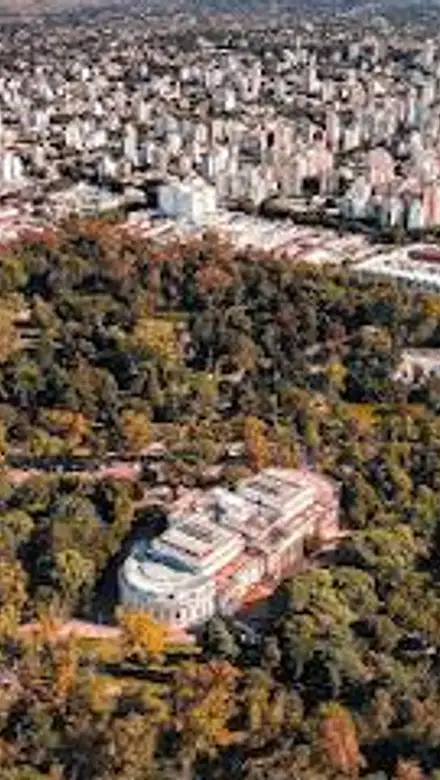
Museo de La Plata, La Plata Travel Guide
Explore South America's natural history at Museo de La Plata: fossils, artifacts, and cultural heritage in a neoclassical landmark.
The Museo de La Plata, inaugurated in 1888, is one of the most important natural history museums in Latin America. Located in La Plata, Argentina, it houses a vast collection of fossils, artifacts, and exhibits showcasing the region's geology, paleontology, zoology, anthropology, and archaeology.
A brief summary to Museo de La Plata
- Paseo del Bosque s/n, La Plata, Buenos Aires Province, B1900, AR
- Click to display
- Wednesday 10 am-6 pm
- Thursday 10 am-6 pm
- Friday 10 am-6 pm
- Saturday 10 am-6 pm
- Sunday 10 am-6 pm

Know before you go
Hi, I'm Eve. Here are a few practical things to know before exploring Museo de La Plata.
- Visit during the week to avoid weekend crowds and school groups.
- Take a guided tour for deeper insights into the museum's vast collections.
- Explore the surrounding Paseo del Bosque, including the zoo and botanical garden.
- Check the museum's website for temporary exhibitions and special events.
Do you manage this location?
Take control to get all the benefits, like improved information, better appearance, and stronger visibility across AI-powered discovery. Learn more about listing your business on Evendo
Activate your presenceOther nearby places you may find interesting
The closest places of the same kind, if this one is not quite what you had in mind.
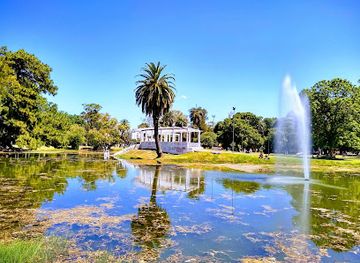
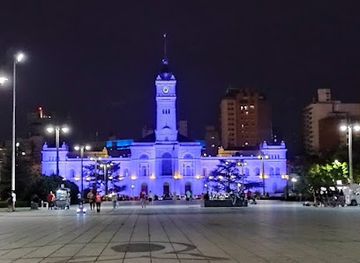
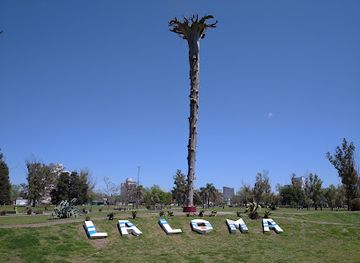
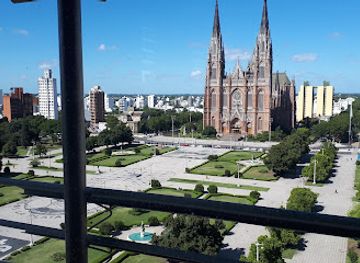
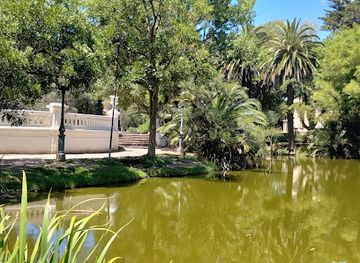
Explore Museo de La Plata on the Map
A handpicked selection of must-see spots near Museo de La Plata, mapped for you.
Unlock the Best of Museo de La Plata
Buy tickets
-
No tickets available
Book tours with entry


Book tours without entry
-
No tours available
Getting There
-
Walking
From Plaza Moreno in the city center, walk north along Avenida 7 until you reach Paseo del Bosque. Enter the park, and you'll find the Museo de La Plata on your right. The walk is approximately 20-30 minutes.
-
Public Transport
From the city center, take a bus that heads towards 'Paseo del Bosque' or 'Museo de La Plata'. Bus lines 44, 85, or 520 typically stop near the museum. A single bus fare costs approximately ARS 30.
-
Taxi
Taxis are readily available in La Plata. A short taxi ride from the city center to the Museo de La Plata will cost approximately ARS 1000-1500. Ensure the driver uses the meter or negotiate the fare beforehand.
Discover more about Museo de La Plata













Your all‑in‑one travel companion app
Explore expert travel guides, compare and book tours, experiences, hotels, and more—all from the palm of your hand. Download now for seamless trip planning wherever your wanderlust takes you.


Explore More of La Plata
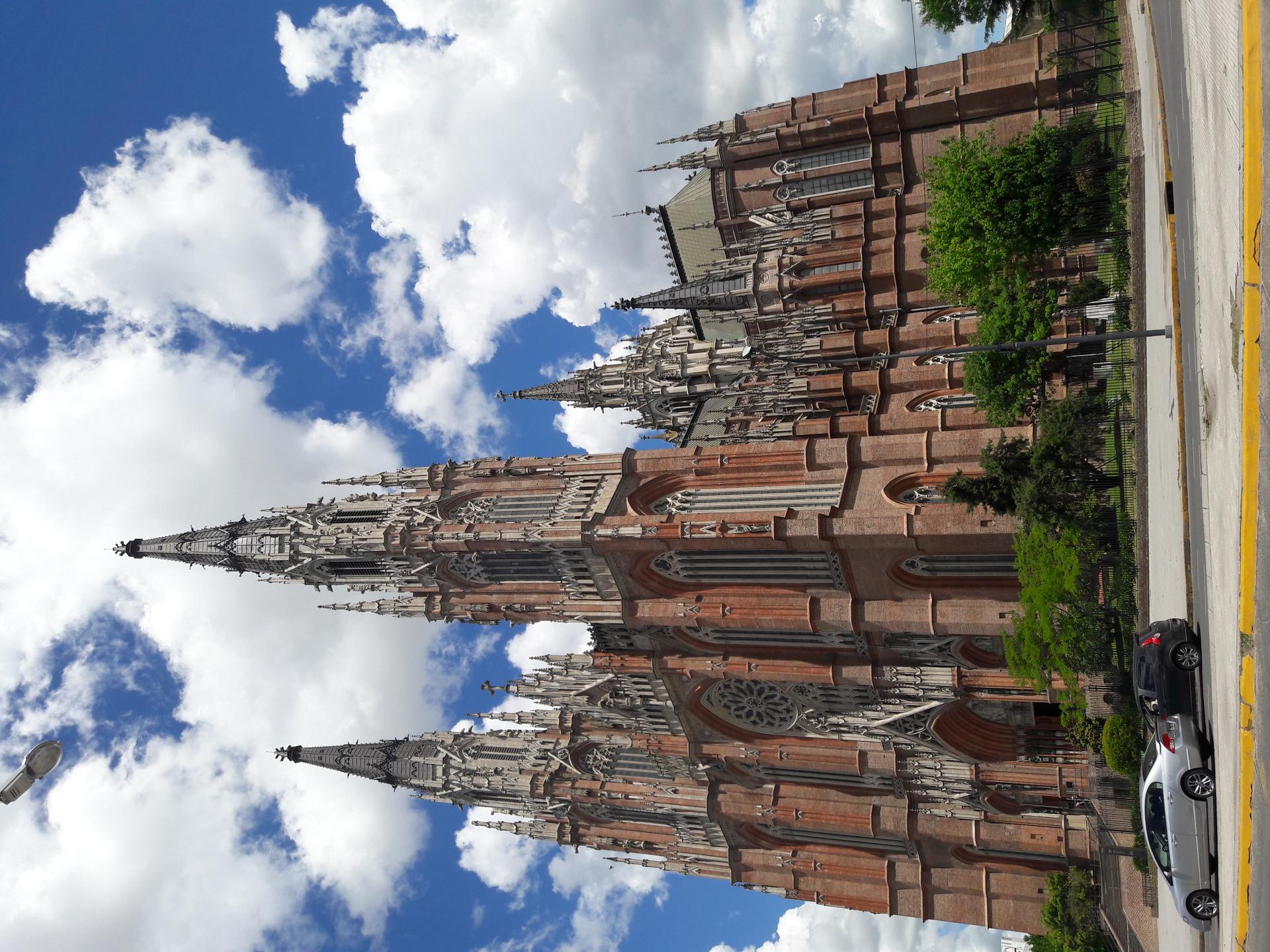
Looking beyond Museo de La Plata? Discover La Plata for broader travel guides, local hot-spots, and regional highlights.
Explore La Plata
Explore the revitalized Riachuelo ecosystem and working-class culture at Isla Maciel's environmental interpretation center.
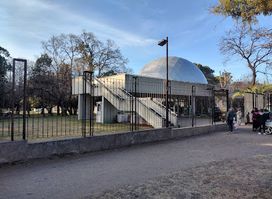
Explore the universe at La Plata's Planetarium: captivating shows, exhibits, and astronomical wonders await in Paseo del Bosque.