

Free La Plata Travel Guide & Mobile App
Plan your La Plata trip with Evendo. Get free guides to top attractions, restaurants, hotels, and bars. Web access or download the mobile app.


La Plata, Argentina’s planned capital, pairs diagonal avenues and grand landmarks with museums, student culture, leafy parks and modern architecture.
A City Designed on Paper
La Plata, capital of Buenos Aires Province, was founded in 1882 after Buenos Aires became the federal capital of Argentina. Its original plan is unusually legible: a broad grid is sharpened by diagonals, generous avenues, public squares and a sequence of civic buildings. Plaza Moreno forms the symbolic centre, facing the neo-Gothic Cathedral of the Immaculate Conception and the provincial municipal palace. The result is a city whose streets reveal their logic while still offering architectural surprises at almost every turn.Read more about La Plata
Museums, Students and Modern Architecture
Parks and Neighbourhood Life
When is the best time to visit La Plata?
Best: April, September–October · 22–25°C| Month | High (°C) | Rainfall (mm) |
|---|---|---|
| January | 32 | 120 |
| February | 32 | 110 |
| March | 29 | 90 |
| April (best) | 24 | 80 |
| May | 20 | 60 |
| June | 17 | 40 |
| July | 16 | 40 |
| August | 18 | 50 |
| September (best) | 22 | 70 |
| October (best) | 25 | 90 |
| November | 28 | 110 |
| December | 31 | 120 |
Getting to and around La Plata
How to get there
Transportation
Best attractions in La Plata
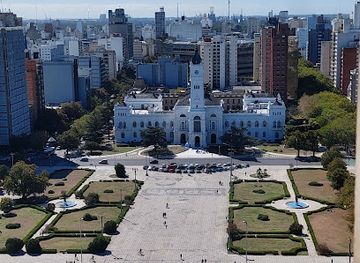
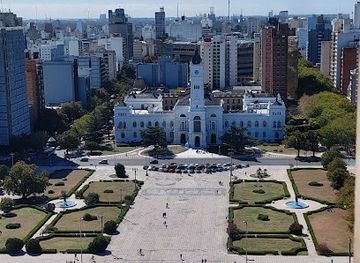
La Plata’s attractions are concentrated within a coherent urban plan that makes sightseeing unusually rewarding on foot. Plaza Moreno is the natural starting point, facing the Cathedral of the Immaculate Conception and the Provincial Government House, while the nearby Museo de La Plata presents extensive collections of fossils, minerals, archaeology and anthropology. The Paseo del Bosque provides shaded paths, museums and open space around the Astronomical Observatory, offering a quieter perspective on the city’s scientific identity. Architecture enthusiasts can visit Casa Curutchet, Le Corbusier’s carefully composed modernist house, and compare it with the ornate civic buildings of the nineteenth-century centre. The Teatro Argentino represents La Plata’s major performing-arts tradition, while Meridiano V combines former railway surroundings with cultural activity. Broad avenues, diagonal streets and regularly spaced squares are attractions in themselves, revealing the ambition behind the city’s original design.
-
Tourist attraction
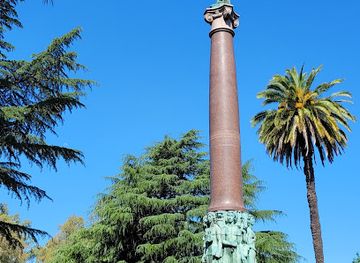
Plaza Moreno
Discover Plaza Moreno, the vibrant heart of La Plata, Argentina, where history, culture, and community converge in a beautifully designed urban space.
1 min walk · 0.1 km from city centre
-
Museum
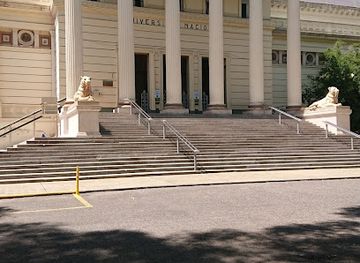
Museo de La Plata
Explore South America's natural history at Museo de La Plata: fossils, artifacts, and cultural heritage in a neoclassical landmark.
6 min drive · 2.2 km from city centre
-
Tourist attraction
Paseo del Bosque
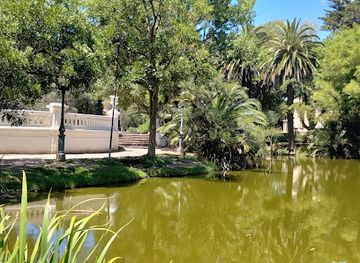
Discover La Plata's largest park: a blend of nature, culture, and recreation in the heart of the city.
7 min drive · 2.2 km from city centre
-
Cathedral
Catedral de La Plata
Discover La Plata's iconic neo-Gothic cathedral, a towering architectural marvel inspired by European masterpieces.
4 min walk · 0.3 km from city centre


Best landmarks in La Plata
The Cathedral of the Immaculate Conception is La Plata’s defining landmark, its tall neo-Gothic form rising over Plaza Moreno and embodying the religious and civic ambition of the planned capital. Opposite it, the Provincial Government House and the Palacio Municipal demonstrate the monumental European-influenced architecture chosen for the new provincial centre. Casa Curutchet offers a contrasting landmark: Le Corbusier’s modernist residence uses pilotis, terraces, a ramp and carefully controlled views to connect the house with the urban street. The Astronomical Observatory in the Paseo del Bosque represents the city’s commitment to scientific institutions, while the Teatro Argentino stands for its performing-arts tradition after reconstruction following the 1977 fire. Together these structures show La Plata’s architectural range, from nineteenth-century civic grandeur to internationally significant twentieth-century modernism.
-
Playground
República de los Niños
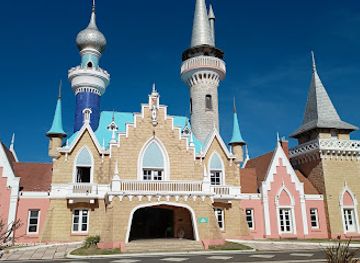
Discover the magical República de los Niños, a whimsical playground in Buenos Aires where imagination comes to life for children and families alike.
21 min drive · 7.0 km from city centre
-
Park
Plaza Moreno
Discover the charm of Plaza Moreno in La Plata, a stunning park surrounded by historic architecture and vibrant culture, perfect for relaxation and exploration.
1 min walk · 0.1 km from city centre
-
Museum
Museo de La Plata
Explore the captivating Museo de La Plata, Argentina's premier natural history museum, showcasing fascinating exhibits on biodiversity and cultural heritage.
6 min drive · 2.2 km from city centre
-
Park
Paseo del Bosque
Discover the tranquil beauty of Paseo del Bosque, La Plata's lush urban park, perfect for leisurely strolls, family outings, and nature appreciation.
7 min drive · 2.2 km from city centre
Explore La Plata on the map
Plan your La Plata trip on one map. See where the top attractions, landmarks, restaurants, bars and hotels are, find what's near where you're staying, and book hotels and experiences in a few clicks.
Best hotels in La Plata
Best restaurants in La Plata
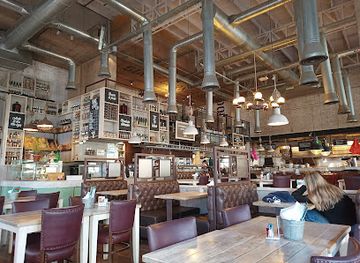
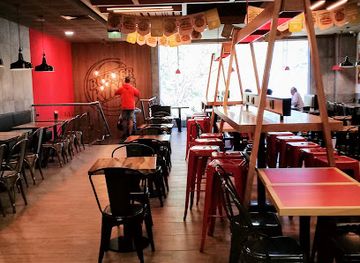
La Plata’s dining scene reflects the food culture of Buenos Aires Province while retaining a strongly student-oriented, independent character. Argentine staples such as grilled beef, empanadas, milanesas and pizza are widely represented, alongside Italian-influenced pasta, bakeries and ice-cream shops shaped by the country’s immigrant history. The central area around Plaza Moreno, the university districts and streets along the diagonals contain cafés, casual restaurants and bars where coffee, medialunas and late meals fit naturally into the city’s daily rhythm. Craft beer has become part of contemporary urban dining, particularly among younger residents, while parrillas provide a more traditional setting for meat and regional wine. City Bell, within the wider La Plata municipality, adds a concentration of cafés and restaurants with a more suburban atmosphere. Food markets and small specialist shops offer useful glimpses of everyday Argentine ingredients rather than a separate tourist cuisine.
-
Restaurant
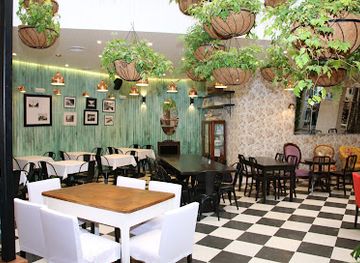
Green Garden - La Plata
Experience the best of La Plata's culinary scene at Green Garden - where flavor meets atmosphere in every bite.
3 min walk · 0.3 km from city centre
-
Restaurant
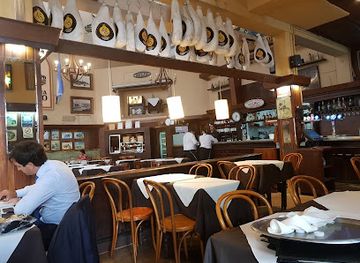
Cervecería Modelo
Discover Cervecería Modelo in La Plata - where authentic Argentine flavors meet craft beer in a vibrant dining atmosphere.
13 min walk · 1.1 km from city centre
-
Restaurant
Foodie Special Burger
Discover mouthwatering gourmet burgers in La Plata at Foodie Special Burger – where flavor meets fun in every bite!
13 min walk · 1.1 km from city centre
-
Restaurant
Mostaza
Discover Mostaza in La Plata: A must-visit fast-food haven offering delicious burgers and local flavors in a vibrant setting.
4 min walk · 0.3 km from city centre
Best bars in La Plata
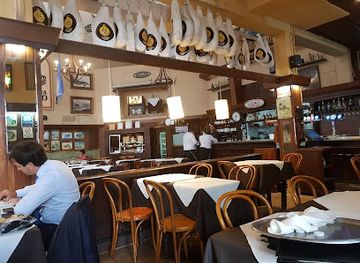
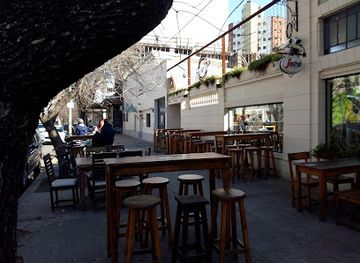
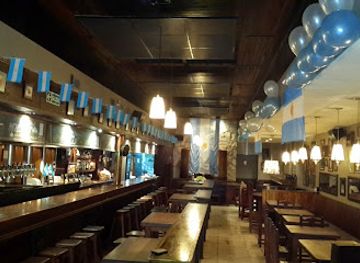
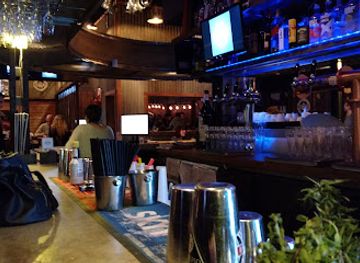
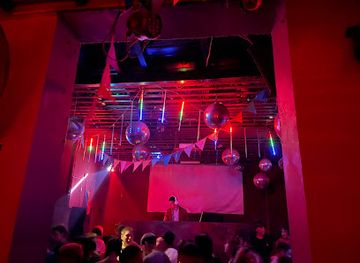
La Plata’s evening life is shaped by its large student population, cultural institutions and compact central districts rather than by a single club quarter. Bars around the central grid and university area range from informal beer houses and cafés to venues serving cocktails and live music, with activity often beginning later in the evening than visitors from northern Europe may expect. Meridiano V is associated with cultural programming in a former railway setting, including music, performances and community events, while theatres and independent arts spaces broaden the choices beyond drinking. The Teatro Argentino provides a more formal evening of opera, ballet, concerts or theatre when programmes allow. Nightclubs and dance venues exist, but their names and schedules change more quickly than the city’s established cultural institutions, so local listings are the best guide to current events and access arrangements.
-
Restaurant
Cervecería Modelo
Experience the vibrant flavors of Argentina at Cervecería Modelo, La Plata's premier destination for craft beer and local cuisine.
13 min walk · 1.1 km from city centre
-
Brewpub
BrowBar
Discover BrowBar in La Plata, a brewpub offering exquisite craft beers and delicious food in a lively and welcoming atmosphere.
12 min walk · 1.0 km from city centre
-
Brewpub
Antares La Plata 56
Explore the vibrant brewpub culture at Antares La Plata 56, where craft beer meets delectable tapas in the heart of La Plata.
5 min walk · 0.4 km from city centre
-
Grill
The Brothers House
Experience the authentic flavors of Argentina at The Brothers House, La Plata's premier grill destination offering a delightful culinary journey.
4 min walk · 0.3 km from city centre
Best nightclubs in La Plata
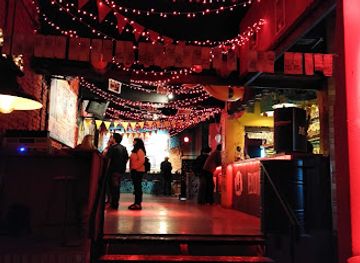
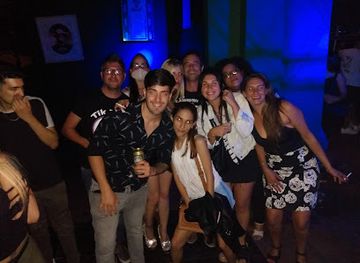
La Plata’s evening life is shaped by its large student population, cultural institutions and compact central districts rather than by a single club quarter. Bars around the central grid and university area range from informal beer houses and cafés to venues serving cocktails and live music, with activity often beginning later in the evening than visitors from northern Europe may expect. Meridiano V is associated with cultural programming in a former railway setting, including music, performances and community events, while theatres and independent arts spaces broaden the choices beyond drinking. The Teatro Argentino provides a more formal evening of opera, ballet, concerts or theatre when programmes allow. Nightclubs and dance venues exist, but their names and schedules change more quickly than the city’s established cultural institutions, so local listings are the best guide to current events and access arrangements.
-
Night club
Ciudad de Gatos
Dive into the electrifying nightlife of Ciudad de Gatos in La Plata, where unforgettable moments await amidst vibrant music and a lively atmosphere.
7 min drive · 2.4 km from city centre
-
Disco club
ROX
Discover La Plata's premier disco club, ROX, where electrifying music and vibrant nightlife create unforgettable party experiences.
3 min walk · 0.3 km from city centre
-
Disco club
La Casona
Experience the vibrant nightlife of La Plata at La Casona, a premier disco club with diverse music and an electrifying atmosphere.
11 min walk · 0.9 km from city centre
-
Disco club
Hogan's Club
Dive into the vibrant nightlife of La Plata at Hogan's Club, where music, dancing, and unforgettable memories await you.
11 min walk · 0.9 km from city centre

Best shops in La Plata
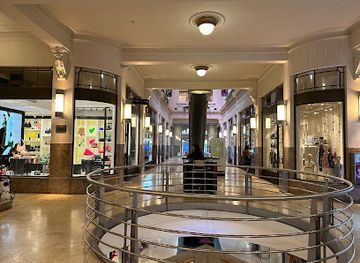
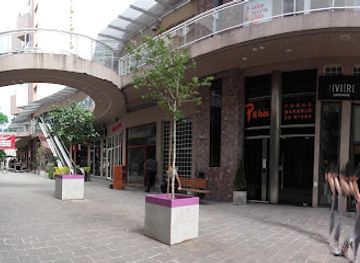
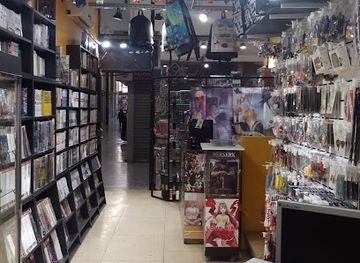
Shopping in La Plata is centred on the commercial grid, especially Calle 8 and Calle 12, where everyday Argentine retail, clothing shops, cafés and services occupy busy central streets. Pasaje Rodrigo offers a more concentrated indoor retail setting, while independent bookshops and specialist stores reflect the city’s university population and cultural life. Markets and neighbourhood bakeries are useful for local food products such as yerba mate, dulce de leche, regional preserves and Argentine confectionery, although branded goods are not exclusive to La Plata. City Bell, within the municipality, has a more relaxed shopping atmosphere with boutiques, design shops and cafés along its principal commercial streets. The most characteristic purchases are often modest: books, locally made food, leather goods and small craft objects rather than a single souvenir identified solely with the city.
-
Shopping mall
Pasaje Rodrigo
Experience the lively shopping scene and local culture at Pasaje Rodrigo, La Plata's premier shopping mall with diverse shops and dining options.
14 min walk · 1.1 km from city centre
-
Shopping mall
Pasaje 8 Bis
Discover the vibrant shopping and cultural scene at Pasaje 8 Bis, La Plata's bustling shopping mall offering local flavors and unique finds.
7 min walk · 0.5 km from city centre
-
Gift shop
Septimo Portal
Explore Septimo Portal in La Plata for an unforgettable shopping experience filled with unique gifts, toys, and comic books that delight all ages.
10 min walk · 0.8 km from city centre
-
Gift shop
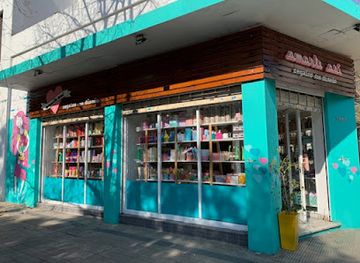
Amarte Así
Discover unique gifts and artisanal treasures at Amarte Así, La Plata's charming gift shop celebrating local craftsmanship.
8 min walk · 0.6 km from city centre
Get your free copy of our complete guide to La Plata, delivered straight to you.
Everything on this page, from attractions and restaurants to essentials and local phrases, in one PDF you can read offline, print or share.
Already have an account? Sign in
Your La Plata guide is ready.
We'll send it to · Not you? Sign out

Getting your guide ready…
We are putting together a fresh copy of the La Plata guide. This can take up to a minute.
This can take a few moments. If your browser asks, choose Allow so the download can start. You'll find the guide in your Downloads folder.
Nothing happened? Download it again
Sorry, the guide is taking longer than usual. Please try again in a minute, or get it by email instead.
La Plata essentials
Currency and Payment
Safety
Emergency Situations
Do's and Don'ts
Local Tips
From Eve
Local phrases worth knowing
You don't need to get them perfect. A few words go a long way, and locals appreciate the effort.
Basics
| English | Local | Say it |
|---|---|---|
| Hello | Hola | [oh-lah] |
| Goodbye | Chau | [chow] |
| Yes | Sí | [see] |
| No | No | [noh] |
| Please/You're welcome | Por favor/De nada | [por fah-vor/de nah-dah] |
| Thank you | Gracias | [grah-see-ahs] |
| Excuse me/Sorry | Perdón/Disculpa | [pair-dohn/dees-kool-pah] |
| How are you? | ¿Cómo estás? | [koh-moh ehs-tahs] |
| Fine. And you? | Bien. ¿Y tú? | [bee-ehn. ee too] |
| Do you speak English? | ¿Hablas inglés? | [ah-blahs een-glays] |
| I don't understand | No entiendo | [noh ehn-tee-ehn-doh] |
Eating & Drinking
| English | Local | Say it |
|---|---|---|
| I'd like to see the menu, please | Quisiera ver la carta, por favor | [kee-see-eh-rah behr lah kahr-tah, por fah-vor] |
| I don't eat meat | No como carne | [noh koh-moh kahr-neh] |
| Cheers! | Salud! | [sah-lood] |
| I would like to pay, please | Quisiera pagar, por favor | [kee-see-eh-rah pah-gahr, por fah-vor] |
Emergencies
| English | Local | Say it |
|---|---|---|
| Help! | ¡Ayuda! | [ah-yoo-dah] |
| Go away! | ¡Vete! | [veh-teh] |
| Call the Police! | ¡Llama a la policía! | [yah-mah ah lah poh-lee-see-ah] |
| Call a doctor! | ¡Llama a un médico! | [yah-mah ah oon meh-dee-koh] |
| I'm lost | Estoy perdido | [ehs-toy pair-dee-doh] |
| I'm ill | Estoy enfermo | [ehs-toy ehn-fehr-moh] |
Shopping
| English | Local | Say it |
|---|---|---|
| I'd like to buy... | Quisiera comprar... | [kee-see-eh-rah kohm-prahr...] |
| I'm just looking | Solo estoy mirando | [soh-loh ehs-toy mee-rahn-doh] |
| How much is it? | ¿Cuánto cuesta? | [kwan-toh kwehs-tah] |
| That's too expensive | Es muy caro | [ehs moo-ee kahr-oh] |
| Can you lower the price? | ¿Puede bajar el precio? | [pweh-deh bah-hahr ehl pree-eh-soh] |
Time & Numbers
| English | Local | Say it |
|---|---|---|
| What time is it? | ¿Qué hora es? | [keh oh-rah ehs] |
| It's one o'clock | Es la una | [ehs lah oo-nah] |
| Half past (10) | Y media | [ee meh-dyah] |
| Morning | Mañana | [mah-nyah-nah] |
| Afternoon | Tarde | [tahr-deh] |
| Evening | Noche | [noh-cheh] |
| Yesterday | Ayer | [ah-yehr] |
| Today | Hoy | [oy] |
| Tomorrow | Mañana | [mah-nyah-nah] |
| 1 | Uno | [oo-noh] |
| 2 | Dos | [dohs] |
| 3 | Tres | [trehs] |
| 4 | Cuatro | [kwah-troh] |
| 5 | Cinco | [seen-koh] |
| 6 | Seis | [sehs] |
| 7 | Siete | [syeh-teh] |
| 8 | Ocho | [oh-choh] |
| 9 | Nueve | [nweh-veh] |
| 10 | Diez | [dyehs] |
Transport & Directions
| English | Local | Say it |
|---|---|---|
| Where's a/the...? | ¿Dónde está...? | [dohn-deh ehs-tah] |
| What's the address? | ¿Cuál es la dirección? | [kwal ehs lah dee-rehk-syohn] |
| Can you show me (on the map)? | ¿Puedes mostrarme (en el mapa)? | [pweh-dehs mohs-trar-meh (ehn ehl mah-pah)] |
| When's the next (bus)? | ¿Cuándo pasa el próximo (colectivo)? | [kwan-doh pah-sah ehl proh-see-moh (koh-lehk-tee-voh)] |
| A ticket (to ....) | Un boleto (a ....) | [oon boh-leh-toh (ah ....)] |
History of La Plata
Foundation of a Provincial Capital
La Plata was founded in 1882 as the new capital of Buenos Aires Province, following the federalisation of the city of Buenos Aires in 1880. Governor Dardo Rocha promoted the project, and the city was laid out on open land rather than growing gradually from an older settlement. Its plan used a regular grid, diagonals, tree-lined avenues and strategically placed squares, expressing nineteenth-century ideas about sanitation, order and civic progress. The new capital was intended to house the provincial administration and demonstrate modern state-building. Public buildings, parks and institutional sites were assigned places within the plan from the outset, giving La Plata a civic coherence unusual among Argentina’s major cities.
Civic Ambition and European Influences
During the late nineteenth and early twentieth centuries, La Plata developed its administrative, educational and cultural institutions. The provincial government buildings around the central squares drew on European architectural languages, while the Cathedral of the Immaculate Conception became the city’s dominant religious and visual landmark. Immigration from Europe contributed to the city’s population, commerce and social life, as it did across the Buenos Aires region. The built environment reflected a period in which Argentina’s elites associated grand public architecture, scientific education and planned urbanism with national advancement. Although the original vision was never completed in every detail, its principal avenues, squares and civic buildings still define central La Plata.
Science, Education and the University
Scientific and educational institutions became central to La Plata’s identity. The Museo de La Plata grew from the natural-history collections associated with the University of La Plata and became an important centre for the study and display of archaeology, anthropology, zoology and geology. The Astronomical Observatory likewise represented the city’s investment in research and higher learning. In 1905 the National University of La Plata was established, consolidating an academic presence that continues to shape the city’s population and atmosphere. Students, researchers and teachers helped give La Plata a more youthful and intellectually oriented character than its governmental origins alone would suggest.
Modern Architecture in the Planned City
Twentieth-century La Plata added modern buildings and cultural institutions to its nineteenth-century framework. The Casa Curutchet, designed by Le Corbusier in the late 1940s and completed in the early 1950s, introduced a highly individual modernist house into the central city. Its relationship with the street, internal courtyard and sculptural use of space distinguish it from the surrounding civic architecture. The Teatro Argentino, reconstructed after a fire destroyed the earlier theatre in 1977, became another important cultural presence. These developments show that La Plata’s identity was not fixed at its foundation: the planned city continued to absorb new architectural ideas and changing cultural ambitions.
Cultural Continuity and Urban Change
In recent decades, La Plata has remained the administrative capital of Buenos Aires Province while its university, museums and cultural organisations have sustained a broad public life. Historic districts and railway-related areas have acquired new cultural uses, particularly around Meridiano V, where former railway infrastructure forms part of the neighbourhood’s identity. The central grid continues to organise daily movement, but commercial streets, student districts and suburban areas such as City Bell have diversified the municipality’s character. La Plata’s contemporary identity therefore combines planned civic origins with university life, independent culture and the practical rhythms of a substantial provincial capital.
La Plata in Photos
Browse through our photo collection highlighting the charm and character of the destination.
Cities near La Plata
The closest cities to La Plata, if you have time for more than one stop.
-

-

-

-

-


Swipe for more cities
Explore more

Explore more of Argentina
Discover Argentina: From the lively streets of Buenos Aires to the breathtaking landscapes of Patagonia, experience the vibrant culture and diverse natural wonders of this South American gem.
Explore Argentina