

Chacras de Coria (Mendoza) Travel Guide - Free
Explore Chacras de Coria in Mendoza with Evendo's free guide. Find the best shops, historic streets, restaurants, and gems on web or mobile.


Chacras de Coria, Mendoza, pairs leafy streets and Andean views with historic plazas, acclaimed wineries, cycling routes, cafés and wine-country dining.
Tree-Lined Streets and Vineyard Country
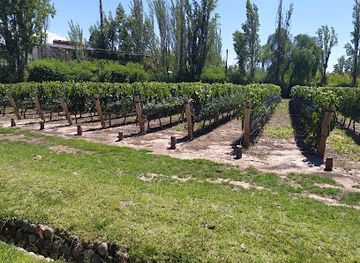
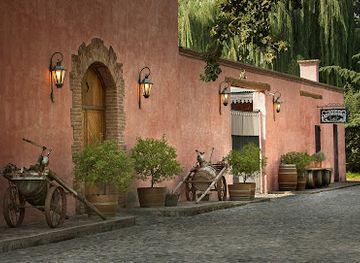
Chacras de Coria lies south-west of Mendoza, within the department of Luján de Cuyo, where the city’s orderly, irrigated landscape gives way to a more village-like pattern of leafy lanes, old villas, restaurant terraces and vineyard estates. Its name recalls the chacras, or agricultural plots, that once occupied this fertile belt, while Coria refers to the family associated with the area’s early landholding history. Today, broad streets shaded by mature trees lead towards the foothills, with the Andes visible beyond the vineyards on clear days.Read more about Chacras de Coria
A Local Centre with Rural Roots
Wine, Food and the Foothills
Best attractions in Chacras de Coria
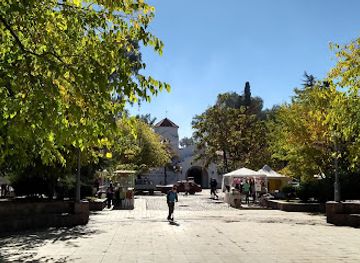
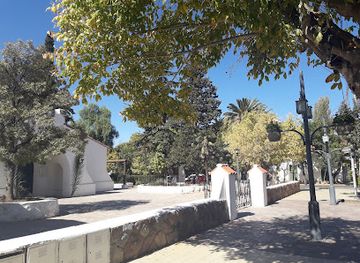
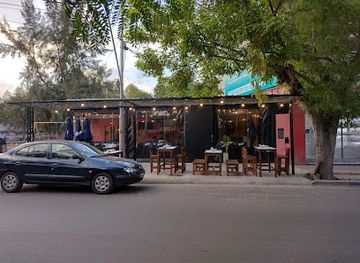
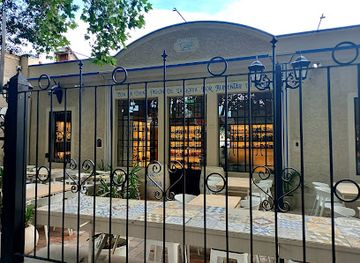
Chacras de Coria’s principal attractions are its atmosphere and its close relationship with Mendoza’s wine country. Plaza Gerónimo Espejo provides a useful centre, shaded by trees and connected to the parish church of Nuestra Señora del Perpetuo Socorro, while the surrounding streets reveal old homes, gardens, cafés and low-rise commercial buildings. Visitors can explore the neighbourhood on foot before travelling by bicycle, car or organised excursion to nearby bodegas and olive-growing properties in Luján de Cuyo. Wine tastings, vineyard lunches and views towards the Andes are the area’s defining experiences, but the irrigation channels, mature trees and quiet residential lanes are equally important to its character. The former railway association adds historical interest, and the broader foothill setting makes Chacras a convenient base for understanding how Mendoza’s urban oasis gives way to vineyards and mountain country.
-
Park
Square Chacras de Coria
Discover local crafts and serene landscapes in the heart of Chacras de Coria, a charming Mendoza town known for its vineyards and culture.
12 min walk · 0.9 km from neighbourhood centre
-
Winery
Clos de Chacras, bodega y restaurante
Experience Mendoza's wine culture at Clos de Chacras: a historic winery offering exquisite wines, gourmet cuisine, and stunning vineyard views.
5 min drive · 1.6 km from neighbourhood centre
-
Winery
Bodega Pulmary - Vinos Orgánicos
Discover the authentic taste of Mendoza with organic wines at Bodega Pulmary in Chacras de Coria.
9 min walk · 0.7 km from neighbourhood centre
Best landmarks in Chacras de Coria
The most recognisable local landmarks are Plaza Gerónimo Espejo and the Church of Nuestra Señora del Perpetuo Socorro, which together express Chacras de Coria’s village-like centre and Catholic heritage. The plaza functions as a civic reference point within a neighbourhood otherwise dispersed among leafy residential roads, vineyards and former rural properties. The church is significant not simply as a religious building but as part of the settlement’s gradual formation around shared institutions and public space. Mature trees, irrigation channels and surviving country-house landscapes are also important physical markers of the area’s agricultural past. The former railway connection belongs to the neighbourhood’s wider historical story, recalling the period when rail access supported viticulture and linked this rural settlement more closely with Mendoza. In the surrounding Luján de Cuyo wine country, bodegas and vineyard estates provide additional landmarks, though not all lie within Chacras itself.
-
Park
Square Chacras de Coria
Discover the enchanting Square of Chacras de Coria in Mendoza, where culture, nature, and artisanal crafts come together for an unforgettable experience.
12 min walk · 0.9 km from neighbourhood centre
-
Restaurant
El Gallego Chacras
Experience the rich flavors of Argentina at El Gallego Chacras, a culinary gem in Mendoza offering authentic dishes and a cozy atmosphere.
15 min walk · 1.2 km from neighbourhood centre
-
Restaurant
La Gloria Cantina Cool
Experience the essence of Mendoza at La Gloria Cantina Cool, where authentic flavors meet a vibrant atmosphere in Chacras de Coria.
8 min walk · 0.7 km from neighbourhood centre
-
Winery
Clos de Chacras, bodega y restaurante
Discover the exquisite flavors of Mendoza at Clos de Chacras, a premier winery and restaurant offering stunning views and gourmet experiences.
5 min drive · 1.6 km from neighbourhood centre
Explore Chacras de Coria on the map
A handpicked selection of must-see spots in Chacras de Coria, mapped for you.
Best hotels in Chacras de Coria
Best restaurants in Chacras de Coria
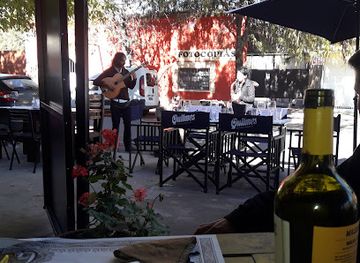
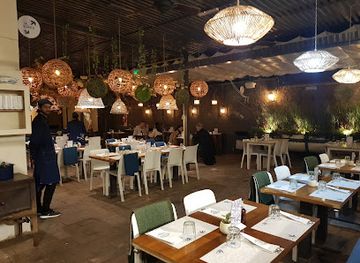
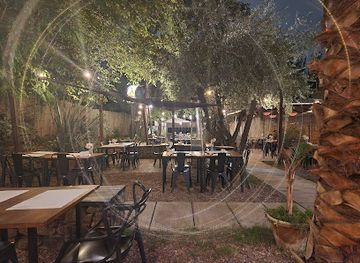
Dining in Chacras de Coria is closely tied to Mendoza’s wine culture and the area’s role as a relaxed weekend and evening destination. Restaurants and cafés cluster around the central streets and extend along routes towards the vineyards, offering menus that commonly pair regional produce with wines from Luján de Cuyo and the wider Mendoza province. Grilled meats, empanadas, seasonal vegetables and contemporary Argentine cooking sit alongside bakeries, coffee shops and informal places suited to a slow breakfast or afternoon pause. Some winery estates outside the central core also offer structured lunches or tasting menus, normally with advance arrangements. The neighbourhood’s culinary identity is less about one single dish than about the combination of local ingredients, Malbec-led wine culture, shaded terraces and leisurely service. Visitors should distinguish central Chacras dining from restaurants in nearby Vistalba and other parts of the larger wine district.
-
Restaurant
El Gallego Chacras
Experience authentic Argentine cuisine at El Gallego Chacras in Mendoza – where local flavors meet warm hospitality.
15 min walk · 1.2 km from neighbourhood centre
-
Restaurant
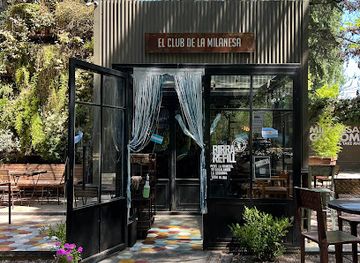
El Club De La Milanesa Chacras De Coria
Discover the flavors of Argentina at El Club De La Milanesa in Chacras De Coria – a delightful culinary escape featuring mouth-watering milanesas.
7 min drive · 2.4 km from neighbourhood centre
-
Restaurant
La Gloria Cantina Cool
Experience the essence of Mendoza at La Gloria Cantina Cool - where traditional flavors meet modern culinary creativity.
8 min walk · 0.7 km from neighbourhood centre
-
Restaurant
GINGGER CHACRAS
Experience exceptional dining at GINGGER CHACRAS in Chacras de Coria – where local flavors meet international cuisine in a charming atmosphere.
8 min walk · 0.6 km from neighbourhood centre
Best bars in Chacras de Coria
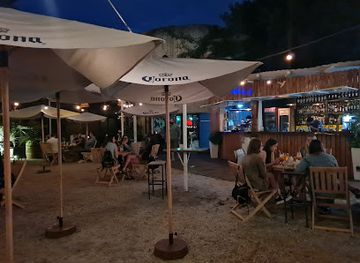
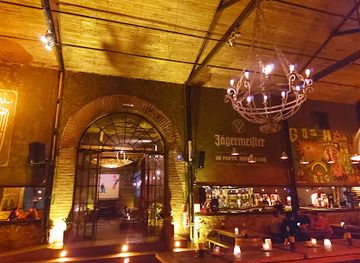
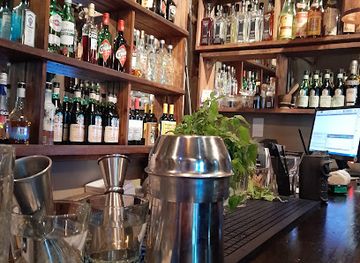
Chacras de Coria’s evening life is centred more on restaurants, wine bars and convivial terraces than on large nightclubs. Around the central streets, dining rooms and small bars attract visitors for Mendoza wines, cocktails and extended meals, while the low-rise residential setting keeps the atmosphere more measured than that of a dedicated entertainment district. Wine tastings and cellar visits may continue into the evening at some estates, but availability and booking arrangements vary. The area’s nightlife is best understood as an extension of its food culture: people move between dinner, a glass of local wine and relaxed conversation rather than a concentrated strip of clubs. Those seeking louder or later entertainment generally travel into central Mendoza, while visitors staying in Chacras should plan their return transport, particularly when venues or accommodation lie beyond the walkable plaza area.
-
Restaurant
La Gloria Cantina Cool
Experience the vibrant flavors of Mendoza at La Gloria Cantina Cool, a unique restaurant and grocery store offering local cuisine and products.
8 min walk · 0.7 km from neighbourhood centre
-
Tiki bar
We Are Chiringuito
Discover the vibrant atmosphere of We Are Chiringuito, a tiki bar in Luján de Cuyo offering exotic cocktails and a taste of tropical paradise.
7 min drive · 2.3 km from neighbourhood centre
-
Bar
Taverna
Discover the vibrant nightlife of Mendoza at Taverna, where delicious drinks and engaging events create an unforgettable experience.
7 min walk · 0.6 km from neighbourhood centre
-
Bar
Willys BAR
Experience the lively atmosphere and exquisite drinks at Willys BAR, the must-visit nightlife destination in Luján de Cuyo, Mendoza.
9 min walk · 0.8 km from neighbourhood centre
Best nightclubs in Chacras de Coria
Chacras de Coria’s evening life is centred more on restaurants, wine bars and convivial terraces than on large nightclubs. Around the central streets, dining rooms and small bars attract visitors for Mendoza wines, cocktails and extended meals, while the low-rise residential setting keeps the atmosphere more measured than that of a dedicated entertainment district. Wine tastings and cellar visits may continue into the evening at some estates, but availability and booking arrangements vary. The area’s nightlife is best understood as an extension of its food culture: people move between dinner, a glass of local wine and relaxed conversation rather than a concentrated strip of clubs. Those seeking louder or later entertainment generally travel into central Mendoza, while visitors staying in Chacras should plan their return transport, particularly when venues or accommodation lie beyond the walkable plaza area.
-
Night club
Patron Club
Discover the pulse of Mendoza's nightlife at Patron Club, where electrifying beats and vibrant crowds create unforgettable nights.
6 min drive · 1.9 km from neighbourhood centre
-
Night club
El Quinchito
Experience the lively nightlife at El Quinchito in Luján de Cuyo, the heart of Mendoza's cultural and entertainment scene.
5 min drive · 1.5 km from neighbourhood centre
-
Night club
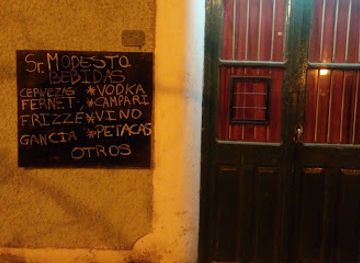
Sr Modesto
Discover the vibrant nightlife at Sr Modesto, a premier night club in Luján de Cuyo, Mendoza, perfect for dancing and socializing.
8 min drive · 2.5 km from neighbourhood centre
Best shops in Chacras de Coria
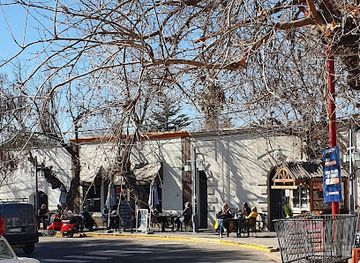
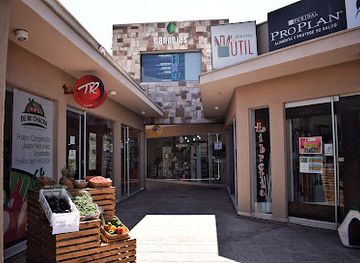
Shopping in Chacras de Coria is concentrated around small independent businesses rather than a large enclosed retail centre. Central streets offer cafés, delicatessens, wine shops, homeware, clothing, design objects and locally oriented gifts, with the strongest visitor interest usually focused on bottles from Mendoza producers and food products suitable for taking home. Restaurants and boutiques give the area a polished but still neighbourhood-scale commercial character, while the wider district includes specialist wine and olive outlets associated with rural estates. The most useful purchases are generally connected with the province’s agricultural identity: wine, olive oil, preserves and other regional foods, although selection differs from one business to another. Chacras should not be confused with Mendoza’s principal city-centre shopping streets; its appeal lies in browsing at a slower pace among shaded lanes and combining retail stops with cafés or a winery visit.
-
Park
Square Chacras de Coria
Explore Square Chacras de Coria, a cultural haven in Mendoza, filled with handicraft fairs, local cuisine, and vibrant community events.
12 min walk · 0.9 km from neighbourhood centre
-
Store
Lo de Brown
Discover the charm of Mendoza at Lo de Brown, where local artisans showcase their unique crafts and gourmet products in a vibrant atmosphere.
5 min drive · 1.8 km from neighbourhood centre
-
 Inn
El Encuentro Posada Boutique || Chacras de Coria
Discover the charm of Mendoza at El Encuentro Posada Boutique, a tranquil inn in Chacras de Coria, surrounded by stunning landscapes and exceptional wineries.
8 min walk · 0.7 km from neighbourhood centre
-
Shopping mall
Candelas Plaza
Explore the best of local shopping and dining at Candelas Plaza in Chacras de Coria, Mendoza, where vibrant culture meets modern retail.
6 min drive · 2.0 km from neighbourhood centre
Chacras de Coria essentials
Getting There
Getting Around
Safety
Emergency Situations
Do's and Don'ts
Local Tips

From Eve
Local phrases worth knowing
You don't need to get them perfect. A few words go a long way, and locals appreciate the effort.
Basics
| English | Local | Say it |
|---|---|---|
| Hello | Hola | [oh-lah] |
| Goodbye | Chau | [chow] |
| Yes | Sí | [see] |
| No | No | [noh] |
| Please/You're welcome | Por favor/De nada | [por fah-vohr/de nah-dah] |
| Thank you | Gracias | [grah-syahs] |
| Excuse me/Sorry | Perdón | [pehr-dohn] |
| How are you? | ¿Cómo estás? | [koh-moh ehs-tahs] |
| Fine. And you? | Bien. ¿Y tú? | [byen. ee too] |
| Do you speak English? | ¿Hablas inglés? | [ah-blahs een-glehs] |
| I don't understand | No entiendo | [noh ehn-tyen-doh] |
Eating & Drinking
| English | Local | Say it |
|---|---|---|
| I'd like to see the menu, please | Me gustaría ver el menú, por favor | [meh goos-tah-ree-ah behr ehl meh-noo, poor fah-vohr] |
| I don't eat meat | No como carne | [noh koh-moh kahr-neh] |
| Cheers! | Salud! | [sah-lood] |
| I would like to pay, please | Quisiera pagar, por favor | [kee-syeh-rah pah-gahr, poor fah-vohr] |
Emergencies
| English | Local | Say it |
|---|---|---|
| Help! | ¡Ayuda! | [ah-yoo-dah] |
| Go away! | ¡Vete! | [veh-teh] |
| Call the Police! | ¡Llama a la policía! | [yah-mah ah lah poh-lee-see-ah] |
| Call a doctor! | ¡Llama a un médico! | [yah-mah ah oon meh-dee-koh] |
| I'm lost | Estoy perdido/a | [ehs-toy pehr-dee-doh/dah] |
| I'm ill | Estoy enfermo/a | [ehs-toy ehn-fehr-moh/dah] |
Shopping
| English | Local | Say it |
|---|---|---|
| I'd like to buy... | Me gustaría comprar... | [meh goos-tah-ree-ah kohm-prahr] |
| I'm just looking | Solo estoy mirando | [soh-loh ehs-toy meer-ahn-doh] |
| How much is it? | ¿Cuánto cuesta? | [kwan-toh kwehs-tah] |
| That's too expensive | Eso es demasiado caro | [eh-soh ehs deh-mah-see-ah-doh kah-ro] |
| Can you lower the price? | ¿Puedes bajar el precio? | [pweh-dehs bah-hahr ehl preh-syoh] |
Time & Numbers
| English | Local | Say it |
|---|---|---|
| What time is it? | ¿Qué hora es? | [keh o-rah ehs] |
| It's one o'clock | Es la una en punto | [ehs lah oo-nah ehn poon-toh] |
| Half past (10) | Es la diez y media | [ehs lah dyehs ee meh-dee-ah] |
| Morning | Mañana | [mah-nyah-nah] |
| Afternoon | Tarde | [tahr-deh] |
| Evening | Noche | [noh-cheh] |
| Yesterday | Ayer | [ah-yehr] |
| Today | Hoy | [oy] |
| Tomorrow | Mañana | [mah-nyah-nah] |
| 1 | Uno | [oo-noh] |
| 2 | Dos | [dohs] |
| 3 | Tres | [trehs] |
| 4 | Cuatro | [kwah-troh] |
| 5 | Cinco | [seen-koh] |
| 6 | Seis | [says] |
| 7 | Siete | [syeh-teh] |
| 8 | Ocho | [oh-choh] |
| 9 | Nueve | [nweh-veh] |
| 10 | Diez | [dyehs] |
Transport & Directions
| English | Local | Say it |
|---|---|---|
| Where's a/the...? | ¿Dónde está...? | [dohn-deh ehs-tah] |
| What's the address? | ¿Cuál es la dirección? | [kwal ehs lah dee-rehk-syohn] |
| Can you show me (on the map)? | ¿Puedes mostrarme (en el mapa)? | [pweh-dehs mohs-trar-meh (ehn ehl mah-pah)] |
| When's the next (bus)? | ¿Cuándo es el próximo (colectivo)? | [kwan-doh ehs ehl proh-ksee-moh (koh-lehk-tee-voh)] |
| A ticket (to ....) | Un boleto (a ...) | [oon boh-leh-toh (ah ...)] |
History of Chacras de Coria
Agricultural Lands before Urbanisation
The area now known as Chacras de Coria formed part of the irrigated lands south of Mendoza, a landscape shaped by waterways, vineyards, orchards and small agricultural holdings. Long before the present neighbourhood developed, the wider Mendoza oasis was inhabited by Huarpe communities, whose knowledge of local water management was later absorbed and transformed by colonial settlement. Under Spanish rule and in the centuries that followed, rural plots supplied food and grapes to the growing city. The word chacra reflects this agricultural origin: it described a country farm or cultivated holding rather than a dense urban district. Chacras de Coria therefore emerged from Mendoza’s oasis economy, where access to irrigation was central to settlement, cultivation and property value.
The Coria Estate and Rural Settlement
The second part of the neighbourhood’s name is associated with the Coria family and the rural properties connected with it. During the nineteenth century, the district remained a countryside of estates, vineyards and country houses outside Mendoza’s compact centre. Improved irrigation and the expansion of viticulture strengthened the value of land in Luján de Cuyo, while roads and local institutions gradually gave the scattered holdings a clearer communal identity. The parish church and public square became important reference points for residents, helping turn an agricultural zone into a recognisable settlement. Its low-rise form and mature vegetation still reflect that transition from estate landscape to village-like suburb.
Railway Connections and a Country Retreat
Rail transport altered Chacras de Coria’s relationship with Mendoza during the late nineteenth and early twentieth centuries. The railway serving the wider Luján de Cuyo area connected agricultural producers and residents with the provincial capital, making the district more accessible as both a wine-producing zone and a retreat from the city. The station and railway corridor encouraged modest commercial growth and reinforced the settlement’s position within Mendoza’s expanding metropolitan orbit. Although the railway no longer defines everyday movement in the way it once did, traces of this period remain part of the neighbourhood’s historical identity, particularly in its reputation as a place of gardens, country houses and access to wine estates.
From Vineyard Community to Wine Destination
During the twentieth century, Chacras de Coria gradually became more residential while retaining strong links with viticulture. Mendoza’s expanding urban area brought new homes, services and roads, yet the neighbourhood’s leafy streets and surviving agricultural parcels prevented it from becoming a conventional high-density suburb. From the late twentieth century onwards, the growth of wine tourism in Luján de Cuyo gave Chacras a new public role. Restaurants, cafés, boutique accommodation and visitor services appeared alongside established residences, drawing on the area’s proximity to bodegas and the Andes. This development increased land pressure and changed the commercial character of central streets, while preserving the neighbourhood’s association with food, wine and the Mendoza oasis.
Chacras de Coria in Photos
Browse through our photo collection highlighting the charm and character of the destination.
Neighbourhoods near Chacras de Coria
The closest neighbourhoods to Chacras de Coria, if you have time for more than one stop.
-
-


Swipe for more neighbourhoods
Explore more

Explore more of Mendoza
Mendoza, Argentina blends Andes views, Malbec vineyards, leafy plazas and historic wine culture with memorable food, outdoor adventures and city sightseeing.
Explore Mendoza