

Free Mendoza Travel Guide & Mobile App
Plan your Mendoza trip with Evendo. Get free guides to top attractions, restaurants, hotels, and bars. Web access or download the mobile app.


Mendoza, Argentina blends Andes views, Malbec vineyards, leafy plazas and historic wine culture with memorable food, outdoor adventures and city sightseeing.
Andean Setting and Urban Rhythm
Mendoza lies in western Argentina at the foot of the Andes, where broad skies, dry mountain air and an ingenious network of irrigation channels shape daily life. The city is organised around leafy streets, deep acequias and a sequence of spacious plazas, with Plaza Independencia forming the central focus. Cafés, wine bars and restaurants fill the surrounding streets, while the tree canopy gives the centre a cooler, calmer character than the arid landscape beyond it.Read more about Mendoza
Wine Country at the City’s Edge
Plazas, Parks and Mountain Landscapes
When is the best time to visit Mendoza?
Best: April, September–October · 23–26°C| Month | High (°C) | Rainfall (mm) |
|---|---|---|
| January | 33 | 0 |
| February | 32 | 0 |
| March | 29 | 0 |
| April (best) | 25 | 8 |
| May | 21 | 16 |
| June | 17 | 16 |
| July | 17 | 12 |
| August | 19 | 12 |
| September (best) | 23 | 8 |
| October (best) | 26 | 12 |
| November | 29 | 8 |
| December | 32 | 0 |
Getting to and around Mendoza
How to get there
Transportation
Best attractions in Mendoza
Mendoza’s principal attractions combine urban history, public space and access to the Andes. Begin at Plaza Independencia, the city’s largest central square, then follow the surrounding plaza network towards the Museo del Área Fundacional, where archaeological remains and displays explain the pre-earthquake settlement. The Museo Municipal de Arte Moderno de Mendoza adds a contemporary cultural dimension, while the leafy paths of Parque General San Martín lead west towards the monumental Cerro de la Gloria. The park itself is an important part of Mendoza’s planned landscape, with gardens, avenues and recreational areas. Wine-focused excursions extend beyond the centre to Maipú, Luján de Cuyo and other vineyard districts, where tastings and cellar visits reveal the province’s agricultural identity. On the city’s eastern side, Mercado Central offers a glimpse of everyday produce and provisioning, while the tree-lined streets and acequias provide a distinctive setting for unhurried sightseeing.
-
 Park
Parque General San Martín
Discover Mendoza's iconic Parque General San Martín: a sprawling oasis of nature, history, and recreation in the heart of the city.
7 min drive · 2.3 km from city centre
-
Park
Plaza Independencia, Mendoza
Discover Mendoza's heart at Plaza Independencia: history, culture, art, and vibrant events in a beautiful setting. A must-see landmark!
2 min walk · 0.2 km from city centre
-
Tourist attraction
Portones del Parque General San Martín
Enter Mendoza's iconic Parque General San Martín through its majestic gates, a symbol of the city's history and natural beauty.
5 min drive · 1.5 km from city centre
-
Tourist attraction
Mercado Central
Experience Mendoza's vibrant culture at Mercado Central: a bustling market with local flavors, crafts, and authentic Argentine charm.
9 min walk · 0.7 km from city centre


Best landmarks in Mendoza
Mendoza’s landmarks reflect natural disaster, independence history and the civic culture of a provincial capital. Plaza Independencia anchors the post-1861 urban plan, with four smaller plazas positioned around it to create open spaces within the reconstructed city. Cerro de la Gloria, reached within Parque General San Martín, carries a major monument to the Army of the Andes and José de San Martín’s independence campaign. The ruins and archaeological displays at the Museo del Área Fundacional mark the location of the earlier settlement before the earthquake destroyed much of it. The Basílica de San Francisco is associated with the city’s religious history and the earthquake that damaged the former colonial centre, while the gates, avenues and landscaped spaces of Parque General San Martín form an important civic landscape. Irrigation channels, mature trees and broad streets are themselves defining elements of Mendoza’s built environment.
-
Park
Parque General San Martín
Explore the lush landscapes and serene beauty of Parque General San Martín, a premier urban park in Mendoza, Argentina, perfect for all nature enthusiasts.
7 min drive · 2.3 km from city centre
-
Park
Plaza Independencia, Mendoza
Experience the vibrant atmosphere of Plaza Independencia, Mendoza's cultural heart, where history, nature, and community come together in a beautiful park.
2 min walk · 0.2 km from city centre
-
Tourist attraction
Portones del Parque General San Martín
Discover the serene beauty of Portones del Parque General San Martín, a lush urban park in Mendoza, perfect for relaxation, exploration, and cultural experiences.
5 min drive · 1.5 km from city centre
-
Market
Mercado Central
Experience the vibrant flavors and cultural richness of Mendoza at Mercado Central, the city's bustling market for food, crafts, and local charm.
9 min walk · 0.7 km from city centre


Explore Mendoza on the map
Plan your Mendoza trip on one map. See where the top attractions, landmarks, restaurants, bars and hotels are, find what's near where you're staying, and book hotels and experiences in a few clicks.
Neighbourhoods in Mendoza
-

-
-


Swipe for more neighbourhoods
Best hotels in Mendoza
Best restaurants in Mendoza
Mendoza’s food culture is shaped by Argentina’s fondness for beef, the produce of an irrigated oasis and the province’s celebrated wine. Asado, empanadas and grilled meats are staples, while goat from the surrounding region may appear on menus alongside seasonal fruit, vegetables and olive oil. Malbec is the obvious local pairing, but Mendoza’s restaurants pour wines from across the province, including Cabernet Sauvignon and Syrah. The centre and the streets around Avenida Arístides Villanueva offer restaurants, cafés and wine bars, while Mercado Central provides a more everyday setting for browsing produce, meat and local provisions. Maipú and Luján de Cuyo, outside the central city, add vineyard restaurants where food is served beside working bodegas. Dining is generally unhurried, and dinner often begins later than international visitors may expect.
-
Argentinian
Fuente y Fonda
Discover authentic Argentinian cuisine at Fuente y Fonda in Mendoza—where tradition meets flavor in every bite.
3 min walk · 0.2 km from city centre
-
Italian
La Marchigiana Centro
Discover the fusion of Italian and Argentinian flavors at La Marchigiana Centro in Mendoza - A gastronomic delight awaits you!
9 min walk · 0.7 km from city centre
-
Restaurant
Anna Bistró
Experience the essence of French cuisine at Anna Bistró in Mendoza—where every dish tells a story of flavor and elegance.
12 min walk · 0.9 km from city centre
-
Coffee shop
Rama Negra Hogar de Café
Discover Rama Negra Hogar de Café in Mendoza - A haven for coffee lovers with exquisite brews and delightful breakfast options.
5 min walk · 0.4 km from city centre


Best bars in Mendoza
Mendoza’s evening life centres on restaurants, wine bars and cafés rather than an enormous club scene. Avenida Arístides Villanueva in Quinta Sección is a well-known evening area, with outdoor tables and venues that stay active after dinner, while the streets around Plaza Independencia provide a more central choice of bars and cultural programmes. Visitors can sample Malbec by the glass, explore craft-beer venues or settle into a quieter cocktail setting, with local wine remaining the defining drink. The city also has theatres, live music and seasonal performances linked to the arts and Vendimia celebrations. Nightlife usually begins late, and the atmosphere ranges from sociable and conversational to livelier on weekend nights. Taxis or recognised ride services are sensible for returning to accommodation after dark, particularly from areas beyond the central grid.
-
Grill
William Brown
Experience the perfect blend of Irish charm and Mendoza's culinary delights at William Brown, the must-visit bar and grill in the heart of the city.
11 min walk · 0.9 km from city centre
-
Irish pub
Believe Irish Pub
Discover the authentic taste of Ireland in Mendoza at Believe Irish Pub, where good times and great flavors await every visitor.
5 min walk · 0.4 km from city centre
-
Bar
Barijho
Discover the lively atmosphere of Barijho in Mendoza, where craft cocktails and local brews meet vibrant nightlife.
14 min walk · 1.2 km from city centre
-
Brewpub
Birra House
Discover the best craft beers and live music at Birra House, a vibrant brewpub in the heart of Mendoza’s nightlife.
7 min walk · 0.6 km from city centre


Best nightclubs in Mendoza
Mendoza’s evening life centres on restaurants, wine bars and cafés rather than an enormous club scene. Avenida Arístides Villanueva in Quinta Sección is a well-known evening area, with outdoor tables and venues that stay active after dinner, while the streets around Plaza Independencia provide a more central choice of bars and cultural programmes. Visitors can sample Malbec by the glass, explore craft-beer venues or settle into a quieter cocktail setting, with local wine remaining the defining drink. The city also has theatres, live music and seasonal performances linked to the arts and Vendimia celebrations. Nightlife usually begins late, and the atmosphere ranges from sociable and conversational to livelier on weekend nights. Taxis or recognised ride services are sensible for returning to accommodation after dark, particularly from areas beyond the central grid.
-
Dance club
GUTIERREZ long bar
Discover the electric atmosphere of Gutiérrez Long Bar, a premier dance club in Mendoza, where music and nightlife come alive.
5 min walk · 0.4 km from city centre
-
Gay night club
Queen Disco
Dive into the lively atmosphere of Queen Disco, Mendoza's premier gay nightclub, where unforgettable nights and vibrant community come alive.
5 min drive · 1.6 km from city centre
-
Disco club
NIKKI CLUB
Discover the electrifying atmosphere of Nikki Club, a premier disco in Mendoza, where unforgettable nights and vibrant music await every visitor.
17 min drive · 5.6 km from city centre
-
Disco club
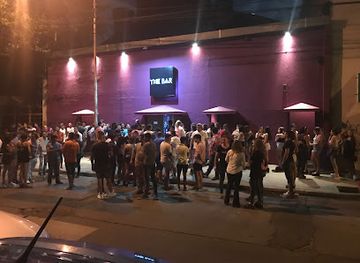
THE BAR
Discover Mendoza's vibrant nightlife at The Bar, a top disco destination where energy and music come alive.
5 min drive · 1.6 km from city centre


Best shops in Mendoza
Shopping in Mendoza ranges from everyday produce to wine, regional foods and contemporary independent retail. Mercado Central, close to the centre, is useful for seeing the city’s provisioning traditions through stalls selling meat, fruit, vegetables, cheese and other staples. The pedestrianised Calle Sarmiento and nearby central streets contain fashion shops, bookshops, cafés and practical retailers, while Avenida Arístides Villanueva has a more contemporary mix of boutiques and lifestyle businesses. Visitors often look for bottles from Mendoza’s wine regions, olive oil, preserves, chocolate and locally made leather goods, though proper packaging and transport rules matter when taking food or alcohol abroad. Bodega shops outside the centre add cellar-door purchases and branded wine accessories. Shopping hours can follow a split-day pattern, with some smaller businesses closing during the afternoon and reopening later.
-
Shopping mall
Palmares
Explore Palmares Shopping Mall in Mendoza: a vibrant hub for shopping, dining, and entertainment, perfect for tourists seeking a local experience.
22 min drive · 7.3 km from city centre
-
Shopping mall
La Barraca Mall
Explore La Barraca Mall in Mendoza for a vibrant shopping experience, local cuisine, and family-friendly entertainment all in one place.
10 min drive · 3.5 km from city centre
-
Shopping mall
Galeria Caracol
Explore Galeria Caracol in Mendoza, a vibrant shopping mall with unique stores, fashion boutiques, and local culture waiting to be discovered.
9 min walk · 0.7 km from city centre
-
Shopping mall
Arauca Mall
Discover Arauca Mall in Mendoza: A vibrant shopping haven with diverse stores, delicious dining, and entertainment for the whole family.
31 min drive · 11 km from city centre


Get your free copy of our complete guide to Mendoza, delivered straight to you.
Everything on this page, from attractions and restaurants to essentials and local phrases, in one PDF you can read offline, print or share.
Already have an account? Sign in
Your Mendoza guide is ready.
We'll send it to · Not you? Sign out

Getting your guide ready…
We are putting together a fresh copy of the Mendoza guide. This can take up to a minute.
This can take a few moments. If your browser asks, choose Allow so the download can start. You'll find the guide in your Downloads folder.
Nothing happened? Download it again
Sorry, the guide is taking longer than usual. Please try again in a minute, or get it by email instead.
Mendoza essentials
Currency and Payment
Safety
Emergency Situations
Do's and Don'ts
Local Tips
From Eve
Local phrases worth knowing
You don't need to get them perfect. A few words go a long way, and locals appreciate the effort.
Basics
| English | Local | Say it |
|---|---|---|
| Hello | Hola | [oh-la] |
| Goodbye | Adiós | [ah-dee-ohs] |
| Yes | Sí | [see] |
| No | No | [noh] |
| Please/You're welcome | Por favor/De nada | [por fah-vor/de nah-dah] |
| Thank you | Gracias | [grah-see-ahs] |
| Excuse me/Sorry | Disculpe/Perdón | [dees-kool-peh/pair-dohn] |
| How are you? | ¿Cómo estás? | [koh-moh ehs-tahs] |
| Fine. And you? | Bien. ¿Y tú? | [byen. ee too] |
| Do you speak English? | ¿Hablas inglés? | [ah-blahs een-glehs] |
| I don't understand | No entiendo | [noh ehn-tee-ehn-doh] |
Eating & Drinking
| English | Local | Say it |
|---|---|---|
| I'd like to see the menu, please | Me gustaría ver el menú, por favor | [meh goo-stah-ree-ah behr ehl meh-noo, poor fah-vor] |
| I don't eat meat | No como carne | [noh koh-moh kahr-neh] |
| Cheers! | ¡Salud! | [sah-lood] |
| I would like to pay, please | Quisiera pagar, por favor | [kee-see-eh-rah pah-gahr, poor fah-vor] |
Emergencies
| English | Local | Say it |
|---|---|---|
| Help! | ¡Ayuda! | [ah-yoo-dah] |
| Go away! | ¡Vete! | [veh-teh] |
| Call the Police! | ¡Llama a la policía! | [yah-mah ah lah poh-lee-see-ah] |
| Call a doctor! | ¡Llama a un doctor! | [yah-mah ah oon dohk-tohr] |
| I'm lost | Estoy perdido | [ehs-toy pair-dee-doh] |
| I'm ill | Estoy enfermo | [ehs-toy ehn-fehr-moh] |
Shopping
| English | Local | Say it |
|---|---|---|
| I'd like to buy... | Me gustaría comprar... | [meh goo-stah-ree-ah kohm-prahr] |
| I'm just looking | Solo estoy mirando | [soh-loh ehs-toy mee-rahn-doh] |
| How much is it? | ¿Cuánto cuesta? | [kwan-toh kwehs-tah] |
| That's too expensive | Es demasiado caro | [ehs deh-mah-see-ah-doh kah-roh] |
| Can you lower the price? | ¿Puede bajar el precio? | [pweh-deh bah-har ehl pree-seh-oh] |
Time & Numbers
| English | Local | Say it |
|---|---|---|
| What time is it? | ¿Qué hora es? | [keh oh-rah ehs] |
| It's one o'clock | Es la una | [ehs lah oo-nah] |
| Half past (10) | Media (10) | [meh-dee-ah (deez)] |
| Morning | Mañana | [mah-nyah-nah] |
| Afternoon | Tarde | [tahr-deh] |
| Evening | Noche | [noh-cheh] |
| Yesterday | Ayer | [ah-yehr] |
| Today | Hoy | [oy] |
| Tomorrow | Mañana | [mah-nyah-nah] |
| 1 | Uno | [oo-noh] |
| 2 | Dos | [dohs] |
| 3 | Tres | [trehs] |
| 4 | Cuatro | [kwah-troh] |
| 5 | Cinco | [seen-koh] |
| 6 | Seis | [says] |
| 7 | Siete | [syeh-teh] |
| 8 | Ocho | [oh-choh] |
| 9 | Nueve | [nweh-veh] |
| 10 | Diez | [dyehs] |
Transport & Directions
| English | Local | Say it |
|---|---|---|
| Where's a/the...? | ¿Dónde está...? | [dohn-deh ehs-tah] |
| What's the address? | ¿Cuál es la dirección? | [kwal ehs lah dee-rehk-syohn] |
| Can you show me (on the map)? | ¿Puedes mostrarme (en el mapa)? | [pweh-dehs mohs-trar-meh (ehn ehl mah-pah)] |
| When's the next (bus)? | ¿Cuándo es el próximo (colectivo)? | [kwan-doh ehs ehl proh-see-moh (koh-lehk-tee-voh)] |
| A ticket (to ....) | Un boleto (a ...) | [oon boh-leh-toh (ah)] |
History of Mendoza
Indigenous Lands and Spanish Foundation
Before Spanish settlement, the Huarpe people lived in the region and developed irrigation practices suited to Mendoza’s dry environment. Spanish forces led by Pedro del Castillo founded Mendoza on 2 March 1561, naming it after García Hurtado de Mendoza, governor of Chile. The early settlement remained connected administratively and commercially to Chile across the Andes, while agriculture depended on waterways derived from local rivers. Earthquakes, floods and changing channels repeatedly affected the town, and its initial colonial layout does not correspond exactly to the present centre.
Colonial Agriculture and Andean Connections
During the colonial period Mendoza developed as an agricultural and trading settlement within the orbit of the Viceroyalty of the Río de la Plata after 1776. Irrigated fields supported fruit, vegetables and vines, and the town’s position on routes across the Andes linked it with Santiago de Chile. Religious institutions and rural estates became important features of local society, while mule transport carried goods through the mountain passes. The foundations of Mendoza’s later wine economy were established during this period, although production remained modest and largely regional.
San Martín and Independence
Mendoza occupies an important place in the history of South American independence because José de San Martín made it the base for organising the Army of the Andes. As governor of Cuyo from 1814, he coordinated recruitment, supplies and military preparation before the army crossed the Andes in 1817 to support the liberation of Chile. The campaign connected Mendoza to the wider independence movement led by San Martín and Simón Bolívar. Memorials and historical museums in the province preserve this association, while Cerro de la Gloria commemorates the Army of the Andes.
The 1861 Earthquake and a New City
A devastating earthquake on 20 March 1861 destroyed much of the old settlement and caused extensive loss of life. Reconstruction shifted the urban centre towards a new plan with wider streets, larger open spaces and a more deliberate arrangement of public plazas, partly intended to provide refuge during future earthquakes. The present sequence of central squares, including Plaza Independencia and the four smaller satellite plazas, reflects this post-earthquake planning. Mendoza’s distinctive combination of broad streets, mature trees and irrigation channels emerged through this rebuilding and later urban development.
Railways, Immigration and the Wine Economy
From the late nineteenth century, rail connections to Buenos Aires and other parts of Argentina transformed Mendoza’s commercial prospects. European immigration, technical knowledge and investment helped expand vineyards and modernise wine production, while irrigation projects increased the area under cultivation. Italian and Spanish communities contributed to the province’s social and culinary life, and wine moved from a largely local trade towards a national industry. The city became an administrative and commercial centre for the surrounding oasis, with new civic buildings, theatres and neighbourhoods reflecting its growing importance.
Modern Mendoza and Vendimia Culture
Twentieth-century Mendoza combined continued wine production with expanding services, education and tourism. The annual Fiesta Nacional de la Vendimia, formalised in the 1930s and developed into a major provincial celebration, placed the grape harvest at the centre of public culture through parades, music and theatre. Urban parks and avenues were expanded, while wineries increasingly welcomed visitors and promoted Mendoza’s links with Malbec and the Andes. Today the city’s identity rests on this interaction between planned post-earthquake urbanism, irrigation, agriculture, provincial culture and access to one of South America’s great mountain landscapes.
Travel experiences inspired by this city


Swipe for more travel diaries
Mendoza in Photos
Browse through our photo collection highlighting the charm and character of the destination.
Cities near Mendoza
The closest cities to Mendoza, if you have time for more than one stop.
-

-

-

-

-


Swipe for more cities
Explore more

Explore more of Argentina
Discover Argentina: From the lively streets of Buenos Aires to the breathtaking landscapes of Patagonia, experience the vibrant culture and diverse natural wonders of this South American gem.
Explore Argentina